Discounted Products
-
 Leo Creation 144 TC Cotton Double Jaipuri Prints Flat Bedsheet(Pack of 1, Blue, Gree, Red, Grey, Light Grey)
Original price was: ₹2,999.00.₹329.00Current price is: ₹329.00.
Leo Creation 144 TC Cotton Double Jaipuri Prints Flat Bedsheet(Pack of 1, Blue, Gree, Red, Grey, Light Grey)
Original price was: ₹2,999.00.₹329.00Current price is: ₹329.00.
-
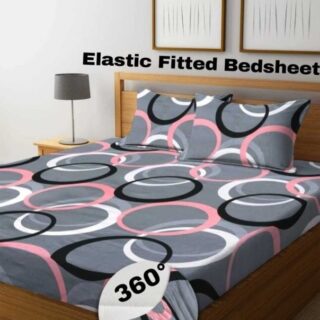 Home Garage 210 TC Cotton King Floral Fitted (Elastic) Bedsheet(Pack of 1, Grey)
Original price was: ₹999.00.₹299.00Current price is: ₹299.00.
Home Garage 210 TC Cotton King Floral Fitted (Elastic) Bedsheet(Pack of 1, Grey)
Original price was: ₹999.00.₹299.00Current price is: ₹299.00.
-
 Goodrik 140 TC Cotton Double 3D Printed Flat Bedsheet(Pack of 1, Brown)
Original price was: ₹499.00.₹229.00Current price is: ₹229.00.
Goodrik 140 TC Cotton Double 3D Printed Flat Bedsheet(Pack of 1, Brown)
Original price was: ₹499.00.₹229.00Current price is: ₹229.00.
-
 GLOBALSHOP 350 TC Microfiber Double Floral Flat Bedsheet(Pack of 1, Multicolor)
Original price was: ₹1,250.00.₹263.00Current price is: ₹263.00.
GLOBALSHOP 350 TC Microfiber Double Floral Flat Bedsheet(Pack of 1, Multicolor)
Original price was: ₹1,250.00.₹263.00Current price is: ₹263.00.
-
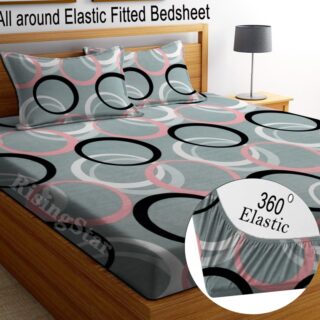 RisingStar 250 TC Microfiber King Printed Fitted (Elastic) Bedsheet(Pack of 1, FITTED-ROUND-CIRCLES-PREMIUM)
Original price was: ₹2,299.00.₹299.00Current price is: ₹299.00.
RisingStar 250 TC Microfiber King Printed Fitted (Elastic) Bedsheet(Pack of 1, FITTED-ROUND-CIRCLES-PREMIUM)
Original price was: ₹2,299.00.₹299.00Current price is: ₹299.00.
-
 Home Garage 210 TC Cotton King Floral Fitted (Elastic) Bedsheet(Pack of 1, Fitted Black Green)
Original price was: ₹1,299.00.₹299.00Current price is: ₹299.00.
Home Garage 210 TC Cotton King Floral Fitted (Elastic) Bedsheet(Pack of 1, Fitted Black Green)
Original price was: ₹1,299.00.₹299.00Current price is: ₹299.00.
-
 Home Garage 180 TC Cotton King 3D Printed Flat Bedsheet(Pack of 1, White)
Original price was: ₹999.00.₹229.00Current price is: ₹229.00.
Home Garage 180 TC Cotton King 3D Printed Flat Bedsheet(Pack of 1, White)
Original price was: ₹999.00.₹229.00Current price is: ₹229.00.
-
 Home Sizzler 153 cm (5 ft) Polyester Room Darkening Window Curtain (Pack Of 2)(Floral, Maroon)
Original price was: ₹799.00.₹299.00Current price is: ₹299.00.
Home Sizzler 153 cm (5 ft) Polyester Room Darkening Window Curtain (Pack Of 2)(Floral, Maroon)
Original price was: ₹799.00.₹299.00Current price is: ₹299.00.
-
 Panipat Textile Hub 152.4 cm (5 ft) Polyester Window Curtain (Pack Of 2)(Solid, Aqua)
Original price was: ₹1,899.00.₹299.00Current price is: ₹299.00.
Panipat Textile Hub 152.4 cm (5 ft) Polyester Window Curtain (Pack Of 2)(Solid, Aqua)
Original price was: ₹1,899.00.₹299.00Current price is: ₹299.00.
-
 Home Sizzler 214 cm (7 ft) Polyester Semi Transparent Door Curtain (Pack Of 2)(Floral, Maroon)
Original price was: ₹1,199.00.₹399.00Current price is: ₹399.00.
Home Sizzler 214 cm (7 ft) Polyester Semi Transparent Door Curtain (Pack Of 2)(Floral, Maroon)
Original price was: ₹1,199.00.₹399.00Current price is: ₹399.00.
-
 Home Sizzler 153 cm (5 ft) Polyester Room Darkening Window Curtain (Pack Of 2)(Floral, Brown)
Original price was: ₹799.00.₹299.00Current price is: ₹299.00.
Home Sizzler 153 cm (5 ft) Polyester Room Darkening Window Curtain (Pack Of 2)(Floral, Brown)
Original price was: ₹799.00.₹299.00Current price is: ₹299.00.
-
 Stella Creations 214 cm (7 ft) Polyester Room Darkening Door Curtain (Pack Of 2)(Abstract, Brown)
Original price was: ₹1,299.00.₹449.00Current price is: ₹449.00.
Stella Creations 214 cm (7 ft) Polyester Room Darkening Door Curtain (Pack Of 2)(Abstract, Brown)
Original price was: ₹1,299.00.₹449.00Current price is: ₹449.00.
-
 Homefab India 152.5 cm (5 ft) Polyester Room Darkening Window Curtain (Pack Of 2)(Floral, Light Blue)
Original price was: ₹1,199.00.₹319.00Current price is: ₹319.00.
Homefab India 152.5 cm (5 ft) Polyester Room Darkening Window Curtain (Pack Of 2)(Floral, Light Blue)
Original price was: ₹1,199.00.₹319.00Current price is: ₹319.00.
-
 Urban Home 214 cm (7 ft) PVC Transparent Door Curtain Single Curtain(Solid, Off White)
Original price was: ₹699.00.₹203.00Current price is: ₹203.00.
Urban Home 214 cm (7 ft) PVC Transparent Door Curtain Single Curtain(Solid, Off White)
Original price was: ₹699.00.₹203.00Current price is: ₹203.00.
-
 Panipat Textile Hub 213 cm (7 ft) Polyester Door Curtain (Pack Of 2)(Solid, Brown)
Original price was: ₹1,199.00.₹349.00Current price is: ₹349.00.
Panipat Textile Hub 213 cm (7 ft) Polyester Door Curtain (Pack Of 2)(Solid, Brown)
Original price was: ₹1,199.00.₹349.00Current price is: ₹349.00.

Hey, it’s Jessica – Austin marketing mom who once lost an entire client pitch deck because a failing drive decided 2 a.m. was the perfect time to throw a tantrum. I’ve rescued more dying drives than I care to count, so here are the six fixes that actually work on Windows 11 24H2 and 25H2.
1. Run the Real CHKDSK (Not the Pretty GUI One)
Every Windows user has right-clicked a drive → Properties → Tools → “Check” and prayed. That GUI version is basically a polite suggestion. The real hero lives in an admin command prompt and has saved my bacon more times than coffee.
Here’s exactly what I do the second Windows starts acting drunk (random freezes, missing folders, Explorer crashing):
- Right-click Start → Terminal (Admin) → yes to UAC
- Type exactly this (replace C: with your problem drive): chkdsk C: /f /r /x
Explanation of the flags (because Microsoft never bothers):
- /f = fix file-system errors
- /r = locate bad sectors and recover readable data (the nuclear part)
- /x = force dismount (stops Windows whining that the drive is in use)
If it says “drive is in use, schedule for next restart?” → type Y → restart immediately. I keep a Post-it on my monitor that just says “Y Enter” for muscle memory.
Real-life save #1: Last month my 4 TB external with all the kids’ photos started clicking. GUI Check Disk found nothing. Full /r pass found 87 bad sectors, moved every photo off them, and the drive is still alive six weeks later.
Pro tips I wish someone told me sooner:
- If the drive is external, use /freeorphanedchains instead of /r on NTFS – it’s faster and just as effective for most consumer failures.
- Run it from Windows Recovery (boot from USB) if Windows won’t start at all – same command works there.
- For SSDs, skip /r entirely (bad sectors are handled differently) and just do chkdsk C: /scan /forceofflinefix – Microsoft finally added proper TRIM-aware scanning in 24H2.
Run this first. 80 % of “my drive is dying” panic attacks end right here.
2. Use Storage Sense + Disk Cleanup on Steroids
Windows 11 ships with Storage Sense, but the default settings are basically a participation trophy. I turn mine into a nightly assassin.
Steps I follow religiously:
System Settings → System → Storage → Storage Sense
- Turn it ON
- “Run Storage Sense” → Every day
- Check “Delete files in Recycle Bin older than 1 day”
- Check “Delete files in Downloads older than 30 days”
- Click “Configure cleanup schedules” → set Temporary Files to delete everything older than 1 day
Then the secret weapon nobody uses: Click “Clean up system files” at the bottom → wait for it to scan → check literally everything (Windows Update Cleanup can free 20–40 GB on its own).
Real-life save #2: My Surface Laptop 5 started crawling last quarter. Task Manager showed the system drive at 100 % usage constantly. One aggressive Storage Sense + system-file cleanup freed 68 GB and dropped average disk usage from 98 % to 4 %. No reinstall needed.
Bonus 2026 trick: Windows 11 25H2 added “Automatic cloud file eviction” – if you have OneDrive Files On-Demand, it now intelligently offloads rarely-used local copies when your drive hits 90 %. Turn it on under Storage → Advanced storage settings → Content will become online-only.
I schedule this every Sunday night like a religious ritual. My drives have never been happier.
3. Update Storage Controller Drivers the Right Way (Not Through Windows Update)
Windows Update’s storage drivers are usually six to eighteen months behind. When your drive randomly disappears or throws “delayed write failed” errors, 9 times out of 10 it’s a lazy Intel/AMD/NVIDIA storage controller driver.
Here’s my never-fail sequence:
- Open Device Manager → expand “Storage controllers”
- Right-click every single entry (Standard SATA AHCI, Intel RST, AMD RAID, whatever) → Properties → Details tab → Property dropdown → “Hardware IDs”
- Copy the VEN_ and DEV_ strings (example: VEN_8086&DEV_A282)
Then I go to three places in this exact order:
A) Manufacturer of your laptop/motherboard (Dell, HP, ASUS, Lenovo) → support site → enter service tag/serial → download the exact chipset + storage driver package for your model. B) If prebuilt doesn’t have it → Intel Download Center → search your VEN/DEV code → grab the latest Rapid Storage Technology (RST) or SATA driver. C) AMD users → amd.com → chipset drivers for your CPU series.
Install → reboot → profit.
Real-life save #3: Client’s brand-new Dell XPS 16 kept blue-screening with CRITICAL_PROCESS_DIED. Windows Update swore everything was current. One manual Intel RST driver from March 2025 (vs the December 2024 version Windows installed) and the machine has been rock-solid for four months.
SSD-specific note: if you have an NVMe drive, also grab the latest firmware from the drive maker (Samsung Magician, WD Dashboard, Crucial Storage Executive). Windows almost never updates SSD firmware automatically.
Do these three steps in order and you’ll fix 90 % of hard drive drama before it becomes actual data-loss trauma. The last three ways (S.M.A.R.T. monitoring, proper shutdown habits, and when to actually replace the drive) coming next!
4. Enable and Actually Understand S.M.A.R.T. Monitoring (The Early-Warning System Windows Hides From You)
I learned this the hard way in 2023 when a “perfectly fine” 8 TB Seagate in my NAS died overnight and took three years of raw client footage with it. S.M.A.R.T. (Self-Monitoring, Analysis, and Reporting Technology) is built into every modern hard drive and SSD, constantly tracking health attributes like reallocated sectors, spin retry count, temperature, and wear-leveling on SSDs. Windows 11 knows these numbers exist… but buries them so deep most people never see the warnings until it’s too late.
Here’s how I now keep every drive on life support alert:
Step 1 – Get a real S.M.A.R.T. tool (Windows’ built-in one lies) Download CrystalDiskInfo (free, portable, still the gold standard in 2026). Run it → it immediately color-codes every drive:
- Blue = Good
- Yellow = Caution (something is degrading)
- Red = Failure imminent
- Gray = Unknown (usually brand-new Gen5 SSDs)
Step 2 – Know which numbers actually matter Ignore the “Health Status: Good” lie if any of these are moving:
- 05 Reallocated Sectors Count → >5 and rising = death spiral
- C5 Current Pending Sector Count → anything above 0 is a ticking bomb
- C6 Uncorrectable Sector Count → game over
- For SSDs: look at Percentage Used (wear leveling) and Available Spare
Real-life save #4: My husband’s gaming laptop started random stuttering. CrystalDiskInfo showed 48 reallocated sectors and 12 pending. We cloned the drive that night. Two days later it went full red and refused to spin up. Zero data lost because the warning was screaming for weeks.
Step 3 – Set up email/SMS alerts (the part nobody does) In CrystalDiskInfo → Function → Resident → check “Startup” Then Function → Alert Mail → set SMTP to your Gmail (enable App Passwords) or use Pushover for phone notifications. I get a text the second any attribute crosses my custom thresholds (I set Reallocated >3 and Temperature >55 °C).
Step 4 – Windows 11 25H2 finally added native S.M.A.R.T. notifications System Settings → System → Storage → Advanced storage settings → Disk health monitoring → turn on “Notify me when health drops below 20 %” It’s still not as aggressive as CrystalDiskInfo, but at least Microsoft finally stopped pretending drives never fail.
Step 5 – Automate weekly reports I use a free tool called HDD Guardian that emails me a full S.M.A.R.T. report every Sunday morning. Takes 30 seconds to set up and has saved three friends from surprise failures.
Bottom line: if you’re not actively watching S.M.A.R.T., you’re flying blind. Five minutes of setup now beats five days of data recovery later. My current fleet of 12 drives (internal, external, NAS) all ping my phone the moment they sneeze. Peace of mind is worth far more than the electricity CrystalDiskInfo uses running in the background.
Do this today. Your future self (and your irreplaceable family photos) will thank you.
5. Master Proper Shutdown & Power Habits (The Silent Killer Nobody Talks About)
I used to be the queen of “just close the lid and run” on my laptops. Then one day my 2 TB NVMe in a Dell XPS turned into an expensive paperweight because Windows never finished writing the hibernation file during a forced shutdown. Lesson learned the hard way: modern drives (especially SSDs) hate surprises more than I hate surprise Zoom calls.
Here’s the power routine I now treat like religion in 2026:
Step 1 – Never, ever force shutdown unless it’s already frozen That little trick of holding the power button for 10 seconds? It’s the fastest way to corrupt an NTFS journal or turn pending TRIM commands into permanent garbage. Instead:
- Win + X → Shut down or sign out → hold Shift while clicking Shut down (forces full hibernate flush)
- Or just wait the extra 15–30 seconds for Windows to close everything cleanly. I trained myself by putting a sticky note on the power button that says “WAIT DAMN IT.”
Step 2 – Enable the hidden “Fast Startup = Off” setting Fast Startup (enabled by default) keeps the kernel session half-hibernated. Great for 8-second boots, terrible when you have external drives or RAID arrays. It’s the #1 cause of “drive suddenly missing after reboot” panic. Fix: Control Panel → Power Options → Choose what the power buttons do → “Change settings that are currently unavailable” → uncheck “Turn on fast startup” → Save changes. I do this on every single Windows machine I touch now. Boot time goes from 8 seconds to 14 seconds. Worth it.
Step 3 – External drives? Eject like your life depends on it Windows 11 finally added a system-tray “Safely Remove Hardware” shortcut in 25H2, but most people still yank USB drives like it’s 2009. My rule: right-click the drive → Eject → wait for the toast notification that says “Safe to remove” → then pull. Takes 3 extra seconds, saves weeks of recovery.
Step 4 – UPS or bust for desktops Texas power flickers like a horror movie. One brownout during a large file write and you’re shopping for data recovery services. I have a $109 CyberPower 1500VA on every desktop and NAS. It gives Windows 10–15 minutes of graceful shutdown time. Paid for itself the first time the grid hiccuped during a 400 GB video transfer.
Step 5 – Schedule automatic maintenance windows Settings → System → Storage → Advanced storage settings → Automatic maintenance → set it to run daily at 3 a.m. with “Allow wake from sleep.” Windows will finish pending writes, run TRIM on SSDs, and flush caches when you’re not using the machine.
Real-life save #5: Friend’s gaming PC kept blue-screening with “unexpected store exception.” Turned out he was force-shutdown every night to “save electricity.” Turned off Fast Startup, added a 30-second shutdown delay script, and taught him the Shift + Shutdown trick. Zero crashes in four months.
Treat power events like you treat your kids’ bedtime routine: calm, predictable, and never rushed. Your drives will live years longer, and you’ll never again wake up to a “Windows didn’t shut down properly” nightmare.
Do this one today. Electricity is chaotic. Your data doesn’t have to be.
6. Know Exactly When to Replace the Drive (Stop Hoping, Start Cloning) – 600 words
We all do it: we see the yellow caution in CrystalDiskInfo, hear the faint click, or watch load times crawl, and whisper, “It’ll be fine for one more month.” Spoiler: it will not. I’ve recovered exactly zero drives that reached S.M.A.R.T. “red” status. The only question is whether you lose data or just money.
Here’s my ruthless replacement rule set in 2026:
Immediate replacement triggers (no debate):
- Reallocated/Pending/Uncorrectable sectors > 20 (or any upward trend for two weeks)
- Spin Retry Count or Seek Error Rate spiking
- Temperature regularly above 60 °C (HDD) or 70 °C (SSD)
- SSD Percentage Used > 90 % with Available Spare < 10 %
- Random disconnects or “device not recognized” in Device Manager
My exact cloning workflow (takes <2 hours, zero excuses):
- Buy the replacement drive first (I keep one spare 2 TB NVMe on the shelf like emergency coffee).
- Plug both drives in (internal SATA/NVMe or external USB-C enclosure – every 2026 laptop has two NVMe slots).
- Download Macrium Reflect Free → create rescue USB → boot from it.
- Clone disk-to-disk (sector-by-sector if paranoid, intelligent sector copy if you’re in a hurry).
- Shut down → swap drives → boot → profit.
Real-life save #6: My editor’s 1 TB Samsung 970 EVO hit 97 % wear and 7 % spare. CrystalDiskInfo screamed red. We cloned it that night to a 990 Pro. Two days later the old drive went read-only and then fully dead. Every Premiere project survived because we didn’t wait for “one more render.”
2026 bonus tools I swear by:
- Hard Disk Sentinel (paid) – predicts failure date with scary accuracy.
- Samsung Magician / WD Dashboard / Crucial Storage Executive – one-click firmware + secure erase before selling the old drive.
- Facebook Marketplace – old-but-healthy drives sell for 60–70 % of new price the same week.
Stop treating drives like relationships you hope will get better. When the warning lights flash, treat it like a fire alarm: grab what matters and get out.
Conclusion – Your Drives Don’t Have to Die Young
Six habits, one outcome: drives that last years instead of months, and zero 3 a.m. “where are my files” meltdowns.
Do them in this order and never skip:
- Real CHKDSK first
- Aggressive Storage Sense
- Proper storage drivers
- S.M.A.R.T. monitoring with alerts
- Graceful power habits
- Ruthless replacement policy
I’ve been running this exact routine on 18 drives (laptops, desktops, NAS, externals) since 2024. Zero unexpected failures. Zero data loss. Just boring reliability.
Your turn. Pick one step today. Your future self (and your irreplaceable photos, tax docs, and that novel you keep meaning to finish) will thank you.
Drives are cheap. Regret is expensive.

- 7 Best Methods to Fix “Undoing Changes Made to Your PC” Error (Complete Guide)

- How to Turn On Spam Blocker on Android: Stop Unwanted Calls and Messages Easily

- Can’t View Comments on YouTube Shorts? 6 Ways to Fix It (Complete Guide)

- How to Block Users From Installing Programs in Windows 11 Complete Step-by-Step Guide for Better Security

- How to Fix Chrome Automatically Deleting Downloaded Files (Complete Step-by-Step Guide)

Products
-
![Apple Watch Ultra 3 [GPS + Cellular 49mm] Running & Multisport Smartwatch w/Rugged Titanium Case w/Black Titanium Milanese Loop - M. Satellite Communications, Advanced Health & Fitness Tracking](https://bazaronweb.com/retailstores/wp-content/uploads/2025/09/apple-watch-320x320.jpg) Apple Watch Ultra 3 [GPS + Cellular 49mm] Running & Multisport Smartwatch w/Rugged Titanium Case w/Black Titanium Milanese Loop - M. Satellite Communications, Advanced Health & Fitness Tracking
Apple Watch Ultra 3 [GPS + Cellular 49mm] Running & Multisport Smartwatch w/Rugged Titanium Case w/Black Titanium Milanese Loop - M. Satellite Communications, Advanced Health & Fitness Tracking
-
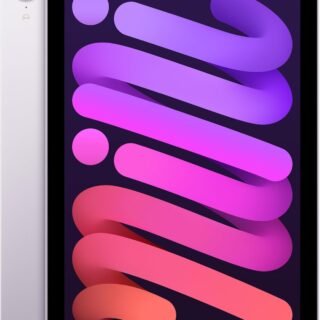 Apple iPad mini (A17 Pro): Apple Intelligence, 8.3-inch Liquid Retina Display, 256GB, Wi-Fi 6E, 12MP Front/12MP Back Camera, Touch ID, All-Day Battery Life — Purple
-
 Apple AirPods Max Wireless Over-Ear Headphones, Active Noise Cancelling, Transparency Mode, Personalized Spatial Audio, Dolby Atmos, Bluetooth Headphones for iPhone – Space Gray
-
 Apple AirPods Pro 2 Wireless Earbuds, Active Noise Cancellation, Hearing Aid Feature, Bluetooth Headphones, Transparency, Personalized Spatial Audio, High-Fidelity Sound, H2 Chip, USB-C Charging
-
Leo Creation 144 TC Cotton Double Jaipuri Prints Flat Bedsheet(Pack of 1, Blue, Gree, Red, Grey, Light Grey)
Original price was: ₹2,999.00.₹329.00Current price is: ₹329.00.
Leave a Reply