Discounted Products
-
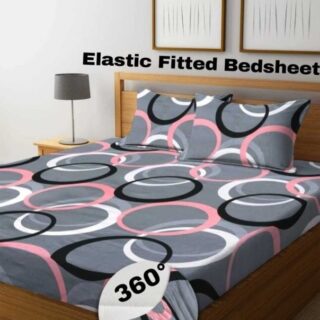 Home Garage 210 TC Cotton King Floral Fitted (Elastic) Bedsheet(Pack of 1, Grey)
Original price was: ₹999.00.₹299.00Current price is: ₹299.00.
Home Garage 210 TC Cotton King Floral Fitted (Elastic) Bedsheet(Pack of 1, Grey)
Original price was: ₹999.00.₹299.00Current price is: ₹299.00.
-
 Goodrik 140 TC Cotton Double 3D Printed Flat Bedsheet(Pack of 1, Brown)
Original price was: ₹499.00.₹229.00Current price is: ₹229.00.
Goodrik 140 TC Cotton Double 3D Printed Flat Bedsheet(Pack of 1, Brown)
Original price was: ₹499.00.₹229.00Current price is: ₹229.00.
-
 GLOBALSHOP 350 TC Microfiber Double Floral Flat Bedsheet(Pack of 1, Multicolor)
Original price was: ₹1,250.00.₹263.00Current price is: ₹263.00.
GLOBALSHOP 350 TC Microfiber Double Floral Flat Bedsheet(Pack of 1, Multicolor)
Original price was: ₹1,250.00.₹263.00Current price is: ₹263.00.
-
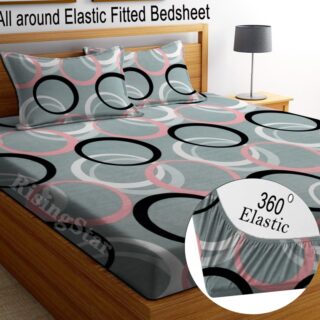 RisingStar 250 TC Microfiber King Printed Fitted (Elastic) Bedsheet(Pack of 1, FITTED-ROUND-CIRCLES-PREMIUM)
Original price was: ₹2,299.00.₹299.00Current price is: ₹299.00.
RisingStar 250 TC Microfiber King Printed Fitted (Elastic) Bedsheet(Pack of 1, FITTED-ROUND-CIRCLES-PREMIUM)
Original price was: ₹2,299.00.₹299.00Current price is: ₹299.00.
-
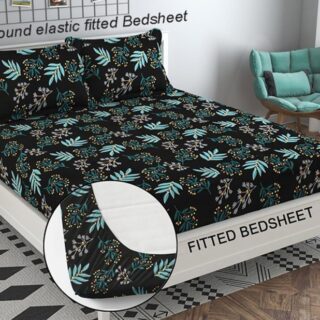 Home Garage 210 TC Cotton King Floral Fitted (Elastic) Bedsheet(Pack of 1, Fitted Black Green)
Original price was: ₹1,299.00.₹299.00Current price is: ₹299.00.
Home Garage 210 TC Cotton King Floral Fitted (Elastic) Bedsheet(Pack of 1, Fitted Black Green)
Original price was: ₹1,299.00.₹299.00Current price is: ₹299.00.
-
 Home Garage 180 TC Cotton King 3D Printed Flat Bedsheet(Pack of 1, White)
Original price was: ₹999.00.₹229.00Current price is: ₹229.00.
Home Garage 180 TC Cotton King 3D Printed Flat Bedsheet(Pack of 1, White)
Original price was: ₹999.00.₹229.00Current price is: ₹229.00.
-
 Panipat Textile Hub 152.4 cm (5 ft) Polyester Window Curtain (Pack Of 2)(Solid, Aqua)
Original price was: ₹1,899.00.₹299.00Current price is: ₹299.00.
Panipat Textile Hub 152.4 cm (5 ft) Polyester Window Curtain (Pack Of 2)(Solid, Aqua)
Original price was: ₹1,899.00.₹299.00Current price is: ₹299.00.
-
 Home Sizzler 214 cm (7 ft) Polyester Semi Transparent Door Curtain (Pack Of 2)(Floral, Maroon)
Original price was: ₹1,199.00.₹399.00Current price is: ₹399.00.
Home Sizzler 214 cm (7 ft) Polyester Semi Transparent Door Curtain (Pack Of 2)(Floral, Maroon)
Original price was: ₹1,199.00.₹399.00Current price is: ₹399.00.
-
 Home Sizzler 153 cm (5 ft) Polyester Room Darkening Window Curtain (Pack Of 2)(Floral, Brown)
Original price was: ₹799.00.₹299.00Current price is: ₹299.00.
Home Sizzler 153 cm (5 ft) Polyester Room Darkening Window Curtain (Pack Of 2)(Floral, Brown)
Original price was: ₹799.00.₹299.00Current price is: ₹299.00.
-
 Stella Creations 214 cm (7 ft) Polyester Room Darkening Door Curtain (Pack Of 2)(Abstract, Brown)
Original price was: ₹1,299.00.₹449.00Current price is: ₹449.00.
Stella Creations 214 cm (7 ft) Polyester Room Darkening Door Curtain (Pack Of 2)(Abstract, Brown)
Original price was: ₹1,299.00.₹449.00Current price is: ₹449.00.
-
 Homefab India 152.5 cm (5 ft) Polyester Room Darkening Window Curtain (Pack Of 2)(Floral, Light Blue)
Original price was: ₹1,199.00.₹319.00Current price is: ₹319.00.
Homefab India 152.5 cm (5 ft) Polyester Room Darkening Window Curtain (Pack Of 2)(Floral, Light Blue)
Original price was: ₹1,199.00.₹319.00Current price is: ₹319.00.
-
 Urban Home 214 cm (7 ft) PVC Transparent Door Curtain Single Curtain(Solid, Off White)
Original price was: ₹699.00.₹203.00Current price is: ₹203.00.
Urban Home 214 cm (7 ft) PVC Transparent Door Curtain Single Curtain(Solid, Off White)
Original price was: ₹699.00.₹203.00Current price is: ₹203.00.
-
 Panipat Textile Hub 213 cm (7 ft) Polyester Door Curtain (Pack Of 2)(Solid, Brown)
Original price was: ₹1,199.00.₹349.00Current price is: ₹349.00.
Panipat Textile Hub 213 cm (7 ft) Polyester Door Curtain (Pack Of 2)(Solid, Brown)
Original price was: ₹1,199.00.₹349.00Current price is: ₹349.00.
-
 Home Sizzler 214 cm (7 ft) Polyester Semi Transparent Door Curtain (Pack Of 2)(Floral, Brown)
Original price was: ₹999.00.₹349.00Current price is: ₹349.00.
Home Sizzler 214 cm (7 ft) Polyester Semi Transparent Door Curtain (Pack Of 2)(Floral, Brown)
Original price was: ₹999.00.₹349.00Current price is: ₹349.00.
-
 Panipat Textile Hub 213 cm (7 ft) Polyester Semi Transparent Door Curtain (Pack Of 2)(Floral, Brown)
Original price was: ₹899.00.₹299.00Current price is: ₹299.00.
Panipat Textile Hub 213 cm (7 ft) Polyester Semi Transparent Door Curtain (Pack Of 2)(Floral, Brown)
Original price was: ₹899.00.₹299.00Current price is: ₹299.00.

Hi friends! , Jessica Here, Remember the days of needing to dig out a CD or DVD to install a new program or game? Or worse, having to download special software just to open a single file? I certainly do. As a mom and a tech enthusiast, I love anything that simplifies my digital life.
That’s why the built-in ISO mounting feature in Windows 11 is such a hidden gem. It’s a perfect example of technology working quietly in the background to make things easier. If you’ve ever downloaded a Windows installation file, a classic game from a digital archive, or any large software suite, you’ve probably encountered an ISO file.
The good news is that you don’t need to be a computer whiz to use it. In this guide, I’ll walk you through exactly what an ISO is and show you the simple steps to mount and unmount them on your Windows 11 PC, no extra tools required.
What Exactly Is an ISO Image?
Let’s start with the basics. An ISO image (often just called an “ISO”) is a single file that acts as a perfect digital copy of a physical CD, DVD, or Blu-ray disc . It contains all the data, file structures, and even the boot information from the original disc, packaged into one convenient file.
Think of it like a digital photocopy of an entire book, not just the text. Software companies, including Microsoft, love using ISOs to distribute their products because it’s faster and cheaper than shipping physical discs . “Mounting” an ISO is the process of tricking your computer into thinking you’ve just inserted a physical disc into a real drive. It creates a virtual drive that shows up in your “This PC” folder, and you can browse the files and run installers just as you would with a real CD .
The Easiest Ways to Mount Your ISO in Windows 11
Windows 11 has made this process incredibly intuitive. Here are the three simplest methods, starting with the one I use most often.
Method 1: The Simple Double-Click (The Quickest Way)
This is my go-to method for its sheer simplicity.
-
Open File Explorer (you can press the
Windows key + Eon your keyboard). -
Navigate to the folder where you saved your ISO file.
-
Simply double-click the .iso file .
Within a second or two, you’ll see a new drive appear under “Devices and drives” in “This PC” with a name like “DVD Drive (D:)”. You can open it and access all the files inside.
Heads-up: This will only work if Windows Explorer is set as the default program for ISO files. If double-clicking opens the file in another program (like VLC or a compression tool), you’ll need to use one of the next two methods .
Method 2: The Right-Click Shortcut (The Reliable Classic)
If the double-click doesn’t work, or you just prefer context menus, this method is just as effective.
-
In File Explorer, find your ISO file.
-
Right-click on the file.
-
From the context menu that appears, select Mount .
That’s it! The virtual drive will be created instantly.
Method 3: The File Explorer Ribbon (The Visual Approach)
For those who like using the menu bar at the top of File Explorer, this is a great option.
-
Click on your ISO file once to select it.
-
At the top of the File Explorer window, look for the “Disk Image Tools” tab. This tab is context-sensitive and only appears when you’ve selected an ISO file.
-
Click this tab and then press the Mount button .
A Handy Table of Mounting Methods
| Method | Best For | Steps |
|---|---|---|
| Double-Click | Speed and simplicity when everything is set up correctly. | 1. Find the file. 2. Double-click it. |
| Right-Click | Reliability, especially if another program has taken over ISO files. | 1. Find the file. 2. Right-click it. 3. Select “Mount.” |
| PowerShell | Advanced users, automation, or troubleshooting tricky issues. | 1. Open Admin PowerShell. 2. Run Mount-DiskImage -ImagePath "FULL\PATH\TO\FILE.iso". |
For the Power Users: Mounting with PowerShell
If you’re comfortable with command-line tools or the graphical methods aren’t working, PowerShell is a powerful alternative. This is also the method tech support will often recommend for troubleshooting .
-
Click the Start button or the Search icon on your taskbar.
-
Type “PowerShell”.
-
Right-click on Windows PowerShell or Windows Terminal in the results and select Run as administrator .
-
In the PowerShell window, type the following command, replacing the path with the actual location of your file:
Mount-DiskImage -ImagePath "C:\Users\Jessica\Downloads\windows_file.iso"
Tip: To easily get the full path, navigate to the file in File Explorer, hold down the
Shiftkey, and right-click the ISO file. You should see an option called “Copy as path” which you can then paste into PowerShell .
After you press Enter, you’ll get a confirmation message, and the drive will appear .
How to Eject (Unmount) an ISO Image
Just like a physical disc, you should “eject” the virtual drive when you’re done with it. This keeps your File Explorer tidy.
-
The Easy Way: Open This PC in File Explorer. Right-click on the virtual DVD drive you mounted and select Eject . The drive will disappear until you mount the ISO again.
Help! My ISO Won’t Mount. What’s Wrong?
Sometimes, things don’t go as planned. If you’re having trouble, here are the most common culprits and their fixes:
-
Another Program Hijacked the ISO File Association: This is the most common issue. If a program like VLC media player, 7-Zip, or WinZip is set as the default for opening
.isofiles, the built-in “Mount” option won’t work . Try using the right-click method first. If that also fails, you may need to change your default apps for ISO files back to “Windows Explorer.” -
The ISO File is Corrupt: The file may not have downloaded completely or correctly. Try downloading it again from the original source .
-
A Windows System File is Corrupt: Sometimes, core Windows files can become damaged. You can repair them by opening a Command Prompt or PowerShell window as an administrator and running these commands in order:
-
sfc /scannow -
DISM /Online /Cleanup-Image /RestoreHealth
-
-
Security Software is Blocking Access: In rare cases, an overzealous security setting or antivirus program might be blocking access to virtual CD/DVD drives . Temporarily disabling such software (if you’re comfortable doing so) can help you test if this is the cause.
Mounting an ISO in Windows 11 is a brilliantly simple process that saves you from needing extra software or physical discs. With these methods and troubleshooting tips, you’re all set to handle any ISO file that comes your way. Now go forth and install that software






Products
-
![Apple Watch Ultra 3 [GPS + Cellular 49mm] Running & Multisport Smartwatch w/Rugged Titanium Case w/Black Titanium Milanese Loop - M. Satellite Communications, Advanced Health & Fitness Tracking](https://bazaronweb.com/retailstores/wp-content/uploads/2025/09/apple-watch-320x320.jpg) Apple Watch Ultra 3 [GPS + Cellular 49mm] Running & Multisport Smartwatch w/Rugged Titanium Case w/Black Titanium Milanese Loop - M. Satellite Communications, Advanced Health & Fitness Tracking
Apple Watch Ultra 3 [GPS + Cellular 49mm] Running & Multisport Smartwatch w/Rugged Titanium Case w/Black Titanium Milanese Loop - M. Satellite Communications, Advanced Health & Fitness Tracking
-
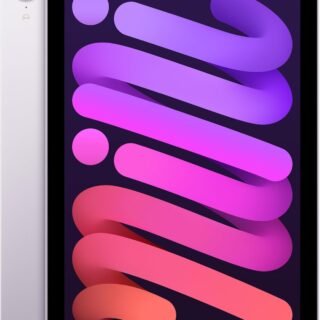 Apple iPad mini (A17 Pro): Apple Intelligence, 8.3-inch Liquid Retina Display, 256GB, Wi-Fi 6E, 12MP Front/12MP Back Camera, Touch ID, All-Day Battery Life — Purple
-
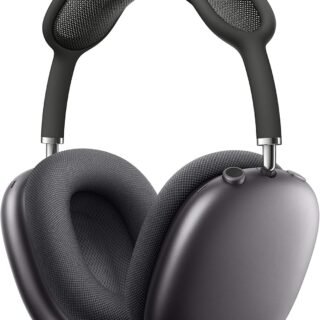 Apple AirPods Max Wireless Over-Ear Headphones, Active Noise Cancelling, Transparency Mode, Personalized Spatial Audio, Dolby Atmos, Bluetooth Headphones for iPhone – Space Gray
-
 Apple AirPods Pro 2 Wireless Earbuds, Active Noise Cancellation, Hearing Aid Feature, Bluetooth Headphones, Transparency, Personalized Spatial Audio, High-Fidelity Sound, H2 Chip, USB-C Charging
-
Home Garage 210 TC Cotton King Floral Fitted (Elastic) Bedsheet(Pack of 1, Grey)
Original price was: ₹999.00.₹299.00Current price is: ₹299.00.
Leave a Reply