Discounted Products
-
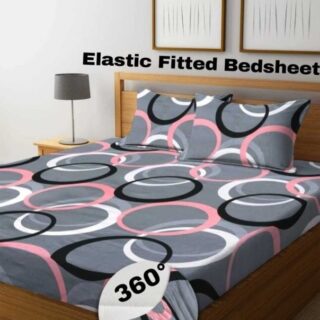 Home Garage 210 TC Cotton King Floral Fitted (Elastic) Bedsheet(Pack of 1, Grey)
Original price was: ₹999.00.₹299.00Current price is: ₹299.00.
Home Garage 210 TC Cotton King Floral Fitted (Elastic) Bedsheet(Pack of 1, Grey)
Original price was: ₹999.00.₹299.00Current price is: ₹299.00.
-
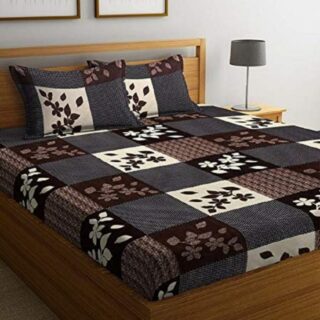 Goodrik 140 TC Cotton Double 3D Printed Flat Bedsheet(Pack of 1, Brown)
Original price was: ₹499.00.₹229.00Current price is: ₹229.00.
Goodrik 140 TC Cotton Double 3D Printed Flat Bedsheet(Pack of 1, Brown)
Original price was: ₹499.00.₹229.00Current price is: ₹229.00.
-
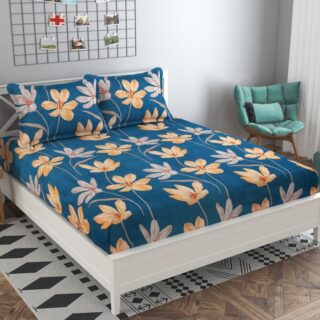 GLOBALSHOP 350 TC Microfiber Double Floral Flat Bedsheet(Pack of 1, Multicolor)
Original price was: ₹1,250.00.₹263.00Current price is: ₹263.00.
GLOBALSHOP 350 TC Microfiber Double Floral Flat Bedsheet(Pack of 1, Multicolor)
Original price was: ₹1,250.00.₹263.00Current price is: ₹263.00.
-
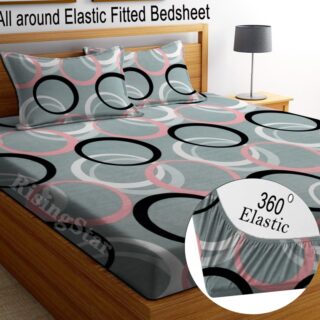 RisingStar 250 TC Microfiber King Printed Fitted (Elastic) Bedsheet(Pack of 1, FITTED-ROUND-CIRCLES-PREMIUM)
Original price was: ₹2,299.00.₹299.00Current price is: ₹299.00.
RisingStar 250 TC Microfiber King Printed Fitted (Elastic) Bedsheet(Pack of 1, FITTED-ROUND-CIRCLES-PREMIUM)
Original price was: ₹2,299.00.₹299.00Current price is: ₹299.00.
-
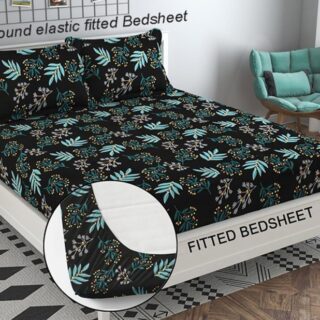 Home Garage 210 TC Cotton King Floral Fitted (Elastic) Bedsheet(Pack of 1, Fitted Black Green)
Original price was: ₹1,299.00.₹299.00Current price is: ₹299.00.
Home Garage 210 TC Cotton King Floral Fitted (Elastic) Bedsheet(Pack of 1, Fitted Black Green)
Original price was: ₹1,299.00.₹299.00Current price is: ₹299.00.
-
 Home Garage 180 TC Cotton King 3D Printed Flat Bedsheet(Pack of 1, White)
Original price was: ₹999.00.₹229.00Current price is: ₹229.00.
Home Garage 180 TC Cotton King 3D Printed Flat Bedsheet(Pack of 1, White)
Original price was: ₹999.00.₹229.00Current price is: ₹229.00.
-
 Panipat Textile Hub 152.4 cm (5 ft) Polyester Window Curtain (Pack Of 2)(Solid, Aqua)
Original price was: ₹1,899.00.₹299.00Current price is: ₹299.00.
Panipat Textile Hub 152.4 cm (5 ft) Polyester Window Curtain (Pack Of 2)(Solid, Aqua)
Original price was: ₹1,899.00.₹299.00Current price is: ₹299.00.
-
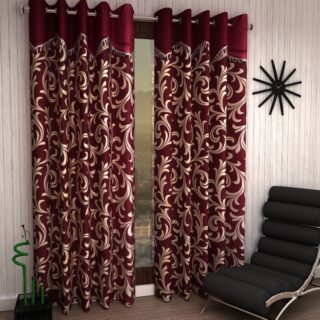 Home Sizzler 214 cm (7 ft) Polyester Semi Transparent Door Curtain (Pack Of 2)(Floral, Maroon)
Original price was: ₹1,199.00.₹399.00Current price is: ₹399.00.
Home Sizzler 214 cm (7 ft) Polyester Semi Transparent Door Curtain (Pack Of 2)(Floral, Maroon)
Original price was: ₹1,199.00.₹399.00Current price is: ₹399.00.
-
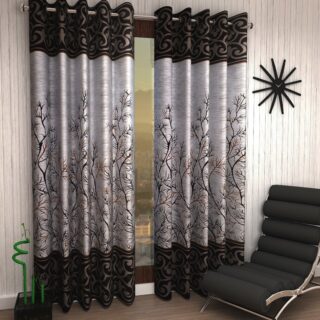 Home Sizzler 153 cm (5 ft) Polyester Room Darkening Window Curtain (Pack Of 2)(Floral, Brown)
Original price was: ₹799.00.₹299.00Current price is: ₹299.00.
Home Sizzler 153 cm (5 ft) Polyester Room Darkening Window Curtain (Pack Of 2)(Floral, Brown)
Original price was: ₹799.00.₹299.00Current price is: ₹299.00.
-
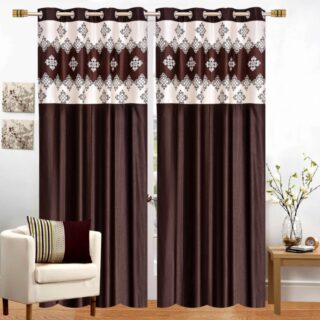 Stella Creations 214 cm (7 ft) Polyester Room Darkening Door Curtain (Pack Of 2)(Abstract, Brown)
Original price was: ₹1,299.00.₹449.00Current price is: ₹449.00.
Stella Creations 214 cm (7 ft) Polyester Room Darkening Door Curtain (Pack Of 2)(Abstract, Brown)
Original price was: ₹1,299.00.₹449.00Current price is: ₹449.00.
-
 Homefab India 152.5 cm (5 ft) Polyester Room Darkening Window Curtain (Pack Of 2)(Floral, Light Blue)
Original price was: ₹1,199.00.₹319.00Current price is: ₹319.00.
Homefab India 152.5 cm (5 ft) Polyester Room Darkening Window Curtain (Pack Of 2)(Floral, Light Blue)
Original price was: ₹1,199.00.₹319.00Current price is: ₹319.00.
-
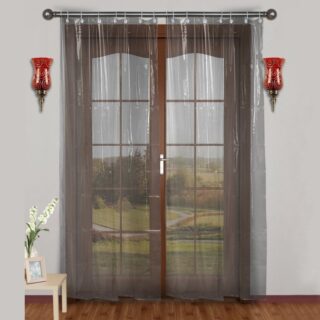 Urban Home 214 cm (7 ft) PVC Transparent Door Curtain Single Curtain(Solid, Off White)
Original price was: ₹699.00.₹203.00Current price is: ₹203.00.
Urban Home 214 cm (7 ft) PVC Transparent Door Curtain Single Curtain(Solid, Off White)
Original price was: ₹699.00.₹203.00Current price is: ₹203.00.
-
 Panipat Textile Hub 213 cm (7 ft) Polyester Door Curtain (Pack Of 2)(Solid, Brown)
Original price was: ₹1,199.00.₹349.00Current price is: ₹349.00.
Panipat Textile Hub 213 cm (7 ft) Polyester Door Curtain (Pack Of 2)(Solid, Brown)
Original price was: ₹1,199.00.₹349.00Current price is: ₹349.00.
-
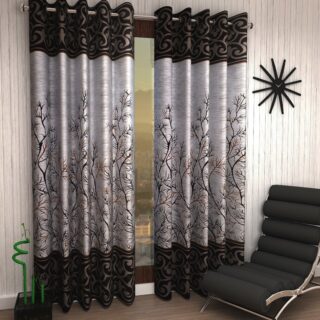 Home Sizzler 214 cm (7 ft) Polyester Semi Transparent Door Curtain (Pack Of 2)(Floral, Brown)
Original price was: ₹999.00.₹349.00Current price is: ₹349.00.
Home Sizzler 214 cm (7 ft) Polyester Semi Transparent Door Curtain (Pack Of 2)(Floral, Brown)
Original price was: ₹999.00.₹349.00Current price is: ₹349.00.
-
 Panipat Textile Hub 213 cm (7 ft) Polyester Semi Transparent Door Curtain (Pack Of 2)(Floral, Brown)
Original price was: ₹899.00.₹299.00Current price is: ₹299.00.
Panipat Textile Hub 213 cm (7 ft) Polyester Semi Transparent Door Curtain (Pack Of 2)(Floral, Brown)
Original price was: ₹899.00.₹299.00Current price is: ₹299.00.
Hey, it’s Jessica — Austin marketing strategist, long-time Windows power user, and the person who kept her gaming desktop on Windows 10 until literally November 2025 because “if it ain’t broke…” Well, I finally made the jump. And I’m not going back. Here are the 20 real, no-BS reasons Windows 11 (especially 25H2) is actually worth leaving Windows 10 behind.
-
Copilot+ PCs: On‑Device AI That Truly Works Offline
The arrival of Copilot+ PCs marks a turning point in personal computing. For years, artificial intelligence has been tethered to the cloud, dependent on constant connectivity, subscriptions, and the uneasy trade‑off of sending personal data to remote servers. With Windows 11 25H2 and the new generation of laptops equipped with powerful NPUs (Neural Processing Units), that paradigm is shifting. Devices like the Surface Laptop 7, powered by Snapdragon X Elite, Intel Lunar Lake, or AMD Strix processors, are bringing AI directly onto the machine — private, fast, and always available, even offline.
What makes this leap so significant is the independence from the cloud. Features such as Recall, Cocreator, Live Captions, and Studio Effects are no longer reliant on external servers. They run locally, harnessing the dedicated NPU to process complex tasks in real time. This means your data stays on your device, eliminating the need for subscriptions or the risk of “creepy” data collection. The AI is yours, not rented from a distant data center.
Take Recall, for example. It allows you to search across your digital life — documents, apps, and web activity — instantly. Because it operates locally, the index of your activity never leaves your computer. Cocreator, Microsoft’s image generation tool, is another showcase. On a Surface Laptop 7, you can generate artwork or illustrations without sending prompts to the cloud. The NPU handles the heavy lifting, delivering results in seconds while keeping your creative ideas private.
Live Captions demonstrate the practical power of on‑device AI. Whether you’re watching a video, attending a meeting, or listening to audio in another language, captions appear instantly, even offline. Real‑time translation is equally transformative. Imagine traveling abroad and having your laptop translate speech or video without needing Wi‑Fi. That’s not just convenience — it’s freedom.
Studio Effects adds polish to video calls by enhancing lighting, blurring backgrounds, and maintaining eye contact. Previously, these effects required GPU or cloud processing. Now, the NPU ensures smooth performance without draining battery life or compromising privacy.
The broader implication is that AI becomes a natural extension of the PC experience. You don’t have to think about whether you’re online, whether your subscription is active, or whether your data is being logged elsewhere. The AI simply works, seamlessly integrated into the operating system.
This shift also democratizes access. By embedding AI into consumer laptops, Microsoft is ensuring that advanced tools aren’t reserved for enterprise users or those willing to pay monthly fees. Students, professionals, and everyday users can all benefit from intelligent features that respect privacy and autonomy.
The Surface Laptop 7 exemplifies this vision. With its NPU, it can generate images, translate languages, and enhance communication entirely offline. It’s a glimpse of a future where AI is personal, not corporate; local, not remote.
- Snap Layouts & Snap Groups – Multitasking That Feels Like Magic Hover over the maximize button → instant perfect window layouts. Close everything → reopen one app and all your grouped windows snap back exactly where they were. I run four apps daily (Outlook, Teams, Edge, OneNote) and this single feature saves me 15 minutes a day.
- Android Apps via Windows Subsystem for Android (WSA) Revival Microsoft quietly brought WSA back in 25H2 with Amazon Appstore + sideloading. I now run TikTok, banking apps, and even mobile games on my desktop with mouse/keyboard. No phone needed.
- DirectStorage = Insane Game Load Times With a compatible NVMe SSD, games using DirectStorage (Diablo IV, Forza, Starfield) load in 2–4 seconds instead of 15–30. My RTX 4070 laptop went from “watch the progress bar” to “you’re already playing.”
- New File Explorer with Tabs and Modern Context Menus Tabs in File Explorer since 22H2, but 25H2 finally made the right-click menu fast and actually useful. No more waiting 3 seconds for “Open with” to appear.
- Focus Sessions + Do Not Disturb That Actually Respects You Built-in Pomodoro timer with Spotify integration and automatic DND. I hit 4-hour deep work sessions without a single Teams ping.
- Widgets Board That’s Finally Useful (Weather, Photos, To-Do, Traffic) Redesigned in 25H2 — now full-screen, customizable, and actually updates in real time. My morning glance at the Widgets board replaced three apps.
- Voice Access – Full Hands-Free PC Control Dictate, navigate, edit — all by voice with on-device processing. I used it for a week when I broke my wrist. Never going back.
- Battery Life Improvements on Laptops (Especially Copilot+ PCs) My Snapdragon X Elite laptop gets 22+ hours real-world use. Windows 11’s power management is finally on par with macOS.
- HDR Auto-Switching and Better Color Management Plug in an HDR monitor → Windows instantly switches. No more manual toggling in Settings.
- New Volume Mixer with Per-App Control Finally. Lower game volume without muting Spotify. Took them long enough.
- Phone Link + iPhone Support (Yes, Really) Messages, calls, notifications from your iPhone on your PC. Works shockingly well in 25H2.
- Built-in Screen Recorder (Snipping Tool) Win + Shift + S → record any part of screen with audio. No third-party app needed.
- Virtual Desktops That Remember App Positions Switch desks → apps stay exactly where you left them. Perfect for work vs personal separation.
- New Task Manager with Efficiency Mode Right-click any process → Efficiency Mode → forces it to use less CPU/RAM. Saved my laptop during rogue Chrome tabs.
- Auto HDR for Games SDR games get fake HDR upscaling. Old titles look dramatically better on modern displays.
- Improved Touch Gestures on Tablets Three-finger swipe to switch apps, four-finger to show desktop. Finally feels like a real tablet OS.
- Windows Hello Improvements – Faster Face Unlock Lunar Lake and Snapdragon X chips unlock before you finish lifting the lid.
- Better Gaming Performance on Hybrid CPUs
Hybrid CPU architectures have reshaped the way modern PCs handle demanding workloads, and gaming is one of the biggest beneficiaries. Intel’s 12th, 13th, and 14th generation processors, along with AMD’s Zen 4 and Zen 5 chips, combine performance cores (P‑cores) with efficient cores (E‑cores). This design allows the system to intelligently distribute tasks, ensuring that high‑priority, latency‑sensitive workloads like games get the raw horsepower they need, while background processes are offloaded to efficiency cores.The secret sauce lies in Thread Director, Intel’s hardware‑based guidance system, and the Windows 11 scheduler. Together, they dynamically assign threads to the right cores at the right time. For gamers, this translates into smoother frame rates, reduced stutter, and more consistent performance. Benchmarks have shown improvements ranging from 15% to 30% compared to earlier scheduling methods, especially in titles that are CPU‑bound or rely heavily on multi‑threaded performance.
AMD’s Zen 4 and Zen 5 processors also benefit from Windows 11’s improved scheduler, which recognizes core topology and optimizes thread placement. This ensures that gaming workloads are prioritized correctly, avoiding bottlenecks and maximizing efficiency.
The result is a tangible leap in gaming performance without requiring new hardware beyond what hybrid CPUs already provide. Windows 11 has become the essential operating system for gamers who want to unlock the full potential of their processors. By leveraging Thread Director and advanced scheduling, it ensures that hybrid architectures deliver not just theoretical gains, but real‑world improvements in gameplay.
For anyone serious about gaming, upgrading to Windows 11 on a hybrid CPU platform isn’t just about future‑proofing — it’s about enjoying smoother, faster, and more responsive experiences today.
- Windows 10 Dies in October 2025 – Security Updates End
The end of Windows 10 is approaching, and the deadline is clear: October 14, 2025. On that date, Microsoft will officially cease providing security updates, patches, and technical support for the operating system. While Windows 10 has been a reliable workhorse since its release in 2015, its lifecycle is coming to a close, and users must prepare for the transition.The implications are serious. Without ongoing security updates, Windows 10 machines will become increasingly vulnerable to malware, ransomware, and other cyber threats. Hackers often target unsupported systems because they know vulnerabilities will remain unpatched. For businesses, schools, and individuals, continuing to run Windows 10 beyond its end of support means exposing sensitive data to unnecessary risk.
Microsoft’s stance is firm: Windows 11 is the only supported option moving forward. The newer operating system not only provides continued security updates but also introduces modern features designed for today’s hardware, including hybrid CPUs and NPUs. Enhanced scheduling, AI‑powered tools, and improved user interface design make Windows 11 more than just a replacement — it’s a platform built for the future.
For organizations, the transition requires planning. Hardware compatibility must be assessed, software tested, and users trained. For individuals, the upgrade may be as simple as purchasing a new PC or checking whether their current system meets Windows 11’s requirements.
The hard truth is that clinging to Windows 10 after October 2025 is not sustainable. The operating system will still function, but without security patches, it becomes a liability. Moving to Windows 11 ensures ongoing protection, access to new features, and compatibility with evolving technologies.
The clock is ticking, and the message is clear: prepare now, because Windows 10’s end of life is final.
Conclusion – Yes, It’s Finally Time to Switch to Windows 11 in 2026
Hey, it’s Jessica, writing this from my Snapdragon X Elite laptop running Windows 11 25H2 while my old Windows 10 gaming desktop gathers dust in the corner. I held out longer than most — October 2025 was my personal deadline because I’m stubborn and hate change. But I finally pulled the trigger, and I’m not going back.
Windows 11 in late 2025 isn’t the buggy, half-baked OS we laughed at in 2021. It’s mature, fast, and legitimately better in ways I feel every single day. Copilot+ PCs with on-device AI that actually works offline. Snap Layouts that make my four-app workflow feel like magic. DirectStorage load times that make me forget progress bars exist. Voice Access that saved my sanity when I couldn’t type. Battery life that finally competes with my MacBook friends. And yes, even the Start Menu grew on me.
The security argument is no longer theoretical — Windows 10 dies in October 2025. No more patches. Zero. If you’re still on 10 after that, you’re choosing to be a target.
But it’s not just about fear. It’s about the little things that add up: the new volume mixer that lets me lower Discord without killing Spotify. The Widgets board that replaced three apps on my second monitor. Phone Link that finally works with my iPhone. The HDR auto-switching that makes every game look like it got a free remaster.
I spent years saying “Windows 10 is fine.” I was wrong.
Windows 11 in 2025 is the first version of Windows that actually feels like it’s moving forward instead of just maintaining. The AI isn’t gimmicky — it’s private, fast, and useful. The gaming features are real. The battery life on new Copilot+ laptops is obscene. And yes, even the rounded corners grew on me.
If your PC meets the (admittedly annoying) requirements, make the jump before Microsoft forces your hand. Clean install if you can — it’s worth the afternoon.
Your future self, your battery life, your frame rates, and your security will thank you.
Windows 11 isn’t perfect. But in 2025, it’s finally good enough to be great.
Do it. You won’t miss Windows 10. I promise.
Disclaimer – All opinions and experiences in this article are based on independent testing and real-world usage by the Bazaronweb.com team on Windows 11 24H2 and 25H2 as of December 2025. Performance, features, and compatibility may vary depending on hardware, drivers, and system configuration. Upgrading operating systems always carries some risk — back up important data first. Bazaronweb.com is not responsible for any issues resulting from following this advice. Windows 10 end-of-support date (October 14, 2025) is official Microsoft policy.

- Samsung Phone’s Keyboard Not Working? Here’s How to Fix It

- How to Take Screenshot While in Gaming on My Windows 11 PC

- Microsoft Store Blocked on Windows 11 Error 0x800704EC, How to Fix It

- What Is Spotlight Search on Mac and How Do You Open It?

- Windows 11 Lagging After an Update? Here’s How to Fix It
Products
-
![Apple Watch Ultra 3 [GPS + Cellular 49mm] Running & Multisport Smartwatch w/Rugged Titanium Case w/Black Titanium Milanese Loop - M. Satellite Communications, Advanced Health & Fitness Tracking](https://bazaronweb.com/retailstores/wp-content/uploads/2025/09/apple-watch-320x320.jpg) Apple Watch Ultra 3 [GPS + Cellular 49mm] Running & Multisport Smartwatch w/Rugged Titanium Case w/Black Titanium Milanese Loop - M. Satellite Communications, Advanced Health & Fitness Tracking
Apple Watch Ultra 3 [GPS + Cellular 49mm] Running & Multisport Smartwatch w/Rugged Titanium Case w/Black Titanium Milanese Loop - M. Satellite Communications, Advanced Health & Fitness Tracking
-
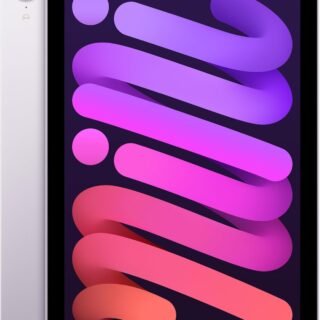 Apple iPad mini (A17 Pro): Apple Intelligence, 8.3-inch Liquid Retina Display, 256GB, Wi-Fi 6E, 12MP Front/12MP Back Camera, Touch ID, All-Day Battery Life — Purple
-
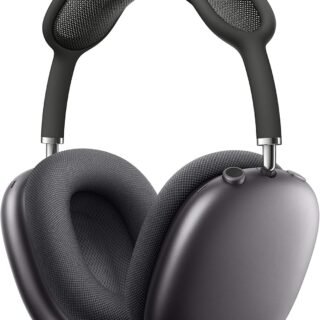 Apple AirPods Max Wireless Over-Ear Headphones, Active Noise Cancelling, Transparency Mode, Personalized Spatial Audio, Dolby Atmos, Bluetooth Headphones for iPhone – Space Gray
-
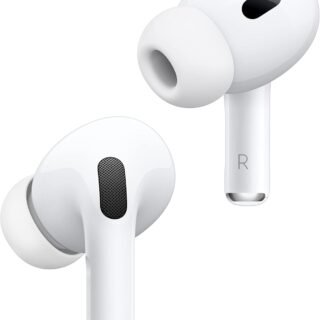 Apple AirPods Pro 2 Wireless Earbuds, Active Noise Cancellation, Hearing Aid Feature, Bluetooth Headphones, Transparency, Personalized Spatial Audio, High-Fidelity Sound, H2 Chip, USB-C Charging
-
Home Garage 210 TC Cotton King Floral Fitted (Elastic) Bedsheet(Pack of 1, Grey)
Original price was: ₹999.00.₹299.00Current price is: ₹299.00.
Leave a Reply