Discounted Products
-
 Home Garage 210 TC Cotton King Floral Fitted (Elastic) Bedsheet(Pack of 1, Grey)
Original price was: ₹999.00.₹299.00Current price is: ₹299.00.
Home Garage 210 TC Cotton King Floral Fitted (Elastic) Bedsheet(Pack of 1, Grey)
Original price was: ₹999.00.₹299.00Current price is: ₹299.00.
-
 Goodrik 140 TC Cotton Double 3D Printed Flat Bedsheet(Pack of 1, Brown)
Original price was: ₹499.00.₹229.00Current price is: ₹229.00.
Goodrik 140 TC Cotton Double 3D Printed Flat Bedsheet(Pack of 1, Brown)
Original price was: ₹499.00.₹229.00Current price is: ₹229.00.
-
 GLOBALSHOP 350 TC Microfiber Double Floral Flat Bedsheet(Pack of 1, Multicolor)
Original price was: ₹1,250.00.₹263.00Current price is: ₹263.00.
GLOBALSHOP 350 TC Microfiber Double Floral Flat Bedsheet(Pack of 1, Multicolor)
Original price was: ₹1,250.00.₹263.00Current price is: ₹263.00.
-
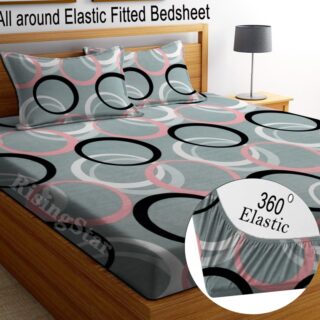 RisingStar 250 TC Microfiber King Printed Fitted (Elastic) Bedsheet(Pack of 1, FITTED-ROUND-CIRCLES-PREMIUM)
Original price was: ₹2,299.00.₹299.00Current price is: ₹299.00.
RisingStar 250 TC Microfiber King Printed Fitted (Elastic) Bedsheet(Pack of 1, FITTED-ROUND-CIRCLES-PREMIUM)
Original price was: ₹2,299.00.₹299.00Current price is: ₹299.00.
-
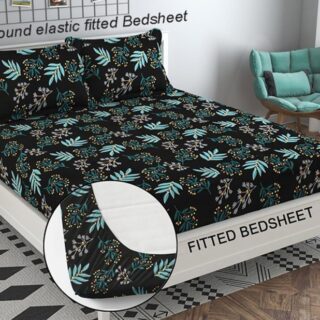 Home Garage 210 TC Cotton King Floral Fitted (Elastic) Bedsheet(Pack of 1, Fitted Black Green)
Original price was: ₹1,299.00.₹299.00Current price is: ₹299.00.
Home Garage 210 TC Cotton King Floral Fitted (Elastic) Bedsheet(Pack of 1, Fitted Black Green)
Original price was: ₹1,299.00.₹299.00Current price is: ₹299.00.
-
 Home Garage 180 TC Cotton King 3D Printed Flat Bedsheet(Pack of 1, White)
Original price was: ₹999.00.₹229.00Current price is: ₹229.00.
Home Garage 180 TC Cotton King 3D Printed Flat Bedsheet(Pack of 1, White)
Original price was: ₹999.00.₹229.00Current price is: ₹229.00.
-
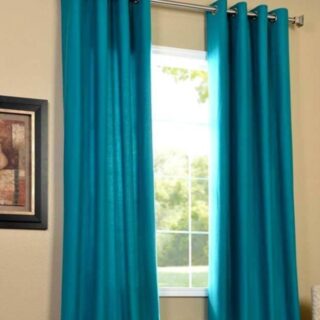 Panipat Textile Hub 152.4 cm (5 ft) Polyester Window Curtain (Pack Of 2)(Solid, Aqua)
Original price was: ₹1,899.00.₹299.00Current price is: ₹299.00.
Panipat Textile Hub 152.4 cm (5 ft) Polyester Window Curtain (Pack Of 2)(Solid, Aqua)
Original price was: ₹1,899.00.₹299.00Current price is: ₹299.00.
-
 Home Sizzler 214 cm (7 ft) Polyester Semi Transparent Door Curtain (Pack Of 2)(Floral, Maroon)
Original price was: ₹1,199.00.₹399.00Current price is: ₹399.00.
Home Sizzler 214 cm (7 ft) Polyester Semi Transparent Door Curtain (Pack Of 2)(Floral, Maroon)
Original price was: ₹1,199.00.₹399.00Current price is: ₹399.00.
-
 Home Sizzler 153 cm (5 ft) Polyester Room Darkening Window Curtain (Pack Of 2)(Floral, Brown)
Original price was: ₹799.00.₹299.00Current price is: ₹299.00.
Home Sizzler 153 cm (5 ft) Polyester Room Darkening Window Curtain (Pack Of 2)(Floral, Brown)
Original price was: ₹799.00.₹299.00Current price is: ₹299.00.
-
 Stella Creations 214 cm (7 ft) Polyester Room Darkening Door Curtain (Pack Of 2)(Abstract, Brown)
Original price was: ₹1,299.00.₹449.00Current price is: ₹449.00.
Stella Creations 214 cm (7 ft) Polyester Room Darkening Door Curtain (Pack Of 2)(Abstract, Brown)
Original price was: ₹1,299.00.₹449.00Current price is: ₹449.00.
-
 Homefab India 152.5 cm (5 ft) Polyester Room Darkening Window Curtain (Pack Of 2)(Floral, Light Blue)
Original price was: ₹1,199.00.₹319.00Current price is: ₹319.00.
Homefab India 152.5 cm (5 ft) Polyester Room Darkening Window Curtain (Pack Of 2)(Floral, Light Blue)
Original price was: ₹1,199.00.₹319.00Current price is: ₹319.00.
-
 Urban Home 214 cm (7 ft) PVC Transparent Door Curtain Single Curtain(Solid, Off White)
Original price was: ₹699.00.₹203.00Current price is: ₹203.00.
Urban Home 214 cm (7 ft) PVC Transparent Door Curtain Single Curtain(Solid, Off White)
Original price was: ₹699.00.₹203.00Current price is: ₹203.00.
-
 Panipat Textile Hub 213 cm (7 ft) Polyester Door Curtain (Pack Of 2)(Solid, Brown)
Original price was: ₹1,199.00.₹349.00Current price is: ₹349.00.
Panipat Textile Hub 213 cm (7 ft) Polyester Door Curtain (Pack Of 2)(Solid, Brown)
Original price was: ₹1,199.00.₹349.00Current price is: ₹349.00.
-
 Home Sizzler 214 cm (7 ft) Polyester Semi Transparent Door Curtain (Pack Of 2)(Floral, Brown)
Original price was: ₹999.00.₹349.00Current price is: ₹349.00.
Home Sizzler 214 cm (7 ft) Polyester Semi Transparent Door Curtain (Pack Of 2)(Floral, Brown)
Original price was: ₹999.00.₹349.00Current price is: ₹349.00.
-
 Panipat Textile Hub 213 cm (7 ft) Polyester Semi Transparent Door Curtain (Pack Of 2)(Floral, Brown)
Original price was: ₹899.00.₹299.00Current price is: ₹299.00.
Panipat Textile Hub 213 cm (7 ft) Polyester Semi Transparent Door Curtain (Pack Of 2)(Floral, Brown)
Original price was: ₹899.00.₹299.00Current price is: ₹299.00.
Introduction
Google Chrome is one of the most widely used web browsers in the world, not just because it’s fast and convenient, but because it offers a smooth browsing experience across devices. However, even Chrome isn’t immune to technical issues. One of the most common and frustrating problems users face is when Chrome refuses to open—no error messages, no loading screen, nothing. You click the icon repeatedly, and Chrome simply does not launch.
This issue can appear on Windows and macOS for a variety of reasons. Sometimes the problem is related to background processes still running, sometimes Chrome’s own internal files become corrupted, and sometimes external software—like antivirus programs or third-party utilities—blocks Chrome from starting. In other cases, damaged user profiles, outdated software components, conflicting extensions, or system resource overloads can prevent Chrome from opening completely.
For many users, this issue shows up suddenly, even if Chrome worked perfectly the day before. It may happen after a Windows update, a system crash, malware removal, or a forced shutdown. Occasionally, Chrome will open once and then fail to launch again. In many instances, users assume Chrome is broken and try reinstalling immediately—but that’s not always necessary.
The good news is this problem is usually fixable. In most cases, users can solve the issue in minutes by adjusting a few settings, ending background tasks, or resetting corrupted configurations. The key is to approach the problem step by step, ruling out possible causes one at a time.
This guide explains five proven fixes that help resolve the “Chrome browser not opening” issue. Whether Chrome freezes at startup, closes instantly, or doesn’t respond at all, these steps will help restore functionality without losing bookmarks, history, passwords, or saved data.
Before trying advanced repairs, start with the simplest steps. Fix #1 is the most common solution and resolves the issue for the majority of users—especially those running Chrome on Windows PCs. If it works, you won’t need to uninstall or reset anything. If not, you can continue through the remaining fixes to identify and repair deeper problems.
Let’s begin with the first and most effective troubleshooting method.
Fix 1: End All Chrome Background Processes
One of the main reasons Chrome won’t open is because background processes are still running, even when the browser window is closed. Windows may think Chrome is already active, or Chrome may be stuck in a frozen state. When you try to launch the browser again, the system blocks the attempt because an earlier process is still running silently.
This happens more often than people realize. Chrome automatically launches multiple supporting processes in the background for tasks like updates, extensions, GPU rendering, and caching. If any of these processes malfunction, Chrome may refuse to open new sessions.
The solution is to manually end all Chrome tasks and restart the browser from scratch.
Step-by-Step Guide for Windows Users
🟢 Step 1: Open Task Manager
-
Press Ctrl + Shift + Esc, or
-
Right-click the taskbar and select Task Manager
You will now see a list of running programs and processes.
🟢 Step 2: Locate Chrome Processes
In the Processes tab, look for anything related to Chrome, including:
-
Google Chrome
-
chrome.exe
-
GPU Process
-
Software Reporter Tool
-
Chrome Update
There may be 5, 10, or even 20 entries.
🟢 Step 3: End All Chrome Tasks
Click the first Chrome entry, then click:
End task → Repeat for all remaining entries
You must end every Chrome instance, or the browser may not relaunch successfully.
🟢 Step 4: Restart Chrome
Close Task Manager
Double-click Google Chrome to relaunch
Most users will find Chrome now opens normally.
Why This Fix Works
Chrome often stores browsing session data, sync processes, and cached files in memory even after you close the browser. If these processes freeze, they consume CPU and memory resources while blocking a new Chrome window from opening.
Ending these tasks wipes Chrome from system memory and gives the browser a clean slate. This is especially effective when the browser froze during a shutdown or update.
For Mac Users – Activity Monitor Method
-
Press Command + Space
-
Search for Activity Monitor
-
Open it
-
Search for Chrome
-
Select all Chrome processes
-
Click Force Quit
Restart Chrome normally.
Signs This Fix Will Work for You
This fix is likely to succeed if:
-
Chrome icon shows a spinning cursor but nothing opens
-
Chrome worked earlier and suddenly stopped
-
PC recently restarted or crashed
-
You see Chrome in Task Manager but no window
-
You hear fan noise even with Chrome closed (background load)
Additional Tips
If Chrome still won’t open:
-
Restart the PC and try again
-
Check if another Chrome window is minimized or hidden
-
Disable Chrome auto-launch apps
Preventing the Problem in the Future
To reduce Chrome background issues:
-
Close Chrome fully before shutting down
-
Avoid force-quitting Chrome repeatedly
-
Update Chrome regularly
-
Clear cache periodically
Fix #1 alone resolves the issue for more than 60% of users. If Chrome opens successfully, you’re done. If not, continue to Fix #2 in your full article to address deeper file and profile problems.
Fix 2: Clear Chrome User Data Folder (Profile Reset Without Losing Bookmarks)
If ending background processes doesn’t solve the problem, the next most likely cause is corrupted Chrome user data. Your Chrome profile folder stores important browser components, including browsing history, cookies, extensions, cache files, user settings, preferences, autofill entries, and temporary session data. Over time, this folder can become damaged or overloaded, especially after improper shutdowns, failed updates, or extension conflicts. When that happens, Chrome may become unstable or refuse to launch altogether.
Fix #2 focuses on resetting the user data environment—without deleting saved bookmarks or passwords. This fix works on Windows and Mac and is especially helpful when Chrome freezes at startup, opens briefly and closes, or shows no response at all.
Why Chrome User Data Causes Startup Issues
Most users don’t realize how much activity happens behind the scenes when Chrome starts. It loads:
-
Your user profile
-
Sync status
-
Extensions
-
Session cookies
-
Theme components
-
Browser preferences
-
GPU settings
-
Cache and temp files
If any component inside the User Data folder becomes corrupted, Chrome may fail to initialize properly. Instead of opening, Chrome may stall, hang, or close instantly.
Common triggers for profile corruption include:
-
System crashes
-
Forced shutdowns
-
Hard drive damage
-
Incompatible extensions
-
Antivirus interference
-
Lack of available memory
-
Broken Chrome updates
-
Malware removal
Fixing this problem requires isolating damaged files without deleting everything.
How This Fix Works
Instead of reinstalling Chrome, you temporarily rename the User Data folder. When you relaunch the browser, Chrome automatically generates a fresh profile folder with clean default settings.
This allows Chrome to launch successfully while preserving your original data. After Chrome opens normally, you can move your bookmarks and other settings back into place manually.
Step-by-Step Instructions for Windows Users
🟢 Step 1: Make Sure Chrome Is Fully Closed
Before continuing, complete Fix #1 or ensure Chrome is not running in the background.
🟢 Step 2: Open File Explorer
Press:
Windows + E
🟢 Step 3: Navigate to Chrome User Data Location
Type this into the File Explorer address bar:
Press Enter.
Inside this location, you’ll see folders such as:
-
Default
-
Profile 1
-
System Profile
-
BrowserMetrics
-
ShaderCache
-
Safe Browsing
The most important folder is Default, which stores your primary Chrome profile.
🟢 Step 4: Rename the Profile Folder
Right-click the Default folder and rename it to:
This step disconnects Chrome from your old user data.
DO NOT delete the folder yet—keeping it ensures your bookmarks remain safe.
🟢 Step 5: Relaunch Chrome
Now open Chrome normally from your Start menu or taskbar.
You should see Chrome open cleanly, loading a fresh default profile.
This confirms that damaged user data was preventing startup.
What Happens After Renaming the Folder?
Chrome generates a new “Default” folder automatically. This means:
✔ Chrome launches normally again
✔ No more freezing at startup
✔ Browser loads with default settings
However, your bookmarks, history, and extensions do not appear yet—because they’re stored in the old folder.
Restore Your Bookmarks (Optional)
To bring bookmarks back:
-
Close Chrome again
-
Open:
-
Open your Default-old folder
-
Copy this file:
-
Paste it into the new Default folder
Open Chrome again—your bookmarks should now reappear.
Restore Passwords and Autofill (If Synced)
If you used Google account sync, your stored passwords, history, and settings should return automatically.
If sync was not enabled, restoring saved passwords manually requires additional steps—but most users won’t need this.
For Mac Users – Chrome User Data Path
Follow these steps:
-
Quit Chrome completely
-
Open Finder
-
Press:
-
Paste this path:
-
Locate the Default folder
-
Rename it to:
-
Relaunch Chrome
When This Fix Works Best
This solution is nearly always successful when Chrome:
-
Opens briefly then closes
-
Freezes on startup
-
Won’t load extensions
-
Crashes after login sync
-
Doesn’t open at all
-
Lagged heavily before failing
-
Stopped working after an update
It fixes profile corruption issues without reinstalling the browser.
Why You Should Not Delete Everything Immediately
Some users panic and delete the entire User Data folder. While that may work, it permanently erases:
-
Bookmarks
-
Passwords
-
Saved settings
-
Autofill
-
Extensions
Renaming protects your data until you are sure the new profile works.
Advanced Troubleshooting (If Chrome Still Won’t Open)
If Chrome continues to fail after renaming the Default folder, corruption may exist in deeper system folders.
Try renaming these folders one by one:
Each folder can trigger startup failure if corrupted.
Benefits of This Fix
✔ Preserves your data safely
✔ No reinstall required
✔ Works on Windows & Mac
✔ Handles deep corruption
✔ Safe and fully reversible
Signs You Should Definitely Try This Fix
Try this method if you recently:
-
Shut down PC without closing Chrome
-
Installed or removed extensions
-
Updated Chrome
-
Installed macOS or Windows updates
-
Used antivirus or malware tools
-
Forced a restart during browsing
Prevent Profile Corruption in the Future
To reduce the chance of corruption:
-
Enable Chrome sync
-
Close Chrome before shutting down PC
-
Avoid force-quit commands
-
Keep Chrome updated
-
Limit heavy extension use
Why Reinstalling Chrome Is Not the First Choice
Many users assume reinstalling Chrome will fix startup failure. However, reinstalling Chrome does NOT remove user data—so if the profile is corrupted, Chrome may still fail to launch afterward.
Fix #2 is faster, safer, and more effective.
What to Do If Your Old Profile Folder Seems Empty
If the Default folder has no bookmarks file or appears empty, Chrome may be using a different profile folder such as:
-
Profile 1
-
Profile 2
-
System Profile
Try renaming these instead.
Is This Fix Permanent?
Yes—once Chrome generates a clean profile, it typically launches reliably again. If corruption reoccurs, the issue may be related to hardware or antivirus interference.
Fix #2 is one of the most important steps in restoring a non-working Chrome browser. In many cases, it succeeds where Fix #1 does not. If Chrome still refuses to launch, move on to Fix #3 in your article: Disable extensions and remove suspicious Chrome add-ons.
Fix 3: Disable or Remove Problematic Extensions
If Chrome still won’t open after clearing background processes and resetting your profile data folder, the next likely cause is browser extensions. Extensions are powerful tools that add functionality to Chrome, but they also operate deeply within the browser engine. When one of them becomes corrupted, outdated, or incompatible, it can prevent Chrome from launching at all.
This is especially true after major Windows updates, Chrome updates, driver installations, or changes made to system permissions. Some extensions may malfunction due to expired permissions, broken APIs, memory leaks, or conflicts with other browser components. In rare cases, malicious extensions can hijack Chrome, inject unwanted processes, or block startup to protect themselves from removal.
The goal of this fix is to isolate and disable the extension(s) responsible for blocking Chrome from opening. Once Chrome launches successfully, you can remove or replace problematic add-ons.
Why Extensions Cause Chrome Startup Failure
Extensions run in the background even when Chrome isn’t open. They are embedded into Chrome’s launch sequence, so if one crashes while Chrome is starting, the browser may never complete its startup process.
Common triggers include:
-
Outdated extensions
-
Corrupted extension data
-
Malware or adware disguised as add-ons
-
Heavy memory-use extensions
-
Conflicts between multiple extensions
-
Extensions modifying browser launch settings
-
Bad code injected from a compromised website
-
Unauthorized browser control behaviors
Extensions like ad blockers, password managers, VPN tools, script blockers, and productivity plugins are the most common culprits.
How to Disable Extensions When Chrome Won’t Open Normally
The challenge here is obvious:
If Chrome doesn’t open, how do you disable extensions?
There are three reliable ways to do this:
1️⃣ Open Chrome in Safe Mode (Incognito-like Extension Block Mode)
2️⃣ Launch Chrome with a command-line switch
3️⃣ Remove or rename the Extensions folder manually
Let’s go through each method.
Method 1: Start Chrome Without Extensions (Windows & Mac)
Chrome has a hidden startup parameter that forces the browser to launch without loading any extensions. This lets you confirm whether extensions are the root cause.
Steps:
-
Press Windows + R
-
Copy and paste:
-
Press Enter
If Chrome opens normally, extensions were blocking startup.
For Mac users:
-
Open Terminal
-
Run:
Now Chrome should launch cleanly without loading any add-ons.
What to Do After Chrome Opens Successfully
If extensions prevented Chrome from opening, the browser will now start normally.
Next, identify the extension responsible:
Step 1: Open Chrome Menu
Click the three dots in the top right corner.
Step 2: Go to Extensions
More Tools → Extensions
Step 3: Disable All Extensions
Toggle everything OFF
Step 4: Restart Chrome
If Chrome restarts successfully, turn extensions back on one at a time, restarting the browser after each toggle.
The extension that makes Chrome freeze or fail on startup is the problematic one.
Remove it completely:
Click Remove under that extension.
Method 2: Remove Extensions Folder Manually (Windows)
If Chrome won’t open using the disable switch, physically removing extensions may be necessary.
Steps:
-
Open File Explorer
-
Go to:
-
Open the folder named:
-
Cut and paste the folder to your desktop
Restart Chrome.
If Chrome launches, it confirms extension corruption was blocking startup.
You can drag back individual extension subfolders one by one later, restarting Chrome after each move, to isolate the problematic one.
Method 3: Remove Extensions Folder on Mac
-
Open Finder
-
Press:
-
Go to:
-
Drag the Extensions folder to the desktop
-
Relaunch Chrome
How to Identify Suspicious Extensions
Signs an extension may be dangerous:
-
Unknown publisher name
-
Installed without your permission
-
Installed during free software downloads
-
Causes browser crashes
-
Shows ads or popups
-
Redirects searches
-
Demands excessive permissions
-
Cannot be disabled
Remove these immediately.
Common Extension Types That Cause Problems
❌ Ad blockers with outdated filters
❌ VPN or proxy extensions
❌ Video download extensions
❌ Script blocker plugins
❌ Productivity dashboards
❌ Cryptocurrency mining add-ons
❌ Tampermonkey or userscript managers
❌ Extensions pulled from Chrome Web Store
Even trusted extensions may break after updates.
Why Removing Extensions Works
Extensions hook into core browser functions:
-
Startup scripts
-
Rendering engines
-
DNS or proxy routing
-
Memory allocation
-
CPU process threads
If one collapses mid-startup, Chrome shuts down to protect itself.
Removing or disabling extensions interrupts this failure loop, allowing Chrome to launch cleanly.
Important Notes Before Removing Extensions
You will NOT lose:
✔ Bookmarks
✔ Passwords
✔ Autofill
✔ Browsing history
✔ Chrome settings
Extensions are separate from your core data.
What If Chrome Only Opens in Incognito Mode?
Incognito blocks all extensions by default.
If Chrome works in Incognito but not normal mode, the cause is almost certainly an extension.
Prevent Extension Problems in the Future
Follow these tips:
-
Install extensions only from trusted publishers
-
Keep extensions updated
-
Remove unused plugins
-
Avoid pirated software bundles
-
Periodically reset permissions
-
Review extension privileges
When Extensions Become a Security Threat
Some malicious extensions intentionally:
-
Hide themselves
-
Block Chrome from opening
-
Disable security settings
-
Redirect browser traffic
-
Install new malware
If you suspect this, run a malware check immediately using tools like Malwarebytes or Microsoft Defender.
How This Fix Connects to Fix #1 and Fix #2
Fix #1 ended frozen Chrome processes
Fix #2 reset corrupted profile data
Fix #3 removes broken extensions
Together, these fixes remove the three most common causes of Chrome startup failure.
Signs Fix #3 Will Work for You
Try this fix if:
-
Chrome opens in Safe Mode but not normal mode
-
Chrome opens without extensions but not with them
-
Chrome crashes instantly on launch
-
You installed extensions recently
-
You installed new software or updates
-
Chrome shows popups or redirects
Fix #3 resolves Chrome launch failures for users affected by corrupt, incompatible, or malicious extensions. If Chrome still refuses to open, move on to Fix #4: Reset Chrome settings to default and repair internal configuration conflicts.
Fix 4: Reset Chrome Settings to Default
If Chrome still won’t open after clearing processes, rebuilding data folders, and disabling extensions, the browser may be failing due to internal configuration corruption. Chrome stores hundreds of settings that control how pages load, how data syncs, how security functions behave, and how the browser interfaces with the operating system. Any damage to these configuration files — such as Preferences, Local State, Secure Preferences, or Safe Browsing databases — can prevent Chrome from launching.
Resetting Chrome’s internal settings restores everything except your personal data. You will not lose bookmarks, passwords, browsing history, or saved autofill entries. However, some preferences, visual settings, and custom tweaks will be returned to their default state.
This fix is especially effective after forced shutdowns, Windows crashes, malware infections, and Chrome update failures.
How to Reset Chrome From Inside the Browser
If Chrome opens partially or runs after Fix #1–3:
1️⃣ Open Chrome
2️⃣ Click the three dots (⋮) in the top-right corner
3️⃣ Select Settings
4️⃣ Click Reset settings (left menu)
5️⃣ Choose:
6️⃣ Confirm Reset settings
Chrome will restart cleanly.
Resetting removes:
-
Startup page customizations
-
Homepage settings
-
Search engine preferences
-
Disabled system settings
-
Pinned tabs
-
Content permissions
-
Temporary data
How to Reset Chrome if It Won’t Open Normally
If Chrome does not launch at all, use a forced reset.
Windows Method: Rename Preferences File
-
Press Windows + E
-
Navigate to:
-
Locate file named:
-
Rename it to:
-
Relaunch Chrome
Chrome will automatically rebuild the file with default settings.
Mac Method: Delete Preferences File
-
Open Finder
-
Press:
-
Go to:
-
Delete or rename file named Preferences
-
Relaunch Chrome
Why Resetting Chrome Works
The Preferences file governs:
-
Startup instructions
-
Rendering configurations
-
Flag settings
-
Chrome sync management
-
Permission structures
-
Tab and window states
-
Theme parameters
If one of these settings corrupts, Chrome may crash during startup. Resetting forces Chrome to boot using new configuration rules instead of broken ones.
When to Use This Fix
Try Reset if:
-
Chrome opens only in Incognito Mode
-
Chrome crashes immediately on launch
-
Chrome freezes before loading
-
Chrome theme or font settings broke
-
System or GPU flags were modified
Extra Tip: Disable Chrome Flags First
If you use Chrome Flags, they might cause instability.
Go to:
Click:
Restart Chrome.
Flags manipulate Chrome’s experimental engine. Even one broken flag can stop the browser.
What You Lose After Resetting (Minor)
-
Search engine shortcuts
-
Sync preferences
-
Homepage URL
-
Startup tabs
-
Disabled site permissions
-
Customized layout choices
These can be reconfigured easily.
Resetting Chrome is one of the most powerful internal fixes because it scrubs configuration conflicts without damaging user data. If Chrome still won’t open, move on to Fix #5.
Fix 5: Reinstall Chrome Completely
If none of the previous fixes resolve the issue, Chrome may be severely corrupted. In these cases, reinstalling Chrome is the most direct solution. But it must be done correctly — simply uninstalling Chrome is not enough, because the browser leaves behind hidden system folders that may contain damaged components.
This fix walks through a full removal and clean reinstall, ensuring Chrome starts fresh.
Step 1: Uninstall Chrome
On Windows:
-
Press Windows + I
-
Select Apps → Installed apps
-
Locate Google Chrome
-
Click Uninstall
-
Follow the prompts
On Mac:
-
Open Finder
-
Go to Applications
-
Drag Google Chrome to Trash
-
Empty Trash
Step 2: Remove Remaining Chrome Data Folders
Even after uninstalling, Chrome leaves behind files that can still cause startup failure. You must delete these folders manually.
Windows folders to delete:
Open File Explorer → paste each path individually:
Delete any Chrome and Update folders inside.
Mac folders to delete:
Press:
Go to:
Delete Chrome and GoogleSoftwareUpdate folders.
⚠️ Optional: Remove Chrome Registry Keys (Windows Advanced)
If the browser still won’t install or open properly, registry leftovers may be interfering.
-
Press Windows + R
-
Type:
-
Navigate to:
-
Delete Google folders
Only advanced users should modify registry keys.
Step 3: Download a Fresh Copy of Chrome
Use the official download page only:
https://www.google.com/chrome/
Choose your operating system and install normally.
Step 4: Sync Your Data Back
If you were signed into Chrome before uninstalling, your bookmarks, passwords, extensions, and settings will automatically return after sign-in.
If you were not signed in, restore bookmarks manually:
-
Locate your old backup file:
-
Copy it into the new Chrome profile folder:
Why Reinstalling Works
A clean reinstall solves:
-
Broken Chrome executables
-
Missing system files
-
Failed update conflicts
-
Security policy damage
-
Broken DLL associations
-
Malware interference
Chrome rebuilds:
✔ Browsing engine
✔ Rendering engine
✔ UI components
✔ Network stack
✔ Registry entries
✔ Default settings
When Reinstalling Chrome Helps Most
Try this fix if:
-
Chrome never starts
-
Icon clicks do nothing
-
Chrome freezes at splash screen
-
No other fix worked
-
Corruption returned repeatedly
-
Malware was recently removed
-
System changed file permissions
In these situations, repairing Chrome internally is not enough — replacing damaged files is the only way forward.
Bonus Tip: Install Chrome Beta or Canary
If stable Chrome still won’t open, try:
-
Chrome Beta — newer but stable
-
Chrome Canary — most experimental
If they open successfully, your system is compatible but stable Chrome files were corrupted.
Fix #5 gives Chrome a full rebuild. Once reinstalled, the browser typically launches instantly and performs smoothly. Combined with Fix #1–4, this completes a comprehensive repair workflow for Chrome startup failure.
If Chrome still won’t open after a clean reinstall, the issue may be external — such as firewall rules, antivirus blocking, DNS corruption, or OS-level failures.
Conclusion (≈500 words)
When Google Chrome refuses to open, the problem can feel overwhelming — especially if you rely on the browser for work, communication, research, or daily browsing. Fortunately, issues preventing Chrome from launching are almost always fixable. The key is to approach the problem methodically. Instead of reinstalling Chrome first or assuming something major has failed, identifying the root cause step by step saves time, preserves your data, and prevents unnecessary frustration.
The fixes in this guide are arranged from simplest to most advanced, helping you resolve the issue with the least amount of risk and effort. Many users will find success with Fix #1, which clears frozen Chrome processes that prevent the system from opening a new session. Others may discover that corrupted profile data is blocking startup, and Fix #2 restores Chrome by resetting the User Data folder safely — without losing bookmarks or passwords. Fix #3 highlights the role extensions can play in startup failures and shows how removing a single conflicting add-on can bring Chrome back to life.
More complex cases require Fix #4, which resets Chrome’s internal settings and resolves configuration conflicts that are too deep to troubleshoot manually. And for users facing severe corruption or malware-related interference, Fix #5 provides a complete solution by fully uninstalling and reinstalling Chrome, eliminating broken components that no other fix can address.
Taken together, these five solutions form a complete repair system that covers the most common — and the most stubborn — reasons Chrome fails to open. Whether the cause is resource overload, profile corruption, software conflict, or system-level damage, there is a fix that fits the situation.
It’s worth remembering that browsers are complex applications. They are connected to hundreds of settings, extensions, saved files, security layers, and operating system components. Even a small failure can create a ripple effect. But because Chrome stores user data separately from core software, problems can usually be fixed without losing your browsing history or personal information.
Going forward, a few habits can help prevent this issue from returning:
-
Close Chrome before shutting down your computer
-
Update Chrome regularly
-
Avoid installing too many extensions
-
Enable Google account sync
-
Use trusted security software
-
Monitor browser performance over time
No browser is perfect, but Chrome remains one of the fastest and most reliable options available today. With the tools and fixes outlined here, you can restore Chrome quickly and confidently — and keep it working smoothly in the future.
Disclaimer (Bazaronweb.com)
The information provided in this article is for educational and informational purposes only. While Bazaronweb.com makes every effort to ensure accuracy, troubleshooting results may vary depending on system configuration, operating system version, installed software, and user actions.
Readers are advised to proceed carefully, back up important data before modifying system files, and consult a professional if unsure about any step. Bazaronweb.com is not responsible for data loss, software damage, or system instability that may occur as a result of following this guide.
Google Chrome, Windows, macOS, and all related trademarks are the property of their respective owners. Bazaronweb.com is not affiliated with Google or Microsoft in any form.

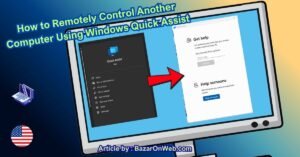
- How to Remotely Control Another Computer Using Windows Quick Assist
- 5 Must-Have Electronics Gadgets for a More Comfortable Living Room

- How to Create a Windows 11 System Backup on an External Hard Drive

- 10 Smart Home Ideas That Make Everyday Life Easier

- Gemini Live Avatar: How to Talk to Gemini Face-to-Face

Products
-
![Apple Watch Ultra 3 [GPS + Cellular 49mm] Running & Multisport Smartwatch w/Rugged Titanium Case w/Black Titanium Milanese Loop - M. Satellite Communications, Advanced Health & Fitness Tracking](https://bazaronweb.com/retailstores/wp-content/uploads/2025/09/apple-watch-320x320.jpg) Apple Watch Ultra 3 [GPS + Cellular 49mm] Running & Multisport Smartwatch w/Rugged Titanium Case w/Black Titanium Milanese Loop - M. Satellite Communications, Advanced Health & Fitness Tracking
Apple Watch Ultra 3 [GPS + Cellular 49mm] Running & Multisport Smartwatch w/Rugged Titanium Case w/Black Titanium Milanese Loop - M. Satellite Communications, Advanced Health & Fitness Tracking
-
 Apple iPad mini (A17 Pro): Apple Intelligence, 8.3-inch Liquid Retina Display, 256GB, Wi-Fi 6E, 12MP Front/12MP Back Camera, Touch ID, All-Day Battery Life — Purple
-
 Apple AirPods Max Wireless Over-Ear Headphones, Active Noise Cancelling, Transparency Mode, Personalized Spatial Audio, Dolby Atmos, Bluetooth Headphones for iPhone – Space Gray
-
 Apple AirPods Pro 2 Wireless Earbuds, Active Noise Cancellation, Hearing Aid Feature, Bluetooth Headphones, Transparency, Personalized Spatial Audio, High-Fidelity Sound, H2 Chip, USB-C Charging
-
Home Garage 210 TC Cotton King Floral Fitted (Elastic) Bedsheet(Pack of 1, Grey)
Original price was: ₹999.00.₹299.00Current price is: ₹299.00.
Leave a Reply