Discounted Products
-
 Home Garage 210 TC Cotton King Floral Fitted (Elastic) Bedsheet(Pack of 1, Grey)
Original price was: ₹999.00.₹299.00Current price is: ₹299.00.
Home Garage 210 TC Cotton King Floral Fitted (Elastic) Bedsheet(Pack of 1, Grey)
Original price was: ₹999.00.₹299.00Current price is: ₹299.00.
-
 Goodrik 140 TC Cotton Double 3D Printed Flat Bedsheet(Pack of 1, Brown)
Original price was: ₹499.00.₹229.00Current price is: ₹229.00.
Goodrik 140 TC Cotton Double 3D Printed Flat Bedsheet(Pack of 1, Brown)
Original price was: ₹499.00.₹229.00Current price is: ₹229.00.
-
 GLOBALSHOP 350 TC Microfiber Double Floral Flat Bedsheet(Pack of 1, Multicolor)
Original price was: ₹1,250.00.₹263.00Current price is: ₹263.00.
GLOBALSHOP 350 TC Microfiber Double Floral Flat Bedsheet(Pack of 1, Multicolor)
Original price was: ₹1,250.00.₹263.00Current price is: ₹263.00.
-
 RisingStar 250 TC Microfiber King Printed Fitted (Elastic) Bedsheet(Pack of 1, FITTED-ROUND-CIRCLES-PREMIUM)
Original price was: ₹2,299.00.₹299.00Current price is: ₹299.00.
RisingStar 250 TC Microfiber King Printed Fitted (Elastic) Bedsheet(Pack of 1, FITTED-ROUND-CIRCLES-PREMIUM)
Original price was: ₹2,299.00.₹299.00Current price is: ₹299.00.
-
 Home Garage 210 TC Cotton King Floral Fitted (Elastic) Bedsheet(Pack of 1, Fitted Black Green)
Original price was: ₹1,299.00.₹299.00Current price is: ₹299.00.
Home Garage 210 TC Cotton King Floral Fitted (Elastic) Bedsheet(Pack of 1, Fitted Black Green)
Original price was: ₹1,299.00.₹299.00Current price is: ₹299.00.
-
 Home Garage 180 TC Cotton King 3D Printed Flat Bedsheet(Pack of 1, White)
Original price was: ₹999.00.₹229.00Current price is: ₹229.00.
Home Garage 180 TC Cotton King 3D Printed Flat Bedsheet(Pack of 1, White)
Original price was: ₹999.00.₹229.00Current price is: ₹229.00.
-
 Panipat Textile Hub 152.4 cm (5 ft) Polyester Window Curtain (Pack Of 2)(Solid, Aqua)
Original price was: ₹1,899.00.₹299.00Current price is: ₹299.00.
Panipat Textile Hub 152.4 cm (5 ft) Polyester Window Curtain (Pack Of 2)(Solid, Aqua)
Original price was: ₹1,899.00.₹299.00Current price is: ₹299.00.
-
 Home Sizzler 214 cm (7 ft) Polyester Semi Transparent Door Curtain (Pack Of 2)(Floral, Maroon)
Original price was: ₹1,199.00.₹399.00Current price is: ₹399.00.
Home Sizzler 214 cm (7 ft) Polyester Semi Transparent Door Curtain (Pack Of 2)(Floral, Maroon)
Original price was: ₹1,199.00.₹399.00Current price is: ₹399.00.
-
 Home Sizzler 153 cm (5 ft) Polyester Room Darkening Window Curtain (Pack Of 2)(Floral, Brown)
Original price was: ₹799.00.₹299.00Current price is: ₹299.00.
Home Sizzler 153 cm (5 ft) Polyester Room Darkening Window Curtain (Pack Of 2)(Floral, Brown)
Original price was: ₹799.00.₹299.00Current price is: ₹299.00.
-
 Stella Creations 214 cm (7 ft) Polyester Room Darkening Door Curtain (Pack Of 2)(Abstract, Brown)
Original price was: ₹1,299.00.₹449.00Current price is: ₹449.00.
Stella Creations 214 cm (7 ft) Polyester Room Darkening Door Curtain (Pack Of 2)(Abstract, Brown)
Original price was: ₹1,299.00.₹449.00Current price is: ₹449.00.
-
 Homefab India 152.5 cm (5 ft) Polyester Room Darkening Window Curtain (Pack Of 2)(Floral, Light Blue)
Original price was: ₹1,199.00.₹319.00Current price is: ₹319.00.
Homefab India 152.5 cm (5 ft) Polyester Room Darkening Window Curtain (Pack Of 2)(Floral, Light Blue)
Original price was: ₹1,199.00.₹319.00Current price is: ₹319.00.
-
 Urban Home 214 cm (7 ft) PVC Transparent Door Curtain Single Curtain(Solid, Off White)
Original price was: ₹699.00.₹203.00Current price is: ₹203.00.
Urban Home 214 cm (7 ft) PVC Transparent Door Curtain Single Curtain(Solid, Off White)
Original price was: ₹699.00.₹203.00Current price is: ₹203.00.
-
 Panipat Textile Hub 213 cm (7 ft) Polyester Door Curtain (Pack Of 2)(Solid, Brown)
Original price was: ₹1,199.00.₹349.00Current price is: ₹349.00.
Panipat Textile Hub 213 cm (7 ft) Polyester Door Curtain (Pack Of 2)(Solid, Brown)
Original price was: ₹1,199.00.₹349.00Current price is: ₹349.00.
-
 Home Sizzler 214 cm (7 ft) Polyester Semi Transparent Door Curtain (Pack Of 2)(Floral, Brown)
Original price was: ₹999.00.₹349.00Current price is: ₹349.00.
Home Sizzler 214 cm (7 ft) Polyester Semi Transparent Door Curtain (Pack Of 2)(Floral, Brown)
Original price was: ₹999.00.₹349.00Current price is: ₹349.00.
-
 Panipat Textile Hub 213 cm (7 ft) Polyester Semi Transparent Door Curtain (Pack Of 2)(Floral, Brown)
Original price was: ₹899.00.₹299.00Current price is: ₹299.00.
Panipat Textile Hub 213 cm (7 ft) Polyester Semi Transparent Door Curtain (Pack Of 2)(Floral, Brown)
Original price was: ₹899.00.₹299.00Current price is: ₹299.00.
Introduction
Google Drive is one of the most widely used cloud storage platforms, allowing users to back up files, sync data across devices, and collaborate in real time. Whether you’re a student saving assignments, a professional sharing documents with clients, or a remote worker accessing company files, Google Drive plays a critical role in modern productivity. When everything works properly, changes made on one device instantly appear everywhere else — on smartphones, desktops, laptops, and tablets.
But when Google Drive stops syncing, the entire workflow falls apart. You may upload a file on your computer and never see it appear on Drive. Or Google Drive for desktop may show errors like:
-
“Syncing paused”
-
“Unable to connect”
-
“Can’t find folder”
-
“Waiting to upload”
-
“Error syncing file”
Some users find that syncing works only halfway — photos upload but documents do not, or desktop folders never appear online. Others experience stalled uploads, missing files, duplicate copies, or Drive stuck at 0% progress forever.
Sync problems can happen on both Windows and Mac, and often occur after system updates, browser changes, storage shifts, account conflicts, or corrupted file paths. Slow internet connections, invalid file names, device permission failures, and outdated Drive apps are also common root causes.
The good news is that syncing issues are almost always fixable — and most do not require reinstalling Drive or losing stored files. You simply need to identify what’s blocking communication between your device and the Drive cloud.
In this guide, you’ll learn 7 proven methods to fix Google Drive sync problems on both Windows and Mac. These solutions are arranged from simplest to most advanced, helping you resolve the issue efficiently without disrupting stored data.
Let’s begin with the first and most essential fix: verifying that Google Drive for Desktop is running and signed in.
Method 1: Check Google Drive for Desktop Status and Sign-In
Before trying advanced troubleshooting, the first step is to confirm that Google Drive for desktop is running properly and logged into the correct Google account. Syncing will not work if Drive is paused, disconnected, or signed out — even if the app was working yesterday.
Step-by-Step Check
1️⃣ Look for the Drive Icon
On Windows, check the system tray (bottom-right corner).
On Mac, check the menu bar (top-right corner).
You should see the Google Drive triangular icon.
If it’s missing, the app is not running — and syncing cannot occur.
2️⃣ Relaunch Google Drive
On Windows:
Press Start → Search → Google Drive → Open
On Mac:
Open Finder → Applications → Google Drive → Launch
Once Drive opens, the icon should appear.
3️⃣ Confirm You Are Signed In
Click the Drive icon → Check email account shown.
If you see:
“Sign in required”
then syncing is paused.
Enter your Google account credentials.
If you mistakenly signed into the wrong Google account, files won’t sync. Switch accounts if needed.
4️⃣ Check Sync Status Message
Hover over the Drive icon and look for status:
-
Syncing
-
Up to date
-
Preparing
-
Error
If you see:
“Syncing paused”
click resume.
If you see:
“Unable to connect”
internet access or firewall settings may be blocking Drive.
5️⃣ Restart Google Drive Completely
Close the app → Wait 10 seconds → Relaunch.
On Windows:
Right-click the Drive icon → Quit
Then reopen.
On Mac:
Google Drive menu → Quit
Then reopen.
Restarting forces Drive to reinitialize sync service.
Why This Fix Works
Many sync failures are simple status issues. Drive may pause automatically when:
-
Laptop enters sleep mode
-
Battery saver activates
-
Account credentials expire
-
Computer crashes
-
Network drops
Simply restarting and confirming sign-in restores the sync connection.
When to Move to Method 2
If Drive is running normally and signed in, but files still aren’t syncing — the next most common cause is unstable or limited internet access.
Method 2: Verify Internet Connection and Reset Network Access
Google Drive cannot sync without a stable internet connection. Even if your browser loads websites, the network may be blocking upload channels, interrupting file transfers, or limiting cloud communication.
Step 1: Test Connection Speed
Visit: speedtest.net
If upload speed is too weak (under 1 Mbps), Drive uploads may stall or fail entirely.
Step 2: Switch Networks
Drive may sync on:
✔ Wi-Fi instead of Ethernet
✔ Ethernet instead of Wi-Fi
✔ Mobile hotspot instead of home router
Switching networks refreshes routing pathways.
Step 3: Disable VPN or Proxy Tools
VPN encryption sometimes blocks cloud sync channels.
Turn VPN off → restart Drive → test sync.
Step 4: Restart Router and Device
Unplug router → wait 10 seconds → reconnect.
Restart your computer afterward.
Refreshing network hardware clears routing conflicts and resets local IP addresses.
Step 5: Check Firewall Permissions (Windows/Mac)
Drive must be whitelisted in firewall settings.
On Windows:
Control Panel → Windows Defender Firewall → Allow an app → Ensure Drive is allowed
On Mac:
System Settings → Network → Firewall → Options → Allow Drive
Step 6: Check Metered Network Settings (Windows Only)
Windows may pause cloud sync on metered networks.
Go to:
Settings → Network & internet → Wi-Fi → Network → toggle off “Metered connection”
Step 7: Check Date & Time Settings
Incorrect device time can break Google authentication tokens.
Enable automatic time zone settings.
Why This Fix Works
Google Drive sync requires continuous upload communication. If internet access is unstable, Drive may:
-
Upload partially
-
Pause indefinitely
-
Fail silently
-
Duplicate files
-
Reject updates
Improving network access restores Drive’s real-time sync path.
Method 3: Check Google Drive Folder Locations and Sync Preferences
Even when Google Drive is running and logged in, syncing will fail if the folder locations are incorrect, missing, moved, or disconnected. This is one of the most common causes of sync problems on both Windows and Mac — especially if users recently changed directory structures, renamed folders, replaced hard drives, or modified file paths.
Google Drive for Desktop relies on precise folder mapping. If the application cannot locate the target folders, syncing may stall permanently.
Step 1: Confirm Folder Paths in Drive Settings
1️⃣ Click the Google Drive icon (taskbar on Windows, menu bar on Mac).
2️⃣ Select Preferences.
3️⃣ Check your synced folders under:
-
My Computer
-
Google Drive
Look for symbols like:
⚠️ exclamation marks
⛔ stop icons
🔄 perpetual spinning icons
These indicate folder sync errors.
If a folder path shows “missing” or “not found,” click Locate to point Drive to the correct folder again.
Step 2: Check External Drives, Network Drives, or USB Syncing
Many users sync folders stored on removable media. If:
-
external drives are disconnected
-
drive letters changed on Windows
-
network drives lost authentication
-
folders were moved
… Drive cannot sync those files.
Reconnect the storage source, then reopen Google Drive.
Step 3: Make Sure the Folder Is Not Locked or Restricted
Folder permissions must allow:
-
Read access
-
Write access
-
Modify access
On Windows, right-click folder → Properties → Security.
On Mac, right-click → Get Info → Sharing & Permissions.
If Drive does not have full access, syncing stops instantly.
Step 4: Confirm “Sync Everything” vs “Sync Selected Folders”
Some users switch to selective sync without realizing it.
Navigate to:
Preferences → Google Drive
If Sync everything is disabled, verify that the missing folders are actually selected.
If not, syncing will appear broken — when it is simply filtered out.
Step 5: Check for Synced Files Hidden in Finder/Explorer
On Mac, Drive appears under Locations:
Google Drive
On Windows, Drive appears in File Explorer:
Google Drive (My Drive)
If you moved files manually inside these locations, Drive may not detect updates depending on sync rules.
Why This Fix Works
Drive sync depends entirely on directory structure. When that structure breaks, Drive cannot detect changes, uploads files to the wrong places, or becomes stuck searching for folders that no longer exist.
Correct folder mapping instantly restores sync logic and prevents future data mismatch issues.
Method 4: Fix File Type, Size, Version, and Naming Conflicts
Sometimes Google Drive cannot sync files because the files themselves are invalid. In these cases, it’s not the app or the network — it’s individual file restrictions.
Drive will refuse to sync files that violate Google standards relating to:
-
filename rules
-
file sizes
-
file locking
-
temporary files
-
corrupted formats
-
duplicate versions
These problems commonly happen when working with Outlook PST archives, Photoshop PSD files, RAW images, video formats, or CAD data — especially when files are extremely large or frequently revised.
Step 1: Check Filename Restrictions
Google Drive does not allow the following characters in filenames:
If any file contains these characters, Drive will stop syncing that item and potentially pause the entire process.
Also avoid files ending with periods or trailing spaces.
Rename problematic files, then restart Drive sync.
Step 2: Check Maximum File Size Limits
Drive limits include:
-
Uploaded documents: 50 MB when converting to Google Docs
-
Individual file uploads: Up to 5 TB (storage must exist)
Most sync failures happen with media files over 50GB or folders containing hundreds of large files.
Try:
✔ splitting folders
✔ compressing files
✔ uploading in batches
Step 3: Check Locked or Open Files
If a file is:
-
open in another app
-
shared and locked
-
being edited in Office
-
being backed up
-
being scanned by antivirus
… Google Drive may skip it.
Close the file → wait for sync → then reopen.
Step 4: Avoid Temporary, Cache, and System Files
Drive often skips these automatically:
-
.tmp
-
.part
-
.lock
-
.ini
-
.db
-
.lnk
These items are not designed for cloud sync.
Step 5: Fix Duplicate File Versions
If two files have the same name and exist in the same location, Drive may either:
-
sync only one
-
create duplicates
-
drop both files
Rename one version to avoid overwriting or conflicts.
Step 6: Check File Ownership and Permissions
If a file is owned by another user and restricted to view-only access, you may not be able to sync updates.
Ask the file owner to grant:
-
Editor access
-
Transfer ownership
-
Share permissions
Step 7: Check Unsupported Formats
Drive cannot open or preview all file types. If a format is unsupported, Drive may mark it as unsynced even if upload is successful.
This is normal — but confusing.
Step 8: Watch for Corrupted Files
Files that are partially downloaded, copied from damaged drives, or affected by power failures may be unreadable to Drive.
Copy the file → rename → upload again.
Why This Fix Works
Many users troubleshoot the app and the internet for hours, only to discover that Drive is failing because:
-
one filename has a forbidden symbol
-
one file is too large
-
one file is open elsewhere
-
one file is corrupted
Fixing file-level issues restores drive-wide syncing instantly — especially when the sync progress bar freezes or stalls.
Method 5: Check Storage Capacity on Google Drive and Local Device
One of the most overlooked reasons Google Drive stops syncing is insufficient storage — either on your Google cloud account or on your local device. Drive requires available space in both locations to complete uploads and downloads. If you run out of cloud space, Drive will reject uploads and display sync errors. If you run out of local disk space, Drive cannot download data or store cached files, which breaks sync operations.
This issue is especially common among students, professionals, and remote workers who frequently work with large files such as videos, compressed folders, backups, or design assets. Drive may appear to be syncing normally, but in reality, uploads silently fail when storage thresholds are crossed.
Step 1: Check Google Cloud Storage Space
Visit:
https://one.google.com/storage
You will see how much of your 15GB free storage (or upgraded plan) is being used.
If you are near or at 100%, sync may:
-
stall indefinitely
-
skip larger files
-
fail silently
-
show “Not Enough Storage” errors
-
stop future uploads completely
Uploads will not resume until space is cleared or storage capacity is increased.
Ways to Free Up Google Drive Storage
✔ Delete large or unnecessary files
Sort Drive by size → remove unused items.
✔ Empty Google Drive trash
Trash still counts toward storage.
Steps:
Drive → Trash → Empty trash
✔ Remove Gmail attachments
Email attachments stored in Gmail count against Drive storage.
Search Gmail:
Delete unneeded emails.
✔ Clear Google Photos storage
High-resolution images take up significant cloud space.
Manage unnecessary media using:
https://photos.google.com
Consider Upgrading Storage if Needed
If clearing space isn’t practical, upgrade storage. Google One offers affordable plans:
-
100GB
-
200GB
-
2TB
-
10TB+
For professional workloads, increased storage prevents future sync failures.
Step 2: Check Local Storage on PC or Mac
Google Drive cannot sync if your local disk is low on free space.
On Windows:
Settings → System → Storage → Local Disk
On Mac:
Apple Menu → About This Mac → Storage
If space is nearly full, Drive may:
-
refuse to sync
-
stop downloading new files
-
clear cache aggressively
-
run extremely slow
How to Free Local Space
✔ Delete temporary files
✔ Remove unused apps
✔ Clear browser data
✔ Archive older folders
✔ Move large files to external drives
Windows users can use “Storage Sense”; Mac users can use “Optimize Storage” recommendations.
Disable Offline Sync for Large Folders
If Drive is syncing large directories offline, it may consume too much disk space.
To disable offline sync:
Windows & Mac:
Drive icon → Preferences → Google Drive → Uncheck “Mirror files” or offline options
Switch to streaming mode if possible.
Why This Fix Works
Drive storage capacity issues are extremely common and often hidden. Even if just one large upload hits a storage limit, the entire sync chain can fail. Ensuring adequate cloud and local storage removes a major technical barrier and allows syncing to resume normally.
Method 6: Update or Reinstall Google Drive for Desktop
If syncing still isn’t working after addressing connection, folder paths, file rules, and storage limits, the problem may lie within the Google Drive application itself. Over time, Drive can develop corrupted binaries, broken cache layers, missing system links, or version conflicts — especially after Windows or macOS updates.
An outdated or damaged Drive application may:
-
hang during sync
-
produce version mismatch errors
-
crash silently
-
misread folders
-
duplicate data
-
ignore updates
-
refuse login
Updating or reinstalling the application rebuilds core functions and eliminates corrupted internal data.
Step 1: Check Current Version of Google Drive
Open the Drive menu → Settings → About
If your version is several releases behind, sync may fail due to API or security incompatibilities.
Step 2: Update Google Drive Manually
Visit:
https://www.google.com/drive/download/
Download the newest installer and run it.
The installer will upgrade your version and replace damaged components.
Step 3: If Updating Fails → Reinstall Completely
Windows Reinstallation
1️⃣ Quit Google Drive
Right-click Drive icon → Quit
2️⃣ Open Programs & Features
Control Panel → Programs → Uninstall a program
3️⃣ Remove Google Drive
4️⃣ Delete leftover Drive folders
File Explorer → remove:
5️⃣ Restart computer
6️⃣ Download fresh Drive installer
7️⃣ Sign in and resume sync
Mac Reinstallation
1️⃣ Quit Drive
2️⃣ Open Finder → Applications
3️⃣ Move Google Drive to Trash
4️⃣ Delete support folders:
5️⃣ Empty Trash → Restart
6️⃣ Download new installer
7️⃣ Sign in and reconfigure sync
Step 4: Verify Sync After Reinstall
Once installed, check:
✔ Drive icon status
✔ Folder sync activity
✔ Cloud uploads
✔ Local downloads
Reinstallation resets cloud mapping and object indexing — solving deep sync corruption.
Why This Fix Works
If Google Drive’s core engine is corrupted, nothing else will fix sync failures. Reinstalling ensures that:
-
binaries are fresh
-
background services restart
-
file system links rebuild
-
internal cache resets
-
metadata cleans up
-
configuration updates
-
permission failures clear
This is especially important after major OS upgrades like Windows 11 builds or macOS Ventura/Sonoma releases.
Method 7: Check Account Conflicts, Permissions, and Security Blocks
If Drive still isn’t syncing, it may not be a technical issue — it may be an account or permission conflict. Google Drive has layered authentication rules to protect data. If anything interrupts the trust chain, Drive stops syncing to prevent data exposure.
Common security-based sync blockers include:
-
Incorrect Google login
-
Expired authentication keys
-
Organization admin restrictions
-
Lost file ownership
-
Disabled API access
-
Account suspension
-
Device removal
-
Two-factor authentication mismatch
Step 1: Confirm You Are Logged into the Correct Account
Many users have multiple Google accounts. If you are syncing files from Account A but Drive is logged into Account B, files will not appear.
Switch accounts and retry sync.
Step 2: Check Google Workspace Admin Settings
If you are using a work or school account, your administrator may restrict:
-
personal device syncing
-
external Drive connections
-
desktop app usage
-
folder sharing
-
offline access
Contact IT support to confirm policy status.
Step 3: Check Shared File Ownership
If you are syncing shared folders, sync may stall if:
-
ownership transferred
-
access was revoked
-
file permissions downgraded
Ask the owner to re-share with:
✔ Editor access
✔ Download rights
✔ Sync permission
Step 4: Check Encryption and Security Software
Antivirus, endpoint security, VPN, and firewall products can block Drive sync packets.
Products known to block Drive include:
-
McAfee
-
Bitdefender
-
Kaspersky
-
CrowdStrike
-
SentinelOne
-
Norton
Whitelist Google Drive processes.
Step 5: Remove and Reconnect Google Account Sync
On Windows and Mac:
1️⃣ Open Google Drive preferences
2️⃣ Disconnect account
3️⃣ Sign back in
This refreshes authentication tokens.
Step 6: Reset Browser Google Login Sessions
If you sync using browser-based Drive uploads:
1️⃣ Open Chrome settings
2️⃣ Reset sync state
3️⃣ Clear Drive-related cookies
Drive will re-authenticate automatically.
Step 7: Check Two-Factor Authentication Settings
If 2FA codes are not completing authentication, sync will break.
Refresh your verification method:
-
Google Prompt
-
SMS code
-
Backup key
Why This Fix Works
Drive sync relies on authentication. If Google does not trust your device identity, it will not share files through DriveFS or cloud backup. Refreshing permissions and identities restores sync access.
Conclusion
Google Drive syncing issues can be extremely disruptive — especially for professionals, students, remote workers, and businesses that rely on seamless file access. But the good news is that sync problems are almost always fixable, and most don’t require reinstalling your operating system or replacing hardware.
The seven methods in this guide cover the full range of likely causes:
1️⃣ App not running or signed in
2️⃣ Network or internet failure
3️⃣ Folder path conflicts
4️⃣ Invalid file rules
5️⃣ Storage limits on cloud or device
6️⃣ Outdated or corrupt Drive installation
7️⃣ Account or permission errors
By working through these steps in order, users can identify and eliminate the specific barrier preventing files from syncing. Many people find that the issue resolves after Method 1 or Method 2 — especially if Google Drive was paused, disconnected, or offline. Others discover that folder path corrections or file rule fixes solve the problem quickly. For users experiencing deeper software or account-level issues, reinstalling Drive or refreshing authentication settings usually restores full functionality.
It’s also helpful to remember that Google Drive sync may behave differently depending on your environment. Managed work accounts follow IT policies that can restrict Drive features. Users who work with large or complex files may see slower sync speeds or occasional upload pauses. Local storage shortages can cause unexpected errors. And external drives or network folders may behave differently than internal storage.
Once Drive is syncing properly again, you can prevent future disruptions by setting up good habits:
✔ Keep Drive updated
✔ Monitor storage usage
✔ Avoid unsupported file names
✔ Maintain account consistency
✔ Use reliable, high-speed internet
✔ Regularly review shared folder permissions
If syncing stops again in the future, returning to this guide will make troubleshooting much faster and easier.
Google Drive remains one of the most dependable cloud platforms available today. With the right fixes and system setup, syncing will continue to operate smoothly across all your devices — helping you stay organized, productive, and in control of your digital work.
Disclaimer (Bazaronweb.com)
The information provided in this article is for educational and troubleshooting purposes only. Results may vary depending on operating system versions, device settings, file formats, Google account policies, and network environments. Bazaronweb.com is not responsible for data loss, account changes, software damage, misconfiguration, or cloud storage issues that may occur while following this guide.
Google Drive, Google One, and Google Workspace are trademarks of Google LLC. All referenced names and products remain the property of their respective owners. Bazaronweb.com is not affiliated with Google.

- How to Remotely Control Another Computer Using Windows Quick Assist
- 5 Must-Have Electronics Gadgets for a More Comfortable Living Room

- How to Create a Windows 11 System Backup on an External Hard Drive

- 10 Smart Home Ideas That Make Everyday Life Easier

- Gemini Live Avatar: How to Talk to Gemini Face-to-Face

Products
-
![Apple Watch Ultra 3 [GPS + Cellular 49mm] Running & Multisport Smartwatch w/Rugged Titanium Case w/Black Titanium Milanese Loop - M. Satellite Communications, Advanced Health & Fitness Tracking](https://bazaronweb.com/retailstores/wp-content/uploads/2025/09/apple-watch-320x320.jpg) Apple Watch Ultra 3 [GPS + Cellular 49mm] Running & Multisport Smartwatch w/Rugged Titanium Case w/Black Titanium Milanese Loop - M. Satellite Communications, Advanced Health & Fitness Tracking
Apple Watch Ultra 3 [GPS + Cellular 49mm] Running & Multisport Smartwatch w/Rugged Titanium Case w/Black Titanium Milanese Loop - M. Satellite Communications, Advanced Health & Fitness Tracking
-
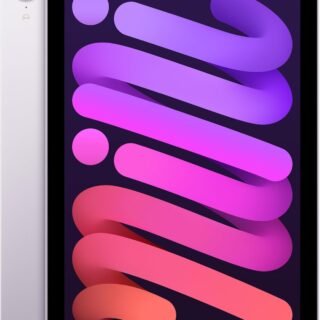 Apple iPad mini (A17 Pro): Apple Intelligence, 8.3-inch Liquid Retina Display, 256GB, Wi-Fi 6E, 12MP Front/12MP Back Camera, Touch ID, All-Day Battery Life — Purple
-
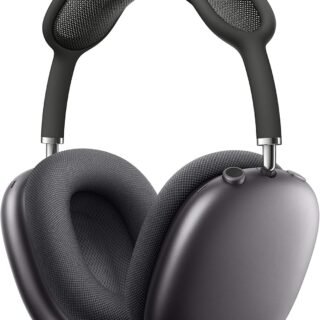 Apple AirPods Max Wireless Over-Ear Headphones, Active Noise Cancelling, Transparency Mode, Personalized Spatial Audio, Dolby Atmos, Bluetooth Headphones for iPhone – Space Gray
-
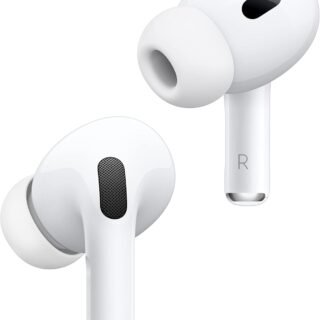 Apple AirPods Pro 2 Wireless Earbuds, Active Noise Cancellation, Hearing Aid Feature, Bluetooth Headphones, Transparency, Personalized Spatial Audio, High-Fidelity Sound, H2 Chip, USB-C Charging
-
Home Garage 210 TC Cotton King Floral Fitted (Elastic) Bedsheet(Pack of 1, Grey)
Original price was: ₹999.00.₹299.00Current price is: ₹299.00.
Leave a Reply