Discounted Products
-
 Home Garage 210 TC Cotton King Floral Fitted (Elastic) Bedsheet(Pack of 1, Grey)
Original price was: ₹999.00.₹299.00Current price is: ₹299.00.
Home Garage 210 TC Cotton King Floral Fitted (Elastic) Bedsheet(Pack of 1, Grey)
Original price was: ₹999.00.₹299.00Current price is: ₹299.00.
-
 Goodrik 140 TC Cotton Double 3D Printed Flat Bedsheet(Pack of 1, Brown)
Original price was: ₹499.00.₹229.00Current price is: ₹229.00.
Goodrik 140 TC Cotton Double 3D Printed Flat Bedsheet(Pack of 1, Brown)
Original price was: ₹499.00.₹229.00Current price is: ₹229.00.
-
 GLOBALSHOP 350 TC Microfiber Double Floral Flat Bedsheet(Pack of 1, Multicolor)
Original price was: ₹1,250.00.₹263.00Current price is: ₹263.00.
GLOBALSHOP 350 TC Microfiber Double Floral Flat Bedsheet(Pack of 1, Multicolor)
Original price was: ₹1,250.00.₹263.00Current price is: ₹263.00.
-
 RisingStar 250 TC Microfiber King Printed Fitted (Elastic) Bedsheet(Pack of 1, FITTED-ROUND-CIRCLES-PREMIUM)
Original price was: ₹2,299.00.₹299.00Current price is: ₹299.00.
RisingStar 250 TC Microfiber King Printed Fitted (Elastic) Bedsheet(Pack of 1, FITTED-ROUND-CIRCLES-PREMIUM)
Original price was: ₹2,299.00.₹299.00Current price is: ₹299.00.
-
 Home Garage 210 TC Cotton King Floral Fitted (Elastic) Bedsheet(Pack of 1, Fitted Black Green)
Original price was: ₹1,299.00.₹299.00Current price is: ₹299.00.
Home Garage 210 TC Cotton King Floral Fitted (Elastic) Bedsheet(Pack of 1, Fitted Black Green)
Original price was: ₹1,299.00.₹299.00Current price is: ₹299.00.
-
 Home Garage 180 TC Cotton King 3D Printed Flat Bedsheet(Pack of 1, White)
Original price was: ₹999.00.₹229.00Current price is: ₹229.00.
Home Garage 180 TC Cotton King 3D Printed Flat Bedsheet(Pack of 1, White)
Original price was: ₹999.00.₹229.00Current price is: ₹229.00.
-
 Panipat Textile Hub 152.4 cm (5 ft) Polyester Window Curtain (Pack Of 2)(Solid, Aqua)
Original price was: ₹1,899.00.₹299.00Current price is: ₹299.00.
Panipat Textile Hub 152.4 cm (5 ft) Polyester Window Curtain (Pack Of 2)(Solid, Aqua)
Original price was: ₹1,899.00.₹299.00Current price is: ₹299.00.
-
 Home Sizzler 214 cm (7 ft) Polyester Semi Transparent Door Curtain (Pack Of 2)(Floral, Maroon)
Original price was: ₹1,199.00.₹399.00Current price is: ₹399.00.
Home Sizzler 214 cm (7 ft) Polyester Semi Transparent Door Curtain (Pack Of 2)(Floral, Maroon)
Original price was: ₹1,199.00.₹399.00Current price is: ₹399.00.
-
 Home Sizzler 153 cm (5 ft) Polyester Room Darkening Window Curtain (Pack Of 2)(Floral, Brown)
Original price was: ₹799.00.₹299.00Current price is: ₹299.00.
Home Sizzler 153 cm (5 ft) Polyester Room Darkening Window Curtain (Pack Of 2)(Floral, Brown)
Original price was: ₹799.00.₹299.00Current price is: ₹299.00.
-
 Stella Creations 214 cm (7 ft) Polyester Room Darkening Door Curtain (Pack Of 2)(Abstract, Brown)
Original price was: ₹1,299.00.₹449.00Current price is: ₹449.00.
Stella Creations 214 cm (7 ft) Polyester Room Darkening Door Curtain (Pack Of 2)(Abstract, Brown)
Original price was: ₹1,299.00.₹449.00Current price is: ₹449.00.
-
 Homefab India 152.5 cm (5 ft) Polyester Room Darkening Window Curtain (Pack Of 2)(Floral, Light Blue)
Original price was: ₹1,199.00.₹319.00Current price is: ₹319.00.
Homefab India 152.5 cm (5 ft) Polyester Room Darkening Window Curtain (Pack Of 2)(Floral, Light Blue)
Original price was: ₹1,199.00.₹319.00Current price is: ₹319.00.
-
 Urban Home 214 cm (7 ft) PVC Transparent Door Curtain Single Curtain(Solid, Off White)
Original price was: ₹699.00.₹203.00Current price is: ₹203.00.
Urban Home 214 cm (7 ft) PVC Transparent Door Curtain Single Curtain(Solid, Off White)
Original price was: ₹699.00.₹203.00Current price is: ₹203.00.
-
 Panipat Textile Hub 213 cm (7 ft) Polyester Door Curtain (Pack Of 2)(Solid, Brown)
Original price was: ₹1,199.00.₹349.00Current price is: ₹349.00.
Panipat Textile Hub 213 cm (7 ft) Polyester Door Curtain (Pack Of 2)(Solid, Brown)
Original price was: ₹1,199.00.₹349.00Current price is: ₹349.00.
-
 Home Sizzler 214 cm (7 ft) Polyester Semi Transparent Door Curtain (Pack Of 2)(Floral, Brown)
Original price was: ₹999.00.₹349.00Current price is: ₹349.00.
Home Sizzler 214 cm (7 ft) Polyester Semi Transparent Door Curtain (Pack Of 2)(Floral, Brown)
Original price was: ₹999.00.₹349.00Current price is: ₹349.00.
-
 Panipat Textile Hub 213 cm (7 ft) Polyester Semi Transparent Door Curtain (Pack Of 2)(Floral, Brown)
Original price was: ₹899.00.₹299.00Current price is: ₹299.00.
Panipat Textile Hub 213 cm (7 ft) Polyester Semi Transparent Door Curtain (Pack Of 2)(Floral, Brown)
Original price was: ₹899.00.₹299.00Current price is: ₹299.00.
Google is reportedly rolling out a long-awaited feature that could fundamentally change how users manage their email identity: the ability to change your Gmail address without creating a brand-new Google account. For years, this has been one of the most requested Gmail features, and its arrival— even in a limited or phased form—signals a major shift in how Google thinks about digital identity.
Until now, your Gmail address has been permanent. You could change your name, add aliases, forward mail, or even migrate data—but the core email ID itself was locked forever. If you chose a username years ago that no longer fits your professional life, personal brand, or privacy needs, your only real option was to start over with a new account.
That limitation may finally be changing.
Why Changing a Gmail Address Has Always Been a Problem
Gmail accounts are more than just email inboxes. They are deeply tied to your entire Google ecosystem, including:
-
Google Drive files
-
Google Photos backups
-
YouTube channels and subscriptions
-
Google Calendar events
-
Google Pay
-
Android device sync
-
App logins and sign-ins across the web
Because of this deep integration, changing a Gmail address has never been a simple rename. It would traditionally break app logins, disrupt services, and create confusion across platforms. This is why Google has historically avoided offering this option at all.
Instead, users were encouraged to:
-
Create a new Gmail account
-
Set up forwarding from the old address
-
Manually update email addresses on hundreds of services
For most people, that process was so painful that they simply gave up and kept using an outdated or unprofessional email address indefinitely.
What the New Gmail Address Change Feature Means
The newly rolling-out feature appears to allow users to modify their Gmail username while keeping the same Google account, data, and services intact. In simple terms, this means your email identity can change, but your Google account stays the same.
This could allow users to:
-
Replace an old or embarrassing username
-
Switch to a more professional email format
-
Remove numbers or random characters from their address
-
Update an email created years ago as a teenager
-
Improve privacy without losing account history
Instead of abandoning an account that may be 10–15 years old, users can potentially modernize it.
How This Is Different From Gmail Aliases
It’s important to understand that this is not the same as Gmail aliases, which already exist.
Currently, Gmail allows:
-
Dot variations (john.doe@gmail.com = johndoe@gmail.com)
-
Plus addressing (john+work@gmail.com)
-
Sending from custom domain emails (with Google Workspace)
But none of these change your actual Gmail address. Your original username still exists and is still visible.
The new feature focuses on changing the primary Gmail address itself, not just adding variations or forwarding rules.
Who Is Most Likely to Benefit From This Feature
This update could be especially impactful for several groups of users.
Professionals and freelancers
Many people created Gmail accounts casually years ago. As careers evolved, those email IDs no longer felt appropriate for resumes, clients, or public communication.
Creators and entrepreneurs
Your email address is part of your brand. Being able to update it without losing YouTube channels, Drive assets, or ad accounts is a huge advantage.
Privacy-conscious users
Some users want to move away from usernames that expose their full name or personal details, without abandoning their digital footprint.
Long-time Android users
Android phones are tightly connected to Google accounts. Changing accounts often means resetting phones, apps, and backups. This feature avoids that disruption.
How the Feature Is Expected to Work
While Google has not yet provided a single global rollout announcement, early indications suggest the feature may appear within Google Account settings, possibly under account identity or email management.
The expected flow may look something like this:
-
User selects an option to change Gmail address
-
Google checks availability of the new username
-
User confirms the change
-
Old address may remain as an alias or forwarding address
-
New address becomes the primary identity for email and sign-ins
In some cases, Google may limit how often this can be done to prevent abuse or impersonation.
Will Old Emails and Data Be Affected?
One of the biggest concerns users have is data loss—and rightly so.
The key promise of this feature is continuity:
-
Old emails remain intact
-
Google Drive files remain unchanged
-
App permissions and subscriptions stay linked
-
Calendar events and contacts are preserved
From the user’s perspective, only the email address changes—not the account itself.
However, users may still need to update their email address manually on:
-
Banking apps
-
Social media accounts
-
Shopping websites
-
Newsletter subscriptions
Google can change your identity, but third-party services still recognize the old address unless updated.
Potential Limitations and Restrictions
As with most Google rollouts, this feature is likely to come with conditions.
Possible restrictions may include:
-
Availability only for personal Gmail accounts (not Workspace initially)
-
One-time or limited number of changes
-
Username availability constraints
-
Temporary rollout to selected regions or users
-
Waiting periods between changes
Google tends to roll out major account-level changes cautiously, especially when security and identity are involved.
Security and Abuse Considerations
Allowing users to change email addresses raises valid security concerns.
Google will likely implement safeguards such as:
-
Strong authentication before change
-
Email notifications to old and new addresses
-
Cooling-off periods
-
Monitoring for impersonation attempts
These measures are important to ensure the feature is not misused for scams or account takeovers.
Why This Is a Big Deal in the Long Term
This update reflects a broader shift in how digital identity is evolving.
People change careers, names, brands, and priorities—but email addresses have been stuck in time. By allowing Gmail addresses to be updated, Google is acknowledging that digital identity should be flexible, not permanent.
It also sets a precedent. Other platforms that treat usernames as immutable may now face pressure to offer similar flexibility.
For users, this means:
-
Less fear when choosing an email ID
-
More control over online identity
-
Reduced friction in long-term platform use
What You Should Do Right Now
If this feature becomes available to you:
-
Think carefully about the new address you choose
-
Keep it simple, professional, and future-proof
-
Update important services gradually
-
Avoid frequent changes
And if it’s not available yet, this is still a good moment to audit how dependent your digital life is on a single email identity.
Final Perspective
The ability to change a Gmail address without losing your account may sound like a small update, but it solves a problem users have lived with for nearly two decades. If rolled out fully, it could become one of the most user-friendly changes Google has made to Gmail in years—quietly improving digital life for millions without requiring them to start over.
Gmail vs Outlook vs Other Email Providers: How Changing Your Email Address Really Compares
Google’s move toward allowing users to change their Gmail address is significant—but to understand why it matters, it helps to see how Gmail compares with other major email providers that people commonly use today. Each platform handles email identity very differently, and those differences affect flexibility, privacy, and long-term usability.
Let’s break it down clearly.
Gmail: Historically Rigid, Now Becoming Flexible
Past reality:
Gmail has always treated email addresses as permanent identifiers. Once created, your Gmail username was locked for life. You could add aliases or forwarding, but the original address always stayed active.
What’s changing:
With Google rolling out the ability to change a Gmail address while keeping the same account, Gmail is finally separating:
-
Account identity (your Google account)
-
Email address (your visible contact point)
This puts Gmail closer to modern identity management rather than a fixed-username system.
Strengths of Gmail now:
-
Deep integration with Google services
-
Strong spam filtering
-
Massive ecosystem support
-
Long-term continuity with address flexibility (new)
Limitations that may remain:
-
Likely limits on how often you can change your address
-
Username availability constraints
-
Phased or region-limited rollout
Still, this is a major step forward for Gmail users who felt trapped by an old address.
Outlook (Microsoft): More Flexible, But With Trade-Offs
Outlook (formerly Hotmail / Live) has always been more flexible than Gmail when it comes to email identity.
How Outlook handles email addresses
Microsoft allows users to:
-
Add multiple email aliases to one account
-
Set one alias as the primary sending address
-
Remove old aliases if desired
This means Outlook users have been able to effectively change their email address for years—without losing account data.
Where Outlook excels
-
Built-in alias management
-
Seamless switching of primary email
-
Strong enterprise and Office integration
-
Less rigid identity structure
Where Outlook falls short
-
Older aliases may still exist for sign-in
-
Spam filtering is weaker than Gmail for many users
-
Interface can feel cluttered
-
Less ecosystem lock-in (which can be good or bad)
Key difference vs Gmail:
Outlook treated email as a changeable label. Gmail treated it as a permanent identity. Google is now moving closer to Microsoft’s model.
Yahoo Mail: Flexible but Less Trusted
Yahoo Mail has long allowed:
-
Disposable email addresses
-
Aliases
-
Multiple sending identities
From a flexibility standpoint, Yahoo actually does quite well.
However, where it struggles is trust and relevance.
Pros
-
Easy alias creation
-
Large storage
-
Simple address management
Cons
-
Weaker spam protection
-
Less professional perception
-
Past security incidents hurt user trust
-
Limited integration with modern productivity tools
While Yahoo users can easily adjust email addresses, many people hesitate to rely on it for serious or professional communication.
Proton Mail: Privacy-First, Identity-Second
Proton Mail approaches email very differently.
How Proton handles addresses
-
Users can create multiple addresses under one account
-
Addresses can be disabled or removed
-
Custom domains are strongly supported
This makes Proton Mail extremely flexible within its ecosystem.
Where Proton Mail shines
-
Strong encryption
-
Privacy-first design
-
Alias-based identity control
-
Minimal data tracking
Where it differs from Gmail
-
Smaller ecosystem
-
Limited third-party integrations
-
Learning curve for average users
-
Less convenient for Android-first users
Proton treats email as a privacy shield, not an identity anchor. Gmail treats email as a digital passport.
Apple iCloud Mail: Alias-Based Control, Apple-Locked
Apple iCloud Mail allows:
-
Email aliases
-
Hide My Email (randomized forwarding)
-
Custom domains (with iCloud+)
Strengths
-
Excellent privacy controls
-
Seamless Apple ecosystem integration
-
Simple alias management
Limitations
-
Deep lock-in to Apple devices
-
Limited flexibility outside Apple’s ecosystem
-
Less practical for cross-platform users
Apple’s solution works beautifully—as long as you stay inside Apple’s world.
Key Comparison Table (Conceptual)
| Feature | Gmail | Outlook | Yahoo | Proton | iCloud |
|---|---|---|---|---|---|
| Change primary email | Rolling out | Yes | Yes | Yes | Limited |
| Alias support | Partial | Strong | Strong | Strong | Strong |
| Ecosystem integration | Massive | Office-based | Limited | Minimal | Apple-only |
| Spam filtering | Excellent | Good | Average | Good | Good |
| Privacy focus | Medium | Medium | Low | Very High | High |
| User flexibility | Improving | High | Medium | High | Medium |
Why Gmail’s Change Matters More Than It Seems
Outlook, Yahoo, Proton, and Apple already offered some form of flexibility—but Gmail has always been different because of its scale.
Gmail isn’t just email:
-
It’s your Android identity
-
Your cloud storage
-
Your YouTube presence
-
Your app login key
That’s why changing a Gmail address has always felt impossible.
By enabling this feature, Google is doing something bigger than catching up—it’s redefining how long-term digital identity should work at scale.
The Bigger Industry Shift
This comparison reveals a broader trend:
-
Older platforms treated usernames as permanent
-
Modern platforms recognize identity evolves
-
Users expect control without starting over
Google’s move puts pressure on all major platforms to:
-
Offer safer identity transitions
-
Reduce lock-in pain
-
Respect long-term users
Bottom Line
Outlook users have enjoyed email flexibility for years. Proton users enjoy privacy-first control. Apple users enjoy ecosystem-based aliases. Gmail users—until now—had stability but zero flexibility.
With this update, Gmail is finally combining:
-
Stability and
-
Identity freedom
That combination is rare—and if Google executes it carefully, it could become the most user-friendly email identity system available today.
Conclusion
Google’s decision to allow users to change their Gmail address marks a meaningful shift in how email identity is treated across major platforms. When compared with Outlook, Yahoo, Proton Mail, and iCloud Mail, it becomes clear that Gmail has long been the most rigid—despite being the most widely used. Outlook normalized aliases and primary address changes years ago, Proton focused on privacy-first identity flexibility, and Apple built controlled alias systems inside its ecosystem. Gmail, until now, offered stability at the cost of choice.
What makes Google’s move important isn’t just feature parity—it’s scale. Gmail is deeply embedded into Android devices, productivity tools, content platforms, and third-party logins worldwide. Allowing users to update their email address without abandoning that ecosystem acknowledges a reality modern users live with: digital identities evolve. Careers change, privacy needs grow, brands develop, and people outgrow usernames chosen years earlier.
This update also signals a broader industry trend. Platforms are beginning to separate account identity from contact identity, giving users more control without forcing disruptive migrations. Gmail joining this model puts pressure on other services to rethink rigid identity structures and makes long-term platform loyalty less risky for users.
If Google rolls this feature out carefully—with strong security checks, clear communication, and sensible limits—it could become one of the most user-respecting changes Gmail has introduced in years. Not loud, not flashy, but deeply practical.
Disclaimer
This article is published by Bazaronweb for informational and educational purposes only. Feature availability, settings, and functionality may vary by region, account type, and rollout phase. Users should rely on official Google announcements and account settings for confirmation. Bazaronweb is not responsible for account changes, data issues, or service disruptions resulting from the use of this information.

- How to Transcribe Audio Live on Your iPhone

- Killer Network Service: Is It a Virus or Safe to Disable?

- How to Set Up Parental Controls on Windows 11: A Step-by-Step Guide

- How to Extract Audio From a Video: Easy Ways to Save Audio

- How to Set a Photo Album as Your Wallpaper on iPhone: Step-by-Step Guide

Products
-
![Apple Watch Ultra 3 [GPS + Cellular 49mm] Running & Multisport Smartwatch w/Rugged Titanium Case w/Black Titanium Milanese Loop - M. Satellite Communications, Advanced Health & Fitness Tracking](https://bazaronweb.com/retailstores/wp-content/uploads/2025/09/apple-watch-320x320.jpg) Apple Watch Ultra 3 [GPS + Cellular 49mm] Running & Multisport Smartwatch w/Rugged Titanium Case w/Black Titanium Milanese Loop - M. Satellite Communications, Advanced Health & Fitness Tracking
Apple Watch Ultra 3 [GPS + Cellular 49mm] Running & Multisport Smartwatch w/Rugged Titanium Case w/Black Titanium Milanese Loop - M. Satellite Communications, Advanced Health & Fitness Tracking
-
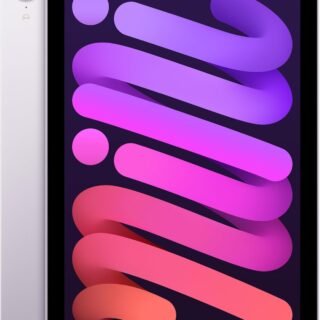 Apple iPad mini (A17 Pro): Apple Intelligence, 8.3-inch Liquid Retina Display, 256GB, Wi-Fi 6E, 12MP Front/12MP Back Camera, Touch ID, All-Day Battery Life — Purple
-
 Apple AirPods Max Wireless Over-Ear Headphones, Active Noise Cancelling, Transparency Mode, Personalized Spatial Audio, Dolby Atmos, Bluetooth Headphones for iPhone – Space Gray
-
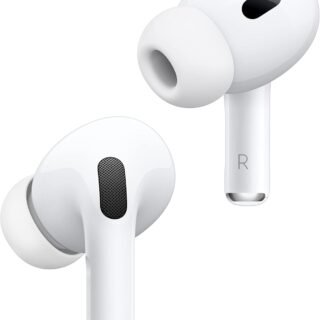 Apple AirPods Pro 2 Wireless Earbuds, Active Noise Cancellation, Hearing Aid Feature, Bluetooth Headphones, Transparency, Personalized Spatial Audio, High-Fidelity Sound, H2 Chip, USB-C Charging
-
Home Garage 210 TC Cotton King Floral Fitted (Elastic) Bedsheet(Pack of 1, Grey)
Original price was: ₹999.00.₹299.00Current price is: ₹299.00.
Leave a Reply