Category
Popular Articles
- AI (14)
- Android (41)
- App Suggest (13)
- Apple (25)
- Apple TV (2)
- Bluetooth (3)
- Cars (2)
- ChatGpt (1)
- Chrome (2)
- Did you know? (1)
- E-Commerce News (1)
- Ecommerce Websites business (7)
- Electronics Shopping (5)
- Fashion Tips (3)
- Gaming (5)
- Google Gemini (3)
- Hair Care Tips (2)
- How to (13)
- iCloud (1)
- Infotainment System (1)
- Iphone (112)
- Job Posting (1)
- Lifestyle (3)
- Mac (22)
- Mobile Games (1)
- Netflix (1)
- Online Shopping Websites (2)
- Personal Finance Management (3)
- Product Reviews (3)
- Roku TV (4)
- Samsung (10)
- Shopping Tips (10)
- Spotify (1)
- Tech (118)
- VPN (2)
- Windows 11 (24)
- Zero Waste (3)
Discounted Products
-
Leo Creation 144 TC Cotton Double Jaipuri Prints Flat Bedsheet(Pack of 1, Blue, Gree, Red, Grey, Light Grey)
₹2,999.00Original price was: ₹2,999.00.₹329.00Current price is: ₹329.00. -
Home Garage 210 TC Cotton King Floral Fitted (Elastic) Bedsheet(Pack of 1, Grey)
₹999.00Original price was: ₹999.00.₹299.00Current price is: ₹299.00. -
Goodrik 140 TC Cotton Double 3D Printed Flat Bedsheet(Pack of 1, Brown)
₹499.00Original price was: ₹499.00.₹229.00Current price is: ₹229.00. -
GLOBALSHOP 350 TC Microfiber Double Floral Flat Bedsheet(Pack of 1, Multicolor)
₹1,250.00Original price was: ₹1,250.00.₹263.00Current price is: ₹263.00. -
RisingStar 250 TC Microfiber King Printed Fitted (Elastic) Bedsheet(Pack of 1, FITTED-ROUND-CIRCLES-PREMIUM)
₹2,299.00Original price was: ₹2,299.00.₹299.00Current price is: ₹299.00. -
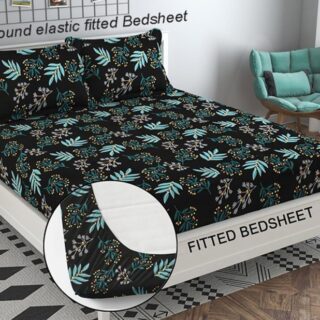
Home Garage 210 TC Cotton King Floral Fitted (Elastic) Bedsheet(Pack of 1, Fitted Black Green)
₹1,299.00Original price was: ₹1,299.00.₹299.00Current price is: ₹299.00. -

Home Garage 180 TC Cotton King 3D Printed Flat Bedsheet(Pack of 1, White)
₹999.00Original price was: ₹999.00.₹229.00Current price is: ₹229.00. -

Home Sizzler 153 cm (5 ft) Polyester Room Darkening Window Curtain (Pack Of 2)(Floral, Maroon)
₹799.00Original price was: ₹799.00.₹299.00Current price is: ₹299.00. -
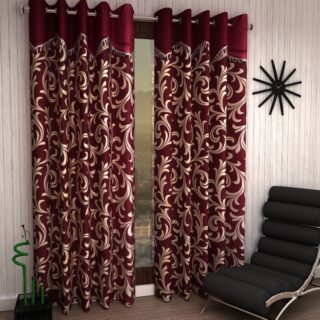
Panipat Textile Hub 152.4 cm (5 ft) Polyester Window Curtain (Pack Of 2)(Solid, Aqua)
₹1,899.00Original price was: ₹1,899.00.₹299.00Current price is: ₹299.00. -
Home Sizzler 214 cm (7 ft) Polyester Semi Transparent Door Curtain (Pack Of 2)(Floral, Maroon)
₹1,199.00Original price was: ₹1,199.00.₹399.00Current price is: ₹399.00. -
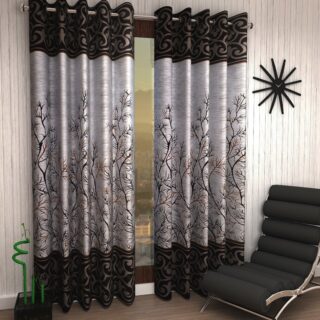
Home Sizzler 153 cm (5 ft) Polyester Room Darkening Window Curtain (Pack Of 2)(Floral, Brown)
₹799.00Original price was: ₹799.00.₹299.00Current price is: ₹299.00. -
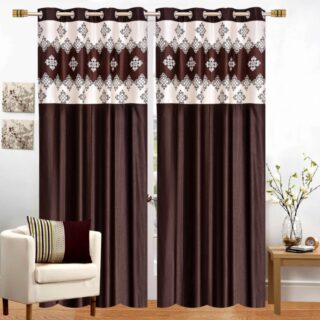
Stella Creations 214 cm (7 ft) Polyester Room Darkening Door Curtain (Pack Of 2)(Abstract, Brown)
₹1,299.00Original price was: ₹1,299.00.₹449.00Current price is: ₹449.00. -

Homefab India 152.5 cm (5 ft) Polyester Room Darkening Window Curtain (Pack Of 2)(Floral, Light Blue)
₹1,199.00Original price was: ₹1,199.00.₹319.00Current price is: ₹319.00. -
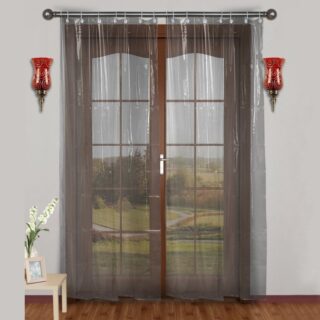
Urban Home 214 cm (7 ft) PVC Transparent Door Curtain Single Curtain(Solid, Off White)
₹699.00Original price was: ₹699.00.₹203.00Current price is: ₹203.00. -
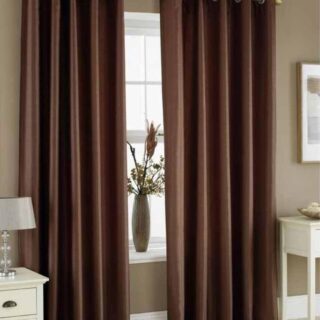
Panipat Textile Hub 213 cm (7 ft) Polyester Door Curtain (Pack Of 2)(Solid, Brown)
₹1,199.00Original price was: ₹1,199.00.₹349.00Current price is: ₹349.00.
Affiliate Links
Promotion
Introduction
Dating in the USA in 2026 feels very different from even a few years ago. As someone navigating relationships while balancing career, family expectations, and personal growth, I’ve noticed how dating apps have evolved to reflect where we are in life now. It’s no longer just about swiping through faces; it’s about finding alignment in values, lifestyles, communication styles, and long-term intentions.
The modern dating landscape is more intentional, more diverse, and far more personalized. Apps are smarter, safety-conscious, and increasingly designed to reduce burnout and superficial interactions. Whether someone is newly single, re-entering the dating world after a long break, or simply looking to meet people outside their usual social circles, dating apps have become a primary gateway to connection in the USA.
What makes 2026 especially interesting is the clear divide between mainstream dating platforms and the rise of niche communities. On one side, established apps continue to dominate with massive user bases and advanced algorithms. On the other, specialized platforms are thriving by focusing on shared values, identities, and lifestyles rather than sheer volume.
As a woman in my 30s who values meaningful conversation, emotional maturity, and respect for time and boundaries, I’ve learned that the “best” dating app isn’t universal. It depends on what stage of life you’re in and what kind of connection you’re seeking. Some people want flexibility and variety, others want depth and clarity, and many want a mix of both.
This comparison looks at some of the most popular and impactful dating apps in the USA for 2026—each serving a different purpose and personality. Understanding how these platforms differ helps you choose one that fits your intentions, not just what’s trending.
Tinder
As someone who’s dipped her toes into online dating across different phases of life, I’ve seen Tinder evolve from a purely swipe-culture app to a more robust platform that’s still leading the market in 2026. Tinder has stayed at the forefront because it’s simple, fast, and powerful — whether you’re in a big city, a college town, or traveling cross-country for work or fun.
Let’s talk features first. Tinder still runs on the now-iconic swipe mechanic: right for yes, left for no, and up for super like. In 2026, they’ve added even more personalization options — you can now filter potential matches by lifestyle preferences like “early riser,” “vegan,” or “fitness lover.” This makes a huge difference when you’re tired of endless blind swipes and want someone where your core values at least align. Profile prompts and video intros are now standard, giving you a more humane, expressive way to present yourself beyond photos and a bio.
Tinder’s algorithm has also received a makeover. Instead of just showing you the most active profiles nearby, it now factors in compatibility indicators such as interests, conversational tendencies, and even types of dates you prefer (coffee, hiking, long walks, etc.). This reduces fatigue from scrolling and increases the likelihood of matches you’re genuinely curious about.
One of the biggest perks of Tinder in 2026 is its global reach. If you travel internationally — for work, vacations, or family visits — you can connect with locals easily. And with smart safety features (like trusted contacts, real-time location sharing for certain meetups, and photo verification), the experience feels more secure. Their safety toolkit has been expanded because, let’s be honest, peace of mind matters when meeting someone new.
Now, about the downsides. With such a huge user base, you’ll still encounter mixed intentions — some people are just looking to chat, others are on and off the app quickly, and some genuinely want relationships. So patience and clear communication are key. Also, premium features like Tinder Plus, Gold, and Platinum are still subscription-driven, and while they offer boosts, advanced filters, and unlimited likes, they can feel pricey if you’re committed to investing in your dating journey.
Overall, Tinder remains one of the most popular and versatile apps available. If you want options, flexibility, and a fast way to connect with people in your area or across the globe, Tinder still delivers in 2026. Just set your preferences thoughtfully, stay safety-minded, and enjoy the ride.
Bumble
Bumble has always stood out to me because it flips the traditional online dating script. As a woman who’s navigated both the professional and social aspects of life in my 30s, I appreciate how Bumble gives control to women — without being overbearing. In 2026, Bumble has doubled down on empowerment, inclusivity, and quality engagement.
The key differentiator remains the same: once a match is made, women send the first message (in heterosexual connections). This creates a refreshing dynamic; it helps reduce unwanted messages and puts the first move in your hands. For LGBTQ+ matches, either person can start chatting, which feels more natural and respectful of diverse experiences.
Bumble’s design feels intentional and thoughtful. Beyond dating, the app includes modes for finding friends (Bumble BFF) and networking (Bumble Bizz). I’ve seen it help people expand their social circles and even land job opportunities — something that feels particularly valuable in a world where social and professional lives overlap. You can switch modes easily, making Bumble feel like a social ecosystem, not just a dating app.
In 2026, Bumble also enhanced its safety and verification tools. There’s advanced photo authentication and background check integration (optional), which adds layers of security without being invasive. The app’s in-app tips promote mindful interactions and respectful communication, which subtly encourages better behavior across the board.
Feature-wise, Bumble includes filters for lifestyle preferences and values — everything from whether someone wants kids to political views, fitness goals, and even sustainability interests. I’ve noticed that these filters actually improve match quality because they encourage thoughtfulness over impulsivity.
Another area where Bumble shines is in reducing ghosting and flakiness. The app incentivizes timely responses and mutual respect — if someone doesn’t respond within a certain window, the connection expires. While some users find this pressure a bit much, I personally like it because it encourages clarity and reduces the clutter of unanswered chats.
Of course, Bumble also offers paid tiers like Bumble Boost and Bumble Premium with perks like unlimited filters and advanced match insights. These aren’t essential but can be helpful if you want to speed up your experience or see who’s already liked your profile.
On the downside, despite Bumble’s popularity, its user base can feel narrower compared to Tinder — especially in smaller cities or towns. This means fewer matches for some users, but the trade-off is often better alignment and more meaningful conversations.
Overall, Bumble in 2026 feels like a smart, empowering choice for people who value respect, agency, and purposeful connections. If you want an environment that prioritizes authentic interaction and lets you take control of your dating narrative, Bumble’s thoughtful ecosystem is worth exploring.
Hinge
When I think of Hinge in 2026, I think of thoughtful dating — built for people who want real relationships, not just casual chats or endless swiping. Hinge brands itself as “designed to be deleted,” and that mission still feels genuine in how the app encourages deeper connection, intentionality, and emotional clarity.
What sets Hinge apart most effectively is its conversation-centric design. Instead of swiping left and right purely based on appearance, Hinge asks users to engage with profiles through prompts and photos that spark real dialogue. You can “like” specific parts of someone’s profile — a prompt answer, a photo caption, or a particular detail — and leave a comment. This immediately gives you something meaningful to talk about.
In 2026, Hinge has advanced its prompts to cover topics like life goals, communication style, emotional availability, preferred date ideas, and even conflict resolution approaches. These prompts aren’t trivial — they reveal values and relational preferences, which makes your matches richer and more relevant.
Hinge’s algorithm emphasizes compatibility signals and conversational behavior. Instead of just showing the most active profiles, Hinge factors in the quality of interactions, how well you connect through comments, and whether you actually follow up after matching. So if you’re someone who’s serious about dating, this model weeds out passive users and encourages engagement with intention.
The app’s “Standouts” and “We Met” features help too. “Standouts” highlights profiles that align closely with your preferences and behaviors, while “We Met” lets you provide feedback after real-life dates. That feedback is used to refine future recommendations — a quiet but powerful way to improve your dating pool thoughtfully.
Hinge is also very mindful about inclusivity and safety. Pronouns and orientation options are robust, and there are strong verification tools and community standards promoting respectful communication. The app nudges users to book dates sooner rather than lingering in endless chats, which I’ve found helps turn digital chemistry into real-world connection faster.
The premium tier — Hinge Preferred — includes access to advanced filters like religion, politics, and desire for children. Many of these filters can feel essential for compatibility, especially for people thinking long-term.
However, Hinge isn’t perfect. Because it’s more curated and focused on depth, the number of daily suggested matches can feel limited compared to broader platforms. This means results can be slower and require more patience, but I’ve found that the quality of conversations typically makes up for the pace.
For anyone serious about finding a meaningful, lasting connection in 2026, Hinge’s thoughtful, values-driven design delivers. It’s my go-to recommendation when someone says, “I’m ready to date with purpose.”
New & Niche Dating Platforms
In 2026, the dating app landscape is broader and more specialized than ever. Beyond mainstream giants, niche platforms have carved out vibrant communities where people with specific interests, values, and lifestyles can connect more deeply. These niche spaces deserve attention if you’re looking for alignment beyond the average swipe.
1. MeetMindful & Values-Driven Apps
For people prioritizing mindfulness, wellness, and intentional living, dating apps centered on shared life philosophies are gaining traction. These platforms ask thoughtful questions about habits, routines, and personal growth goals — helping you connect with people who view relationships as part of a holistic lifestyle. These communities often feel calmer and more introspective than fast-paced swiping apps. If morning rituals, meditation, and shared wellness matter to you, these platforms foster deeper early conversations.
2. Faith & Culture-Focused Platforms
Apps built around religion, culture, or ethnicity are thriving in 2026. Whether you’re looking for someone who shares specific spiritual values, cultural traditions, or family expectations, these niche apps create spaces free from translation gaps or mismatched worldviews. They often incorporate community events and group discussions that make meeting someone feel like a natural extension of your social life.
3. Interest-Based Communities (Gaming, Books, Fitness, Pets)
These next-generation apps revolve around passion points: gaming, books, fitness, pets, travel, cooking — you name it. Profiles go beyond generic photos to include activity badges, group challenges, and shared interest feeds. Instead of “What do you do?” you start with “Which raid team do you lead?” or “What’s your favorite recipe to cook on a Sunday?”
These platforms are more than dating apps — they’re social hubs. Events, forums, and community activities make connecting feel natural and less pressured, especially if you’re shy or new to online dating.
4. Career & Ambition Matchmakers
Dating apps that pair people based on career goals, work lives, and ambition levels are also gaining ground. These help professionals who travel frequently, work irregular hours, or have niche skill sets find partners who understand the rhythms and demands of their careers. Features can include work-life preference filters and date suggestions that sync with busy schedules.
5. Identity & Orientation-Centric Platforms
Apps tailored to specific sexual orientations, gender identities, and relationship structures (like polyamory or non-monogamy) have matured significantly. They offer nuanced matching logic, community support, and safe environments where people can share their identities openly without translation. In 2026, these spaces are more robust, with in-depth profiles and community moderation ensuring respectful interaction.
6. Local & Hyper-Community Apps
Smaller, city-focused platforms are rising in urban areas. These emphasize local events, real-world meetups, and friendships alongside dating. You connect through shared neighborhoods and activities — brunch spots, hikes, art shows — making digital connections feel like extensions of real life.
In 2026, niche platforms aren’t just alternatives — they’re thriving spaces where you can find people who truly resonate with your values, identity, and lifestyle. If you’re tired of generic swipes and want a community that feels tailored, exploring niche apps can be both refreshing and fruitful.
Conclusion
Looking at the dating app ecosystem in the USA for 2026, one thing is clear: online dating has matured. It’s no longer a last resort or a casual pastime—it’s a structured, intentional tool that reflects how people build relationships today. The apps themselves have adapted to emotional awareness, safety expectations, and lifestyle compatibility in ways that feel far more human than they once did.
Mainstream platforms continue to thrive because they offer flexibility. They give users options—casual dating, serious relationships, or simply social exploration. Their strength lies in scale, convenience, and constant innovation. For people who enjoy variety, movement, and the ability to meet someone new quickly, these platforms remain highly relevant.
At the same time, niche dating platforms have become incredibly powerful. They speak directly to people who are tired of explaining themselves, their beliefs, or their lifestyle choices. These apps remove friction early on by matching users based on shared values, interests, or identities. The result is fewer matches—but stronger ones. For many users, that trade-off is worth it.
What I personally appreciate most about dating in 2026 is the shift toward intentionality. Apps now encourage better communication, clearer expectations, and more respectful interactions. Features that once felt optional—like verification, boundaries, and preference filters—are now standard. This makes the experience safer and less emotionally draining, especially for women and people dating with long-term goals.
Another important takeaway is that success on dating apps isn’t about being everywhere at once. It’s about choosing the platform that aligns with your current season of life. Someone focused on career growth may prefer structure and compatibility. Someone newly exploring dating might value openness and discovery. There’s no single “best” app—only the best fit for your mindset and intentions.
Ultimately, dating apps in 2026 are tools, not solutions. They work best when paired with honesty, self-awareness, and patience. When used thoughtfully, they can open doors to meaningful relationships that might never happen otherwise.
If there’s one lesson to carry forward, it’s this: clarity attracts clarity. When you know what you want—and choose platforms designed to support that—you dramatically improve your chances of finding a connection that truly fits your life.
Disclaimer
The information provided in this article is for general informational purposes only. User experiences with dating apps may vary based on location, personal preferences, and individual behavior. bazaronweb.com does not endorse or guarantee outcomes from any dating platform mentioned.
Written by Bazaronweb
Latest Tech Articles
- How to Use Gemini AI Chatbot on iPhone: Complete Step-by-Step Guide for Beginners & Power Users

- How to Use Photo Cutout on iPhone: Remove Backgrounds, Create Stickers & Share Like a Pro

- How to Transfer Files from iPhone to Windows Easily: 3 Proven Methods That Actually Work (2026 Guide)

- How to Close All Open Apps on iPhone at Once: The Truth About App Management in iOS (2026 Guide)

- How to Extract and Copy Text from an Image on iPhone: The Easiest Way to Turn Photos into Editable Text

Products
-
Apple Watch Ultra 3 [GPS + Cellular 49mm] Running & Multisport Smartwatch w/Rugged Titanium Case w/Black Titanium Milanese Loop - M. Satellite Communications, Advanced Health & Fitness Tracking
-
Apple iPad mini (A17 Pro): Apple Intelligence, 8.3-inch Liquid Retina Display, 256GB, Wi-Fi 6E, 12MP Front/12MP Back Camera, Touch ID, All-Day Battery Life — Purple
-
Apple AirPods Max Wireless Over-Ear Headphones, Active Noise Cancelling, Transparency Mode, Personalized Spatial Audio, Dolby Atmos, Bluetooth Headphones for iPhone – Space Gray
-
Apple AirPods Pro 2 Wireless Earbuds, Active Noise Cancellation, Hearing Aid Feature, Bluetooth Headphones, Transparency, Personalized Spatial Audio, High-Fidelity Sound, H2 Chip, USB-C Charging
-
Leo Creation 144 TC Cotton Double Jaipuri Prints Flat Bedsheet(Pack of 1, Blue, Gree, Red, Grey, Light Grey)
₹2,999.00Original price was: ₹2,999.00.₹329.00Current price is: ₹329.00.
Leave a Reply