Discounted Products
-
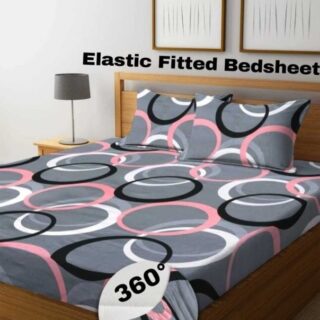 Home Garage 210 TC Cotton King Floral Fitted (Elastic) Bedsheet(Pack of 1, Grey)
Original price was: ₹999.00.₹299.00Current price is: ₹299.00.
Home Garage 210 TC Cotton King Floral Fitted (Elastic) Bedsheet(Pack of 1, Grey)
Original price was: ₹999.00.₹299.00Current price is: ₹299.00.
-
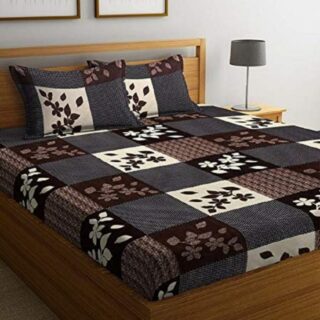 Goodrik 140 TC Cotton Double 3D Printed Flat Bedsheet(Pack of 1, Brown)
Original price was: ₹499.00.₹229.00Current price is: ₹229.00.
Goodrik 140 TC Cotton Double 3D Printed Flat Bedsheet(Pack of 1, Brown)
Original price was: ₹499.00.₹229.00Current price is: ₹229.00.
-
 GLOBALSHOP 350 TC Microfiber Double Floral Flat Bedsheet(Pack of 1, Multicolor)
Original price was: ₹1,250.00.₹263.00Current price is: ₹263.00.
GLOBALSHOP 350 TC Microfiber Double Floral Flat Bedsheet(Pack of 1, Multicolor)
Original price was: ₹1,250.00.₹263.00Current price is: ₹263.00.
-
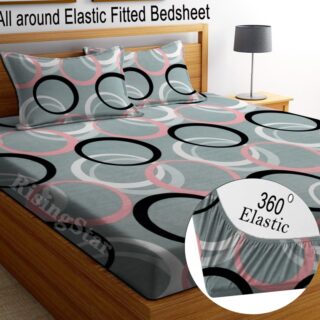 RisingStar 250 TC Microfiber King Printed Fitted (Elastic) Bedsheet(Pack of 1, FITTED-ROUND-CIRCLES-PREMIUM)
Original price was: ₹2,299.00.₹299.00Current price is: ₹299.00.
RisingStar 250 TC Microfiber King Printed Fitted (Elastic) Bedsheet(Pack of 1, FITTED-ROUND-CIRCLES-PREMIUM)
Original price was: ₹2,299.00.₹299.00Current price is: ₹299.00.
-
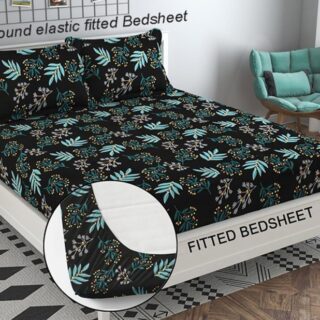 Home Garage 210 TC Cotton King Floral Fitted (Elastic) Bedsheet(Pack of 1, Fitted Black Green)
Original price was: ₹1,299.00.₹299.00Current price is: ₹299.00.
Home Garage 210 TC Cotton King Floral Fitted (Elastic) Bedsheet(Pack of 1, Fitted Black Green)
Original price was: ₹1,299.00.₹299.00Current price is: ₹299.00.
-
 Home Garage 180 TC Cotton King 3D Printed Flat Bedsheet(Pack of 1, White)
Original price was: ₹999.00.₹229.00Current price is: ₹229.00.
Home Garage 180 TC Cotton King 3D Printed Flat Bedsheet(Pack of 1, White)
Original price was: ₹999.00.₹229.00Current price is: ₹229.00.
-
 Panipat Textile Hub 152.4 cm (5 ft) Polyester Window Curtain (Pack Of 2)(Solid, Aqua)
Original price was: ₹1,899.00.₹299.00Current price is: ₹299.00.
Panipat Textile Hub 152.4 cm (5 ft) Polyester Window Curtain (Pack Of 2)(Solid, Aqua)
Original price was: ₹1,899.00.₹299.00Current price is: ₹299.00.
-
 Home Sizzler 214 cm (7 ft) Polyester Semi Transparent Door Curtain (Pack Of 2)(Floral, Maroon)
Original price was: ₹1,199.00.₹399.00Current price is: ₹399.00.
Home Sizzler 214 cm (7 ft) Polyester Semi Transparent Door Curtain (Pack Of 2)(Floral, Maroon)
Original price was: ₹1,199.00.₹399.00Current price is: ₹399.00.
-
 Home Sizzler 153 cm (5 ft) Polyester Room Darkening Window Curtain (Pack Of 2)(Floral, Brown)
Original price was: ₹799.00.₹299.00Current price is: ₹299.00.
Home Sizzler 153 cm (5 ft) Polyester Room Darkening Window Curtain (Pack Of 2)(Floral, Brown)
Original price was: ₹799.00.₹299.00Current price is: ₹299.00.
-
 Stella Creations 214 cm (7 ft) Polyester Room Darkening Door Curtain (Pack Of 2)(Abstract, Brown)
Original price was: ₹1,299.00.₹449.00Current price is: ₹449.00.
Stella Creations 214 cm (7 ft) Polyester Room Darkening Door Curtain (Pack Of 2)(Abstract, Brown)
Original price was: ₹1,299.00.₹449.00Current price is: ₹449.00.
-
 Homefab India 152.5 cm (5 ft) Polyester Room Darkening Window Curtain (Pack Of 2)(Floral, Light Blue)
Original price was: ₹1,199.00.₹319.00Current price is: ₹319.00.
Homefab India 152.5 cm (5 ft) Polyester Room Darkening Window Curtain (Pack Of 2)(Floral, Light Blue)
Original price was: ₹1,199.00.₹319.00Current price is: ₹319.00.
-
 Urban Home 214 cm (7 ft) PVC Transparent Door Curtain Single Curtain(Solid, Off White)
Original price was: ₹699.00.₹203.00Current price is: ₹203.00.
Urban Home 214 cm (7 ft) PVC Transparent Door Curtain Single Curtain(Solid, Off White)
Original price was: ₹699.00.₹203.00Current price is: ₹203.00.
-
 Panipat Textile Hub 213 cm (7 ft) Polyester Door Curtain (Pack Of 2)(Solid, Brown)
Original price was: ₹1,199.00.₹349.00Current price is: ₹349.00.
Panipat Textile Hub 213 cm (7 ft) Polyester Door Curtain (Pack Of 2)(Solid, Brown)
Original price was: ₹1,199.00.₹349.00Current price is: ₹349.00.
-
 Home Sizzler 214 cm (7 ft) Polyester Semi Transparent Door Curtain (Pack Of 2)(Floral, Brown)
Original price was: ₹999.00.₹349.00Current price is: ₹349.00.
Home Sizzler 214 cm (7 ft) Polyester Semi Transparent Door Curtain (Pack Of 2)(Floral, Brown)
Original price was: ₹999.00.₹349.00Current price is: ₹349.00.
-
 Panipat Textile Hub 213 cm (7 ft) Polyester Semi Transparent Door Curtain (Pack Of 2)(Floral, Brown)
Original price was: ₹899.00.₹299.00Current price is: ₹299.00.
Panipat Textile Hub 213 cm (7 ft) Polyester Semi Transparent Door Curtain (Pack Of 2)(Floral, Brown)
Original price was: ₹899.00.₹299.00Current price is: ₹299.00.
Introduction
In today’s connected world, using a Windows computer without basic cybersecurity awareness is a bit like leaving your front door unlocked. Most of us use our PCs for everything—work documents, online banking, school assignments, shopping, emails, and storing personal photos. As a busy professional and parent, I know how easy it is to assume that “nothing will happen to me.” But the reality is that cyber threats don’t target only tech experts or big companies—they target everyday users who simply want things to work smoothly.
The good news is that staying safe on Windows doesn’t require advanced technical skills or expensive software. Microsoft has built powerful security tools directly into Windows, and when combined with smart digital habits, they offer strong protection against common threats like malware, phishing, ransomware, and data theft. The problem isn’t usually lack of tools—it’s lack of awareness and consistency.
This guide is designed specifically for regular Windows users who want clear, practical advice without confusing jargon. Instead of overwhelming you with complex configurations, I’ll explain essential cybersecurity practices in simple terms and show how they fit naturally into your daily routine. These are habits you can realistically follow, whether you’re working from home, managing family devices, or helping kids stay safe online.
Think of cybersecurity not as a one-time setup, but as a set of small, smart choices you make every day. When done right, they quietly protect your data in the background while you focus on what actually matters. Let’s walk through the most important steps every Windows user should understand and apply.
Keep Windows and Software Updated at All Times
One of the most overlooked yet powerful cybersecurity habits is keeping Windows and all installed software up to date. Many people delay updates because they seem inconvenient or fear system changes, but these updates often fix security weaknesses that hackers actively exploit. When Microsoft releases an update, it’s usually because a vulnerability has already been discovered in the real world. Ignoring updates essentially leaves a known door open on your system.
Automatic updates are especially important for Windows itself, browsers, and commonly used apps like Office tools. These programs interact directly with the internet, making them prime targets for cyberattacks. Enabling automatic updates ensures your PC receives the latest security patches without requiring constant manual checks. This is one of the simplest steps you can take that delivers ongoing protection with almost no effort.
Outdated software is a favorite entry point for malware, ransomware, and spyware. Even if you’re cautious online, an unpatched system can still be compromised simply by visiting a compromised website. Treat updates as essential maintenance, not optional upgrades. A few minutes of installation time can prevent hours—or even days—of recovery from a security incident.
Use Strong, Unique Passwords and a Password Manager
Passwords remain the first line of defense for most online accounts, yet they’re also one of the weakest points in personal security. Reusing the same password across multiple accounts may feel convenient, but it creates a domino effect: if one account is compromised, others often follow. Strong passwords should be long, unique, and difficult to guess, combining letters, numbers, and symbols.
The challenge is remembering dozens of complex passwords, which is why password managers are so valuable. They securely store your login details and generate strong passwords automatically. This allows you to use unique credentials everywhere without needing to memorize them. Once set up, password managers actually make logging in faster and safer.
Weak passwords are often exploited through automated attacks that test millions of combinations in seconds. By using a password manager and avoiding predictable patterns, you significantly reduce your risk. This single habit dramatically improves your overall cybersecurity posture, especially for email, banking, and cloud accounts.
Enable Two-Factor Authentication Wherever Possible
Two-factor authentication, commonly called 2FA, adds a second layer of protection beyond your password. Even if someone manages to steal or guess your password, they still won’t be able to access your account without the second verification step. This is usually a code sent to your phone or generated by an authentication app.
For Windows users, enabling 2FA on your Microsoft account is particularly important because it controls access to email, cloud storage, and device settings. Many major platforms now offer 2FA, and enabling it usually takes only a few minutes. Once activated, it works quietly in the background, only prompting you when something unusual happens.
While it may feel like an extra step, 2FA is one of the most effective defenses against account takeovers. It’s especially valuable for protecting sensitive accounts like email, banking, and work-related logins, where a breach can have serious consequences.
Use Built-In Security Tools Like Microsoft Defender
Windows includes a powerful built-in security solution that many users underestimate. Microsoft Defender provides real-time protection against viruses, malware, and other threats without requiring additional software. It automatically scans files, monitors suspicious behavior, and blocks known threats before they cause harm.
Keeping Microsoft Defender enabled and updated ensures continuous protection with minimal system impact. Regular scans help catch issues early, while real-time monitoring protects you during everyday browsing and downloads. For most users, this built-in solution is more than sufficient when combined with safe online habits.
Disabling security tools or relying on outdated antivirus software creates unnecessary risk. Built-in protection has improved significantly over the years, offering strong defenses without extra cost or complexity. It’s a quiet but critical layer of safety for your Windows PC.
Be Cautious with Emails, Links, and Public Wi-Fi
Many cyberattacks don’t rely on technical exploits at all—they rely on tricking users. Phishing emails, fake links, and suspicious attachments are designed to look urgent or legitimate, pushing you to act quickly without thinking. Taking a moment to verify the sender and context can prevent serious security issues.
Public Wi-Fi networks are another common risk area. While convenient, they’re often unsecured, making it easier for attackers to intercept data. Avoid accessing sensitive accounts on public networks, and use additional protection when necessary. Simple awareness goes a long way in preventing data exposure.
Cybersecurity isn’t about fear—it’s about informed caution. By slowing down, questioning unexpected messages, and protecting your connections, you significantly reduce your exposure to everyday threats. These habits, once formed, become second nature and quietly protect your digital life.
Conclusion
Cybersecurity for Windows users doesn’t have to be complicated, intimidating, or overly technical. In fact, the most effective protection often comes from a combination of built-in tools and simple daily habits. What truly matters is consistency. When you regularly update your system, use strong passwords, enable two-factor authentication, and stay alert online, you dramatically reduce the chances of becoming a victim of cybercrime.
One of the biggest misconceptions is that hackers only target large organizations or tech-savvy individuals. In reality, everyday users are often easier targets precisely because they assume they’re not at risk. A single weak password, a delayed update, or one careless click on a phishing email can expose personal data, financial information, or even lock you out of your own files through ransomware. That’s why cybersecurity should be viewed as basic digital hygiene—just like locking your doors or backing up important documents.
Windows has evolved significantly over the years, and modern versions include robust security features like Microsoft Defender, ransomware protection, and account-level safeguards. When these tools are enabled and combined with smart user behavior, they offer strong protection without slowing down your system or requiring constant attention. The goal isn’t to live in fear of threats, but to let security work quietly in the background while you go about your normal digital life.
It’s also important to remember that cybersecurity is not a one-time setup. Threats evolve, tactics change, and new vulnerabilities are discovered regularly. Staying informed, even at a basic level, helps you adapt and make better decisions online. Teaching these habits to family members—especially children or less tech-confident users—multiplies their impact and creates a safer digital environment for everyone.
Ultimately, protecting your Windows PC is about taking responsibility for your digital space. With a few mindful steps and the right awareness, you can confidently use your computer for work, learning, communication, and entertainment—without constantly worrying about what’s happening behind the scenes. Cybersecurity doesn’t need to be perfect; it just needs to be proactive.
Disclaimer
This article is intended for educational and informational purposes only. Security features, settings, and availability may vary depending on Windows version and system configuration. Always refer to official Microsoft documentation or consult a qualified IT professional for advanced security needs.

- Killer Network Service: Is It a Virus or Safe to Disable?

- How to Set Up Parental Controls on Windows 11: A Step-by-Step Guide

- How to Extract Audio From a Video: Easy Ways to Save Audio

- How to Set a Photo Album as Your Wallpaper on iPhone: Step-by-Step Guide

- How to Convert a Bootable USB Drive to an ISO File in Windows

Products
-
![Apple Watch Ultra 3 [GPS + Cellular 49mm] Running & Multisport Smartwatch w/Rugged Titanium Case w/Black Titanium Milanese Loop - M. Satellite Communications, Advanced Health & Fitness Tracking](https://bazaronweb.com/retailstores/wp-content/uploads/2025/09/apple-watch-320x320.jpg) Apple Watch Ultra 3 [GPS + Cellular 49mm] Running & Multisport Smartwatch w/Rugged Titanium Case w/Black Titanium Milanese Loop - M. Satellite Communications, Advanced Health & Fitness Tracking
Apple Watch Ultra 3 [GPS + Cellular 49mm] Running & Multisport Smartwatch w/Rugged Titanium Case w/Black Titanium Milanese Loop - M. Satellite Communications, Advanced Health & Fitness Tracking
-
 Apple iPad mini (A17 Pro): Apple Intelligence, 8.3-inch Liquid Retina Display, 256GB, Wi-Fi 6E, 12MP Front/12MP Back Camera, Touch ID, All-Day Battery Life — Purple
-
 Apple AirPods Max Wireless Over-Ear Headphones, Active Noise Cancelling, Transparency Mode, Personalized Spatial Audio, Dolby Atmos, Bluetooth Headphones for iPhone – Space Gray
-
 Apple AirPods Pro 2 Wireless Earbuds, Active Noise Cancellation, Hearing Aid Feature, Bluetooth Headphones, Transparency, Personalized Spatial Audio, High-Fidelity Sound, H2 Chip, USB-C Charging
-
Home Garage 210 TC Cotton King Floral Fitted (Elastic) Bedsheet(Pack of 1, Grey)
Original price was: ₹999.00.₹299.00Current price is: ₹299.00.
Leave a Reply