Discounted Products
-
 Home Garage 210 TC Cotton King Floral Fitted (Elastic) Bedsheet(Pack of 1, Grey)
Original price was: ₹999.00.₹299.00Current price is: ₹299.00.
Home Garage 210 TC Cotton King Floral Fitted (Elastic) Bedsheet(Pack of 1, Grey)
Original price was: ₹999.00.₹299.00Current price is: ₹299.00.
-
 Goodrik 140 TC Cotton Double 3D Printed Flat Bedsheet(Pack of 1, Brown)
Original price was: ₹499.00.₹229.00Current price is: ₹229.00.
Goodrik 140 TC Cotton Double 3D Printed Flat Bedsheet(Pack of 1, Brown)
Original price was: ₹499.00.₹229.00Current price is: ₹229.00.
-
 GLOBALSHOP 350 TC Microfiber Double Floral Flat Bedsheet(Pack of 1, Multicolor)
Original price was: ₹1,250.00.₹263.00Current price is: ₹263.00.
GLOBALSHOP 350 TC Microfiber Double Floral Flat Bedsheet(Pack of 1, Multicolor)
Original price was: ₹1,250.00.₹263.00Current price is: ₹263.00.
-
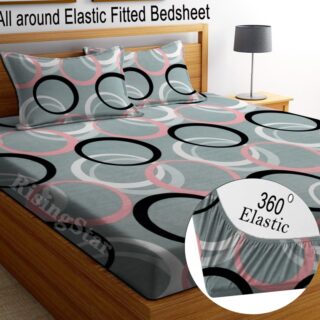 RisingStar 250 TC Microfiber King Printed Fitted (Elastic) Bedsheet(Pack of 1, FITTED-ROUND-CIRCLES-PREMIUM)
Original price was: ₹2,299.00.₹299.00Current price is: ₹299.00.
RisingStar 250 TC Microfiber King Printed Fitted (Elastic) Bedsheet(Pack of 1, FITTED-ROUND-CIRCLES-PREMIUM)
Original price was: ₹2,299.00.₹299.00Current price is: ₹299.00.
-
 Home Garage 210 TC Cotton King Floral Fitted (Elastic) Bedsheet(Pack of 1, Fitted Black Green)
Original price was: ₹1,299.00.₹299.00Current price is: ₹299.00.
Home Garage 210 TC Cotton King Floral Fitted (Elastic) Bedsheet(Pack of 1, Fitted Black Green)
Original price was: ₹1,299.00.₹299.00Current price is: ₹299.00.
-
 Home Garage 180 TC Cotton King 3D Printed Flat Bedsheet(Pack of 1, White)
Original price was: ₹999.00.₹229.00Current price is: ₹229.00.
Home Garage 180 TC Cotton King 3D Printed Flat Bedsheet(Pack of 1, White)
Original price was: ₹999.00.₹229.00Current price is: ₹229.00.
-
 Panipat Textile Hub 152.4 cm (5 ft) Polyester Window Curtain (Pack Of 2)(Solid, Aqua)
Original price was: ₹1,899.00.₹299.00Current price is: ₹299.00.
Panipat Textile Hub 152.4 cm (5 ft) Polyester Window Curtain (Pack Of 2)(Solid, Aqua)
Original price was: ₹1,899.00.₹299.00Current price is: ₹299.00.
-
 Home Sizzler 214 cm (7 ft) Polyester Semi Transparent Door Curtain (Pack Of 2)(Floral, Maroon)
Original price was: ₹1,199.00.₹399.00Current price is: ₹399.00.
Home Sizzler 214 cm (7 ft) Polyester Semi Transparent Door Curtain (Pack Of 2)(Floral, Maroon)
Original price was: ₹1,199.00.₹399.00Current price is: ₹399.00.
-
 Home Sizzler 153 cm (5 ft) Polyester Room Darkening Window Curtain (Pack Of 2)(Floral, Brown)
Original price was: ₹799.00.₹299.00Current price is: ₹299.00.
Home Sizzler 153 cm (5 ft) Polyester Room Darkening Window Curtain (Pack Of 2)(Floral, Brown)
Original price was: ₹799.00.₹299.00Current price is: ₹299.00.
-
 Stella Creations 214 cm (7 ft) Polyester Room Darkening Door Curtain (Pack Of 2)(Abstract, Brown)
Original price was: ₹1,299.00.₹449.00Current price is: ₹449.00.
Stella Creations 214 cm (7 ft) Polyester Room Darkening Door Curtain (Pack Of 2)(Abstract, Brown)
Original price was: ₹1,299.00.₹449.00Current price is: ₹449.00.
-
 Homefab India 152.5 cm (5 ft) Polyester Room Darkening Window Curtain (Pack Of 2)(Floral, Light Blue)
Original price was: ₹1,199.00.₹319.00Current price is: ₹319.00.
Homefab India 152.5 cm (5 ft) Polyester Room Darkening Window Curtain (Pack Of 2)(Floral, Light Blue)
Original price was: ₹1,199.00.₹319.00Current price is: ₹319.00.
-
 Urban Home 214 cm (7 ft) PVC Transparent Door Curtain Single Curtain(Solid, Off White)
Original price was: ₹699.00.₹203.00Current price is: ₹203.00.
Urban Home 214 cm (7 ft) PVC Transparent Door Curtain Single Curtain(Solid, Off White)
Original price was: ₹699.00.₹203.00Current price is: ₹203.00.
-
 Panipat Textile Hub 213 cm (7 ft) Polyester Door Curtain (Pack Of 2)(Solid, Brown)
Original price was: ₹1,199.00.₹349.00Current price is: ₹349.00.
Panipat Textile Hub 213 cm (7 ft) Polyester Door Curtain (Pack Of 2)(Solid, Brown)
Original price was: ₹1,199.00.₹349.00Current price is: ₹349.00.
-
 Home Sizzler 214 cm (7 ft) Polyester Semi Transparent Door Curtain (Pack Of 2)(Floral, Brown)
Original price was: ₹999.00.₹349.00Current price is: ₹349.00.
Home Sizzler 214 cm (7 ft) Polyester Semi Transparent Door Curtain (Pack Of 2)(Floral, Brown)
Original price was: ₹999.00.₹349.00Current price is: ₹349.00.
-
 Panipat Textile Hub 213 cm (7 ft) Polyester Semi Transparent Door Curtain (Pack Of 2)(Floral, Brown)
Original price was: ₹899.00.₹299.00Current price is: ₹299.00.
Panipat Textile Hub 213 cm (7 ft) Polyester Semi Transparent Door Curtain (Pack Of 2)(Floral, Brown)
Original price was: ₹899.00.₹299.00Current price is: ₹299.00.

Hey, it’s Jessica. If you’ve ever deleted dozens of photos, removed apps, cleared videos, and still seen your iPhone stubbornly say “Storage Almost Full,” you’re not doing anything wrong. This is one of the most confusing iPhone problems because it feels like the math simply doesn’t add up. You delete large files, yet storage barely moves. I’ve been there, staring at the storage bar, wondering if my phone was broken or if iOS was just lying to me. The truth is more subtle. iPhone storage fills up not just because of what you see, but because of what iOS keeps quietly in the background—often for reasons that make sense to the system, but not to us as users.
Understanding iPhone Storage Beyond Photos and Apps
Most people think iPhone storage is mainly photos, videos, and apps. That’s partly true, but it’s not the full picture. iOS categorizes storage in ways that don’t always reflect how space is actually used. System data, cached files, message attachments, app documents, and temporary files can quietly grow over time. Even when you delete photos, iOS may keep thumbnails, indexing data, and backups associated with them. So while the photos themselves are gone, their footprint doesn’t disappear instantly. This delay is intentional, designed to improve performance and recovery, but it makes storage management feel broken.
Why “System Data” Keeps Growing
System Data (formerly called “Other”) is the most misunderstood part of iPhone storage. It includes caches, logs, Siri voices, fonts, system updates, and temporary files created by apps and iOS itself. Over time, this category can grow dramatically—sometimes taking up tens of gigabytes. What makes it frustrating is that iOS doesn’t give you a clear “delete” button for it. The system assumes this data is useful for performance and stability, so it doesn’t rush to remove it. From the user’s perspective, it feels like invisible clutter with no clear solution.
Messages and Attachments Are Silent Storage Killers
Messages are another area where storage quietly disappears. Even if you don’t send many texts, message threads often contain photos, videos, voice notes, GIFs, and files. These attachments stay stored locally unless you remove them manually or configure message retention settings. I’ve seen message threads from years ago still holding onto large video files I didn’t even remember sending. Deleting photos from your camera roll doesn’t touch these files at all. That’s why storage sometimes doesn’t change after you “clean everything.”
App Caches Grow Even When You Don’t Use the App
Apps are surprisingly aggressive about storing data. Social media apps cache images and videos. Streaming apps store temporary playback data. Browsers save website data and offline content. Even if you rarely open an app, its cached data can continue to grow. iOS doesn’t automatically clear this unless storage becomes critically low—and even then, it’s selective. That’s why an app that’s listed as 200 MB can suddenly be using 2 GB or more. The app itself isn’t big, but its data is.
iCloud Can Make Storage Feel Confusing
iCloud is helpful, but it also creates storage illusions. When photos are optimized, full-resolution versions may still download temporarily when viewed, edited, or shared. These files don’t always disappear immediately. Similarly, iCloud Drive files marked for offline access remain stored locally even if you think of them as “cloud files.” This makes it feel like deleting photos or files should free space instantly, but iOS works on a delayed cleanup model. It prioritizes smooth experience over immediate space recovery.
Deleted Files Aren’t Always Really Gone
When you delete photos or videos, they go to the Recently Deleted folder for up to 30 days. Most people know this, but what’s less obvious is that iOS still counts some of that space as unavailable until cleanup processes run. The same applies to deleted files inside apps. Until iOS finalizes cleanup, storage may not reflect your actions accurately. This is why restarting the phone sometimes “magically” frees space—it forces background cleanup to complete.
iOS Prioritizes Performance Over Transparency
At its core, this storage behavior comes down to Apple’s design philosophy. iOS is optimized to feel fast, responsive, and reliable, even if that means holding onto extra data. Caches help apps load faster. System files help with recovery. Temporary data reduces repeated downloads. All of this is beneficial—until storage runs low. The problem is that Apple doesn’t surface these processes clearly to users, so storage issues feel mysterious and uncontrollable. You’re not failing to manage your iPhone; the system just isn’t designed to explain itself.
Why Deleting Random Things Rarely Solves the Problem
This is the biggest trap. When storage is low, most users panic-delete photos, apps, or videos without addressing the underlying causes. This might free space briefly, but it doesn’t stop storage from filling up again. Until caches, system data, message attachments, and app documents are managed intentionally, the problem returns. True storage control comes from understanding what iOS is holding onto and why—not from aggressive deletion.
The Real Shift: From Deleting Files to Managing Behavior
Once I stopped thinking of storage as “stuff I can see” and started thinking of it as “behavior iOS controls,” everything changed. Storage isn’t just about files—it’s about how the system caches, syncs, and prepares data in the background. Fixing the issue properly means adjusting how iOS handles messages, apps, cloud data, and cleanup routines. When you approach it this way, storage stops feeling unpredictable and starts feeling manageable.
Start With Message Storage Settings, Not Photos
The first place I always fix when iPhone storage keeps filling up is Messages. This is where people lose the most space without realizing it. Inside message threads, photos and videos remain stored locally forever unless you change retention settings. Switching message history from “Forever” to a limited period instantly changes how iOS behaves. Old attachments begin clearing automatically instead of stacking up silently. What matters here isn’t deleting conversations you care about, but stopping new clutter from becoming permanent. Once I adjusted this, storage stopped creeping up in the background.
Manually Review Large Attachments Inside Messages
Even with better retention settings, old attachments don’t disappear automatically. iOS gives you a hidden overview of large message files, grouped by size. This is one of the fastest ways to free meaningful space without touching photos or apps. I found videos from years ago that I didn’t remember sending—and deleting just a few of them freed gigabytes. The best part is that this doesn’t affect conversations themselves. Texts stay, memories stay, but the heavy files are gone.
Fix App Caches by Resetting App Data, Not Deleting Random Apps
When an app takes far more space than expected, it’s almost always cached data. Social media apps, browsers, and streaming apps are the biggest offenders. iOS doesn’t let you clear cache directly, so the safest workaround is reinstalling only the apps that show unusually large data usage. This resets cached content while keeping your account intact once you log back in. Doing this selectively—not aggressively—keeps storage under control without breaking your workflow.
Safari and Browser Data Add Up Faster Than You Think
Browser storage is another overlooked area. Websites store images, scripts, and offline data that slowly pile up. Clearing website data periodically frees space and often improves browser performance. What surprised me was how much storage Safari alone was using despite me not downloading anything. Clearing browsing data doesn’t log you out of everything permanently—it just resets stored clutter. It’s one of those small actions with an outsized impact.
iCloud Photos Needs Time, Not Panic
If you use iCloud Photos with optimized storage, deleting photos won’t always free space immediately. iOS schedules cleanup based on system needs, not user expectations. That’s why storage sometimes updates hours—or even days—later. The key is patience combined with stability. Keeping the phone plugged in, connected to Wi-Fi, and idle allows background cleanup to complete. Restarting the device also helps trigger cleanup routines. This isn’t a bug; it’s how iOS protects performance.
Reduce System Data by Forcing Cleanup Naturally
System Data shrinks when iOS is allowed to reorganize itself. Updating iOS, restarting the phone, and maintaining free space all help reduce this category. Ironically, having some free storage makes it easier for iOS to clean up old temporary files. When storage is critically low, cleanup stalls. Creating breathing room—even temporarily—helps the system recover space more effectively than deleting random content.
Check Downloaded Media Inside Streaming Apps
Music and video streaming apps often store offline content even after you forget about it. Downloads from months ago can sit quietly using several gigabytes. Reviewing offline content inside these apps frees space instantly without affecting streaming access. This is especially important for apps that auto-download content “for convenience.” Turning off automatic downloads prevents storage from refilling itself later.
Restarting Isn’t a Myth, It’s a Trigger
Restarting your iPhone doesn’t magically create space—but it does trigger cleanup processes that don’t always run while the phone is in active use. I’ve personally seen storage update immediately after a restart when it hadn’t changed all day. Think of restarting as telling iOS, “Finish what you’ve been holding onto.” It’s not a fix on its own, but it helps finalize other changes.
Prevent Storage Problems by Changing iOS Behavior
The real solution isn’t constant cleanup—it’s prevention. Limiting message retention, managing app downloads, reviewing attachments occasionally, and keeping some free space available stops storage from spiraling again. Once these behaviors are set, storage stabilizes. I stopped worrying about space entirely once I treated storage as something to manage, not fight.
Conclusion
iPhone storage issues aren’t caused by user mistakes—they’re caused by how iOS prioritizes performance over transparency. Photos aren’t the main problem, and deleting them rarely solves anything long term. Real storage control comes from managing messages, app data, downloads, and system behavior intentionally. Once you understand what iOS is holding onto and why, storage stops feeling unpredictable. You don’t need extreme measures or constant cleanup—just smarter defaults and occasional checks. When storage is managed this way, your iPhone feels lighter, faster, and far less stressful to use.
Disclaimer
This article is for informational purposes only. Storage behavior may vary depending on iPhone model, iOS version, and individual usage patterns. Always review files carefully before deleting and ensure important data is backed up.

- How to Convert a Bootable USB Drive to an ISO File in Windows

- How to Enable End Task on the Windows 11 Taskbar

- How to Add a Clock Widget to Your Windows 11 Desktop

- How to Check Battery Health on Android Phones: Samsung, Pixel, OnePlus, Xiaomi and More

- How to Turn Off Auto Capitalization on a Samsung Phone

Products
-
![Apple Watch Ultra 3 [GPS + Cellular 49mm] Running & Multisport Smartwatch w/Rugged Titanium Case w/Black Titanium Milanese Loop - M. Satellite Communications, Advanced Health & Fitness Tracking](https://bazaronweb.com/retailstores/wp-content/uploads/2025/09/apple-watch-320x320.jpg) Apple Watch Ultra 3 [GPS + Cellular 49mm] Running & Multisport Smartwatch w/Rugged Titanium Case w/Black Titanium Milanese Loop - M. Satellite Communications, Advanced Health & Fitness Tracking
Apple Watch Ultra 3 [GPS + Cellular 49mm] Running & Multisport Smartwatch w/Rugged Titanium Case w/Black Titanium Milanese Loop - M. Satellite Communications, Advanced Health & Fitness Tracking
-
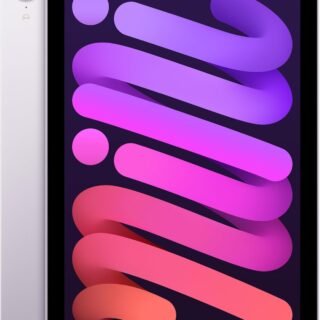 Apple iPad mini (A17 Pro): Apple Intelligence, 8.3-inch Liquid Retina Display, 256GB, Wi-Fi 6E, 12MP Front/12MP Back Camera, Touch ID, All-Day Battery Life — Purple
-
 Apple AirPods Max Wireless Over-Ear Headphones, Active Noise Cancelling, Transparency Mode, Personalized Spatial Audio, Dolby Atmos, Bluetooth Headphones for iPhone – Space Gray
-
 Apple AirPods Pro 2 Wireless Earbuds, Active Noise Cancellation, Hearing Aid Feature, Bluetooth Headphones, Transparency, Personalized Spatial Audio, High-Fidelity Sound, H2 Chip, USB-C Charging
-
Home Garage 210 TC Cotton King Floral Fitted (Elastic) Bedsheet(Pack of 1, Grey)
Original price was: ₹999.00.₹299.00Current price is: ₹299.00.
Leave a Reply