Discounted Products
-
 Home Garage 210 TC Cotton King Floral Fitted (Elastic) Bedsheet(Pack of 1, Grey)
Original price was: ₹999.00.₹299.00Current price is: ₹299.00.
Home Garage 210 TC Cotton King Floral Fitted (Elastic) Bedsheet(Pack of 1, Grey)
Original price was: ₹999.00.₹299.00Current price is: ₹299.00.
-
 Goodrik 140 TC Cotton Double 3D Printed Flat Bedsheet(Pack of 1, Brown)
Original price was: ₹499.00.₹229.00Current price is: ₹229.00.
Goodrik 140 TC Cotton Double 3D Printed Flat Bedsheet(Pack of 1, Brown)
Original price was: ₹499.00.₹229.00Current price is: ₹229.00.
-
 GLOBALSHOP 350 TC Microfiber Double Floral Flat Bedsheet(Pack of 1, Multicolor)
Original price was: ₹1,250.00.₹263.00Current price is: ₹263.00.
GLOBALSHOP 350 TC Microfiber Double Floral Flat Bedsheet(Pack of 1, Multicolor)
Original price was: ₹1,250.00.₹263.00Current price is: ₹263.00.
-
 RisingStar 250 TC Microfiber King Printed Fitted (Elastic) Bedsheet(Pack of 1, FITTED-ROUND-CIRCLES-PREMIUM)
Original price was: ₹2,299.00.₹299.00Current price is: ₹299.00.
RisingStar 250 TC Microfiber King Printed Fitted (Elastic) Bedsheet(Pack of 1, FITTED-ROUND-CIRCLES-PREMIUM)
Original price was: ₹2,299.00.₹299.00Current price is: ₹299.00.
-
 Home Garage 210 TC Cotton King Floral Fitted (Elastic) Bedsheet(Pack of 1, Fitted Black Green)
Original price was: ₹1,299.00.₹299.00Current price is: ₹299.00.
Home Garage 210 TC Cotton King Floral Fitted (Elastic) Bedsheet(Pack of 1, Fitted Black Green)
Original price was: ₹1,299.00.₹299.00Current price is: ₹299.00.
-
 Home Garage 180 TC Cotton King 3D Printed Flat Bedsheet(Pack of 1, White)
Original price was: ₹999.00.₹229.00Current price is: ₹229.00.
Home Garage 180 TC Cotton King 3D Printed Flat Bedsheet(Pack of 1, White)
Original price was: ₹999.00.₹229.00Current price is: ₹229.00.
-
 Panipat Textile Hub 152.4 cm (5 ft) Polyester Window Curtain (Pack Of 2)(Solid, Aqua)
Original price was: ₹1,899.00.₹299.00Current price is: ₹299.00.
Panipat Textile Hub 152.4 cm (5 ft) Polyester Window Curtain (Pack Of 2)(Solid, Aqua)
Original price was: ₹1,899.00.₹299.00Current price is: ₹299.00.
-
 Home Sizzler 214 cm (7 ft) Polyester Semi Transparent Door Curtain (Pack Of 2)(Floral, Maroon)
Original price was: ₹1,199.00.₹399.00Current price is: ₹399.00.
Home Sizzler 214 cm (7 ft) Polyester Semi Transparent Door Curtain (Pack Of 2)(Floral, Maroon)
Original price was: ₹1,199.00.₹399.00Current price is: ₹399.00.
-
 Home Sizzler 153 cm (5 ft) Polyester Room Darkening Window Curtain (Pack Of 2)(Floral, Brown)
Original price was: ₹799.00.₹299.00Current price is: ₹299.00.
Home Sizzler 153 cm (5 ft) Polyester Room Darkening Window Curtain (Pack Of 2)(Floral, Brown)
Original price was: ₹799.00.₹299.00Current price is: ₹299.00.
-
 Stella Creations 214 cm (7 ft) Polyester Room Darkening Door Curtain (Pack Of 2)(Abstract, Brown)
Original price was: ₹1,299.00.₹449.00Current price is: ₹449.00.
Stella Creations 214 cm (7 ft) Polyester Room Darkening Door Curtain (Pack Of 2)(Abstract, Brown)
Original price was: ₹1,299.00.₹449.00Current price is: ₹449.00.
-
 Homefab India 152.5 cm (5 ft) Polyester Room Darkening Window Curtain (Pack Of 2)(Floral, Light Blue)
Original price was: ₹1,199.00.₹319.00Current price is: ₹319.00.
Homefab India 152.5 cm (5 ft) Polyester Room Darkening Window Curtain (Pack Of 2)(Floral, Light Blue)
Original price was: ₹1,199.00.₹319.00Current price is: ₹319.00.
-
 Urban Home 214 cm (7 ft) PVC Transparent Door Curtain Single Curtain(Solid, Off White)
Original price was: ₹699.00.₹203.00Current price is: ₹203.00.
Urban Home 214 cm (7 ft) PVC Transparent Door Curtain Single Curtain(Solid, Off White)
Original price was: ₹699.00.₹203.00Current price is: ₹203.00.
-
 Panipat Textile Hub 213 cm (7 ft) Polyester Door Curtain (Pack Of 2)(Solid, Brown)
Original price was: ₹1,199.00.₹349.00Current price is: ₹349.00.
Panipat Textile Hub 213 cm (7 ft) Polyester Door Curtain (Pack Of 2)(Solid, Brown)
Original price was: ₹1,199.00.₹349.00Current price is: ₹349.00.
-
 Home Sizzler 214 cm (7 ft) Polyester Semi Transparent Door Curtain (Pack Of 2)(Floral, Brown)
Original price was: ₹999.00.₹349.00Current price is: ₹349.00.
Home Sizzler 214 cm (7 ft) Polyester Semi Transparent Door Curtain (Pack Of 2)(Floral, Brown)
Original price was: ₹999.00.₹349.00Current price is: ₹349.00.
-
 Panipat Textile Hub 213 cm (7 ft) Polyester Semi Transparent Door Curtain (Pack Of 2)(Floral, Brown)
Original price was: ₹899.00.₹299.00Current price is: ₹299.00.
Panipat Textile Hub 213 cm (7 ft) Polyester Semi Transparent Door Curtain (Pack Of 2)(Floral, Brown)
Original price was: ₹899.00.₹299.00Current price is: ₹299.00.

Hey, it’s Jessica. If your Mac felt incredibly fast when you first bought it but now takes a little longer to open apps, switch tabs, or wake from sleep—even though you haven’t installed many new programs—you’re not imagining it. I’ve experienced this myself on both MacBook Air and MacBook Pro models. At first, everything feels instant. Months later, subtle delays creep in. Nothing dramatic. Just enough to make you pause and wonder, Is my Mac aging faster than it should? The answer isn’t usually hardware failure. It’s accumulation.
macOS Doesn’t Slow Down—It Builds History
One of the biggest misconceptions about Macs is that they “just stay fast forever.” While macOS is optimized beautifully, it still accumulates system history over time. Caches, logs, indexing data, temporary files, and application support files quietly build up in the background. These aren’t errors. They’re part of how macOS keeps things efficient. But as that history grows, the system has more to manage. The Mac isn’t getting weaker—it’s carrying more responsibility.
Background Services Run Even When You’re Idle
Even when your Mac appears idle, background processes continue working. Spotlight indexing, iCloud syncing, Time Machine checks, Photos analysis, Mail syncing, and system intelligence features operate quietly. Individually, they’re lightweight. Together, they add constant low-level activity. Over months and years, this background workload increases, especially if you store lots of files or sync multiple cloud services.
Spotlight and File Indexing Grow With Your Storage
Spotlight is one of macOS’s most powerful features, but it relies on continuous indexing. The more files you store—documents, photos, downloads—the more complex that index becomes. When large file libraries grow, Spotlight has more data to scan and maintain. After updates or file transfers, reindexing can temporarily slow down the system. It’s not malfunctioning—it’s organizing.
Startup Items Multiply Without You Noticing
Many applications quietly add themselves to startup or background login items. You may install an app once, but its helper process remains active indefinitely. Over time, these background helpers stack up. Even if you rarely open the app, its support processes may still launch at startup. This doesn’t break your Mac—but it does increase boot time and memory usage.
Browser Tabs Are Heavier Than They Look
Modern browsers are powerful—and demanding. Each open tab runs its own process. Even if a tab looks static, it may still be refreshing scripts or loading content in the background. Over time, browsing habits often expand. More extensions, more saved sessions, more cached website data. The Mac feels slower not because macOS is failing, but because browser workload increases dramatically compared to when the device was new.
Storage Pressure Changes System Behavior
macOS uses free storage space for memory swapping and temporary operations. When storage becomes tight—even if not completely full—the system works harder to manage resources. This affects app launch times, multitasking smoothness, and even system animations. Macs need breathing room to stay fast. Without it, performance feels compressed.
macOS Updates Add Features and Complexity
Each macOS update improves security and adds features—but it also increases system complexity. Background intelligence grows smarter. Visual features become more dynamic. Cloud integration deepens. On newer Macs, this feels seamless. On older machines, it gradually feels heavier. Even if you don’t actively use new features, they still exist in the system.
Battery Health Influences Performance on MacBooks
On MacBooks, battery health subtly affects performance. When the battery ages, macOS may adjust power delivery to prevent instability. This doesn’t usually result in dramatic slowdown, but it can affect responsiveness during intensive tasks. The change is gradual, which makes it hard to pinpoint.
The Illusion of “Nothing Changed”
This is what makes Mac slowdown confusing. You didn’t install new apps. You didn’t change how you use it. But macOS did change. It updated, indexed, synced, learned, cached, and adapted. The system evolved silently. The Mac you’re using today isn’t the same lightweight environment it was on day one—it’s richer, smarter, and carrying more background intelligence.
Why Restarting Feels Like a Performance Boost
If you’ve ever restarted your Mac and thought, Wow, that feels faster, there’s a reason. Restarting clears memory, resets background processes, and temporarily reduces system load. It doesn’t erase history, but it gives macOS a fresh starting point. That brief improvement proves something important: the slowdown isn’t permanent damage. It’s accumulated activity.
From Blame to Maintenance
Once I stopped assuming my Mac was “getting old” and started treating performance like system health, everything changed. Macs don’t deteriorate randomly—they just require occasional guidance. Performance issues are rarely dramatic failures. They’re signals that background behavior, storage usage, or startup processes need attention.
Start With Login Items, Not Drastic Cleanup
The first place I always check when a Mac feels slower is Login Items. Over time, apps quietly add helpers that launch automatically when the system starts. Cloud storage apps, messaging platforms, creative tools, and even small utilities install background services. You may not open these apps daily, but their background processes still consume memory and CPU. Removing non-essential login items immediately reduces startup load and frees system resources. The Mac doesn’t need to boot into a fully loaded environment every single time.
Activity Monitor Reveals What’s Actually Busy
Instead of guessing what’s causing slowdown, Activity Monitor shows exactly which processes are using CPU, memory, and energy. Often, it’s not the app you expect. Sometimes it’s a browser tab consuming excessive resources. Other times it’s a syncing service or indexing process running longer than usual. Understanding which processes spike during lag moments helps you respond intelligently instead of deleting random files. Awareness beats reaction every time.
Reduce Browser Load and Extensions
Browsers are one of the biggest long-term performance drains. Each open tab is effectively its own mini application. Add multiple extensions—ad blockers, productivity tools, password managers—and the resource demand multiplies. Closing unused tabs, limiting auto-launch sessions, and reviewing extensions reduces memory pressure instantly. Many users blame macOS when, in reality, the browser is doing most of the heavy lifting.
Free Up Storage to Restore Breathing Room
macOS needs free storage space to operate smoothly. When disk space runs low, the system uses swap memory more aggressively, which slows multitasking. Even freeing 10–15% of your storage can make a noticeable difference. Clearing old downloads, removing unused large files, and moving archived data to external storage helps macOS regain efficiency. The system doesn’t need to be empty—it just needs space to work comfortably.
Manage Spotlight and Indexing Activity
If your Mac feels sluggish after major file transfers or updates, Spotlight indexing is often the reason. Letting the system complete indexing—plugged in and idle—usually resolves temporary slowdowns. If indexing gets stuck, reindexing specific folders instead of the entire system can help. Spotlight is powerful, but when overloaded, it consumes noticeable resources.
Control Background Syncing Services
iCloud, Dropbox, Google Drive, and other sync services constantly monitor files for changes. When many files update simultaneously, CPU and disk usage increase sharply. Pausing syncing temporarily during heavy tasks improves responsiveness. Syncing isn’t the problem—overlapping sync operations are. Scheduling large uploads when you’re not actively working keeps the system feeling smooth.
Keep macOS Updated, But Review Settings After
macOS updates improve performance optimizations over time, but they may also reset certain preferences. After updates, it’s helpful to review login items, background permissions, and privacy settings. Keeping updates lean and intentional ensures new features don’t quietly add unnecessary background workload.
Restart With Purpose, Not Just Habit
Restarting your Mac clears active memory and stops lingering background services. If your Mac hasn’t been restarted in weeks, small inefficiencies can accumulate. Occasional restarts reset system state and restore responsiveness. It’s not a magic cure—but it’s effective maintenance.
Battery Health Matters on MacBooks
For MacBooks, aging batteries can affect performance stability. When battery health declines significantly, macOS may adjust power delivery to prevent unexpected shutdowns. Checking battery condition ensures performance limitations aren’t related to power management rather than system clutter.
Consistency Keeps macOS Feeling New
The biggest realization for me was that Mac performance isn’t about one dramatic cleanup—it’s about consistent maintenance. Limiting startup processes, managing browser habits, keeping storage healthy, and understanding background activity keeps the system balanced. Macs don’t randomly degrade; they gradually accumulate complexity.
Conclusion
If your Mac feels slower over time, it’s rarely because the hardware has failed. It’s usually the result of accumulated background processes, storage pressure, startup items, and browser workload. macOS is designed to evolve and adapt—but without occasional guidance, that evolution feels heavier. By managing login items, monitoring activity, freeing storage, and controlling sync behavior, your Mac can remain fast and reliable for years. Performance isn’t lost—it just needs recalibration.
Disclaimer
This article is for informational purposes only. Performance behavior may vary depending on Mac model, macOS version, storage capacity, and usage patterns. Always back up important data before making significant system changes.

- What Are iPhone Background Sounds? Their Uses and How to Enable Them

- How to Run a Safety Check in Google Chrome and Protect Your Browser

- Samsung Phone’s Keyboard Not Working? Here’s How to Fix It

- How to Take Screenshot While in Gaming on My Windows 11 PC

- Microsoft Store Blocked on Windows 11 Error 0x800704EC, How to Fix It

Products
-
![Apple Watch Ultra 3 [GPS + Cellular 49mm] Running & Multisport Smartwatch w/Rugged Titanium Case w/Black Titanium Milanese Loop - M. Satellite Communications, Advanced Health & Fitness Tracking](https://bazaronweb.com/retailstores/wp-content/uploads/2025/09/apple-watch-320x320.jpg) Apple Watch Ultra 3 [GPS + Cellular 49mm] Running & Multisport Smartwatch w/Rugged Titanium Case w/Black Titanium Milanese Loop - M. Satellite Communications, Advanced Health & Fitness Tracking
Apple Watch Ultra 3 [GPS + Cellular 49mm] Running & Multisport Smartwatch w/Rugged Titanium Case w/Black Titanium Milanese Loop - M. Satellite Communications, Advanced Health & Fitness Tracking
-
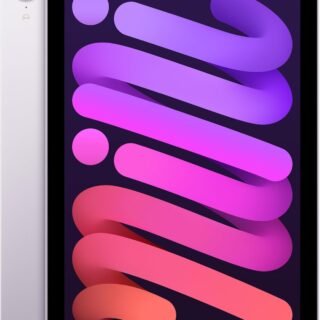 Apple iPad mini (A17 Pro): Apple Intelligence, 8.3-inch Liquid Retina Display, 256GB, Wi-Fi 6E, 12MP Front/12MP Back Camera, Touch ID, All-Day Battery Life — Purple
-
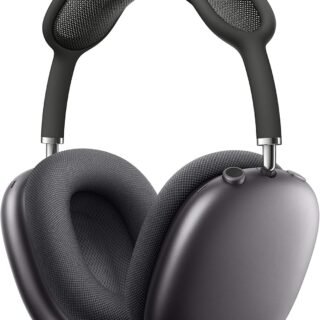 Apple AirPods Max Wireless Over-Ear Headphones, Active Noise Cancelling, Transparency Mode, Personalized Spatial Audio, Dolby Atmos, Bluetooth Headphones for iPhone – Space Gray
-
 Apple AirPods Pro 2 Wireless Earbuds, Active Noise Cancellation, Hearing Aid Feature, Bluetooth Headphones, Transparency, Personalized Spatial Audio, High-Fidelity Sound, H2 Chip, USB-C Charging
-
Home Garage 210 TC Cotton King Floral Fitted (Elastic) Bedsheet(Pack of 1, Grey)
Original price was: ₹999.00.₹299.00Current price is: ₹299.00.
Leave a Reply