Discounted Products
-
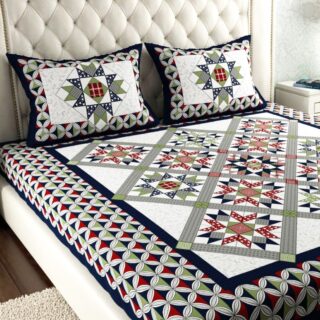 Leo Creation 144 TC Cotton Double Jaipuri Prints Flat Bedsheet(Pack of 1, Blue, Gree, Red, Grey, Light Grey)
Original price was: ₹2,999.00.₹329.00Current price is: ₹329.00.
Leo Creation 144 TC Cotton Double Jaipuri Prints Flat Bedsheet(Pack of 1, Blue, Gree, Red, Grey, Light Grey)
Original price was: ₹2,999.00.₹329.00Current price is: ₹329.00.
-
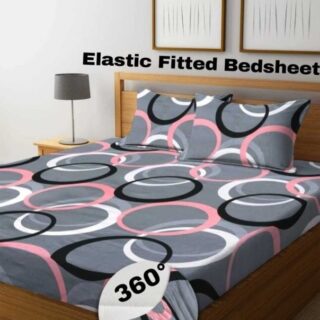 Home Garage 210 TC Cotton King Floral Fitted (Elastic) Bedsheet(Pack of 1, Grey)
Original price was: ₹999.00.₹299.00Current price is: ₹299.00.
Home Garage 210 TC Cotton King Floral Fitted (Elastic) Bedsheet(Pack of 1, Grey)
Original price was: ₹999.00.₹299.00Current price is: ₹299.00.
-
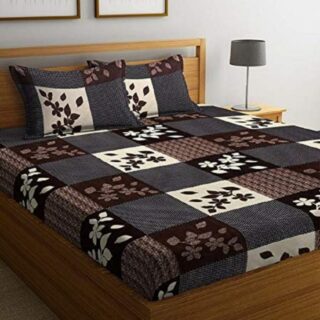 Goodrik 140 TC Cotton Double 3D Printed Flat Bedsheet(Pack of 1, Brown)
Original price was: ₹499.00.₹229.00Current price is: ₹229.00.
Goodrik 140 TC Cotton Double 3D Printed Flat Bedsheet(Pack of 1, Brown)
Original price was: ₹499.00.₹229.00Current price is: ₹229.00.
-
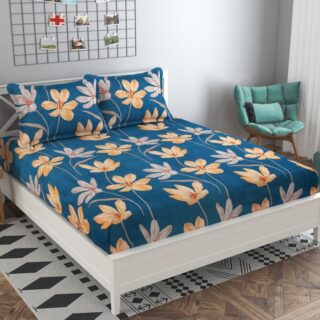 GLOBALSHOP 350 TC Microfiber Double Floral Flat Bedsheet(Pack of 1, Multicolor)
Original price was: ₹1,250.00.₹263.00Current price is: ₹263.00.
GLOBALSHOP 350 TC Microfiber Double Floral Flat Bedsheet(Pack of 1, Multicolor)
Original price was: ₹1,250.00.₹263.00Current price is: ₹263.00.
-
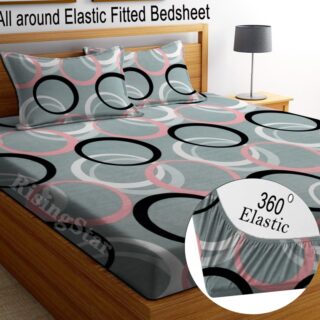 RisingStar 250 TC Microfiber King Printed Fitted (Elastic) Bedsheet(Pack of 1, FITTED-ROUND-CIRCLES-PREMIUM)
Original price was: ₹2,299.00.₹299.00Current price is: ₹299.00.
RisingStar 250 TC Microfiber King Printed Fitted (Elastic) Bedsheet(Pack of 1, FITTED-ROUND-CIRCLES-PREMIUM)
Original price was: ₹2,299.00.₹299.00Current price is: ₹299.00.
-
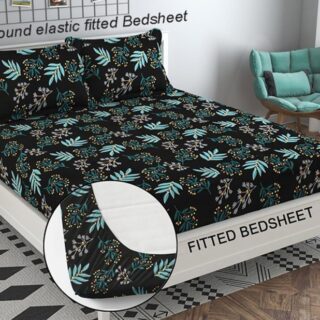 Home Garage 210 TC Cotton King Floral Fitted (Elastic) Bedsheet(Pack of 1, Fitted Black Green)
Original price was: ₹1,299.00.₹299.00Current price is: ₹299.00.
Home Garage 210 TC Cotton King Floral Fitted (Elastic) Bedsheet(Pack of 1, Fitted Black Green)
Original price was: ₹1,299.00.₹299.00Current price is: ₹299.00.
-
 Home Garage 180 TC Cotton King 3D Printed Flat Bedsheet(Pack of 1, White)
Original price was: ₹999.00.₹229.00Current price is: ₹229.00.
Home Garage 180 TC Cotton King 3D Printed Flat Bedsheet(Pack of 1, White)
Original price was: ₹999.00.₹229.00Current price is: ₹229.00.
-
 Home Sizzler 153 cm (5 ft) Polyester Room Darkening Window Curtain (Pack Of 2)(Floral, Maroon)
Original price was: ₹799.00.₹299.00Current price is: ₹299.00.
Home Sizzler 153 cm (5 ft) Polyester Room Darkening Window Curtain (Pack Of 2)(Floral, Maroon)
Original price was: ₹799.00.₹299.00Current price is: ₹299.00.
-
 Panipat Textile Hub 152.4 cm (5 ft) Polyester Window Curtain (Pack Of 2)(Solid, Aqua)
Original price was: ₹1,899.00.₹299.00Current price is: ₹299.00.
Panipat Textile Hub 152.4 cm (5 ft) Polyester Window Curtain (Pack Of 2)(Solid, Aqua)
Original price was: ₹1,899.00.₹299.00Current price is: ₹299.00.
-
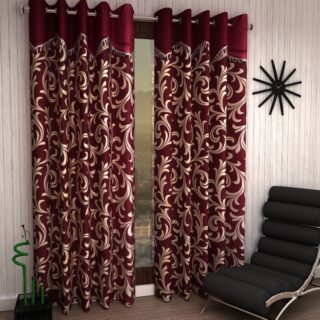 Home Sizzler 214 cm (7 ft) Polyester Semi Transparent Door Curtain (Pack Of 2)(Floral, Maroon)
Original price was: ₹1,199.00.₹399.00Current price is: ₹399.00.
Home Sizzler 214 cm (7 ft) Polyester Semi Transparent Door Curtain (Pack Of 2)(Floral, Maroon)
Original price was: ₹1,199.00.₹399.00Current price is: ₹399.00.
-
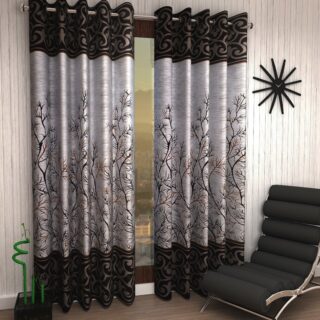 Home Sizzler 153 cm (5 ft) Polyester Room Darkening Window Curtain (Pack Of 2)(Floral, Brown)
Original price was: ₹799.00.₹299.00Current price is: ₹299.00.
Home Sizzler 153 cm (5 ft) Polyester Room Darkening Window Curtain (Pack Of 2)(Floral, Brown)
Original price was: ₹799.00.₹299.00Current price is: ₹299.00.
-
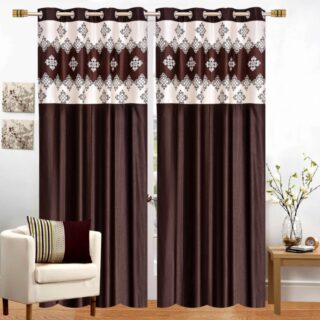 Stella Creations 214 cm (7 ft) Polyester Room Darkening Door Curtain (Pack Of 2)(Abstract, Brown)
Original price was: ₹1,299.00.₹449.00Current price is: ₹449.00.
Stella Creations 214 cm (7 ft) Polyester Room Darkening Door Curtain (Pack Of 2)(Abstract, Brown)
Original price was: ₹1,299.00.₹449.00Current price is: ₹449.00.
-
 Homefab India 152.5 cm (5 ft) Polyester Room Darkening Window Curtain (Pack Of 2)(Floral, Light Blue)
Original price was: ₹1,199.00.₹319.00Current price is: ₹319.00.
Homefab India 152.5 cm (5 ft) Polyester Room Darkening Window Curtain (Pack Of 2)(Floral, Light Blue)
Original price was: ₹1,199.00.₹319.00Current price is: ₹319.00.
-
 Urban Home 214 cm (7 ft) PVC Transparent Door Curtain Single Curtain(Solid, Off White)
Original price was: ₹699.00.₹203.00Current price is: ₹203.00.
Urban Home 214 cm (7 ft) PVC Transparent Door Curtain Single Curtain(Solid, Off White)
Original price was: ₹699.00.₹203.00Current price is: ₹203.00.
-
 Panipat Textile Hub 213 cm (7 ft) Polyester Door Curtain (Pack Of 2)(Solid, Brown)
Original price was: ₹1,199.00.₹349.00Current price is: ₹349.00.
Panipat Textile Hub 213 cm (7 ft) Polyester Door Curtain (Pack Of 2)(Solid, Brown)
Original price was: ₹1,199.00.₹349.00Current price is: ₹349.00.
Hey everyone, Jessica here!
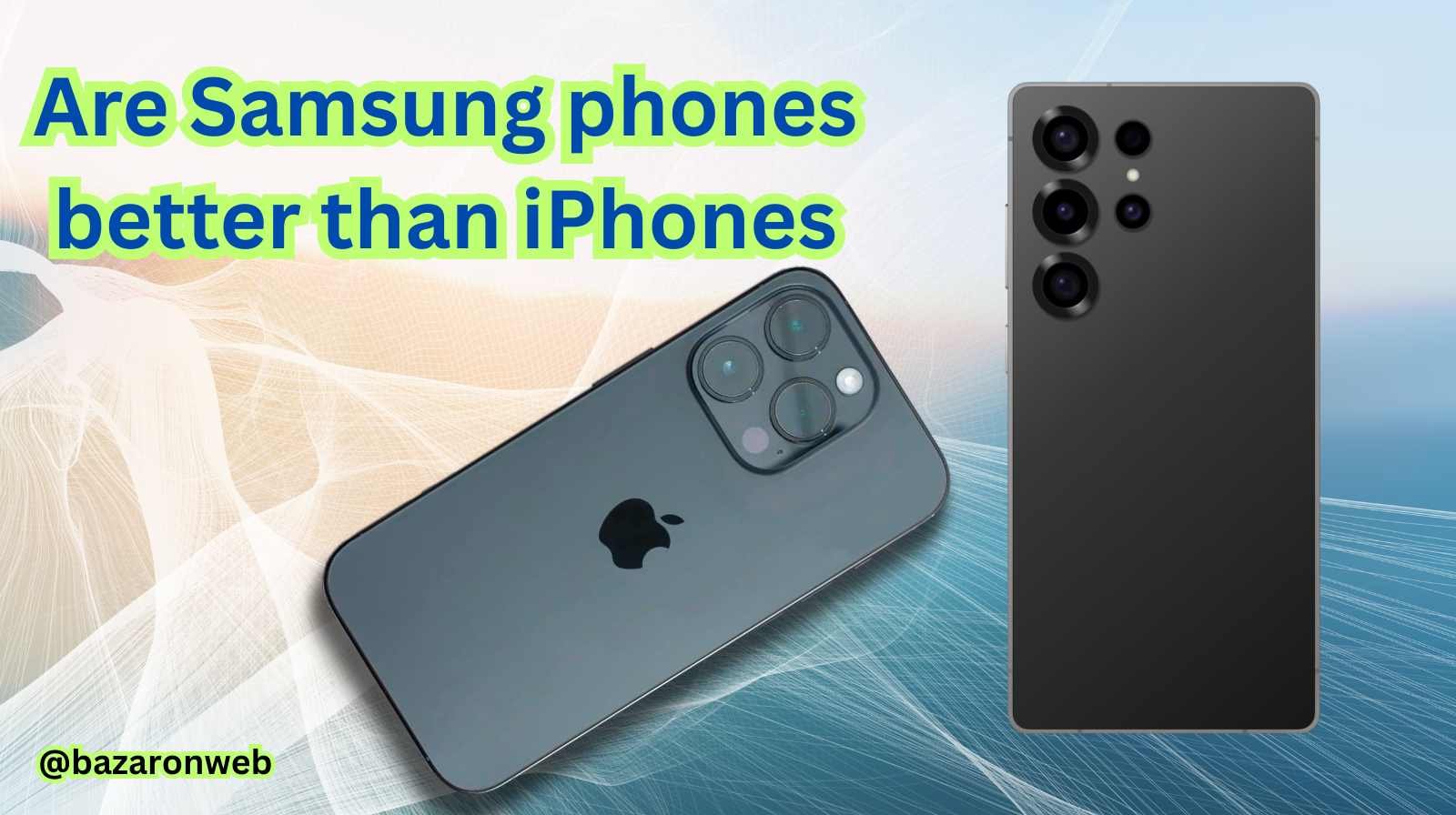
One of the most common debates I hear — from coffee shop chatter to tech forums — is whether Samsung phones are better than iPhones. As someone who’s used both brands for years, I totally get why this question keeps coming up. Both Samsung and Apple make incredible smartphones, but they take very different approaches to design, performance, software, and user experience.
So, if you’re stuck deciding whether to go for a shiny new iPhone or one of Samsung’s latest Galaxy models, this article is for you. I’ll walk you through everything — from hardware to ecosystem — so you can decide which brand suits you best.
Let’s dive in!
1. Design and Build Quality
When it comes to design, both Apple and Samsung deliver stunning devices — but with different philosophies.
- Apple iPhones focus on minimalism and uniformity. Every iPhone since the iPhone X has a clean, sleek build with premium materials like surgical-grade stainless steel and ceramic shield glass. The symmetry and simplicity of Apple’s design language appeal to users who like elegance and precision.
- Samsung, on the other hand, experiments more. The company’s Galaxy S and Z series showcase futuristic designs, curved edges, and even foldable screens. If you love innovation and a “wow” factor, Samsung tends to push the boundaries more.
Verdict:
- iPhones win for timeless, elegant design and build durability.
- Samsung wins for innovation and variety (especially with foldables like the Galaxy Z Fold and Z Flip).
2. Display Quality
Here’s a category where Samsung is almost unbeatable.
Samsung manufactures some of the best OLED panels in the world — in fact, Apple actually buys its displays from Samsung! The Galaxy S and Z series feature stunning AMOLED and Dynamic AMOLED 2X displays with super-smooth 120Hz refresh rates, making them ideal for gaming and multimedia.
iPhones, since the iPhone 13 Pro series, also offer 120Hz ProMotion displays with vibrant colors and great outdoor visibility. However, Samsung phones typically have higher resolution and more advanced brightness control.
Verdict:
- Both are excellent, but Samsung takes the edge for higher specs and customizable display settings.
3. Performance and Speed
Apple has one undeniable strength: the A-series chip.
Apple’s custom A17 Pro and A16 Bionic chips (depending on model) are industry-leading. They’re not just fast — they’re efficient. Whether it’s gaming, editing 4K videos, or multitasking, iPhones consistently outperform even the highest-end Android phones in raw processing power.
Samsung’s flagships use Snapdragon 8 Gen 3 or Exynos chips (depending on region), which are powerful but generally fall slightly behind Apple’s chips in benchmarks.
Verdict:
- iPhones win on sheer speed, optimization, and long-term performance stability.
4. Camera Comparison
Both Samsung and Apple make phones with excellent cameras — but they approach photography differently.
- iPhones excel in natural color tones, balanced exposure, and consistent performance across all lenses. They’re especially good for video recording, with superior stabilization and realistic skin tones. That’s why vloggers and content creators often prefer iPhones.
- Samsung phones emphasize detail and sharpness. Their cameras (especially in the Galaxy S Ultra series) have massive sensors — up to 200MP — and impressive zoom capabilities. However, Samsung photos can sometimes look slightly over-saturated or artificially enhanced.
Verdict:
- iPhones for cinematic videos and realistic photos.
- Samsung for photography enthusiasts who love vivid colors and advanced zoom.
5. Software and Ecosystem
This is where the biggest differences appear — iOS vs. Android.
- Apple’s iOS is clean, secure, and tightly integrated. It’s intuitive and rarely crashes. The best part? You get 5–6 years of guaranteed updates, meaning even an iPhone 12 still runs like new.
Apple’s ecosystem is unmatched — iPhone, iPad, Mac, Apple Watch, and AirPods work together seamlessly. You can start writing an email on your phone and finish it on your laptop instantly.
- Samsung uses Android with its One UI skin. It’s far more customizable — you can change icons, layout, themes, and even default apps. Samsung also has its own ecosystem: Galaxy Buds, Galaxy Watch, SmartThings, and more.
However, Android updates can vary. Samsung has improved recently, now offering 4–5 years of OS updates on flagship models, which is impressive.
Verdict:
- iPhones for simplicity and seamless integration.
- Samsung for flexibility and customization.
6. Battery Life and Charging
Battery life used to be an iPhone weak spot — not anymore.
Recent iPhones (like the 14 and 15 series) deliver all-day battery life, thanks to Apple’s efficient chip design and iOS optimization. But Samsung often packs larger batteries, giving you more raw capacity.
Charging is another story.
- Samsung supports fast charging up to 45W, and even wireless reverse charging (to power up your earbuds or watch).
- Apple still lags with 20W fast charging and MagSafe wireless charging, which is slower but more elegant.
Verdict:
- Samsung wins for faster charging and bigger battery capacity.
- iPhone wins for efficiency and battery longevity.
7. Security and Privacy
When it comes to privacy, Apple is king.
Apple’s privacy model ensures apps collect minimal data. You get prompts for every tracking attempt, and your data stays encrypted. The company doesn’t rely on advertising revenue, which means less incentive to use your personal info.
Samsung, while secure, runs on Android — which is more open and sometimes more vulnerable to malware. Samsung does offer Knox Security, a hardware-level protection feature that’s excellent for enterprise users.
Verdict:
- iPhones are better for privacy-conscious users.
- Samsung provides great protection but slightly less control over data sharing.
8. Price and Value
This might be the deal-breaker for many people.
- iPhones are generally more expensive upfront. But they hold their resale value extremely well — you can sell an iPhone two years later and still get a good return.
- Samsung phones offer a wider range of price options, from budget A-series to ultra-premium S Ultra and Z Fold models. However, their resale value tends to drop faster than Apple’s.
Verdict:
- Samsung wins on range and affordability.
- iPhone wins on long-term value retention.
9. Innovation and Features
Samsung is undoubtedly more adventurous.
From the first curved-edge display to foldable phones and under-display cameras, Samsung leads the charge in trying new ideas. Features like DeX Mode (turning your phone into a desktop computer) and S Pen stylus integration are unique to Samsung.
Apple, meanwhile, is more conservative — it refines rather than experiments. But when it introduces something (like Face ID or the Dynamic Island), it’s polished and reliable.
Verdict:
- Samsung for innovation and experimentation.
- Apple for refinement and stability.
10. User Experience
Let’s talk about how it feels to use each phone daily.
iPhones are incredibly consistent. Every app looks and behaves the same, updates are timely, and performance doesn’t degrade easily. The user interface feels premium and predictable.
Samsung phones offer more freedom — you can tweak the interface, change launchers, install widgets anywhere, and multitask with split-screen. It feels powerful, but it can get overwhelming for users who prefer simplicity.
Verdict:
- iPhone for those who want simplicity and reliability.
- Samsung for power users who love customization.
So… Are Samsung Phones Better Than iPhones?
There isn’t a single “yes” or “no” answer — it depends entirely on you.
Here’s how I’d summarize:
| Category | Winner |
|---|---|
| Design | Tie |
| Display | Samsung |
| Performance | iPhone |
| Camera | Tie |
| Software | Depends (iPhone for simplicity, Samsung for freedom) |
| Battery & Charging | Samsung |
| Privacy | iPhone |
| Price | Samsung |
| Innovation | Samsung |
| Longevity | iPhone |
Choose an iPhone if you want:
- Long-term software support
- Seamless integration with other Apple devices
- Reliable performance and privacy
- A polished, consistent experience
Choose a Samsung phone if you want:
- Cutting-edge technology and features
- Customization freedom
- Better display and charging
- A range of models to fit your budget
Final Thoughts
In the end, “better” depends on your priorities. I personally use both — an iPhone for my daily life and a Samsung Galaxy for work and experimentation. Each shines in its own way.
If you crave simplicity, smooth updates, and privacy — go with iPhone.
If you love flexibility, innovation, and power — Samsung might be your perfect match.
Either way, you’re getting one of the best smartphones on the planet.

- How to Fix Chrome Automatically Deleting Downloaded Files (Complete Step-by-Step Guide)

- How to View Apps That Windows Security Identifies as PUA (Step-by-Step Guide)

- How to Add Custom DNS Server on iPhone to Fix DNS Errors and Improve Internet Speed

- AI Automation in 2026: How It’s Transforming Jobs, Businesses, and Everyday Life

- How to Check Startup and Shutdown History in Windows for Better Troubleshooting

Products
-
![Apple Watch Ultra 3 [GPS + Cellular 49mm] Running & Multisport Smartwatch w/Rugged Titanium Case w/Black Titanium Milanese Loop - M. Satellite Communications, Advanced Health & Fitness Tracking](https://bazaronweb.com/retailstores/wp-content/uploads/2025/09/apple-watch-320x320.jpg) Apple Watch Ultra 3 [GPS + Cellular 49mm] Running & Multisport Smartwatch w/Rugged Titanium Case w/Black Titanium Milanese Loop - M. Satellite Communications, Advanced Health & Fitness Tracking
Apple Watch Ultra 3 [GPS + Cellular 49mm] Running & Multisport Smartwatch w/Rugged Titanium Case w/Black Titanium Milanese Loop - M. Satellite Communications, Advanced Health & Fitness Tracking
-
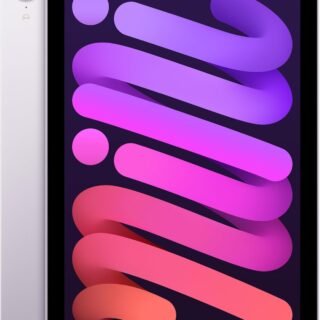 Apple iPad mini (A17 Pro): Apple Intelligence, 8.3-inch Liquid Retina Display, 256GB, Wi-Fi 6E, 12MP Front/12MP Back Camera, Touch ID, All-Day Battery Life — Purple
-
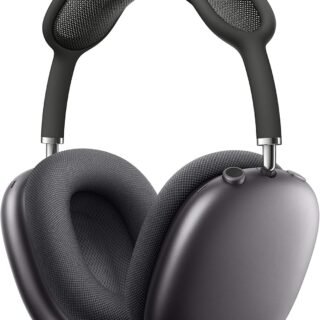 Apple AirPods Max Wireless Over-Ear Headphones, Active Noise Cancelling, Transparency Mode, Personalized Spatial Audio, Dolby Atmos, Bluetooth Headphones for iPhone – Space Gray
-
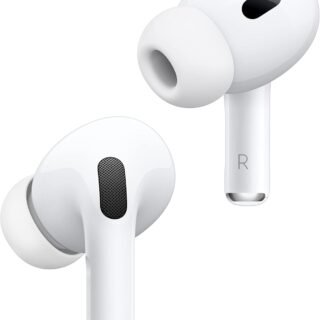 Apple AirPods Pro 2 Wireless Earbuds, Active Noise Cancellation, Hearing Aid Feature, Bluetooth Headphones, Transparency, Personalized Spatial Audio, High-Fidelity Sound, H2 Chip, USB-C Charging
-
Leo Creation 144 TC Cotton Double Jaipuri Prints Flat Bedsheet(Pack of 1, Blue, Gree, Red, Grey, Light Grey)
Original price was: ₹2,999.00.₹329.00Current price is: ₹329.00.
Leave a Reply