Discounted Products
-
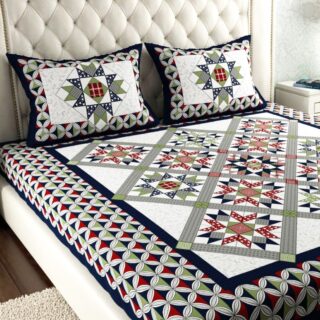 Leo Creation 144 TC Cotton Double Jaipuri Prints Flat Bedsheet(Pack of 1, Blue, Gree, Red, Grey, Light Grey)
Original price was: ₹2,999.00.₹329.00Current price is: ₹329.00.
Leo Creation 144 TC Cotton Double Jaipuri Prints Flat Bedsheet(Pack of 1, Blue, Gree, Red, Grey, Light Grey)
Original price was: ₹2,999.00.₹329.00Current price is: ₹329.00.
-
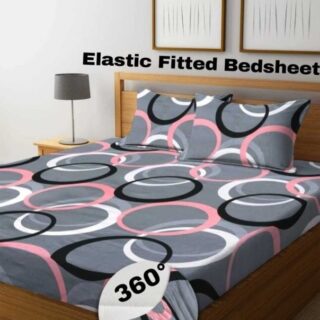 Home Garage 210 TC Cotton King Floral Fitted (Elastic) Bedsheet(Pack of 1, Grey)
Original price was: ₹999.00.₹299.00Current price is: ₹299.00.
Home Garage 210 TC Cotton King Floral Fitted (Elastic) Bedsheet(Pack of 1, Grey)
Original price was: ₹999.00.₹299.00Current price is: ₹299.00.
-
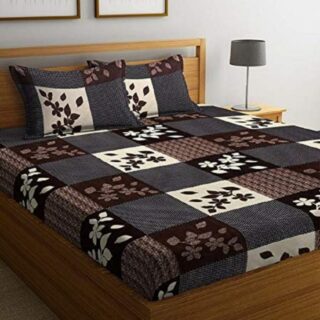 Goodrik 140 TC Cotton Double 3D Printed Flat Bedsheet(Pack of 1, Brown)
Original price was: ₹499.00.₹229.00Current price is: ₹229.00.
Goodrik 140 TC Cotton Double 3D Printed Flat Bedsheet(Pack of 1, Brown)
Original price was: ₹499.00.₹229.00Current price is: ₹229.00.
-
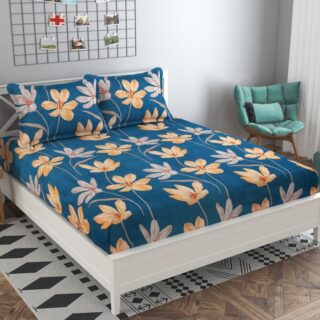 GLOBALSHOP 350 TC Microfiber Double Floral Flat Bedsheet(Pack of 1, Multicolor)
Original price was: ₹1,250.00.₹263.00Current price is: ₹263.00.
GLOBALSHOP 350 TC Microfiber Double Floral Flat Bedsheet(Pack of 1, Multicolor)
Original price was: ₹1,250.00.₹263.00Current price is: ₹263.00.
-
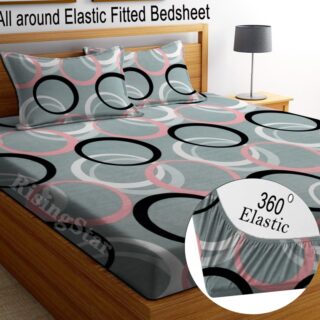 RisingStar 250 TC Microfiber King Printed Fitted (Elastic) Bedsheet(Pack of 1, FITTED-ROUND-CIRCLES-PREMIUM)
Original price was: ₹2,299.00.₹299.00Current price is: ₹299.00.
RisingStar 250 TC Microfiber King Printed Fitted (Elastic) Bedsheet(Pack of 1, FITTED-ROUND-CIRCLES-PREMIUM)
Original price was: ₹2,299.00.₹299.00Current price is: ₹299.00.
-
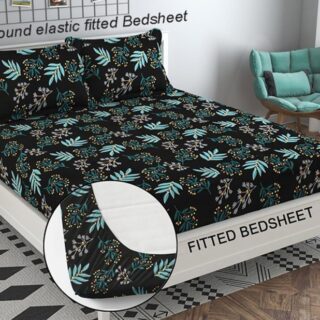 Home Garage 210 TC Cotton King Floral Fitted (Elastic) Bedsheet(Pack of 1, Fitted Black Green)
Original price was: ₹1,299.00.₹299.00Current price is: ₹299.00.
Home Garage 210 TC Cotton King Floral Fitted (Elastic) Bedsheet(Pack of 1, Fitted Black Green)
Original price was: ₹1,299.00.₹299.00Current price is: ₹299.00.
-
 Home Garage 180 TC Cotton King 3D Printed Flat Bedsheet(Pack of 1, White)
Original price was: ₹999.00.₹229.00Current price is: ₹229.00.
Home Garage 180 TC Cotton King 3D Printed Flat Bedsheet(Pack of 1, White)
Original price was: ₹999.00.₹229.00Current price is: ₹229.00.
-
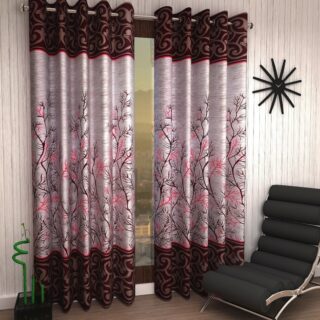 Home Sizzler 153 cm (5 ft) Polyester Room Darkening Window Curtain (Pack Of 2)(Floral, Maroon)
Original price was: ₹799.00.₹299.00Current price is: ₹299.00.
Home Sizzler 153 cm (5 ft) Polyester Room Darkening Window Curtain (Pack Of 2)(Floral, Maroon)
Original price was: ₹799.00.₹299.00Current price is: ₹299.00.
-
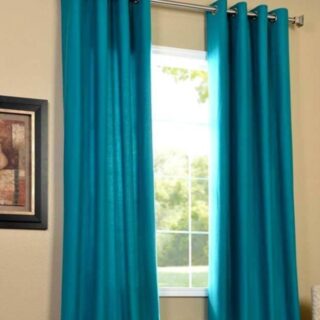 Panipat Textile Hub 152.4 cm (5 ft) Polyester Window Curtain (Pack Of 2)(Solid, Aqua)
Original price was: ₹1,899.00.₹299.00Current price is: ₹299.00.
Panipat Textile Hub 152.4 cm (5 ft) Polyester Window Curtain (Pack Of 2)(Solid, Aqua)
Original price was: ₹1,899.00.₹299.00Current price is: ₹299.00.
-
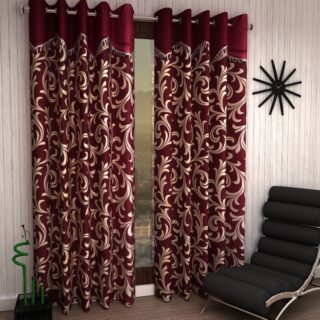 Home Sizzler 214 cm (7 ft) Polyester Semi Transparent Door Curtain (Pack Of 2)(Floral, Maroon)
Original price was: ₹1,199.00.₹399.00Current price is: ₹399.00.
Home Sizzler 214 cm (7 ft) Polyester Semi Transparent Door Curtain (Pack Of 2)(Floral, Maroon)
Original price was: ₹1,199.00.₹399.00Current price is: ₹399.00.
-
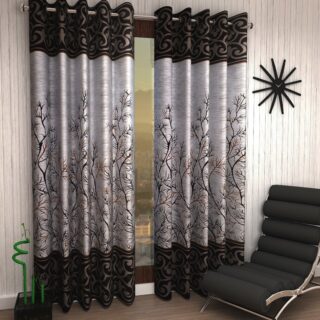 Home Sizzler 153 cm (5 ft) Polyester Room Darkening Window Curtain (Pack Of 2)(Floral, Brown)
Original price was: ₹799.00.₹299.00Current price is: ₹299.00.
Home Sizzler 153 cm (5 ft) Polyester Room Darkening Window Curtain (Pack Of 2)(Floral, Brown)
Original price was: ₹799.00.₹299.00Current price is: ₹299.00.
-
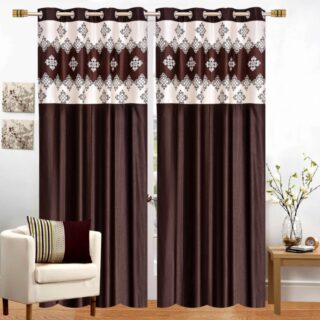 Stella Creations 214 cm (7 ft) Polyester Room Darkening Door Curtain (Pack Of 2)(Abstract, Brown)
Original price was: ₹1,299.00.₹449.00Current price is: ₹449.00.
Stella Creations 214 cm (7 ft) Polyester Room Darkening Door Curtain (Pack Of 2)(Abstract, Brown)
Original price was: ₹1,299.00.₹449.00Current price is: ₹449.00.
-
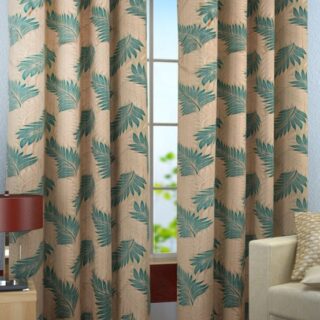 Homefab India 152.5 cm (5 ft) Polyester Room Darkening Window Curtain (Pack Of 2)(Floral, Light Blue)
Original price was: ₹1,199.00.₹319.00Current price is: ₹319.00.
Homefab India 152.5 cm (5 ft) Polyester Room Darkening Window Curtain (Pack Of 2)(Floral, Light Blue)
Original price was: ₹1,199.00.₹319.00Current price is: ₹319.00.
-
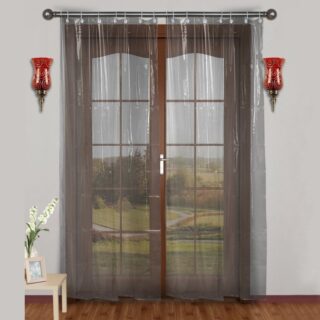 Urban Home 214 cm (7 ft) PVC Transparent Door Curtain Single Curtain(Solid, Off White)
Original price was: ₹699.00.₹203.00Current price is: ₹203.00.
Urban Home 214 cm (7 ft) PVC Transparent Door Curtain Single Curtain(Solid, Off White)
Original price was: ₹699.00.₹203.00Current price is: ₹203.00.
-
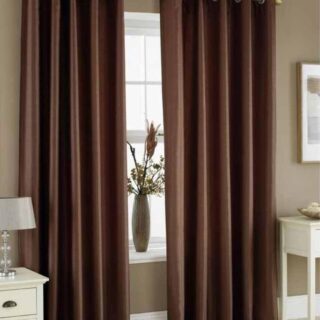 Panipat Textile Hub 213 cm (7 ft) Polyester Door Curtain (Pack Of 2)(Solid, Brown)
Original price was: ₹1,199.00.₹349.00Current price is: ₹349.00.
Panipat Textile Hub 213 cm (7 ft) Polyester Door Curtain (Pack Of 2)(Solid, Brown)
Original price was: ₹1,199.00.₹349.00Current price is: ₹349.00.
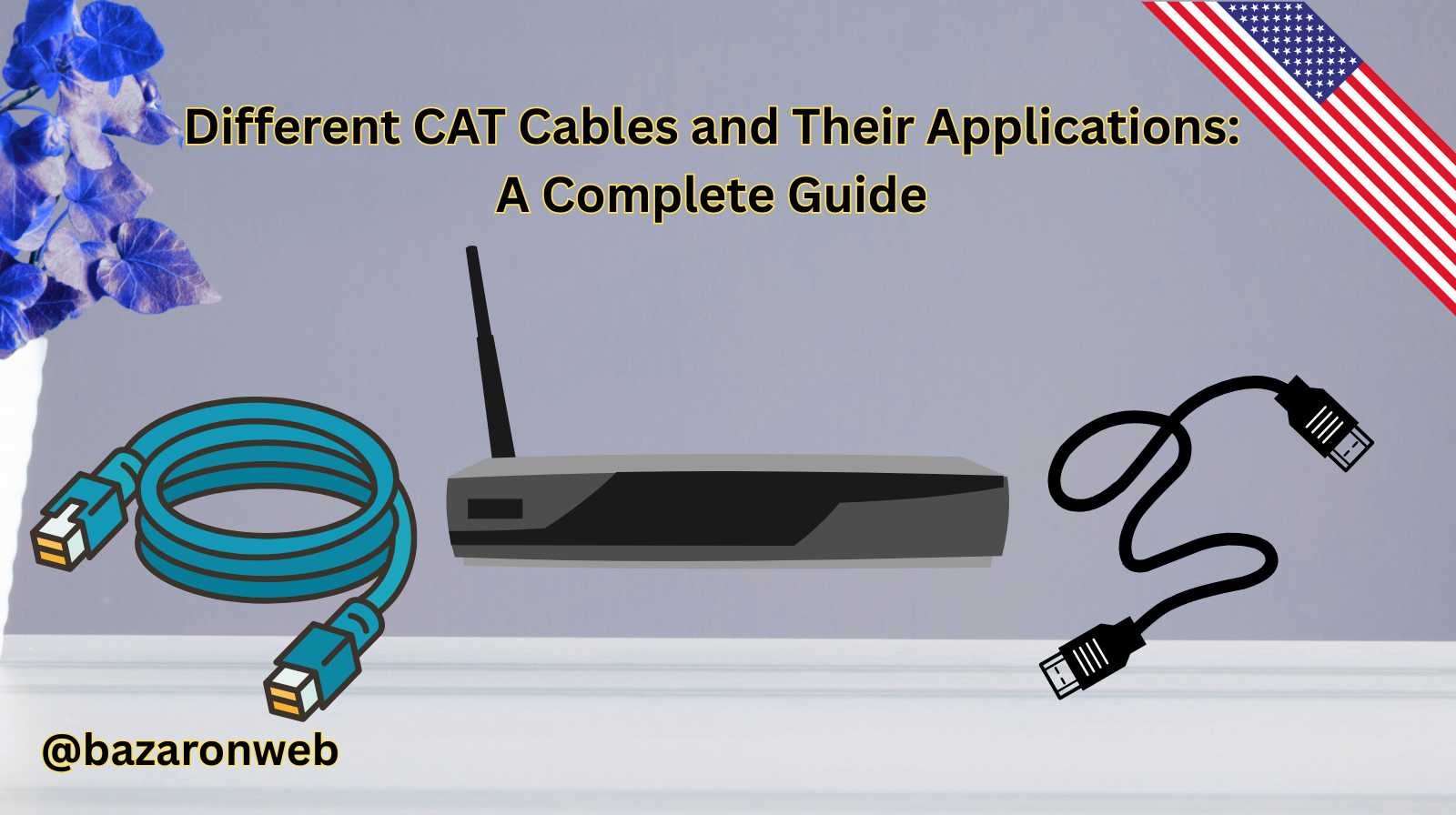
When it comes to networking, few things are as crucial as the type of Ethernet cable you choose. Whether you’re setting up a home network, wiring an office, or connecting high-performance devices in a data center, the type of CAT (Category) cable you use plays a big role in determining speed, stability, and reliability. With different generations of Ethernet cables available—Cat5, Cat5e, Cat6, Cat6a, and Cat7—things can get confusing quickly.
In this guide, I’ll break down the different CAT cables, their technical specifications, and practical applications so you’ll know exactly which one to use in your setup.
Why CAT Cables Matter
While Wi-Fi has made wireless networking easy and accessible, wired Ethernet cables are still the gold standard when it comes to speed, stability, and security. Wireless connections can be prone to interference, but wired Ethernet ensures data flows smoothly and consistently.
CAT cables are defined by categories (Cat5, Cat6, etc.), with each new generation improving bandwidth, reducing crosstalk (signal interference), and increasing data transfer speeds. The choice of cable directly affects how well your devices communicate, especially when dealing with IP cameras, routers, gaming consoles, servers, and switches.
Cat5 Cable: The Legacy Standard
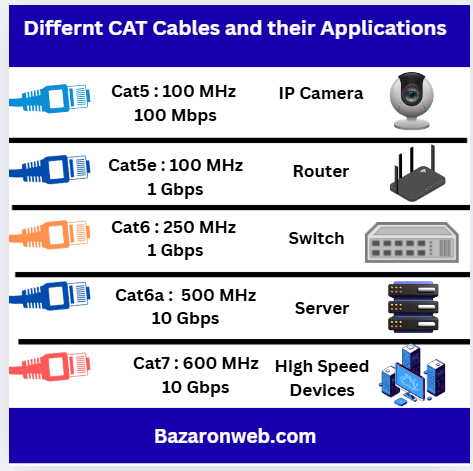
- Frequency: 100 MHz
- Maximum Speed: 100 Mbps
- Common Application: IP cameras, basic home networks
Cat5 cables were once the backbone of home and office networks. Supporting speeds up to 100 Mbps, they are now considered outdated. However, they’re still used for IP cameras or connecting devices that don’t require much bandwidth.
If you’re streaming in 4K, gaming online, or transferring large files, Cat5 will bottleneck your network. But for simple tasks like browsing or running a security camera system, they still get the job done.
Cat5e Cable: Enhanced and Still Common
- Frequency: 100 MHz
- Maximum Speed: 1 Gbps
- Common Application: Routers, basic office networking
Cat5e (the “e” stands for enhanced) improved on Cat5 by reducing crosstalk and supporting speeds up to 1 Gbps over 100 meters. This cable type is still widely used in homes and small businesses because it offers a good balance between cost and performance.
If you’re setting up a router connection in your home, Cat5e will handle gigabit internet speeds easily. For most everyday users, Cat5e is more than enough. However, for future-proofing, many people prefer Cat6 or higher today.
Cat6 Cable: The Gigabit Standard
- Frequency: 250 MHz
- Maximum Speed: 1 Gbps (10 Gbps for shorter distances)
- Common Application: Network switches, gaming setups, smart homes
Cat6 cables brought a significant jump in performance with 250 MHz bandwidth and support for gigabit speeds. They can also achieve 10 Gbps speeds, but only for up to 55 meters. Beyond that, signal loss and interference become issues.
These cables are commonly used to connect network switches in small to medium-sized networks. Gamers and heavy streamers often choose Cat6 for more reliable and stable connections.
If you want solid performance without jumping to the higher price tag of Cat6a or Cat7, Cat6 is the sweet spot.
Cat6a Cable: Augmented Performance
- Frequency: 500 MHz
- Maximum Speed: 10 Gbps (up to 100 meters)
- Common Application: Servers, professional-grade networking, high-speed offices
Cat6a (the “a” stands for augmented) is a powerhouse when it comes to Ethernet. Offering double the frequency of Cat6 at 500 MHz, it supports 10 Gbps speeds over the full 100 meters.
This makes Cat6a ideal for professional setups, especially where servers and high-performance applications are involved. It also has improved shielding to prevent crosstalk, making it more reliable in environments with a lot of interference.
If you’re running a business network or need to transfer massive files quickly, Cat6a is a future-proof option.
Cat7 Cable: The High-Speed Heavyweight
- Frequency: 600 MHz
- Maximum Speed: 10 Gbps
- Common Application: High-speed devices, data centers, enterprise networking
Cat7 takes things a step further, with a 600 MHz bandwidth and robust shielding. Like Cat6a, it supports 10 Gbps speeds up to 100 meters, but it’s designed for environments with extremely high demands, like data centers and enterprise-level networks.
One unique feature of Cat7 is that it often comes with GG45 or TERA connectors instead of the standard RJ45, though some models still support RJ45 for compatibility.
If you’re dealing with high-speed devices, media production, or advanced servers, Cat7 is your go-to option. For everyday users, however, it’s often considered overkill.
Choosing the Right Cable for Your Needs
Here’s a simple way to think about it:
- Cat5: Use only if you’re connecting legacy devices or IP cameras.
- Cat5e: Great for gigabit internet at home or in small offices.
- Cat6: Perfect for gaming, streaming, and reliable home/office networks.
- Cat6a: Best for servers, data-heavy work, and future-proofing.
- Cat7: Ideal for enterprise-level networks or highly specialized tasks.
Future of CAT Cables: Is Cat8 Worth It?
You may have also heard about Cat8 cables, which are the newest standard. With up to 2000 MHz frequency and 40 Gbps speeds, they’re designed for data centers rather than homes. Cat8 cables are overkill for most people, but if you’re looking to truly future-proof or work in a high-speed server environment, they’re worth considering.
Wired vs Wireless: Why Ethernet Still Matters
Even with the rise of Wi-Fi 6E and Wi-Fi 7, Ethernet cables remain unbeatable for:
- Lower latency: Essential for gaming and video conferencing.
- Consistent speeds: No interference from walls or other devices.
- Security: Wired connections are much harder to hack than wireless.
If you’re setting up a critical connection—whether it’s a router, server, or gaming PC—choosing the right CAT cable ensures maximum efficiency.
Final Thoughts
Different CAT cables serve different needs. From the outdated but functional Cat5 to the enterprise-grade Cat7, each has its place depending on your bandwidth requirements, environment, and budget.
For most home users, Cat5e or Cat6 is enough. If you’re serious about performance and future-proofing, Cat6a is an excellent choice. And if you’re managing a large-scale, high-performance network, Cat7 delivers the reliability you need.
In the end, the cable you choose will determine whether your network runs at its best—or gets stuck in the slow lane.

- Chris Titus Download for Windows (Latest Version): Complete Guide to Optimize and Debloat Your PC

- Google Chrome Not Saving Password 8 Proven Ways to Fix It Quickly

- WiFi Settings Turning Off on iPhone? Try These 6 Fixes That Actually Work

- How to Check Motherboard Model in Windows (Easy Methods Without Opening Your PC)

- 7 Best Methods to Fix “Undoing Changes Made to Your PC” Error (Complete Guide)

Products
-
![Apple Watch Ultra 3 [GPS + Cellular 49mm] Running & Multisport Smartwatch w/Rugged Titanium Case w/Black Titanium Milanese Loop - M. Satellite Communications, Advanced Health & Fitness Tracking](https://bazaronweb.com/retailstores/wp-content/uploads/2025/09/apple-watch-320x320.jpg) Apple Watch Ultra 3 [GPS + Cellular 49mm] Running & Multisport Smartwatch w/Rugged Titanium Case w/Black Titanium Milanese Loop - M. Satellite Communications, Advanced Health & Fitness Tracking
Apple Watch Ultra 3 [GPS + Cellular 49mm] Running & Multisport Smartwatch w/Rugged Titanium Case w/Black Titanium Milanese Loop - M. Satellite Communications, Advanced Health & Fitness Tracking
-
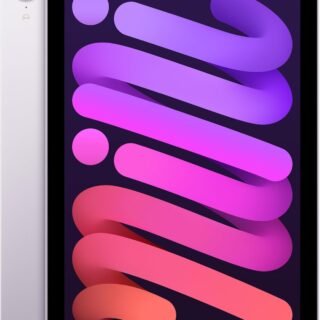 Apple iPad mini (A17 Pro): Apple Intelligence, 8.3-inch Liquid Retina Display, 256GB, Wi-Fi 6E, 12MP Front/12MP Back Camera, Touch ID, All-Day Battery Life — Purple
-
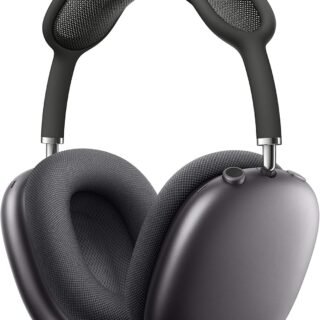 Apple AirPods Max Wireless Over-Ear Headphones, Active Noise Cancelling, Transparency Mode, Personalized Spatial Audio, Dolby Atmos, Bluetooth Headphones for iPhone – Space Gray
-
 Apple AirPods Pro 2 Wireless Earbuds, Active Noise Cancellation, Hearing Aid Feature, Bluetooth Headphones, Transparency, Personalized Spatial Audio, High-Fidelity Sound, H2 Chip, USB-C Charging
-
Leo Creation 144 TC Cotton Double Jaipuri Prints Flat Bedsheet(Pack of 1, Blue, Gree, Red, Grey, Light Grey)
Original price was: ₹2,999.00.₹329.00Current price is: ₹329.00.
Leave a Reply