Discounted Products
-
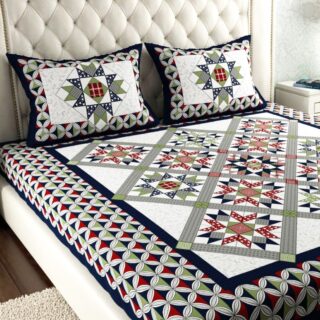 Leo Creation 144 TC Cotton Double Jaipuri Prints Flat Bedsheet(Pack of 1, Blue, Gree, Red, Grey, Light Grey)
Original price was: ₹2,999.00.₹329.00Current price is: ₹329.00.
Leo Creation 144 TC Cotton Double Jaipuri Prints Flat Bedsheet(Pack of 1, Blue, Gree, Red, Grey, Light Grey)
Original price was: ₹2,999.00.₹329.00Current price is: ₹329.00.
-
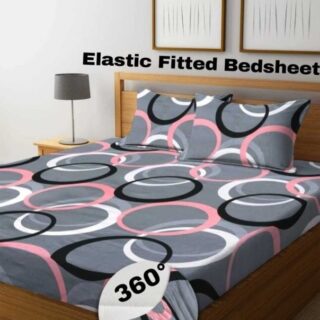 Home Garage 210 TC Cotton King Floral Fitted (Elastic) Bedsheet(Pack of 1, Grey)
Original price was: ₹999.00.₹299.00Current price is: ₹299.00.
Home Garage 210 TC Cotton King Floral Fitted (Elastic) Bedsheet(Pack of 1, Grey)
Original price was: ₹999.00.₹299.00Current price is: ₹299.00.
-
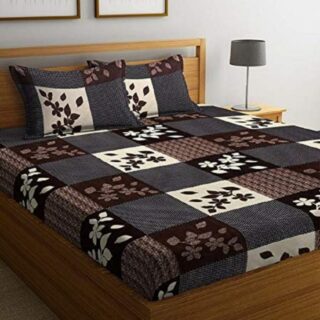 Goodrik 140 TC Cotton Double 3D Printed Flat Bedsheet(Pack of 1, Brown)
Original price was: ₹499.00.₹229.00Current price is: ₹229.00.
Goodrik 140 TC Cotton Double 3D Printed Flat Bedsheet(Pack of 1, Brown)
Original price was: ₹499.00.₹229.00Current price is: ₹229.00.
-
 GLOBALSHOP 350 TC Microfiber Double Floral Flat Bedsheet(Pack of 1, Multicolor)
Original price was: ₹1,250.00.₹263.00Current price is: ₹263.00.
GLOBALSHOP 350 TC Microfiber Double Floral Flat Bedsheet(Pack of 1, Multicolor)
Original price was: ₹1,250.00.₹263.00Current price is: ₹263.00.
-
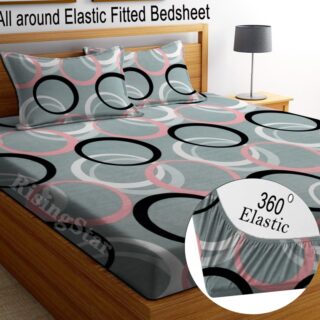 RisingStar 250 TC Microfiber King Printed Fitted (Elastic) Bedsheet(Pack of 1, FITTED-ROUND-CIRCLES-PREMIUM)
Original price was: ₹2,299.00.₹299.00Current price is: ₹299.00.
RisingStar 250 TC Microfiber King Printed Fitted (Elastic) Bedsheet(Pack of 1, FITTED-ROUND-CIRCLES-PREMIUM)
Original price was: ₹2,299.00.₹299.00Current price is: ₹299.00.
-
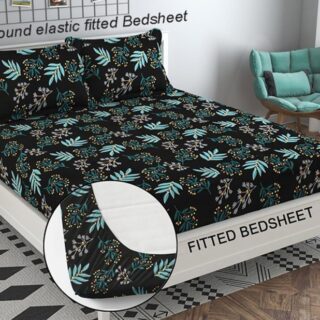 Home Garage 210 TC Cotton King Floral Fitted (Elastic) Bedsheet(Pack of 1, Fitted Black Green)
Original price was: ₹1,299.00.₹299.00Current price is: ₹299.00.
Home Garage 210 TC Cotton King Floral Fitted (Elastic) Bedsheet(Pack of 1, Fitted Black Green)
Original price was: ₹1,299.00.₹299.00Current price is: ₹299.00.
-
 Home Garage 180 TC Cotton King 3D Printed Flat Bedsheet(Pack of 1, White)
Original price was: ₹999.00.₹229.00Current price is: ₹229.00.
Home Garage 180 TC Cotton King 3D Printed Flat Bedsheet(Pack of 1, White)
Original price was: ₹999.00.₹229.00Current price is: ₹229.00.
-
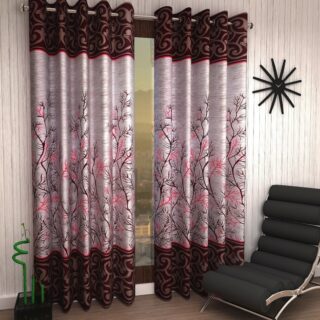 Home Sizzler 153 cm (5 ft) Polyester Room Darkening Window Curtain (Pack Of 2)(Floral, Maroon)
Original price was: ₹799.00.₹299.00Current price is: ₹299.00.
Home Sizzler 153 cm (5 ft) Polyester Room Darkening Window Curtain (Pack Of 2)(Floral, Maroon)
Original price was: ₹799.00.₹299.00Current price is: ₹299.00.
-
 Panipat Textile Hub 152.4 cm (5 ft) Polyester Window Curtain (Pack Of 2)(Solid, Aqua)
Original price was: ₹1,899.00.₹299.00Current price is: ₹299.00.
Panipat Textile Hub 152.4 cm (5 ft) Polyester Window Curtain (Pack Of 2)(Solid, Aqua)
Original price was: ₹1,899.00.₹299.00Current price is: ₹299.00.
-
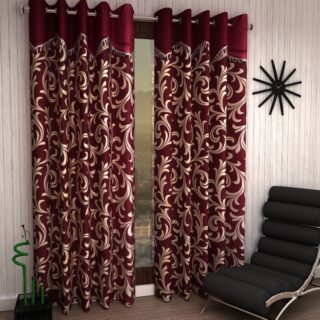 Home Sizzler 214 cm (7 ft) Polyester Semi Transparent Door Curtain (Pack Of 2)(Floral, Maroon)
Original price was: ₹1,199.00.₹399.00Current price is: ₹399.00.
Home Sizzler 214 cm (7 ft) Polyester Semi Transparent Door Curtain (Pack Of 2)(Floral, Maroon)
Original price was: ₹1,199.00.₹399.00Current price is: ₹399.00.
-
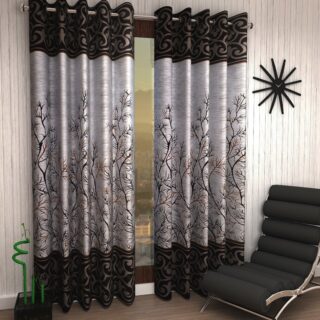 Home Sizzler 153 cm (5 ft) Polyester Room Darkening Window Curtain (Pack Of 2)(Floral, Brown)
Original price was: ₹799.00.₹299.00Current price is: ₹299.00.
Home Sizzler 153 cm (5 ft) Polyester Room Darkening Window Curtain (Pack Of 2)(Floral, Brown)
Original price was: ₹799.00.₹299.00Current price is: ₹299.00.
-
 Stella Creations 214 cm (7 ft) Polyester Room Darkening Door Curtain (Pack Of 2)(Abstract, Brown)
Original price was: ₹1,299.00.₹449.00Current price is: ₹449.00.
Stella Creations 214 cm (7 ft) Polyester Room Darkening Door Curtain (Pack Of 2)(Abstract, Brown)
Original price was: ₹1,299.00.₹449.00Current price is: ₹449.00.
-
 Homefab India 152.5 cm (5 ft) Polyester Room Darkening Window Curtain (Pack Of 2)(Floral, Light Blue)
Original price was: ₹1,199.00.₹319.00Current price is: ₹319.00.
Homefab India 152.5 cm (5 ft) Polyester Room Darkening Window Curtain (Pack Of 2)(Floral, Light Blue)
Original price was: ₹1,199.00.₹319.00Current price is: ₹319.00.
-
 Urban Home 214 cm (7 ft) PVC Transparent Door Curtain Single Curtain(Solid, Off White)
Original price was: ₹699.00.₹203.00Current price is: ₹203.00.
Urban Home 214 cm (7 ft) PVC Transparent Door Curtain Single Curtain(Solid, Off White)
Original price was: ₹699.00.₹203.00Current price is: ₹203.00.
-
 Panipat Textile Hub 213 cm (7 ft) Polyester Door Curtain (Pack Of 2)(Solid, Brown)
Original price was: ₹1,199.00.₹349.00Current price is: ₹349.00.
Panipat Textile Hub 213 cm (7 ft) Polyester Door Curtain (Pack Of 2)(Solid, Brown)
Original price was: ₹1,199.00.₹349.00Current price is: ₹349.00.

Hey friends, I’m Jessica, and today we’re diving into something that often confuses people — the world of display cables. If you’ve ever connected a monitor or projector to your computer and wondered what all those ports (HDMI, VGA, DVI, DisplayPort) actually do, this guide is for you.
I’ve spent years setting up computers, monitors, and TV displays — and trust me, choosing the right connection can make a big difference in your image quality and performance. Let’s break down what each of these cables is, how they work, and which one you should use.
1. What Is HDMI? (High-Definition Multimedia Interface)
HDMI is the most common display connection used today — from TVs and laptops to gaming consoles and streaming devices. Introduced in 2003, HDMI carries both audio and video signals in one cable, which makes it super convenient.
Features of HDMI:
- Transfers both audio and video digitally
- Supports 4K and even 8K resolutions (depending on version)
- Used in TVs, monitors, Blu-ray players, projectors, and gaming consoles
- Versions include HDMI 1.4, 2.0, and 2.1, each improving bandwidth and refresh rates
Where HDMI Is Used:
- Modern laptops and desktops
- Smart TVs and soundbars
- PlayStation, Xbox, and streaming sticks (like Roku or Fire TV)
If you’re looking for a clean, high-quality, and reliable connection — HDMI is your best bet for most devices.
2. What Is VGA? (Video Graphics Array)
Ah, VGA — the old-school blue connector we all remember from bulky desktop monitors. It was first introduced in 1987 and was the standard for many years. However, VGA is an analog connection, meaning it converts digital data into signals that can lose quality over distance.
Features of VGA:
- Analog signal — can result in lower image quality
- Maximum resolution around 1920×1080 (Full HD)
- No audio support — video only
- Uses a 15-pin connector, usually blue in color
Where VGA Is Used:
- Older monitors and projectors
- Legacy desktops and laptops
- Some business or school projectors
While VGA can still get the job done for basic office tasks, it’s definitely outdated for gaming, HD movies, or design work. If your monitor only supports VGA, it’s time for an upgrade.
3. What Is DVI? (Digital Visual Interface)
DVI was developed to bridge the gap between the older VGA and the newer HDMI. It supports digital video signals, and in some versions, analog too. DVI can display Full HD and even up to 2560×1600 resolution, depending on the type.
Types of DVI Connectors:
- DVI-D (Digital only)
- DVI-A (Analog only)
- DVI-I (Integrated — both digital and analog)
Features of DVI:
- Provides sharper image than VGA
- Doesn’t support audio — video only
- Common in older monitors and desktop graphics cards
Where DVI Is Used:
- Older graphics cards and PC monitors
- Some projectors
- Mid-generation desktop setups
While it’s still fine for many computer monitors, DVI is slowly disappearing in favor of HDMI and DisplayPort, which support both audio and higher resolutions.
4. What Is DisplayPort?
DisplayPort is like HDMI’s powerful cousin — mainly used in computers and high-end monitors. Developed by VESA, it was designed to replace VGA and DVI in PC environments. DisplayPort supports higher resolutions, faster refresh rates, and even daisy-chaining (connecting multiple monitors with one cable).
Features of DisplayPort:
- Digital audio and video transmission
- Supports up to 8K resolution at 60Hz
- Can connect multiple monitors via one port (daisy chain)
- Adaptive Sync support — perfect for gaming (reduces screen tearing)
- Uses a locking mechanism for secure connections
Where DisplayPort Is Used:
- Gaming PCs and monitors
- Professional editing workstations
- Laptops with USB-C or Thunderbolt 3/4 (via DisplayPort Alt Mode)
If you’re a gamer or content creator who needs ultra-smooth visuals, DisplayPort is often the best choice over HDMI.
5. Comparison: HDMI vs VGA vs DVI vs DisplayPort
| Feature | HDMI | VGA | DVI | DisplayPort |
|---|---|---|---|---|
| Signal Type | Digital | Analog | Digital/Analog | Digital |
| Audio Support | Yes | No | No | Yes |
| Max Resolution | Up to 8K | Up to 1080p | Up to 2560×1600 | Up to 8K |
| Common Use | TVs, Monitors, Consoles | Legacy Displays | Monitors, PCs | Gaming, Pro Monitors |
| Cable Length | ~15m | ~10m | ~5m | ~15m+ |
| Age | New | Old | Mid | Modern |
6. Which One Should You Use?
If you’re wondering which connection is best for your setup, here’s my quick recommendation as someone who’s tested all four:
- For everyday use and TVs: Use HDMI
- For gaming and professional work: Use DisplayPort
- For older monitors or projectors: Use DVI or VGA if that’s your only option
If your laptop has only USB-C ports (like most modern MacBooks), you can buy adapters such as USB-C to HDMI or USB-C to DisplayPort — available easily on Amazon.
7. HDMI vs DisplayPort for Gaming
This is a common question. While both are great, DisplayPort supports higher refresh rates and adaptive sync, making it ideal for gamers. HDMI 2.1 has caught up with 4K at 120Hz, but most monitors and GPUs still perform slightly better via DisplayPort.
For console gaming (PlayStation 5, Xbox Series X), use HDMI — that’s what consoles support.
8. Adapters and Compatibility Tips
You can connect different ports using adapters, like:
- HDMI to VGA
- DVI to HDMI
- DisplayPort to HDMI
However, note that you can’t convert analog to digital (like VGA to HDMI) without an active converter — a simple adapter won’t work.
If you have an older projector or display, always check if it supports your computer’s output type before buying cables.
9. Future of Display Connections
The future looks bright with HDMI 2.1 and DisplayPort 2.1 leading the way — both capable of 8K and even 16K video, ultra-high refresh rates, and HDR. VGA and DVI are being phased out rapidly, especially as newer laptops and GPUs skip them entirely.
Soon, USB-C with DisplayPort Alt Mode may become the universal standard, offering power, video, and data in one cable — like Apple’s Thunderbolt 4.
Final Thoughts
So, whether you’re setting up a workstation, home theater, or gaming rig — knowing the difference between HDMI, VGA, DVI, and DisplayPort can save you from blurry images, missing sound, or frustrating “no signal” errors.
From my personal setup — I use DisplayPort on my main monitor for editing and HDMI for my second screen. It’s the perfect mix of performance and convenience.
Disclosure: This article is for informational purposes only. Some links or product mentions on Bazaronweb.com may be part of affiliate partnerships, which help support our site at no extra cost to you.

- How to Change the Default Audio Output Device on Windows 11

- How to Fix Taskbar and Settings Not Working After a Windows 11 Update

- How to Fix Microsoft Store Logging You Out Randomly on Windows 11

- How to Fix Volume Shadow Copy Service Errors in Windows (Complete Troubleshooting Guide)

- How to Fix Game Lag After a Windows Update (10 Proven Solutions)

Products
-
![Apple Watch Ultra 3 [GPS + Cellular 49mm] Running & Multisport Smartwatch w/Rugged Titanium Case w/Black Titanium Milanese Loop - M. Satellite Communications, Advanced Health & Fitness Tracking](https://bazaronweb.com/retailstores/wp-content/uploads/2025/09/apple-watch-320x320.jpg) Apple Watch Ultra 3 [GPS + Cellular 49mm] Running & Multisport Smartwatch w/Rugged Titanium Case w/Black Titanium Milanese Loop - M. Satellite Communications, Advanced Health & Fitness Tracking
Apple Watch Ultra 3 [GPS + Cellular 49mm] Running & Multisport Smartwatch w/Rugged Titanium Case w/Black Titanium Milanese Loop - M. Satellite Communications, Advanced Health & Fitness Tracking
-
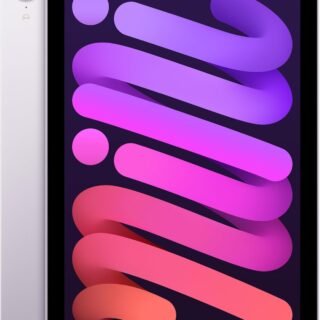 Apple iPad mini (A17 Pro): Apple Intelligence, 8.3-inch Liquid Retina Display, 256GB, Wi-Fi 6E, 12MP Front/12MP Back Camera, Touch ID, All-Day Battery Life — Purple
-
 Apple AirPods Max Wireless Over-Ear Headphones, Active Noise Cancelling, Transparency Mode, Personalized Spatial Audio, Dolby Atmos, Bluetooth Headphones for iPhone – Space Gray
-
 Apple AirPods Pro 2 Wireless Earbuds, Active Noise Cancellation, Hearing Aid Feature, Bluetooth Headphones, Transparency, Personalized Spatial Audio, High-Fidelity Sound, H2 Chip, USB-C Charging
-
Leo Creation 144 TC Cotton Double Jaipuri Prints Flat Bedsheet(Pack of 1, Blue, Gree, Red, Grey, Light Grey)
Original price was: ₹2,999.00.₹329.00Current price is: ₹329.00.
Leave a Reply