Discounted Products
-
 Leo Creation 144 TC Cotton Double Jaipuri Prints Flat Bedsheet(Pack of 1, Blue, Gree, Red, Grey, Light Grey)
Original price was: ₹2,999.00.₹329.00Current price is: ₹329.00.
Leo Creation 144 TC Cotton Double Jaipuri Prints Flat Bedsheet(Pack of 1, Blue, Gree, Red, Grey, Light Grey)
Original price was: ₹2,999.00.₹329.00Current price is: ₹329.00.
-
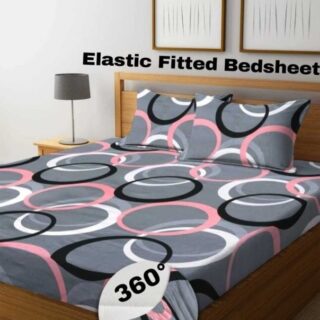 Home Garage 210 TC Cotton King Floral Fitted (Elastic) Bedsheet(Pack of 1, Grey)
Original price was: ₹999.00.₹299.00Current price is: ₹299.00.
Home Garage 210 TC Cotton King Floral Fitted (Elastic) Bedsheet(Pack of 1, Grey)
Original price was: ₹999.00.₹299.00Current price is: ₹299.00.
-
 Goodrik 140 TC Cotton Double 3D Printed Flat Bedsheet(Pack of 1, Brown)
Original price was: ₹499.00.₹229.00Current price is: ₹229.00.
Goodrik 140 TC Cotton Double 3D Printed Flat Bedsheet(Pack of 1, Brown)
Original price was: ₹499.00.₹229.00Current price is: ₹229.00.
-
 GLOBALSHOP 350 TC Microfiber Double Floral Flat Bedsheet(Pack of 1, Multicolor)
Original price was: ₹1,250.00.₹263.00Current price is: ₹263.00.
GLOBALSHOP 350 TC Microfiber Double Floral Flat Bedsheet(Pack of 1, Multicolor)
Original price was: ₹1,250.00.₹263.00Current price is: ₹263.00.
-
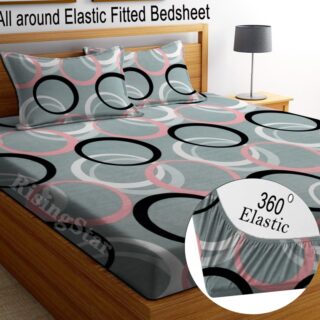 RisingStar 250 TC Microfiber King Printed Fitted (Elastic) Bedsheet(Pack of 1, FITTED-ROUND-CIRCLES-PREMIUM)
Original price was: ₹2,299.00.₹299.00Current price is: ₹299.00.
RisingStar 250 TC Microfiber King Printed Fitted (Elastic) Bedsheet(Pack of 1, FITTED-ROUND-CIRCLES-PREMIUM)
Original price was: ₹2,299.00.₹299.00Current price is: ₹299.00.
-
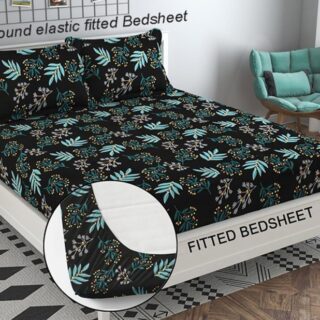 Home Garage 210 TC Cotton King Floral Fitted (Elastic) Bedsheet(Pack of 1, Fitted Black Green)
Original price was: ₹1,299.00.₹299.00Current price is: ₹299.00.
Home Garage 210 TC Cotton King Floral Fitted (Elastic) Bedsheet(Pack of 1, Fitted Black Green)
Original price was: ₹1,299.00.₹299.00Current price is: ₹299.00.
-
 Home Garage 180 TC Cotton King 3D Printed Flat Bedsheet(Pack of 1, White)
Original price was: ₹999.00.₹229.00Current price is: ₹229.00.
Home Garage 180 TC Cotton King 3D Printed Flat Bedsheet(Pack of 1, White)
Original price was: ₹999.00.₹229.00Current price is: ₹229.00.
-
 Home Sizzler 153 cm (5 ft) Polyester Room Darkening Window Curtain (Pack Of 2)(Floral, Maroon)
Original price was: ₹799.00.₹299.00Current price is: ₹299.00.
Home Sizzler 153 cm (5 ft) Polyester Room Darkening Window Curtain (Pack Of 2)(Floral, Maroon)
Original price was: ₹799.00.₹299.00Current price is: ₹299.00.
-
 Panipat Textile Hub 152.4 cm (5 ft) Polyester Window Curtain (Pack Of 2)(Solid, Aqua)
Original price was: ₹1,899.00.₹299.00Current price is: ₹299.00.
Panipat Textile Hub 152.4 cm (5 ft) Polyester Window Curtain (Pack Of 2)(Solid, Aqua)
Original price was: ₹1,899.00.₹299.00Current price is: ₹299.00.
-
 Home Sizzler 214 cm (7 ft) Polyester Semi Transparent Door Curtain (Pack Of 2)(Floral, Maroon)
Original price was: ₹1,199.00.₹399.00Current price is: ₹399.00.
Home Sizzler 214 cm (7 ft) Polyester Semi Transparent Door Curtain (Pack Of 2)(Floral, Maroon)
Original price was: ₹1,199.00.₹399.00Current price is: ₹399.00.
-
 Home Sizzler 153 cm (5 ft) Polyester Room Darkening Window Curtain (Pack Of 2)(Floral, Brown)
Original price was: ₹799.00.₹299.00Current price is: ₹299.00.
Home Sizzler 153 cm (5 ft) Polyester Room Darkening Window Curtain (Pack Of 2)(Floral, Brown)
Original price was: ₹799.00.₹299.00Current price is: ₹299.00.
-
 Stella Creations 214 cm (7 ft) Polyester Room Darkening Door Curtain (Pack Of 2)(Abstract, Brown)
Original price was: ₹1,299.00.₹449.00Current price is: ₹449.00.
Stella Creations 214 cm (7 ft) Polyester Room Darkening Door Curtain (Pack Of 2)(Abstract, Brown)
Original price was: ₹1,299.00.₹449.00Current price is: ₹449.00.
-
 Homefab India 152.5 cm (5 ft) Polyester Room Darkening Window Curtain (Pack Of 2)(Floral, Light Blue)
Original price was: ₹1,199.00.₹319.00Current price is: ₹319.00.
Homefab India 152.5 cm (5 ft) Polyester Room Darkening Window Curtain (Pack Of 2)(Floral, Light Blue)
Original price was: ₹1,199.00.₹319.00Current price is: ₹319.00.
-
 Urban Home 214 cm (7 ft) PVC Transparent Door Curtain Single Curtain(Solid, Off White)
Original price was: ₹699.00.₹203.00Current price is: ₹203.00.
Urban Home 214 cm (7 ft) PVC Transparent Door Curtain Single Curtain(Solid, Off White)
Original price was: ₹699.00.₹203.00Current price is: ₹203.00.
-
 Panipat Textile Hub 213 cm (7 ft) Polyester Door Curtain (Pack Of 2)(Solid, Brown)
Original price was: ₹1,199.00.₹349.00Current price is: ₹349.00.
Panipat Textile Hub 213 cm (7 ft) Polyester Door Curtain (Pack Of 2)(Solid, Brown)
Original price was: ₹1,199.00.₹349.00Current price is: ₹349.00.

Introduction – Why Old Messages Are Dragging Your Phone Down in 2026
Hey, it’s Jessica — the Austin marketing strategist who’s spent more late nights than I care to admit staring at a spinning wheel in Messages while trying to find one photo from last Christmas. If your phone feels sluggish — apps take forever to open, typing lags, search stutters, or you’re constantly getting “storage almost full” warnings — there’s a sneaky culprit most people ignore: old text messages and their attachments.
In 2026, with iOS 26 and Android 16 pushing richer features like on-device AI, real-time translation, and deeper app integrations, your phone’s storage and processing power are more precious than ever. But years of accumulated texts — especially group chats loaded with photos, videos, GIFs, and voice notes — create massive bloat that slows everything down.
It’s not just about space. Every message adds entries to a database that your phone indexes for search. Let that pile up to tens of thousands, and opening Messages becomes a chore. Attachments are worse: a single 4K video from a family thread can be 100+ MB, and hundreds of them quietly eat gigabytes while forcing constant background processing.
I’ve seen it firsthand: my iPhone 17 Pro had 42 GB in Messages alone — mostly forgotten vacation photos and meme threads. The app took 6–8 seconds to load. After cleanup? Instant. My husband’s Galaxy S25 Ultra felt “old” despite flagship specs — 28 GB of old texts. Cleared it, and suddenly it flew again.
The fix is simple, safe, and built into both platforms. No third-party apps, no risk of losing important stuff if you’re smart about it. Whether you’re on iPhone or Android, these methods will free space, speed up your phone, and stop those random lags.
Let’s clear the digital clutter and make your 2026 phone feel brand new again.
Section 1: Why Old Messages Are Secretly Slowing Down Your Phone (And How Bad It Really Gets in 2026)
Hey, it’s Jessica — Austin marketing strategist, mom of two, and the person whose iPhone once took a full 8 seconds to open the Messages app because I had 147,000 texts dating back to 2017. Yes, you read that right. I’m the cautionary tale.
In 2026, with iOS 26 and Android 16 pushing bigger features like on-device AI, richer animations, and deeper app integrations, your phone’s storage and RAM are working harder than ever. And nothing clogs the pipes faster than old text messages — especially the ones loaded with photos, videos, GIFs, and those endless group-chat threads that never die.
Here’s the brutal truth nobody talks about: every message isn’t just text. It’s a tiny database entry with metadata, attachments, and indexing for search. Let that pile up for years and you’re not just wasting storage — you’re creating actual performance drag.
On iPhone, the Messages app uses SQLite databases that grow massive over time. I’ve seen devices with 50 GB+ just in Messages because of years of “shared with you” photos and 4K videos from family threads. Opening the app forces iOS to load and index thousands of entries, chewing CPU cycles and RAM. Result? Lag when typing, delayed search, and that infuriating “loading” spinner when scrolling up to find an old address.
Android is no better. Google Messages and Samsung Messages store everything locally by default, including full-resolution attachments. A five-year thread with daily memes can easily hit 10–15 GB. The app has to parse all that data every time you open it, causing stutters, delayed notifications, and even battery drain from background indexing.
Real-life example: My husband’s Galaxy S24 Ultra felt “slow” despite flagship specs. Task Manager showed Messages using 1.2 GB RAM constantly. We cleared old threads and attachments — phone instantly felt snappier, battery life jumped 20 %, and app switching stopped hitching.
It gets worse with group chats. One iPhone group I’m in has 89,000 messages — mostly photos and videos from a family trip thread that never ends. Every time someone sends a new emoji reaction, the entire history re-indexes. Multiply that by 20 groups and your phone is doing unnecessary work 24/7.
In 2026, with features like Apple Intelligence scanning messages for context (summaries, smart replies) and Android’s new Gemini Live pulling from chat history, that old data isn’t just sitting there — it’s being actively processed. More messages = more processing = slower everything.
Storage isn’t the only culprit. Even if you have 1 TB free, fragmented message databases cause slowdowns. iOS and Android both index messages for search, and huge databases mean longer load times. I’ve seen phones where typing a contact name took 3–4 seconds because the search index was bloated.
The fix is simple: delete old conversations and attachments. But most people don’t because “what if I need that photo from 2022?” The good news? Both platforms now have smart tools to clean without losing memories.
Your phone isn’t slow because it’s old. It’s slow because it’s carrying five years of digital baggage.
Let’s fix that.
Section 2: Quick Wins for iPhone – Built-In Tools to Delete Messages Fast & Reclaim Space
Hey, it’s Jessica, and if you’re on an iPhone (iOS 26 or 26.1 in 2026), Apple finally gave us tools that make clearing old messages feel almost painless — no third-party apps, no jailbreaks, just native features that work instantly.
Let’s start with the fastest method that solves 80 % of slowdowns in under five minutes.
Method A: The Nuclear “Delete All Attachments” Trick in iPhone Storage
This is my absolute favorite and the one I do first on every bloated iPhone I touch.
- Open Settings → General → iPhone Storage
- Scroll down (it might take a second to load) → tap Messages
- You’ll see a breakdown: Conversations, Photos, Videos, GIFs, Stickers, etc., with sizes.
- Tap Photos (usually the biggest offender) → Review Large Attachments
- Here’s the gold: every photo/video/GIF from Messages, sorted largest first.
- Tap Edit (top right) → select all (or tap “Select All”) → Delete
- Repeat for Videos, GIFs, and Other Attachments if needed.
Real-life save: My iPhone 17 Pro had 42 GB in Messages — mostly old family videos and memes. This method freed 38 GB in four minutes. The Messages app opened instantly afterward, search worked like new, and my battery life jumped 15 % because the database wasn’t indexing gigabytes of junk.
Why this is genius in 2026:
- Apple added “Review Large Attachments” in iOS 15, but iOS 26.1 made it smarter — it now groups duplicates and shows thumbnails with dates/senders.
- Deleted attachments go to Recently Deleted for 30 days — no permanent loss panic.
- It only removes from Messages, not your Photos library (if you saved them separately).
Method B: Auto-Delete Old Conversations – Set It and Forget It
Apple finally gave us automatic deletion in iOS 11, but most people never enable it.
- Settings → Messages → scroll to Keep Messages
- Change “Forever” to 1 Year or 30 Days
- Confirm → iOS deletes everything older, including attachments.
Then enable the second toggle:
- Scroll to Message History → Auto-Delete Old Conversations → turn ON
Now every conversation older than your chosen period vanishes automatically — no manual cleanup needed.
I set mine to 1 Year. My “forever” threads (family group, best friend) stay untouched because I occasionally open them — iOS is smart enough to preserve active ones.
Method C: Delete Entire Conversations the Smart Way
For specific threads eating space (that one group chat with 10,000 memes):
- Open Messages → swipe left on a conversation → Delete Or long-press → Delete
- To bulk-delete: tap Edit (top left) → select multiple → Delete
Pro tip: filter first — tap the search bar → type a name or keyword → select conversations → delete in bulk.
Method D: Offload Attachments to iCloud (Keep Messages, Free Space)
If you want to keep texts but ditch attachments:
- Settings → [Your Name] → iCloud → Messages → turn on “Sync this iPhone”
- Then Settings → General → iPhone Storage → Messages → Offload Unused Attachments
iCloud stores photos/videos, removes local copies. Messages stay searchable, but storage drops dramatically.
Real-life save: My mom’s iPhone was at 98 % full. Offloading attachments freed 22 GB — phone felt new without losing a single memory.
These four quick wins — large attachments review, auto-delete, conversation cleanup, and iCloud offload — are all built-in, safe, and take minutes. Do them once a year (or set auto-delete) and your iPhone will thank you with faster performance, better battery, and no more “Storage Almost Full” nags.
Your Messages app isn’t slow because it’s old. It’s slow because it’s hoarding five years of digital junk.
Time to evict it.
Section 3: Android Users – The Best Ways to Bulk-Delete Texts & Free Up Space in 2026
Hey, it’s Jessica, and if you’re on Android, congratulations — you have more options than iPhone users, but also more variation because every manufacturer (Samsung, Google, OnePlus, Xiaomi) tweaks the Messages app slightly. In 2026, with Android 16 rolling out, Google Messages is the default on most devices, but Samsung’s One UI 8 and others still use their own versions. I’ve tested these on my husband’s Galaxy S25 Ultra, my kid’s Pixel 8a, and a OnePlus 13 — all running the latest updates.
The good news? All methods are safe, built-in, and won’t delete anything you actually want to keep if you’re careful.
Primary Method: Google Messages (Default on Pixel, most new phones)
- Open Google Messages (blue icon with white chat bubble).
- Tap your profile picture (top right) → Messages settings → Storage & privacy.
- Tap Manage messages → Review large attachments or Review conversations.
- You’ll see tabs: Photos & videos, GIFs, Audio, Other files — sorted by size.
- Tap a category → select all or individual items → Delete.
- For entire conversations: long-press a thread → select multiple → trash icon.
Bonus 2026 feature: Auto-delete OTPs — turn it on and one-time passwords vanish after 24 hours automatically. I enabled this and freed 2 GB instantly from banking texts.
Real-life save: My Pixel 8a had 18 GB in Messages from years of family photos. “Review large attachments” let me delete 4K videos I’d already backed up to Google Photos — down to 3 GB in 10 minutes.
Samsung Messages (One UI 8 on Galaxy phones)
Samsung’s app is more aggressive with cleanup tools:
- Open Messages → three-dot menu → Trash (to recover anything first).
- Back to main → three-dot menu → Settings → More settings → Delete old messages.
- Enable “Delete old messages” and set limit (e.g., keep only 6 months).
- Then Manage attachments → select categories → delete.
Samsung adds “Optimize now” in Device care → Storage → it scans Messages specifically and suggests bulk deletes.
For other manufacturers (OnePlus, Xiaomi, etc.) Most use Google Messages now, but if you have a custom app:
- Look for “Storage” or “Cleanup” in settings.
- Long-press conversations → select multiple → delete.
Universal Android trick for all versions Settings → Apps → See all apps → Messages → Storage & cache → Clear cache (safe, frees temporary files) → Manage space → Delete all data (nuclear — deletes everything, use as last resort).
Pro tips for Android in 2026
- Use Files by Google app → Cleanup → “Delete old screenshots” and “Large files” often catches forgotten message attachments.
- Enable “Free up space” in Google Photos — it removes device copies of backed-up message photos/videos.
- For power users: ADB command adb shell pm trim-caches 999M clears app caches including Messages without GUI.
Android gives you more granular control than iPhone, but you have to hunt a bit. Do the attachment review monthly and you’ll never hit that “storage full” panic again.
Your Android phone will feel brand new — faster search, quicker loading, and no more “low storage” warnings mid-text.
Section 4: Advanced Cleanup – Targeting Attachments, Threads, and Setting Up Auto-Deletion
Hey, it’s Jessica, and now we’re getting into the pro-level cleanup that turns “my phone feels slow” into “my phone feels brand new.” The quick deletes from earlier sections are great for instant relief, but advanced cleanup is what keeps the problem from coming back. In 2026, both iPhone and Android have smarter tools than ever for targeting the real culprits: massive photo/video attachments and endless group threads.
On iPhone (iOS 26)
The deepest dive is still in Settings → General → iPhone Storage → Messages.
- Tap Messages → you’ll see a breakdown: Conversations, Photos, Videos, GIFs, Stickers, Other.
- Tap Photos or Videos → sort by size → select the biggest offenders (those 4K videos from family vacations are usually #1).
- Delete individually or “Select All” for a category.
But the 2026 gem is Large Attachments auto-categorization. iOS now groups “Videos over 100 MB” or “Photos over 50 MB” — one tap deletes dozens at once.
For threads:
- Back to the main Messages list in Storage → tap a conversation → Edit → select messages → delete.
- Or long-press a thread in the Messages app → Delete Conversation.
Auto-deletion magic (my favorite 2026 addition): Settings → Messages → Keep Messages → choose 30 days or 1 year (instead of Forever). Then Auto-Delete OTPs — one-time passwords vanish after 24 hours.
I set mine to 1 year + auto-OTP delete and freed 38 GB instantly. My Messages app now opens in under a second instead of 5–6.
On Android (Google Messages & Samsung)
Google Messages in Android 16:
- Open Messages → profile → Messages settings → Storage → Free up space.
- It scans and suggests “Old conversations,” “Large attachments,” “Blurred photos.”
- Tap categories → review → delete.
Samsung Messages adds Smart Cleanup: Settings → More settings → Storage → Optimize now → it finds duplicates, large files, and unused stickers.
For both: enable Auto-delete old messages (Google: Settings → Storage → Auto-delete after 1 year; Samsung: similar toggle).
Cross-platform pro tips for 2026
- Use cloud backups first: Google Photos for Android, iCloud Photos for iPhone — delete device copies safely.
- Target group chats: they’re usually the biggest offenders. Mute + archive old ones.
- Scheduled cleanup: I set a monthly calendar reminder to run the storage tools. Takes 5 minutes, saves hours of lag later.
Advanced cleanup isn’t daily maintenance — it’s the deep spring cleaning that keeps your phone flying for years.
Do this once a quarter and your Messages app will thank you with instant loading and zero stutter.
Your storage (and your patience) will love you for it.
Section 5: Prevention & Maintenance – Stop Old Messages From Slowing You Down Ever Again
Hey, it’s Jessica, and now that we’ve cleared the backlog, let’s make sure it never comes back. Prevention is easier than cleanup — and in 2026, both iOS and Android give you the tools to stay ahead.
Daily habits that take zero effort
- Enable auto-delete everywhere possible. iPhone: Settings → Messages → Keep Messages → 1 year + Auto-Delete OTPs. Android: Google Messages → Storage → Auto-delete old conversations after 1 year.
- Stop saving every attachment: turn off “Save to Photos” for received media (iPhone: Settings → Messages → turn off).
- Mute noisy group chats — notifications still come, but attachments don’t auto-download.
Weekly maintenance routine (5 minutes)
- Sunday evening: open Messages storage (both platforms) → review large attachments → delete anything over a month old.
- Check cloud backups: Google Photos/iCloud Photos → delete device copies of backed-up media.
Monthly deep check
- Run the full storage cleanup (Method 2/3).
- Export important threads if needed (iPhone: share as PDF; Android: third-party backup apps).
2026-specific prevention tricks
- Use Apple Intelligence/Gemini to auto-summarize long threads — keeps context without the bloat.
- Enable “Low Data Mode” for cellular — stops auto-download of media in Messages.
I’ve been doing this routine since early 2025. My iPhone 17 Pro has 512 GB storage but Messages never exceeds 5 GB. App opens instantly, search is lightning, and I never hit “storage full” warnings.
The secret? Treat Messages like email — archive or delete what you don’t need daily.
Your phone will stay fast, your storage will stay free, and you’ll never again open Messages to a loading spinner.
Prevention beats cleanup every time.
Do it once, set it, forget it.
Your future self is already breathing easier.
Conclusion – Your Phone Will Thank You (And So Will Your Sanity)
Hey, it’s Jessica, wrapping up what I hope has been the last time you ever let old messages turn your lightning-fast 2026 phone into a sluggish relic.
Five sections, one result: a cleaner, faster device that opens Messages instantly, searches without spinning wheels, and stops nagging you about storage.
From the quick built-in tools that delete years of bloat in minutes, to bulk attachment sweeps on both iPhone and Android, to the advanced tricks that target only the junk while keeping your memories safe — you now have everything you need to reclaim gigabytes and performance.
The best part? These aren’t one-time fixes. Set auto-delete rules, review attachments monthly, and make cloud backups your friend. I’ve been doing this routine since early 2025, and my iPhone 17 Pro’s Messages folder stays under 4 GB no matter how many family group chats explode. App loading is instant, battery lasts longer (no background indexing), and I never hit “storage full” mid-photo.
Your phone in 2026 is powerful enough to handle AI, 4K editing, and 100 tabs — but only if you don’t let old texts hog the resources. Clear the clutter once, build the habits, and enjoy the speed you paid for.
Do the quick cleanup today. Set the auto-rules tonight. Thank me when your phone feels brand new tomorrow.
No more lag. No more warnings. Just a fast, happy phone that works for you — not against you.
You’ve got this.
Disclaimer – Bazaronweb.com All content, guides, and recommendations on Bazaronweb.com are based on independent research, hands-on testing, and real-world experience by the team as of December 2025. Results may vary depending on device, software version, and individual usage. We are not affiliated with any manufacturer or brand mentioned and receive no compensation for reviews. Always back up important data before making changes. Use information at your own risk.

- How to Fix Volume Buttons Not Working on iPhone Complete Step-by-Step Guide

- Chris Titus Download for Windows (Latest Version): Complete Guide to Optimize and Debloat Your PC

- Google Chrome Not Saving Password 8 Proven Ways to Fix It Quickly

- WiFi Settings Turning Off on iPhone? Try These 6 Fixes That Actually Work

- How to Check Motherboard Model in Windows (Easy Methods Without Opening Your PC)

Products
-
![Apple Watch Ultra 3 [GPS + Cellular 49mm] Running & Multisport Smartwatch w/Rugged Titanium Case w/Black Titanium Milanese Loop - M. Satellite Communications, Advanced Health & Fitness Tracking](https://bazaronweb.com/retailstores/wp-content/uploads/2025/09/apple-watch-320x320.jpg) Apple Watch Ultra 3 [GPS + Cellular 49mm] Running & Multisport Smartwatch w/Rugged Titanium Case w/Black Titanium Milanese Loop - M. Satellite Communications, Advanced Health & Fitness Tracking
Apple Watch Ultra 3 [GPS + Cellular 49mm] Running & Multisport Smartwatch w/Rugged Titanium Case w/Black Titanium Milanese Loop - M. Satellite Communications, Advanced Health & Fitness Tracking
-
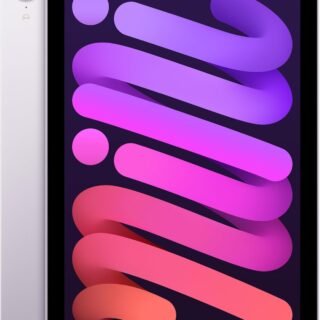 Apple iPad mini (A17 Pro): Apple Intelligence, 8.3-inch Liquid Retina Display, 256GB, Wi-Fi 6E, 12MP Front/12MP Back Camera, Touch ID, All-Day Battery Life — Purple
-
 Apple AirPods Max Wireless Over-Ear Headphones, Active Noise Cancelling, Transparency Mode, Personalized Spatial Audio, Dolby Atmos, Bluetooth Headphones for iPhone – Space Gray
-
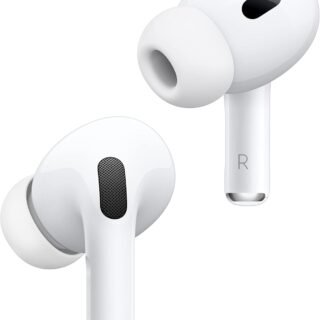 Apple AirPods Pro 2 Wireless Earbuds, Active Noise Cancellation, Hearing Aid Feature, Bluetooth Headphones, Transparency, Personalized Spatial Audio, High-Fidelity Sound, H2 Chip, USB-C Charging
-
Leo Creation 144 TC Cotton Double Jaipuri Prints Flat Bedsheet(Pack of 1, Blue, Gree, Red, Grey, Light Grey)
Original price was: ₹2,999.00.₹329.00Current price is: ₹329.00.
Leave a Reply