Category
Popular Articles
- AI (14)
- Android (41)
- App Suggest (13)
- Apple (25)
- Apple TV (2)
- Bluetooth (3)
- Cars (2)
- ChatGpt (1)
- Chrome (2)
- Did you know? (1)
- E-Commerce News (1)
- Ecommerce Websites business (7)
- Electronics Shopping (5)
- Fashion Tips (3)
- Gaming (5)
- Google Gemini (3)
- Hair Care Tips (2)
- How to (13)
- iCloud (1)
- Infotainment System (1)
- Iphone (112)
- Job Posting (1)
- Lifestyle (3)
- Mac (22)
- Mobile Games (1)
- Netflix (1)
- Online Shopping Websites (2)
- Personal Finance Management (3)
- Product Reviews (3)
- Roku TV (4)
- Samsung (10)
- Shopping Tips (10)
- Spotify (1)
- Tech (118)
- VPN (2)
- Windows 11 (24)
- Zero Waste (3)
Discounted Products
-

Leo Creation 144 TC Cotton Double Jaipuri Prints Flat Bedsheet(Pack of 1, Blue, Gree, Red, Grey, Light Grey)
₹2,999.00Original price was: ₹2,999.00.₹329.00Current price is: ₹329.00. -
Home Garage 210 TC Cotton King Floral Fitted (Elastic) Bedsheet(Pack of 1, Grey)
₹999.00Original price was: ₹999.00.₹299.00Current price is: ₹299.00. -

Goodrik 140 TC Cotton Double 3D Printed Flat Bedsheet(Pack of 1, Brown)
₹499.00Original price was: ₹499.00.₹229.00Current price is: ₹229.00. -

GLOBALSHOP 350 TC Microfiber Double Floral Flat Bedsheet(Pack of 1, Multicolor)
₹1,250.00Original price was: ₹1,250.00.₹263.00Current price is: ₹263.00. -
RisingStar 250 TC Microfiber King Printed Fitted (Elastic) Bedsheet(Pack of 1, FITTED-ROUND-CIRCLES-PREMIUM)
₹2,299.00Original price was: ₹2,299.00.₹299.00Current price is: ₹299.00. -
Home Garage 210 TC Cotton King Floral Fitted (Elastic) Bedsheet(Pack of 1, Fitted Black Green)
₹1,299.00Original price was: ₹1,299.00.₹299.00Current price is: ₹299.00. -

Home Garage 180 TC Cotton King 3D Printed Flat Bedsheet(Pack of 1, White)
₹999.00Original price was: ₹999.00.₹229.00Current price is: ₹229.00. -

Home Sizzler 153 cm (5 ft) Polyester Room Darkening Window Curtain (Pack Of 2)(Floral, Maroon)
₹799.00Original price was: ₹799.00.₹299.00Current price is: ₹299.00. -

Panipat Textile Hub 152.4 cm (5 ft) Polyester Window Curtain (Pack Of 2)(Solid, Aqua)
₹1,899.00Original price was: ₹1,899.00.₹299.00Current price is: ₹299.00. -

Home Sizzler 214 cm (7 ft) Polyester Semi Transparent Door Curtain (Pack Of 2)(Floral, Maroon)
₹1,199.00Original price was: ₹1,199.00.₹399.00Current price is: ₹399.00. -

Home Sizzler 153 cm (5 ft) Polyester Room Darkening Window Curtain (Pack Of 2)(Floral, Brown)
₹799.00Original price was: ₹799.00.₹299.00Current price is: ₹299.00. -

Stella Creations 214 cm (7 ft) Polyester Room Darkening Door Curtain (Pack Of 2)(Abstract, Brown)
₹1,299.00Original price was: ₹1,299.00.₹449.00Current price is: ₹449.00. -

Homefab India 152.5 cm (5 ft) Polyester Room Darkening Window Curtain (Pack Of 2)(Floral, Light Blue)
₹1,199.00Original price was: ₹1,199.00.₹319.00Current price is: ₹319.00. -

Urban Home 214 cm (7 ft) PVC Transparent Door Curtain Single Curtain(Solid, Off White)
₹699.00Original price was: ₹699.00.₹203.00Current price is: ₹203.00. -

Panipat Textile Hub 213 cm (7 ft) Polyester Door Curtain (Pack Of 2)(Solid, Brown)
₹1,199.00Original price was: ₹1,199.00.₹349.00Current price is: ₹349.00.
Affiliate Links
Promotion
Introduction
Hi, I’m Jessica, and if you’ve ever found yourself swiping up endlessly through the App Switcher trying to “clean up” your iPhone, you’re definitely not alone. Closing apps has become almost a habit for many iPhone users, especially for those who believe that too many open apps slow down the phone, drain battery, or affect performance. I used to do the same thing—closing everything at the end of the day, assuming it was good phone hygiene. It felt productive, like tidying up a digital workspace.
The confusion largely comes from how iOS visually presents apps. When you open the App Switcher and see dozens of app cards, it looks like all of them are actively running. In reality, that isn’t how iPhones work. Apple designed iOS to manage apps automatically, pausing or suspending them when they’re not in use. But because Apple never clearly explains this in simple terms, users naturally assume they need to take control themselves.
In 2026, this misunderstanding still drives one of the most searched iPhone questions: how to close all open apps at once. The truth is more nuanced than most people expect. There’s no single button to do it, and that’s not a missing feature—it’s a design choice. Understanding why Apple made that choice is essential for using your iPhone efficiently instead of working against the system. This topic isn’t just about closing apps; it’s about understanding how iOS actually thinks about performance, battery life, and memory management.
One of the most searched iPhone questions every year is how to close all open apps at once, and in 2026 this confusion still exists because Apple has never provided a one-tap “close all apps” button on iPhone.
Many users come to iOS from Android or desktop systems where closing everything at once feels normal, so it’s understandable why this question keeps coming up. The reality is that iPhones manage apps very differently from what most people expect, and once you understand how iOS handles background apps, the idea of force-closing everything becomes far less important.
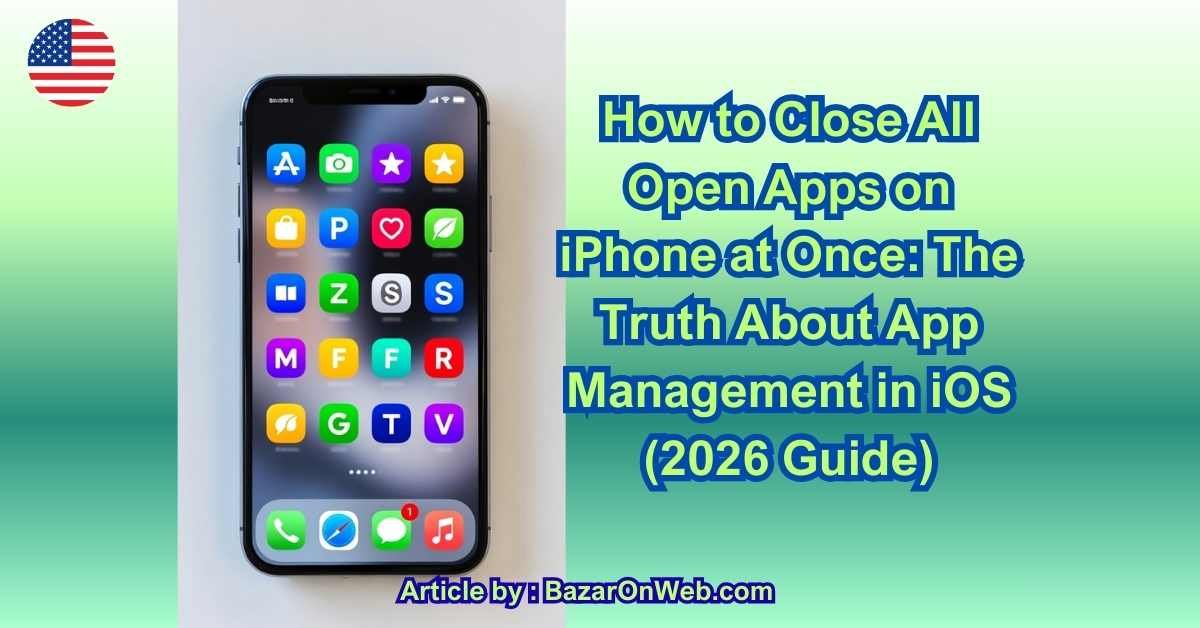
On an iPhone, apps shown in the App Switcher are not truly “open” in the way desktop apps are. They are paused, frozen, or suspended in memory, consuming little to no battery or processing power. Apple designed iOS to intelligently manage these apps so the system can resume them instantly without reloading, which actually saves battery and improves performance.
This is why Apple discourages users from frequently closing apps manually. To access the App Switcher, you swipe up from the bottom of the screen and pause slightly (or double-click the Home button on older models). From there, you can swipe up on individual app cards to force-close them—but only one by one. There is no native way to select all apps or close them simultaneously.
This is not an oversight; it’s a deliberate design decision. Apple’s internal app lifecycle automatically clears memory when needed, shuts down misbehaving apps, and reallocates resources without user intervention.
Force-closing apps repeatedly can actually have the opposite effect of what users intend, because reopening an app from scratch uses more battery and CPU than resuming it from a suspended state.
That said, there are valid reasons to close apps manually, such as when an app freezes, crashes, drains battery abnormally, fails to refresh content, or behaves incorrectly after an update. In those situations, closing the affected app and reopening it can fix the issue. However, doing this for all apps “just to clean the phone” is unnecessary.
Many users believe that clearing apps improves speed or battery life, but on iPhone, iOS already optimizes this automatically in the background. Even storage space is not affected by background apps; storage is only freed when apps are deleted, not closed. In 2026, iPhones are more efficient than ever at memory and power management, and Apple’s system-level optimizations far outperform any manual app-closing habit. Another misconception is that background apps are constantly spying or running processes.
In reality, iOS strictly limits background activity. Apps can only refresh briefly under specific conditions, and users can control this through Background App Refresh settings. If battery life is a concern, disabling background refresh for specific apps is far more effective than force-closing everything. Similarly, if privacy is the concern, app permissions—not app closure—are what matter. Location, microphone, camera, and network access are governed by permissions that remain in effect whether the app is suspended or closed.
Closing an app does not revoke its permissions. Understanding this changes how you approach iPhone maintenance entirely. Instead of searching for ways to close all apps at once, the smarter approach is learning when not to close them. Apple’s iOS is built to be trusted with task management, and interfering too often can reduce the very performance users are trying to improve.
In short, the reason you can’t close all apps at once on iPhone is because you’re not supposed to—and once you understand how iOS actually works, that design choice makes complete sense.
The second part of this topic is understanding what you can do instead of closing all open apps at once, and why those alternatives are far more effective for keeping your iPhone running smoothly in 2026.
Since Apple does not allow mass app closure by design, the real solution lies in managing system behavior rather than fighting it. One of the most effective tools is Background App Refresh, which controls whether apps are allowed to update content when they’re not actively in use.
By going into Settings and reviewing which apps truly need background access, users can significantly reduce unnecessary activity without force-closing anything. Social media, shopping apps, and games often don’t need constant background updates, while messaging or navigation apps might. This targeted approach delivers better battery life than swiping away every app in the App Switcher. Another powerful but overlooked option is managing notifications.
Many users confuse notification activity with app activity, assuming apps are “running” because alerts keep appearing. In reality, notifications are handled by Apple’s servers and don’t mean the app is actively open. Turning off unnecessary notifications reduces mental clutter and perceived background activity without harming performance.
Storage management is another area where people mistakenly think closing apps helps. It doesn’t. If your iPhone feels slow due to low storage, the solution is deleting unused apps, clearing large files, or offloading apps—not closing them. iOS even offers automatic offloading, which removes unused apps while keeping their data intact, a far smarter system-level cleanup than manual app closing. Battery health also plays a role in perceived performance.
Older batteries can cause iPhones to throttle performance, leading users to blame “too many open apps.” Checking battery health and replacing an aging battery often resolves issues that app closing never could.
It’s also worth addressing the myth of third-party “cleaner” apps. In 2026, any app claiming to close all apps at once, boost RAM, or clean background processes on iPhone is misleading at best.
Apple does not allow third-party apps access to system-level task management, so these apps cannot do what they promise. At most, they guide you through settings changes you could do yourself.
Relying on them can create false expectations and unnecessary worry about system performance. For troubleshooting, the correct workflow is selective, not global. If an app freezes, drains battery, or behaves incorrectly, close that specific app and reopen it. If the issue persists, restart the phone—not the apps.
A restart actually clears system caches, refreshes processes, and resolves minor glitches far more effectively than swiping away app cards. Many users underestimate how powerful a simple restart is because it feels “too basic,” but it remains one of the most reliable fixes in iOS. Privacy concerns are another reason people want to close all apps.
However, privacy is controlled through permissions, not app states. Reviewing location access, microphone usage, camera access, and network permissions gives you real control over what apps can do.
Closing apps does nothing to change these permissions. Apple even provides privacy indicators and reports to show which apps accessed sensitive data, making permission management far more transparent than force-closing apps. In 2026, iOS is designed to be largely self-maintaining.
The system aggressively suspends idle apps, reclaims memory automatically, and prioritizes active tasks without user input. Trying to micromanage this process often leads to worse outcomes, such as increased battery drain from constant app reloads. The habit of closing all apps comes from older operating systems and different platforms, not from how modern iPhones are built to function. Once users shift their mindset from “closing everything” to “controlling behavior,” iPhone performance becomes easier to manage and far less stressful. The truth is, the best way to close all open apps on iPhone is to trust iOS to do it for you—because it already does, continuously, silently, and more efficiently than any manual action ever could.
Conclusion
Once you understand how iOS manages apps in the background, the urge to close everything at once starts to fade. Apple’s approach is built around automation and efficiency, not manual control. Apps shown in the App Switcher are usually suspended, not actively running, which means they aren’t consuming battery, CPU, or data in the way many users assume. In most cases, force-closing apps does more harm than good because reopening them requires more resources than resuming them from a paused state.
The key takeaway is that app management on iPhone is selective, not global. When an app freezes, crashes, or behaves incorrectly, closing that specific app is the right move. When performance issues appear across the system, restarting the iPhone is far more effective than swiping away dozens of apps. A restart refreshes system processes, clears temporary caches, and resolves minor glitches in a way app closing never can.
Battery life concerns are another major reason people try to close all apps. However, battery drain is more closely tied to background refresh settings, notifications, location access, and battery health than to suspended apps. Adjusting these settings gives you real, measurable improvements without fighting the operating system. Similarly, storage problems are solved by deleting or offloading apps—not closing them.
Privacy is often misunderstood in this context as well. Closing apps does not revoke permissions or stop background access in the way people expect. Permissions control privacy, not whether an app is visible in the App Switcher. Reviewing and managing those permissions is the only reliable way to control what apps can access.
Ultimately, the absence of a “close all apps” button is intentional. Apple designed iOS to be trusted with task management, and in 2026, that system is more efficient than ever. The best performance comes from understanding when to intervene—and when to let the system do what it was built to do. Once you stop treating app closure as maintenance, your iPhone becomes easier to use, more efficient, and far less frustrating.
Disclaimer
This article is for informational purposes only. iOS features, system behavior, and settings may vary depending on iPhone model, iOS version, region, and user configuration. Apple may change app management behavior in future updates.
Written by Bazaronweb
Latest Tech Articles
- How to Use Gemini AI Chatbot on iPhone: Complete Step-by-Step Guide for Beginners & Power Users

- How to Use Photo Cutout on iPhone: Remove Backgrounds, Create Stickers & Share Like a Pro

- How to Transfer Files from iPhone to Windows Easily: 3 Proven Methods That Actually Work (2026 Guide)

- How to Close All Open Apps on iPhone at Once: The Truth About App Management in iOS (2026 Guide)

- How to Extract and Copy Text from an Image on iPhone: The Easiest Way to Turn Photos into Editable Text

Products
-
Apple Watch Ultra 3 [GPS + Cellular 49mm] Running & Multisport Smartwatch w/Rugged Titanium Case w/Black Titanium Milanese Loop - M. Satellite Communications, Advanced Health & Fitness Tracking
-
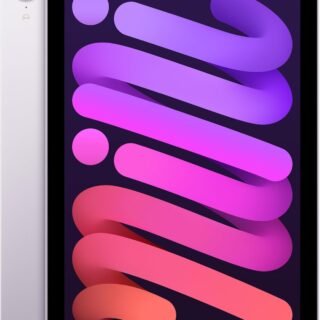
Apple iPad mini (A17 Pro): Apple Intelligence, 8.3-inch Liquid Retina Display, 256GB, Wi-Fi 6E, 12MP Front/12MP Back Camera, Touch ID, All-Day Battery Life — Purple
-
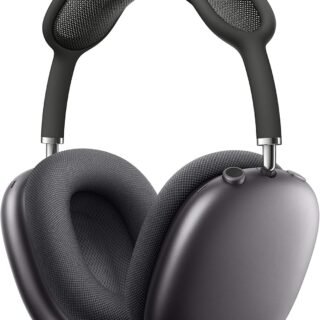
Apple AirPods Max Wireless Over-Ear Headphones, Active Noise Cancelling, Transparency Mode, Personalized Spatial Audio, Dolby Atmos, Bluetooth Headphones for iPhone – Space Gray
-
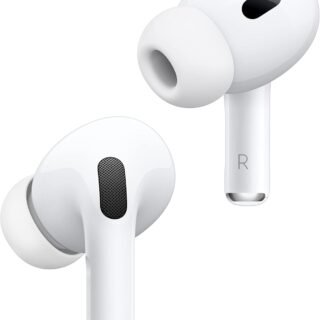
Apple AirPods Pro 2 Wireless Earbuds, Active Noise Cancellation, Hearing Aid Feature, Bluetooth Headphones, Transparency, Personalized Spatial Audio, High-Fidelity Sound, H2 Chip, USB-C Charging
-
Leo Creation 144 TC Cotton Double Jaipuri Prints Flat Bedsheet(Pack of 1, Blue, Gree, Red, Grey, Light Grey)
₹2,999.00Original price was: ₹2,999.00.₹329.00Current price is: ₹329.00.
Leave a Reply