Category
Popular Articles
- AI (18)
- Android (50)
- App Suggest (13)
- Apple (42)
- Apple TV (4)
- Bluetooth (3)
- Cars (2)
- ChatGpt (1)
- Chrome (2)
- Did you know? (1)
- E-Commerce News (1)
- Ecommerce Websites business (7)
- Electronics Shopping (5)
- Fashion Tips (3)
- Gaming (6)
- Google Gemini (3)
- Hair Care Tips (2)
- How to (13)
- iCloud (1)
- Infotainment System (1)
- Iphone (146)
- Job Posting (1)
- Lifestyle (3)
- Mac (25)
- Mobile Games (1)
- Netflix (1)
- Online Shopping Websites (2)
- Personal Finance Management (3)
- Product Reviews (3)
- Roku TV (4)
- Samsung (10)
- Shopping Tips (13)
- Spotify (1)
- Tech (155)
- VPN (2)
- Windows 11 (63)
- Zero Waste (3)
Discounted Products
-

Leo Creation 144 TC Cotton Double Jaipuri Prints Flat Bedsheet(Pack of 1, Blue, Gree, Red, Grey, Light Grey)
₹2,999.00Original price was: ₹2,999.00.₹329.00Current price is: ₹329.00. -

Home Garage 210 TC Cotton King Floral Fitted (Elastic) Bedsheet(Pack of 1, Grey)
₹999.00Original price was: ₹999.00.₹299.00Current price is: ₹299.00. -

Goodrik 140 TC Cotton Double 3D Printed Flat Bedsheet(Pack of 1, Brown)
₹499.00Original price was: ₹499.00.₹229.00Current price is: ₹229.00. -

GLOBALSHOP 350 TC Microfiber Double Floral Flat Bedsheet(Pack of 1, Multicolor)
₹1,250.00Original price was: ₹1,250.00.₹263.00Current price is: ₹263.00. -
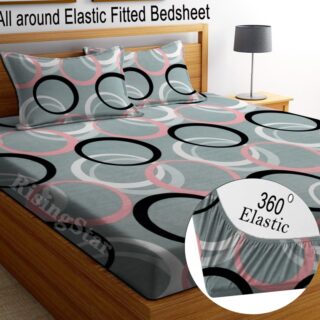
RisingStar 250 TC Microfiber King Printed Fitted (Elastic) Bedsheet(Pack of 1, FITTED-ROUND-CIRCLES-PREMIUM)
₹2,299.00Original price was: ₹2,299.00.₹299.00Current price is: ₹299.00. -

Home Garage 210 TC Cotton King Floral Fitted (Elastic) Bedsheet(Pack of 1, Fitted Black Green)
₹1,299.00Original price was: ₹1,299.00.₹299.00Current price is: ₹299.00. -

Home Garage 180 TC Cotton King 3D Printed Flat Bedsheet(Pack of 1, White)
₹999.00Original price was: ₹999.00.₹229.00Current price is: ₹229.00. -

Home Sizzler 153 cm (5 ft) Polyester Room Darkening Window Curtain (Pack Of 2)(Floral, Maroon)
₹799.00Original price was: ₹799.00.₹299.00Current price is: ₹299.00. -

Panipat Textile Hub 152.4 cm (5 ft) Polyester Window Curtain (Pack Of 2)(Solid, Aqua)
₹1,899.00Original price was: ₹1,899.00.₹299.00Current price is: ₹299.00. -

Home Sizzler 214 cm (7 ft) Polyester Semi Transparent Door Curtain (Pack Of 2)(Floral, Maroon)
₹1,199.00Original price was: ₹1,199.00.₹399.00Current price is: ₹399.00. -

Home Sizzler 153 cm (5 ft) Polyester Room Darkening Window Curtain (Pack Of 2)(Floral, Brown)
₹799.00Original price was: ₹799.00.₹299.00Current price is: ₹299.00. -

Stella Creations 214 cm (7 ft) Polyester Room Darkening Door Curtain (Pack Of 2)(Abstract, Brown)
₹1,299.00Original price was: ₹1,299.00.₹449.00Current price is: ₹449.00. -

Homefab India 152.5 cm (5 ft) Polyester Room Darkening Window Curtain (Pack Of 2)(Floral, Light Blue)
₹1,199.00Original price was: ₹1,199.00.₹319.00Current price is: ₹319.00. -

Urban Home 214 cm (7 ft) PVC Transparent Door Curtain Single Curtain(Solid, Off White)
₹699.00Original price was: ₹699.00.₹203.00Current price is: ₹203.00. -

Panipat Textile Hub 213 cm (7 ft) Polyester Door Curtain (Pack Of 2)(Solid, Brown)
₹1,199.00Original price was: ₹1,199.00.₹349.00Current price is: ₹349.00.
Affiliate Links
Promotion
Hi, I’m Jessica, and I still remember the frustration when I tried to transfer a large video project to my external drive right before a family trip. Everything seemed fine—until that annoying message popped up saying the file was too large for the destination. I had enough storage space, so what was the problem? That moment led me down a rabbit hole of file systems, compatibility, and practical fixes that I wish I had known earlier.
If you’ve encountered the error “The file is too large for the destination file system” on Windows or “The item can’t be copied because it is too large for the volume’s format” on macOS, you’re not alone. This issue commonly arises when transferring large files—especially videos, backups, or software files—between different drives. The problem isn’t about storage capacity, but rather the limitations of the file system used by your drive.
In this guide, I’ll walk you through exactly why this error occurs and how you can fix it using simple, practical methods. Whether you’re using Windows, macOS, or both, you’ll find clear solutions that actually work—without risking your data.
Understanding the Root Cause of the Error
The “too large for the volume’s format” error is primarily caused by limitations of the file system on your storage device. Many external drives, USB flash drives, and SD cards come preformatted with FAT32, a file system that has been widely used for compatibility across devices. However, FAT32 has a major limitation—it cannot store files larger than 4GB.
This means that even if your drive has 1TB of free space, it still cannot accept a single file larger than 4GB. This is why the error appears when you try to copy large videos, disk images, or software packages.
On macOS, the message appears slightly different but refers to the same issue. The system prevents the transfer because the file system cannot handle the file size. On Windows, the wording is more direct, but the underlying problem remains identical.
Another common scenario occurs when transferring files between macOS and Windows systems. Compatibility-focused formats like FAT32 are often used, but they come with limitations that become problematic when dealing with modern file sizes.
Understanding this root cause is crucial because it helps you choose the right solution instead of assuming something is wrong with your drive or file.
What is FAT32 and Why It Causes This Problem
FAT32 is one of the oldest and most widely supported file systems. It is compatible with almost every operating system, including Windows, macOS, Linux, gaming consoles, and even TVs. This universal compatibility makes it a popular default choice for external storage devices.
However, FAT32 was designed decades ago when file sizes were much smaller. As a result, it has a strict maximum file size limit of 4GB. This limitation is the main reason behind the error you are encountering.
While FAT32 is great for small files like documents, photos, and music, it becomes impractical for modern use cases such as HD videos, 4K footage, software installations, and system backups. These files often exceed the 4GB limit, making FAT32 unsuitable.
Despite its limitations, many manufacturers still use FAT32 because it ensures the drive works immediately across different devices without requiring reformatting. Unfortunately, this convenience comes at the cost of functionality.
If you frequently work with large files, relying on FAT32 will inevitably lead to repeated errors and interruptions. This is why switching to a more advanced file system is often the best solution.
Difference Between FAT32, exFAT, and NTFS
To fix the issue effectively, it’s important to understand the alternatives to FAT32. The three most common file systems are FAT32, exFAT, and NTFS, each with its own advantages and limitations.
FAT32, as discussed earlier, is highly compatible but limited to 4GB per file. NTFS, on the other hand, is the default file system for Windows. It supports very large file sizes and includes advanced features like file permissions, encryption, and journaling. However, macOS can only read NTFS drives by default and cannot write to them without additional software.
exFAT is often considered the best middle ground. It supports large files and is fully compatible with both Windows and macOS without restrictions. This makes it ideal for external drives used across different operating systems.
If your primary goal is cross-platform compatibility and handling large files, exFAT is usually the best choice. NTFS is better suited for Windows-only environments where performance and security features are important.
Choosing the right file system is not just about fixing the error—it also improves your overall workflow and prevents future issues.
How to Check Your Drive’s File System
Before applying any fix, you need to confirm which file system your drive is currently using. This step ensures that you are addressing the actual cause of the problem.
On Windows, you can check this by opening “This PC,” right-clicking on your drive, and selecting “Properties.” Under the General tab, you will see the file system listed, such as FAT32, NTFS, or exFAT.
On macOS, the process is slightly different. Open “Disk Utility,” select your drive from the sidebar, and look at the format information displayed. It will clearly indicate whether the drive is formatted as FAT32, exFAT, or another system.
Knowing the file system helps you decide whether you need to reformat the drive or use alternative solutions. Many users skip this step and try random fixes, which can lead to confusion or even data loss.
Taking a minute to verify this information ensures that you apply the correct solution efficiently and safely.
Solution 1: Convert FAT32 to NTFS Without Losing Data (Windows Only)
If you are using Windows and your drive is formatted as FAT32, you can convert it to NTFS without losing data. This is one of the safest and quickest solutions available.
Windows provides a built-in command-line tool that allows you to perform this conversion. By using the Command Prompt, you can upgrade your file system without formatting the drive, which means your existing files remain intact.
This method is particularly useful if you are working in a Windows-only environment and need support for large files. Once converted to NTFS, your drive will no longer have the 4GB file size limitation.
However, it is important to note that this conversion is not reversible without formatting. If you later need macOS compatibility, you may face limitations unless you install third-party tools.
Even though the process is generally safe, it is always recommended to back up important data before making any changes. This ensures that you are protected in case of unexpected errors during the conversion process.
Solution 2: Reformat the Drive to exFAT (Best Cross-Platform Fix)
Reformatting your drive to exFAT is one of the most effective solutions for this issue, especially if you use both Windows and macOS. Unlike FAT32, exFAT supports large files and does not impose the 4GB limit.
The process involves erasing the drive and selecting exFAT as the new file system. While this means you will lose all existing data on the drive, it provides a clean and optimized setup for handling large files.
On Windows, you can do this by right-clicking the drive, selecting “Format,” and choosing exFAT. On macOS, you can use Disk Utility to erase the drive and select exFAT as the format.
This solution is ideal for users who frequently transfer files between different operating systems. It ensures seamless compatibility and eliminates the risk of encountering the same error again.
Before proceeding, make sure to back up all your files. Once the drive is reformatted, you can restore your data and enjoy unrestricted file transfers.
Solution 3: Split Large Files into Smaller Parts
If you prefer not to reformat your drive, another practical solution is to split large files into smaller segments. This allows you to transfer files that exceed the 4GB limit by breaking them into manageable pieces.
There are several tools available for this purpose, including built-in utilities and third-party software like file archivers. These tools can compress and divide files into smaller chunks that can be transferred individually.
Once the files are copied to the destination drive, you can recombine them to restore the original file. This method is particularly useful when working with temporary transfers or when you cannot modify the drive’s file system.
While this approach works effectively, it can be time-consuming and less convenient compared to reformatting. It also requires additional steps during both the splitting and merging process.
Despite these limitations, it remains a viable option for users who need a quick workaround without making permanent changes to their storage device.
Solution 4: Use Cloud Storage as an Alternative
Cloud storage offers a modern and flexible solution to bypass file system limitations entirely. Instead of transferring files directly between drives, you can upload them to cloud platforms and download them on another device.
Services like Google Drive, Dropbox, and OneDrive allow you to store large files without worrying about file system restrictions. This makes them an excellent alternative for transferring data between different devices and operating systems.
One of the biggest advantages of cloud storage is accessibility. You can access your files from anywhere, eliminating the need for physical storage devices. It also provides an additional layer of backup and security.
However, this method depends on internet speed and storage limits. Uploading large files can take time, especially with slower connections. Some services also have storage caps unless you upgrade to a paid plan.
Despite these considerations, cloud storage is a reliable and convenient option for handling large file transfers without encountering format-related errors.
Solution 5: Use External Drives with Modern File Systems
If you frequently work with large files, investing in external drives that support modern file systems can save you a lot of trouble. Many newer drives come preformatted with exFAT, making them ready for cross-platform use.
These drives are designed to handle large files efficiently and are optimized for modern workflows. Whether you are dealing with video editing, software development, or backups, using the right storage device can significantly improve your experience.
Additionally, SSD-based external drives offer faster transfer speeds compared to traditional HDDs. This not only reduces transfer time but also enhances overall productivity.
When purchasing a new drive, it’s important to check its default file system and compatibility. Choosing the right option from the start helps you avoid unnecessary reformatting and potential data loss.
This proactive approach ensures that you can focus on your work without being interrupted by technical limitations.
Solution 6: Best Practices to Avoid This Error in the Future
Preventing the “too large for the volume’s format” error is easier than fixing it repeatedly. By adopting a few best practices, you can ensure smooth file transfers and avoid unnecessary frustration.
First, always check the file system of your drive before using it. If you plan to store large files, ensure that it is formatted as exFAT or NTFS. This simple step can save you a lot of time later.
Second, maintain regular backups of your data. This allows you to reformat drives without worrying about losing important files. Backup strategies also protect you from unexpected data corruption or hardware failures.
Third, choose the right storage solution based on your needs. If you work across multiple platforms, exFAT is usually the best choice. For Windows-only environments, NTFS provides additional features and reliability.
Finally, stay informed about your tools and systems. Understanding how file systems work empowers you to make better decisions and avoid common pitfalls.
Disclaimer
This article is intended for informational and educational purposes only. While every effort has been made to provide accurate and up-to-date information, system configurations and outcomes may vary depending on your device and environment. Always back up your data before performing any formatting or file system changes. The author is not responsible for any data loss or technical issues that may occur as a result of following this guide.
Written by Bazaronweb
Latest Tech Articles
- How to Fix “Too Large For The Volume’s Format” Error on Windows and macOS (Complete Guide)

- Secure Frame Server Helper High CPU Usage: Causes, Fixes, and Complete Troubleshooting Guide

- How to Use MSRT Tool on Windows to Remove Malicious Programs Easily and Safely

- Different Ways to Clear Windows Update Cache in Windows 11 and Free Up Storage Space Easily

- How to Activate Tamper Protection in Windows 11 for Maximum Security

Products
-
Apple Watch Ultra 3 [GPS + Cellular 49mm] Running & Multisport Smartwatch w/Rugged Titanium Case w/Black Titanium Milanese Loop - M. Satellite Communications, Advanced Health & Fitness Tracking
-
Apple iPad mini (A17 Pro): Apple Intelligence, 8.3-inch Liquid Retina Display, 256GB, Wi-Fi 6E, 12MP Front/12MP Back Camera, Touch ID, All-Day Battery Life — Purple
-
Apple AirPods Max Wireless Over-Ear Headphones, Active Noise Cancelling, Transparency Mode, Personalized Spatial Audio, Dolby Atmos, Bluetooth Headphones for iPhone – Space Gray
-

Apple AirPods Pro 2 Wireless Earbuds, Active Noise Cancellation, Hearing Aid Feature, Bluetooth Headphones, Transparency, Personalized Spatial Audio, High-Fidelity Sound, H2 Chip, USB-C Charging
-
Leo Creation 144 TC Cotton Double Jaipuri Prints Flat Bedsheet(Pack of 1, Blue, Gree, Red, Grey, Light Grey)
₹2,999.00Original price was: ₹2,999.00.₹329.00Current price is: ₹329.00.
Leave a Reply