Discounted Products
-
 Leo Creation 144 TC Cotton Double Jaipuri Prints Flat Bedsheet(Pack of 1, Blue, Gree, Red, Grey, Light Grey)
Original price was: ₹2,999.00.₹329.00Current price is: ₹329.00.
Leo Creation 144 TC Cotton Double Jaipuri Prints Flat Bedsheet(Pack of 1, Blue, Gree, Red, Grey, Light Grey)
Original price was: ₹2,999.00.₹329.00Current price is: ₹329.00.
-
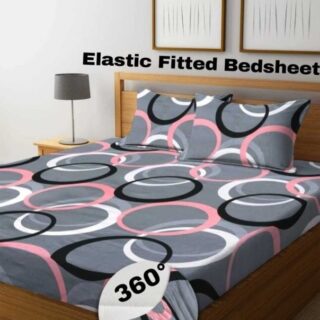 Home Garage 210 TC Cotton King Floral Fitted (Elastic) Bedsheet(Pack of 1, Grey)
Original price was: ₹999.00.₹299.00Current price is: ₹299.00.
Home Garage 210 TC Cotton King Floral Fitted (Elastic) Bedsheet(Pack of 1, Grey)
Original price was: ₹999.00.₹299.00Current price is: ₹299.00.
-
 Goodrik 140 TC Cotton Double 3D Printed Flat Bedsheet(Pack of 1, Brown)
Original price was: ₹499.00.₹229.00Current price is: ₹229.00.
Goodrik 140 TC Cotton Double 3D Printed Flat Bedsheet(Pack of 1, Brown)
Original price was: ₹499.00.₹229.00Current price is: ₹229.00.
-
 GLOBALSHOP 350 TC Microfiber Double Floral Flat Bedsheet(Pack of 1, Multicolor)
Original price was: ₹1,250.00.₹263.00Current price is: ₹263.00.
GLOBALSHOP 350 TC Microfiber Double Floral Flat Bedsheet(Pack of 1, Multicolor)
Original price was: ₹1,250.00.₹263.00Current price is: ₹263.00.
-
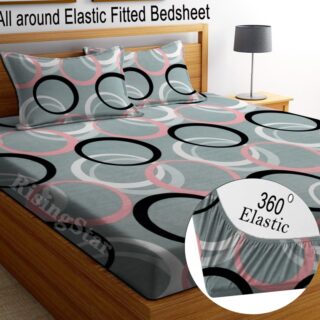 RisingStar 250 TC Microfiber King Printed Fitted (Elastic) Bedsheet(Pack of 1, FITTED-ROUND-CIRCLES-PREMIUM)
Original price was: ₹2,299.00.₹299.00Current price is: ₹299.00.
RisingStar 250 TC Microfiber King Printed Fitted (Elastic) Bedsheet(Pack of 1, FITTED-ROUND-CIRCLES-PREMIUM)
Original price was: ₹2,299.00.₹299.00Current price is: ₹299.00.
-
 Home Garage 210 TC Cotton King Floral Fitted (Elastic) Bedsheet(Pack of 1, Fitted Black Green)
Original price was: ₹1,299.00.₹299.00Current price is: ₹299.00.
Home Garage 210 TC Cotton King Floral Fitted (Elastic) Bedsheet(Pack of 1, Fitted Black Green)
Original price was: ₹1,299.00.₹299.00Current price is: ₹299.00.
-
 Home Garage 180 TC Cotton King 3D Printed Flat Bedsheet(Pack of 1, White)
Original price was: ₹999.00.₹229.00Current price is: ₹229.00.
Home Garage 180 TC Cotton King 3D Printed Flat Bedsheet(Pack of 1, White)
Original price was: ₹999.00.₹229.00Current price is: ₹229.00.
-
 Home Sizzler 153 cm (5 ft) Polyester Room Darkening Window Curtain (Pack Of 2)(Floral, Maroon)
Original price was: ₹799.00.₹299.00Current price is: ₹299.00.
Home Sizzler 153 cm (5 ft) Polyester Room Darkening Window Curtain (Pack Of 2)(Floral, Maroon)
Original price was: ₹799.00.₹299.00Current price is: ₹299.00.
-
 Panipat Textile Hub 152.4 cm (5 ft) Polyester Window Curtain (Pack Of 2)(Solid, Aqua)
Original price was: ₹1,899.00.₹299.00Current price is: ₹299.00.
Panipat Textile Hub 152.4 cm (5 ft) Polyester Window Curtain (Pack Of 2)(Solid, Aqua)
Original price was: ₹1,899.00.₹299.00Current price is: ₹299.00.
-
 Home Sizzler 214 cm (7 ft) Polyester Semi Transparent Door Curtain (Pack Of 2)(Floral, Maroon)
Original price was: ₹1,199.00.₹399.00Current price is: ₹399.00.
Home Sizzler 214 cm (7 ft) Polyester Semi Transparent Door Curtain (Pack Of 2)(Floral, Maroon)
Original price was: ₹1,199.00.₹399.00Current price is: ₹399.00.
-
 Home Sizzler 153 cm (5 ft) Polyester Room Darkening Window Curtain (Pack Of 2)(Floral, Brown)
Original price was: ₹799.00.₹299.00Current price is: ₹299.00.
Home Sizzler 153 cm (5 ft) Polyester Room Darkening Window Curtain (Pack Of 2)(Floral, Brown)
Original price was: ₹799.00.₹299.00Current price is: ₹299.00.
-
 Stella Creations 214 cm (7 ft) Polyester Room Darkening Door Curtain (Pack Of 2)(Abstract, Brown)
Original price was: ₹1,299.00.₹449.00Current price is: ₹449.00.
Stella Creations 214 cm (7 ft) Polyester Room Darkening Door Curtain (Pack Of 2)(Abstract, Brown)
Original price was: ₹1,299.00.₹449.00Current price is: ₹449.00.
-
 Homefab India 152.5 cm (5 ft) Polyester Room Darkening Window Curtain (Pack Of 2)(Floral, Light Blue)
Original price was: ₹1,199.00.₹319.00Current price is: ₹319.00.
Homefab India 152.5 cm (5 ft) Polyester Room Darkening Window Curtain (Pack Of 2)(Floral, Light Blue)
Original price was: ₹1,199.00.₹319.00Current price is: ₹319.00.
-
 Urban Home 214 cm (7 ft) PVC Transparent Door Curtain Single Curtain(Solid, Off White)
Original price was: ₹699.00.₹203.00Current price is: ₹203.00.
Urban Home 214 cm (7 ft) PVC Transparent Door Curtain Single Curtain(Solid, Off White)
Original price was: ₹699.00.₹203.00Current price is: ₹203.00.
-
 Panipat Textile Hub 213 cm (7 ft) Polyester Door Curtain (Pack Of 2)(Solid, Brown)
Original price was: ₹1,199.00.₹349.00Current price is: ₹349.00.
Panipat Textile Hub 213 cm (7 ft) Polyester Door Curtain (Pack Of 2)(Solid, Brown)
Original price was: ₹1,199.00.₹349.00Current price is: ₹349.00.

Hey, it’s Jessica. If your Windows 11 PC keeps throwing low-storage warnings even though you swear you haven’t downloaded anything massive lately, you’re definitely not imagining things. I’ve been there—opening File Explorer, scanning folders, uninstalling a couple of apps, and still wondering where all the space went. What makes Windows 11 tricky is that storage doesn’t just fill up from obvious things like videos or games. A huge chunk of space quietly disappears into system files, temporary data, cached updates, and leftovers from apps you don’t even use anymore. The frustrating part is that Windows doesn’t always make this visible in a way that feels intuitive. But the good news is that you can free up a surprising amount of space without deleting personal files, photos, or documents—and without installing any third-party cleanup tools.
The first mindset shift that helped me was realizing that “storage full” doesn’t mean “your files are the problem.” Most of the time, the issue is clutter created by Windows itself. Temporary files, update caches, system logs, and error reports accumulate in the background as part of normal operation. Windows 11 is designed to prioritize performance and recovery, so it keeps copies of updates, rollback files, and diagnostic data just in case something goes wrong. Over time, this safety net turns into storage bloat. Once I understood that my personal data wasn’t the main culprit, I stopped feeling anxious about cleaning up and started focusing on smarter system-level optimizations.
One of the biggest hidden space hogs in Windows 11 is temporary data. This includes cached app data, leftover installation files, thumbnails, and even old delivery optimization files from Windows updates. These files are created automatically and rarely cleaned up aggressively unless you tell Windows to do so. What surprised me was how much of this data had no ongoing purpose—it was just sitting there because no one had asked Windows to remove it. The system assumes storage isn’t an issue unless you say otherwise. Once I explored built-in storage tools, I realized Windows already knows which files are safe to delete—it just waits for permission.
Another major contributor to storage issues is app residue. Uninstalling an app doesn’t always remove everything associated with it. Settings files, cached downloads, temporary logs, and update data can remain scattered across the system. Over time, these leftovers quietly pile up, especially if you’ve tried many apps and tools over the years. I noticed this most after uninstalling creative software and development tools—programs that are large, complex, and constantly updating. Even though the apps were gone, their footprints weren’t. Understanding that uninstalling isn’t the same as cleaning helped me reclaim space without touching files I actually cared about.
System restore points and update backups are another area most people never think about. Windows 11 automatically creates restore points so you can roll back changes if something breaks. While this is genuinely useful, it can consume a lot of disk space, especially on smaller SSDs. I realized that my system had multiple restore snapshots from updates I didn’t need anymore because everything was working fine. The key here isn’t disabling protection entirely, but managing it responsibly. You want safety without excess, and Windows doesn’t always strike that balance by default.
Downloads and synced folders can also give a false sense of storage usage. Files stored locally from cloud services often appear harmless because they feel “temporary” or replaceable. But if your sync settings are set to keep everything available offline, those files take up real disk space. I found this especially true with old project files and shared folders I hadn’t opened in months. The files weren’t important enough to delete permanently, but they didn’t need to live on my internal drive either. Learning how to let Windows manage cloud-based storage more intelligently made a noticeable difference without any sense of loss.
Another subtle factor is how Windows handles installed features and optional components. Many systems come with features enabled that you may never use—language packs, handwriting recognition, speech components, and legacy tools. Individually, they don’t look large, but together they can take up hundreds of megabytes or more. Windows 11 is designed to be flexible across different users and regions, which means it installs broadly by default. Trimming this down to what you actually use doesn’t affect performance or stability, but it does clean up unnecessary weight.
What I appreciated most during this process was realizing I didn’t need to rush or be aggressive. Freeing up storage on Windows 11 isn’t about deleting memories or essential work files. It’s about understanding how the operating system manages space and gently guiding it to be more efficient. Once I approached it that way, storage management stopped feeling risky and started feeling empowering. Instead of reacting to low-space warnings, I felt in control—knowing exactly where my storage was going and how to reclaim it safely whenever needed.
Once I stopped worrying about accidentally deleting something important, actually freeing up storage on Windows 11 became much more straightforward. The most effective place to start is the built-in Storage settings, because Windows already categorizes what’s safe to remove. When you open Storage, you’ll notice clear breakdowns like temporary files, installed apps, system files, and other data. What matters here isn’t just looking at the numbers but understanding what they represent. Temporary files, for example, include items Windows expects to clean up eventually—cached updates, system error memory dumps, thumbnails, and leftover setup files. These are designed to be disposable. Allowing Windows to remove them doesn’t affect your documents, photos, or work files at all.
One of the smartest features I enabled was Storage Sense. This is Windows quietly doing the cleanup work in the background instead of waiting until your drive is nearly full. Storage Sense automatically deletes temporary files, clears recycle bin items after a set number of days, and removes unused files from synced cloud folders when storage runs low. The key here is customization. I adjusted it so nothing important vanished unexpectedly. Instead of deleting files aggressively, it simply removed clutter that had no long-term value. Once configured properly, Storage Sense felt like a maintenance routine rather than a risky cleanup tool.
The Recycle Bin itself is another deceptively large storage consumer. Most people think of it as a temporary holding area for small mistakes, but over time it becomes a graveyard of forgotten files. Large folders, video files, ISO images, and old installers often sit there indefinitely. Emptying it manually once isn’t enough if your workflow constantly generates large files. I set a time limit so items automatically clear after a certain number of days. That way, I still had a safety window, but nothing stayed there forever.
Installed applications are an obvious storage category, but what surprised me was how much space came from apps I technically “used” but didn’t actually need installed locally. Some programs only existed for occasional tasks—file converters, device utilities, or one-time setup tools. Removing these freed up space instantly without changing how I work day to day. For apps I wanted to keep, I checked whether they stored offline data, cached downloads, or saved logs locally. Many apps allow you to clear internal caches directly from their settings, which reclaims space without uninstalling anything.
System files deserve special attention because this is where people get nervous—and rightly so. Windows keeps update backups, rollback data, and previous system versions to protect you if something breaks. But once your system is stable, those safety nets can often be reduced. Windows gives you the option to remove old update files safely through Disk Cleanup and Storage settings. I waited until I was confident my system was running smoothly, then cleared older update backups. The result was a noticeable chunk of free space with zero downside.
Another underrated fix was managing Downloads intentionally. This folder becomes a dumping ground for installers, PDFs, screenshots, and files you only needed for five minutes. Instead of deleting everything, I organized it. Anything important got moved to documents or cloud storage, and everything else went. What helped most was realizing that downloads are rarely permanent files—they’re temporary by nature, even if we forget that over time.
Cloud-synced folders can silently eat storage too. If you use cloud services that keep files available offline by default, you may be storing gigabytes you don’t need locally. I changed settings so older or rarely accessed files stayed in the cloud while remaining visible on my PC. This freed space without deleting access. From a user perspective, nothing felt missing—but my storage told a very different story.
Optional Windows features are another quiet storage drain. Language packs, accessibility features you don’t use, handwriting recognition, and legacy components often sit unused. Removing what doesn’t apply to your workflow trims unnecessary system weight. This doesn’t affect performance negatively—in fact, it can slightly improve it by reducing background processes tied to those features.
Finally, I paid attention to where new content gets saved. Windows allows you to choose default save locations for apps, documents, media, and downloads. Redirecting some of this to secondary drives or cloud storage prevents your primary drive from filling up again. This wasn’t about cleaning once—it was about preventing the same problem from returning in a month.
By the time I finished, my system felt lighter, faster, and easier to manage. More importantly, I understood why my storage filled up in the first place. That knowledge made all the difference.
Conclusion
Freeing up storage on Windows 11 doesn’t require extreme measures or risky cleanup tools. Most of the space loss comes from accumulated system clutter, forgotten downloads, leftover app data, and background features doing exactly what they were designed to do. Once you understand how Windows manages storage, the process becomes calm and controlled rather than stressful. You’re not deleting important files—you’re reclaiming space that was never meant to be permanent. With smart settings, light maintenance, and a bit of awareness, storage stops being a recurring problem and becomes something you manage effortlessly.
Disclaimer
This article is intended for informational purposes only. Storage usage, file locations, and system behavior may vary based on hardware, Windows version, and individual usage patterns. Always review files carefully before deletion and follow official Windows recommendations when managing system settings.

- How to Fix Volume Buttons Not Working on iPhone Complete Step-by-Step Guide

- Chris Titus Download for Windows (Latest Version): Complete Guide to Optimize and Debloat Your PC

- Google Chrome Not Saving Password 8 Proven Ways to Fix It Quickly

- WiFi Settings Turning Off on iPhone? Try These 6 Fixes That Actually Work

- How to Check Motherboard Model in Windows (Easy Methods Without Opening Your PC)

Products
-
![Apple Watch Ultra 3 [GPS + Cellular 49mm] Running & Multisport Smartwatch w/Rugged Titanium Case w/Black Titanium Milanese Loop - M. Satellite Communications, Advanced Health & Fitness Tracking](https://bazaronweb.com/retailstores/wp-content/uploads/2025/09/apple-watch-320x320.jpg) Apple Watch Ultra 3 [GPS + Cellular 49mm] Running & Multisport Smartwatch w/Rugged Titanium Case w/Black Titanium Milanese Loop - M. Satellite Communications, Advanced Health & Fitness Tracking
Apple Watch Ultra 3 [GPS + Cellular 49mm] Running & Multisport Smartwatch w/Rugged Titanium Case w/Black Titanium Milanese Loop - M. Satellite Communications, Advanced Health & Fitness Tracking
-
 Apple iPad mini (A17 Pro): Apple Intelligence, 8.3-inch Liquid Retina Display, 256GB, Wi-Fi 6E, 12MP Front/12MP Back Camera, Touch ID, All-Day Battery Life — Purple
-
 Apple AirPods Max Wireless Over-Ear Headphones, Active Noise Cancelling, Transparency Mode, Personalized Spatial Audio, Dolby Atmos, Bluetooth Headphones for iPhone – Space Gray
-
 Apple AirPods Pro 2 Wireless Earbuds, Active Noise Cancellation, Hearing Aid Feature, Bluetooth Headphones, Transparency, Personalized Spatial Audio, High-Fidelity Sound, H2 Chip, USB-C Charging
-
Leo Creation 144 TC Cotton Double Jaipuri Prints Flat Bedsheet(Pack of 1, Blue, Gree, Red, Grey, Light Grey)
Original price was: ₹2,999.00.₹329.00Current price is: ₹329.00.
Leave a Reply