Discounted Products
-
 Leo Creation 144 TC Cotton Double Jaipuri Prints Flat Bedsheet(Pack of 1, Blue, Gree, Red, Grey, Light Grey)
Original price was: ₹2,999.00.₹329.00Current price is: ₹329.00.
Leo Creation 144 TC Cotton Double Jaipuri Prints Flat Bedsheet(Pack of 1, Blue, Gree, Red, Grey, Light Grey)
Original price was: ₹2,999.00.₹329.00Current price is: ₹329.00.
-
 Home Garage 210 TC Cotton King Floral Fitted (Elastic) Bedsheet(Pack of 1, Grey)
Original price was: ₹999.00.₹299.00Current price is: ₹299.00.
Home Garage 210 TC Cotton King Floral Fitted (Elastic) Bedsheet(Pack of 1, Grey)
Original price was: ₹999.00.₹299.00Current price is: ₹299.00.
-
 Goodrik 140 TC Cotton Double 3D Printed Flat Bedsheet(Pack of 1, Brown)
Original price was: ₹499.00.₹229.00Current price is: ₹229.00.
Goodrik 140 TC Cotton Double 3D Printed Flat Bedsheet(Pack of 1, Brown)
Original price was: ₹499.00.₹229.00Current price is: ₹229.00.
-
 GLOBALSHOP 350 TC Microfiber Double Floral Flat Bedsheet(Pack of 1, Multicolor)
Original price was: ₹1,250.00.₹263.00Current price is: ₹263.00.
GLOBALSHOP 350 TC Microfiber Double Floral Flat Bedsheet(Pack of 1, Multicolor)
Original price was: ₹1,250.00.₹263.00Current price is: ₹263.00.
-
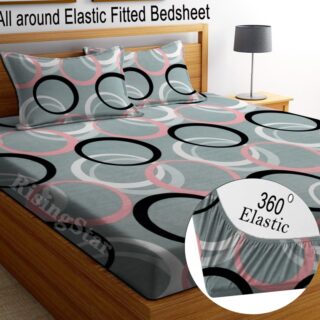 RisingStar 250 TC Microfiber King Printed Fitted (Elastic) Bedsheet(Pack of 1, FITTED-ROUND-CIRCLES-PREMIUM)
Original price was: ₹2,299.00.₹299.00Current price is: ₹299.00.
RisingStar 250 TC Microfiber King Printed Fitted (Elastic) Bedsheet(Pack of 1, FITTED-ROUND-CIRCLES-PREMIUM)
Original price was: ₹2,299.00.₹299.00Current price is: ₹299.00.
-
 Home Garage 210 TC Cotton King Floral Fitted (Elastic) Bedsheet(Pack of 1, Fitted Black Green)
Original price was: ₹1,299.00.₹299.00Current price is: ₹299.00.
Home Garage 210 TC Cotton King Floral Fitted (Elastic) Bedsheet(Pack of 1, Fitted Black Green)
Original price was: ₹1,299.00.₹299.00Current price is: ₹299.00.
-
 Home Garage 180 TC Cotton King 3D Printed Flat Bedsheet(Pack of 1, White)
Original price was: ₹999.00.₹229.00Current price is: ₹229.00.
Home Garage 180 TC Cotton King 3D Printed Flat Bedsheet(Pack of 1, White)
Original price was: ₹999.00.₹229.00Current price is: ₹229.00.
-
 Home Sizzler 153 cm (5 ft) Polyester Room Darkening Window Curtain (Pack Of 2)(Floral, Maroon)
Original price was: ₹799.00.₹299.00Current price is: ₹299.00.
Home Sizzler 153 cm (5 ft) Polyester Room Darkening Window Curtain (Pack Of 2)(Floral, Maroon)
Original price was: ₹799.00.₹299.00Current price is: ₹299.00.
-
 Panipat Textile Hub 152.4 cm (5 ft) Polyester Window Curtain (Pack Of 2)(Solid, Aqua)
Original price was: ₹1,899.00.₹299.00Current price is: ₹299.00.
Panipat Textile Hub 152.4 cm (5 ft) Polyester Window Curtain (Pack Of 2)(Solid, Aqua)
Original price was: ₹1,899.00.₹299.00Current price is: ₹299.00.
-
 Home Sizzler 214 cm (7 ft) Polyester Semi Transparent Door Curtain (Pack Of 2)(Floral, Maroon)
Original price was: ₹1,199.00.₹399.00Current price is: ₹399.00.
Home Sizzler 214 cm (7 ft) Polyester Semi Transparent Door Curtain (Pack Of 2)(Floral, Maroon)
Original price was: ₹1,199.00.₹399.00Current price is: ₹399.00.
-
 Home Sizzler 153 cm (5 ft) Polyester Room Darkening Window Curtain (Pack Of 2)(Floral, Brown)
Original price was: ₹799.00.₹299.00Current price is: ₹299.00.
Home Sizzler 153 cm (5 ft) Polyester Room Darkening Window Curtain (Pack Of 2)(Floral, Brown)
Original price was: ₹799.00.₹299.00Current price is: ₹299.00.
-
 Stella Creations 214 cm (7 ft) Polyester Room Darkening Door Curtain (Pack Of 2)(Abstract, Brown)
Original price was: ₹1,299.00.₹449.00Current price is: ₹449.00.
Stella Creations 214 cm (7 ft) Polyester Room Darkening Door Curtain (Pack Of 2)(Abstract, Brown)
Original price was: ₹1,299.00.₹449.00Current price is: ₹449.00.
-
 Homefab India 152.5 cm (5 ft) Polyester Room Darkening Window Curtain (Pack Of 2)(Floral, Light Blue)
Original price was: ₹1,199.00.₹319.00Current price is: ₹319.00.
Homefab India 152.5 cm (5 ft) Polyester Room Darkening Window Curtain (Pack Of 2)(Floral, Light Blue)
Original price was: ₹1,199.00.₹319.00Current price is: ₹319.00.
-
 Urban Home 214 cm (7 ft) PVC Transparent Door Curtain Single Curtain(Solid, Off White)
Original price was: ₹699.00.₹203.00Current price is: ₹203.00.
Urban Home 214 cm (7 ft) PVC Transparent Door Curtain Single Curtain(Solid, Off White)
Original price was: ₹699.00.₹203.00Current price is: ₹203.00.
-
 Panipat Textile Hub 213 cm (7 ft) Polyester Door Curtain (Pack Of 2)(Solid, Brown)
Original price was: ₹1,199.00.₹349.00Current price is: ₹349.00.
Panipat Textile Hub 213 cm (7 ft) Polyester Door Curtain (Pack Of 2)(Solid, Brown)
Original price was: ₹1,199.00.₹349.00Current price is: ₹349.00.

Tame the Chaos: How to Free Up Space on Your Android Without Losing What Matters
That dreaded notification: “Storage space running out.” It’s a modern-day panic button that can bring your phone—and your productivity—to a screeching halt. As someone who uses their phone for everything from work documents to thousands of family photos, I’ve felt that sinking feeling. Your immediate thought might be, “But I can’t delete anything! It’s all important!”
I’m here to tell you that you’re probably right. You shouldn’t have to delete your precious memories or important files. The good news is, you often don’t need to. Freeing up significant space on your Android is less about mass deletion and more about being a smart digital custodian. It’s about finding the hidden clutter and optimizing what you have.
Let’s walk through the steps I use to give my phone a digital spring cleaning, without tossing out a single photo I want to keep.
First, Play Detective: See What’s Using Your Space
You can’t fix what you don’t understand. Android has a fantastic built-in tool that gives you a crystal-clear breakdown of your storage. Here’s how to find it:
-
Go to Settings.
-
Tap on Storage (on some phones, it might be under “Device Care” or “Battery and Device Care” first).
You’ll see a colorful bar chart showing how your space is allocated—Apps, Photos and videos, Audio, and so on. This is your mission control. Tap on each category to see the biggest offenders. Now, let’s tackle them strategically.
The Space-Saving Strategies That Actually Work
1. The App Cleanse: Taming the Digital Giants
When you look at your storage breakdown, “Apps” is almost always the biggest culprit. It’s not just the app itself, but all the data it accumulates over time.
-
Offload Large, Seldom-Used Apps: Do you have a hiking app you only use on vacation? A huge game your kids have outgrown? It’s okay to delete them. The beauty of modern Android is that your progress and data are often saved in the cloud or to your account. You can always re-download them when you need them, and it’s like you never left. Be ruthless with apps you haven’t opened in a month.
-
Clear App Cache (Your Best Friend): This is the single most effective way to free up space without losing anything important. The cache is temporary data stored by apps to help them load faster. For example, Spotify might cache your favorite playlists, or Chrome might cache images from websites you frequent. Over time, this cache can grow to several gigabytes per app!
-
How to do it: In your Storage settings, tap on Apps. Go through the list, starting with the largest ones. Tap on an app (like Facebook, Instagram, or Spotify) and you’ll see two buttons: Clear Storage and Clear Cache.
-
⚠️ Important: Tap Clear Cache. This deletes the temporary files and is completely safe. Do not tap “Clear Storage” or “Clear Data,” as that will log you out and reset the app to its original state, deleting your personal settings.
-
2. Conquer the Photo and Video Archive
Your memories are non-negotiable. Instead of deleting them, let’s make them smarter.
-
Embrace the Cloud, Guilt-Free: The number one solution for most people is Google Photos. It’s seamlessly built into most Android phones. You can set it to automatically back up all your photos and videos to your Google account. Once they’re safely backed up, you can use its powerful built-in tool to free up space.
-
The Magic Button: Open Google Photos > Tap your profile picture > Photos settings > Back up & sync (ensure it’s on). Then, go back and find the option called “Free up space.” Google Photos will scan your device and safely remove any photo or video that has already been backed up, leaving you with thumbnails that you can view and download at any time. This can easily free up 10, 20, or even 50+ GB instantly.
-
-
Delete the “Oops” Shots: Be honest—how many blurry photos, accidental screenshots, and duplicate shots do you have? Set aside 10 minutes to scroll through your camera roll and delete the flotsam and jetsam. It’s a small effort that can yield a surprising amount of space.
-
Manage Your Downloads Folder: This is a black hole for clutter. Open your Files by Google app (or your phone’s equivalent “My Files” app) and tap on Downloads. You’ll likely find old PDFs, memes, installation files, and documents you no longer need. Clearing this out is like cleaning out your junk drawer.
3. Silence the Digital Packrat: Tackling Files and Downloads
We’ve all downloaded a PDF for a one-time use and then forgotten about it. Your phone is filled with these digital ghosts.
-
Use “Files by Google”: This is arguably the best tool for the job. If you don’t have it, download it from the Play Store—it’s free and made by Google specifically for this purpose. It has a “Clean” tab that automatically suggests:
-
Junk Files: Temporary files that are safe to delete.
-
Duplicate Files: Finds photos and files you’ve saved more than once.
-
Old Screenshots & Memes: Groups these together for easy bulk deletion.
-
Large Files: Shows you the biggest files on your phone so you can decide what to do with them.
-
-
Sort by Size: Within your file manager, you can usually sort files by size. This helps you hunt down space-hogging videos or large documents that you may have forgotten about.
4. Think Smarter, Not Harder: Proactive Habits
A little prevention goes a long way in avoiding storage panic in the future.
-
Stream, Don’t Store (As Much): While it’s great to have music and podcasts for offline listening (on a flight, for example), be mindful of how many gigantic playlists and podcast episodes you’re downloading. In apps like Spotify and YouTube Music, you can set a limit on how much storage the cache can use, or regularly clear your downloaded content after a trip.
-
Go Lite (When Possible): For some popular social media and messaging apps, like Facebook and Messenger, there are official “Lite” versions. These apps are designed to use less storage, less data, and run better on older or storage-constrained phones.
-
The Nuclear Option (That’s Not So Nuclear): If you’ve tried everything and are still stuck, consider investing in a microSD card. While many modern phones are sadly ditching this feature, if yours has it, it’s a fantastic and cheap way to expand your storage for photos, videos, and music. Alternatively, a small monthly subscription for more Google One cloud storage (which gives you more Google Photos and Gmail space) is a worthy investment for total peace of mind.
Freeing up space on your Android isn’t about loss; it’s about optimization. It’s about clearing out the digital dust bunnies so you have more room for what truly matters. By taking control of your app cache, leveraging the cloud for your photos, and regularly cleaning out your downloads, you can banish that storage warning for good and keep your digital life running smoothly.
Now, go give your phone a little breathing room! You’ve got this.

- Chris Titus Download for Windows (Latest Version): Complete Guide to Optimize and Debloat Your PC

- Google Chrome Not Saving Password 8 Proven Ways to Fix It Quickly

- WiFi Settings Turning Off on iPhone? Try These 6 Fixes That Actually Work

- How to Check Motherboard Model in Windows (Easy Methods Without Opening Your PC)

- 7 Best Methods to Fix “Undoing Changes Made to Your PC” Error (Complete Guide)

Products
-
![Apple Watch Ultra 3 [GPS + Cellular 49mm] Running & Multisport Smartwatch w/Rugged Titanium Case w/Black Titanium Milanese Loop - M. Satellite Communications, Advanced Health & Fitness Tracking](https://bazaronweb.com/retailstores/wp-content/uploads/2025/09/apple-watch-320x320.jpg) Apple Watch Ultra 3 [GPS + Cellular 49mm] Running & Multisport Smartwatch w/Rugged Titanium Case w/Black Titanium Milanese Loop - M. Satellite Communications, Advanced Health & Fitness Tracking
Apple Watch Ultra 3 [GPS + Cellular 49mm] Running & Multisport Smartwatch w/Rugged Titanium Case w/Black Titanium Milanese Loop - M. Satellite Communications, Advanced Health & Fitness Tracking
-
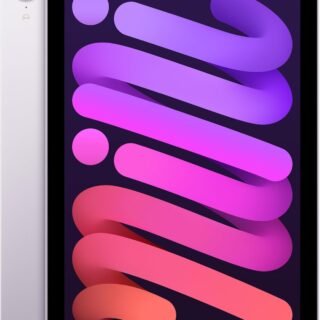 Apple iPad mini (A17 Pro): Apple Intelligence, 8.3-inch Liquid Retina Display, 256GB, Wi-Fi 6E, 12MP Front/12MP Back Camera, Touch ID, All-Day Battery Life — Purple
-
 Apple AirPods Max Wireless Over-Ear Headphones, Active Noise Cancelling, Transparency Mode, Personalized Spatial Audio, Dolby Atmos, Bluetooth Headphones for iPhone – Space Gray
-
 Apple AirPods Pro 2 Wireless Earbuds, Active Noise Cancellation, Hearing Aid Feature, Bluetooth Headphones, Transparency, Personalized Spatial Audio, High-Fidelity Sound, H2 Chip, USB-C Charging
-
Leo Creation 144 TC Cotton Double Jaipuri Prints Flat Bedsheet(Pack of 1, Blue, Gree, Red, Grey, Light Grey)
Original price was: ₹2,999.00.₹329.00Current price is: ₹329.00.
Leave a Reply