Category
Popular Articles
- AI (17)
- Android (48)
- App Suggest (13)
- Apple (42)
- Apple TV (4)
- Bluetooth (3)
- Cars (2)
- ChatGpt (1)
- Chrome (2)
- Did you know? (1)
- E-Commerce News (1)
- Ecommerce Websites business (7)
- Electronics Shopping (5)
- Fashion Tips (3)
- Gaming (5)
- Google Gemini (3)
- Hair Care Tips (2)
- How to (13)
- iCloud (1)
- Infotainment System (1)
- Iphone (146)
- Job Posting (1)
- Lifestyle (3)
- Mac (25)
- Mobile Games (1)
- Netflix (1)
- Online Shopping Websites (2)
- Personal Finance Management (3)
- Product Reviews (3)
- Roku TV (4)
- Samsung (10)
- Shopping Tips (13)
- Spotify (1)
- Tech (153)
- VPN (2)
- Windows 11 (40)
- Zero Waste (3)
Discounted Products
-

Leo Creation 144 TC Cotton Double Jaipuri Prints Flat Bedsheet(Pack of 1, Blue, Gree, Red, Grey, Light Grey)
₹2,999.00Original price was: ₹2,999.00.₹329.00Current price is: ₹329.00. -
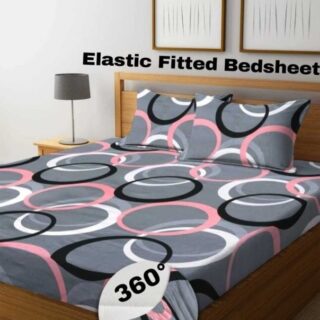
Home Garage 210 TC Cotton King Floral Fitted (Elastic) Bedsheet(Pack of 1, Grey)
₹999.00Original price was: ₹999.00.₹299.00Current price is: ₹299.00. -

Goodrik 140 TC Cotton Double 3D Printed Flat Bedsheet(Pack of 1, Brown)
₹499.00Original price was: ₹499.00.₹229.00Current price is: ₹229.00. -

GLOBALSHOP 350 TC Microfiber Double Floral Flat Bedsheet(Pack of 1, Multicolor)
₹1,250.00Original price was: ₹1,250.00.₹263.00Current price is: ₹263.00. -
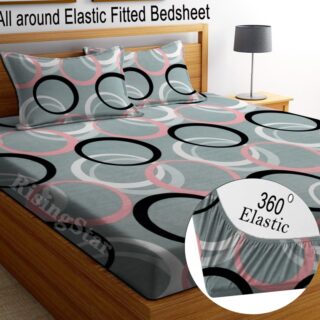
RisingStar 250 TC Microfiber King Printed Fitted (Elastic) Bedsheet(Pack of 1, FITTED-ROUND-CIRCLES-PREMIUM)
₹2,299.00Original price was: ₹2,299.00.₹299.00Current price is: ₹299.00. -

Home Garage 210 TC Cotton King Floral Fitted (Elastic) Bedsheet(Pack of 1, Fitted Black Green)
₹1,299.00Original price was: ₹1,299.00.₹299.00Current price is: ₹299.00. -

Home Garage 180 TC Cotton King 3D Printed Flat Bedsheet(Pack of 1, White)
₹999.00Original price was: ₹999.00.₹229.00Current price is: ₹229.00. -

Home Sizzler 153 cm (5 ft) Polyester Room Darkening Window Curtain (Pack Of 2)(Floral, Maroon)
₹799.00Original price was: ₹799.00.₹299.00Current price is: ₹299.00. -

Panipat Textile Hub 152.4 cm (5 ft) Polyester Window Curtain (Pack Of 2)(Solid, Aqua)
₹1,899.00Original price was: ₹1,899.00.₹299.00Current price is: ₹299.00. -

Home Sizzler 214 cm (7 ft) Polyester Semi Transparent Door Curtain (Pack Of 2)(Floral, Maroon)
₹1,199.00Original price was: ₹1,199.00.₹399.00Current price is: ₹399.00. -

Home Sizzler 153 cm (5 ft) Polyester Room Darkening Window Curtain (Pack Of 2)(Floral, Brown)
₹799.00Original price was: ₹799.00.₹299.00Current price is: ₹299.00. -

Stella Creations 214 cm (7 ft) Polyester Room Darkening Door Curtain (Pack Of 2)(Abstract, Brown)
₹1,299.00Original price was: ₹1,299.00.₹449.00Current price is: ₹449.00. -

Homefab India 152.5 cm (5 ft) Polyester Room Darkening Window Curtain (Pack Of 2)(Floral, Light Blue)
₹1,199.00Original price was: ₹1,199.00.₹319.00Current price is: ₹319.00. -

Urban Home 214 cm (7 ft) PVC Transparent Door Curtain Single Curtain(Solid, Off White)
₹699.00Original price was: ₹699.00.₹203.00Current price is: ₹203.00. -

Panipat Textile Hub 213 cm (7 ft) Polyester Door Curtain (Pack Of 2)(Solid, Brown)
₹1,199.00Original price was: ₹1,199.00.₹349.00Current price is: ₹349.00.
Affiliate Links
Promotion
Hi, I’m Jessica. Like many people working remotely and managing a busy household, my Windows laptop is where almost everything happens — work files, school documents for my kids, photos, financial spreadsheets, and countless downloads. Over time, I realized that keeping certain files organized isn’t always enough. Sometimes, you simply want to hide specific drives or folders from view so that they’re not easily accessible to others who might use your computer.
For example, if you share your computer with family members, colleagues, or friends, you may not want everyone browsing through your work drive, backup partitions, or sensitive documents. Windows 11 provides several ways to manage drive visibility, and one of the most reliable methods is using the Local Group Policy Editor.
Hiding a drive in Windows 11 doesn’t delete the drive or its data. Instead, it removes the drive from File Explorer and standard browsing locations, preventing casual users from accessing it easily. The drive still exists in the system, and administrators can access it when needed.
In this guide, I’ll walk you through everything you need to know about hiding a specific drive in Windows 11 using the Local Group Policy Editor, why you might want to hide a drive, and how to do it safely without risking your data.
Why Someone Might Want to Hide a Drive in Windows 11
There are several practical reasons people choose to hide drives in Windows.
One common reason is privacy. If you share your computer with others, hiding a drive containing personal or work-related files prevents accidental browsing.
Another reason is system protection. Many computers contain system partitions or recovery drives that regular users should not access. Hiding these drives helps avoid accidental deletion or modification of important files.
Hiding drives can also help maintain organization. If your system contains multiple partitions for backups, software installations, or archives, hiding rarely used drives keeps File Explorer cleaner and easier to navigate.
For example, many people create separate partitions for:
-
Backup storage
-
Operating system files
-
Work documents
-
Media libraries
-
Software installations
Hiding drives that aren’t needed daily simplifies the user experience and reduces clutter.
What Happens When You Hide a Drive
Before hiding a drive, it’s important to understand exactly what Windows does when you apply this setting.
When a drive is hidden using Group Policy:
-
The drive disappears from File Explorer
-
The drive letter is no longer visible in This PC
-
Normal users cannot easily browse the drive
However, the drive is not deleted.
Advanced users can still access the drive by typing the drive letter directly in the address bar or using command-line tools.
Because of this, hiding a drive should be considered a convenience or privacy measure, not a full security feature.
If you need strong protection, encryption tools such as BitLocker should also be used.
What Is the Local Group Policy Editor?
The Local Group Policy Editor is a powerful Windows tool used to configure advanced system settings.
It allows administrators to control how the operating system behaves, including:
-
User access permissions
-
System security policies
-
Software restrictions
-
Windows update behavior
-
Interface customization
By modifying specific policies, you can control which drives appear in File Explorer.
However, it’s important to note that Local Group Policy Editor is available only in Windows 11 Pro, Enterprise, and Education editions. It is not included in the standard Windows 11 Home version.
If you’re using Windows 11 Home, other methods such as the Registry Editor or Disk Management may be required.
Preparing Before Hiding a Drive
Before making changes in the Group Policy Editor, it’s a good idea to take a few precautions.
First, confirm the drive letter of the drive you want to hide.
Open File Explorer and select This PC. Identify the drive letter (for example, D:, E:, or F:) that you want to hide.
Next, make sure the drive does not contain files that are actively used by applications or programs. Hiding a drive used by software installations may cause programs to malfunction.
If the drive contains important data, consider creating a backup before modifying system policies.
Although hiding a drive does not delete files, having a backup ensures that your data remains safe in case of unexpected issues.
Step-by-Step: How to Hide a Drive Using Local Group Policy Editor
Now let’s go through the actual process.
First, press Windows + R on your keyboard to open the Run dialog box.
In the Run box, type:
Press Enter.
This command opens the Local Group Policy Editor.
Inside the editor, navigate through the following path:
User Configuration → Administrative Templates → Windows Components → File Explorer
Once you open the File Explorer folder, you will see several policy settings related to how drives and files appear in Windows.
Look for the setting called:
Hide these specified drives in My Computer
Double-click this option.
A new window will appear allowing you to configure the policy.
Select Enabled.
After enabling the policy, you will see a dropdown menu labeled Pick one of the following combinations.
From this dropdown list, choose the drive letter you want to hide.
For example:
-
Restrict C drive only
-
Restrict D drive only
-
Restrict C and D drives
-
Restrict all drives
Choose the option that matches the drive you want to hide.
Click Apply, then click OK.
Close the Group Policy Editor.
To apply the changes immediately, restart your computer or restart File Explorer.
Once the system refreshes, the selected drive will disappear from File Explorer.
Checking Whether the Drive Is Hidden
After applying the policy, open File Explorer and select This PC.
If the configuration was successful, the drive you selected should no longer appear in the list of drives.
The remaining drives will still be visible.
This confirms that the Group Policy setting has been applied correctly.
How to Access a Hidden Drive
Even though the drive is hidden from File Explorer, it can still be accessed manually.
If you know the drive letter, you can type it directly in the File Explorer address bar.
For example:
Press Enter.
The drive will open even though it is hidden from the main interface.
This is why hiding a drive should not be considered a full security solution.
Instead, it is mainly used to prevent casual browsing or accidental access.
How to Unhide the Drive Later
If you decide to make the drive visible again, the process is simple.
Open the Local Group Policy Editor again using the Run command:
Navigate back to:
User Configuration → Administrative Templates → Windows Components → File Explorer
Open the policy:
Hide these specified drives in My Computer
Change the setting from Enabled to Not Configured or Disabled.
Click Apply and OK.
Restart your computer or restart File Explorer.
The hidden drive will reappear in File Explorer.
Advantages of Hiding Drives in Windows 11
Hiding drives offers several practical benefits.
It helps reduce clutter in File Explorer when multiple partitions exist.
It prevents inexperienced users from accidentally modifying system files or deleting important data.
It also adds a layer of privacy for shared computers where multiple people access the same device.
For businesses and workplaces, hiding drives can help maintain better file organization and reduce unauthorized browsing of internal storage.
Limitations of Hiding Drives
While hiding drives is useful, it’s important to understand its limitations.
Anyone with technical knowledge can still access the drive using command-line tools or direct paths.
The policy also does not encrypt or password-protect the data stored on the drive.
For sensitive data, additional security measures should be considered.
Alternative Methods to Hide Drives
Although the Local Group Policy Editor method is straightforward, Windows also offers other ways to hide drives.
These include:
Using Disk Management to remove the drive letter.
Using Registry Editor to modify drive visibility policies.
Using third-party disk management software to control drive access.
Each method has its own advantages depending on your Windows edition and security needs.
By understanding how Windows handles drive visibility and learning how to configure policies correctly, you can easily control which drives appear in File Explorer and keep your system organized while protecting sensitive files.
Using Disk Management to Hide a Drive in Windows 11
If you don’t have access to the Local Group Policy Editor, another effective way to hide a drive in Windows 11 is by removing the drive letter through Disk Management. This method works in all versions of Windows, including Windows 11 Home, and it’s commonly used by IT professionals to control how drives appear in File Explorer.
When you remove the drive letter, Windows no longer assigns a path that File Explorer can recognize. As a result, the drive disappears from This PC, effectively hiding it from normal browsing.
To do this, right-click the Start button and select Disk Management.
Once Disk Management opens, you’ll see a list of all drives and partitions connected to your computer. Locate the drive you want to hide and right-click it.
Choose Change Drive Letter and Paths.
A small window will appear displaying the current drive letter assigned to that partition.
Click Remove, then confirm the action.
Once the drive letter is removed, the drive will disappear from File Explorer. The data stored on the drive will remain untouched, but Windows will no longer show the partition in the standard file browsing interface.
If you ever want to restore the drive’s visibility, simply return to Disk Management and assign a new drive letter to the partition.
Using Registry Editor to Hide Drives
Another advanced method to hide a drive in Windows 11 involves editing the Windows Registry. This approach works similarly to the Group Policy method because both ultimately modify system policies controlling drive visibility.
However, editing the registry requires caution because incorrect changes can affect system stability.
To begin, press Windows + R to open the Run dialog.
Type:
Press Enter to open the Registry Editor.
Navigate to the following location:
If the Explorer key does not exist, you can create it manually by right-clicking the Policies folder and selecting New → Key.
Inside the Explorer key, right-click in the right panel and select New → DWORD (32-bit) Value.
Name the value:
Double-click the value and enter a number corresponding to the drive you want to hide.
Each drive letter corresponds to a specific number. For example:
-
A = 1
-
B = 2
-
C = 4
-
D = 8
-
E = 16
For example, if you want to hide the D drive, enter 8 as the value.
After entering the value, close the Registry Editor and restart your computer.
Once Windows restarts, the selected drive will disappear from File Explorer.
If you want to reverse the change later, simply delete the NoDrives value or set its value to 0.
Hiding Drives Using Command Prompt
For users who prefer command-line tools, Windows also allows drive management through DiskPart, a powerful disk utility.
To start, open Command Prompt as Administrator.
Type the following command:
Press Enter.
Once DiskPart loads, type:
This command displays all drives connected to your system.
Identify the volume number of the drive you want to hide.
Then type:
Replace X with the volume number.
Next, remove the drive letter by typing:
Replace X with the drive letter.
After completing this step, the drive will no longer appear in File Explorer.
This method works similarly to Disk Management but provides more control through command-line operations.
When Hiding a Drive Is Useful
There are many real-world scenarios where hiding a drive can be helpful.
For example, businesses often hide backup partitions or system recovery drives to prevent employees from accidentally modifying them.
Home users may hide drives containing personal financial records, archived projects, or large backup collections.
Parents sometimes hide certain drives to prevent children from accessing sensitive files or important work documents.
Developers and IT professionals also hide drives that contain software environments, system images, or installation packages that don’t need to appear in everyday file browsing.
In each of these cases, hiding the drive helps maintain organization and prevents accidental changes.
Best Practices for Managing Hidden Drives
While hiding drives is helpful, it’s important to follow a few best practices to avoid confusion or system issues.
First, always keep track of which drives you hide and how they were hidden. Different methods require different steps to reverse the changes.
Second, avoid hiding drives that contain critical Windows system files. Doing so may interfere with applications or system operations.
Third, consider labeling your drives clearly before hiding them so that you can easily identify them later if you need to restore access.
Finally, remember that hiding drives is not a replacement for proper security. If your drive contains highly sensitive information, consider using BitLocker encryption to protect the data.
Troubleshooting Hidden Drive Issues
Sometimes users hide a drive and later forget how it was hidden. When this happens, the drive may appear missing even though it still exists.
If you cannot locate a drive in File Explorer, open Disk Management first. Disk Management shows all partitions regardless of whether they are visible in File Explorer.
If the drive appears there but lacks a drive letter, assigning a new letter will restore visibility.
If the drive does not appear in Disk Management either, check Device Manager to confirm that the storage device is recognized by Windows.
Most of the time, missing drives are simply hidden through policy or drive-letter changes rather than actual data loss.
Conclusion
Hiding a drive in Windows 11 is a useful technique for organizing your system, protecting sensitive files, and preventing accidental access to important partitions. Whether you use the Local Group Policy Editor, Disk Management, Registry Editor, or Command Prompt, Windows provides several ways to control how drives appear in File Explorer.
Among these options, the Group Policy Editor method remains one of the easiest and safest approaches for Windows Pro users, as it allows you to hide specific drives through a simple policy setting without modifying disk configurations.
However, it’s important to remember that hiding a drive only removes it from standard browsing locations. The drive and its data still exist within the system and can be accessed through advanced methods if someone knows the drive letter.
For stronger protection, combining drive hiding with encryption tools like BitLocker ensures that your data remains both hidden and secure.
By understanding these methods and using them carefully, you can keep your Windows 11 system organized while maintaining better control over your storage drives.
Disclaimer
This guide is provided for informational purposes only. System settings and configuration options may vary depending on your Windows 11 version and system configuration. Always back up important data before modifying disk or system settings to prevent accidental data loss.
Written by Bazaronweb
Latest Tech Articles
- How to Hide a Drive in Windows 11 Using Local Group Policy Editor: Complete Step-by-Step Guide for Privacy and Security
- How to Reset Network Settings on iPhone in 2026: Complete Step-by-Step Guide to Fix WiFi, Cellular, and Bluetooth Issues

- “There Was a Problem Resetting Your PC” Error on Windows? Complete 2026 Fix Guide That Actually Works
- Microsoft Edge Not Responding on Windows 11? 9 Proven Fixes That Actually Work in 2026

- How to Create a Device Manager Shortcut on Windows (Fastest Desktop Access Guide for 2026)
Products
-
Apple Watch Ultra 3 [GPS + Cellular 49mm] Running & Multisport Smartwatch w/Rugged Titanium Case w/Black Titanium Milanese Loop - M. Satellite Communications, Advanced Health & Fitness Tracking
-
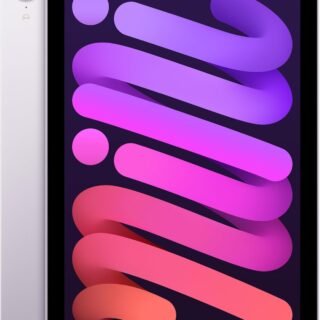
Apple iPad mini (A17 Pro): Apple Intelligence, 8.3-inch Liquid Retina Display, 256GB, Wi-Fi 6E, 12MP Front/12MP Back Camera, Touch ID, All-Day Battery Life — Purple
-
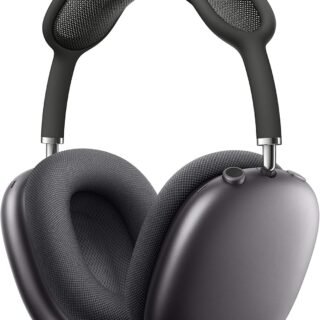
Apple AirPods Max Wireless Over-Ear Headphones, Active Noise Cancelling, Transparency Mode, Personalized Spatial Audio, Dolby Atmos, Bluetooth Headphones for iPhone – Space Gray
-

Apple AirPods Pro 2 Wireless Earbuds, Active Noise Cancellation, Hearing Aid Feature, Bluetooth Headphones, Transparency, Personalized Spatial Audio, High-Fidelity Sound, H2 Chip, USB-C Charging
-
Leo Creation 144 TC Cotton Double Jaipuri Prints Flat Bedsheet(Pack of 1, Blue, Gree, Red, Grey, Light Grey)
₹2,999.00Original price was: ₹2,999.00.₹329.00Current price is: ₹329.00.
Leave a Reply