Discounted Products
-
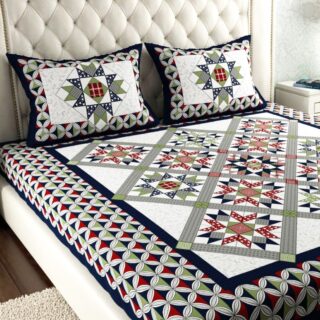 Leo Creation 144 TC Cotton Double Jaipuri Prints Flat Bedsheet(Pack of 1, Blue, Gree, Red, Grey, Light Grey)
Original price was: ₹2,999.00.₹329.00Current price is: ₹329.00.
Leo Creation 144 TC Cotton Double Jaipuri Prints Flat Bedsheet(Pack of 1, Blue, Gree, Red, Grey, Light Grey)
Original price was: ₹2,999.00.₹329.00Current price is: ₹329.00.
-
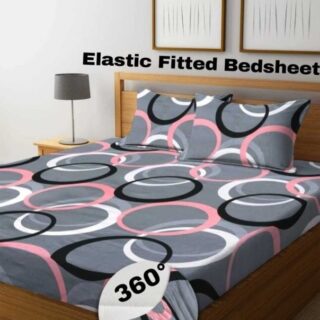 Home Garage 210 TC Cotton King Floral Fitted (Elastic) Bedsheet(Pack of 1, Grey)
Original price was: ₹999.00.₹299.00Current price is: ₹299.00.
Home Garage 210 TC Cotton King Floral Fitted (Elastic) Bedsheet(Pack of 1, Grey)
Original price was: ₹999.00.₹299.00Current price is: ₹299.00.
-
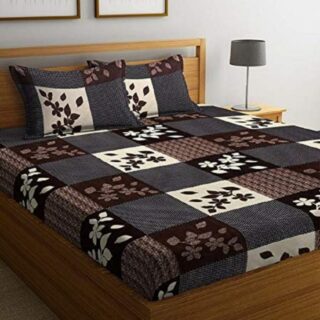 Goodrik 140 TC Cotton Double 3D Printed Flat Bedsheet(Pack of 1, Brown)
Original price was: ₹499.00.₹229.00Current price is: ₹229.00.
Goodrik 140 TC Cotton Double 3D Printed Flat Bedsheet(Pack of 1, Brown)
Original price was: ₹499.00.₹229.00Current price is: ₹229.00.
-
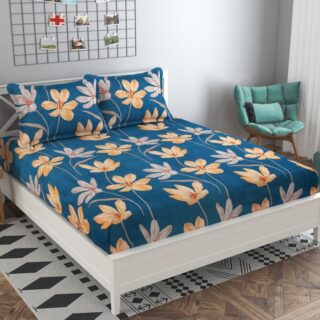 GLOBALSHOP 350 TC Microfiber Double Floral Flat Bedsheet(Pack of 1, Multicolor)
Original price was: ₹1,250.00.₹263.00Current price is: ₹263.00.
GLOBALSHOP 350 TC Microfiber Double Floral Flat Bedsheet(Pack of 1, Multicolor)
Original price was: ₹1,250.00.₹263.00Current price is: ₹263.00.
-
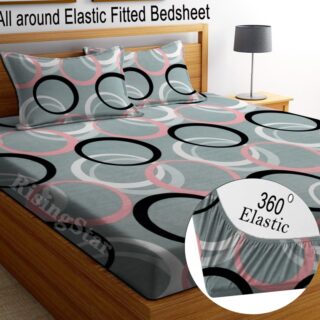 RisingStar 250 TC Microfiber King Printed Fitted (Elastic) Bedsheet(Pack of 1, FITTED-ROUND-CIRCLES-PREMIUM)
Original price was: ₹2,299.00.₹299.00Current price is: ₹299.00.
RisingStar 250 TC Microfiber King Printed Fitted (Elastic) Bedsheet(Pack of 1, FITTED-ROUND-CIRCLES-PREMIUM)
Original price was: ₹2,299.00.₹299.00Current price is: ₹299.00.
-
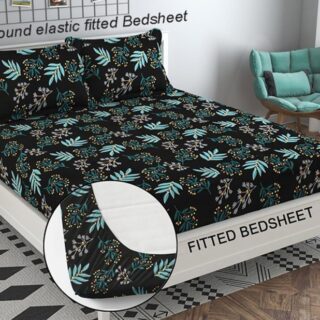 Home Garage 210 TC Cotton King Floral Fitted (Elastic) Bedsheet(Pack of 1, Fitted Black Green)
Original price was: ₹1,299.00.₹299.00Current price is: ₹299.00.
Home Garage 210 TC Cotton King Floral Fitted (Elastic) Bedsheet(Pack of 1, Fitted Black Green)
Original price was: ₹1,299.00.₹299.00Current price is: ₹299.00.
-
 Home Garage 180 TC Cotton King 3D Printed Flat Bedsheet(Pack of 1, White)
Original price was: ₹999.00.₹229.00Current price is: ₹229.00.
Home Garage 180 TC Cotton King 3D Printed Flat Bedsheet(Pack of 1, White)
Original price was: ₹999.00.₹229.00Current price is: ₹229.00.
-
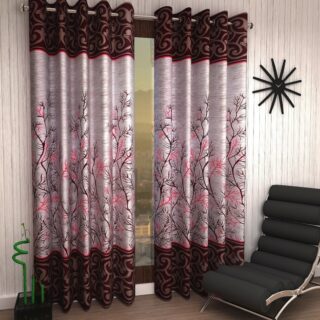 Home Sizzler 153 cm (5 ft) Polyester Room Darkening Window Curtain (Pack Of 2)(Floral, Maroon)
Original price was: ₹799.00.₹299.00Current price is: ₹299.00.
Home Sizzler 153 cm (5 ft) Polyester Room Darkening Window Curtain (Pack Of 2)(Floral, Maroon)
Original price was: ₹799.00.₹299.00Current price is: ₹299.00.
-
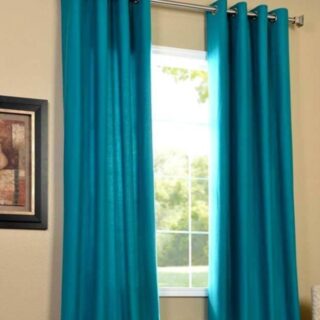 Panipat Textile Hub 152.4 cm (5 ft) Polyester Window Curtain (Pack Of 2)(Solid, Aqua)
Original price was: ₹1,899.00.₹299.00Current price is: ₹299.00.
Panipat Textile Hub 152.4 cm (5 ft) Polyester Window Curtain (Pack Of 2)(Solid, Aqua)
Original price was: ₹1,899.00.₹299.00Current price is: ₹299.00.
-
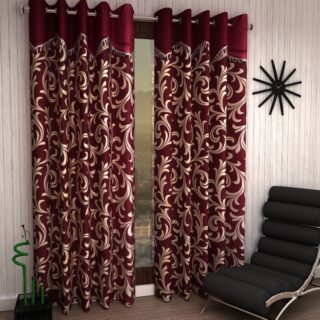 Home Sizzler 214 cm (7 ft) Polyester Semi Transparent Door Curtain (Pack Of 2)(Floral, Maroon)
Original price was: ₹1,199.00.₹399.00Current price is: ₹399.00.
Home Sizzler 214 cm (7 ft) Polyester Semi Transparent Door Curtain (Pack Of 2)(Floral, Maroon)
Original price was: ₹1,199.00.₹399.00Current price is: ₹399.00.
-
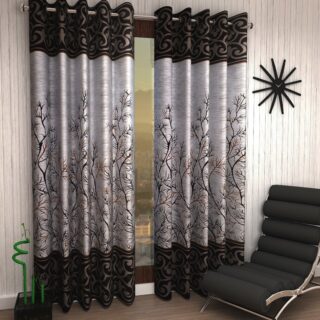 Home Sizzler 153 cm (5 ft) Polyester Room Darkening Window Curtain (Pack Of 2)(Floral, Brown)
Original price was: ₹799.00.₹299.00Current price is: ₹299.00.
Home Sizzler 153 cm (5 ft) Polyester Room Darkening Window Curtain (Pack Of 2)(Floral, Brown)
Original price was: ₹799.00.₹299.00Current price is: ₹299.00.
-
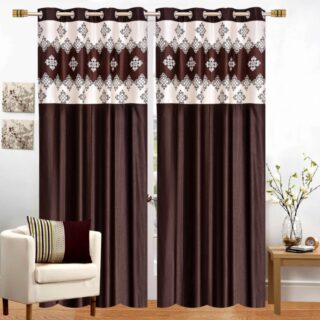 Stella Creations 214 cm (7 ft) Polyester Room Darkening Door Curtain (Pack Of 2)(Abstract, Brown)
Original price was: ₹1,299.00.₹449.00Current price is: ₹449.00.
Stella Creations 214 cm (7 ft) Polyester Room Darkening Door Curtain (Pack Of 2)(Abstract, Brown)
Original price was: ₹1,299.00.₹449.00Current price is: ₹449.00.
-
 Homefab India 152.5 cm (5 ft) Polyester Room Darkening Window Curtain (Pack Of 2)(Floral, Light Blue)
Original price was: ₹1,199.00.₹319.00Current price is: ₹319.00.
Homefab India 152.5 cm (5 ft) Polyester Room Darkening Window Curtain (Pack Of 2)(Floral, Light Blue)
Original price was: ₹1,199.00.₹319.00Current price is: ₹319.00.
-
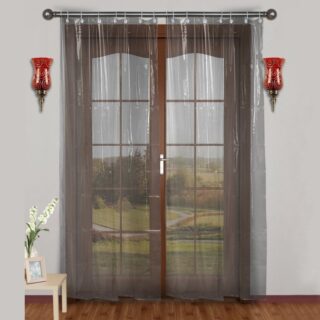 Urban Home 214 cm (7 ft) PVC Transparent Door Curtain Single Curtain(Solid, Off White)
Original price was: ₹699.00.₹203.00Current price is: ₹203.00.
Urban Home 214 cm (7 ft) PVC Transparent Door Curtain Single Curtain(Solid, Off White)
Original price was: ₹699.00.₹203.00Current price is: ₹203.00.
-
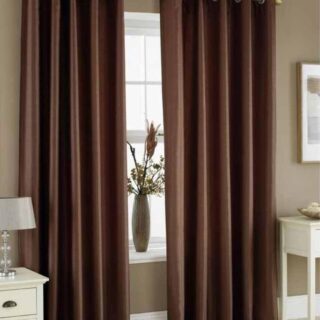 Panipat Textile Hub 213 cm (7 ft) Polyester Door Curtain (Pack Of 2)(Solid, Brown)
Original price was: ₹1,199.00.₹349.00Current price is: ₹349.00.
Panipat Textile Hub 213 cm (7 ft) Polyester Door Curtain (Pack Of 2)(Solid, Brown)
Original price was: ₹1,199.00.₹349.00Current price is: ₹349.00.
Step-by-Step Guide
If you’ve ever tapped a button on a website and nothing happened, chances are your iPhone’s pop-up blocker quietly stepped in. While pop-up blocking is great for stopping annoying ads, it can sometimes get in the way of things you actually want—like login windows, payment gateways, download links, or important forms. In 2026, iPhones are smarter than ever, but that also means their security and privacy settings are more proactive by default.
As someone who juggles work, family tasks, and a lot of mobile browsing, I’ve run into this more times than I can count. Whether it’s accessing an online portal, opening a school-related website, or completing a secure transaction, blocked pop-ups can be frustrating when you don’t know where to look. The good news? Turning off the pop-up blocker on an iPhone is still very simple—if you know the right steps.
Apple hasn’t removed the option in 2026, but it has refined where settings live and how they work across different browsers. Safari, which most iPhone users rely on, handles pop-ups differently than Chrome or Firefox. That’s why many people think the option is gone when it’s actually just tucked away in Settings.
In this guide, I’ll walk you through exactly how to turn off the pop-up blocker on your iPhone in 2026, starting with Safari. I’ll also explain what really happens when you disable it, when it makes sense to turn it back on, and a few smart tips to stay safe while browsing. Let’s make your iPhone work with you, not against you.
Safari is the default browser on iPhone, and Apple manages its pop-up controls directly through system settings rather than inside the browser itself. This design keeps things secure but can confuse users who expect to find the option inside Safari. Once you know where to look, though, it takes less than a minute.
First, unlock your iPhone and open the Settings app. Scroll down until you see Safari—it’s listed along with other Apple apps like Messages and Photos. Tap on Safari to open its dedicated settings panel. This section controls everything from privacy and security to downloads and extensions.
Inside Safari settings, look for the General section. Here, you’ll find an option labeled Block Pop-ups. In 2026, this toggle is turned on by default for most users. When it’s on (green), Safari automatically prevents websites from opening new windows or tabs without your permission.
To turn off the pop-up blocker, simply tap the Block Pop-ups toggle so it turns off (gray). That’s it. Safari will now allow pop-ups on websites you visit. You don’t need to restart your phone or Safari—changes take effect immediately.
Once disabled, go back to the website that wasn’t working before and refresh the page. In most cases, login windows, payment pop-ups, and interactive forms will now open normally. If you’re using pop-ups temporarily—for example, to complete a form—it’s a good idea to turn the blocker back on afterward for everyday browsing.
Turning Off Pop-Up Blocker in Google Chrome on iPhone
If you use Chrome instead of Safari, the pop-up setting lives inside the app—not in iPhone Settings.
-
Open Chrome on your iPhone
-
Tap the three dots (•••) at the bottom-right
-
Go to Settings → Content Settings
-
Tap Block Pop-ups
-
Toggle it OFF
Once disabled, refresh the page that was causing trouble. Chrome will now allow pop-ups, including login windows and payment gateways.
Turning Off Pop-Up Blocker in Firefox
Firefox users can control pop-ups directly from the browser:
-
Open Firefox
-
Tap the menu (☰)
-
Go to Settings
-
Select Tracking Protection / Privacy
-
Turn Pop-up Blocking off
Firefox is slightly stricter than Safari, so some pop-ups may still be limited depending on site behavior.
Should You Keep Pop-Up Blocker Turned Off?
Short answer: No—only disable it when needed.
Pop-ups are commonly used for:
-
Secure logins
-
Online payments
-
File downloads
-
Appointment booking systems
But they’re also used for:
-
Spam ads
-
Fake alerts
-
Malicious redirects
My personal rule? Turn pop-ups off only while completing a task, then switch the blocker back on immediately after. It takes seconds and keeps your browsing safer in the long run.
Quick Safety Tips When Allowing Pop-Ups
-
Only allow pop-ups on trusted websites
-
Avoid tapping pop-ups that claim your device is “infected”
-
Never install apps or profiles from pop-up links
-
Re-enable pop-up blocking after use
Apple’s iOS security in 2026 is strong, but smart browsing habits still matter.

- 7 Best Methods to Fix “Undoing Changes Made to Your PC” Error (Complete Guide)

- How to Turn On Spam Blocker on Android: Stop Unwanted Calls and Messages Easily

- Can’t View Comments on YouTube Shorts? 6 Ways to Fix It (Complete Guide)

- How to Block Users From Installing Programs in Windows 11 Complete Step-by-Step Guide for Better Security

- How to Fix Chrome Automatically Deleting Downloaded Files (Complete Step-by-Step Guide)

Products
-
![Apple Watch Ultra 3 [GPS + Cellular 49mm] Running & Multisport Smartwatch w/Rugged Titanium Case w/Black Titanium Milanese Loop - M. Satellite Communications, Advanced Health & Fitness Tracking](https://bazaronweb.com/retailstores/wp-content/uploads/2025/09/apple-watch-320x320.jpg) Apple Watch Ultra 3 [GPS + Cellular 49mm] Running & Multisport Smartwatch w/Rugged Titanium Case w/Black Titanium Milanese Loop - M. Satellite Communications, Advanced Health & Fitness Tracking
Apple Watch Ultra 3 [GPS + Cellular 49mm] Running & Multisport Smartwatch w/Rugged Titanium Case w/Black Titanium Milanese Loop - M. Satellite Communications, Advanced Health & Fitness Tracking
-
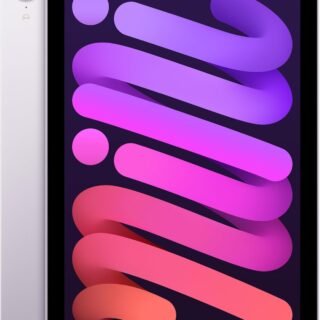 Apple iPad mini (A17 Pro): Apple Intelligence, 8.3-inch Liquid Retina Display, 256GB, Wi-Fi 6E, 12MP Front/12MP Back Camera, Touch ID, All-Day Battery Life — Purple
-
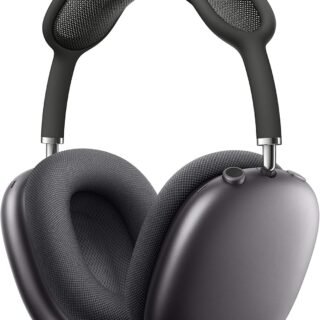 Apple AirPods Max Wireless Over-Ear Headphones, Active Noise Cancelling, Transparency Mode, Personalized Spatial Audio, Dolby Atmos, Bluetooth Headphones for iPhone – Space Gray
-
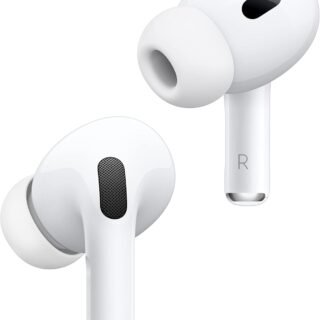 Apple AirPods Pro 2 Wireless Earbuds, Active Noise Cancellation, Hearing Aid Feature, Bluetooth Headphones, Transparency, Personalized Spatial Audio, High-Fidelity Sound, H2 Chip, USB-C Charging
-
Leo Creation 144 TC Cotton Double Jaipuri Prints Flat Bedsheet(Pack of 1, Blue, Gree, Red, Grey, Light Grey)
Original price was: ₹2,999.00.₹329.00Current price is: ₹329.00.
Leave a Reply