Discounted Products
-
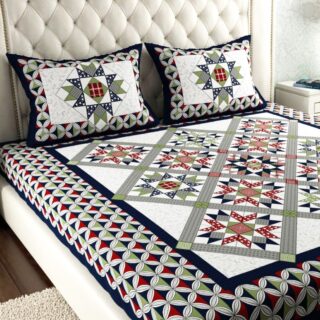 Leo Creation 144 TC Cotton Double Jaipuri Prints Flat Bedsheet(Pack of 1, Blue, Gree, Red, Grey, Light Grey)
Original price was: ₹2,999.00.₹329.00Current price is: ₹329.00.
Leo Creation 144 TC Cotton Double Jaipuri Prints Flat Bedsheet(Pack of 1, Blue, Gree, Red, Grey, Light Grey)
Original price was: ₹2,999.00.₹329.00Current price is: ₹329.00.
-
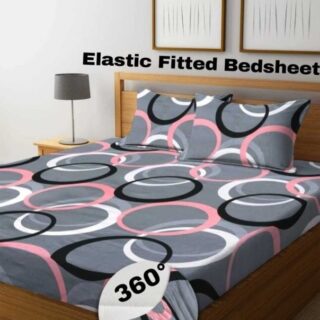 Home Garage 210 TC Cotton King Floral Fitted (Elastic) Bedsheet(Pack of 1, Grey)
Original price was: ₹999.00.₹299.00Current price is: ₹299.00.
Home Garage 210 TC Cotton King Floral Fitted (Elastic) Bedsheet(Pack of 1, Grey)
Original price was: ₹999.00.₹299.00Current price is: ₹299.00.
-
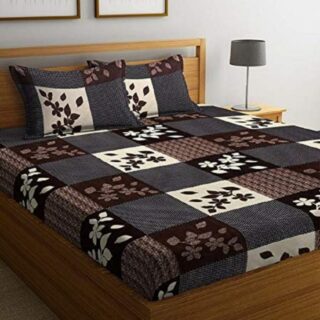 Goodrik 140 TC Cotton Double 3D Printed Flat Bedsheet(Pack of 1, Brown)
Original price was: ₹499.00.₹229.00Current price is: ₹229.00.
Goodrik 140 TC Cotton Double 3D Printed Flat Bedsheet(Pack of 1, Brown)
Original price was: ₹499.00.₹229.00Current price is: ₹229.00.
-
 GLOBALSHOP 350 TC Microfiber Double Floral Flat Bedsheet(Pack of 1, Multicolor)
Original price was: ₹1,250.00.₹263.00Current price is: ₹263.00.
GLOBALSHOP 350 TC Microfiber Double Floral Flat Bedsheet(Pack of 1, Multicolor)
Original price was: ₹1,250.00.₹263.00Current price is: ₹263.00.
-
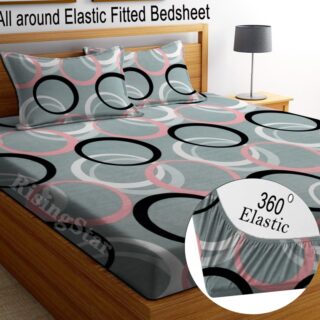 RisingStar 250 TC Microfiber King Printed Fitted (Elastic) Bedsheet(Pack of 1, FITTED-ROUND-CIRCLES-PREMIUM)
Original price was: ₹2,299.00.₹299.00Current price is: ₹299.00.
RisingStar 250 TC Microfiber King Printed Fitted (Elastic) Bedsheet(Pack of 1, FITTED-ROUND-CIRCLES-PREMIUM)
Original price was: ₹2,299.00.₹299.00Current price is: ₹299.00.
-
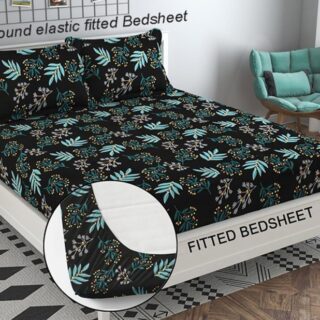 Home Garage 210 TC Cotton King Floral Fitted (Elastic) Bedsheet(Pack of 1, Fitted Black Green)
Original price was: ₹1,299.00.₹299.00Current price is: ₹299.00.
Home Garage 210 TC Cotton King Floral Fitted (Elastic) Bedsheet(Pack of 1, Fitted Black Green)
Original price was: ₹1,299.00.₹299.00Current price is: ₹299.00.
-
 Home Garage 180 TC Cotton King 3D Printed Flat Bedsheet(Pack of 1, White)
Original price was: ₹999.00.₹229.00Current price is: ₹229.00.
Home Garage 180 TC Cotton King 3D Printed Flat Bedsheet(Pack of 1, White)
Original price was: ₹999.00.₹229.00Current price is: ₹229.00.
-
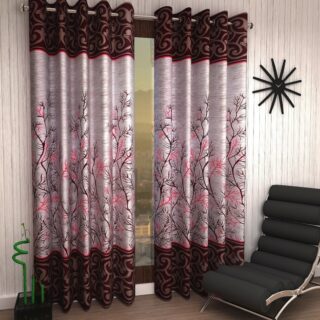 Home Sizzler 153 cm (5 ft) Polyester Room Darkening Window Curtain (Pack Of 2)(Floral, Maroon)
Original price was: ₹799.00.₹299.00Current price is: ₹299.00.
Home Sizzler 153 cm (5 ft) Polyester Room Darkening Window Curtain (Pack Of 2)(Floral, Maroon)
Original price was: ₹799.00.₹299.00Current price is: ₹299.00.
-
 Panipat Textile Hub 152.4 cm (5 ft) Polyester Window Curtain (Pack Of 2)(Solid, Aqua)
Original price was: ₹1,899.00.₹299.00Current price is: ₹299.00.
Panipat Textile Hub 152.4 cm (5 ft) Polyester Window Curtain (Pack Of 2)(Solid, Aqua)
Original price was: ₹1,899.00.₹299.00Current price is: ₹299.00.
-
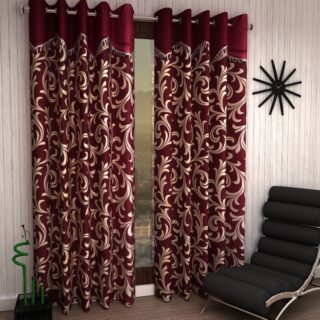 Home Sizzler 214 cm (7 ft) Polyester Semi Transparent Door Curtain (Pack Of 2)(Floral, Maroon)
Original price was: ₹1,199.00.₹399.00Current price is: ₹399.00.
Home Sizzler 214 cm (7 ft) Polyester Semi Transparent Door Curtain (Pack Of 2)(Floral, Maroon)
Original price was: ₹1,199.00.₹399.00Current price is: ₹399.00.
-
 Home Sizzler 153 cm (5 ft) Polyester Room Darkening Window Curtain (Pack Of 2)(Floral, Brown)
Original price was: ₹799.00.₹299.00Current price is: ₹299.00.
Home Sizzler 153 cm (5 ft) Polyester Room Darkening Window Curtain (Pack Of 2)(Floral, Brown)
Original price was: ₹799.00.₹299.00Current price is: ₹299.00.
-
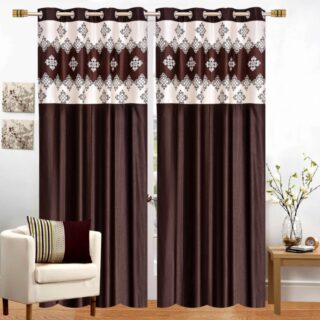 Stella Creations 214 cm (7 ft) Polyester Room Darkening Door Curtain (Pack Of 2)(Abstract, Brown)
Original price was: ₹1,299.00.₹449.00Current price is: ₹449.00.
Stella Creations 214 cm (7 ft) Polyester Room Darkening Door Curtain (Pack Of 2)(Abstract, Brown)
Original price was: ₹1,299.00.₹449.00Current price is: ₹449.00.
-
 Homefab India 152.5 cm (5 ft) Polyester Room Darkening Window Curtain (Pack Of 2)(Floral, Light Blue)
Original price was: ₹1,199.00.₹319.00Current price is: ₹319.00.
Homefab India 152.5 cm (5 ft) Polyester Room Darkening Window Curtain (Pack Of 2)(Floral, Light Blue)
Original price was: ₹1,199.00.₹319.00Current price is: ₹319.00.
-
 Urban Home 214 cm (7 ft) PVC Transparent Door Curtain Single Curtain(Solid, Off White)
Original price was: ₹699.00.₹203.00Current price is: ₹203.00.
Urban Home 214 cm (7 ft) PVC Transparent Door Curtain Single Curtain(Solid, Off White)
Original price was: ₹699.00.₹203.00Current price is: ₹203.00.
-
 Panipat Textile Hub 213 cm (7 ft) Polyester Door Curtain (Pack Of 2)(Solid, Brown)
Original price was: ₹1,199.00.₹349.00Current price is: ₹349.00.
Panipat Textile Hub 213 cm (7 ft) Polyester Door Curtain (Pack Of 2)(Solid, Brown)
Original price was: ₹1,199.00.₹349.00Current price is: ₹349.00.
Introduction
If you’ve ever tried to take a photo on your iPhone in low light and ended up with a dark, grainy image, you already know how important the camera flash can be. Even in 2026, when iPhone cameras are smarter than ever, flash still plays a key role in night photography, indoor shots, and quick snapshots where lighting isn’t ideal. Many users assume the iPhone will automatically manage flash for them—and while that’s often true, knowing how to manually control it gives you far better results.
As a busy professional and mom, I rely on my iPhone camera for everything from capturing family moments to snapping quick photos for work and social media. What I’ve learned is that understanding how to turn on (or off) the camera flash intentionally can make a huge difference in photo quality. Whether you’re photographing kids indoors, taking product shots, or clicking pictures at an event, flash control is a small skill with big impact.
Apple continues to refine the iOS camera interface, and in 2026, the flash settings are more intuitive—but also slightly hidden if you don’t know where to look. The Camera app now adapts based on lighting, scene, and mode, which sometimes confuses users who simply want the flash to stay on. This guide is designed to clear that confusion completely.
In this article, I’ll walk you through exactly how to turn on camera flash on an iPhone, explain the different flash modes, and show how flash behaves in Photo, Portrait, and Video modes. Everything is explained in simple, practical language, so you can apply it immediately—no technical jargon, no guesswork.
How Camera Flash Works on iPhone in 2026
Before turning on the flash, it’s important to understand how the iPhone camera flash actually works. Unlike traditional cameras that rely heavily on flash, iPhones are designed to prioritize natural light and computational photography. This means the Camera app often decides on its own whether flash is needed, especially in Auto mode. While this helps in many situations, it can also lead to darker photos if the system decides flash isn’t necessary.
The iPhone flash is powered by the same LED used for the flashlight. However, when used for photography, it fires a quick, controlled burst of light synchronized with the camera shutter. In newer iPhone models, the flash is smarter—it adjusts brightness and timing based on distance and subject detection. This is why some photos look well-lit while others feel flat if flash isn’t used correctly.
Another important point is that flash behavior changes depending on the camera mode. In Photo mode, you can choose Auto, On, or Off. In Video mode, the flash works more like a continuous light. In Portrait mode, flash is often limited because the iPhone prefers depth and ambient light for better background blur. Knowing these differences helps you avoid frustration when you don’t see the flash firing.
Also, flash won’t always activate even if you set it to On. If the environment is already bright enough, the camera may ignore the flash to preserve natural tones. This is intentional and part of Apple’s image-processing philosophy. Understanding this balance is key to using flash effectively instead of fighting the camera system.
How to Turn On Camera Flash in Photo Mode
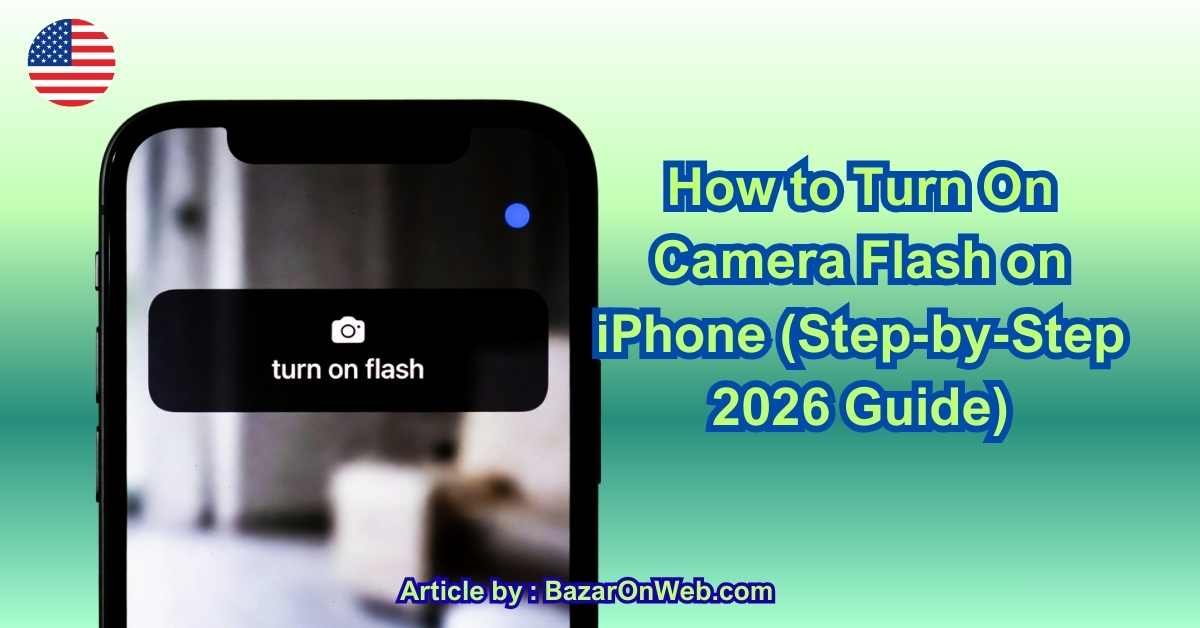
Turning on the camera flash in Photo mode is simple once you know where to look. Open the Camera app on your iPhone and make sure you’re in Photo mode. At the top of the screen, you’ll see a small lightning bolt icon—this represents the flash. Tap on it to reveal flash options.
You’ll typically see three choices: Auto, On, and Off. To force the flash to fire, select On. Once enabled, the lightning bolt icon will stay highlighted, indicating that flash is active for your next photo. When you tap the shutter button, the flash will fire regardless of lighting conditions (unless the system blocks it for technical reasons).
If you don’t see the lightning icon immediately, tap the arrow at the top of the screen (on newer iPhones). This expands additional camera controls, including flash, Live Photo, and exposure settings. Apple redesigned this layout to reduce clutter, but it also means flash is slightly more hidden than before.
One thing to remember is that flash settings don’t always persist. If you close the Camera app or switch modes, the flash may revert to Auto. To avoid this, you can lock camera settings in iOS settings, ensuring your preferred flash mode stays active between sessions. This is especially useful if you frequently take indoor or nighttime photos.
Using Camera Flash in Video Mode
Using flash in Video mode works differently than in Photo mode. Instead of a quick burst of light, the iPhone uses the LED as a continuous light source. This is extremely useful when recording videos in low-light environments, such as indoor events, night walks, or quick social media clips.
To turn on flash while recording video, open the Camera app and switch to Video mode. Before you start recording, tap the lightning bolt icon and choose On. Once enabled, the LED light will turn on as soon as you press the record button and remain on throughout the recording.
Keep in mind that continuous flash can drain your battery faster and may cause the phone to heat up during longer recordings. It also creates harsher lighting compared to natural light, so it’s best used for short clips or when visibility is more important than aesthetics. For vlog-style videos or family moments, this trade-off is often worth it.
Another important detail is that flash cannot be toggled on or off mid-recording. You must set it before pressing record. If you forget, you’ll need to stop the video, enable flash, and start again. Planning ahead saves time and avoids interruptions.
Why Flash May Not Turn On (Common Reasons)
Sometimes, even after selecting Flash On, the flash doesn’t fire. This can be confusing, but there are valid reasons behind it. One common reason is overheating. If your iPhone gets too warm, iOS temporarily disables flash to protect internal components. This often happens during extended video recording or heavy app usage.
Low battery is another factor. When battery levels drop significantly, the system limits power-hungry features like flash. Charging your phone or enabling Low Power Mode wisely can help manage this. Additionally, certain camera modes—like Night mode or specific Portrait settings—may override manual flash control.
Physical obstructions can also be an issue. If your phone case covers the flash area or you’re holding the device in a way that blocks the LED, the camera may limit flash output. Always ensure the flash area is clear for best results.
Finally, software glitches can interfere with flash behavior. Restarting the Camera app or the phone itself often resolves these issues. Keeping your iPhone updated ensures you benefit from the latest camera optimizations by Apple, which continuously improves flash performance through iOS updates.
Best Practices for Using iPhone Camera Flash
Using flash effectively is about balance. Flash is excellent for close subjects, but it loses effectiveness over distance. For best results, keep your subject within 1–2 meters. Beyond that, the flash may not provide enough light and can result in uneven exposure.
Avoid using flash on reflective surfaces like mirrors or glass, as it can cause glare. When taking photos of people, especially children, try to angle the phone slightly downward to reduce harsh shadows. Combining flash with slight exposure adjustment often leads to more natural-looking photos.
Lastly, don’t rely on flash for every low-light situation. Sometimes, Night mode or adjusting exposure manually produces better results. Flash is a tool—not a solution for every scenario. Knowing when and how to use it is what truly elevates your iPhone photography in 2026.
Advanced Flash Controls in Portrait & Night Photography
When it comes to Portrait and Night photography on iPhone in 2026, flash behaves very differently compared to standard Photo mode. In Portrait mode, Apple prioritizes depth sensing, subject separation, and natural skin tones. Because of this, the Camera app often restricts or softens flash usage. Even if you manually turn flash On, the iPhone may reduce its intensity or avoid firing it altogether if it believes ambient light will produce a better depth effect. This can feel frustrating, but it’s intentional—harsh flash can flatten facial features and ruin background blur.
In Night mode, flash is usually discouraged altogether. Night mode relies on longer exposure times, multiple image stacking, and AI-based noise reduction. Flash interrupts this process by adding sudden artificial light, which can cancel out the benefits of Night mode. That’s why, in many cases, you’ll notice the flash option greyed out or ignored when Night mode is active. If you truly need flash in a dark environment, switching off Night mode manually and enabling flash in Photo mode is the better approach.
For portraits indoors, a good trick is to use flash only when your subject is close and the background lighting is minimal. This ensures the face is evenly lit without overpowering the scene. Understanding these mode-specific behaviors helps you stop fighting the Camera app and start working with it, which is exactly how Apple intends the flash system to be used.
How to Lock Flash Settings on iPhone (Very Useful Trick)
One of the most annoying things about using flash on iPhone is that the Camera app loves to reset your preferences. You turn flash On, take a photo, close the app—and the next time you open it, flash is back on Auto. In 2026, Apple still does this by default, but there’s a simple way to fix it using camera setting preservation.
Go to Settings → Camera → Preserve Settings. Inside this menu, you’ll see multiple toggles such as Camera Mode, Creative Controls, Exposure Adjustment, and Flash. Turn on the toggle for Flash. Once enabled, your iPhone will remember your last-used flash setting even after closing the Camera app or locking your phone.
This feature is incredibly useful if you frequently take photos indoors, at night, or for work purposes like product photography or documentation. It saves time and removes the repetitive step of re-enabling flash every single time. As someone who often needs quick, reliable photos, this single setting has made my camera experience much smoother.
Just remember that Preserve Settings doesn’t override system limitations. If your phone overheats or battery is critically low, flash may still be disabled temporarily. But in normal conditions, this setting ensures consistency—and consistency is key when you rely on your iPhone camera daily.
Flash vs Night Mode: Which Should You Use?
A common question iPhone users ask is whether flash or Night mode is better in low-light situations. The answer depends entirely on what you’re photographing. Flash is best for close subjects that need immediate illumination—think people, documents, pets, or objects within arm’s reach. Night mode, on the other hand, is ideal for scenes, rooms, landscapes, or situations where you want to preserve atmosphere and depth.
Flash produces instant light but can feel harsh and artificial, especially on faces. Night mode produces softer, more natural images but requires steady hands and a few extra seconds. If your subject is moving, Night mode may result in blur, making flash the better option. For stationary subjects, Night mode usually wins in terms of overall quality.
In 2026, iPhones are smart enough to suggest the best option, but knowing the difference gives you creative control. I personally use flash for quick family moments and Night mode for travel or home interiors. Treat them as complementary tools rather than competitors. When used intentionally, both can dramatically improve your photos—even in challenging lighting conditions.
Common Flash Mistakes iPhone Users Still Make
Despite better technology, many users still make the same flash-related mistakes. One of the biggest is using flash on distant subjects. iPhone flash simply isn’t powerful enough to light up a stage, landscape, or large room. The result is often a dark photo with a bright foreground edge—hardly useful.
Another mistake is overusing flash indoors when soft lighting would work better. Lamps, window light, or even increasing exposure can often produce more natural results. Flash should enhance a photo, not dominate it. Holding the phone too close to faces is another issue, especially with kids. This can cause overexposure and red-eye, even with Apple’s corrections.
Lastly, many people forget that flash drains battery quickly. Leaving it on unnecessarily during long photo sessions or video recordings can significantly impact battery life. Being mindful of when and why you use flash helps you get better photos while also preserving your device’s performance.
Pro Tips to Get Better Results with iPhone Flash
To get the best results from your iPhone flash, always think about distance and angle. Keeping the phone slightly above eye level and tilting it down can reduce harsh shadows. If possible, combine flash with ambient light instead of relying on it alone. This creates more balanced, natural-looking photos.
Another pro tip is to clean the flash lens regularly. Fingerprints and dust can diffuse light unevenly, leading to dull or hazy photos. Also, avoid thick or poorly designed phone cases that partially cover the flash—they can block or scatter light in unpredictable ways.
Finally, experiment. Take a quick test shot with flash On and Off before committing. The iPhone camera is fast enough that this takes only seconds, and it helps you choose the better option every time. Mastering flash isn’t about memorizing rules—it’s about understanding light and using it intentionally.
Conclusion
Turning on the camera flash on an iPhone in 2026 is easy—but using it well is where the real difference lies. Once you understand how flash behaves across Photo, Video, Portrait, and Night modes, you stop guessing and start getting consistently better results. Flash is no longer just an emergency light; it’s a creative tool when used thoughtfully.
For me, learning when to force flash On, when to trust Auto, and when to avoid it altogether has completely changed how I use my iPhone camera. Whether you’re capturing family memories, work-related photos, or everyday moments, knowing how to control flash gives you confidence and control.
Apple’s camera technology continues to evolve, but light will always matter. And the better you understand it, the better your photos will be—no matter how smart your phone gets.
Disclaimer
This guide is for educational purposes only. Features and interface options may vary slightly depending on your iPhone model and iOS version.

- 7 Best Methods to Fix “Undoing Changes Made to Your PC” Error (Complete Guide)

- How to Turn On Spam Blocker on Android: Stop Unwanted Calls and Messages Easily

- Can’t View Comments on YouTube Shorts? 6 Ways to Fix It (Complete Guide)

- How to Block Users From Installing Programs in Windows 11 Complete Step-by-Step Guide for Better Security

- How to Fix Chrome Automatically Deleting Downloaded Files (Complete Step-by-Step Guide)

Products
-
![Apple Watch Ultra 3 [GPS + Cellular 49mm] Running & Multisport Smartwatch w/Rugged Titanium Case w/Black Titanium Milanese Loop - M. Satellite Communications, Advanced Health & Fitness Tracking](https://bazaronweb.com/retailstores/wp-content/uploads/2025/09/apple-watch-320x320.jpg) Apple Watch Ultra 3 [GPS + Cellular 49mm] Running & Multisport Smartwatch w/Rugged Titanium Case w/Black Titanium Milanese Loop - M. Satellite Communications, Advanced Health & Fitness Tracking
Apple Watch Ultra 3 [GPS + Cellular 49mm] Running & Multisport Smartwatch w/Rugged Titanium Case w/Black Titanium Milanese Loop - M. Satellite Communications, Advanced Health & Fitness Tracking
-
 Apple iPad mini (A17 Pro): Apple Intelligence, 8.3-inch Liquid Retina Display, 256GB, Wi-Fi 6E, 12MP Front/12MP Back Camera, Touch ID, All-Day Battery Life — Purple
-
 Apple AirPods Max Wireless Over-Ear Headphones, Active Noise Cancelling, Transparency Mode, Personalized Spatial Audio, Dolby Atmos, Bluetooth Headphones for iPhone – Space Gray
-
 Apple AirPods Pro 2 Wireless Earbuds, Active Noise Cancellation, Hearing Aid Feature, Bluetooth Headphones, Transparency, Personalized Spatial Audio, High-Fidelity Sound, H2 Chip, USB-C Charging
-
Leo Creation 144 TC Cotton Double Jaipuri Prints Flat Bedsheet(Pack of 1, Blue, Gree, Red, Grey, Light Grey)
Original price was: ₹2,999.00.₹329.00Current price is: ₹329.00.
Leave a Reply