Discounted Products
-
 Leo Creation 144 TC Cotton Double Jaipuri Prints Flat Bedsheet(Pack of 1, Blue, Gree, Red, Grey, Light Grey)
Original price was: ₹2,999.00.₹329.00Current price is: ₹329.00.
Leo Creation 144 TC Cotton Double Jaipuri Prints Flat Bedsheet(Pack of 1, Blue, Gree, Red, Grey, Light Grey)
Original price was: ₹2,999.00.₹329.00Current price is: ₹329.00.
-
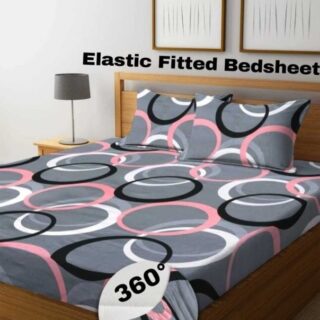 Home Garage 210 TC Cotton King Floral Fitted (Elastic) Bedsheet(Pack of 1, Grey)
Original price was: ₹999.00.₹299.00Current price is: ₹299.00.
Home Garage 210 TC Cotton King Floral Fitted (Elastic) Bedsheet(Pack of 1, Grey)
Original price was: ₹999.00.₹299.00Current price is: ₹299.00.
-
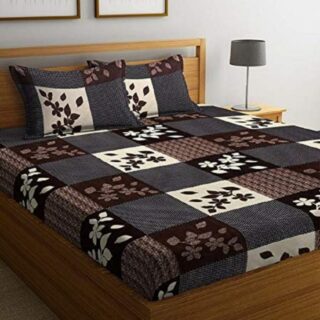 Goodrik 140 TC Cotton Double 3D Printed Flat Bedsheet(Pack of 1, Brown)
Original price was: ₹499.00.₹229.00Current price is: ₹229.00.
Goodrik 140 TC Cotton Double 3D Printed Flat Bedsheet(Pack of 1, Brown)
Original price was: ₹499.00.₹229.00Current price is: ₹229.00.
-
 GLOBALSHOP 350 TC Microfiber Double Floral Flat Bedsheet(Pack of 1, Multicolor)
Original price was: ₹1,250.00.₹263.00Current price is: ₹263.00.
GLOBALSHOP 350 TC Microfiber Double Floral Flat Bedsheet(Pack of 1, Multicolor)
Original price was: ₹1,250.00.₹263.00Current price is: ₹263.00.
-
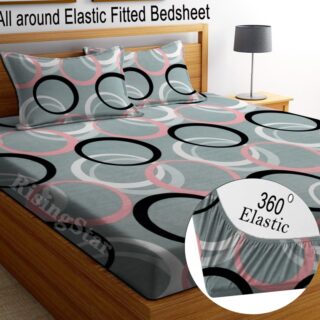 RisingStar 250 TC Microfiber King Printed Fitted (Elastic) Bedsheet(Pack of 1, FITTED-ROUND-CIRCLES-PREMIUM)
Original price was: ₹2,299.00.₹299.00Current price is: ₹299.00.
RisingStar 250 TC Microfiber King Printed Fitted (Elastic) Bedsheet(Pack of 1, FITTED-ROUND-CIRCLES-PREMIUM)
Original price was: ₹2,299.00.₹299.00Current price is: ₹299.00.
-
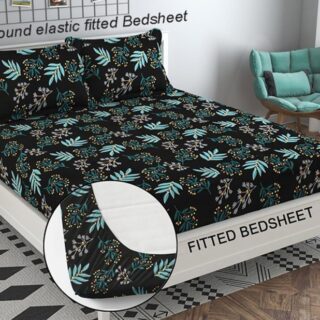 Home Garage 210 TC Cotton King Floral Fitted (Elastic) Bedsheet(Pack of 1, Fitted Black Green)
Original price was: ₹1,299.00.₹299.00Current price is: ₹299.00.
Home Garage 210 TC Cotton King Floral Fitted (Elastic) Bedsheet(Pack of 1, Fitted Black Green)
Original price was: ₹1,299.00.₹299.00Current price is: ₹299.00.
-
 Home Garage 180 TC Cotton King 3D Printed Flat Bedsheet(Pack of 1, White)
Original price was: ₹999.00.₹229.00Current price is: ₹229.00.
Home Garage 180 TC Cotton King 3D Printed Flat Bedsheet(Pack of 1, White)
Original price was: ₹999.00.₹229.00Current price is: ₹229.00.
-
 Home Sizzler 153 cm (5 ft) Polyester Room Darkening Window Curtain (Pack Of 2)(Floral, Maroon)
Original price was: ₹799.00.₹299.00Current price is: ₹299.00.
Home Sizzler 153 cm (5 ft) Polyester Room Darkening Window Curtain (Pack Of 2)(Floral, Maroon)
Original price was: ₹799.00.₹299.00Current price is: ₹299.00.
-
 Panipat Textile Hub 152.4 cm (5 ft) Polyester Window Curtain (Pack Of 2)(Solid, Aqua)
Original price was: ₹1,899.00.₹299.00Current price is: ₹299.00.
Panipat Textile Hub 152.4 cm (5 ft) Polyester Window Curtain (Pack Of 2)(Solid, Aqua)
Original price was: ₹1,899.00.₹299.00Current price is: ₹299.00.
-
 Home Sizzler 214 cm (7 ft) Polyester Semi Transparent Door Curtain (Pack Of 2)(Floral, Maroon)
Original price was: ₹1,199.00.₹399.00Current price is: ₹399.00.
Home Sizzler 214 cm (7 ft) Polyester Semi Transparent Door Curtain (Pack Of 2)(Floral, Maroon)
Original price was: ₹1,199.00.₹399.00Current price is: ₹399.00.
-
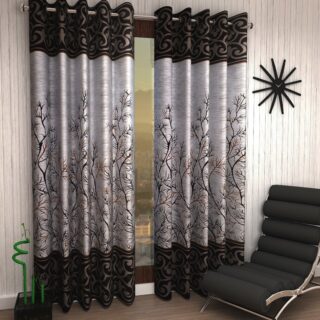 Home Sizzler 153 cm (5 ft) Polyester Room Darkening Window Curtain (Pack Of 2)(Floral, Brown)
Original price was: ₹799.00.₹299.00Current price is: ₹299.00.
Home Sizzler 153 cm (5 ft) Polyester Room Darkening Window Curtain (Pack Of 2)(Floral, Brown)
Original price was: ₹799.00.₹299.00Current price is: ₹299.00.
-
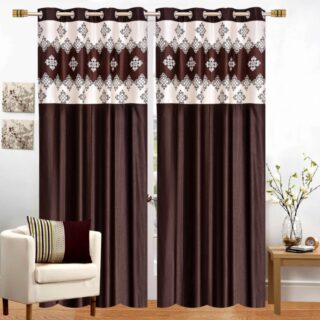 Stella Creations 214 cm (7 ft) Polyester Room Darkening Door Curtain (Pack Of 2)(Abstract, Brown)
Original price was: ₹1,299.00.₹449.00Current price is: ₹449.00.
Stella Creations 214 cm (7 ft) Polyester Room Darkening Door Curtain (Pack Of 2)(Abstract, Brown)
Original price was: ₹1,299.00.₹449.00Current price is: ₹449.00.
-
 Homefab India 152.5 cm (5 ft) Polyester Room Darkening Window Curtain (Pack Of 2)(Floral, Light Blue)
Original price was: ₹1,199.00.₹319.00Current price is: ₹319.00.
Homefab India 152.5 cm (5 ft) Polyester Room Darkening Window Curtain (Pack Of 2)(Floral, Light Blue)
Original price was: ₹1,199.00.₹319.00Current price is: ₹319.00.
-
 Urban Home 214 cm (7 ft) PVC Transparent Door Curtain Single Curtain(Solid, Off White)
Original price was: ₹699.00.₹203.00Current price is: ₹203.00.
Urban Home 214 cm (7 ft) PVC Transparent Door Curtain Single Curtain(Solid, Off White)
Original price was: ₹699.00.₹203.00Current price is: ₹203.00.
-
 Panipat Textile Hub 213 cm (7 ft) Polyester Door Curtain (Pack Of 2)(Solid, Brown)
Original price was: ₹1,199.00.₹349.00Current price is: ₹349.00.
Panipat Textile Hub 213 cm (7 ft) Polyester Door Curtain (Pack Of 2)(Solid, Brown)
Original price was: ₹1,199.00.₹349.00Current price is: ₹349.00.
Hey, it’s Jessica 👋,
If you’ve ever taken an important call while kids were yelling in the background, traffic was roaring outside, or a ceiling fan was doing its thing right above your head, you know how frustrating iPhone call quality can feel sometimes. The good news? Apple quietly added a feature that fixes exactly this problem—and most people don’t even know it exists.
It’s called Voice Isolation, and once you turn it on, your iPhone focuses on your voice and suppresses background noise during calls. Whether you’re working from home, attending online meetings, recording voice notes, or chatting on FaceTime, Voice Isolation can make you sound noticeably clearer.
In this guide, I’ll walk you through what Voice Isolation is, how it works, when you should use it, and exactly how to turn it on step by step. No tech jargon, no confusion—just clean, practical instructions you can use right away.
What Is Voice Isolation on iPhone?
Voice Isolation is a microphone mode on iPhone that uses on-device processing to prioritize your voice while reducing ambient noise. Instead of picking up everything around you—fans, traffic, conversations, keyboard clicks—your iPhone intelligently filters sound so the person on the other end hears you more clearly.
This feature is especially useful for:
-
Work calls and virtual meetings
-
FaceTime audio and video calls
-
WhatsApp, Zoom, Google Meet, and similar apps
-
Calls made from noisy environments
Unlike older noise reduction methods, Voice Isolation is dynamic. It adapts in real time, adjusting as background noise changes.
Which iPhones Support Voice Isolation?
Voice Isolation is available on:
-
iPhone models running iOS 15 or later
-
iPhone XR, XS, and all newer models
If your iPhone is updated but you’ve never seen the option, don’t worry—Voice Isolation is not enabled by default and it doesn’t live in regular Settings. That’s why many users miss it entirely.
When Should You Use Voice Isolation?
Voice Isolation isn’t something you need on all the time, but it’s perfect in situations like:
-
You’re on a work call at home with background noise
-
You’re traveling or outdoors
-
You’re on FaceTime while kids or pets are nearby
-
You’re using third-party calling apps in noisy spaces
If you’re in a quiet room and want a more natural, open sound, you can always switch back to Standard mode.
How to Turn On Voice Isolation on iPhone (Step-by-Step)
This is the part most people get wrong—because Voice Isolation can only be turned on during an active call.
Step 1: Start a Call
Make or receive a call using:
-
Phone app
-
FaceTime (audio or video)
-
WhatsApp, Zoom, Google Meet, or similar apps
Step 2: Open Control Center
While the call is active:
-
Swipe down from the top-right corner of your screen (Face ID models)
Step 3: Tap “Mic Mode”
At the top of Control Center, you’ll see an option labeled Mic Mode.
Tap on it.
Step 4: Select “Voice Isolation”
Choose Voice Isolation from the list.
That’s it. Your iPhone will now actively suppress background noise and focus on your voice for the rest of the call.
Mic Mode Options Explained
When you open Mic Mode, you’ll usually see these options:
-
Standard – Normal microphone behavior (default)
-
Voice Isolation – Filters background noise, prioritizes your voice
-
Wide Spectrum – Captures all surrounding sounds (best for music or group environments)
For everyday calls and meetings, Voice Isolation is the best choice.
Does Voice Isolation Work With Third-Party Apps?
Yes—and this is one of the best parts.
Voice Isolation works with:
-
WhatsApp calls
-
Zoom meetings
-
Google Meet
-
Microsoft Teams
-
FaceTime
As long as the app supports Apple’s system mic controls, Voice Isolation will appear in Control Center during the call.
Common Problems and Fixes
“I Don’t See Mic Mode”
-
Make sure a call is active
-
Update your iPhone to the latest iOS version
-
Check that the app supports system mic controls
“Voice Isolation Keeps Turning Off”
Voice Isolation resets after each call. This is normal. You’ll need to enable it again for new calls.
“Call Sounds Too Flat”
In very quiet environments, Voice Isolation can sometimes sound slightly compressed. Switch back to Standard mode if needed.
Pro Tips for Best Results
-
Use Voice Isolation with wired or Bluetooth headphones for even cleaner audio
-
Turn it on after the call connects for consistent results
-
Combine it with a quiet room when possible for professional-level clarity
Why Apple Doesn’t Enable It by Default
Voice Isolation changes how your voice sounds by design. Apple leaves it off by default so users can choose between natural audio and enhanced clarity depending on the situation. Once you know where it is, switching takes just two seconds.
Advanced Tips, Use Cases, and Final Thoughts on Voice Isolation
If you’ve already turned on Voice Isolation and noticed the difference, you’re probably wondering how far you can push it, when not to use it, and whether it’s really reliable for everyday calls, work meetings, and long conversations. This is where things get interesting—because Voice Isolation isn’t just a “nice-to-have” feature. When used correctly, it can completely change how confident you sound on calls.
Let’s go deeper and make sure you’re getting the absolute best experience from it.
Real-Life Scenarios Where Voice Isolation Truly Shines
Voice Isolation isn’t just for extreme noise situations. It’s surprisingly useful in everyday environments where background sounds are subtle but distracting.
Work-from-Home Calls
If you’re working from home, you already know how unpredictable background noise can be. Doorbells, kitchen sounds, ceiling fans, neighbors, kids, pets—none of it feels loud to you, but microphones amplify everything. Voice Isolation minimizes these interruptions so your voice stays front and center.
Outdoor and Travel Calls
Calling from a car, airport, or street used to be a nightmare. With Voice Isolation enabled, the iPhone actively suppresses wind, traffic, and crowd noise. You still won’t sound like you’re in a studio, but the clarity improvement is noticeable and consistent.
Video Calls That Actually Sound Professional
Video quality often gets all the attention, but audio matters more. Voice Isolation ensures your voice doesn’t get drowned out by room echo or background chatter during FaceTime, Zoom, or Google Meet calls.
Voice Isolation vs Noise Cancellation: What’s the Difference?
A lot of people assume Voice Isolation is the same as noise cancellation, but they work differently.
Noise cancellation usually blocks sound for you—like when you’re wearing headphones. Voice Isolation, on the other hand, controls what others hear. It isolates your voice using software-based processing and filters everything else out before the sound even leaves your phone.
That’s why it works even without headphones and why it’s so effective during calls.
Using Voice Isolation With AirPods and Headphones
If you’re using AirPods or other compatible Bluetooth headphones, Voice Isolation becomes even more powerful.
-
AirPods already reduce environmental noise
-
Voice Isolation further refines your outgoing voice
-
Together, they create cleaner, more consistent call audio
This combination is ideal for:
-
Long work meetings
-
Client calls
-
Interviews
-
Online classes or coaching sessions
Just remember—Voice Isolation still needs to be enabled from Control Center during the call.
When You Should Not Use Voice Isolation
As good as it is, Voice Isolation isn’t always the best option.
Group Conversations
If multiple people are speaking near you and you want everyone to be heard, Voice Isolation can cut them out too aggressively. In these cases, switching to Standard or Wide Spectrum makes more sense.
Music or Sound Sharing
If you’re trying to share music, ambient sound, or a live environment, Voice Isolation will actively suppress it. This can make the audio feel flat or incomplete.
Very Quiet Rooms
In completely silent environments, Voice Isolation may slightly compress your voice. It’s subtle, but if you want the most natural tone possible, Standard mode can sound better.
Why Voice Isolation Resets After Every Call
This is one of the most common complaints—and it’s not a bug.
Apple designed Voice Isolation to reset after each call so users don’t forget it’s active in situations where it might not be appropriate. While it would be nice to set it permanently, the current behavior ensures flexibility and avoids accidental audio filtering.
Once you get used to it, enabling Voice Isolation becomes second nature—swipe, tap, done.
Battery and Performance Impact
Good news: Voice Isolation is very efficient.
-
It runs entirely on-device
-
There’s no noticeable battery drain
-
It doesn’t affect call stability or performance
Apple optimized this feature to work seamlessly in the background without stressing your phone.
Voice Isolation for Accessibility and Confidence
One underrated benefit of Voice Isolation is confidence. If you’re someone who:
-
Feels self-conscious about background noise
-
Takes professional or client-facing calls
-
Has a softer voice
…this feature gives you an edge. People hear you, not your environment. That clarity can make conversations smoother, reduce repetition, and help you sound more confident overall.
Troubleshooting Recap (Quick Checklist)
If Voice Isolation isn’t working as expected:
-
Make sure the call is active
-
Open Control Center during the call
-
Confirm “Mic Mode” is visible
-
Update iOS if the option doesn’t appear
-
Try a different calling app
Most issues are solved by simply re-enabling the mic mode.
Final Thoughts
Voice Isolation is one of those features that feels small—until you actually use it. Then it becomes something you don’t want to go without. It doesn’t require extra apps, accessories, or complicated settings. It’s already on your iPhone, quietly waiting to be turned on.
Once you start using Voice Isolation intentionally—during work calls, important conversations, or noisy situations—you’ll notice fewer interruptions, clearer communication, and better call quality overall.
If you take calls regularly, this feature is worth making part of your routine.
Disclaimer
This article is for informational purposes only. Feature availability and behavior may vary depending on iOS version, device model, and supported apps. Always keep your iPhone updated for the best experience.

- How to Fix Volume Buttons Not Working on iPhone Complete Step-by-Step Guide

- Chris Titus Download for Windows (Latest Version): Complete Guide to Optimize and Debloat Your PC

- Google Chrome Not Saving Password 8 Proven Ways to Fix It Quickly

- WiFi Settings Turning Off on iPhone? Try These 6 Fixes That Actually Work
- How to Check Motherboard Model in Windows (Easy Methods Without Opening Your PC)

Products
-
![Apple Watch Ultra 3 [GPS + Cellular 49mm] Running & Multisport Smartwatch w/Rugged Titanium Case w/Black Titanium Milanese Loop - M. Satellite Communications, Advanced Health & Fitness Tracking](https://bazaronweb.com/retailstores/wp-content/uploads/2025/09/apple-watch-320x320.jpg) Apple Watch Ultra 3 [GPS + Cellular 49mm] Running & Multisport Smartwatch w/Rugged Titanium Case w/Black Titanium Milanese Loop - M. Satellite Communications, Advanced Health & Fitness Tracking
Apple Watch Ultra 3 [GPS + Cellular 49mm] Running & Multisport Smartwatch w/Rugged Titanium Case w/Black Titanium Milanese Loop - M. Satellite Communications, Advanced Health & Fitness Tracking
-
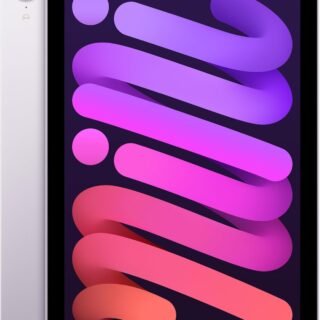 Apple iPad mini (A17 Pro): Apple Intelligence, 8.3-inch Liquid Retina Display, 256GB, Wi-Fi 6E, 12MP Front/12MP Back Camera, Touch ID, All-Day Battery Life — Purple
-
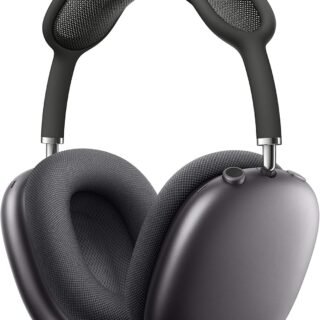 Apple AirPods Max Wireless Over-Ear Headphones, Active Noise Cancelling, Transparency Mode, Personalized Spatial Audio, Dolby Atmos, Bluetooth Headphones for iPhone – Space Gray
-
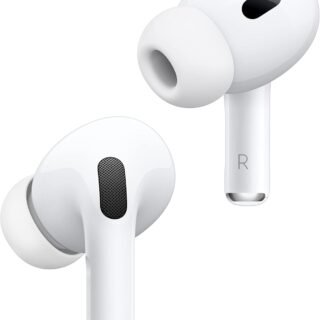 Apple AirPods Pro 2 Wireless Earbuds, Active Noise Cancellation, Hearing Aid Feature, Bluetooth Headphones, Transparency, Personalized Spatial Audio, High-Fidelity Sound, H2 Chip, USB-C Charging
-
Leo Creation 144 TC Cotton Double Jaipuri Prints Flat Bedsheet(Pack of 1, Blue, Gree, Red, Grey, Light Grey)
Original price was: ₹2,999.00.₹329.00Current price is: ₹329.00.
Leave a Reply