Discounted Products
-
 Leo Creation 144 TC Cotton Double Jaipuri Prints Flat Bedsheet(Pack of 1, Blue, Gree, Red, Grey, Light Grey)
Original price was: ₹2,999.00.₹329.00Current price is: ₹329.00.
Leo Creation 144 TC Cotton Double Jaipuri Prints Flat Bedsheet(Pack of 1, Blue, Gree, Red, Grey, Light Grey)
Original price was: ₹2,999.00.₹329.00Current price is: ₹329.00.
-
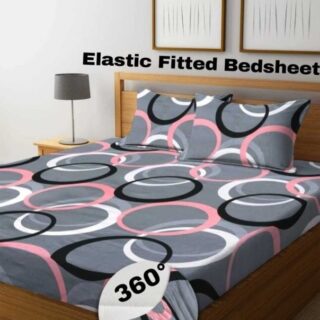 Home Garage 210 TC Cotton King Floral Fitted (Elastic) Bedsheet(Pack of 1, Grey)
Original price was: ₹999.00.₹299.00Current price is: ₹299.00.
Home Garage 210 TC Cotton King Floral Fitted (Elastic) Bedsheet(Pack of 1, Grey)
Original price was: ₹999.00.₹299.00Current price is: ₹299.00.
-
 Goodrik 140 TC Cotton Double 3D Printed Flat Bedsheet(Pack of 1, Brown)
Original price was: ₹499.00.₹229.00Current price is: ₹229.00.
Goodrik 140 TC Cotton Double 3D Printed Flat Bedsheet(Pack of 1, Brown)
Original price was: ₹499.00.₹229.00Current price is: ₹229.00.
-
 GLOBALSHOP 350 TC Microfiber Double Floral Flat Bedsheet(Pack of 1, Multicolor)
Original price was: ₹1,250.00.₹263.00Current price is: ₹263.00.
GLOBALSHOP 350 TC Microfiber Double Floral Flat Bedsheet(Pack of 1, Multicolor)
Original price was: ₹1,250.00.₹263.00Current price is: ₹263.00.
-
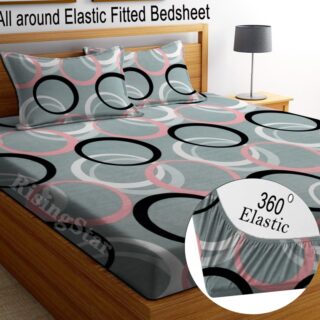 RisingStar 250 TC Microfiber King Printed Fitted (Elastic) Bedsheet(Pack of 1, FITTED-ROUND-CIRCLES-PREMIUM)
Original price was: ₹2,299.00.₹299.00Current price is: ₹299.00.
RisingStar 250 TC Microfiber King Printed Fitted (Elastic) Bedsheet(Pack of 1, FITTED-ROUND-CIRCLES-PREMIUM)
Original price was: ₹2,299.00.₹299.00Current price is: ₹299.00.
-
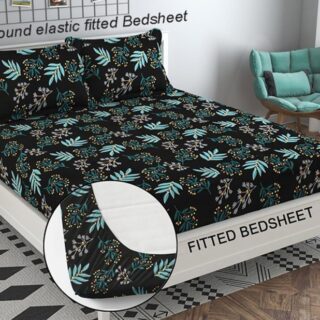 Home Garage 210 TC Cotton King Floral Fitted (Elastic) Bedsheet(Pack of 1, Fitted Black Green)
Original price was: ₹1,299.00.₹299.00Current price is: ₹299.00.
Home Garage 210 TC Cotton King Floral Fitted (Elastic) Bedsheet(Pack of 1, Fitted Black Green)
Original price was: ₹1,299.00.₹299.00Current price is: ₹299.00.
-
 Home Garage 180 TC Cotton King 3D Printed Flat Bedsheet(Pack of 1, White)
Original price was: ₹999.00.₹229.00Current price is: ₹229.00.
Home Garage 180 TC Cotton King 3D Printed Flat Bedsheet(Pack of 1, White)
Original price was: ₹999.00.₹229.00Current price is: ₹229.00.
-
 Home Sizzler 153 cm (5 ft) Polyester Room Darkening Window Curtain (Pack Of 2)(Floral, Maroon)
Original price was: ₹799.00.₹299.00Current price is: ₹299.00.
Home Sizzler 153 cm (5 ft) Polyester Room Darkening Window Curtain (Pack Of 2)(Floral, Maroon)
Original price was: ₹799.00.₹299.00Current price is: ₹299.00.
-
 Panipat Textile Hub 152.4 cm (5 ft) Polyester Window Curtain (Pack Of 2)(Solid, Aqua)
Original price was: ₹1,899.00.₹299.00Current price is: ₹299.00.
Panipat Textile Hub 152.4 cm (5 ft) Polyester Window Curtain (Pack Of 2)(Solid, Aqua)
Original price was: ₹1,899.00.₹299.00Current price is: ₹299.00.
-
 Home Sizzler 214 cm (7 ft) Polyester Semi Transparent Door Curtain (Pack Of 2)(Floral, Maroon)
Original price was: ₹1,199.00.₹399.00Current price is: ₹399.00.
Home Sizzler 214 cm (7 ft) Polyester Semi Transparent Door Curtain (Pack Of 2)(Floral, Maroon)
Original price was: ₹1,199.00.₹399.00Current price is: ₹399.00.
-
 Home Sizzler 153 cm (5 ft) Polyester Room Darkening Window Curtain (Pack Of 2)(Floral, Brown)
Original price was: ₹799.00.₹299.00Current price is: ₹299.00.
Home Sizzler 153 cm (5 ft) Polyester Room Darkening Window Curtain (Pack Of 2)(Floral, Brown)
Original price was: ₹799.00.₹299.00Current price is: ₹299.00.
-
 Stella Creations 214 cm (7 ft) Polyester Room Darkening Door Curtain (Pack Of 2)(Abstract, Brown)
Original price was: ₹1,299.00.₹449.00Current price is: ₹449.00.
Stella Creations 214 cm (7 ft) Polyester Room Darkening Door Curtain (Pack Of 2)(Abstract, Brown)
Original price was: ₹1,299.00.₹449.00Current price is: ₹449.00.
-
 Homefab India 152.5 cm (5 ft) Polyester Room Darkening Window Curtain (Pack Of 2)(Floral, Light Blue)
Original price was: ₹1,199.00.₹319.00Current price is: ₹319.00.
Homefab India 152.5 cm (5 ft) Polyester Room Darkening Window Curtain (Pack Of 2)(Floral, Light Blue)
Original price was: ₹1,199.00.₹319.00Current price is: ₹319.00.
-
 Urban Home 214 cm (7 ft) PVC Transparent Door Curtain Single Curtain(Solid, Off White)
Original price was: ₹699.00.₹203.00Current price is: ₹203.00.
Urban Home 214 cm (7 ft) PVC Transparent Door Curtain Single Curtain(Solid, Off White)
Original price was: ₹699.00.₹203.00Current price is: ₹203.00.
-
 Panipat Textile Hub 213 cm (7 ft) Polyester Door Curtain (Pack Of 2)(Solid, Brown)
Original price was: ₹1,199.00.₹349.00Current price is: ₹349.00.
Panipat Textile Hub 213 cm (7 ft) Polyester Door Curtain (Pack Of 2)(Solid, Brown)
Original price was: ₹1,199.00.₹349.00Current price is: ₹349.00.
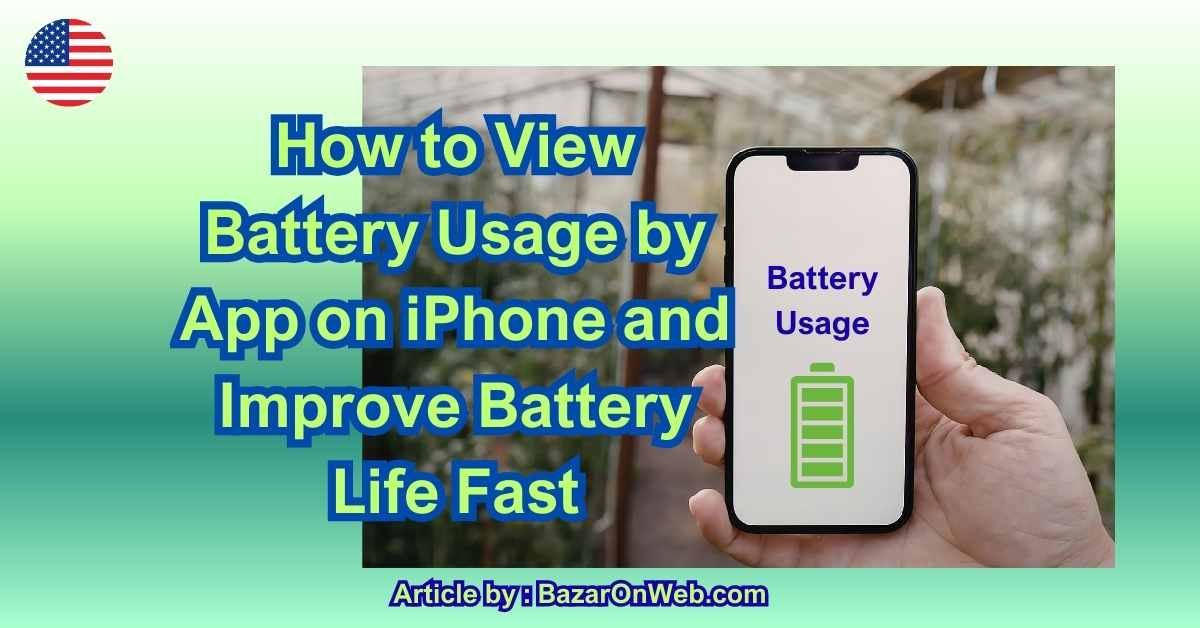
Hey, it’s Jessica. If you’re anything like me—juggling work deadlines, kids’ school apps, grocery lists, and way too many group chats—you probably rely on your iPhone from the moment you wake up until you finally plug it in at night. And there’s nothing more frustrating than watching your battery drop to 20% before dinner and wondering… what is draining it?
The good news? Your iPhone already gives you powerful built-in tools to see exactly which apps are using your battery, how much they’re using, and whether they’re running in the background when you don’t even realize it. Once you understand how to read this information properly, you can make smarter decisions that dramatically improve your battery life—without buying a new phone or carrying a charger everywhere.
In this guide, I’ll walk you step-by-step through how to view apps by battery usage on your iPhone, how to interpret the data correctly, and what to do when you find a battery-hogging app. Whether you’re using an iPhone for work, parenting, content creation, or everyday life, this will help you take back control of your battery.
Why Checking Battery Usage Actually Matters
Before we dive into the steps, let’s talk about why this feature is so important.
Most people assume that if their battery drains quickly, it must mean:
-
Their phone is “old”
-
The battery is damaged
-
They need a replacement
But in many cases, the real culprit is a specific app consuming too much power—sometimes silently in the background.
For example:
-
A social media app refreshing constantly
-
A navigation app using location services
-
A shopping app sending frequent background updates
-
A streaming app left open without realizing it
When you learn how to view battery usage by app, you move from guessing to knowing. And that clarity changes everything.
How to View Battery Usage by App on iPhone
This works on most modern iPhones running recent versions of iOS.
Step 1: Open Settings
Unlock your iPhone and tap on the Settings app.
Step 2: Tap on Battery
Scroll down and tap Battery.
You’ll now see a battery overview screen. At the top, you’ll find:
-
Battery percentage graph
-
Charging history
-
Activity graph
Scroll further down, and you’ll see the real goldmine: Battery Usage by App.
Understanding the Battery Usage Graph
Before jumping to the app list, take a moment to look at the graphs.
You’ll typically see two sections:
-
Last 24 Hours
-
Last 10 Days
You can toggle between them.
This is incredibly helpful because sometimes one heavy-use day (like travel or streaming) can distort your perception. Looking at 10 days gives you patterns instead of panic.
The graph shows:
-
Battery level over time
-
When your phone was charging
-
When it was actively used
If you tap on specific time blocks, you can see which apps were active during that period.
This is something most people miss. They look only at the percentage list and ignore the timeline. But the timeline tells a story.
Viewing Apps by Battery Percentage
Now scroll down to the section where apps are listed.
You’ll see:
-
App name
-
Percentage of battery used
For example:
-
Instagram – 28%
-
YouTube – 22%
-
Safari – 12%
-
Messages – 8%
This percentage shows how much of your total battery usage during the selected period was used by that specific app.
Important: This does not mean the app used that percentage of your full battery capacity—it means that out of all battery consumed in that time frame, that percentage came from that app.
So if your battery dropped from 100% to 50%, and Instagram shows 20%, that means 20% of that 50% drain was from Instagram.
That distinction matters.
Screen On vs Background Activity
Here’s where it gets really useful.
Under each app, you’ll see details like:
-
Screen On
-
Background Activity
This tells you how the app is using power.
Screen On
This means you were actively using the app while it was open on your screen.
If YouTube shows:
-
2h 15m Screen On
That makes sense—you were watching videos.
Background Activity
This is the sneaky one.
Background activity means the app was running when you weren’t actively using it.
For example:
-
A shopping app refreshing deals
-
A messaging app syncing messages
-
A fitness app tracking location
-
A social app updating feeds
If you see an app with high Background Activity and very little Screen On time, that’s a red flag.
That’s often where hidden battery drain happens.
How to Identify a Battery-Draining App
Here’s how I personally evaluate it:
-
Is the percentage unusually high?
-
Does it have significant background activity?
-
Does that match how much I actually use it?
If an app shows 30% battery usage but you barely opened it, that’s worth investigating.
Sometimes it’s:
-
A bug after an update
-
A location permission issue
-
A background refresh setting
-
A streaming app paused but not closed
This is where you move from passive user to smart user.
What to Do If an App Is Draining Battery
Once you identify the problem app, you have several options.
1. Close and Reopen the App
Sometimes apps glitch. Swipe up from the bottom (or double-click Home button on older models) and close the app. Then reopen it.
2. Update the App
Go to the App Store and check for updates. Developers frequently fix battery-related bugs.
3. Turn Off Background App Refresh
Go to:
Settings → General → Background App Refresh
You can:
-
Turn it off completely
-
Disable it for specific apps
I personally keep background refresh enabled only for apps I truly need in real-time (like messaging or navigation).
4. Adjust Location Settings
Go to:
Settings → Privacy & Security → Location Services
If an app is set to “Always,” consider changing it to:
-
“While Using the App”
-
“Never”
Location tracking is one of the biggest battery consumers.
5. Reduce Notifications
Constant push notifications wake up your phone repeatedly. Go to:
Settings → Notifications
Turn off unnecessary alerts.
Using Low Power Mode Strategically
Inside the Battery settings, you’ll see Low Power Mode.
When enabled, it:
-
Reduces background activity
-
Limits mail fetch
-
Reduces visual effects
-
Slows down some processes
I personally turn this on when my battery hits 30% if I know I’ll be out for hours.
It’s not just an emergency tool—it’s a smart management feature.
Check Battery Health Too
While you’re in:
Settings → Battery → Battery Health & Charging
You can see:
-
Maximum Capacity
-
Peak Performance Capability
If your battery health is below 80%, that could explain faster drain overall.
But even then, optimizing apps still makes a noticeable difference.
24 Hours vs 10 Days: Which Should You Use?
If you’re troubleshooting sudden drain:
Use 24 Hours.
If you’re trying to optimize overall habits:
Use 10 Days.
The 10-day view helps you see patterns like:
-
Weekend streaming spikes
-
Workday email usage
-
Navigation during commute
-
Kids’ YouTube usage
It turns your battery data into lifestyle insights.
Common Apps That Typically Use More Battery
Not because they’re “bad,” but because of what they do:
-
Streaming apps (video playback uses screen + processing)
-
Social media apps (auto-refresh + video autoplay)
-
Navigation apps (GPS constantly active)
-
Fitness tracking apps (motion + location sensors)
-
Gaming apps (high graphics demand)
Understanding this helps you manage expectations. A video app using 25% isn’t shocking if you watched movies for hours.
Context matters.
Smart Daily Battery Habits
Beyond checking battery usage, here are habits that truly help:
-
Lower screen brightness slightly
-
Enable Auto-Brightness
-
Turn off Bluetooth if unused
-
Disable AirDrop visibility
-
Use Wi-Fi instead of cellular when possible
-
Avoid extreme temperatures
These small shifts add up.
Learning how to view apps by battery usage on your iPhone isn’t just about fixing battery drain—it’s about understanding your digital habits.
When you see which apps dominate your battery, you also see where your time and attention go. Sometimes that insight alone is powerful.
In the next part, we’ll go deeper into advanced battery optimization tips, hidden settings most people ignore, and how to create a battery-saving setup that fits your lifestyle—whether you’re working, parenting, traveling, or just trying to make it through a long day without that dreaded 10% warning.
Stay with me. We’re just getting started.
Now that you know how to view battery usage by app on your iPhone and understand what the numbers mean, let’s go deeper. This is where we move from “checking stats” to building a battery-optimized iPhone setup that actually fits real life — work, kids, streaming, social media, maps, and everything in between.
Hey, it’s Jessica again — and this is where things get practical.
Advanced Battery Optimization Settings Most People Ignore
Once you’ve identified which apps are using the most battery, the next step isn’t deleting everything. It’s fine-tuning.
Here are powerful adjustments most people never explore.
1. Disable Background App Refresh Selectively
Instead of turning it off completely, customize it.
Go to:
Settings → General → Background App Refresh
You’ll see a list of apps with toggles.
Here’s how I personally think about it:
Keep ON for:
-
Messaging apps
-
Calendar
-
Navigation apps (if used often)
Turn OFF for:
-
Shopping apps
-
Food delivery apps
-
News apps you don’t check hourly
-
Games
Background refresh constantly wakes your phone to fetch data. Even small updates add up over 24 hours.
You don’t need your grocery app refreshing in the background all day.
2. Manage Location Services Smartly
Location tracking is one of the biggest hidden battery drains.
Go to:
Settings → Privacy & Security → Location Services
Tap on each high-usage app and check what it’s set to:
-
Always
-
While Using the App
-
Never
“Always” is rarely necessary unless it’s:
-
Navigation
-
Emergency apps
-
Certain fitness tracking apps
For most apps, “While Using the App” is more than enough.
Also scroll down and review System Services. If you don’t need things like location-based Apple ads or frequent location suggestions, you can disable them.
Small changes = big gains.
3. Turn Off Push for Non-Essential Accounts
Email can quietly drain battery.
Go to:
Settings → Mail → Accounts → Fetch New Data
If your email is set to “Push,” your phone constantly checks for updates.
Switch less important accounts to:
-
Fetch (every 30 minutes)
-
Manual
If you don’t need instant notifications for promotional emails, this alone can extend battery life noticeably.
4. Control Notifications That Wake the Screen
Every notification:
-
Lights up your screen
-
Activates the processor
-
Uses power
Go to:
Settings → Notifications
Ask yourself:
Do I really need this app lighting up my screen 20 times a day?
Turn off notifications for:
-
Shopping apps
-
Games
-
News alerts you don’t read immediately
Keep them for:
-
Calls
-
Messages
-
Work apps
-
Calendar reminders
This doesn’t just save battery — it reduces digital stress.
Using the 10-Day View to Identify Patterns
Back in:
Settings → Battery
Switch to Last 10 Days.
Now look for patterns:
-
Is one app always at the top?
-
Does usage spike on certain days?
-
Are weekends heavier than weekdays?
This tells you how your lifestyle affects battery.
For example:
-
Heavy YouTube use on weekends?
-
Work apps dominating weekdays?
-
Navigation draining battery during commute?
Instead of reacting emotionally (“My battery is terrible!”), you now have data-backed clarity.
Understanding Screen Time vs Battery Usage
Sometimes people confuse high battery usage with “problem app.”
If you spent:
-
4 hours on a video app
-
3 hours on social media
Of course they’ll top the list.
Battery usage must match behavior.
The red flag is:
High battery percentage + low screen time + high background activity.
That’s when you investigate.
Should You Close Apps Frequently?
This is a common myth.
Manually closing every app constantly does NOT save battery in most cases.
In fact:
Reopening apps repeatedly can use more power than leaving them suspended.
Only force-close apps if:
-
They’re glitching
-
They show abnormal background activity
-
They freeze
Otherwise, let iOS manage memory. It’s designed to be efficient.
When to Use Low Power Mode Strategically
Low Power Mode isn’t just for emergencies.
You can use it:
-
During long travel days
-
At work when you won’t charge for hours
-
When battery drops below 30%
To enable:
Settings → Battery → Low Power Mode
Or add it to Control Center for quick access.
What it does:
-
Reduces background activity
-
Lowers screen brightness slightly
-
Disables some visual effects
-
Pauses mail fetch
It’s subtle but effective.
Check Battery Health Properly
Go to:
Settings → Battery → Battery Health & Charging
Look at:
-
Maximum Capacity
-
Peak Performance Capability
If your Maximum Capacity is:
-
100–90% → Excellent
-
89–80% → Normal aging
-
Below 80% → Consider replacement
If your battery health is strong but drain is high, it’s almost always app-related.
If health is low, optimization still helps — but hardware aging plays a role too.
Reduce Screen Power Consumption
Your display is the biggest battery consumer.
Here’s what helps:
Lower Brightness Slightly
Even reducing it by 10–15% can make a difference.
Enable Auto-Brightness
Go to:
Settings → Accessibility → Display & Text Size → Auto-Brightness
Reduce Auto-Lock Time
Set it to:
30 seconds or 1 minute
Your screen doesn’t need to stay on for 5 minutes every time.
Disable Features You Don’t Use
Little things matter.
Turn off if unused:
-
Bluetooth
-
AirDrop visibility
-
Personal Hotspot
-
Background Siri listening (if you don’t use it often)
These small adjustments reduce background wake-ups.
Optimize Streaming and Social Media
Streaming apps drain battery because they use:
-
Screen
-
Speakers
-
Processing power
-
Internet
To reduce impact:
-
Lower video quality on cellular
-
Disable autoplay in social media apps
-
Download content over Wi-Fi instead of streaming on mobile data
Also, cellular data uses more power than Wi-Fi. Whenever possible, use Wi-Fi.
Watch for Apps After Updates
Sometimes an app update causes unexpected drain.
If you notice:
“Why is this app suddenly at 35% usage?”
Check:
-
Was it recently updated?
-
Are there app reviews mentioning battery issues?
If yes:
-
Wait for next update
-
Temporarily limit background activity
Reset Settings (If Drain Is Extreme)
If battery drain becomes unusual across all apps:
You can try:
Settings → General → Transfer or Reset iPhone → Reset → Reset All Settings
This does NOT delete data.
It resets:
-
Wi-Fi passwords
-
System settings
-
Privacy settings
Sometimes this fixes hidden configuration bugs.
Build a Personalized Battery Strategy
Here’s how I approach it in real life:
Weekday Setup:
-
Background refresh limited
-
Email fetch instead of push (except work)
-
Low Power Mode after 30%
Weekend Setup:
-
Allow streaming apps
-
Keep brightness slightly lower
-
Wi-Fi prioritized
Travel Setup:
-
Low Power Mode early
-
Disable unnecessary notifications
-
Keep location only for maps
Battery optimization isn’t about restriction.
It’s about intention.
Conclusion
Learning how to view apps by battery usage on your iPhone changes how you use your device.
Instead of blaming the battery, you:
-
Identify which apps consume the most power
-
Distinguish between screen time and background activity
-
Adjust settings strategically
-
Create smarter daily habits
The key isn’t obsessing over percentages.
It’s understanding patterns.
Your iPhone already gives you the tools:
-
24-hour breakdown
-
10-day trends
-
Screen vs background usage
-
Battery health insights
Once you combine this data with thoughtful settings — like managing background refresh, optimizing location services, reducing notifications, and using Low Power Mode strategically — you’ll notice real improvement.
Battery life isn’t just about hardware.
It’s about awareness.
And once you understand where your power is going, you’re back in control.
Disclaimer
This guide is for informational purposes only. iOS features and menu paths may vary slightly depending on your iPhone model and iOS version. Always ensure your device is updated to the latest supported software for optimal performance and security.

- Fix “The Recycle Bin on C:\ is Corrupted” Error on Windows 11 (Step-by-Step Guide)

- How to Reset Graphics Driver on Windows 11: Easy Fix for Screen Freezes, Lag, and Display Glitches

- What Is Killer Network Service in Windows Complete Guide for Gamers and Laptop Users

- Windows Defender Not Opening in Windows 11? Complete Guide to Fix Windows Security App Issues

- How to Switch User Accounts in Windows 11: Complete Guide for Quick and Secure Account Switching
Products
-
![Apple Watch Ultra 3 [GPS + Cellular 49mm] Running & Multisport Smartwatch w/Rugged Titanium Case w/Black Titanium Milanese Loop - M. Satellite Communications, Advanced Health & Fitness Tracking](https://bazaronweb.com/retailstores/wp-content/uploads/2025/09/apple-watch-320x320.jpg) Apple Watch Ultra 3 [GPS + Cellular 49mm] Running & Multisport Smartwatch w/Rugged Titanium Case w/Black Titanium Milanese Loop - M. Satellite Communications, Advanced Health & Fitness Tracking
Apple Watch Ultra 3 [GPS + Cellular 49mm] Running & Multisport Smartwatch w/Rugged Titanium Case w/Black Titanium Milanese Loop - M. Satellite Communications, Advanced Health & Fitness Tracking
-
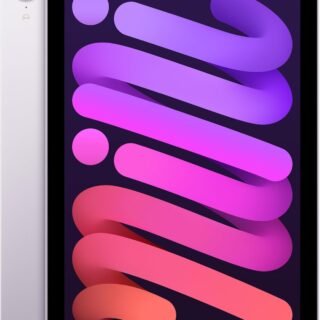 Apple iPad mini (A17 Pro): Apple Intelligence, 8.3-inch Liquid Retina Display, 256GB, Wi-Fi 6E, 12MP Front/12MP Back Camera, Touch ID, All-Day Battery Life — Purple
-
 Apple AirPods Max Wireless Over-Ear Headphones, Active Noise Cancelling, Transparency Mode, Personalized Spatial Audio, Dolby Atmos, Bluetooth Headphones for iPhone – Space Gray
-
 Apple AirPods Pro 2 Wireless Earbuds, Active Noise Cancellation, Hearing Aid Feature, Bluetooth Headphones, Transparency, Personalized Spatial Audio, High-Fidelity Sound, H2 Chip, USB-C Charging
-
Leo Creation 144 TC Cotton Double Jaipuri Prints Flat Bedsheet(Pack of 1, Blue, Gree, Red, Grey, Light Grey)
Original price was: ₹2,999.00.₹329.00Current price is: ₹329.00.
Leave a Reply