Discounted Products
-
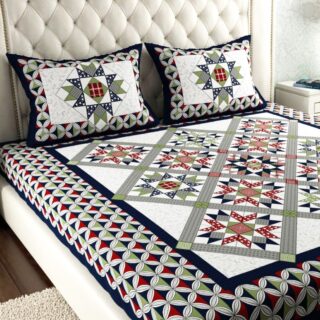 Leo Creation 144 TC Cotton Double Jaipuri Prints Flat Bedsheet(Pack of 1, Blue, Gree, Red, Grey, Light Grey)
Original price was: ₹2,999.00.₹329.00Current price is: ₹329.00.
Leo Creation 144 TC Cotton Double Jaipuri Prints Flat Bedsheet(Pack of 1, Blue, Gree, Red, Grey, Light Grey)
Original price was: ₹2,999.00.₹329.00Current price is: ₹329.00.
-
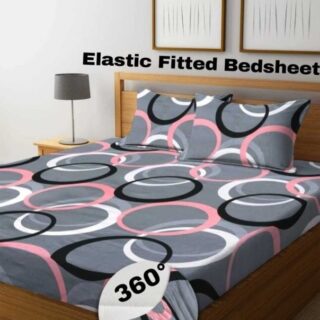 Home Garage 210 TC Cotton King Floral Fitted (Elastic) Bedsheet(Pack of 1, Grey)
Original price was: ₹999.00.₹299.00Current price is: ₹299.00.
Home Garage 210 TC Cotton King Floral Fitted (Elastic) Bedsheet(Pack of 1, Grey)
Original price was: ₹999.00.₹299.00Current price is: ₹299.00.
-
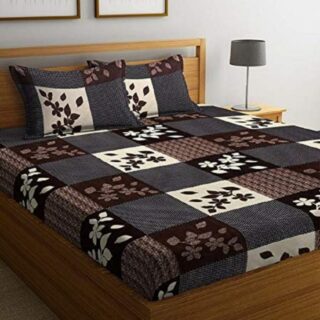 Goodrik 140 TC Cotton Double 3D Printed Flat Bedsheet(Pack of 1, Brown)
Original price was: ₹499.00.₹229.00Current price is: ₹229.00.
Goodrik 140 TC Cotton Double 3D Printed Flat Bedsheet(Pack of 1, Brown)
Original price was: ₹499.00.₹229.00Current price is: ₹229.00.
-
 GLOBALSHOP 350 TC Microfiber Double Floral Flat Bedsheet(Pack of 1, Multicolor)
Original price was: ₹1,250.00.₹263.00Current price is: ₹263.00.
GLOBALSHOP 350 TC Microfiber Double Floral Flat Bedsheet(Pack of 1, Multicolor)
Original price was: ₹1,250.00.₹263.00Current price is: ₹263.00.
-
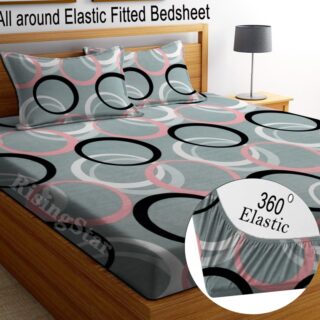 RisingStar 250 TC Microfiber King Printed Fitted (Elastic) Bedsheet(Pack of 1, FITTED-ROUND-CIRCLES-PREMIUM)
Original price was: ₹2,299.00.₹299.00Current price is: ₹299.00.
RisingStar 250 TC Microfiber King Printed Fitted (Elastic) Bedsheet(Pack of 1, FITTED-ROUND-CIRCLES-PREMIUM)
Original price was: ₹2,299.00.₹299.00Current price is: ₹299.00.
-
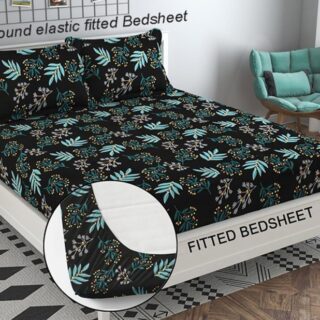 Home Garage 210 TC Cotton King Floral Fitted (Elastic) Bedsheet(Pack of 1, Fitted Black Green)
Original price was: ₹1,299.00.₹299.00Current price is: ₹299.00.
Home Garage 210 TC Cotton King Floral Fitted (Elastic) Bedsheet(Pack of 1, Fitted Black Green)
Original price was: ₹1,299.00.₹299.00Current price is: ₹299.00.
-
 Home Garage 180 TC Cotton King 3D Printed Flat Bedsheet(Pack of 1, White)
Original price was: ₹999.00.₹229.00Current price is: ₹229.00.
Home Garage 180 TC Cotton King 3D Printed Flat Bedsheet(Pack of 1, White)
Original price was: ₹999.00.₹229.00Current price is: ₹229.00.
-
 Home Sizzler 153 cm (5 ft) Polyester Room Darkening Window Curtain (Pack Of 2)(Floral, Maroon)
Original price was: ₹799.00.₹299.00Current price is: ₹299.00.
Home Sizzler 153 cm (5 ft) Polyester Room Darkening Window Curtain (Pack Of 2)(Floral, Maroon)
Original price was: ₹799.00.₹299.00Current price is: ₹299.00.
-
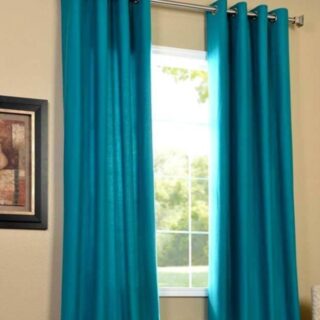 Panipat Textile Hub 152.4 cm (5 ft) Polyester Window Curtain (Pack Of 2)(Solid, Aqua)
Original price was: ₹1,899.00.₹299.00Current price is: ₹299.00.
Panipat Textile Hub 152.4 cm (5 ft) Polyester Window Curtain (Pack Of 2)(Solid, Aqua)
Original price was: ₹1,899.00.₹299.00Current price is: ₹299.00.
-
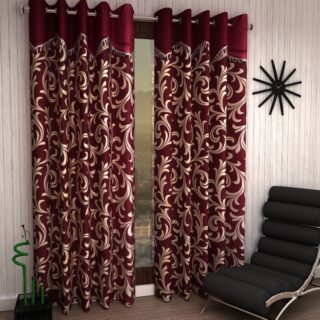 Home Sizzler 214 cm (7 ft) Polyester Semi Transparent Door Curtain (Pack Of 2)(Floral, Maroon)
Original price was: ₹1,199.00.₹399.00Current price is: ₹399.00.
Home Sizzler 214 cm (7 ft) Polyester Semi Transparent Door Curtain (Pack Of 2)(Floral, Maroon)
Original price was: ₹1,199.00.₹399.00Current price is: ₹399.00.
-
 Home Sizzler 153 cm (5 ft) Polyester Room Darkening Window Curtain (Pack Of 2)(Floral, Brown)
Original price was: ₹799.00.₹299.00Current price is: ₹299.00.
Home Sizzler 153 cm (5 ft) Polyester Room Darkening Window Curtain (Pack Of 2)(Floral, Brown)
Original price was: ₹799.00.₹299.00Current price is: ₹299.00.
-
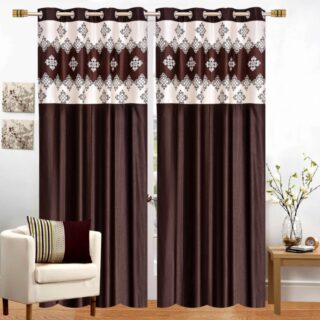 Stella Creations 214 cm (7 ft) Polyester Room Darkening Door Curtain (Pack Of 2)(Abstract, Brown)
Original price was: ₹1,299.00.₹449.00Current price is: ₹449.00.
Stella Creations 214 cm (7 ft) Polyester Room Darkening Door Curtain (Pack Of 2)(Abstract, Brown)
Original price was: ₹1,299.00.₹449.00Current price is: ₹449.00.
-
 Homefab India 152.5 cm (5 ft) Polyester Room Darkening Window Curtain (Pack Of 2)(Floral, Light Blue)
Original price was: ₹1,199.00.₹319.00Current price is: ₹319.00.
Homefab India 152.5 cm (5 ft) Polyester Room Darkening Window Curtain (Pack Of 2)(Floral, Light Blue)
Original price was: ₹1,199.00.₹319.00Current price is: ₹319.00.
-
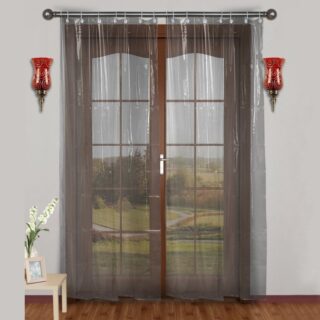 Urban Home 214 cm (7 ft) PVC Transparent Door Curtain Single Curtain(Solid, Off White)
Original price was: ₹699.00.₹203.00Current price is: ₹203.00.
Urban Home 214 cm (7 ft) PVC Transparent Door Curtain Single Curtain(Solid, Off White)
Original price was: ₹699.00.₹203.00Current price is: ₹203.00.
-
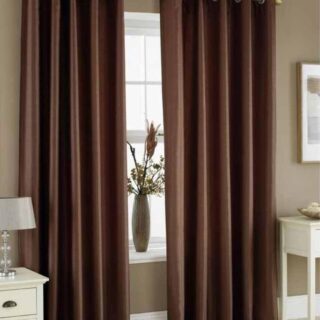 Panipat Textile Hub 213 cm (7 ft) Polyester Door Curtain (Pack Of 2)(Solid, Brown)
Original price was: ₹1,199.00.₹349.00Current price is: ₹349.00.
Panipat Textile Hub 213 cm (7 ft) Polyester Door Curtain (Pack Of 2)(Solid, Brown)
Original price was: ₹1,199.00.₹349.00Current price is: ₹349.00.
Hi everyone, Jessica here! As a busy mom of two, my iPhone is practically my lifeline — it keeps me on track with my kids’ school schedules, helps me manage work emails, and is my go-to for family photos, grocery lists, and even a little Pinterest scrolling late at night. But like many of you, I’ve had moments when my iPhone battery started draining way too fast. That’s when I realized it might be time to think about a battery replacement.
If you’re in the same boat, let me break down the cost of iPhone battery replacement in the U.S., when you actually need one, and what you should consider before heading to Apple or a repair shop.
Why iPhone Batteries Wear Out
First, let’s talk about why iPhone batteries don’t last forever. iPhones use lithium-ion batteries, which are fantastic for fast charging and energy efficiency, but they naturally degrade over time. Every charge cycle (from 0% to 100%) slightly reduces the overall capacity.
For someone like me, who charges her phone overnight and often tops it up during the day while working, those cycles add up fast. After about 500 full charge cycles, you’ll notice your iPhone doesn’t hold a charge like it used to.
Apple calls this “battery health.” Once your battery health drops below 80%, you’ll probably start noticing shorter usage times, unexpected shutdowns, or performance throttling.
How Much Does Battery Replacement Cost in the U.S.?
Apple has fairly standard pricing for battery replacements:
- iPhone 14, 15, 16, and newer models: Around $99
- iPhone X through iPhone 13 series: About $89
- Older models (iPhone SE, iPhone 8, and earlier): Around $69
(These prices are based on Apple’s official U.S. repair pricing and can vary slightly depending on taxes and location.)
If your iPhone is still under AppleCare+, battery replacement is usually free if the battery health dips below 80%. That’s a nice perk!
Signs You Need a Battery Replacement
Here are some real-world signs I’ve personally noticed when my iPhone battery was nearing its end:
- Rapid Drain – Your phone goes from 80% to 20% in a matter of hours, even with light use.
- Random Shutdowns – The phone turns off unexpectedly, especially when the battery is low.
- Sluggish Performance – Apple sometimes throttles performance to keep older batteries stable.
- Charging Issues – It takes much longer to charge or doesn’t charge past a certain percentage.
- Battery Health Warning – In Settings > Battery > Battery Health, you’ll see a warning if service is recommended.
Options for Replacing Your Battery
1. Apple Store or Authorized Service Provider
This is the safest option. Apple-certified technicians use genuine Apple batteries and the repair is covered by a 90-day warranty.
2. Mail-In Service
If you don’t have an Apple Store nearby, you can arrange a mail-in repair. It’s convenient, but it means being without your phone for a few days — not ideal for moms like me who need their phones daily.
3. Third-Party Repair Shops
These can be cheaper, sometimes $20–$40 less than Apple. However, you risk getting non-genuine batteries, which may not last as long or could even cause issues. If you go this route, choose a well-reviewed shop.
4. DIY Replacement
Some people order replacement kits online. Personally, I wouldn’t recommend this unless you’re very tech-savvy — it involves special tools and can void your warranty.
Things to Consider Before Replacing
- Check Battery Health First
Go to Settings > Battery > Battery Health & Charging to see your battery’s maximum capacity. If it’s 80% or lower, it’s time. - Look at Your Warranty
If your phone is under AppleCare+ or still in the standard 1-year warranty, check if you qualify for a free replacement. - Decide if It’s Worth It
If you’re on an older iPhone (say, iPhone 8 or XR), ask yourself: do you want to spend $69–$89 on a battery, or put that money toward upgrading to a newer model? - Plan for Downtime
If you use your phone for work (like I do), try scheduling your appointment for a day you won’t need it as much. Some Apple Stores do same-day replacements, but not always.
How to Extend Your Battery Life After Replacement
Once you get a shiny new battery, you’ll want to keep it healthy for as long as possible. Here are some mom-tested tips:
- Avoid Extreme Heat: Don’t leave your phone in a hot car during soccer practice. Heat is the #1 killer of batteries.
- Don’t Drain to 0% Daily: Lithium-ion batteries prefer being between 20%–80%.
- Use Optimized Battery Charging: This setting (in Battery settings) learns your charging routine and slows charging past 80% until you need it.
- Use Apple-Certified Chargers: Cheap cables can cause inconsistent charging.
- Limit Background Apps: Turn off apps that constantly refresh in the background (like social media or email).
Should You Replace or Upgrade?
This is the big question. For me, when my iPhone 12 Pro battery started fading, I had to choose between a $89 battery replacement or upgrading. Since I still loved the phone’s camera and performance, replacing the battery gave it a “second life.”
But if your phone is more than four years old, you might find that even with a new battery, it feels outdated compared to the latest models. In that case, it might make more sense to invest in a new iPhone.
Final Thoughts
Replacing your iPhone battery isn’t just about keeping the phone alive — it’s about making your day-to-day life smoother and less stressful. Nothing’s worse than your phone dying in the middle of your child’s recital or when you’re trying to get work done.
In the U.S., battery replacement is fairly affordable compared to the cost of a new iPhone, especially if your device is still running smoothly otherwise. Whether you go through Apple or a trusted repair shop, the process is simple and can give your phone a fresh start.
So, if your iPhone feels like it’s constantly glued to the charger, it might be time to schedule that battery replacement. Trust me, it’ll feel like you got a whole new phone — without the $1,000+ price tag.

- What Is Killer Network Service in Windows Complete Guide for Gamers and Laptop Users

- Windows Defender Not Opening in Windows 11? Complete Guide to Fix Windows Security App Issues

- How to Switch User Accounts in Windows 11: Complete Guide for Quick and Secure Account Switching
- How to Use PowerShell to Scan and Repair Windows 10 System Files Easily

- How to Fix Green or Purple Videos in Google Chrome (Complete Troubleshooting Guide)

Products
-
![Apple Watch Ultra 3 [GPS + Cellular 49mm] Running & Multisport Smartwatch w/Rugged Titanium Case w/Black Titanium Milanese Loop - M. Satellite Communications, Advanced Health & Fitness Tracking](https://bazaronweb.com/retailstores/wp-content/uploads/2025/09/apple-watch-320x320.jpg) Apple Watch Ultra 3 [GPS + Cellular 49mm] Running & Multisport Smartwatch w/Rugged Titanium Case w/Black Titanium Milanese Loop - M. Satellite Communications, Advanced Health & Fitness Tracking
Apple Watch Ultra 3 [GPS + Cellular 49mm] Running & Multisport Smartwatch w/Rugged Titanium Case w/Black Titanium Milanese Loop - M. Satellite Communications, Advanced Health & Fitness Tracking
-
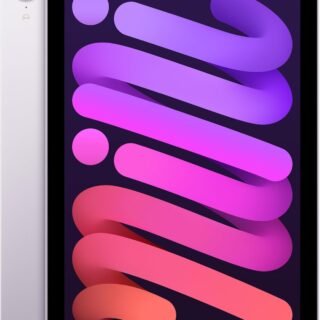 Apple iPad mini (A17 Pro): Apple Intelligence, 8.3-inch Liquid Retina Display, 256GB, Wi-Fi 6E, 12MP Front/12MP Back Camera, Touch ID, All-Day Battery Life — Purple
-
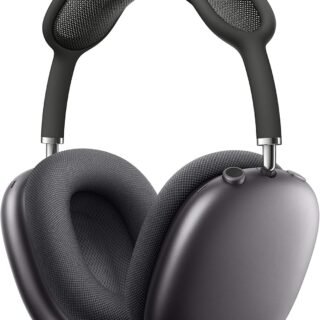 Apple AirPods Max Wireless Over-Ear Headphones, Active Noise Cancelling, Transparency Mode, Personalized Spatial Audio, Dolby Atmos, Bluetooth Headphones for iPhone – Space Gray
-
 Apple AirPods Pro 2 Wireless Earbuds, Active Noise Cancellation, Hearing Aid Feature, Bluetooth Headphones, Transparency, Personalized Spatial Audio, High-Fidelity Sound, H2 Chip, USB-C Charging
-
Leo Creation 144 TC Cotton Double Jaipuri Prints Flat Bedsheet(Pack of 1, Blue, Gree, Red, Grey, Light Grey)
Original price was: ₹2,999.00.₹329.00Current price is: ₹329.00.
Leave a Reply