Discounted Products
-
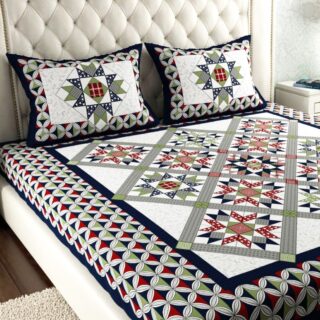 Leo Creation 144 TC Cotton Double Jaipuri Prints Flat Bedsheet(Pack of 1, Blue, Gree, Red, Grey, Light Grey)
Original price was: ₹2,999.00.₹329.00Current price is: ₹329.00.
Leo Creation 144 TC Cotton Double Jaipuri Prints Flat Bedsheet(Pack of 1, Blue, Gree, Red, Grey, Light Grey)
Original price was: ₹2,999.00.₹329.00Current price is: ₹329.00.
-
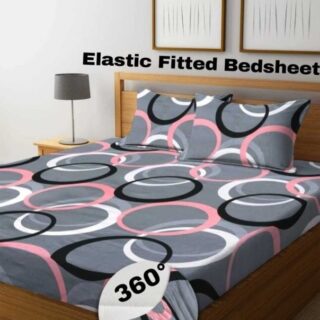 Home Garage 210 TC Cotton King Floral Fitted (Elastic) Bedsheet(Pack of 1, Grey)
Original price was: ₹999.00.₹299.00Current price is: ₹299.00.
Home Garage 210 TC Cotton King Floral Fitted (Elastic) Bedsheet(Pack of 1, Grey)
Original price was: ₹999.00.₹299.00Current price is: ₹299.00.
-
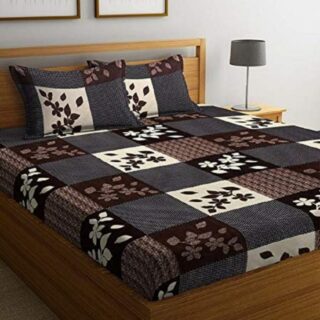 Goodrik 140 TC Cotton Double 3D Printed Flat Bedsheet(Pack of 1, Brown)
Original price was: ₹499.00.₹229.00Current price is: ₹229.00.
Goodrik 140 TC Cotton Double 3D Printed Flat Bedsheet(Pack of 1, Brown)
Original price was: ₹499.00.₹229.00Current price is: ₹229.00.
-
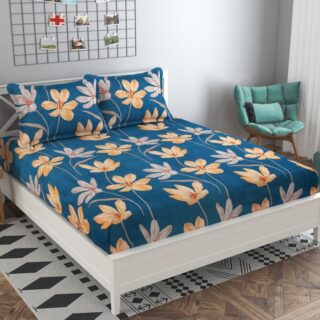 GLOBALSHOP 350 TC Microfiber Double Floral Flat Bedsheet(Pack of 1, Multicolor)
Original price was: ₹1,250.00.₹263.00Current price is: ₹263.00.
GLOBALSHOP 350 TC Microfiber Double Floral Flat Bedsheet(Pack of 1, Multicolor)
Original price was: ₹1,250.00.₹263.00Current price is: ₹263.00.
-
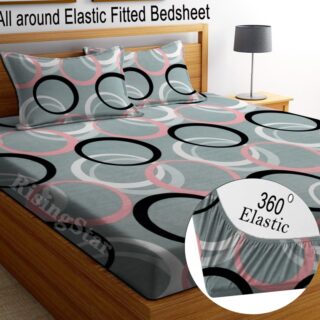 RisingStar 250 TC Microfiber King Printed Fitted (Elastic) Bedsheet(Pack of 1, FITTED-ROUND-CIRCLES-PREMIUM)
Original price was: ₹2,299.00.₹299.00Current price is: ₹299.00.
RisingStar 250 TC Microfiber King Printed Fitted (Elastic) Bedsheet(Pack of 1, FITTED-ROUND-CIRCLES-PREMIUM)
Original price was: ₹2,299.00.₹299.00Current price is: ₹299.00.
-
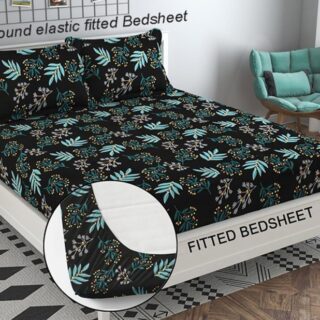 Home Garage 210 TC Cotton King Floral Fitted (Elastic) Bedsheet(Pack of 1, Fitted Black Green)
Original price was: ₹1,299.00.₹299.00Current price is: ₹299.00.
Home Garage 210 TC Cotton King Floral Fitted (Elastic) Bedsheet(Pack of 1, Fitted Black Green)
Original price was: ₹1,299.00.₹299.00Current price is: ₹299.00.
-
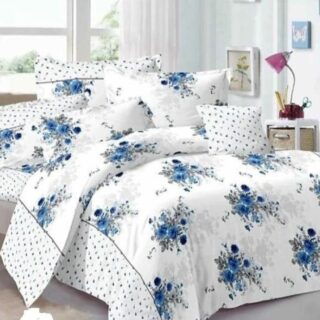 Home Garage 180 TC Cotton King 3D Printed Flat Bedsheet(Pack of 1, White)
Original price was: ₹999.00.₹229.00Current price is: ₹229.00.
Home Garage 180 TC Cotton King 3D Printed Flat Bedsheet(Pack of 1, White)
Original price was: ₹999.00.₹229.00Current price is: ₹229.00.
-
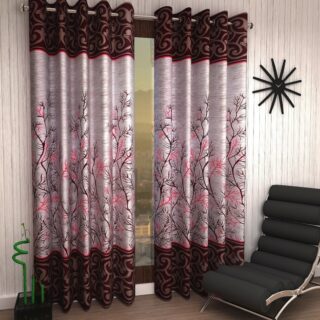 Home Sizzler 153 cm (5 ft) Polyester Room Darkening Window Curtain (Pack Of 2)(Floral, Maroon)
Original price was: ₹799.00.₹299.00Current price is: ₹299.00.
Home Sizzler 153 cm (5 ft) Polyester Room Darkening Window Curtain (Pack Of 2)(Floral, Maroon)
Original price was: ₹799.00.₹299.00Current price is: ₹299.00.
-
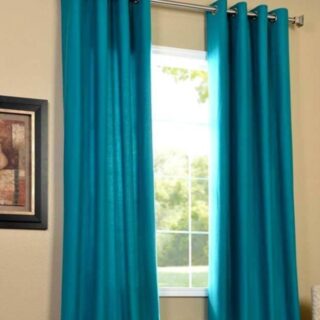 Panipat Textile Hub 152.4 cm (5 ft) Polyester Window Curtain (Pack Of 2)(Solid, Aqua)
Original price was: ₹1,899.00.₹299.00Current price is: ₹299.00.
Panipat Textile Hub 152.4 cm (5 ft) Polyester Window Curtain (Pack Of 2)(Solid, Aqua)
Original price was: ₹1,899.00.₹299.00Current price is: ₹299.00.
-
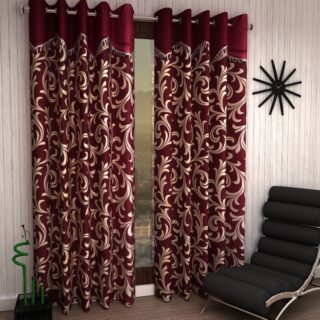 Home Sizzler 214 cm (7 ft) Polyester Semi Transparent Door Curtain (Pack Of 2)(Floral, Maroon)
Original price was: ₹1,199.00.₹399.00Current price is: ₹399.00.
Home Sizzler 214 cm (7 ft) Polyester Semi Transparent Door Curtain (Pack Of 2)(Floral, Maroon)
Original price was: ₹1,199.00.₹399.00Current price is: ₹399.00.
-
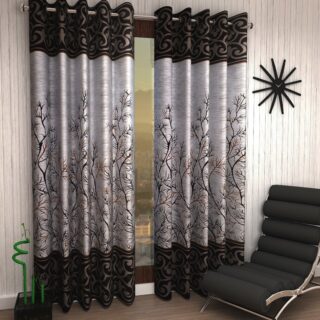 Home Sizzler 153 cm (5 ft) Polyester Room Darkening Window Curtain (Pack Of 2)(Floral, Brown)
Original price was: ₹799.00.₹299.00Current price is: ₹299.00.
Home Sizzler 153 cm (5 ft) Polyester Room Darkening Window Curtain (Pack Of 2)(Floral, Brown)
Original price was: ₹799.00.₹299.00Current price is: ₹299.00.
-
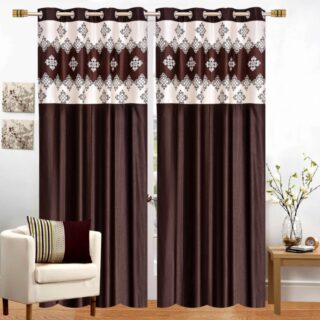 Stella Creations 214 cm (7 ft) Polyester Room Darkening Door Curtain (Pack Of 2)(Abstract, Brown)
Original price was: ₹1,299.00.₹449.00Current price is: ₹449.00.
Stella Creations 214 cm (7 ft) Polyester Room Darkening Door Curtain (Pack Of 2)(Abstract, Brown)
Original price was: ₹1,299.00.₹449.00Current price is: ₹449.00.
-
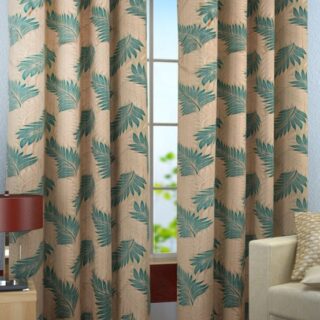 Homefab India 152.5 cm (5 ft) Polyester Room Darkening Window Curtain (Pack Of 2)(Floral, Light Blue)
Original price was: ₹1,199.00.₹319.00Current price is: ₹319.00.
Homefab India 152.5 cm (5 ft) Polyester Room Darkening Window Curtain (Pack Of 2)(Floral, Light Blue)
Original price was: ₹1,199.00.₹319.00Current price is: ₹319.00.
-
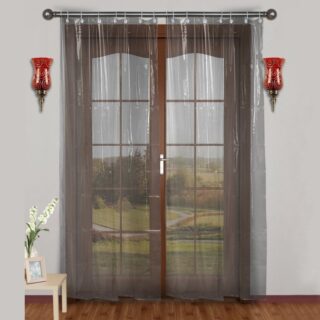 Urban Home 214 cm (7 ft) PVC Transparent Door Curtain Single Curtain(Solid, Off White)
Original price was: ₹699.00.₹203.00Current price is: ₹203.00.
Urban Home 214 cm (7 ft) PVC Transparent Door Curtain Single Curtain(Solid, Off White)
Original price was: ₹699.00.₹203.00Current price is: ₹203.00.
-
 Panipat Textile Hub 213 cm (7 ft) Polyester Door Curtain (Pack Of 2)(Solid, Brown)
Original price was: ₹1,199.00.₹349.00Current price is: ₹349.00.
Panipat Textile Hub 213 cm (7 ft) Polyester Door Curtain (Pack Of 2)(Solid, Brown)
Original price was: ₹1,199.00.₹349.00Current price is: ₹349.00.
Hey friends, I’m Jessica!
So, I was having coffee with a friend the other day when she asked me, “Is Android really owned by Google or is it open-source?” I smiled — because this question comes up more often than you’d think.
If you’ve ever used a Samsung, OnePlus, or Motorola phone, you’ve used Android. But many people assume each brand builds its own system from scratch. In reality, that’s not how it works. Android’s story is a mix of innovation, acquisition, and open-source brilliance — all connected to Google.
Let’s dive into the full story of who owns Android, how it started, how Google made it what it is today, and what makes Android unique in the smartphone world.
The Origin Story: Android Wasn’t Born at Google
Before Google came into the picture, Android began as an independent company called Android Inc. It was founded in 2003 in Palo Alto, California by Andy Rubin, Rich Miner, Nick Sears, and Chris White.
At that time, their goal wasn’t even smartphones — they wanted to develop software for digital cameras. But the founders quickly realized that the camera market wasn’t big enough. So they pivoted toward creating a mobile operating system that could rival giants like Symbian and Windows Mobile, which were popular back then.
The mission was simple:
“Create smarter mobile devices that know their owner’s preferences.”
Google Steps In – The Acquisition That Changed Everything
In 2005, Google saw Android’s potential and decided to buy the small startup for around $50 million.
At the time, people were confused — why would a search engine company buy a tiny mobile software firm? But Google had a bigger vision: to make the internet accessible to everyone through smartphones.
After the acquisition, Andy Rubin and his team joined Google and began developing the Android operating system under Google’s umbrella.
The First Android Phone
Fast forward to 2008, and the world saw its first commercial Android phone — the HTC Dream, also known as the T-Mobile G1 in the U.S.
It had a touchscreen, a slide-out keyboard, and came preloaded with Google apps like Gmail, Maps, and Search.
From that moment, Android wasn’t just a software project — it became a platform that would power millions (eventually billions) of devices across the globe.
So, Is Android Owned by Google?
Yes, Android is owned by Google.
When Google acquired Android Inc. in 2005, it took full ownership of the technology, the brand, and its future development.
However — and this is what makes Android unique — it’s also open-source. That means the Android Open Source Project (AOSP) is free for manufacturers, developers, and anyone interested to use and modify.
This open-source model allows companies like:
- Samsung (Galaxy series)
- OnePlus
- Xiaomi
- Motorola
- Oppo, Vivo, and others
…to build their own custom versions of Android.
So, while Google owns the core Android platform, phone manufacturers can customize it to create their unique user interfaces — like Samsung’s One UI or OnePlus’s OxygenOS.
Android and Google’s Services
One major thing that distinguishes Google’s version of Android from others is the Google Mobile Services (GMS) package.
This includes:
- Google Play Store
- Gmail
- Google Maps
- YouTube
- Google Drive
- Google Assistant
Manufacturers must meet Google’s compatibility standards and sign agreements to include these apps.
That’s why some phones, like those from Huawei (after U.S. restrictions), use Android but don’t have Google apps — they rely on the open-source part only.
The Open Source Advantage
Google’s decision to make Android open-source was strategic. It allowed Android to spread rapidly.
Let’s look at why this model worked so well:
1. Faster Adoption
Because it’s free to use, manufacturers could easily adopt Android without paying huge licensing fees like they would with Microsoft’s Windows.
2. Customization
Every brand could create a unique experience — that’s why a Samsung phone looks different from a Motorola, even though both run Android.
3. Innovation at Scale
Thousands of developers contribute to improving Android through the open-source community, which accelerates innovation.
Google’s Role in Android Today
Even though Android is open-source, Google still leads its development and evolution. The company manages major updates, designs the user interface for stock Android, and releases new versions each year.
Recent versions include:
- Android 12 – Introduced Material You design
- Android 13 – Focused on privacy and customization
- Android 14 – Enhanced AI integration and device control
Google also owns the Pixel lineup, which serves as a showcase for pure Android — no extra skins or bloatware, just clean, optimized performance.
So, while Android powers phones from many brands, the core vision, development, and updates still come from Google’s Android engineering team.
Android’s Relationship with Other Brands
One of the most interesting parts of Android’s success is its collaboration with manufacturers.
Samsung
Samsung is the largest Android smartphone maker globally. Its One UI version of Android adds unique features like split-screen multitasking and advanced stylus support for the Galaxy Note and S series.
OnePlus
OnePlus focuses on speed and smoothness with OxygenOS, offering a near-stock Android feel with extra tools for performance and customization.
Xiaomi, Oppo, and Vivo
These brands dominate markets like India and Southeast Asia, customizing Android to appeal to local users with region-specific apps and themes.
Google Pixel
Google’s own smartphones use the cleanest version of Android and often get updates first. They also include exclusive AI-powered features like Call Screening, Magic Eraser, and Live Translate.
Android vs. iOS – Different Ownership Models
While Android is owned by Google and licensed to multiple manufacturers, iOS is entirely controlled by Apple and only runs on iPhones and iPads.
Here’s the difference:
- Android = Owned by Google but open for everyone.
- iOS = Owned and controlled exclusively by Apple.
That’s why Android has thousands of phone models worldwide, while iOS is limited to Apple devices.
This open ecosystem is both Android’s greatest strength (because it’s everywhere) and sometimes its weakness (because it can lead to fragmentation).
Fun Fact: Android’s Logo and Mascot
The green robot we all recognize is officially called “Bugdroid.”
It was created by graphic designer Irina Blok in 2007 while working at Google. She wanted a simple, universally recognizable mascot that represented the open nature of the platform.
Fun twist — the design was inspired by the symbols found on public restroom doors!
The Future of Android Under Google
Google continues to push Android forward through updates, AI integration, and new hardware innovations.
Recent developments include:
- Android AI features like smart replies, live captioning, and improved battery optimization.
- Seamless updates that install system upgrades in the background.
- Better cross-device syncing between Android phones, Chromebooks, and Wear OS devices.
Google is also focusing on sustainability and security, ensuring Android stays safe while remaining open to innovation.
My Take as Jessica
Honestly, I think Google made one of the smartest business moves ever when it bought Android. It didn’t just buy a company — it built a global ecosystem.
As someone who has used both iPhones and Androids, I appreciate how flexible and inclusive Android feels. You can pick a $150 phone or a $1,200 flagship, and both will run Android at their core. That’s the beauty of an open system led by a tech giant like Google.
So yes, Android is owned by Google, but it belongs to the entire world in spirit — because everyone can use it, build on it, and make it their own.
Final Thoughts
To sum it up:
- Android was founded by a startup called Android Inc. in 2003.
- Google acquired it in 2005, taking full ownership.
- The Android Open Source Project (AOSP) allows others to use and modify it.
- Google still develops, maintains, and improves Android every year.
So, while it’s open for all to use, make no mistake — Google is the true owner and driving force behind Android.

- Can’t View Comments on YouTube Shorts? 6 Ways to Fix It (Complete Guide)
- How to Block Users From Installing Programs in Windows 11 Complete Step-by-Step Guide for Better Security

- How to Fix Chrome Automatically Deleting Downloaded Files (Complete Step-by-Step Guide)
- How to View Apps That Windows Security Identifies as PUA (Step-by-Step Guide)

- How to Add Custom DNS Server on iPhone to Fix DNS Errors and Improve Internet Speed

Products
-
![Apple Watch Ultra 3 [GPS + Cellular 49mm] Running & Multisport Smartwatch w/Rugged Titanium Case w/Black Titanium Milanese Loop - M. Satellite Communications, Advanced Health & Fitness Tracking](https://bazaronweb.com/retailstores/wp-content/uploads/2025/09/apple-watch-320x320.jpg) Apple Watch Ultra 3 [GPS + Cellular 49mm] Running & Multisport Smartwatch w/Rugged Titanium Case w/Black Titanium Milanese Loop - M. Satellite Communications, Advanced Health & Fitness Tracking
Apple Watch Ultra 3 [GPS + Cellular 49mm] Running & Multisport Smartwatch w/Rugged Titanium Case w/Black Titanium Milanese Loop - M. Satellite Communications, Advanced Health & Fitness Tracking
-
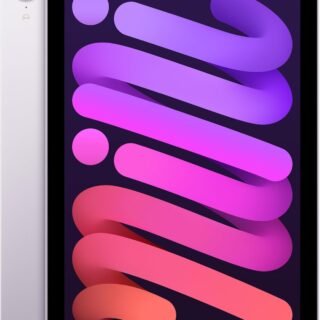 Apple iPad mini (A17 Pro): Apple Intelligence, 8.3-inch Liquid Retina Display, 256GB, Wi-Fi 6E, 12MP Front/12MP Back Camera, Touch ID, All-Day Battery Life — Purple
-
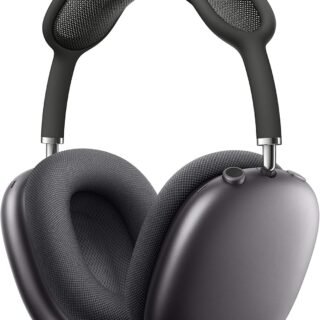 Apple AirPods Max Wireless Over-Ear Headphones, Active Noise Cancelling, Transparency Mode, Personalized Spatial Audio, Dolby Atmos, Bluetooth Headphones for iPhone – Space Gray
-
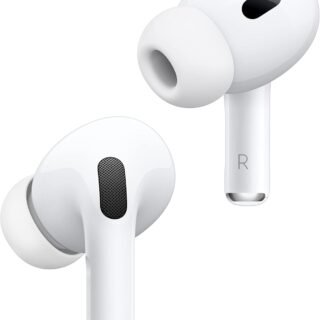 Apple AirPods Pro 2 Wireless Earbuds, Active Noise Cancellation, Hearing Aid Feature, Bluetooth Headphones, Transparency, Personalized Spatial Audio, High-Fidelity Sound, H2 Chip, USB-C Charging
-
Leo Creation 144 TC Cotton Double Jaipuri Prints Flat Bedsheet(Pack of 1, Blue, Gree, Red, Grey, Light Grey)
Original price was: ₹2,999.00.₹329.00Current price is: ₹329.00.
Leave a Reply