Discounted Products
-
 Leo Creation 144 TC Cotton Double Jaipuri Prints Flat Bedsheet(Pack of 1, Blue, Gree, Red, Grey, Light Grey)
Original price was: ₹2,999.00.₹329.00Current price is: ₹329.00.
Leo Creation 144 TC Cotton Double Jaipuri Prints Flat Bedsheet(Pack of 1, Blue, Gree, Red, Grey, Light Grey)
Original price was: ₹2,999.00.₹329.00Current price is: ₹329.00.
-
 Home Garage 210 TC Cotton King Floral Fitted (Elastic) Bedsheet(Pack of 1, Grey)
Original price was: ₹999.00.₹299.00Current price is: ₹299.00.
Home Garage 210 TC Cotton King Floral Fitted (Elastic) Bedsheet(Pack of 1, Grey)
Original price was: ₹999.00.₹299.00Current price is: ₹299.00.
-
 Goodrik 140 TC Cotton Double 3D Printed Flat Bedsheet(Pack of 1, Brown)
Original price was: ₹499.00.₹229.00Current price is: ₹229.00.
Goodrik 140 TC Cotton Double 3D Printed Flat Bedsheet(Pack of 1, Brown)
Original price was: ₹499.00.₹229.00Current price is: ₹229.00.
-
 GLOBALSHOP 350 TC Microfiber Double Floral Flat Bedsheet(Pack of 1, Multicolor)
Original price was: ₹1,250.00.₹263.00Current price is: ₹263.00.
GLOBALSHOP 350 TC Microfiber Double Floral Flat Bedsheet(Pack of 1, Multicolor)
Original price was: ₹1,250.00.₹263.00Current price is: ₹263.00.
-
 RisingStar 250 TC Microfiber King Printed Fitted (Elastic) Bedsheet(Pack of 1, FITTED-ROUND-CIRCLES-PREMIUM)
Original price was: ₹2,299.00.₹299.00Current price is: ₹299.00.
RisingStar 250 TC Microfiber King Printed Fitted (Elastic) Bedsheet(Pack of 1, FITTED-ROUND-CIRCLES-PREMIUM)
Original price was: ₹2,299.00.₹299.00Current price is: ₹299.00.
-
 Home Garage 210 TC Cotton King Floral Fitted (Elastic) Bedsheet(Pack of 1, Fitted Black Green)
Original price was: ₹1,299.00.₹299.00Current price is: ₹299.00.
Home Garage 210 TC Cotton King Floral Fitted (Elastic) Bedsheet(Pack of 1, Fitted Black Green)
Original price was: ₹1,299.00.₹299.00Current price is: ₹299.00.
-
 Home Garage 180 TC Cotton King 3D Printed Flat Bedsheet(Pack of 1, White)
Original price was: ₹999.00.₹229.00Current price is: ₹229.00.
Home Garage 180 TC Cotton King 3D Printed Flat Bedsheet(Pack of 1, White)
Original price was: ₹999.00.₹229.00Current price is: ₹229.00.
-
 Home Sizzler 153 cm (5 ft) Polyester Room Darkening Window Curtain (Pack Of 2)(Floral, Maroon)
Original price was: ₹799.00.₹299.00Current price is: ₹299.00.
Home Sizzler 153 cm (5 ft) Polyester Room Darkening Window Curtain (Pack Of 2)(Floral, Maroon)
Original price was: ₹799.00.₹299.00Current price is: ₹299.00.
-
 Panipat Textile Hub 152.4 cm (5 ft) Polyester Window Curtain (Pack Of 2)(Solid, Aqua)
Original price was: ₹1,899.00.₹299.00Current price is: ₹299.00.
Panipat Textile Hub 152.4 cm (5 ft) Polyester Window Curtain (Pack Of 2)(Solid, Aqua)
Original price was: ₹1,899.00.₹299.00Current price is: ₹299.00.
-
 Home Sizzler 214 cm (7 ft) Polyester Semi Transparent Door Curtain (Pack Of 2)(Floral, Maroon)
Original price was: ₹1,199.00.₹399.00Current price is: ₹399.00.
Home Sizzler 214 cm (7 ft) Polyester Semi Transparent Door Curtain (Pack Of 2)(Floral, Maroon)
Original price was: ₹1,199.00.₹399.00Current price is: ₹399.00.
-
 Home Sizzler 153 cm (5 ft) Polyester Room Darkening Window Curtain (Pack Of 2)(Floral, Brown)
Original price was: ₹799.00.₹299.00Current price is: ₹299.00.
Home Sizzler 153 cm (5 ft) Polyester Room Darkening Window Curtain (Pack Of 2)(Floral, Brown)
Original price was: ₹799.00.₹299.00Current price is: ₹299.00.
-
 Stella Creations 214 cm (7 ft) Polyester Room Darkening Door Curtain (Pack Of 2)(Abstract, Brown)
Original price was: ₹1,299.00.₹449.00Current price is: ₹449.00.
Stella Creations 214 cm (7 ft) Polyester Room Darkening Door Curtain (Pack Of 2)(Abstract, Brown)
Original price was: ₹1,299.00.₹449.00Current price is: ₹449.00.
-
 Homefab India 152.5 cm (5 ft) Polyester Room Darkening Window Curtain (Pack Of 2)(Floral, Light Blue)
Original price was: ₹1,199.00.₹319.00Current price is: ₹319.00.
Homefab India 152.5 cm (5 ft) Polyester Room Darkening Window Curtain (Pack Of 2)(Floral, Light Blue)
Original price was: ₹1,199.00.₹319.00Current price is: ₹319.00.
-
 Urban Home 214 cm (7 ft) PVC Transparent Door Curtain Single Curtain(Solid, Off White)
Original price was: ₹699.00.₹203.00Current price is: ₹203.00.
Urban Home 214 cm (7 ft) PVC Transparent Door Curtain Single Curtain(Solid, Off White)
Original price was: ₹699.00.₹203.00Current price is: ₹203.00.
-
 Panipat Textile Hub 213 cm (7 ft) Polyester Door Curtain (Pack Of 2)(Solid, Brown)
Original price was: ₹1,199.00.₹349.00Current price is: ₹349.00.
Panipat Textile Hub 213 cm (7 ft) Polyester Door Curtain (Pack Of 2)(Solid, Brown)
Original price was: ₹1,199.00.₹349.00Current price is: ₹349.00.

Introduction
When your phone keyboard stops working, it doesn’t just feel like a small technical issue—it feels like your entire digital life pauses. Messaging, searching, replying to emails, even unlocking certain apps suddenly becomes stressful. I’ve been there, juggling work, family, and daily tasks, only to find that the keyboard simply refuses to show up or starts crashing mid-sentence.
Samsung Galaxy phones are powerful and reliable, but like all software-driven devices, they’re not immune to glitches. Keyboard issues usually appear after updates, storage overload, or conflicts with other apps. The good news? In most cases, the problem has nothing to do with hardware and doesn’t require a service visit.
What I’ve learned over time is that fixing keyboard issues doesn’t require technical expertise—it requires knowing the right order of steps. Many users panic and jump straight to drastic solutions like factory resets, when simpler actions could have solved the issue in minutes.
This guide is designed to feel practical and calm—something you can follow even when frustrated. Whether the keyboard won’t open, keeps crashing, lags while typing, or disappears randomly, these steps are structured to help you diagnose and fix the problem efficiently.
If you rely on your phone for work, family coordination, or daily communication (like I do), restoring keyboard functionality quickly is essential. The checklist above is something I personally keep in mind because it saves time and prevents unnecessary data loss.
If your Samsung keyboard suddenly stops working on a Galaxy phone, it can feel incredibly disruptive—especially when texting, searching, or logging into apps becomes impossible. I’ve personally dealt with this more than once, usually at the worst possible moment, and I know how frustrating it can be. The good news is that in most cases, this issue is fixable without visiting a service center or losing your data.
This guide walks through all practical, proven solutions for fixing the Samsung keyboard on Samsung Galaxy phones, based on real-world usage, system behavior, and software updates as of 2026.
1. Restart Your Galaxy Phone (Don’t Skip This)
It sounds obvious, but restarting fixes a surprising number of keyboard-related glitches. Temporary memory issues, background process conflicts, or stalled system services can cause the keyboard to freeze or not appear at all.
A restart refreshes system services tied to input methods. If the keyboard stopped working after switching apps, locking the phone, or updating software, this is often enough.
What to do:
-
Hold the Power + Volume Down buttons
-
Tap Restart
-
Wait until the phone fully boots before testing the keyboard again
If the issue returns later, move on to deeper fixes below.
2. Force Stop the Samsung Keyboard App
Sometimes the keyboard service runs but becomes unresponsive. Force stopping resets it without affecting your data.
Steps:
-
Open Settings
-
Go to Apps
-
Tap Samsung Keyboard
-
Select Force Stop
After this, open any app that requires typing (Messages, Notes, Search) and check if the keyboard loads normally.
3. Clear Cache (Safe & Highly Effective)
Cache corruption is one of the most common causes of keyboard crashes, lag, or failure to open.
Steps:
-
Settings → Apps → Samsung Keyboard
-
Storage
-
Tap Clear Cache (not Clear Data)
Clearing cache removes temporary files only. Your saved words, preferences, and language settings remain intact.
4. Update Samsung Keyboard & System Software
Outdated keyboard versions often conflict with newer Android builds or One UI updates.
Check keyboard updates:
-
Open Galaxy Store
-
Search Samsung Keyboard
-
Update if available
Check system updates:
-
Settings → Software Update
-
Download and Install
Many keyboard bugs are silently fixed through system patches, especially after major One UI upgrades.
5. Switch Keyboard Temporarily (Diagnostic Step)
If Samsung Keyboard still doesn’t appear, switching to another keyboard helps confirm whether the issue is app-specific or system-wide.
How to switch:
-
Settings → General Management
-
Language and Input
-
Default Keyboard
-
Choose another installed keyboard
If another keyboard works fine, the problem is isolated to Samsung Keyboard—not your phone hardware.
6. Reset Keyboard Settings (Recommended)
Resetting keyboard settings restores default behavior without affecting your personal data.
Steps:
-
Settings → General Management
-
Samsung Keyboard Settings
-
Reset to Default Settings
This resolves issues caused by gesture conflicts, prediction engine glitches, or language pack errors.
7. Disable Third-Party App Conflicts
Some apps—especially clipboard managers, screen recorders, floating apps, or system overlay tools—interfere with the keyboard.
What to do:
-
Boot into Safe Mode
-
Try typing in Messages or Notes
If the keyboard works in Safe Mode, uninstall recently added apps one by one until the issue disappears.
8. Check Language & Input Configuration
Incorrect or corrupted language packs can stop the keyboard from loading.
Verify settings:
-
Settings → General Management
-
Language and Input
-
Samsung Keyboard → Languages and Types
Ensure at least one active language is selected and properly downloaded.
9. Free Up Storage Space
Low storage affects system services, including keyboards.
If your phone is running critically low on space:
-
Delete unused apps
-
Clear large media files
-
Empty Trash folders
Galaxy phones require free internal storage to maintain background services reliably.
10. Reset App Preferences (Advanced but Safe)
This resets default app behavior without deleting personal data.
Steps:
-
Settings → Apps
-
Tap the three-dot menu
-
Reset App Preferences
This fixes issues where the keyboard is disabled or blocked by system permission conflicts.
11. Wipe Cache Partition (Advanced Users)
After major updates, leftover system cache can cause input issues.
Steps:
-
Power off phone
-
Press and hold Power + Volume Up
-
Enter Recovery Mode
-
Select Wipe Cache Partition
This does not delete personal data and often resolves persistent keyboard failures.
12. Factory Reset (Last Resort Only)
If nothing works and the keyboard fails across all apps and modes, a factory reset may be required.
Before resetting:
-
Back up data to Samsung Cloud or Google
-
Confirm keyboard still fails in Safe Mode
Only proceed if the issue persists after every other fix.
Common Samsung Keyboard Symptoms & What They Mean
-
Keyboard doesn’t appear: App crash or permission conflict
-
Keyboard opens then closes: Cache corruption or overlay interference
-
Typing lag: Low storage or outdated software
-
Wrong language showing: Language pack mismatch
-
Keyboard missing entirely: Input method disabled or system bug
Understanding the symptom helps you jump directly to the right solution.
Final Practical Advice (From Experience)
Most Samsung keyboard issues are software-related, not hardware failures. In real usage, clearing cache, updating the system, or resetting keyboard settings solves the problem over 80% of the time. I always recommend starting with the simplest fixes before jumping into advanced resets.
If you rely heavily on your phone for work, communication, or family coordination, keeping system updates current and storage healthy goes a long way in preventing keyboard failures altogether.
✅ Quick Troubleshooting Checklist: Samsung Keyboard Not Working (Save This)
Use this fast checklist before trying advanced fixes:
-
⬜ Restart your Galaxy phone
-
⬜ Force stop Samsung Keyboard
-
⬜ Clear cache (not data)
-
⬜ Update Samsung Keyboard from Galaxy Store
-
⬜ Check for system (One UI / Android) updates
-
⬜ Switch to another keyboard temporarily (test)
-
⬜ Reset Samsung Keyboard settings to default
-
⬜ Check language packs are installed & active
-
⬜ Free up internal storage space
-
⬜ Boot into Safe Mode to check app conflicts
-
⬜ Reset App Preferences
-
⬜ Wipe cache partition (advanced)
-
⬜ Factory reset only if nothing works
If the keyboard works after any step, stop there—no need to continue.
Conclusion
After dealing with keyboard issues more than once, the biggest lesson I’ve learned is this: most Samsung keyboard problems are temporary and fixable. They’re usually caused by small software hiccups—cached data errors, permission conflicts, storage pressure, or update mismatches—not permanent damage.
What makes these issues frustrating is how suddenly they appear. One moment everything works, and the next, typing becomes impossible. But that doesn’t mean your phone is broken. In fact, in the vast majority of cases, users can restore the keyboard within minutes by following a logical troubleshooting flow.
Starting with simple steps like restarting the phone or clearing cache is important. These actions reset background processes without affecting your data. More advanced steps—like Safe Mode testing or resetting app preferences—help isolate conflicts without forcing drastic decisions.
Factory resets should always be the last option, not the first reaction. Too many people lose data unnecessarily because they skip the basics. A methodical approach not only saves time but also protects your personal information.
Another key takeaway is prevention. Keeping your Galaxy phone updated, maintaining free storage space, and being mindful of third-party apps that use overlays or accessibility services can significantly reduce keyboard-related problems. Small habits make a big difference in long-term device stability.
For anyone who uses their phone heavily—for work messages, parenting logistics, shopping, or daily planning—a reliable keyboard isn’t optional. It’s essential. That’s why understanding how to fix and prevent these issues empowers you to stay in control instead of feeling stuck.
If there’s one thing I’d recommend, it’s saving the checklist and revisiting it whenever something feels “off.” Technology isn’t perfect, but with the right knowledge, it doesn’t have to slow you down either.
Disclaimer
The information provided is for general guidance only. Device behavior may vary depending on Galaxy model, software version, and user-installed apps. Always back up important data before performing advanced troubleshooting steps.

- 7 Best Methods to Fix “Undoing Changes Made to Your PC” Error (Complete Guide)

- How to Turn On Spam Blocker on Android: Stop Unwanted Calls and Messages Easily

- Can’t View Comments on YouTube Shorts? 6 Ways to Fix It (Complete Guide)

- How to Block Users From Installing Programs in Windows 11 Complete Step-by-Step Guide for Better Security

- How to Fix Chrome Automatically Deleting Downloaded Files (Complete Step-by-Step Guide)

Products
-
![Apple Watch Ultra 3 [GPS + Cellular 49mm] Running & Multisport Smartwatch w/Rugged Titanium Case w/Black Titanium Milanese Loop - M. Satellite Communications, Advanced Health & Fitness Tracking](https://bazaronweb.com/retailstores/wp-content/uploads/2025/09/apple-watch-320x320.jpg) Apple Watch Ultra 3 [GPS + Cellular 49mm] Running & Multisport Smartwatch w/Rugged Titanium Case w/Black Titanium Milanese Loop - M. Satellite Communications, Advanced Health & Fitness Tracking
Apple Watch Ultra 3 [GPS + Cellular 49mm] Running & Multisport Smartwatch w/Rugged Titanium Case w/Black Titanium Milanese Loop - M. Satellite Communications, Advanced Health & Fitness Tracking
-
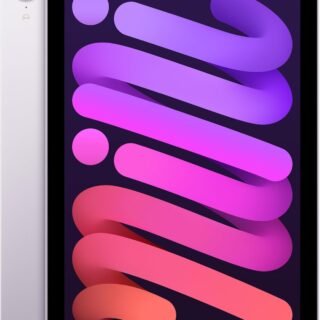 Apple iPad mini (A17 Pro): Apple Intelligence, 8.3-inch Liquid Retina Display, 256GB, Wi-Fi 6E, 12MP Front/12MP Back Camera, Touch ID, All-Day Battery Life — Purple
-
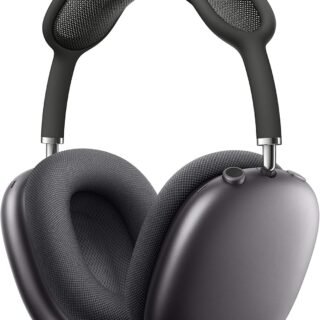 Apple AirPods Max Wireless Over-Ear Headphones, Active Noise Cancelling, Transparency Mode, Personalized Spatial Audio, Dolby Atmos, Bluetooth Headphones for iPhone – Space Gray
-
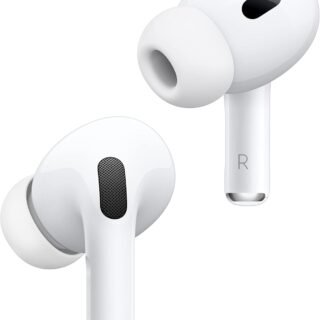 Apple AirPods Pro 2 Wireless Earbuds, Active Noise Cancellation, Hearing Aid Feature, Bluetooth Headphones, Transparency, Personalized Spatial Audio, High-Fidelity Sound, H2 Chip, USB-C Charging
-
Leo Creation 144 TC Cotton Double Jaipuri Prints Flat Bedsheet(Pack of 1, Blue, Gree, Red, Grey, Light Grey)
Original price was: ₹2,999.00.₹329.00Current price is: ₹329.00.
Leave a Reply