Discounted Products
-
 Leo Creation 144 TC Cotton Double Jaipuri Prints Flat Bedsheet(Pack of 1, Blue, Gree, Red, Grey, Light Grey)
Original price was: ₹2,999.00.₹329.00Current price is: ₹329.00.
Leo Creation 144 TC Cotton Double Jaipuri Prints Flat Bedsheet(Pack of 1, Blue, Gree, Red, Grey, Light Grey)
Original price was: ₹2,999.00.₹329.00Current price is: ₹329.00.
-
 Home Garage 210 TC Cotton King Floral Fitted (Elastic) Bedsheet(Pack of 1, Grey)
Original price was: ₹999.00.₹299.00Current price is: ₹299.00.
Home Garage 210 TC Cotton King Floral Fitted (Elastic) Bedsheet(Pack of 1, Grey)
Original price was: ₹999.00.₹299.00Current price is: ₹299.00.
-
 Goodrik 140 TC Cotton Double 3D Printed Flat Bedsheet(Pack of 1, Brown)
Original price was: ₹499.00.₹229.00Current price is: ₹229.00.
Goodrik 140 TC Cotton Double 3D Printed Flat Bedsheet(Pack of 1, Brown)
Original price was: ₹499.00.₹229.00Current price is: ₹229.00.
-
 GLOBALSHOP 350 TC Microfiber Double Floral Flat Bedsheet(Pack of 1, Multicolor)
Original price was: ₹1,250.00.₹263.00Current price is: ₹263.00.
GLOBALSHOP 350 TC Microfiber Double Floral Flat Bedsheet(Pack of 1, Multicolor)
Original price was: ₹1,250.00.₹263.00Current price is: ₹263.00.
-
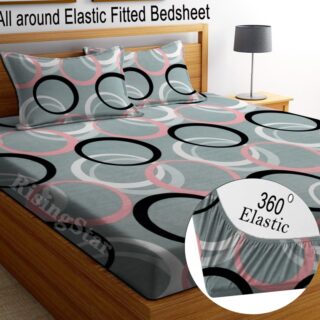 RisingStar 250 TC Microfiber King Printed Fitted (Elastic) Bedsheet(Pack of 1, FITTED-ROUND-CIRCLES-PREMIUM)
Original price was: ₹2,299.00.₹299.00Current price is: ₹299.00.
RisingStar 250 TC Microfiber King Printed Fitted (Elastic) Bedsheet(Pack of 1, FITTED-ROUND-CIRCLES-PREMIUM)
Original price was: ₹2,299.00.₹299.00Current price is: ₹299.00.
-
 Home Garage 210 TC Cotton King Floral Fitted (Elastic) Bedsheet(Pack of 1, Fitted Black Green)
Original price was: ₹1,299.00.₹299.00Current price is: ₹299.00.
Home Garage 210 TC Cotton King Floral Fitted (Elastic) Bedsheet(Pack of 1, Fitted Black Green)
Original price was: ₹1,299.00.₹299.00Current price is: ₹299.00.
-
 Home Garage 180 TC Cotton King 3D Printed Flat Bedsheet(Pack of 1, White)
Original price was: ₹999.00.₹229.00Current price is: ₹229.00.
Home Garage 180 TC Cotton King 3D Printed Flat Bedsheet(Pack of 1, White)
Original price was: ₹999.00.₹229.00Current price is: ₹229.00.
-
 Home Sizzler 153 cm (5 ft) Polyester Room Darkening Window Curtain (Pack Of 2)(Floral, Maroon)
Original price was: ₹799.00.₹299.00Current price is: ₹299.00.
Home Sizzler 153 cm (5 ft) Polyester Room Darkening Window Curtain (Pack Of 2)(Floral, Maroon)
Original price was: ₹799.00.₹299.00Current price is: ₹299.00.
-
 Panipat Textile Hub 152.4 cm (5 ft) Polyester Window Curtain (Pack Of 2)(Solid, Aqua)
Original price was: ₹1,899.00.₹299.00Current price is: ₹299.00.
Panipat Textile Hub 152.4 cm (5 ft) Polyester Window Curtain (Pack Of 2)(Solid, Aqua)
Original price was: ₹1,899.00.₹299.00Current price is: ₹299.00.
-
 Home Sizzler 214 cm (7 ft) Polyester Semi Transparent Door Curtain (Pack Of 2)(Floral, Maroon)
Original price was: ₹1,199.00.₹399.00Current price is: ₹399.00.
Home Sizzler 214 cm (7 ft) Polyester Semi Transparent Door Curtain (Pack Of 2)(Floral, Maroon)
Original price was: ₹1,199.00.₹399.00Current price is: ₹399.00.
-
 Home Sizzler 153 cm (5 ft) Polyester Room Darkening Window Curtain (Pack Of 2)(Floral, Brown)
Original price was: ₹799.00.₹299.00Current price is: ₹299.00.
Home Sizzler 153 cm (5 ft) Polyester Room Darkening Window Curtain (Pack Of 2)(Floral, Brown)
Original price was: ₹799.00.₹299.00Current price is: ₹299.00.
-
 Stella Creations 214 cm (7 ft) Polyester Room Darkening Door Curtain (Pack Of 2)(Abstract, Brown)
Original price was: ₹1,299.00.₹449.00Current price is: ₹449.00.
Stella Creations 214 cm (7 ft) Polyester Room Darkening Door Curtain (Pack Of 2)(Abstract, Brown)
Original price was: ₹1,299.00.₹449.00Current price is: ₹449.00.
-
 Homefab India 152.5 cm (5 ft) Polyester Room Darkening Window Curtain (Pack Of 2)(Floral, Light Blue)
Original price was: ₹1,199.00.₹319.00Current price is: ₹319.00.
Homefab India 152.5 cm (5 ft) Polyester Room Darkening Window Curtain (Pack Of 2)(Floral, Light Blue)
Original price was: ₹1,199.00.₹319.00Current price is: ₹319.00.
-
 Urban Home 214 cm (7 ft) PVC Transparent Door Curtain Single Curtain(Solid, Off White)
Original price was: ₹699.00.₹203.00Current price is: ₹203.00.
Urban Home 214 cm (7 ft) PVC Transparent Door Curtain Single Curtain(Solid, Off White)
Original price was: ₹699.00.₹203.00Current price is: ₹203.00.
-
 Panipat Textile Hub 213 cm (7 ft) Polyester Door Curtain (Pack Of 2)(Solid, Brown)
Original price was: ₹1,199.00.₹349.00Current price is: ₹349.00.
Panipat Textile Hub 213 cm (7 ft) Polyester Door Curtain (Pack Of 2)(Solid, Brown)
Original price was: ₹1,199.00.₹349.00Current price is: ₹349.00.
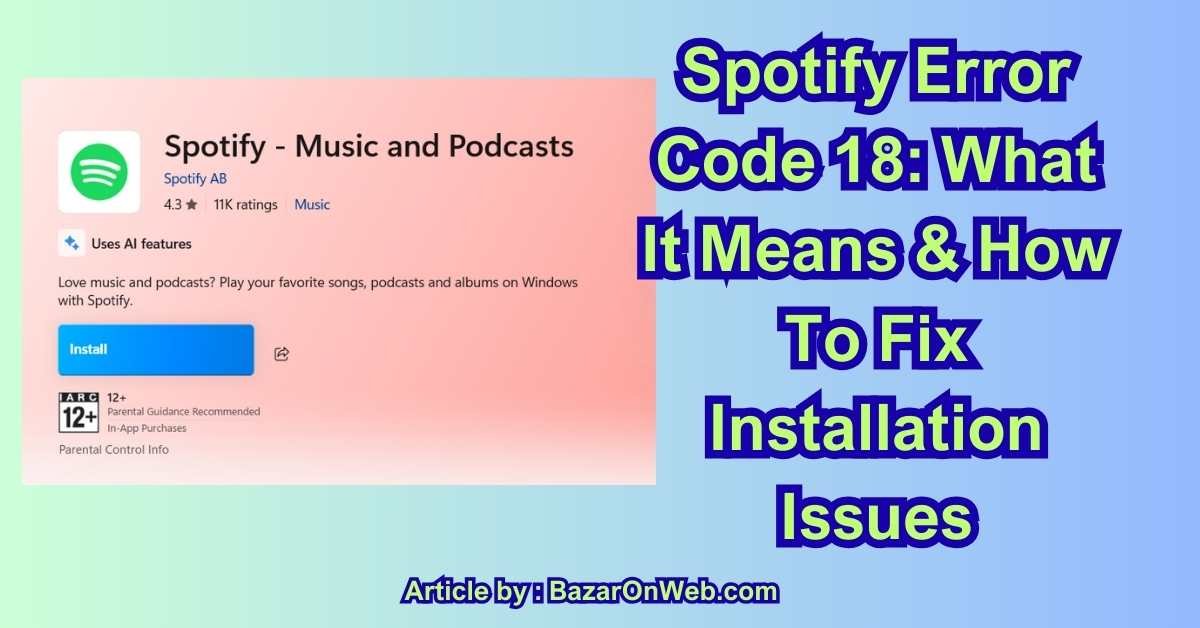
What Is Spotify Error Code 18?
If you’ve tried installing or reinstalling Spotify on your Windows PC and suddenly got “Error Code 18”, you’re definitely not alone. This error pops up when Spotify’s installer can’t complete the setup because some files it needs to install are already in use — often by another program or hidden background process. Essentially, Windows is saying, “You can’t install Spotify because parts of it are still locked and running.”
This typically happens when Spotify was previously installed on your device and didn’t fully uninstall, or certain leftover files continue to operate silently in the background. When the new installer tries to copy fresh files into the same locations, Windows blocks it — triggering Error Code 18.
So, what exactly is being “used by another process”?
Here are the most common culprits:
🔹 1️⃣ Background Spotify Processes
Even after uninstalling, some invisible tasks like SpotifyWebHelper or cached components may still be active. These files sit quietly in memory and prevent Spotify from writing or replacing files during installation.
🔹 2️⃣ Leftover Installation Files (Cache, Logs, Registry)
Spotify stores support files in several folders on Windows — %AppData%, %LocalAppData%, Program Files, etc. If these aren’t fully removed, they can “confuse” the new installer and cause a conflict.
🔹 3️⃣ Windows Explorer / Indexing Services
Sometimes, Windows Explorer is actively scanning Spotify folders (for previews, search indexing, or thumbnail generation). If Explorer has a file open in memory — even for milliseconds — the installer sees it as “in use.”
🔹 4️⃣ Antivirus or Security Tools
Security apps may temporarily lock installation folders while scanning them. That can cause the installer to fail, especially if Spotify was recently deleted.
🔹 5️⃣ Steam, Discord, Gaming Overlays
Yes, surprisingly — apps like Steam can keep a DLL file associated with audio services active. Since Spotify uses similar system components, it may trigger conflicts.
Why Does Spotify Error 18 Happen More Often on Windows?
Windows doesn’t instantly release files after an app closes. A .dll or helper service may:
-
Still be in RAM
-
Be restarting automatically
-
Be held by another app trying to access music services
That’s why even if Spotify looks uninstalled, parts of it are still “alive” internally.
This is very different from macOS, where uninstall behavior is more straightforward.
Is Spotify Error Code 18 Dangerous?
No — it’s not a virus or system failure.
It’s a file-locking issue, and it doesn’t harm your PC.
The only problem is inconvenience: you simply cannot install Spotify until the blocked files are released or removed.
How Can You Confirm It’s Error Code 18?
You’ll usually see one of these messages:
“Error code 18: Installer is unable to install Spotify because files are in use.”
“Unable to write to file – another process is using Spotify.”
The installer stops and closes automatically once Windows rejects the file installation request.
The Good News
✔ It is 100% fixable
✔ No advanced tech skills needed
✔ It usually takes just a few minutes
In the next part of the article, we’ll walk through step-by-step methods to fix Spotify Error Code 18 quickly — including clearing hidden files, stopping background processes, and using tools like Safe Mode.
Before you begin: Error Code 18 means the Spotify installer can’t write files because some related files are still in use or left behind from a previous install. The goal is to fully stop any running Spotify-related processes, remove leftover files, clean installer traces, repair Windows file/registry problems, and then install fresh. Back up important data first if you need it.
Step 1 — Quit Spotify and End Related Processes
-
If Spotify is running, close it normally.
-
Press Ctrl + Shift + Esc to open Task Manager.
-
On the Processes tab, look for:
Spotify.exe,SpotifyWebHelper.exe,SpotifyHelper,SpotifyLauncher.exeor anything with “Spotify” in the name. -
Right-click each one → End task.
-
Check Background processes too — end anything Spotify-related.
-
Optional but useful: open Details → sort by name → confirm no spotify processes remain.
Why: The installer cannot overwrite files in use. Ending processes frees those locked files.
Step 2 — Temporarily Disable Antivirus / Security Tools
-
Temporarily turn off real-time protection in Windows Security: Start → Settings → Privacy & security → Windows Security → Virus & threat protection → Manage settings → Turn off Real-time protection.
-
If you have third-party AV (Norton, McAfee, Bitdefender, etc.), disable its real-time protection per vendor instructions.
-
If your browser has an active download scanner extension, disable that too.
Important: Re-enable protection after installation. Don’t stay unprotected any longer than necessary.
Step 3 — Uninstall Spotify Completely
-
Settings → Apps → Installed apps (or Control Panel → Programs and Features).
-
Find Spotify, click Uninstall. Follow prompts.
-
If uninstall fails or Spotify is not listed, continue — we’ll remove leftover files manually.
Step 4 — Delete Spotify Leftover Folders
-
Press Windows key + R, paste
%AppData%→ Enter → delete the Spotify folder (if present). -
Press Windows key + R, paste
%LocalAppData%→ Enter → delete the Spotify folder. -
Check
C:\Program Files\andC:\Program Files (x86)\and delete any Spotify folders. -
Clear temporary folders: Run
cleanmgror press Windows + R, type%temp%→ Enter → delete temp files (skip files in use).
Why: Leftover cache, logs, and executables commonly block reinstallation.
Step 5 — Clean the Registry (Safe Method)
Warning: Editing the registry can break Windows if done incorrectly. Back up the registry first: in Regedit, File → Export → choose a location.
-
Press Windows + R, type
regedit, press Enter. -
In Registry Editor, use Edit → Find, search for
Spotify. -
Carefully review keys found (look for ones clearly belonging to Spotify, such as
HKEY_CURRENT_USER\SOFTWARE\Spotify), right-click → Delete. -
Press F3 to continue search until no more Spotify keys remain.
If you’re not comfortable, skip to Step 6 and use the troubleshooter tool (below).
Step 6 — Use Microsoft’s Install/Uninstall Troubleshooter
Microsoft provides an Install/Uninstall troubleshooter (search the Microsoft support site for “Program Install and Uninstall troubleshooter”). Run it — choose Uninstalling when prompted and select Spotify if listed. Allow it to remove corrupted registry installer entries.
Why: The troubleshooter automates cleaning stale installer metadata that blocks reinstalls.
Step 7 — Safe Mode / Clean Boot (if files still locked)
If files are still locked after earlier steps:
Option A — Clean Boot (recommended first)
-
Windows + R, type
msconfig→ Enter. -
On Services tab, check Hide all Microsoft services, then click Disable all.
-
On Startup tab, click Open Task Manager → Disable all startup items.
-
Restart Windows. Try installing Spotify.
Option B — Safe Mode
-
Settings → System → Recovery → Advanced startup → Restart now.
-
Troubleshoot → Advanced options → Startup Settings → Restart → Press 4 (Enable Safe Mode).
-
In Safe Mode, install Spotify.
-
Restart normally after installation.
Why: Other apps won’t start and won’t lock files during install.
Step 8 — Use Process Explorer to Find File Locks (Advanced)
If you still see Error 18 and you’re comfortable with a little power tooling:
-
Download Process Explorer from Microsoft Sysinternals (only if you’re comfortable).
-
Run as Administrator. Use Find → Find Handle or DLL and search for
Spotifyor suspected file name. -
Identify the process holding the file → right-click → Close Handle (use caution).
If unsure, skip this and seek help. Closing handles can destabilize running programs.
Step 9 — Run SFC and DISM to Repair System Files
-
Open Command Prompt as Administrator.
-
Run:
sfc /scannow— wait until it completes. -
Then run these DISM commands one by one:
-
Reboot and try the Spotify installer again.
Why: Corrupt system files can prevent installers from writing or removing files.
Step 10 — Create a Fresh Windows User (Workaround)
If the problem persists for a single user account:
-
Create a new Windows user account (Admin): Settings → Accounts → Family & other users → Add someone else to this PC.
-
Log into the new account and install Spotify — the new profile will be free of old user-specific locks.
If this works, move your files with care to the new account.
Step 11 — Reinstall Spotify (Run as Administrator)
-
Download the latest Spotify installer from the official site.
-
Right-click installer → Run as administrator.
-
Follow prompts; choose default install locations.
If you still get Error 18, retry Step 7 (Safe Mode) and then install.
Step 12 — Post-Install Checks & Re-enable Protection
-
Re-enable Windows Security and third-party antivirus.
-
Sign in to Spotify, test playback, check settings.
-
If you disabled firewall rules earlier, verify they’re restored properly.
Preventive Tips (Short & Practical)
-
Use the standard uninstall from Settings before reinstalling.
-
Avoid third-party “cleaners” that remove random registry keys.
-
Keep Windows updated — sometimes pending updates block installs.
-
Don’t install shady browser extensions or unsigned apps that might interfere.
-
Use a trusted uninstaller tool (Revo Uninstaller) if you routinely install/uninstall many apps.
When to Seek Help
-
If Error 18 persists after all steps and you’re uncomfortable with registry/process tools, contact Spotify Support or a local IT pro.
-
If other installers also fail, you may have a deeper Windows problem (repair install or Windows reset).
Quick Troubleshooting Checklist (One-Line Summary)
-
End Spotify processes → 2. Disable AV temporarily → 3. Uninstall Spotify → 4. Delete
%AppData%&%LocalAppData%Spotify folders → 5. Clean registry (backup first) → 6. Run MS troubleshooter → 7. Clean Boot / Safe Mode install → 8. SFC + DISM → 9. New Windows user → 10. Reinstall as Admin → 11. Re-enable security.
Here you go — Conclusion (≈600 words) + Disclaimer + Meta Description in Jessica’s voice.
Conclusion: Getting Spotify Back Up and Running — Without the Stress
Spotify Error Code 18 may appear frustrating at first glance, especially when you’re just trying to reinstall an app you love. But once you understand what’s happening behind the scenes — files locked in memory, leftover components from older versions, security tools trying to keep your PC safe — the issue becomes a lot more fixable and a lot less mysterious.
The goal of everything we walked through is simple: give Windows a clean slate so Spotify can install again without bumping into old data. And yes, it can feel tedious digging through folders and using tools like Task Manager or the Microsoft Uninstall Troubleshooter — but each step serves an important purpose. Windows never forgets something once it installs it, and uninstalling doesn’t always tell the whole story. Cache folders, registry entries, and background processes linger, so Spotify thinks it’s installing fresh… while Windows is still trying to use outdated files.
The good news? Once those problem files are cleared, the installation almost always works. And if you followed the guide above in order — starting with shutting down Spotify processes, deleting leftover folders, and moving up toward tools like SFC/DISM or Clean Boot — you probably already succeeded. Most users don’t need to go past Step 6 or Step 7 before the installer runs smoothly again.
If your situation was one of the stubborn ones that required Safe Mode or even creating a separate Windows account — don’t feel discouraged. That actually gives you something valuable in return: confidence that you understand how Windows handles programs, memory, and file access.
And here’s another win — solving Error Code 18 teaches you a skill that applies far beyond Spotify. These same troubleshooting techniques can fix:
- Printer drivers refusing to install
- Windows apps showing “already running” errors
- Games that get stuck halfway during installation
- Malware or buggy apps that leave traces behind
So in a way, you didn’t just fix a music app—you leveled up your PC knowledge.
One last tip to close it out: keep an eye on what runs silently in your system. Apps that start automatically may lock files even when you think your PC is idle. Reviewing startup programs every few months can prevent installation issues like this from happening again. It also speeds up your computer (bonus!).
Music is an everyday part of our routines — gym motivation playlists, focus soundtracks for work, kids’ sing-alongs, or those late-night nostalgia sessions. So when Spotify stops working, it’s more than just a tech glitch — it interrupts a little piece of your daily joy. But now you’ve got a thorough, user-friendly roadmap to fix it anytime. And if someone in your home or workplace runs into the same issue, you’ll be the hero with the fix ready to go.
Hopefully, you’re already back to enjoying your favorite playlists right now. If something didn’t work or your PC threw a curveball, don’t hesitate to reach out — we can explore deeper system diagnostics together. You’re never stuck with Error 18 for long when you understand what’s causing it and how to remove the roadblocks.
Happy listening, happy downloading, and happy troubleshooting — your playlists are waiting!
⚠️ Disclaimer
This article is for educational and troubleshooting assistance purposes only. While we provide practical methods tested by users, modifying system settings, registry entries, or security software can affect your Windows configuration. Please follow instructions carefully and proceed at your own risk. Bazaronweb.com is not responsible for any data loss, software malfunction, or system damage resulting from actions taken based on this guide. Always back up your important files before making major system changes.

- 7 Best Methods to Fix “Undoing Changes Made to Your PC” Error (Complete Guide)
- How to Turn On Spam Blocker on Android: Stop Unwanted Calls and Messages Easily

- Can’t View Comments on YouTube Shorts? 6 Ways to Fix It (Complete Guide)

- How to Block Users From Installing Programs in Windows 11 Complete Step-by-Step Guide for Better Security

- How to Fix Chrome Automatically Deleting Downloaded Files (Complete Step-by-Step Guide)

Products
-
![Apple Watch Ultra 3 [GPS + Cellular 49mm] Running & Multisport Smartwatch w/Rugged Titanium Case w/Black Titanium Milanese Loop - M. Satellite Communications, Advanced Health & Fitness Tracking](https://bazaronweb.com/retailstores/wp-content/uploads/2025/09/apple-watch-320x320.jpg) Apple Watch Ultra 3 [GPS + Cellular 49mm] Running & Multisport Smartwatch w/Rugged Titanium Case w/Black Titanium Milanese Loop - M. Satellite Communications, Advanced Health & Fitness Tracking
Apple Watch Ultra 3 [GPS + Cellular 49mm] Running & Multisport Smartwatch w/Rugged Titanium Case w/Black Titanium Milanese Loop - M. Satellite Communications, Advanced Health & Fitness Tracking
-
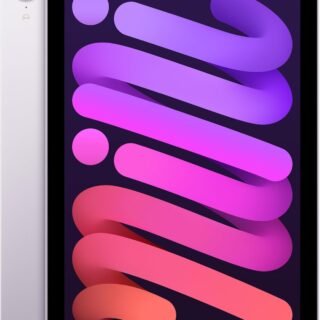 Apple iPad mini (A17 Pro): Apple Intelligence, 8.3-inch Liquid Retina Display, 256GB, Wi-Fi 6E, 12MP Front/12MP Back Camera, Touch ID, All-Day Battery Life — Purple
-
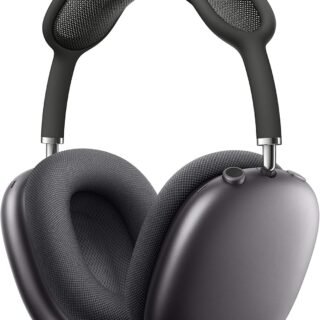 Apple AirPods Max Wireless Over-Ear Headphones, Active Noise Cancelling, Transparency Mode, Personalized Spatial Audio, Dolby Atmos, Bluetooth Headphones for iPhone – Space Gray
-
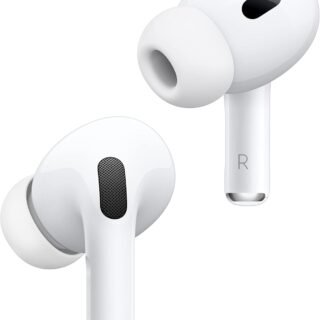 Apple AirPods Pro 2 Wireless Earbuds, Active Noise Cancellation, Hearing Aid Feature, Bluetooth Headphones, Transparency, Personalized Spatial Audio, High-Fidelity Sound, H2 Chip, USB-C Charging
-
Leo Creation 144 TC Cotton Double Jaipuri Prints Flat Bedsheet(Pack of 1, Blue, Gree, Red, Grey, Light Grey)
Original price was: ₹2,999.00.₹329.00Current price is: ₹329.00.
Leave a Reply