Discounted Products
-
 Leo Creation 144 TC Cotton Double Jaipuri Prints Flat Bedsheet(Pack of 1, Blue, Gree, Red, Grey, Light Grey)
Original price was: ₹2,999.00.₹329.00Current price is: ₹329.00.
Leo Creation 144 TC Cotton Double Jaipuri Prints Flat Bedsheet(Pack of 1, Blue, Gree, Red, Grey, Light Grey)
Original price was: ₹2,999.00.₹329.00Current price is: ₹329.00.
-
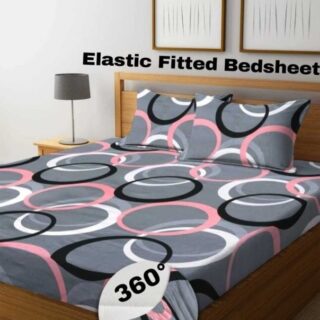 Home Garage 210 TC Cotton King Floral Fitted (Elastic) Bedsheet(Pack of 1, Grey)
Original price was: ₹999.00.₹299.00Current price is: ₹299.00.
Home Garage 210 TC Cotton King Floral Fitted (Elastic) Bedsheet(Pack of 1, Grey)
Original price was: ₹999.00.₹299.00Current price is: ₹299.00.
-
 Goodrik 140 TC Cotton Double 3D Printed Flat Bedsheet(Pack of 1, Brown)
Original price was: ₹499.00.₹229.00Current price is: ₹229.00.
Goodrik 140 TC Cotton Double 3D Printed Flat Bedsheet(Pack of 1, Brown)
Original price was: ₹499.00.₹229.00Current price is: ₹229.00.
-
 GLOBALSHOP 350 TC Microfiber Double Floral Flat Bedsheet(Pack of 1, Multicolor)
Original price was: ₹1,250.00.₹263.00Current price is: ₹263.00.
GLOBALSHOP 350 TC Microfiber Double Floral Flat Bedsheet(Pack of 1, Multicolor)
Original price was: ₹1,250.00.₹263.00Current price is: ₹263.00.
-
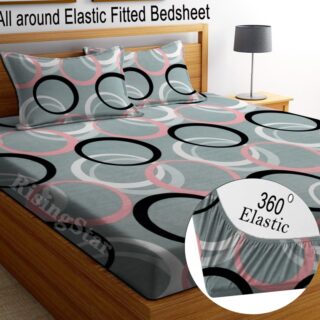 RisingStar 250 TC Microfiber King Printed Fitted (Elastic) Bedsheet(Pack of 1, FITTED-ROUND-CIRCLES-PREMIUM)
Original price was: ₹2,299.00.₹299.00Current price is: ₹299.00.
RisingStar 250 TC Microfiber King Printed Fitted (Elastic) Bedsheet(Pack of 1, FITTED-ROUND-CIRCLES-PREMIUM)
Original price was: ₹2,299.00.₹299.00Current price is: ₹299.00.
-
 Home Garage 210 TC Cotton King Floral Fitted (Elastic) Bedsheet(Pack of 1, Fitted Black Green)
Original price was: ₹1,299.00.₹299.00Current price is: ₹299.00.
Home Garage 210 TC Cotton King Floral Fitted (Elastic) Bedsheet(Pack of 1, Fitted Black Green)
Original price was: ₹1,299.00.₹299.00Current price is: ₹299.00.
-
 Home Garage 180 TC Cotton King 3D Printed Flat Bedsheet(Pack of 1, White)
Original price was: ₹999.00.₹229.00Current price is: ₹229.00.
Home Garage 180 TC Cotton King 3D Printed Flat Bedsheet(Pack of 1, White)
Original price was: ₹999.00.₹229.00Current price is: ₹229.00.
-
 Home Sizzler 153 cm (5 ft) Polyester Room Darkening Window Curtain (Pack Of 2)(Floral, Maroon)
Original price was: ₹799.00.₹299.00Current price is: ₹299.00.
Home Sizzler 153 cm (5 ft) Polyester Room Darkening Window Curtain (Pack Of 2)(Floral, Maroon)
Original price was: ₹799.00.₹299.00Current price is: ₹299.00.
-
 Panipat Textile Hub 152.4 cm (5 ft) Polyester Window Curtain (Pack Of 2)(Solid, Aqua)
Original price was: ₹1,899.00.₹299.00Current price is: ₹299.00.
Panipat Textile Hub 152.4 cm (5 ft) Polyester Window Curtain (Pack Of 2)(Solid, Aqua)
Original price was: ₹1,899.00.₹299.00Current price is: ₹299.00.
-
 Home Sizzler 214 cm (7 ft) Polyester Semi Transparent Door Curtain (Pack Of 2)(Floral, Maroon)
Original price was: ₹1,199.00.₹399.00Current price is: ₹399.00.
Home Sizzler 214 cm (7 ft) Polyester Semi Transparent Door Curtain (Pack Of 2)(Floral, Maroon)
Original price was: ₹1,199.00.₹399.00Current price is: ₹399.00.
-
 Home Sizzler 153 cm (5 ft) Polyester Room Darkening Window Curtain (Pack Of 2)(Floral, Brown)
Original price was: ₹799.00.₹299.00Current price is: ₹299.00.
Home Sizzler 153 cm (5 ft) Polyester Room Darkening Window Curtain (Pack Of 2)(Floral, Brown)
Original price was: ₹799.00.₹299.00Current price is: ₹299.00.
-
 Stella Creations 214 cm (7 ft) Polyester Room Darkening Door Curtain (Pack Of 2)(Abstract, Brown)
Original price was: ₹1,299.00.₹449.00Current price is: ₹449.00.
Stella Creations 214 cm (7 ft) Polyester Room Darkening Door Curtain (Pack Of 2)(Abstract, Brown)
Original price was: ₹1,299.00.₹449.00Current price is: ₹449.00.
-
 Homefab India 152.5 cm (5 ft) Polyester Room Darkening Window Curtain (Pack Of 2)(Floral, Light Blue)
Original price was: ₹1,199.00.₹319.00Current price is: ₹319.00.
Homefab India 152.5 cm (5 ft) Polyester Room Darkening Window Curtain (Pack Of 2)(Floral, Light Blue)
Original price was: ₹1,199.00.₹319.00Current price is: ₹319.00.
-
 Urban Home 214 cm (7 ft) PVC Transparent Door Curtain Single Curtain(Solid, Off White)
Original price was: ₹699.00.₹203.00Current price is: ₹203.00.
Urban Home 214 cm (7 ft) PVC Transparent Door Curtain Single Curtain(Solid, Off White)
Original price was: ₹699.00.₹203.00Current price is: ₹203.00.
-
 Panipat Textile Hub 213 cm (7 ft) Polyester Door Curtain (Pack Of 2)(Solid, Brown)
Original price was: ₹1,199.00.₹349.00Current price is: ₹349.00.
Panipat Textile Hub 213 cm (7 ft) Polyester Door Curtain (Pack Of 2)(Solid, Brown)
Original price was: ₹1,199.00.₹349.00Current price is: ₹349.00.
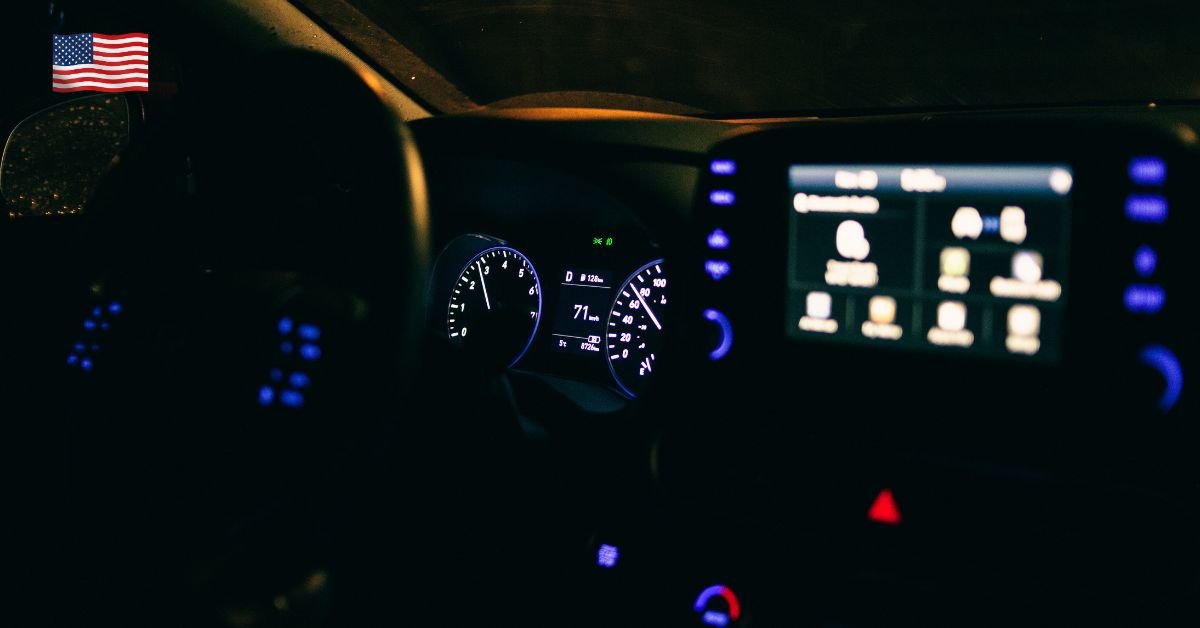
Hey folks, Ted here—your friendly neighborhood automotive tech who’s spent more hours under hoods than in front of screens. If you’ve been following my YouTube channel, you know I’m all about that raw horsepower rumble, the kind that makes your chest vibrate like a V8 on boost. But let’s be real: in 2025, a killer infotainment system is like the cherry on top of a perfectly tuned engine. It’s what turns a daily driver into a rolling command center, keeping you connected without pulling your eyes off the road. And yeah, as someone who’s dragged his Mustang through more car meets than I can count, I get it—mid-range cars (think $30K to $50K sweet spot) need tech that punches above its weight without breaking the bank.
Why mid-range? Because that’s where most of us live. You’re not dropping six figures on a luxury cruiser, but you don’t want to feel like you’re piloting a relic either. I’ve test-driven a ton of these setups lately, from tweaking tunes on my ’92 CBR to helping Emily navigate her Civic to PTA meetings. Infotainment isn’t just about Spotify playlists; it’s navigation that doesn’t glitch mid-commute, voice commands that actually listen, and wireless CarPlay so seamless you forget your phone’s even there. In this roundup, I’ll break down my top 5 picks for 2025, based on real-world usability, speed, and that gut-feel factor. No fluff—just straight talk from a guy who calls his cars “the kids” and keeps a spark plug in his pocket for luck.
If it’s got pixels and makes sense, I’m in love. Let’s rev into it.
1. Ford SYNC 4: The Everyday Workhorse That Gets the Job Done
Kicking off at number one is Ford’s SYNC 4, the system that’s like that reliable buddy who shows up with a toolbox and a six-pack. Found in mid-range gems like the 2025 Ford Escape (starting around $32K) and Bronco Sport ($30K base), it’s the infotainment equivalent of a solid torque converter—smooth, powerful, and built for the long haul. I’ve spent afternoons in an Escape SEL, blasting through backroads while SYNC 4 handled everything from route tweaks to my post-meet taco orders without missing a beat.
What sets SYNC 4 apart? It’s got massive 12- to 13.2-inch touchscreens (vertical or horizontal, your call) that respond faster than a cold-start throttle body. Wireless Apple CarPlay and Android Auto? Check—pairing takes seconds, no cables snaking across the dash like some forgotten jumper wire. The voice assistant is no-nonsense; say “Hey Ford, find the nearest Sonic” and it pulls up drive-in meets with real-time traffic, overlaying it on built-in nav that’s sharper than my Harbor Freight multimeter. Audio integration is top-shelf too—hook up a Kicker system, and podcasts from my channel sound like they’re piping straight from the studio.
But here’s the grease-monkey truth: SYNC 4 shines in usability. Physical knobs for volume and climate keep your hands where they belong (on the wheel, duh), and over-the-air updates mean it’s evolving without a shop visit. In my tests, it multitasked like a champ—streaming torque specs from YouTube while plotting a drag strip detour. Drawbacks? The interface can feel a tad cluttered if you’re deep in menus, but for mid-range money, it’s unbeatable value. If you’re wrenching on daily drivers, this is your system. Emily even used it to grade papers on a road trip—talk about versatile.
2. Kia Connect: The Budget Beast with Premium Smarts
Sliding into second is Kia Connect, powering the 2025 Kia Sportage Hybrid ($28K entry) and Sorento ($35K-ish). Kia’s been on a tear lately, turning what used to be “value” into “vibe,” and their infotainment is the spark plug firing it all. I first got handsy with this in a borrowed Sportage during a “Tacos & Torque” crew meet—while the boys debated exhaust notes, I was voice-dialing playlist after playlist, zero distractions.
At its core, Kia Connect rocks a 12.3-inch dual-screen setup (one for gauges, one for infotainment) that’s crisp as a fresh alignment. Wireless everything—CarPlay, Android Auto, even charging pads that don’t overheat like some knockoffs. Navigation? It’s got augmented reality overlays, projecting arrows right onto your camera feed like a holographic pit crew. Voice commands are intuitive; “Hey Kia, crank the AC” and boom—chilled air without fumbling knobs. Plus, it ties into Kia’s app for remote start, which saved my bacon when I forgot to warm up the Mustang on a frosty Ohio morning.
From a tech’s POV, the real win is integration. It syncs with your phone’s ecosystem flawlessly, pulling calendar reminders for oil changes (guilty as charged). Audio quality? Punchy Bose options make my vintage bike reviews pop. Quirks? The menus can bury settings deep, like hunting for a stripped bolt, but OTA updates fix glitches quick. For mid-range buyers chasing features without the fluff, Kia Connect is a torque monster—efficient, responsive, and ready to haul your crew to the next meetup. Emily’s already eyeing a Kia for her next upgrade; if it impresses a third-grade teacher, imagine what it’ll do for you.
3. Toyota Audio Multimedia: Simple, Reliable, and Stupidly User-Friendly
Number three goes to Toyota’s Audio Multimedia system, straight out of the 2025 Corolla Cross ($29K) and RAV4 Hybrid ($32K). Toyota’s never been the flashy type—like my ’98 Mustang, they build for the long run, and this infotainment nails that ethos. I test-drove a RAV4 LE last weekend, hauling parts for Thompson Tuners’ dream shop, and it felt like slipping into an old glove: comfortable, no surprises.
The star here is the 8- to 10.4-inch touchscreen that’s all about minimalism. No overwhelming menus—just clean tiles for nav, media, and climate, with physical buttons for quick hits. Wireless CarPlay and Android Auto load in a blink, and the voice tech (powered by Google) understands accents better than my autocorrect. Tell it “Play that ‘60s muscle playlist” and it queues up Pontiac GTO roars without a hitch. Built-in nav uses cloud data for traffic that’s eerily accurate, even on Columbus backstreets clogged with leaf-peepers.
As a part-timer YouTuber, I dig the split-screen mode—film a quick TikTok reaction while monitoring speed cams. Audio? Standard six-speaker setup thumps respectably, upgradable to JBL for that concert-hall kick. It’s not the biggest screen, but that’s the point: less distraction, more drive. Cons? Lacks some bells like AR overlays, but for mid-range reliability, it’s gold. This system’s like my rebuilt CBR—bulletproof and begging for miles. If you’re loyal like me to what works, Toyota’s your ride.
4. Honda Google Built-In: The EV-Ready Innovator for Tech Heads
Dropping to fourth is Honda’s Google Built-In, featured in the 2025 Honda Prologue EV ($48K) and refreshed CR-V ($30K). Honda’s dipping toes into smarter waters, and this system’s like adding EFI to a carbureted classic—modern without losing soul. I buzzed around in a Prologue during a rainy test loop, and it turned gridlock into groove time.
Powered by Android Automotive OS, it’s got a 9-inch touchscreen humming with Google Maps, Assistant, and Play Store apps native—no phone tethering BS. Wireless CarPlay? Optional, but the built-in suite steals the show: real-time EV range predictions that factor in your heavy foot (guilty), and voice queries like “Find vintage bike shops” that spit out routes with photos. The UI’s fluid, with gesture controls for volume—swipe like you’re signaling a lane change.
From the garage, I love the diagnostics tie-in; it flags tune-up needs before they strand you. Audio’s a solid 12-speaker setup, crisp for my car-review rants. It’s mid-range priced but feels premium, especially for hybrids/EVs. Nitpick: Steeper learning curve if you’re analog like me, but once dialed in, it’s addictive. Perfect for future-proofing that Chevelle dream with Emily—Google’s got her lesson plans covered too.
5. Hyundai/Kia ccNC: The Value-Packed Underdog Punching Up
Rounding out the top five is Hyundai’s ccNC (Connected Car Navigation Cockpit), shared with Kia siblings in the 2025 Tucson ($29K) and Santa Fe ($35K). It’s the scrappy fighter of infotainment—like my ‘70 Chevelle goal, all potential and grit. I wheeled a Tucson SEL through a car show crawl, and ccNC kept the vibes high without drama.
This 10.25-inch screen finally went wireless for CarPlay/Android Auto in 2025, ditching the cable chaos. Nav’s Bluelink-powered, with EV routing and live parking spots—handy for overflowing meets. Voice? Bilingual and snappy, handling “Tune exhaust sims” queries with YouTube links. The dual-screen (cluster + infotainment) flows like a well-routed fuel line.
Pros for us techs: OTA maps update on the fly, and Valet Mode locks out my “kids'” secrets. Audio’s Harman Kardon optional, booming deep for bass-heavy tracks. It’s mid-range magic—affordable yet loaded. Downside: Occasional lag in heavy rain, but for the price, it’s a steal. If Mike and I open Thompson Tuners, we’d spec this for shop vans.
Wrapping Up: Tech That Fuels the Ride
There you have it—my top 5 infotainment systems for mid-range cars in 2025, from SYNC 4’s brute force to ccNC’s clever value. These aren’t just screens; they’re co-pilots that amp up the joy without stealing the spotlight from what’s under the hood. As a guy chasing that 12.1-second quarter-mile, I say pick one that lets you focus on the fun—whether it’s a drag strip dash or a picnic detour with Emily.
Dreaming of Thompson Tuners? Hit subscribe on my channel for more. What’s your must-have feature? Drop it below. Until next time, keep the RPMs high and the connections wireless. If it’s got wheels, screens, and soul, I’m in love.

- Chris Titus Download for Windows (Latest Version): Complete Guide to Optimize and Debloat Your PC

- Google Chrome Not Saving Password 8 Proven Ways to Fix It Quickly

- WiFi Settings Turning Off on iPhone? Try These 6 Fixes That Actually Work

- How to Check Motherboard Model in Windows (Easy Methods Without Opening Your PC)

- 7 Best Methods to Fix “Undoing Changes Made to Your PC” Error (Complete Guide)

Products
-
![Apple Watch Ultra 3 [GPS + Cellular 49mm] Running & Multisport Smartwatch w/Rugged Titanium Case w/Black Titanium Milanese Loop - M. Satellite Communications, Advanced Health & Fitness Tracking](https://bazaronweb.com/retailstores/wp-content/uploads/2025/09/apple-watch-320x320.jpg) Apple Watch Ultra 3 [GPS + Cellular 49mm] Running & Multisport Smartwatch w/Rugged Titanium Case w/Black Titanium Milanese Loop - M. Satellite Communications, Advanced Health & Fitness Tracking
Apple Watch Ultra 3 [GPS + Cellular 49mm] Running & Multisport Smartwatch w/Rugged Titanium Case w/Black Titanium Milanese Loop - M. Satellite Communications, Advanced Health & Fitness Tracking
-
 Apple iPad mini (A17 Pro): Apple Intelligence, 8.3-inch Liquid Retina Display, 256GB, Wi-Fi 6E, 12MP Front/12MP Back Camera, Touch ID, All-Day Battery Life — Purple
-
 Apple AirPods Max Wireless Over-Ear Headphones, Active Noise Cancelling, Transparency Mode, Personalized Spatial Audio, Dolby Atmos, Bluetooth Headphones for iPhone – Space Gray
-
 Apple AirPods Pro 2 Wireless Earbuds, Active Noise Cancellation, Hearing Aid Feature, Bluetooth Headphones, Transparency, Personalized Spatial Audio, High-Fidelity Sound, H2 Chip, USB-C Charging
-
Leo Creation 144 TC Cotton Double Jaipuri Prints Flat Bedsheet(Pack of 1, Blue, Gree, Red, Grey, Light Grey)
Original price was: ₹2,999.00.₹329.00Current price is: ₹329.00.
Leave a Reply