Discounted Products
-
 Leo Creation 144 TC Cotton Double Jaipuri Prints Flat Bedsheet(Pack of 1, Blue, Gree, Red, Grey, Light Grey)
Original price was: ₹2,999.00.₹329.00Current price is: ₹329.00.
Leo Creation 144 TC Cotton Double Jaipuri Prints Flat Bedsheet(Pack of 1, Blue, Gree, Red, Grey, Light Grey)
Original price was: ₹2,999.00.₹329.00Current price is: ₹329.00.
-
 Home Garage 210 TC Cotton King Floral Fitted (Elastic) Bedsheet(Pack of 1, Grey)
Original price was: ₹999.00.₹299.00Current price is: ₹299.00.
Home Garage 210 TC Cotton King Floral Fitted (Elastic) Bedsheet(Pack of 1, Grey)
Original price was: ₹999.00.₹299.00Current price is: ₹299.00.
-
 Goodrik 140 TC Cotton Double 3D Printed Flat Bedsheet(Pack of 1, Brown)
Original price was: ₹499.00.₹229.00Current price is: ₹229.00.
Goodrik 140 TC Cotton Double 3D Printed Flat Bedsheet(Pack of 1, Brown)
Original price was: ₹499.00.₹229.00Current price is: ₹229.00.
-
 GLOBALSHOP 350 TC Microfiber Double Floral Flat Bedsheet(Pack of 1, Multicolor)
Original price was: ₹1,250.00.₹263.00Current price is: ₹263.00.
GLOBALSHOP 350 TC Microfiber Double Floral Flat Bedsheet(Pack of 1, Multicolor)
Original price was: ₹1,250.00.₹263.00Current price is: ₹263.00.
-
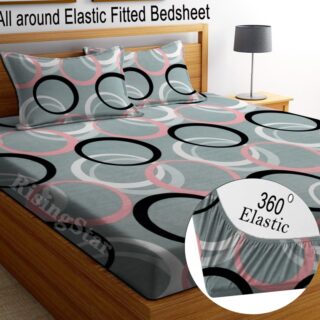 RisingStar 250 TC Microfiber King Printed Fitted (Elastic) Bedsheet(Pack of 1, FITTED-ROUND-CIRCLES-PREMIUM)
Original price was: ₹2,299.00.₹299.00Current price is: ₹299.00.
RisingStar 250 TC Microfiber King Printed Fitted (Elastic) Bedsheet(Pack of 1, FITTED-ROUND-CIRCLES-PREMIUM)
Original price was: ₹2,299.00.₹299.00Current price is: ₹299.00.
-
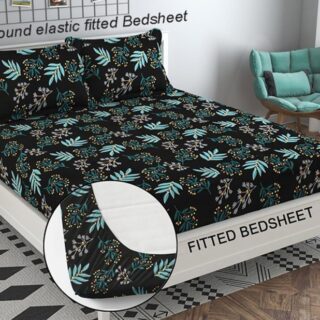 Home Garage 210 TC Cotton King Floral Fitted (Elastic) Bedsheet(Pack of 1, Fitted Black Green)
Original price was: ₹1,299.00.₹299.00Current price is: ₹299.00.
Home Garage 210 TC Cotton King Floral Fitted (Elastic) Bedsheet(Pack of 1, Fitted Black Green)
Original price was: ₹1,299.00.₹299.00Current price is: ₹299.00.
-
 Home Garage 180 TC Cotton King 3D Printed Flat Bedsheet(Pack of 1, White)
Original price was: ₹999.00.₹229.00Current price is: ₹229.00.
Home Garage 180 TC Cotton King 3D Printed Flat Bedsheet(Pack of 1, White)
Original price was: ₹999.00.₹229.00Current price is: ₹229.00.
-
 Home Sizzler 153 cm (5 ft) Polyester Room Darkening Window Curtain (Pack Of 2)(Floral, Maroon)
Original price was: ₹799.00.₹299.00Current price is: ₹299.00.
Home Sizzler 153 cm (5 ft) Polyester Room Darkening Window Curtain (Pack Of 2)(Floral, Maroon)
Original price was: ₹799.00.₹299.00Current price is: ₹299.00.
-
 Panipat Textile Hub 152.4 cm (5 ft) Polyester Window Curtain (Pack Of 2)(Solid, Aqua)
Original price was: ₹1,899.00.₹299.00Current price is: ₹299.00.
Panipat Textile Hub 152.4 cm (5 ft) Polyester Window Curtain (Pack Of 2)(Solid, Aqua)
Original price was: ₹1,899.00.₹299.00Current price is: ₹299.00.
-
 Home Sizzler 214 cm (7 ft) Polyester Semi Transparent Door Curtain (Pack Of 2)(Floral, Maroon)
Original price was: ₹1,199.00.₹399.00Current price is: ₹399.00.
Home Sizzler 214 cm (7 ft) Polyester Semi Transparent Door Curtain (Pack Of 2)(Floral, Maroon)
Original price was: ₹1,199.00.₹399.00Current price is: ₹399.00.
-
 Home Sizzler 153 cm (5 ft) Polyester Room Darkening Window Curtain (Pack Of 2)(Floral, Brown)
Original price was: ₹799.00.₹299.00Current price is: ₹299.00.
Home Sizzler 153 cm (5 ft) Polyester Room Darkening Window Curtain (Pack Of 2)(Floral, Brown)
Original price was: ₹799.00.₹299.00Current price is: ₹299.00.
-
 Stella Creations 214 cm (7 ft) Polyester Room Darkening Door Curtain (Pack Of 2)(Abstract, Brown)
Original price was: ₹1,299.00.₹449.00Current price is: ₹449.00.
Stella Creations 214 cm (7 ft) Polyester Room Darkening Door Curtain (Pack Of 2)(Abstract, Brown)
Original price was: ₹1,299.00.₹449.00Current price is: ₹449.00.
-
 Homefab India 152.5 cm (5 ft) Polyester Room Darkening Window Curtain (Pack Of 2)(Floral, Light Blue)
Original price was: ₹1,199.00.₹319.00Current price is: ₹319.00.
Homefab India 152.5 cm (5 ft) Polyester Room Darkening Window Curtain (Pack Of 2)(Floral, Light Blue)
Original price was: ₹1,199.00.₹319.00Current price is: ₹319.00.
-
 Urban Home 214 cm (7 ft) PVC Transparent Door Curtain Single Curtain(Solid, Off White)
Original price was: ₹699.00.₹203.00Current price is: ₹203.00.
Urban Home 214 cm (7 ft) PVC Transparent Door Curtain Single Curtain(Solid, Off White)
Original price was: ₹699.00.₹203.00Current price is: ₹203.00.
-
 Panipat Textile Hub 213 cm (7 ft) Polyester Door Curtain (Pack Of 2)(Solid, Brown)
Original price was: ₹1,199.00.₹349.00Current price is: ₹349.00.
Panipat Textile Hub 213 cm (7 ft) Polyester Door Curtain (Pack Of 2)(Solid, Brown)
Original price was: ₹1,199.00.₹349.00Current price is: ₹349.00.

Hey, it’s Jessica. One of the most confusing iPhone experiences is this: you haven’t installed new apps, you haven’t changed how you use your phone, and yet somehow it feels slower than it used to. Apps take longer to open, the keyboard lags for a split second, animations feel less smooth, and sometimes the phone just feels… tired. I’ve experienced this myself, and it’s frustrating because it doesn’t come with a clear warning or explanation. The assumption most people make is that their iPhone is “getting old,” but that’s not entirely true. What’s really happening is a slow buildup of system behavior that accumulates over time, even when your usage stays the same.
Performance Slowdown Isn’t About Apps, It’s About System Load
When people think of slowdown, they usually blame apps. But if you haven’t installed anything new, apps aren’t the problem. iOS itself changes continuously in the background. Over time, your iPhone builds caches, logs, indexes, and temporary system data to keep everything feeling seamless. These processes are invisible, but they still consume memory, storage, and processing power. As the system carries more historical data, it has more to manage at once. This doesn’t break the phone—it just adds weight that wasn’t there when the device was fresh.
Background Processes Never Truly Stop
iPhones are designed to be always ready. That means background tasks are constantly running: syncing iCloud, indexing photos, analyzing usage patterns, refreshing apps, managing notifications, and updating system intelligence. Even if you use your phone lightly, these processes continue quietly. Over months and years, they stack up. The phone isn’t slowing down because it’s weak—it’s slowing down because it’s busy. When multiple background tasks overlap, the system prioritizes stability over speed, which users perceive as lag.
Storage Pressure Affects Speed More Than You Think
One of the biggest contributors to long-term slowdown is low available storage. Even if your storage isn’t “full,” having very little free space forces iOS to work harder. The system needs breathing room to cache files, manage memory, and handle temporary operations smoothly. When storage gets tight, iOS starts juggling data aggressively. This leads to slower app launches, delayed animations, and occasional stutters. The phone isn’t failing—it’s compensating.
Battery Health Changes How iOS Behaves
As the battery ages, iOS adapts how it manages performance. This isn’t about punishing older phones; it’s about preventing unexpected shutdowns. When battery health declines, the system becomes more conservative. It smooths power usage by reducing peak performance during demanding tasks. The result is a phone that feels less responsive, especially under load. This happens gradually, which is why many users can’t pinpoint when the slowdown started—it creeps in quietly.
iOS Updates Add Features, Not Always Lightness
Each iOS update improves security, intelligence, and functionality—but it also adds complexity. New background services, smarter system features, and enhanced visual effects all require resources. While Apple optimizes for a wide range of devices, older models naturally feel the impact more. Even if you don’t actively use new features, they still exist in the system, running quietly. Over time, this adds to the overall workload your iPhone manages daily.
Cached Data Builds Up in Places You Never See
Safari data, app caches, message attachments, photo thumbnails, and system logs grow invisibly. iOS keeps these to improve speed and reduce repeated downloads, but it doesn’t aggressively clear them unless storage becomes critical. This means your phone slowly accumulates digital “dust.” You don’t see it, but the system does—and it affects how smoothly everything runs.
The Illusion of “Nothing Changed”
The reason this slowdown feels unfair is because it happens without a clear trigger. You didn’t install new apps. You didn’t change habits. But your iPhone did change—incrementally, quietly, and constantly. iOS evolves daily, even when you’re asleep. Recognizing this removes the blame from yourself. You didn’t misuse your phone. You simply let it behave exactly as designed.
Why Restarting Sometimes Feels Like Magic
This is why restarting an iPhone often makes it feel faster, even temporarily. A restart clears active memory, ends stalled background processes, and forces system cleanup tasks to reset. It doesn’t fix everything, but it gives the system a brief reset—like a deep breath. That alone tells you slowdown isn’t permanent damage; it’s accumulated behavior.
The Real Shift: From Worrying About Age to Managing Health
Once I stopped thinking of slowdown as “my iPhone is old” and started thinking of it as “my iPhone needs maintenance,” everything changed. Performance isn’t binary—it degrades gradually based on how the system manages itself. When you understand that, you stop panicking and start optimizing intentionally.
Give iOS the Free Space It Needs to Breathe
One of the most underrated performance fixes is simply maintaining enough free storage. iOS relies heavily on available space to function smoothly. It uses free storage as working room for memory swaps, caching, photo processing, and system tasks. When free space drops too low, iOS becomes conservative and cautious, which shows up as lag. I’ve found that keeping a comfortable buffer—not just avoiding “storage full”—makes a noticeable difference in responsiveness. This isn’t about deleting everything; it’s about preventing constant system pressure.
Background App Refresh Isn’t Harmless Over Time
Background App Refresh sounds useful, and in moderation it is. But over long periods, allowing dozens of apps to refresh constantly adds up. Each refresh wakes the system, uses memory, and consumes processing power. Even if each app uses a tiny amount, the cumulative effect is real. Disabling background refresh for apps that don’t need real-time updates lightens the system’s daily workload. The phone feels calmer, especially when switching between apps or unlocking the screen.
Notifications Keep the System Awake More Than You Realize
Notifications aren’t just visual alerts—they trigger background activity. Every notification involves network checks, processing, and UI preparation. Over time, apps that send frequent notifications keep the system busier than necessary. Reducing notification permissions for non-essential apps doesn’t just improve focus; it improves performance. I noticed smoother animations and fewer micro-lags once the constant background noise was reduced.
Safari and Browser Data Affects Overall System Speed
Safari doesn’t exist in isolation. Its cached data, stored scripts, and offline files interact with system memory and storage. Over time, browser data grows quietly and contributes to sluggishness. Clearing website data periodically resets this buildup. The phone doesn’t feel faster just in Safari—it feels faster everywhere, because background memory pressure drops. This is especially noticeable on iPhones used heavily for browsing and reading.
Location Services Create Invisible Performance Drain
Location services are another silent factor. Apps set to “Always” location access continuously interact with GPS, Wi-Fi, and Bluetooth. Even when you’re not moving, the system checks location signals. Over months, this adds background load. Switching most apps to “While Using” reduces unnecessary system wake-ups. Performance improves subtly but consistently, especially when combined with other optimizations.
Live Photos, Widgets, and Visual Features Add Up
Individually, Live Photos, widgets, and visual effects don’t seem heavy. Together, they increase system complexity. Live Photos require additional processing and storage. Widgets refresh data on schedules. Motion effects consume GPU resources. None of these are bad—but having too many enabled creates a constant low-level performance tax. Simplifying the home screen and reducing unnecessary widgets helps the system stay responsive over time.
Battery Health Shapes Performance Decisions
As battery health declines, iOS prioritizes stability. This means it limits peak performance during demanding moments. The phone still works, but transitions feel slower and intensive tasks take longer. This isn’t punishment—it’s protection. Understanding this reframes slowdown as adaptive behavior, not failure. When battery health reaches certain thresholds, performance optimization becomes less about software tweaks and more about realistic expectations or battery replacement decisions.
iOS Learns Your Behavior—and Carries It Forward
iOS builds models based on how you use your phone. App usage patterns, frequently accessed content, and system predictions all shape background activity. Over time, these learned behaviors accumulate. If your usage was heavier in the past, the system may still be preparing for patterns you no longer follow. Resetting certain permissions and limiting background activity helps recalibrate this learning. The phone gradually adapts to a lighter workload.
Why Force-Closing Apps Rarely Helps Long-Term
Force-closing apps feels satisfying, but it’s not a sustainable performance fix. iOS is designed to manage inactive apps efficiently. Constantly closing them can actually increase system work because apps must reload fully when reopened. The real slowdown comes from background behavior, not dormant apps. Understanding this saves effort and avoids counterproductive habits.
Restarts Work Because They Reset State, Not Because They Clean Everything
Restarting helps because it clears active memory, stops stalled processes, and resets system state. It doesn’t remove stored data permanently, but it gives iOS a clean starting point. This is why performance often feels better afterward. Regular restarts—occasionally, not obsessively—help prevent long-running processes from lingering indefinitely.
The Long-Term Fix Is Consistency, Not One-Time Cleanup
The biggest realization for me was that performance doesn’t improve from one dramatic cleanup. It improves from consistent, small adjustments that reduce background load over time. Managing storage, limiting background activity, reviewing permissions, and simplifying visuals create a system that ages gracefully instead of feeling progressively slower. iPhones don’t suddenly become slow—they gradually carry more responsibility than they were designed for.
Reset Trust, Not the Entire Phone
One of the most effective but least talked-about performance improvements is reviewing permissions you’ve granted over time. Apps accumulate access—to photos, location, background activity, Bluetooth, and system resources. Many of these permissions made sense at one point but no longer do. When apps retain unnecessary access, they stay partially active in the background. Resetting or limiting these permissions doesn’t break apps; it simply restores boundaries. Over time, this reduces system load and improves responsiveness without deleting anything.
Widgets and Live Updates Change System Priorities
Widgets look harmless, but they constantly ask the system for fresh data. Weather, news, fitness, stocks, and calendar widgets refresh on schedules you don’t control precisely. Each refresh wakes background processes. Reducing widget count or keeping only the most essential ones helps iOS focus on user actions instead of constant updates. The phone feels more immediate when fewer background refreshes compete for attention.
Network Conditions Affect Perceived Speed
Poor or fluctuating network conditions make iPhones feel slow even when hardware is fine. When apps repeatedly retry network requests, the system feels laggy. Background retries consume power, memory, and processing time. Ensuring stable Wi-Fi, disabling unnecessary background syncing, and limiting apps that constantly communicate online reduces this friction. Performance improves not because the phone is faster, but because it’s no longer struggling silently.
iOS Isn’t Getting Worse—It’s Getting Smarter
A critical mindset shift is realizing that iOS evolves toward intelligence, not minimalism. Features like on-device learning, photo analysis, predictive typing, and system suggestions all require resources. Your phone isn’t slowing down randomly—it’s doing more thinking. On newer devices, this feels seamless. On older ones, it feels heavier. Once you understand this, performance tuning becomes about balance, not resistance.
Why Extreme Fixes Usually Backfire
Resetting the iPhone or aggressively deleting content often feels like the only solution—but it’s rarely necessary. Extreme fixes work temporarily because they erase history, caches, and learned behavior. But if usage habits don’t change, the slowdown returns. Sustainable performance comes from guiding iOS behavior, not wiping it clean repeatedly. That’s why small, consistent optimizations outperform dramatic resets in the long run.
Consistency Beats Perfection
No iPhone stays perfectly fast forever, and that’s okay. Performance isn’t binary—it fluctuates based on system load, storage pressure, battery health, and background behavior. The goal isn’t perfection; it’s stability. When storage is managed, background activity is intentional, and permissions are controlled, iPhones age gracefully instead of feeling progressively slower.
Conclusion
iPhones don’t become slow because users misuse them or because Apple intentionally degrades performance. They slow down because they accumulate responsibility over time—data, background tasks, system intelligence, and adaptive behavior. Once you understand this, the frustration disappears. Performance issues stop feeling mysterious and start feeling manageable. With consistent habits, intentional settings, and realistic expectations, an iPhone can stay smooth, responsive, and reliable for years. Slowness isn’t a failure—it’s a signal that the system needs guidance, not replacement.
Disclaimer
This article is for informational purposes only. Performance behavior may vary based on iPhone model, iOS version, battery health, and individual usage patterns. Always back up your device before making significant changes and follow Apple’s official recommendations.

- How to Fix Volume Buttons Not Working on iPhone Complete Step-by-Step Guide
- Chris Titus Download for Windows (Latest Version): Complete Guide to Optimize and Debloat Your PC

- Google Chrome Not Saving Password 8 Proven Ways to Fix It Quickly

- WiFi Settings Turning Off on iPhone? Try These 6 Fixes That Actually Work
- How to Check Motherboard Model in Windows (Easy Methods Without Opening Your PC)

Products
-
![Apple Watch Ultra 3 [GPS + Cellular 49mm] Running & Multisport Smartwatch w/Rugged Titanium Case w/Black Titanium Milanese Loop - M. Satellite Communications, Advanced Health & Fitness Tracking](https://bazaronweb.com/retailstores/wp-content/uploads/2025/09/apple-watch-320x320.jpg) Apple Watch Ultra 3 [GPS + Cellular 49mm] Running & Multisport Smartwatch w/Rugged Titanium Case w/Black Titanium Milanese Loop - M. Satellite Communications, Advanced Health & Fitness Tracking
Apple Watch Ultra 3 [GPS + Cellular 49mm] Running & Multisport Smartwatch w/Rugged Titanium Case w/Black Titanium Milanese Loop - M. Satellite Communications, Advanced Health & Fitness Tracking
-
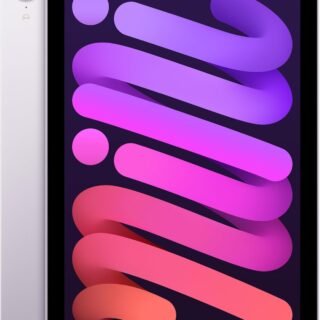 Apple iPad mini (A17 Pro): Apple Intelligence, 8.3-inch Liquid Retina Display, 256GB, Wi-Fi 6E, 12MP Front/12MP Back Camera, Touch ID, All-Day Battery Life — Purple
-
 Apple AirPods Max Wireless Over-Ear Headphones, Active Noise Cancelling, Transparency Mode, Personalized Spatial Audio, Dolby Atmos, Bluetooth Headphones for iPhone – Space Gray
-
 Apple AirPods Pro 2 Wireless Earbuds, Active Noise Cancellation, Hearing Aid Feature, Bluetooth Headphones, Transparency, Personalized Spatial Audio, High-Fidelity Sound, H2 Chip, USB-C Charging
-
Leo Creation 144 TC Cotton Double Jaipuri Prints Flat Bedsheet(Pack of 1, Blue, Gree, Red, Grey, Light Grey)
Original price was: ₹2,999.00.₹329.00Current price is: ₹329.00.
Leave a Reply