Category
Popular Articles
- AI (14)
- Android (41)
- App Suggest (13)
- Apple (25)
- Apple TV (2)
- Bluetooth (3)
- Cars (2)
- ChatGpt (1)
- Chrome (2)
- Did you know? (1)
- E-Commerce News (1)
- Ecommerce Websites business (7)
- Electronics Shopping (5)
- Fashion Tips (3)
- Gaming (5)
- Google Gemini (3)
- Hair Care Tips (2)
- How to (13)
- iCloud (1)
- Infotainment System (1)
- Iphone (112)
- Job Posting (1)
- Lifestyle (3)
- Mac (22)
- Mobile Games (1)
- Netflix (1)
- Online Shopping Websites (2)
- Personal Finance Management (3)
- Product Reviews (3)
- Roku TV (4)
- Samsung (10)
- Shopping Tips (10)
- Spotify (1)
- Tech (118)
- VPN (2)
- Windows 11 (24)
- Zero Waste (3)
Discounted Products
-

Leo Creation 144 TC Cotton Double Jaipuri Prints Flat Bedsheet(Pack of 1, Blue, Gree, Red, Grey, Light Grey)
₹2,999.00Original price was: ₹2,999.00.₹329.00Current price is: ₹329.00. -

Home Garage 210 TC Cotton King Floral Fitted (Elastic) Bedsheet(Pack of 1, Grey)
₹999.00Original price was: ₹999.00.₹299.00Current price is: ₹299.00. -

Goodrik 140 TC Cotton Double 3D Printed Flat Bedsheet(Pack of 1, Brown)
₹499.00Original price was: ₹499.00.₹229.00Current price is: ₹229.00. -

GLOBALSHOP 350 TC Microfiber Double Floral Flat Bedsheet(Pack of 1, Multicolor)
₹1,250.00Original price was: ₹1,250.00.₹263.00Current price is: ₹263.00. -

RisingStar 250 TC Microfiber King Printed Fitted (Elastic) Bedsheet(Pack of 1, FITTED-ROUND-CIRCLES-PREMIUM)
₹2,299.00Original price was: ₹2,299.00.₹299.00Current price is: ₹299.00. -
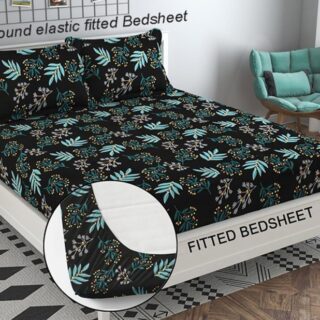
Home Garage 210 TC Cotton King Floral Fitted (Elastic) Bedsheet(Pack of 1, Fitted Black Green)
₹1,299.00Original price was: ₹1,299.00.₹299.00Current price is: ₹299.00. -

Home Garage 180 TC Cotton King 3D Printed Flat Bedsheet(Pack of 1, White)
₹999.00Original price was: ₹999.00.₹229.00Current price is: ₹229.00. -

Home Sizzler 153 cm (5 ft) Polyester Room Darkening Window Curtain (Pack Of 2)(Floral, Maroon)
₹799.00Original price was: ₹799.00.₹299.00Current price is: ₹299.00. -

Panipat Textile Hub 152.4 cm (5 ft) Polyester Window Curtain (Pack Of 2)(Solid, Aqua)
₹1,899.00Original price was: ₹1,899.00.₹299.00Current price is: ₹299.00. -

Home Sizzler 214 cm (7 ft) Polyester Semi Transparent Door Curtain (Pack Of 2)(Floral, Maroon)
₹1,199.00Original price was: ₹1,199.00.₹399.00Current price is: ₹399.00. -

Home Sizzler 153 cm (5 ft) Polyester Room Darkening Window Curtain (Pack Of 2)(Floral, Brown)
₹799.00Original price was: ₹799.00.₹299.00Current price is: ₹299.00. -

Stella Creations 214 cm (7 ft) Polyester Room Darkening Door Curtain (Pack Of 2)(Abstract, Brown)
₹1,299.00Original price was: ₹1,299.00.₹449.00Current price is: ₹449.00. -

Homefab India 152.5 cm (5 ft) Polyester Room Darkening Window Curtain (Pack Of 2)(Floral, Light Blue)
₹1,199.00Original price was: ₹1,199.00.₹319.00Current price is: ₹319.00. -

Urban Home 214 cm (7 ft) PVC Transparent Door Curtain Single Curtain(Solid, Off White)
₹699.00Original price was: ₹699.00.₹203.00Current price is: ₹203.00. -

Panipat Textile Hub 213 cm (7 ft) Polyester Door Curtain (Pack Of 2)(Solid, Brown)
₹1,199.00Original price was: ₹1,199.00.₹349.00Current price is: ₹349.00.
Affiliate Links
Promotion
Introduction
I didn’t grow up counting teraflops or arguing about console specs. For me, gaming has always been about fit—how easily it slips into real life between work, kids, and everything else. That’s why watching Xbox “lose” the console race feels more complicated than the headlines suggest. Yes, fewer people are buying Xbox consoles compared to PlayStation. But as someone who streams shows instead of buying DVDs and uses subscriptions for almost everything, I see what Microsoft is really doing here. Xbox isn’t chasing the loudest fans anymore. It’s chasing convenience, flexibility, and long-term habits—and that says a lot about where gaming is actually headed.
For nearly two decades, the console wars have followed a familiar script. Hardware sales were the scoreboard, exclusives were the weapons, and market share decided the winner. In that traditional framing, Xbox appears to be falling further behind with every passing year. PlayStation dominates global sales charts, Nintendo continues to defy industry logic, and Xbox hardware lags well behind both. To many observers, this looks like a clear and embarrassing defeat.
But that interpretation assumes the rules of the game have not changed.
Microsoft is no longer treating Xbox as a box-first business. Instead, it is repositioning gaming as a service-led ecosystem where consoles are optional, platforms are fluid, and value is measured in engagement rather than units sold. This shift makes Xbox’s weak hardware numbers less of a failure and more of a trade-off—one that prioritizes long-term reach over short-term bragging rights.
Understanding why Xbox is “losing” the console race requires looking beyond sales figures and asking a deeper question: what if Microsoft no longer believes the console race itself is the future of gaming?
For most of gaming history, the console race has been a relatively straightforward contest: sell the most hardware, lock in the biggest exclusives, and build the strongest brand loyalty. By that traditional measure, Xbox is undeniably losing ground—by a wide margin. Sony’s PlayStation continues to dominate global console sales, Nintendo thrives in its own ecosystem, and Xbox hardware trails far behind.
Yet this widening gap is not simply a failure. It is a visible symptom of a deliberate, high-stakes pivot by Microsoft, one that challenges the very idea of what “winning” in gaming means.
The Console Sales Reality Xbox Can’t Ignore
The numbers paint a stark picture. Sony’s PlayStation 5 has consistently outsold the Xbox Series X and Series S combined in most major markets. Meanwhile, Nintendo continues to move tens of millions of Nintendo Switch units years after launch, largely unaffected by the power-focused arms race between Sony and Microsoft.
Hardware sales have long been the foundation of console ecosystems. More consoles mean a larger install base, which attracts developers, which leads to better games, which in turn sell more consoles. Xbox’s inability to match this momentum has reinforced a perception problem: fewer exclusives, fewer cultural moments, and less urgency for consumers to choose Xbox over PlayStation.
Exclusives: The Traditional Weak Spot
One of the biggest contributors to Xbox’s struggles has been first-party exclusives. Sony’s steady stream of critically acclaimed, narrative-driven titles has given PlayStation a clear identity. Nintendo, meanwhile, thrives on iconic franchises that exist nowhere else.
Xbox’s lineup has often felt inconsistent by comparison. Even when strong titles arrive, they rarely create the same must-buy hardware moment. This has fueled the narrative that Xbox “lost” the console war, especially among core gamers who still equate success with exclusive hits tied to a specific box under the TV.
Microsoft’s Strategic Reframe: Hardware Is No Longer the Product
Here’s where the story changes. For Microsoft, Xbox hardware is no longer the primary objective—it’s a gateway. The real product is the ecosystem, and the centerpiece of that ecosystem is Xbox Game Pass.
Game Pass shifts gaming from ownership to access. Instead of selling one $70 game at a time, Microsoft sells a subscription that promises constant value. This model prioritizes engagement over unit sales and recurring revenue over one-time purchases. From Microsoft’s perspective, it doesn’t matter whether a player uses an Xbox console, a PC, or the cloud—what matters is that they remain inside the Xbox ecosystem.
Subscription Economics vs Console Economics
Console economics are brutal. Hardware is often sold at razor-thin margins or even at a loss, with profits expected later from game sales and services. Subscriptions flip that equation. Predictable monthly revenue is more stable, easier to forecast, and highly attractive to investors.
By leaning into Game Pass, Microsoft is effectively trading short-term hardware dominance for long-term platform relevance. While Sony still relies heavily on premium game sales tied to PlayStation consoles, Microsoft is positioning Xbox as a service that transcends devices.
The Role of Acquisitions in the Pivot
Microsoft’s gaming pivot accelerated dramatically with its acquisition strategy, most notably the purchase of Activision Blizzard. Rather than buying studios solely to create exclusives that sell consoles, Microsoft gained massive libraries, live-service expertise, and global IP that can fuel subscriptions for years.
This approach reinforces a crucial shift: content no longer exists primarily to sell hardware. It exists to retain subscribers. That’s a fundamentally different incentive structure, one that explains why Microsoft is increasingly comfortable releasing Xbox-branded games beyond its own consoles.
Multi-Platform Publishing: A Heresy Turned Strategy
Once considered unthinkable, Xbox games appearing on rival platforms are now part of the plan. From a traditional console-war mindset, this looks like surrender. From Microsoft’s perspective, it’s expansion.
If a game can generate revenue on PlayStation or Nintendo hardware while still feeding Game Pass growth and brand awareness, the trade-off makes sense. Microsoft is less interested in locking players into a box and more interested in locking them into an account.
Cloud Gaming and the Long Game
Cloud gaming remains imperfect, but it represents another pillar of Microsoft’s strategy. By reducing dependence on local hardware, Xbox positions itself for markets where consoles are expensive or inaccessible. This is not about winning today’s console race—it’s about being present when the next shift happens.
In that future, the device matters less than the service. Xbox wants to be the default gaming layer across screens, much like Windows became the default operating system across PCs.
Why Xbox Can “Lose” and Still Win
From a brand perception standpoint, losing the console race is damaging. Headlines focus on unit sales, exclusives, and market share. But Microsoft’s financial incentives are different from Sony’s or Nintendo’s. Gaming is one pillar of a vast portfolio, not the company’s core identity.
For Microsoft, success looks like:
-
A growing subscriber base
-
High engagement across devices
-
Strong recurring revenue
-
A content pipeline that feeds multiple platforms
By these metrics, Xbox doesn’t need to outsell PlayStation hardware to justify its strategy.
The Cultural Cost of the Pivot
There is a cost, however. Console wars are emotional. They thrive on rivalry, loyalty, and identity. By de-emphasizing hardware exclusivity, Xbox risks losing cultural relevance among enthusiasts who value prestige and tradition.
The brand becomes less about “this is the best place to play” and more about “this is the most convenient way to access games.” That’s powerful—but less romantic.
Sony and Nintendo Are Playing a Different Game
Sony and Nintendo remain committed to hardware-led ecosystems. Their success depends on selling devices and leveraging exclusives to drive those sales. This clarity of purpose gives them strong brand identities and loyal audiences.
Microsoft’s strategy is broader and arguably riskier. It depends on consumer acceptance of subscriptions, cloud gaming maturation, and long-term patience from fans who still care deeply about console identity.
The Future of the Console Race Itself
The biggest implication of Xbox’s struggles may not be about Xbox at all—it may be about the relevance of the console race as we know it. If Microsoft succeeds, the industry narrative could shift from “which console sold more” to “which ecosystem retained more players.”
In that world, Xbox isn’t losing by miles. It’s racing on a different track entirely.
A Pivot That Redefines Winning
Xbox’s position today reflects a conscious decision: sacrifice traditional dominance for strategic flexibility. Microsoft is betting that access will matter more than ownership, services more than devices, and ecosystems more than consoles.
Whether that bet pays off will define the next decade of gaming. But one thing is clear—the story of Xbox falling behind is only half the truth. The other half is a company trying to rewrite the rules of an industry that has barely changed in 30 years.
What This Means for Developers and Publishers
Microsoft’s pivot also reshapes incentives for game developers. Under the traditional console model, success depended heavily on launch sales and platform exclusivity deals. In a subscription-first ecosystem, value is measured differently: engagement time, retention, and long-tail play matter more than day-one revenue spikes. For many studios, this reduces financial risk and creates steadier cash flow, especially for mid-sized and experimental titles that might struggle at full retail pricing.
However, it also introduces new pressures. Games must compete for attention inside a crowded subscription library, where visibility and ongoing updates can matter more than initial reviews. This subtly shifts design priorities toward live-service elements, replayability, and frequent content drops—sometimes at the expense of tightly focused, one-and-done experiences.
The Risk Microsoft Is Quietly Accepting
The biggest risk in Microsoft’s strategy isn’t hardware sales—it’s perception drift. If Xbox becomes seen primarily as a “utility” rather than a premium destination, it may struggle to generate the kind of excitement that fuels blockbuster launches. Convenience is powerful, but passion drives culture. Microsoft is betting that scale, accessibility, and value will eventually outweigh the emotional pull of exclusivity and prestige.
That gamble may not deliver instant wins, but it aligns with how Microsoft has historically succeeded: not by dominating single products, but by embedding itself deeply into how people consume technology every day.
Conclusion
Xbox’s current position is uncomfortable, controversial, and often misunderstood. By traditional standards, it is losing ground fast—and Microsoft has shown little urgency in correcting that perception. Instead of doubling down on exclusivity and hardware prestige, the company is dismantling the very framework that once defined success in gaming.
This strategy carries real risks. Xbox may lose cultural dominance, mindshare among hardcore fans, and the emotional loyalty that fuels iconic gaming moments. Convenience and value do not always inspire passion. Yet Microsoft is betting that scale, accessibility, and recurring relationships will ultimately matter more than trophies won in console sales charts.
If that bet pays off, the future of gaming will look very different from its past—less about choosing sides, and more about choosing ecosystems that follow players wherever they are. Xbox may never reclaim the traditional console crown, but it might not need to. In redefining what “winning” means, Microsoft is aiming not to beat the console race, but to make it irrelevant.
Written by Bazaronweb
Latest Tech Articles
- How to Use Gemini AI Chatbot on iPhone: Complete Step-by-Step Guide for Beginners & Power Users

- How to Use Photo Cutout on iPhone: Remove Backgrounds, Create Stickers & Share Like a Pro

- How to Transfer Files from iPhone to Windows Easily: 3 Proven Methods That Actually Work (2026 Guide)

- How to Close All Open Apps on iPhone at Once: The Truth About App Management in iOS (2026 Guide)

- How to Extract and Copy Text from an Image on iPhone: The Easiest Way to Turn Photos into Editable Text

Products
-
Apple Watch Ultra 3 [GPS + Cellular 49mm] Running & Multisport Smartwatch w/Rugged Titanium Case w/Black Titanium Milanese Loop - M. Satellite Communications, Advanced Health & Fitness Tracking
-

Apple iPad mini (A17 Pro): Apple Intelligence, 8.3-inch Liquid Retina Display, 256GB, Wi-Fi 6E, 12MP Front/12MP Back Camera, Touch ID, All-Day Battery Life — Purple
-
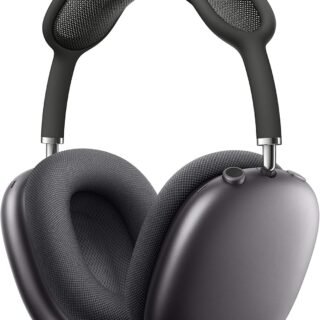
Apple AirPods Max Wireless Over-Ear Headphones, Active Noise Cancelling, Transparency Mode, Personalized Spatial Audio, Dolby Atmos, Bluetooth Headphones for iPhone – Space Gray
-
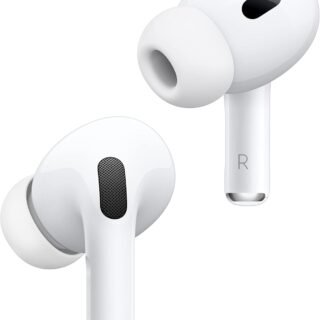
Apple AirPods Pro 2 Wireless Earbuds, Active Noise Cancellation, Hearing Aid Feature, Bluetooth Headphones, Transparency, Personalized Spatial Audio, High-Fidelity Sound, H2 Chip, USB-C Charging
-
Leo Creation 144 TC Cotton Double Jaipuri Prints Flat Bedsheet(Pack of 1, Blue, Gree, Red, Grey, Light Grey)
₹2,999.00Original price was: ₹2,999.00.₹329.00Current price is: ₹329.00.
Leave a Reply