Discounted Products
-
 Leo Creation 144 TC Cotton Double Jaipuri Prints Flat Bedsheet(Pack of 1, Blue, Gree, Red, Grey, Light Grey)
Original price was: ₹2,999.00.₹329.00Current price is: ₹329.00.
Leo Creation 144 TC Cotton Double Jaipuri Prints Flat Bedsheet(Pack of 1, Blue, Gree, Red, Grey, Light Grey)
Original price was: ₹2,999.00.₹329.00Current price is: ₹329.00.
-
 Home Garage 210 TC Cotton King Floral Fitted (Elastic) Bedsheet(Pack of 1, Grey)
Original price was: ₹999.00.₹299.00Current price is: ₹299.00.
Home Garage 210 TC Cotton King Floral Fitted (Elastic) Bedsheet(Pack of 1, Grey)
Original price was: ₹999.00.₹299.00Current price is: ₹299.00.
-
 Goodrik 140 TC Cotton Double 3D Printed Flat Bedsheet(Pack of 1, Brown)
Original price was: ₹499.00.₹229.00Current price is: ₹229.00.
Goodrik 140 TC Cotton Double 3D Printed Flat Bedsheet(Pack of 1, Brown)
Original price was: ₹499.00.₹229.00Current price is: ₹229.00.
-
 GLOBALSHOP 350 TC Microfiber Double Floral Flat Bedsheet(Pack of 1, Multicolor)
Original price was: ₹1,250.00.₹263.00Current price is: ₹263.00.
GLOBALSHOP 350 TC Microfiber Double Floral Flat Bedsheet(Pack of 1, Multicolor)
Original price was: ₹1,250.00.₹263.00Current price is: ₹263.00.
-
 RisingStar 250 TC Microfiber King Printed Fitted (Elastic) Bedsheet(Pack of 1, FITTED-ROUND-CIRCLES-PREMIUM)
Original price was: ₹2,299.00.₹299.00Current price is: ₹299.00.
RisingStar 250 TC Microfiber King Printed Fitted (Elastic) Bedsheet(Pack of 1, FITTED-ROUND-CIRCLES-PREMIUM)
Original price was: ₹2,299.00.₹299.00Current price is: ₹299.00.
-
 Home Garage 210 TC Cotton King Floral Fitted (Elastic) Bedsheet(Pack of 1, Fitted Black Green)
Original price was: ₹1,299.00.₹299.00Current price is: ₹299.00.
Home Garage 210 TC Cotton King Floral Fitted (Elastic) Bedsheet(Pack of 1, Fitted Black Green)
Original price was: ₹1,299.00.₹299.00Current price is: ₹299.00.
-
 Home Garage 180 TC Cotton King 3D Printed Flat Bedsheet(Pack of 1, White)
Original price was: ₹999.00.₹229.00Current price is: ₹229.00.
Home Garage 180 TC Cotton King 3D Printed Flat Bedsheet(Pack of 1, White)
Original price was: ₹999.00.₹229.00Current price is: ₹229.00.
-
 Home Sizzler 153 cm (5 ft) Polyester Room Darkening Window Curtain (Pack Of 2)(Floral, Maroon)
Original price was: ₹799.00.₹299.00Current price is: ₹299.00.
Home Sizzler 153 cm (5 ft) Polyester Room Darkening Window Curtain (Pack Of 2)(Floral, Maroon)
Original price was: ₹799.00.₹299.00Current price is: ₹299.00.
-
 Panipat Textile Hub 152.4 cm (5 ft) Polyester Window Curtain (Pack Of 2)(Solid, Aqua)
Original price was: ₹1,899.00.₹299.00Current price is: ₹299.00.
Panipat Textile Hub 152.4 cm (5 ft) Polyester Window Curtain (Pack Of 2)(Solid, Aqua)
Original price was: ₹1,899.00.₹299.00Current price is: ₹299.00.
-
 Home Sizzler 214 cm (7 ft) Polyester Semi Transparent Door Curtain (Pack Of 2)(Floral, Maroon)
Original price was: ₹1,199.00.₹399.00Current price is: ₹399.00.
Home Sizzler 214 cm (7 ft) Polyester Semi Transparent Door Curtain (Pack Of 2)(Floral, Maroon)
Original price was: ₹1,199.00.₹399.00Current price is: ₹399.00.
-
 Home Sizzler 153 cm (5 ft) Polyester Room Darkening Window Curtain (Pack Of 2)(Floral, Brown)
Original price was: ₹799.00.₹299.00Current price is: ₹299.00.
Home Sizzler 153 cm (5 ft) Polyester Room Darkening Window Curtain (Pack Of 2)(Floral, Brown)
Original price was: ₹799.00.₹299.00Current price is: ₹299.00.
-
 Stella Creations 214 cm (7 ft) Polyester Room Darkening Door Curtain (Pack Of 2)(Abstract, Brown)
Original price was: ₹1,299.00.₹449.00Current price is: ₹449.00.
Stella Creations 214 cm (7 ft) Polyester Room Darkening Door Curtain (Pack Of 2)(Abstract, Brown)
Original price was: ₹1,299.00.₹449.00Current price is: ₹449.00.
-
 Homefab India 152.5 cm (5 ft) Polyester Room Darkening Window Curtain (Pack Of 2)(Floral, Light Blue)
Original price was: ₹1,199.00.₹319.00Current price is: ₹319.00.
Homefab India 152.5 cm (5 ft) Polyester Room Darkening Window Curtain (Pack Of 2)(Floral, Light Blue)
Original price was: ₹1,199.00.₹319.00Current price is: ₹319.00.
-
 Urban Home 214 cm (7 ft) PVC Transparent Door Curtain Single Curtain(Solid, Off White)
Original price was: ₹699.00.₹203.00Current price is: ₹203.00.
Urban Home 214 cm (7 ft) PVC Transparent Door Curtain Single Curtain(Solid, Off White)
Original price was: ₹699.00.₹203.00Current price is: ₹203.00.
-
 Panipat Textile Hub 213 cm (7 ft) Polyester Door Curtain (Pack Of 2)(Solid, Brown)
Original price was: ₹1,199.00.₹349.00Current price is: ₹349.00.
Panipat Textile Hub 213 cm (7 ft) Polyester Door Curtain (Pack Of 2)(Solid, Brown)
Original price was: ₹1,199.00.₹349.00Current price is: ₹349.00.

Hey friends, I’m Jessica — your tech buddy from the USA! Today, I want to talk about one of the most frustrating issues anyone can face: when your Android phone just won’t charge. I’ve been there — staring at the battery icon that refuses to light up, trying every cable in the house, and panicking about losing my data. But don’t worry! In this detailed guide, I’ll walk you through why your Android phone might not be charging and exactly what you can do to fix it.
Let’s dive right in and get your device powered up again!
1. Check Your Charging Cable and Adapter
The first thing to check is the charger itself — and yes, it’s more common than you think. Over time, charging cables wear out, bend, or get frayed near the ends.
Here’s what to do:
- Try another cable: Borrow a USB cable from a friend or use one that you know works with another device.
- Inspect for damage: Look for fraying, exposed wires, or bent connectors.
- Swap the adapter: Sometimes the adapter (the wall plug part) is the real culprit. Try using a different one to see if your phone starts charging.
- Use an original charger: Many Android brands like Samsung, OnePlus, and Google recommend using their official chargers for the best performance. Cheap third-party chargers can cause slow or no charging at all.
If your phone starts charging with a different cable or adapter, you’ve found your problem!
2. Examine the Charging Port
Your phone’s charging port is another major suspect. Dust, lint, or tiny debris often accumulate inside the port, preventing proper contact between the charger and the phone.
Try this:
- Use a soft toothbrush or a dry cotton swab to gently clean inside the port.
- Avoid using metal objects like pins or needles — they can damage the internal components.
- If you notice the port feels loose or wiggles when you plug in the cable, the internal connectors might be damaged. In that case, you’ll need to visit a technician.
A clean and secure charging port often solves most charging-related issues instantly.
3. Restart Your Phone
It might sound too simple, but restarting your phone can fix temporary software glitches that interfere with charging.
Why it helps:
Your phone’s software manages power and charging. Sometimes background processes, system bugs, or minor crashes can mess with that system. Restarting clears out temporary cache files and resets the charging logic.
Steps:
- Press and hold the power button.
- Tap Restart or Reboot.
- Wait for your phone to turn back on and plug it into the charger.
If it starts charging, your problem was just a minor software hiccup.
4. Try Charging in Safe Mode
Did you know that certain apps can interfere with charging? Some poorly coded apps or background services can drain battery faster than your phone can charge.
How to boot into Safe Mode:
- Hold the power button until the power menu appears.
- Tap and hold Power off until the Safe Mode prompt appears.
- Choose OK.
In Safe Mode, all third-party apps are temporarily disabled. Now plug in your charger.
- If it charges normally, an app is the cause.
- Restart your phone normally and start uninstalling recently installed apps or battery management tools.
5. Check for Software Updates
Outdated software can sometimes cause charging bugs. Brands often release patches that fix these issues.
Here’s how to update:
- Go to Settings → System → Software Update → Check for updates.
- Install any available update and restart your phone afterward.
This ensures your device has the latest battery optimization and bug fixes.
6. Look for Battery Health Issues
Over time, lithium-ion batteries degrade. If your phone is a few years old, it’s possible that the battery is simply wearing out.
Signs of battery health problems:
- The phone heats up quickly when plugged in.
- The battery drains unusually fast.
- The phone only charges when positioned a certain way.
What to do:
Go to Settings → Battery → Battery Health (on some Android phones like Samsung or Google Pixel). If your battery capacity has significantly reduced, it may be time to replace it.
You can also visit a service center for a battery diagnostic test.
7. Try a Different Power Source
Sometimes the issue isn’t the phone or charger — it’s the power outlet or USB port you’re using.
Test these options:
- Plug your charger into a different wall socket.
- Try a laptop USB port.
- Avoid using power strips or surge protectors.
- If you’re using a wireless charger, test it with another phone to confirm it’s working.
If your phone charges in one outlet but not another, the problem lies in the power source, not your phone.
8. Turn Off While Charging
If your phone’s battery is almost dead and it’s charging extremely slowly, turning it off can help.
Why? Because background apps and services use power as the phone charges. Turning off your phone gives all the energy directly to the battery.
Alternatively, you can switch to Airplane Mode while charging to reduce battery usage.
9. Reset Charging Settings (for Advanced Users)
Sometimes, software bugs in the charging system settings or battery calibration data cause issues.
You can try resetting your phone’s battery stats or performing a factory reset — but only after backing up your data.
Factory Reset Steps:
- Go to Settings → System → Reset options.
- Tap Erase all data (factory reset).
- Confirm and wait for the process to complete.
This should be your last resort when all else fails.
10. Hardware Problems
If none of the above fixes work, you might be dealing with hardware damage — either in the charging port, motherboard, or battery.
What to do:
- Visit your phone manufacturer’s authorized service center.
- Avoid trying DIY repairs unless you’re trained.
- Ask the technician for a detailed inspection and estimate.
Hardware-related charging failures usually need professional attention — especially if your phone has suffered from water damage or a drop.
Bonus Tip: Use Wireless Charging (if supported)
If your phone supports Qi wireless charging, test it. This can help you determine whether the charging issue lies with the cable or the phone’s internal port.
If your phone charges wirelessly but not through the cable, your charging port likely needs replacement.
Final Thoughts
When your Android phone refuses to charge, it’s easy to panic. But most of the time, the fix is simple — a damaged cable, a dirty port, or a temporary software glitch.
As someone who travels often, I’ve learned that having a reliable charging setup is a must. I always carry:
- An original charger,
- A power bank, and
- A small cleaning brush for the charging port.
If your Android still isn’t charging after trying everything, don’t lose hope. Take it to a professional repair center — it’s better than risking further damage.
Jessica’s Tip:
Keep your phone’s software updated, avoid using super-cheap cables, and clean your charging port once in a while. These small habits can extend your phone’s life and save you from sudden charging nightmares.

- How to Fix Chrome Automatically Deleting Downloaded Files (Complete Step-by-Step Guide)

- How to View Apps That Windows Security Identifies as PUA (Step-by-Step Guide)

- How to Add Custom DNS Server on iPhone to Fix DNS Errors and Improve Internet Speed

- AI Automation in 2026: How It’s Transforming Jobs, Businesses, and Everyday Life

- How to Check Startup and Shutdown History in Windows for Better Troubleshooting

Products
-
![Apple Watch Ultra 3 [GPS + Cellular 49mm] Running & Multisport Smartwatch w/Rugged Titanium Case w/Black Titanium Milanese Loop - M. Satellite Communications, Advanced Health & Fitness Tracking](https://bazaronweb.com/retailstores/wp-content/uploads/2025/09/apple-watch-320x320.jpg) Apple Watch Ultra 3 [GPS + Cellular 49mm] Running & Multisport Smartwatch w/Rugged Titanium Case w/Black Titanium Milanese Loop - M. Satellite Communications, Advanced Health & Fitness Tracking
Apple Watch Ultra 3 [GPS + Cellular 49mm] Running & Multisport Smartwatch w/Rugged Titanium Case w/Black Titanium Milanese Loop - M. Satellite Communications, Advanced Health & Fitness Tracking
-
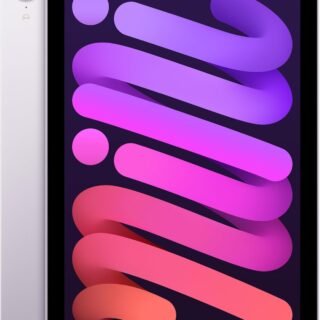 Apple iPad mini (A17 Pro): Apple Intelligence, 8.3-inch Liquid Retina Display, 256GB, Wi-Fi 6E, 12MP Front/12MP Back Camera, Touch ID, All-Day Battery Life — Purple
-
 Apple AirPods Max Wireless Over-Ear Headphones, Active Noise Cancelling, Transparency Mode, Personalized Spatial Audio, Dolby Atmos, Bluetooth Headphones for iPhone – Space Gray
-
 Apple AirPods Pro 2 Wireless Earbuds, Active Noise Cancellation, Hearing Aid Feature, Bluetooth Headphones, Transparency, Personalized Spatial Audio, High-Fidelity Sound, H2 Chip, USB-C Charging
-
Leo Creation 144 TC Cotton Double Jaipuri Prints Flat Bedsheet(Pack of 1, Blue, Gree, Red, Grey, Light Grey)
Original price was: ₹2,999.00.₹329.00Current price is: ₹329.00.
Leave a Reply