Discounted Products
-
 Leo Creation 144 TC Cotton Double Jaipuri Prints Flat Bedsheet(Pack of 1, Blue, Gree, Red, Grey, Light Grey)
Original price was: ₹2,999.00.₹329.00Current price is: ₹329.00.
Leo Creation 144 TC Cotton Double Jaipuri Prints Flat Bedsheet(Pack of 1, Blue, Gree, Red, Grey, Light Grey)
Original price was: ₹2,999.00.₹329.00Current price is: ₹329.00.
-
 Home Garage 210 TC Cotton King Floral Fitted (Elastic) Bedsheet(Pack of 1, Grey)
Original price was: ₹999.00.₹299.00Current price is: ₹299.00.
Home Garage 210 TC Cotton King Floral Fitted (Elastic) Bedsheet(Pack of 1, Grey)
Original price was: ₹999.00.₹299.00Current price is: ₹299.00.
-
 Goodrik 140 TC Cotton Double 3D Printed Flat Bedsheet(Pack of 1, Brown)
Original price was: ₹499.00.₹229.00Current price is: ₹229.00.
Goodrik 140 TC Cotton Double 3D Printed Flat Bedsheet(Pack of 1, Brown)
Original price was: ₹499.00.₹229.00Current price is: ₹229.00.
-
 GLOBALSHOP 350 TC Microfiber Double Floral Flat Bedsheet(Pack of 1, Multicolor)
Original price was: ₹1,250.00.₹263.00Current price is: ₹263.00.
GLOBALSHOP 350 TC Microfiber Double Floral Flat Bedsheet(Pack of 1, Multicolor)
Original price was: ₹1,250.00.₹263.00Current price is: ₹263.00.
-
 RisingStar 250 TC Microfiber King Printed Fitted (Elastic) Bedsheet(Pack of 1, FITTED-ROUND-CIRCLES-PREMIUM)
Original price was: ₹2,299.00.₹299.00Current price is: ₹299.00.
RisingStar 250 TC Microfiber King Printed Fitted (Elastic) Bedsheet(Pack of 1, FITTED-ROUND-CIRCLES-PREMIUM)
Original price was: ₹2,299.00.₹299.00Current price is: ₹299.00.
-
 Home Garage 210 TC Cotton King Floral Fitted (Elastic) Bedsheet(Pack of 1, Fitted Black Green)
Original price was: ₹1,299.00.₹299.00Current price is: ₹299.00.
Home Garage 210 TC Cotton King Floral Fitted (Elastic) Bedsheet(Pack of 1, Fitted Black Green)
Original price was: ₹1,299.00.₹299.00Current price is: ₹299.00.
-
 Home Garage 180 TC Cotton King 3D Printed Flat Bedsheet(Pack of 1, White)
Original price was: ₹999.00.₹229.00Current price is: ₹229.00.
Home Garage 180 TC Cotton King 3D Printed Flat Bedsheet(Pack of 1, White)
Original price was: ₹999.00.₹229.00Current price is: ₹229.00.
-
 Home Sizzler 153 cm (5 ft) Polyester Room Darkening Window Curtain (Pack Of 2)(Floral, Maroon)
Original price was: ₹799.00.₹299.00Current price is: ₹299.00.
Home Sizzler 153 cm (5 ft) Polyester Room Darkening Window Curtain (Pack Of 2)(Floral, Maroon)
Original price was: ₹799.00.₹299.00Current price is: ₹299.00.
-
 Panipat Textile Hub 152.4 cm (5 ft) Polyester Window Curtain (Pack Of 2)(Solid, Aqua)
Original price was: ₹1,899.00.₹299.00Current price is: ₹299.00.
Panipat Textile Hub 152.4 cm (5 ft) Polyester Window Curtain (Pack Of 2)(Solid, Aqua)
Original price was: ₹1,899.00.₹299.00Current price is: ₹299.00.
-
 Home Sizzler 214 cm (7 ft) Polyester Semi Transparent Door Curtain (Pack Of 2)(Floral, Maroon)
Original price was: ₹1,199.00.₹399.00Current price is: ₹399.00.
Home Sizzler 214 cm (7 ft) Polyester Semi Transparent Door Curtain (Pack Of 2)(Floral, Maroon)
Original price was: ₹1,199.00.₹399.00Current price is: ₹399.00.
-
 Home Sizzler 153 cm (5 ft) Polyester Room Darkening Window Curtain (Pack Of 2)(Floral, Brown)
Original price was: ₹799.00.₹299.00Current price is: ₹299.00.
Home Sizzler 153 cm (5 ft) Polyester Room Darkening Window Curtain (Pack Of 2)(Floral, Brown)
Original price was: ₹799.00.₹299.00Current price is: ₹299.00.
-
 Stella Creations 214 cm (7 ft) Polyester Room Darkening Door Curtain (Pack Of 2)(Abstract, Brown)
Original price was: ₹1,299.00.₹449.00Current price is: ₹449.00.
Stella Creations 214 cm (7 ft) Polyester Room Darkening Door Curtain (Pack Of 2)(Abstract, Brown)
Original price was: ₹1,299.00.₹449.00Current price is: ₹449.00.
-
 Homefab India 152.5 cm (5 ft) Polyester Room Darkening Window Curtain (Pack Of 2)(Floral, Light Blue)
Original price was: ₹1,199.00.₹319.00Current price is: ₹319.00.
Homefab India 152.5 cm (5 ft) Polyester Room Darkening Window Curtain (Pack Of 2)(Floral, Light Blue)
Original price was: ₹1,199.00.₹319.00Current price is: ₹319.00.
-
 Urban Home 214 cm (7 ft) PVC Transparent Door Curtain Single Curtain(Solid, Off White)
Original price was: ₹699.00.₹203.00Current price is: ₹203.00.
Urban Home 214 cm (7 ft) PVC Transparent Door Curtain Single Curtain(Solid, Off White)
Original price was: ₹699.00.₹203.00Current price is: ₹203.00.
-
 Panipat Textile Hub 213 cm (7 ft) Polyester Door Curtain (Pack Of 2)(Solid, Brown)
Original price was: ₹1,199.00.₹349.00Current price is: ₹349.00.
Panipat Textile Hub 213 cm (7 ft) Polyester Door Curtain (Pack Of 2)(Solid, Brown)
Original price was: ₹1,199.00.₹349.00Current price is: ₹349.00.

Hey, it’s Jessica.
If your Android tablet used to feel smooth and fast but now takes forever to open apps, freezes randomly, or lags while scrolling — you’re not alone. One of the most searched tech problems in 2026 is: “Why is my Android tablet so slow?”
Whether you use your tablet for work emails, kids’ learning apps, Netflix, browsing, or light productivity, a slow device can feel incredibly frustrating. Especially when it’s not even that old.
The good news? Most slow Android tablet issues are completely fixable. And no — you probably don’t need to buy a new one.
In this guide, I’ll walk you step-by-step through why Android tablets slow down and exactly how to speed them up safely — without risky apps or unnecessary factory resets.
Let’s fix this properly.
Why Android Tablets Slow Down Over Time
Before jumping into solutions, it helps to understand the root causes.
Most Android tablets slow down because of:
-
Low storage space
-
Too many background apps
-
Outdated software
-
Cached data overload
-
Heavy widgets and animations
-
Old batteries affecting performance
-
Too many startup apps
-
Malware or suspicious apps
Over time, these small things stack up.
The result?
Lag. Freezing. Delays. App crashes.
But once you clean things up strategically, performance improves dramatically.
Step 1: Check Your Storage (This Is Usually the Main Problem)
Low storage is the #1 reason Android tablets become slow.
When storage is nearly full, the system struggles to create temporary working space. That affects:
-
App loading time
-
Multitasking
-
System responsiveness
Here’s how to check:
-
Open Settings
-
Tap Storage
If your storage is above 80–85% full, that’s a red flag.
What to Do
-
Delete unused apps
-
Remove large video files
-
Clear downloaded files
-
Move photos to cloud storage
-
Delete duplicate screenshots
Try to keep at least 20% free space.
Even freeing up 3–5 GB can noticeably improve speed.
Step 2: Clear App Cache (Safe and Effective)
Apps store temporary data called cache. Over time, cache builds up and can slow performance.
To clear cache:
-
Go to Settings
-
Tap Apps
-
Select an app
-
Tap Storage
-
Tap Clear Cache
Do NOT tap “Clear Data” unless necessary — that removes login details.
Focus on apps like:
-
Browsers
-
Social media
-
Streaming apps
-
Shopping apps
Clearing cache can instantly improve responsiveness.
Step 3: Restart Your Tablet (Yes, Really)
Many people rarely restart their tablets.
Restarting:
-
Clears temporary memory
-
Stops background glitches
-
Refreshes system processes
Hold the Power button and tap Restart.
Do this once a week for smoother performance.
Step 4: Disable or Remove Unused Apps
Pre-installed apps and rarely used downloads consume resources in the background.
Go to:
Settings → Apps
Look for apps you don’t use.
If possible:
-
Tap Uninstall
If uninstall isn’t available:
-
Tap Disable
Disabling prevents the app from running or updating.
Less background activity = smoother performance.
Step 5: Limit Background Apps
Too many apps running in the background slows multitasking.
You can:
-
Close unused apps manually
-
Enable battery optimization
-
Restrict background usage for heavy apps
Go to:
Settings → Battery → App Battery Usage
Select heavy apps and restrict background activity.
This reduces memory pressure.
Step 6: Reduce Animations (Instant Speed Boost Trick)
This is one of my favorite tricks.
Android includes animation effects for transitions. Reducing them makes the device feel faster immediately.
You need to enable Developer Options:
-
Go to Settings → About Tablet
-
Tap Build Number 7 times
-
Enter your PIN if asked
Now:
-
Go back to Settings
-
Open Developer Options
-
Find:
-
Window animation scale
-
Transition animation scale
-
Animator duration scale
-
Set each to 0.5x (or off).
The tablet instantly feels more responsive.
Step 7: Update Android Software
Sometimes slowness is caused by software bugs.
Go to:
Settings → System → Software Update
Install updates if available.
Updates often improve:
-
Performance
-
Security
-
Battery efficiency
However, if your tablet is very old, newer updates may slow it slightly — so balance performance vs features.
Step 8: Remove Widgets from Home Screen
Widgets constantly refresh data.
Weather widgets.
News widgets.
Stock trackers.
Clock animations.
Each uses background processing.
Remove unnecessary widgets:
-
Press and hold the widget.
-
Drag to remove.
A cleaner home screen = better performance.
Step 9: Scan for Malware or Suspicious Apps
If your tablet suddenly became slow after installing a specific app, that app could be the problem.
Signs include:
-
Random ads
-
Pop-ups
-
Unknown apps installed
-
Battery draining fast
Go to:
Settings → Apps
Sort by recently installed.
Uninstall anything suspicious.
Also check:
Settings → Security → Google Play Protect
Run a scan.
Avoid third-party “RAM booster” apps — they often do more harm than good.
Step 10: Check Battery Health
If your tablet is several years old, battery degradation can affect performance.
Older batteries may cause:
-
Slower processing
-
Random shutdowns
-
Lag under heavy use
If performance drops dramatically when battery is below 30%, the battery may need replacement.
Step 11: Turn Off Auto-Sync for Unnecessary Accounts
Background syncing consumes processing power.
Go to:
Settings → Accounts
Disable sync for accounts you don’t need constantly updating.
Especially:
-
Secondary email accounts
-
Rarely used apps
This reduces background workload.
Step 12: Use Lite Versions of Apps
Some apps offer lighter versions:
-
Facebook Lite
-
YouTube Lite
Lite apps consume:
-
Less RAM
-
Less storage
-
Less background processing
Perfect for older tablets.
Step 13: Factory Reset (Only If Nothing Works)
If your tablet is extremely slow and nothing helps, a factory reset can restore original speed.
Before doing this:
-
Back up photos
-
Save passwords
-
Sync accounts
Then:
Settings → System → Reset → Factory Data Reset
This removes accumulated system clutter.
Most tablets feel dramatically faster after a reset.
What NOT to Do
Avoid:
-
Random “cleaner” apps
-
RAM booster apps
-
Task killer apps
-
Unknown APK downloads
Android manages memory automatically. Third-party cleaners often create more instability.
Daily Habits That Keep Your Tablet Fast
To prevent future slowdowns:
-
Restart weekly
-
Keep storage under 80%
-
Update apps regularly
-
Delete unused apps monthly
-
Avoid installing unnecessary widgets
-
Use Wi-Fi instead of mobile data when possible
Small habits prevent long-term performance decline.
Final Thoughts Before We Continue
If your Android tablet is running slow, it’s usually not because it’s “too old.”
It’s because:
-
Storage is full
-
Cache is overloaded
-
Too many background apps are active
-
Animations are heavy
-
Suspicious apps are installed
With the right adjustments — especially clearing storage, reducing animations, limiting background activity, and cleaning up unused apps — most tablets feel noticeably faster.
Performance improvement doesn’t require buying new hardware.
It requires smart optimization.
In the next section, we’ll go deeper into advanced performance tweaks, hidden system settings, and how to extend the life of your Android tablet for several more years.
Stay with me — we’re going to make it feel fast again.
Now that we’ve covered the core fixes, let’s go deeper into advanced optimization methods that can dramatically improve your Android tablet’s performance — especially if it’s 2–4 years old and starting to feel sluggish.
If basic cleanup helped but didn’t fully solve the issue, these next steps are where you’ll see the biggest transformation.
Deep Clean: Clear System Cache Partition (Advanced but Safe)
Over time, Android stores temporary system files that can become corrupted after updates. Clearing the cache partition removes these without deleting personal data.
Steps (may vary slightly by brand):
-
Power off your tablet completely.
-
Press and hold Power + Volume Up (or Volume Down on some models).
-
Release when the logo appears.
-
Enter Recovery Mode.
-
Select Wipe Cache Partition (NOT Factory Reset).
-
Confirm.
-
Reboot.
This removes system-level temporary files that normal cache clearing doesn’t touch.
Many users notice smoother performance immediately after this.
Remove Startup Apps
Some apps automatically launch when your tablet turns on. Too many startup apps slow boot time and consume memory continuously.
On many Android tablets:
-
Go to Settings → Apps → Special Access
-
Look for Startup Manager or similar option.
-
Disable startup access for unnecessary apps.
If your tablet doesn’t show this option, you can manage background restrictions under:
Settings → Battery → Background Restrictions
Fewer auto-start apps = lighter memory usage.
Switch to a Lightweight Launcher
Your launcher (home screen interface) affects speed.
If your tablet’s default launcher feels heavy, try a lightweight launcher like:
-
Nova Launcher (basic setup only)
-
Microsoft Launcher (minimal layout)
Choose a simple theme:
-
No live wallpapers
-
No heavy animations
-
Minimal widgets
This alone can make an older tablet feel significantly faster.
Turn Off Automatic App Updates (If Storage Is Tight)
When apps update constantly in the background, performance may dip.
Open Google Play Store:
-
Tap profile icon.
-
Go to Settings → Network Preferences
-
Set auto-update to Wi-Fi only or disable temporarily.
Manually updating when needed keeps system load controlled.
Reduce Sync Frequency
If multiple apps sync continuously — email, cloud storage, photos — background load increases.
Go to:
Settings → Accounts
Disable auto-sync for:
-
Accounts you rarely use
-
Backup accounts not critical daily
You can also adjust email sync frequency from “Push” to every 30 minutes or manual.
Less syncing = smoother multitasking.
Disable Digital Wellbeing (If Enabled)
Digital Wellbeing tracks usage constantly in the background.
If your tablet struggles with RAM:
Go to:
Settings → Digital Wellbeing
Disable usage access or background monitoring if not needed.
Small reduction, but helpful on low-memory devices.
Use Cloud Storage Instead of Local Storage
If your tablet stores:
-
Large video files
-
Offline Netflix downloads
-
Heavy game data
Move what you can to:
-
Google Drive
-
OneDrive
-
External SD card (if supported)
Keeping internal storage light keeps performance smooth.
Internal storage speed directly affects responsiveness.
Monitor RAM Usage
Android tablets with 2–4GB RAM are more sensitive to background processes.
Go to:
Settings → Developer Options → Running Services
You can see how much RAM is being used.
If most RAM is consumed constantly, you may need to:
-
Remove heavy apps
-
Switch to Lite versions
-
Reduce multitasking
Avoid keeping 10+ apps open simultaneously.
Check for Overheating
Heat affects performance.
If your tablet feels warm while slow:
-
Remove the case temporarily.
-
Avoid using it while charging.
-
Keep it away from direct sunlight.
Android reduces processor speed when overheating to protect hardware. That feels like lag.
Cooling it down can restore smoothness.
Replace Old SD Cards (If Used)
If apps or media are stored on an old SD card, slow read/write speeds can cause lag.
Try:
-
Removing SD card temporarily to test performance.
-
Replacing with a high-speed Class 10 card if needed.
Slow external storage can bottleneck the entire system.
When It’s Time to Consider Hardware Limits
If your tablet:
-
Has only 2GB RAM
-
Uses very old Android version (Android 8 or older)
-
Cannot receive security updates
-
Struggles even after factory reset
It may simply be reaching hardware limits.
However, for browsing, streaming, reading, and light productivity, optimization usually restores acceptable performance.
Not every slow tablet needs replacement.
Conclusion
If your Android tablet is running slow, freezing, or lagging, the cause is usually manageable.
Most slowdowns happen because of:
-
Nearly full storage
-
Excess background apps
-
Heavy animations
-
Cached system clutter
-
Sync overload
-
Suspicious or poorly optimized apps
Start simple:
Clear storage.
Remove unused apps.
Reduce animations.
Limit background activity.
Then move deeper:
Clear system cache partition.
Restrict startup apps.
Switch to lightweight launcher.
Adjust sync settings.
Performance improvement doesn’t require risky cleaner apps or constant resets.
It requires smart system hygiene.
With the right adjustments, even a 3-year-old Android tablet can feel significantly smoother and more responsive.
Disclaimer
This guide is for informational purposes only. Menu names and settings may vary depending on your Android tablet brand and version. Always back up important data before performing advanced troubleshooting steps.

- 7 Best Methods to Fix “Undoing Changes Made to Your PC” Error (Complete Guide)

- How to Turn On Spam Blocker on Android: Stop Unwanted Calls and Messages Easily

- Can’t View Comments on YouTube Shorts? 6 Ways to Fix It (Complete Guide)

- How to Block Users From Installing Programs in Windows 11 Complete Step-by-Step Guide for Better Security

- How to Fix Chrome Automatically Deleting Downloaded Files (Complete Step-by-Step Guide)

Products
-
![Apple Watch Ultra 3 [GPS + Cellular 49mm] Running & Multisport Smartwatch w/Rugged Titanium Case w/Black Titanium Milanese Loop - M. Satellite Communications, Advanced Health & Fitness Tracking](https://bazaronweb.com/retailstores/wp-content/uploads/2025/09/apple-watch-320x320.jpg) Apple Watch Ultra 3 [GPS + Cellular 49mm] Running & Multisport Smartwatch w/Rugged Titanium Case w/Black Titanium Milanese Loop - M. Satellite Communications, Advanced Health & Fitness Tracking
Apple Watch Ultra 3 [GPS + Cellular 49mm] Running & Multisport Smartwatch w/Rugged Titanium Case w/Black Titanium Milanese Loop - M. Satellite Communications, Advanced Health & Fitness Tracking
-
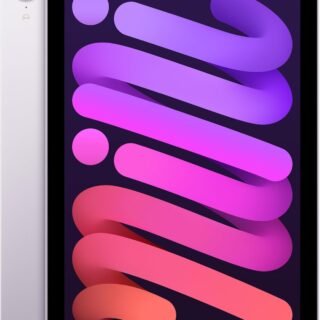 Apple iPad mini (A17 Pro): Apple Intelligence, 8.3-inch Liquid Retina Display, 256GB, Wi-Fi 6E, 12MP Front/12MP Back Camera, Touch ID, All-Day Battery Life — Purple
-
 Apple AirPods Max Wireless Over-Ear Headphones, Active Noise Cancelling, Transparency Mode, Personalized Spatial Audio, Dolby Atmos, Bluetooth Headphones for iPhone – Space Gray
-
 Apple AirPods Pro 2 Wireless Earbuds, Active Noise Cancellation, Hearing Aid Feature, Bluetooth Headphones, Transparency, Personalized Spatial Audio, High-Fidelity Sound, H2 Chip, USB-C Charging
-
Leo Creation 144 TC Cotton Double Jaipuri Prints Flat Bedsheet(Pack of 1, Blue, Gree, Red, Grey, Light Grey)
Original price was: ₹2,999.00.₹329.00Current price is: ₹329.00.
Leave a Reply