Discounted Products
-
 Leo Creation 144 TC Cotton Double Jaipuri Prints Flat Bedsheet(Pack of 1, Blue, Gree, Red, Grey, Light Grey)
Original price was: ₹2,999.00.₹329.00Current price is: ₹329.00.
Leo Creation 144 TC Cotton Double Jaipuri Prints Flat Bedsheet(Pack of 1, Blue, Gree, Red, Grey, Light Grey)
Original price was: ₹2,999.00.₹329.00Current price is: ₹329.00.
-
 Home Garage 210 TC Cotton King Floral Fitted (Elastic) Bedsheet(Pack of 1, Grey)
Original price was: ₹999.00.₹299.00Current price is: ₹299.00.
Home Garage 210 TC Cotton King Floral Fitted (Elastic) Bedsheet(Pack of 1, Grey)
Original price was: ₹999.00.₹299.00Current price is: ₹299.00.
-
 Goodrik 140 TC Cotton Double 3D Printed Flat Bedsheet(Pack of 1, Brown)
Original price was: ₹499.00.₹229.00Current price is: ₹229.00.
Goodrik 140 TC Cotton Double 3D Printed Flat Bedsheet(Pack of 1, Brown)
Original price was: ₹499.00.₹229.00Current price is: ₹229.00.
-
 GLOBALSHOP 350 TC Microfiber Double Floral Flat Bedsheet(Pack of 1, Multicolor)
Original price was: ₹1,250.00.₹263.00Current price is: ₹263.00.
GLOBALSHOP 350 TC Microfiber Double Floral Flat Bedsheet(Pack of 1, Multicolor)
Original price was: ₹1,250.00.₹263.00Current price is: ₹263.00.
-
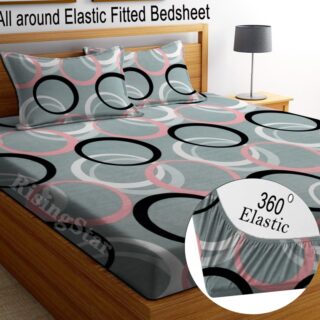 RisingStar 250 TC Microfiber King Printed Fitted (Elastic) Bedsheet(Pack of 1, FITTED-ROUND-CIRCLES-PREMIUM)
Original price was: ₹2,299.00.₹299.00Current price is: ₹299.00.
RisingStar 250 TC Microfiber King Printed Fitted (Elastic) Bedsheet(Pack of 1, FITTED-ROUND-CIRCLES-PREMIUM)
Original price was: ₹2,299.00.₹299.00Current price is: ₹299.00.
-
 Home Garage 210 TC Cotton King Floral Fitted (Elastic) Bedsheet(Pack of 1, Fitted Black Green)
Original price was: ₹1,299.00.₹299.00Current price is: ₹299.00.
Home Garage 210 TC Cotton King Floral Fitted (Elastic) Bedsheet(Pack of 1, Fitted Black Green)
Original price was: ₹1,299.00.₹299.00Current price is: ₹299.00.
-
 Home Garage 180 TC Cotton King 3D Printed Flat Bedsheet(Pack of 1, White)
Original price was: ₹999.00.₹229.00Current price is: ₹229.00.
Home Garage 180 TC Cotton King 3D Printed Flat Bedsheet(Pack of 1, White)
Original price was: ₹999.00.₹229.00Current price is: ₹229.00.
-
 Home Sizzler 153 cm (5 ft) Polyester Room Darkening Window Curtain (Pack Of 2)(Floral, Maroon)
Original price was: ₹799.00.₹299.00Current price is: ₹299.00.
Home Sizzler 153 cm (5 ft) Polyester Room Darkening Window Curtain (Pack Of 2)(Floral, Maroon)
Original price was: ₹799.00.₹299.00Current price is: ₹299.00.
-
 Panipat Textile Hub 152.4 cm (5 ft) Polyester Window Curtain (Pack Of 2)(Solid, Aqua)
Original price was: ₹1,899.00.₹299.00Current price is: ₹299.00.
Panipat Textile Hub 152.4 cm (5 ft) Polyester Window Curtain (Pack Of 2)(Solid, Aqua)
Original price was: ₹1,899.00.₹299.00Current price is: ₹299.00.
-
 Home Sizzler 214 cm (7 ft) Polyester Semi Transparent Door Curtain (Pack Of 2)(Floral, Maroon)
Original price was: ₹1,199.00.₹399.00Current price is: ₹399.00.
Home Sizzler 214 cm (7 ft) Polyester Semi Transparent Door Curtain (Pack Of 2)(Floral, Maroon)
Original price was: ₹1,199.00.₹399.00Current price is: ₹399.00.
-
 Home Sizzler 153 cm (5 ft) Polyester Room Darkening Window Curtain (Pack Of 2)(Floral, Brown)
Original price was: ₹799.00.₹299.00Current price is: ₹299.00.
Home Sizzler 153 cm (5 ft) Polyester Room Darkening Window Curtain (Pack Of 2)(Floral, Brown)
Original price was: ₹799.00.₹299.00Current price is: ₹299.00.
-
 Stella Creations 214 cm (7 ft) Polyester Room Darkening Door Curtain (Pack Of 2)(Abstract, Brown)
Original price was: ₹1,299.00.₹449.00Current price is: ₹449.00.
Stella Creations 214 cm (7 ft) Polyester Room Darkening Door Curtain (Pack Of 2)(Abstract, Brown)
Original price was: ₹1,299.00.₹449.00Current price is: ₹449.00.
-
 Homefab India 152.5 cm (5 ft) Polyester Room Darkening Window Curtain (Pack Of 2)(Floral, Light Blue)
Original price was: ₹1,199.00.₹319.00Current price is: ₹319.00.
Homefab India 152.5 cm (5 ft) Polyester Room Darkening Window Curtain (Pack Of 2)(Floral, Light Blue)
Original price was: ₹1,199.00.₹319.00Current price is: ₹319.00.
-
 Urban Home 214 cm (7 ft) PVC Transparent Door Curtain Single Curtain(Solid, Off White)
Original price was: ₹699.00.₹203.00Current price is: ₹203.00.
Urban Home 214 cm (7 ft) PVC Transparent Door Curtain Single Curtain(Solid, Off White)
Original price was: ₹699.00.₹203.00Current price is: ₹203.00.
-
 Panipat Textile Hub 213 cm (7 ft) Polyester Door Curtain (Pack Of 2)(Solid, Brown)
Original price was: ₹1,199.00.₹349.00Current price is: ₹349.00.
Panipat Textile Hub 213 cm (7 ft) Polyester Door Curtain (Pack Of 2)(Solid, Brown)
Original price was: ₹1,199.00.₹349.00Current price is: ₹349.00.

Hey, it’s Jessica. If your Mac’s fan seems to be running constantly—or suddenly sounds like it’s preparing for takeoff—you’re not alone. It’s one of the most common concerns Mac users have. You’re browsing the web, writing a document, or watching a video, and suddenly the fan noise ramps up. It can feel alarming, especially if your Mac used to be nearly silent. The immediate fear is overheating, hardware failure, or serious internal damage. But in most cases, loud fan activity isn’t a sign of something broken—it’s a sign that your Mac is working harder than usual.
The Fan Isn’t the Problem — It’s the Symptom
The most important thing to understand is this: the fan is doing its job. It exists to cool internal components when the processor (CPU), graphics processor (GPU), or other hardware parts generate heat. When those components work harder, temperature rises. When temperature rises, the fan spins faster.
The noise isn’t a malfunction. It’s a response.
If your Mac is loud, it means something is demanding more processing power than normal. The real question isn’t “Why is the fan loud?” It’s “What is making the system work so hard?”
High CPU Usage Is the Primary Trigger
The most common cause of loud fan noise is sustained high CPU usage. This can happen when:
-
You have many browser tabs open
-
A video is rendering or exporting
-
Cloud storage is syncing large files
-
Software updates are running
-
Spotlight is indexing files
-
Background apps are processing data
Even if you’re only actively using one app, other processes may be running quietly in the background. Your Mac might look idle—but internally, it may be juggling multiple tasks.
Browser Tabs Are Heavier Than They Look
Modern browsers are surprisingly demanding. Each open tab operates like a small independent process. Add extensions, auto-refreshing content, embedded videos, or complex web apps, and CPU usage increases quickly.
If your fan becomes loud while browsing, it’s often not macOS itself—it’s the browser consuming resources.
Spotlight Indexing After Updates or File Transfers
After a macOS update or when you move a large number of files, Spotlight reindexes your system. During indexing, CPU usage rises significantly. This can cause the fan to run loudly for hours.
It’s temporary—but it can feel concerning if you don’t know what’s happening.
Cloud Syncing Creates Hidden Workloads
iCloud, Dropbox, Google Drive, and similar services constantly monitor files for changes. If you’ve recently uploaded large folders, restored backups, or reconnected an external drive, syncing may spike CPU and disk activity.
The Mac appears quiet. The fan tells a different story.
Video Calls and Streaming Use More Resources Than Expected
Video conferencing apps use CPU, GPU, camera processing, microphone input, and network encoding simultaneously. Even casual FaceTime or Zoom calls can increase internal temperature significantly—especially on older Macs.
Streaming high-resolution video while multitasking amplifies this effect.
Dust and Ventilation Play a Role
Hardware matters too. Over time, dust can accumulate inside vents. Blocked airflow forces fans to spin faster to maintain cooling.
Additionally:
-
Using a Mac on a bed or soft surface blocks ventilation.
-
Warm room temperatures reduce cooling efficiency.
-
Using external monitors increases GPU load.
The environment around your Mac affects its thermal behavior.
Intel Macs vs Apple Silicon Macs
If you’re using an Intel-based Mac, louder fans are more common under load. Intel processors generate more heat compared to Apple Silicon (M-series) chips.
Apple Silicon Macs are generally more efficient and quieter. However, even they will ramp up fans during sustained heavy workloads like video editing or 3D rendering.
Energy Impact Matters
Some apps show “high energy impact” in Activity Monitor even if CPU usage doesn’t appear extreme. High energy impact increases temperature gradually, leading to prolonged fan activity rather than sudden bursts.
This is why fans sometimes stay loud even when no single app appears to be maxing out the CPU.
The Illusion of Randomness
What makes loud fan noise stressful is unpredictability. It seems random. But there’s almost always a cause:
-
Background indexing
-
Syncing
-
Browser overload
-
Video processing
-
System updates
-
Environmental heat
Once you identify which category applies, the noise becomes explainable.
The Important Mindset Shift
Instead of assuming your Mac is overheating or failing, ask:
-
Did I update recently?
-
Did I move large files?
-
Am I running many tabs?
-
Is cloud syncing active?
-
Is the room warm?
The fan is not the enemy. It’s the messenger.
Now let’s move from understanding why your Mac fan is loud to actually calming it down safely.
1. Open Activity Monitor Immediately
Before guessing, check what’s actually using your Mac’s resources.
Go to:
Applications → Utilities → Activity Monitor
Click on the CPU tab and sort by highest usage.
If something is consistently using high CPU (above 70–80%), that’s your culprit. It could be:
-
A browser tab
-
A syncing service
-
A stuck background process
-
A video rendering task
Once identified, you can decide whether to close it or let it finish.
2. Close Unnecessary Browser Tabs and Extensions
Browsers are one of the biggest hidden fan triggers.
Try:
-
Closing unused tabs
-
Disabling heavy extensions
-
Restarting the browser
-
Using fewer simultaneous browser windows
You’d be surprised how much quieter your Mac becomes when you reduce tab overload.
3. Let Spotlight Finish Indexing
If the fan started getting loud after:
-
A macOS update
-
Transferring large files
-
Restoring backups
Spotlight is likely reindexing.
You can check by clicking the Spotlight icon and searching something. If it says “Indexing…” at the top, that’s the cause.
The best solution?
Let it finish while plugged in. It’s temporary.
4. Pause Cloud Syncing Temporarily
If iCloud, Dropbox, or Google Drive is syncing large files:
-
Pause syncing temporarily
-
Allow uploads to complete before heavy multitasking
-
Avoid editing large folders mid-sync
Syncing plus multitasking multiplies heat generation.
5. Improve Ventilation Immediately
Fan noise isn’t just software-related.
Make sure:
-
Your Mac is on a hard surface
-
Air vents aren’t blocked
-
You’re not using it on a bed or pillow
-
The room isn’t excessively warm
Simple airflow improvements can dramatically reduce fan intensity.
6. Restart If a Process Is Stuck
Sometimes a background process glitches and continues consuming CPU unnecessarily.
If:
-
You can’t identify the issue
-
CPU usage seems abnormal
-
Fan stays loud even when idle
Restart your Mac.
This clears temporary background conflicts.
7. Update macOS and Apps
Software bugs sometimes cause runaway processes.
Check:
System Settings → General → Software Update
Also update heavy apps like:
-
Browsers
-
Video editing tools
-
Design software
Developers frequently patch performance issues.
8. Reset SMC (Intel Macs Only)
If you’re using an Intel Mac and fan behavior feels completely abnormal—even during light use—you can reset the System Management Controller (SMC).
SMC controls:
-
Thermal behavior
-
Fan response
-
Power management
On Apple Silicon Macs, simply restarting performs similar management resets automatically.
9. Check for Malware (Rare but Possible)
While macOS is secure, unusual fan noise combined with:
-
Strange pop-ups
-
Unknown background apps
-
Sluggish behavior
could indicate unwanted software.
Review:
System Settings → General → Login Items
Remove anything unfamiliar.
10. Know When It’s Normal
Heavy tasks will always increase fan speed. This includes:
-
4K video editing
-
Gaming
-
Running virtual machines
-
3D rendering
-
Exporting large files
In these situations, fan noise is healthy and protective.
It becomes concerning only if:
-
Fans stay loud when idle
-
Mac overheats frequently
-
Performance drops significantly
When Should You Actually Worry?
Consider hardware service only if:
-
The Mac overheats and shuts down
-
Fan noise is extremely loud even during basic browsing
-
You hear grinding or rattling noises
-
Temperature warnings appear repeatedly
Most loud fan cases are software workload-related—not hardware failure.
Conclusion
If your Mac fan is always running loud, it’s almost always responding to increased workload—not a failing device. High CPU usage, browser overload, cloud syncing, Spotlight indexing, poor ventilation, and environmental heat are the most common triggers. The fan is doing exactly what it’s designed to do: protect your hardware. By identifying resource-heavy processes, improving airflow, updating software, and managing background tasks, you can significantly reduce noise and keep your Mac running efficiently. Loud fans are usually a sign of activity—not danger.
Disclaimer
This article is for informational purposes only. Thermal behavior may vary depending on Mac model, processor type (Intel vs Apple Silicon), environmental conditions, and workload intensity.

- “There Was a Problem Resetting Your PC” Error on Windows? Complete 2026 Fix Guide That Actually Works

- Microsoft Edge Not Responding on Windows 11? 9 Proven Fixes That Actually Work in 2026

- How to Create a Device Manager Shortcut on Windows (Fastest Desktop Access Guide for 2026)

- How to Record Videos With Background Music on iPhone (iOS 18 Guide)

- How to Unhide Apps on iPhone in 2026: Step-by-Step Guide

Products
-
![Apple Watch Ultra 3 [GPS + Cellular 49mm] Running & Multisport Smartwatch w/Rugged Titanium Case w/Black Titanium Milanese Loop - M. Satellite Communications, Advanced Health & Fitness Tracking](https://bazaronweb.com/retailstores/wp-content/uploads/2025/09/apple-watch-320x320.jpg) Apple Watch Ultra 3 [GPS + Cellular 49mm] Running & Multisport Smartwatch w/Rugged Titanium Case w/Black Titanium Milanese Loop - M. Satellite Communications, Advanced Health & Fitness Tracking
Apple Watch Ultra 3 [GPS + Cellular 49mm] Running & Multisport Smartwatch w/Rugged Titanium Case w/Black Titanium Milanese Loop - M. Satellite Communications, Advanced Health & Fitness Tracking
-
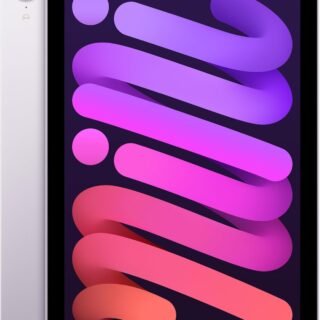 Apple iPad mini (A17 Pro): Apple Intelligence, 8.3-inch Liquid Retina Display, 256GB, Wi-Fi 6E, 12MP Front/12MP Back Camera, Touch ID, All-Day Battery Life — Purple
-
 Apple AirPods Max Wireless Over-Ear Headphones, Active Noise Cancelling, Transparency Mode, Personalized Spatial Audio, Dolby Atmos, Bluetooth Headphones for iPhone – Space Gray
-
 Apple AirPods Pro 2 Wireless Earbuds, Active Noise Cancellation, Hearing Aid Feature, Bluetooth Headphones, Transparency, Personalized Spatial Audio, High-Fidelity Sound, H2 Chip, USB-C Charging
-
Leo Creation 144 TC Cotton Double Jaipuri Prints Flat Bedsheet(Pack of 1, Blue, Gree, Red, Grey, Light Grey)
Original price was: ₹2,999.00.₹329.00Current price is: ₹329.00.
Leave a Reply