Discounted Products
-
 Home Garage 210 TC Cotton King Floral Fitted (Elastic) Bedsheet(Pack of 1, Grey)
Original price was: ₹999.00.₹299.00Current price is: ₹299.00.
Home Garage 210 TC Cotton King Floral Fitted (Elastic) Bedsheet(Pack of 1, Grey)
Original price was: ₹999.00.₹299.00Current price is: ₹299.00.
-
 Goodrik 140 TC Cotton Double 3D Printed Flat Bedsheet(Pack of 1, Brown)
Original price was: ₹499.00.₹229.00Current price is: ₹229.00.
Goodrik 140 TC Cotton Double 3D Printed Flat Bedsheet(Pack of 1, Brown)
Original price was: ₹499.00.₹229.00Current price is: ₹229.00.
-
 GLOBALSHOP 350 TC Microfiber Double Floral Flat Bedsheet(Pack of 1, Multicolor)
Original price was: ₹1,250.00.₹263.00Current price is: ₹263.00.
GLOBALSHOP 350 TC Microfiber Double Floral Flat Bedsheet(Pack of 1, Multicolor)
Original price was: ₹1,250.00.₹263.00Current price is: ₹263.00.
-
 RisingStar 250 TC Microfiber King Printed Fitted (Elastic) Bedsheet(Pack of 1, FITTED-ROUND-CIRCLES-PREMIUM)
Original price was: ₹2,299.00.₹299.00Current price is: ₹299.00.
RisingStar 250 TC Microfiber King Printed Fitted (Elastic) Bedsheet(Pack of 1, FITTED-ROUND-CIRCLES-PREMIUM)
Original price was: ₹2,299.00.₹299.00Current price is: ₹299.00.
-
 Home Garage 210 TC Cotton King Floral Fitted (Elastic) Bedsheet(Pack of 1, Fitted Black Green)
Original price was: ₹1,299.00.₹299.00Current price is: ₹299.00.
Home Garage 210 TC Cotton King Floral Fitted (Elastic) Bedsheet(Pack of 1, Fitted Black Green)
Original price was: ₹1,299.00.₹299.00Current price is: ₹299.00.
-
 Home Garage 180 TC Cotton King 3D Printed Flat Bedsheet(Pack of 1, White)
Original price was: ₹999.00.₹229.00Current price is: ₹229.00.
Home Garage 180 TC Cotton King 3D Printed Flat Bedsheet(Pack of 1, White)
Original price was: ₹999.00.₹229.00Current price is: ₹229.00.
-
 Panipat Textile Hub 152.4 cm (5 ft) Polyester Window Curtain (Pack Of 2)(Solid, Aqua)
Original price was: ₹1,899.00.₹299.00Current price is: ₹299.00.
Panipat Textile Hub 152.4 cm (5 ft) Polyester Window Curtain (Pack Of 2)(Solid, Aqua)
Original price was: ₹1,899.00.₹299.00Current price is: ₹299.00.
-
 Home Sizzler 214 cm (7 ft) Polyester Semi Transparent Door Curtain (Pack Of 2)(Floral, Maroon)
Original price was: ₹1,199.00.₹399.00Current price is: ₹399.00.
Home Sizzler 214 cm (7 ft) Polyester Semi Transparent Door Curtain (Pack Of 2)(Floral, Maroon)
Original price was: ₹1,199.00.₹399.00Current price is: ₹399.00.
-
 Home Sizzler 153 cm (5 ft) Polyester Room Darkening Window Curtain (Pack Of 2)(Floral, Brown)
Original price was: ₹799.00.₹299.00Current price is: ₹299.00.
Home Sizzler 153 cm (5 ft) Polyester Room Darkening Window Curtain (Pack Of 2)(Floral, Brown)
Original price was: ₹799.00.₹299.00Current price is: ₹299.00.
-
 Stella Creations 214 cm (7 ft) Polyester Room Darkening Door Curtain (Pack Of 2)(Abstract, Brown)
Original price was: ₹1,299.00.₹449.00Current price is: ₹449.00.
Stella Creations 214 cm (7 ft) Polyester Room Darkening Door Curtain (Pack Of 2)(Abstract, Brown)
Original price was: ₹1,299.00.₹449.00Current price is: ₹449.00.
-
 Homefab India 152.5 cm (5 ft) Polyester Room Darkening Window Curtain (Pack Of 2)(Floral, Light Blue)
Original price was: ₹1,199.00.₹319.00Current price is: ₹319.00.
Homefab India 152.5 cm (5 ft) Polyester Room Darkening Window Curtain (Pack Of 2)(Floral, Light Blue)
Original price was: ₹1,199.00.₹319.00Current price is: ₹319.00.
-
 Urban Home 214 cm (7 ft) PVC Transparent Door Curtain Single Curtain(Solid, Off White)
Original price was: ₹699.00.₹203.00Current price is: ₹203.00.
Urban Home 214 cm (7 ft) PVC Transparent Door Curtain Single Curtain(Solid, Off White)
Original price was: ₹699.00.₹203.00Current price is: ₹203.00.
-
 Panipat Textile Hub 213 cm (7 ft) Polyester Door Curtain (Pack Of 2)(Solid, Brown)
Original price was: ₹1,199.00.₹349.00Current price is: ₹349.00.
Panipat Textile Hub 213 cm (7 ft) Polyester Door Curtain (Pack Of 2)(Solid, Brown)
Original price was: ₹1,199.00.₹349.00Current price is: ₹349.00.
-
 Home Sizzler 214 cm (7 ft) Polyester Semi Transparent Door Curtain (Pack Of 2)(Floral, Brown)
Original price was: ₹999.00.₹349.00Current price is: ₹349.00.
Home Sizzler 214 cm (7 ft) Polyester Semi Transparent Door Curtain (Pack Of 2)(Floral, Brown)
Original price was: ₹999.00.₹349.00Current price is: ₹349.00.
-
 Panipat Textile Hub 213 cm (7 ft) Polyester Semi Transparent Door Curtain (Pack Of 2)(Floral, Brown)
Original price was: ₹899.00.₹299.00Current price is: ₹299.00.
Panipat Textile Hub 213 cm (7 ft) Polyester Semi Transparent Door Curtain (Pack Of 2)(Floral, Brown)
Original price was: ₹899.00.₹299.00Current price is: ₹299.00.

Hey, it’s Jessica.
If you’ve just updated your iPhone and suddenly Face ID stops working, I know how frustrating that can feel. You go to unlock your phone, authorize a payment, or sign into an app — and instead of that smooth unlock animation, you get “Face ID Not Available” or it just refuses to recognize you. After an iOS update, this issue is more common than most people think.
Before you panic and assume it’s a hardware failure, take a breath. In many cases, Face ID problems after an iOS update are software-related and completely fixable at home. I’ve dealt with this personally (usually right when I’m trying to check something quickly while juggling kids and coffee), and I’ve learned that a systematic approach works best.
Let’s walk through exactly what’s happening and the first set of proven fixes you should try.
Why Face ID Stops Working After an iOS Update
When you install a new iOS version, your iPhone refreshes system files, security layers, and background processes. Face ID relies on several components working perfectly together:
-
TrueDepth camera system
-
Infrared camera
-
Dot projector
-
Secure Enclave
-
iOS biometric authentication framework
If even one of these temporarily glitches during or after the update, Face ID may stop responding properly.
Common post-update Face ID issues include:
-
“Face ID Not Available” message
-
Face ID suddenly slow
-
Not recognizing your face
-
Face ID disabled for apps
-
Face ID failing in low light
-
Face ID working inconsistently
The good news? Most of these are software bugs or minor configuration resets.
Step 1: Restart Your iPhone (Yes, Really)
I know this sounds basic — but after a major iOS update, a restart often clears temporary system conflicts.
To restart:
-
Press and hold the Side button + Volume button
-
Slide to power off
-
Wait 30 seconds
-
Turn it back on
Why this works: Updates sometimes leave background processes hanging. A restart forces a clean reload of biometric services.
After rebooting, immediately test Face ID in a well-lit environment.
Step 2: Check for a Minor Patch Update
Sometimes Apple releases a quick bug-fix update shortly after a major iOS rollout.
Go to:
Settings → General → Software Update
If there’s a smaller follow-up update available, install it. These often fix:
-
Biometric glitches
-
Camera framework errors
-
Security authentication bugs
I’ve personally seen Face ID start working again after a minor patch without changing anything else.
Step 3: Check Face ID Settings
After an update, certain permissions or toggles can reset.
Go to:
Settings → Face ID & Passcode
Enter your passcode and verify:
-
iPhone Unlock is enabled
-
iTunes & App Store is enabled
-
Wallet & Apple Pay is enabled
-
Password AutoFill is enabled
-
Apps using Face ID are toggled on
Sometimes the update disables specific app-level Face ID permissions even if unlock still works.
Also scroll down and check which apps have access. Toggle one off and back on to refresh it.
Step 4: Inspect the TrueDepth Camera Area
This is especially important if Face ID says “Face ID Not Available.”
Look closely at the top front of your iPhone:
-
Remove your case
-
Remove any screen protector
-
Clean the notch/dynamic island area gently with a microfiber cloth
Even a slightly misaligned screen protector can interfere with infrared projection.
As a mom constantly dealing with fingerprints, lotion residue, and random mystery smudges, I’ve learned that a quick clean solves more issues than you’d expect.
Step 5: Make Sure Nothing Is Blocking Your Face
iOS updates sometimes tweak how Face ID processes partial obstructions.
Check if you are:
-
Wearing a new pair of glasses
-
Using heavy makeup
-
Wearing a mask (if mask unlock is disabled)
-
In very low lighting
If you use mask unlock:
Settings → Face ID & Passcode → Face ID with a Mask
Make sure it’s enabled.
Step 6: Reset Face ID and Set It Up Again
If Face ID still isn’t working, reset the facial data.
Go to:
Settings → Face ID & Passcode
Tap Reset Face ID
Then set it up again from scratch.
Why this helps:
An iOS update can sometimes corrupt stored biometric mapping data. Re-registering your face rebuilds that data inside the Secure Enclave.
When setting it up again:
-
Sit in a well-lit room
-
Remove glasses
-
Slowly move your head in a full circle
-
Don’t rush the scan
After setup, test:
-
Lock screen unlock
-
App unlock
-
Apple Pay (if you use it)
Many users report this fully resolves post-update issues.
Step 7: Check Screen Time Restrictions
Sometimes Face ID gets restricted through Screen Time settings — especially if someone else set up your device or you adjusted parental controls.
Go to:
Settings → Screen Time → Content & Privacy Restrictions
Ensure nothing is blocking account changes or biometric authentication.
Step 8: Reset All Settings (Safe Option)
If Face ID still refuses to cooperate, try resetting all settings.
This does NOT delete your data.
Go to:
Settings → General → Transfer or Reset iPhone → Reset → Reset All Settings
What this does:
-
Resets Wi-Fi passwords
-
Resets system preferences
-
Resets Face ID configuration
-
Keeps photos, apps, messages intact
It clears system-level conflicts introduced during updates.
I usually consider this the “serious but safe” fix before doing anything drastic.
What If You See “Face ID Not Available”?
If you specifically see this message, it may indicate:
-
Temporary software glitch
-
Camera driver failure
-
Hardware communication error
Before assuming hardware damage, try:
-
Restart
-
Reset Face ID
-
Reset All Settings
If the error persists across reboots, we’ll explore deeper diagnostics in the next section.
When It Might Be Hardware (But Don’t Panic Yet)
While most update-related Face ID issues are software-based, there are rare cases where:
-
The TrueDepth camera module fails
-
The infrared camera malfunctions
-
The dot projector is damaged
But this usually comes with:
-
Camera not working properly
-
Portrait mode failing
-
Animoji not tracking your face
-
Front camera errors
If everything else works except Face ID, it’s probably software.
Important: Avoid These Common Mistakes
After an update, people often:
-
Factory reset immediately (unnecessary)
-
Try beta profiles randomly
-
Install third-party “repair” tools
-
Force restore without backup
Please don’t rush into extreme fixes before trying the safe steps above.
Why iOS Updates Sometimes Trigger Face ID Problems
Apple frequently updates:
-
Security authentication layers
-
Neural engine optimization
-
Camera processing algorithms
-
Biometric encryption protocols
Even small changes can temporarily conflict with stored data.
It’s rarely permanent damage — just misalignment between updated system files and old biometric mapping.
So if your Face ID stopped working right after updating iOS, you’re not alone — and you’re definitely not stuck with a broken phone.
Step 9: Force Restart Your iPhone (Stronger Than a Normal Restart)
If a simple restart didn’t work, try a force restart. This refreshes deeper system processes without deleting data.
For most newer iPhones:
-
Quickly press and release Volume Up
-
Quickly press and release Volume Down
-
Press and hold the Side button
-
Keep holding until you see the Apple logo
This can clear low-level system glitches affecting Face ID services after an iOS update.
Once the phone boots up, test Face ID immediately.
Step 10: Check If the Front Camera Is Working Properly
Face ID depends on the TrueDepth camera system. So let’s verify that part is healthy.
Open the Camera app and:
-
Switch to front camera
-
Take a selfie
-
Try Portrait mode
-
Test video recording
Then open Messages and try using Animoji or Memoji (if available).
If:
-
Portrait mode doesn’t blur background
-
Animoji doesn’t track your face
-
The camera shows black screen
-
You see a warning about camera issues
That could indicate a TrueDepth hardware issue.
If everything works normally except Face ID, that strongly suggests a software problem.
Step 11: Check for Beta Profiles (Very Important)
If you previously installed an iOS beta profile, it might conflict with the public release version.
Go to:
Settings → General → VPN & Device Management
If you see an iOS Beta Profile:
-
Remove it
-
Restart your iPhone
-
Check for a stable software update
Beta versions sometimes cause biometric instability — especially right after switching back to public builds.
Step 12: Perform a Backup Before Advanced Reset
Before doing deeper restoration steps, back up your iPhone.
You can use:
-
iCloud Backup
Settings → [Your Name] → iCloud → iCloud Backup
or
-
Finder (Mac)
-
iTunes (Windows PC)
This ensures your data is safe before trying system-level repairs.
I never skip this step — especially with family photos and important app logins.
Step 13: Update Using Computer (System Refresh Method)
Sometimes updating over Wi-Fi doesn’t fully refresh corrupted system files. Updating or reinstalling iOS using a computer can fix deeper bugs.
On Mac:
-
Connect iPhone
-
Open Finder
-
Select your device
-
Click “Check for Update”
On Windows:
-
Open iTunes
-
Select your device
-
Click “Check for Update”
This reinstalls iOS without deleting data.
If Face ID stopped working due to corrupted update files, this often resolves it.
Step 14: DFU Restore (Last Software Fix)
If nothing else works, DFU mode is the most powerful software repair option.
DFU (Device Firmware Update) reinstalls iOS completely — including firmware — without loading the operating system first.
⚠️ This will erase your device, so only proceed after backing up.
Steps vary slightly depending on model, but generally:
-
Connect to computer
-
Follow specific button sequence to enter DFU
-
Restore device through Finder or iTunes
After restoration, set up your iPhone as new temporarily (don’t restore backup yet) and test Face ID.
If Face ID works before restoring backup, the issue may be linked to corrupted backup data.
When It’s Likely a Hardware Issue
If after:
-
Reset Face ID
-
Reset All Settings
-
Reinstalled iOS
-
Tried DFU restore
Face ID still says “Face ID Not Available,” then hardware becomes more likely.
Common hardware-related causes:
-
Dropped phone
-
Water exposure
-
Screen replacement with non-original parts
-
TrueDepth camera misalignment
If your screen was recently replaced by a third-party repair shop, Face ID can stop functioning due to calibration issues.
When to Contact Apple Support
You should contact support if:
-
Face ID fails after full restore
-
You see consistent “Face ID Not Available”
-
Front camera features malfunction
-
You recently had hardware repair
You can contact:
-
Apple Support app
-
Apple website
-
Authorized service center
If your device is under warranty or AppleCare+, repair may be covered.
Important: Face ID and Screen Replacement Warning
Modern iPhones pair the Face ID module with the logic board for security reasons.
If the display or camera module was replaced improperly:
-
Face ID may permanently disable
-
You may see calibration errors
Always use authorized repair services for biometric components.
Quick Troubleshooting Checklist
Let’s summarize everything clearly:
✔ Restart iPhone
✔ Force restart
✔ Check software update
✔ Verify Face ID settings
✔ Clean TrueDepth area
✔ Reset Face ID
✔ Reset All Settings
✔ Remove beta profile
✔ Update using computer
✔ Perform DFU restore
✔ Check camera functionality
✔ Contact Apple if needed
Follow these in order — don’t skip straight to extreme solutions.
Why Face ID Issues Feel Worse After Updates
Here’s the emotional part — because I get it.
When something breaks right after an update, it feels like the update “ruined” your phone. But in most cases, updates just expose minor system inconsistencies that were already present.
Face ID is incredibly secure. It uses:
-
Infrared mapping
-
Neural engine processing
-
Encrypted Secure Enclave storage
That complexity means even small software hiccups can temporarily disrupt functionality.
The good news? Permanent Face ID damage from updates alone is extremely rare.
Final Thoughts
If Face ID stopped working after your iOS update, chances are very high it’s fixable without replacing your phone.
Start simple. Work step by step. Don’t rush into factory resets. And don’t assume the worst too quickly.
In my experience, 90% of post-update Face ID issues resolve with:
-
Reset Face ID
-
Reset All Settings
-
Minor patch update
And once it’s working again, it usually stays stable.
You’ve got this — and your iPhone isn’t broken just because Face ID is acting stubborn after an update.
Disclaimer
This article is for informational and educational purposes only. The steps provided are general troubleshooting methods for resolving Face ID issues after an iOS update. Device behavior may vary depending on iPhone model, iOS version, prior repairs, or hardware condition. Always back up your data before performing advanced resets or restores. If Face ID continues to display errors such as “Face ID Not Available” after completing all recommended steps, contact official Apple Support or an authorized service provider for professional diagnosis. The author is not responsible for data loss, hardware damage, or warranty issues resulting from improper repair attempts.

- How to Transcribe Audio Live on Your iPhone

- Killer Network Service: Is It a Virus or Safe to Disable?

- How to Set Up Parental Controls on Windows 11: A Step-by-Step Guide

- How to Extract Audio From a Video: Easy Ways to Save Audio

- How to Set a Photo Album as Your Wallpaper on iPhone: Step-by-Step Guide

Products
-
![Apple Watch Ultra 3 [GPS + Cellular 49mm] Running & Multisport Smartwatch w/Rugged Titanium Case w/Black Titanium Milanese Loop - M. Satellite Communications, Advanced Health & Fitness Tracking](https://bazaronweb.com/retailstores/wp-content/uploads/2025/09/apple-watch-320x320.jpg) Apple Watch Ultra 3 [GPS + Cellular 49mm] Running & Multisport Smartwatch w/Rugged Titanium Case w/Black Titanium Milanese Loop - M. Satellite Communications, Advanced Health & Fitness Tracking
Apple Watch Ultra 3 [GPS + Cellular 49mm] Running & Multisport Smartwatch w/Rugged Titanium Case w/Black Titanium Milanese Loop - M. Satellite Communications, Advanced Health & Fitness Tracking
-
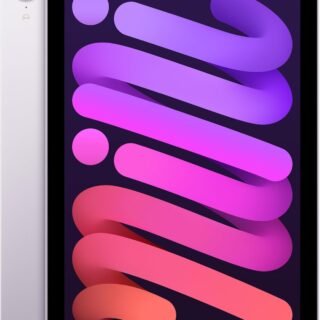 Apple iPad mini (A17 Pro): Apple Intelligence, 8.3-inch Liquid Retina Display, 256GB, Wi-Fi 6E, 12MP Front/12MP Back Camera, Touch ID, All-Day Battery Life — Purple
-
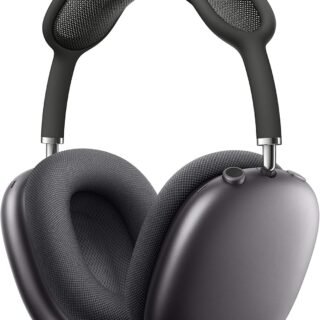 Apple AirPods Max Wireless Over-Ear Headphones, Active Noise Cancelling, Transparency Mode, Personalized Spatial Audio, Dolby Atmos, Bluetooth Headphones for iPhone – Space Gray
-
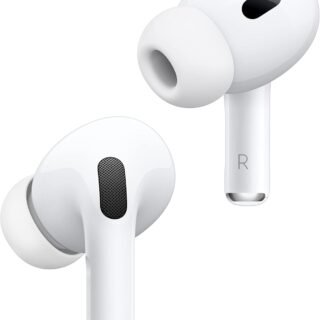 Apple AirPods Pro 2 Wireless Earbuds, Active Noise Cancellation, Hearing Aid Feature, Bluetooth Headphones, Transparency, Personalized Spatial Audio, High-Fidelity Sound, H2 Chip, USB-C Charging
-
Home Garage 210 TC Cotton King Floral Fitted (Elastic) Bedsheet(Pack of 1, Grey)
Original price was: ₹999.00.₹299.00Current price is: ₹299.00.
Leave a Reply