Discounted Products
-
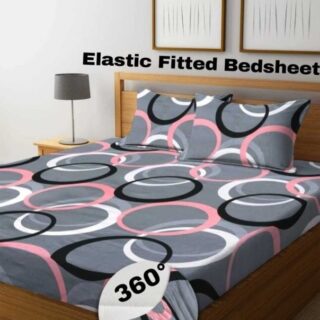 Home Garage 210 TC Cotton King Floral Fitted (Elastic) Bedsheet(Pack of 1, Grey)
Original price was: ₹999.00.₹299.00Current price is: ₹299.00.
Home Garage 210 TC Cotton King Floral Fitted (Elastic) Bedsheet(Pack of 1, Grey)
Original price was: ₹999.00.₹299.00Current price is: ₹299.00.
-
 Goodrik 140 TC Cotton Double 3D Printed Flat Bedsheet(Pack of 1, Brown)
Original price was: ₹499.00.₹229.00Current price is: ₹229.00.
Goodrik 140 TC Cotton Double 3D Printed Flat Bedsheet(Pack of 1, Brown)
Original price was: ₹499.00.₹229.00Current price is: ₹229.00.
-
 GLOBALSHOP 350 TC Microfiber Double Floral Flat Bedsheet(Pack of 1, Multicolor)
Original price was: ₹1,250.00.₹263.00Current price is: ₹263.00.
GLOBALSHOP 350 TC Microfiber Double Floral Flat Bedsheet(Pack of 1, Multicolor)
Original price was: ₹1,250.00.₹263.00Current price is: ₹263.00.
-
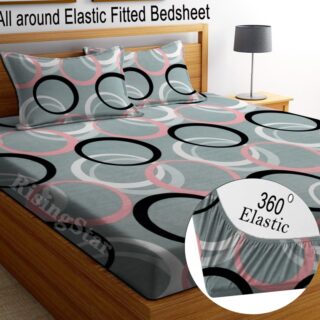 RisingStar 250 TC Microfiber King Printed Fitted (Elastic) Bedsheet(Pack of 1, FITTED-ROUND-CIRCLES-PREMIUM)
Original price was: ₹2,299.00.₹299.00Current price is: ₹299.00.
RisingStar 250 TC Microfiber King Printed Fitted (Elastic) Bedsheet(Pack of 1, FITTED-ROUND-CIRCLES-PREMIUM)
Original price was: ₹2,299.00.₹299.00Current price is: ₹299.00.
-
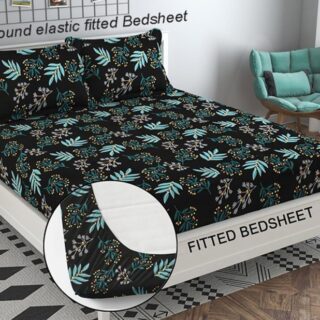 Home Garage 210 TC Cotton King Floral Fitted (Elastic) Bedsheet(Pack of 1, Fitted Black Green)
Original price was: ₹1,299.00.₹299.00Current price is: ₹299.00.
Home Garage 210 TC Cotton King Floral Fitted (Elastic) Bedsheet(Pack of 1, Fitted Black Green)
Original price was: ₹1,299.00.₹299.00Current price is: ₹299.00.
-
 Home Garage 180 TC Cotton King 3D Printed Flat Bedsheet(Pack of 1, White)
Original price was: ₹999.00.₹229.00Current price is: ₹229.00.
Home Garage 180 TC Cotton King 3D Printed Flat Bedsheet(Pack of 1, White)
Original price was: ₹999.00.₹229.00Current price is: ₹229.00.
-
 Panipat Textile Hub 152.4 cm (5 ft) Polyester Window Curtain (Pack Of 2)(Solid, Aqua)
Original price was: ₹1,899.00.₹299.00Current price is: ₹299.00.
Panipat Textile Hub 152.4 cm (5 ft) Polyester Window Curtain (Pack Of 2)(Solid, Aqua)
Original price was: ₹1,899.00.₹299.00Current price is: ₹299.00.
-
 Home Sizzler 214 cm (7 ft) Polyester Semi Transparent Door Curtain (Pack Of 2)(Floral, Maroon)
Original price was: ₹1,199.00.₹399.00Current price is: ₹399.00.
Home Sizzler 214 cm (7 ft) Polyester Semi Transparent Door Curtain (Pack Of 2)(Floral, Maroon)
Original price was: ₹1,199.00.₹399.00Current price is: ₹399.00.
-
 Home Sizzler 153 cm (5 ft) Polyester Room Darkening Window Curtain (Pack Of 2)(Floral, Brown)
Original price was: ₹799.00.₹299.00Current price is: ₹299.00.
Home Sizzler 153 cm (5 ft) Polyester Room Darkening Window Curtain (Pack Of 2)(Floral, Brown)
Original price was: ₹799.00.₹299.00Current price is: ₹299.00.
-
 Stella Creations 214 cm (7 ft) Polyester Room Darkening Door Curtain (Pack Of 2)(Abstract, Brown)
Original price was: ₹1,299.00.₹449.00Current price is: ₹449.00.
Stella Creations 214 cm (7 ft) Polyester Room Darkening Door Curtain (Pack Of 2)(Abstract, Brown)
Original price was: ₹1,299.00.₹449.00Current price is: ₹449.00.
-
 Homefab India 152.5 cm (5 ft) Polyester Room Darkening Window Curtain (Pack Of 2)(Floral, Light Blue)
Original price was: ₹1,199.00.₹319.00Current price is: ₹319.00.
Homefab India 152.5 cm (5 ft) Polyester Room Darkening Window Curtain (Pack Of 2)(Floral, Light Blue)
Original price was: ₹1,199.00.₹319.00Current price is: ₹319.00.
-
 Urban Home 214 cm (7 ft) PVC Transparent Door Curtain Single Curtain(Solid, Off White)
Original price was: ₹699.00.₹203.00Current price is: ₹203.00.
Urban Home 214 cm (7 ft) PVC Transparent Door Curtain Single Curtain(Solid, Off White)
Original price was: ₹699.00.₹203.00Current price is: ₹203.00.
-
 Panipat Textile Hub 213 cm (7 ft) Polyester Door Curtain (Pack Of 2)(Solid, Brown)
Original price was: ₹1,199.00.₹349.00Current price is: ₹349.00.
Panipat Textile Hub 213 cm (7 ft) Polyester Door Curtain (Pack Of 2)(Solid, Brown)
Original price was: ₹1,199.00.₹349.00Current price is: ₹349.00.
-
 Home Sizzler 214 cm (7 ft) Polyester Semi Transparent Door Curtain (Pack Of 2)(Floral, Brown)
Original price was: ₹999.00.₹349.00Current price is: ₹349.00.
Home Sizzler 214 cm (7 ft) Polyester Semi Transparent Door Curtain (Pack Of 2)(Floral, Brown)
Original price was: ₹999.00.₹349.00Current price is: ₹349.00.
-
 Panipat Textile Hub 213 cm (7 ft) Polyester Semi Transparent Door Curtain (Pack Of 2)(Floral, Brown)
Original price was: ₹899.00.₹299.00Current price is: ₹299.00.
Panipat Textile Hub 213 cm (7 ft) Polyester Semi Transparent Door Curtain (Pack Of 2)(Floral, Brown)
Original price was: ₹899.00.₹299.00Current price is: ₹299.00.
Introduction
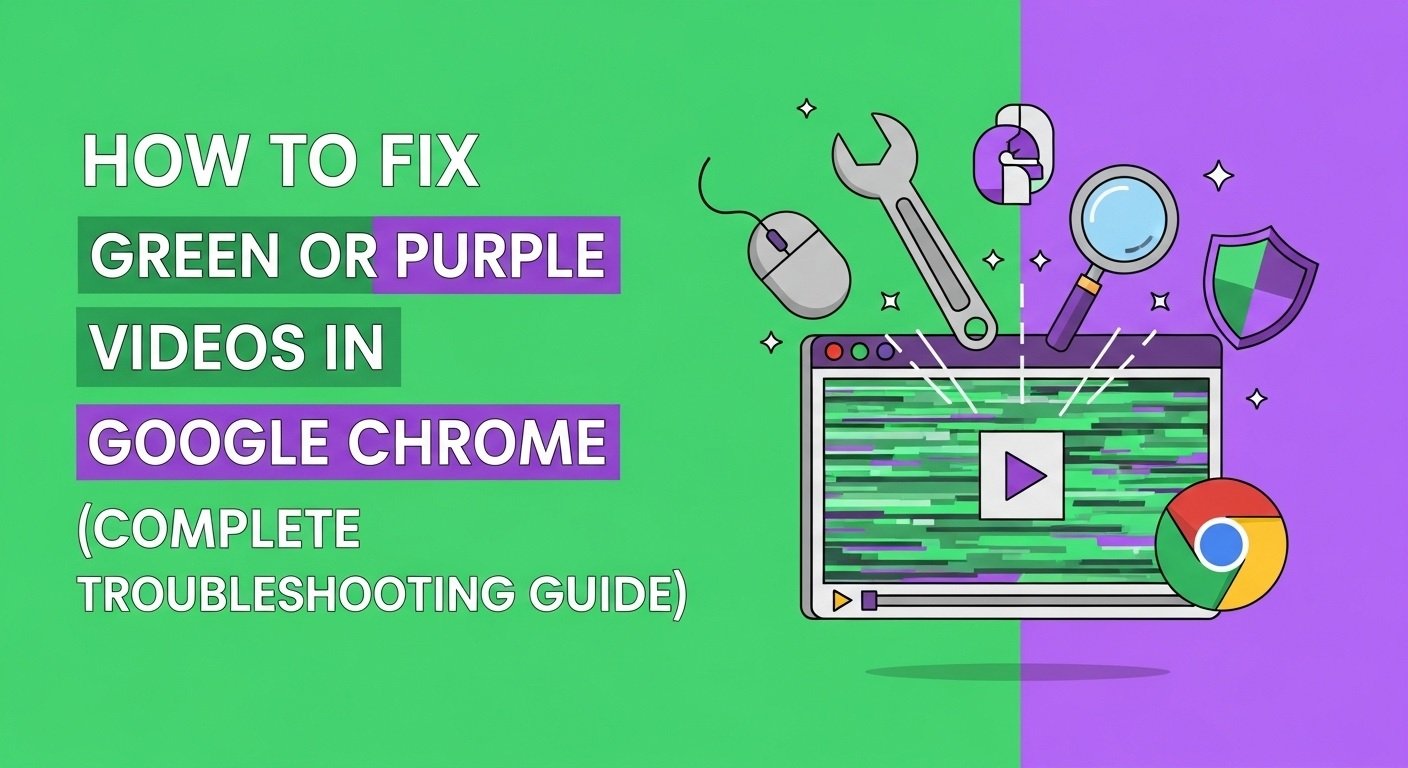
If you’ve ever opened a video in Google Chrome only to see strange green or purple colors covering the screen, you know how frustrating the experience can be. Instead of enjoying a YouTube video, watching an online lecture, or streaming your favorite show, the video appears distorted, tinted, or completely unwatchable. The audio might still work perfectly, but the visual part becomes filled with green or purple overlays.
This issue is surprisingly common and can occur on different devices running Windows, macOS, or Linux. Many users notice it while watching videos on streaming platforms such as YouTube, Netflix, or embedded videos on websites. Sometimes the problem appears suddenly even though everything worked fine before.
At first glance, the issue may look like a serious hardware problem. Some users even assume that their graphics card is failing or that their monitor is damaged. However, in most cases, the cause is much simpler and can usually be fixed with a few quick adjustments in Google Chrome or system settings.
One of the most frequent reasons behind green or purple video playback in Chrome is hardware acceleration conflicts. Modern browsers use hardware acceleration to offload video processing tasks from the CPU to the GPU. This improves performance and allows smoother playback, especially for high-resolution videos such as 1080p and 4K streams.
However, hardware acceleration doesn’t always work perfectly with every system configuration. Sometimes the browser, graphics driver, and video decoding system fail to communicate correctly. When this happens, Chrome may render the video incorrectly, resulting in green, purple, or distorted colors.
Another possible cause is outdated or incompatible graphics drivers. Graphics drivers play an important role in how video content is decoded and displayed on your screen. If these drivers are outdated or corrupted, Chrome may struggle to render videos properly.
In some cases, the problem may also be related to browser extensions that interfere with video playback. Extensions that modify page content, control media playback, or inject scripts into webpages can occasionally disrupt the video rendering pipeline.
Additionally, Chrome’s experimental flags or corrupted browser cache can sometimes trigger unexpected playback issues. These settings control advanced browser features, and if they become misconfigured, they may cause video rendering glitches.
The good news is that most of these problems are relatively easy to fix. In fact, many users resolve the issue in just a few minutes by adjusting a single Chrome setting.
Understanding the possible causes behind green or purple video playback is important because it helps you troubleshoot the issue effectively. Instead of randomly trying different solutions, you can focus on the most common fixes that directly address the root of the problem.
In this guide, I’ll walk you through the most effective methods to fix green or purple videos in Google Chrome. We’ll explore several troubleshooting steps including adjusting Chrome settings, disabling hardware acceleration, updating graphics drivers, and checking browser extensions.
These solutions are simple enough for beginners but also useful for advanced users who want to understand why the issue occurs in the first place.
If you frequently watch videos online, fixing this problem quickly can restore your viewing experience and ensure that Chrome displays videos correctly again. By following the steps in this guide, you should be able to eliminate green or purple video issues and enjoy smooth playback without visual glitches.
Disable Hardware Acceleration in Google Chrome
One of the most common causes of green or purple video playback in Chrome is hardware acceleration conflicts. Hardware acceleration allows Chrome to use your computer’s GPU to process video and graphics tasks instead of relying entirely on the CPU. While this feature improves performance in many cases, it can sometimes cause compatibility problems with certain graphics drivers.
To disable hardware acceleration, open Google Chrome and click the three-dot menu in the top-right corner. Select Settings, then scroll down and click System in the left sidebar.
Find the option that says Use hardware acceleration when available. Toggle this setting off, then restart Chrome.
Once Chrome restarts, try playing a video again. In many cases, disabling hardware acceleration immediately fixes the green or purple video issue.
Update Your Graphics Drivers
Outdated or corrupted graphics drivers can also cause video rendering problems in Chrome. Since modern browsers rely heavily on GPU acceleration for video playback, having updated drivers is essential.
If you’re using Windows, open the Device Manager by right-clicking the Start menu and selecting it from the list. Expand the Display Adapters section, right-click your graphics card, and select Update Driver.
You can choose Search automatically for drivers or download the latest drivers directly from the manufacturer’s website such as NVIDIA, AMD, or Intel.
After installing the updated driver, restart your computer and check whether the video playback issue has been resolved.
Clear Chrome Cache and Cookies
Over time, Chrome stores large amounts of cached data to speed up website loading. However, corrupted cache files can sometimes interfere with video playback.
To clear the browser cache, open Chrome and press Ctrl + Shift + Delete on your keyboard. This will open the Clear browsing data window.
Select Cached images and files and Cookies and other site data, then choose the All time time range. Click Clear data to remove the stored files.
After clearing the cache, restart Chrome and try playing the video again.
Disable Problematic Chrome Extensions
Certain browser extensions can interfere with video playback, especially those that modify webpage content, control media playback, or block scripts.
To check whether an extension is causing the issue, open Chrome and type chrome://extensions/ in the address bar.
Disable all extensions temporarily and restart the browser. Then try playing a video again.
If the issue disappears, re-enable extensions one by one until you identify the problematic extension.
Once you find it, either remove it completely or keep it disabled when watching videos.
Reset Chrome Settings
If none of the previous solutions fix the problem, resetting Chrome to its default settings may help. This process removes custom configurations and restores the browser to its original state.
To reset Chrome, open Settings and scroll down to Reset and clean up. Click Restore settings to their original defaults and confirm the action.
Resetting Chrome will disable extensions and reset system settings, but it will not delete your bookmarks, history, or saved passwords.
After the reset, restart Chrome and check whether videos display correctly.
Try Playing Videos in Another Browser
Sometimes the issue may be specific to Chrome rather than your system.
To confirm this, try playing the same video in another browser such as Microsoft Edge, Firefox, or Brave.
If the video works perfectly in another browser, the problem is likely related to Chrome settings or extensions.
In that case, reinstalling Chrome may also help resolve the issue.
Reinstall Google Chrome
If all other fixes fail, reinstalling Chrome can eliminate corrupted installation files that may cause video rendering problems.
First, uninstall Chrome from Settings → Apps → Installed Apps. After removing it, download the latest version from the official Google Chrome website and install it again.
Once installed, sign back into your Google account to restore your bookmarks and sync settings.
Reinstalling Chrome often resolves persistent playback problems that other troubleshooting steps cannot fix.
Conclusion
Green or purple video playback in Google Chrome can be frustrating, especially when you’re trying to watch an important video, attend an online class, or stream entertainment content. Fortunately, the problem is usually not related to hardware failure and can often be fixed with a few simple troubleshooting steps.
In most cases, the issue occurs due to conflicts between Chrome’s hardware acceleration feature and your system’s graphics drivers. Disabling hardware acceleration is often the fastest and most effective solution. This simple change forces Chrome to rely on the CPU for video processing instead of the GPU, eliminating many rendering glitches.
Updating your graphics drivers is another important step. Modern browsers rely heavily on GPU acceleration, and outdated drivers can cause compatibility problems that result in visual distortions such as green or purple videos.
Clearing Chrome’s cache and cookies can also help resolve playback issues caused by corrupted stored data. Additionally, disabling problematic browser extensions can prevent scripts or modifications from interfering with video playback.
If the issue continues, resetting Chrome or reinstalling the browser can restore its default configuration and remove corrupted files that may cause rendering problems.
By following these troubleshooting methods, you can quickly identify the root cause of the problem and restore smooth video playback in Chrome.
Once the issue is resolved, you should be able to watch videos normally without color distortions or playback glitches.
Disclaimer
This guide is for informational purposes only. System settings, browser features, and troubleshooting steps may vary depending on device configuration, operating system version, and Google Chrome updates.

- How to Fix “Unable to Initialize Windows App SDK” Error in Windows 11

- How to Fix “Try Again Later – Something Happened on Our End” Error in Microsoft Store

- What Are iPhone Background Sounds? Their Uses and How to Enable Them

- How to Run a Safety Check in Google Chrome and Protect Your Browser

- Samsung Phone’s Keyboard Not Working? Here’s How to Fix It

Products
-
![Apple Watch Ultra 3 [GPS + Cellular 49mm] Running & Multisport Smartwatch w/Rugged Titanium Case w/Black Titanium Milanese Loop - M. Satellite Communications, Advanced Health & Fitness Tracking](https://bazaronweb.com/retailstores/wp-content/uploads/2025/09/apple-watch-320x320.jpg) Apple Watch Ultra 3 [GPS + Cellular 49mm] Running & Multisport Smartwatch w/Rugged Titanium Case w/Black Titanium Milanese Loop - M. Satellite Communications, Advanced Health & Fitness Tracking
Apple Watch Ultra 3 [GPS + Cellular 49mm] Running & Multisport Smartwatch w/Rugged Titanium Case w/Black Titanium Milanese Loop - M. Satellite Communications, Advanced Health & Fitness Tracking
-
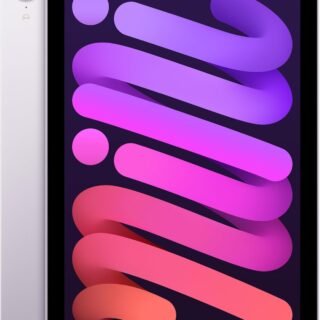 Apple iPad mini (A17 Pro): Apple Intelligence, 8.3-inch Liquid Retina Display, 256GB, Wi-Fi 6E, 12MP Front/12MP Back Camera, Touch ID, All-Day Battery Life — Purple
-
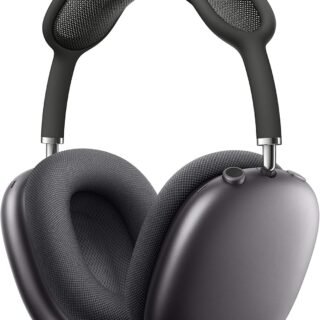 Apple AirPods Max Wireless Over-Ear Headphones, Active Noise Cancelling, Transparency Mode, Personalized Spatial Audio, Dolby Atmos, Bluetooth Headphones for iPhone – Space Gray
-
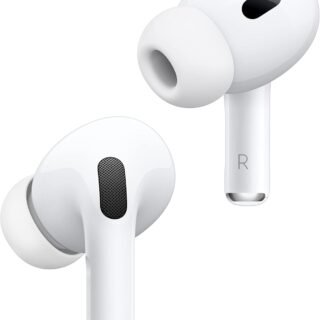 Apple AirPods Pro 2 Wireless Earbuds, Active Noise Cancellation, Hearing Aid Feature, Bluetooth Headphones, Transparency, Personalized Spatial Audio, High-Fidelity Sound, H2 Chip, USB-C Charging
-
Home Garage 210 TC Cotton King Floral Fitted (Elastic) Bedsheet(Pack of 1, Grey)
Original price was: ₹999.00.₹299.00Current price is: ₹299.00.
Leave a Reply