Discounted Products
-
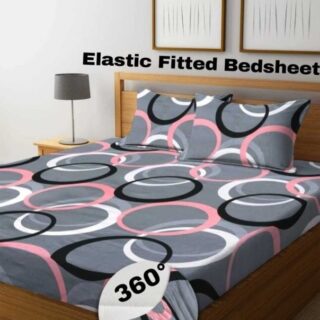 Home Garage 210 TC Cotton King Floral Fitted (Elastic) Bedsheet(Pack of 1, Grey)
Original price was: ₹999.00.₹299.00Current price is: ₹299.00.
Home Garage 210 TC Cotton King Floral Fitted (Elastic) Bedsheet(Pack of 1, Grey)
Original price was: ₹999.00.₹299.00Current price is: ₹299.00.
-
 Goodrik 140 TC Cotton Double 3D Printed Flat Bedsheet(Pack of 1, Brown)
Original price was: ₹499.00.₹229.00Current price is: ₹229.00.
Goodrik 140 TC Cotton Double 3D Printed Flat Bedsheet(Pack of 1, Brown)
Original price was: ₹499.00.₹229.00Current price is: ₹229.00.
-
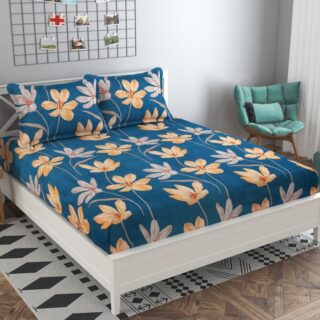 GLOBALSHOP 350 TC Microfiber Double Floral Flat Bedsheet(Pack of 1, Multicolor)
Original price was: ₹1,250.00.₹263.00Current price is: ₹263.00.
GLOBALSHOP 350 TC Microfiber Double Floral Flat Bedsheet(Pack of 1, Multicolor)
Original price was: ₹1,250.00.₹263.00Current price is: ₹263.00.
-
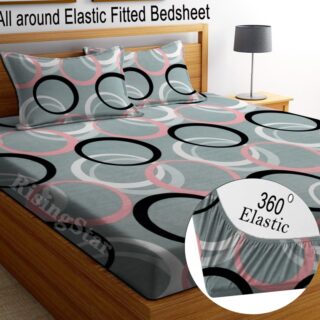 RisingStar 250 TC Microfiber King Printed Fitted (Elastic) Bedsheet(Pack of 1, FITTED-ROUND-CIRCLES-PREMIUM)
Original price was: ₹2,299.00.₹299.00Current price is: ₹299.00.
RisingStar 250 TC Microfiber King Printed Fitted (Elastic) Bedsheet(Pack of 1, FITTED-ROUND-CIRCLES-PREMIUM)
Original price was: ₹2,299.00.₹299.00Current price is: ₹299.00.
-
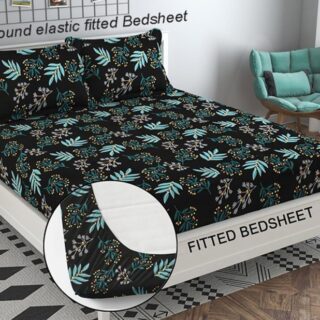 Home Garage 210 TC Cotton King Floral Fitted (Elastic) Bedsheet(Pack of 1, Fitted Black Green)
Original price was: ₹1,299.00.₹299.00Current price is: ₹299.00.
Home Garage 210 TC Cotton King Floral Fitted (Elastic) Bedsheet(Pack of 1, Fitted Black Green)
Original price was: ₹1,299.00.₹299.00Current price is: ₹299.00.
-
 Home Garage 180 TC Cotton King 3D Printed Flat Bedsheet(Pack of 1, White)
Original price was: ₹999.00.₹229.00Current price is: ₹229.00.
Home Garage 180 TC Cotton King 3D Printed Flat Bedsheet(Pack of 1, White)
Original price was: ₹999.00.₹229.00Current price is: ₹229.00.
-
 Panipat Textile Hub 152.4 cm (5 ft) Polyester Window Curtain (Pack Of 2)(Solid, Aqua)
Original price was: ₹1,899.00.₹299.00Current price is: ₹299.00.
Panipat Textile Hub 152.4 cm (5 ft) Polyester Window Curtain (Pack Of 2)(Solid, Aqua)
Original price was: ₹1,899.00.₹299.00Current price is: ₹299.00.
-
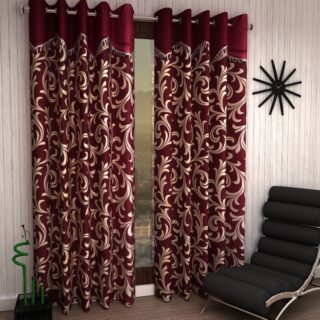 Home Sizzler 214 cm (7 ft) Polyester Semi Transparent Door Curtain (Pack Of 2)(Floral, Maroon)
Original price was: ₹1,199.00.₹399.00Current price is: ₹399.00.
Home Sizzler 214 cm (7 ft) Polyester Semi Transparent Door Curtain (Pack Of 2)(Floral, Maroon)
Original price was: ₹1,199.00.₹399.00Current price is: ₹399.00.
-
 Home Sizzler 153 cm (5 ft) Polyester Room Darkening Window Curtain (Pack Of 2)(Floral, Brown)
Original price was: ₹799.00.₹299.00Current price is: ₹299.00.
Home Sizzler 153 cm (5 ft) Polyester Room Darkening Window Curtain (Pack Of 2)(Floral, Brown)
Original price was: ₹799.00.₹299.00Current price is: ₹299.00.
-
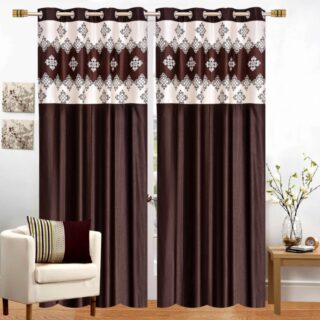 Stella Creations 214 cm (7 ft) Polyester Room Darkening Door Curtain (Pack Of 2)(Abstract, Brown)
Original price was: ₹1,299.00.₹449.00Current price is: ₹449.00.
Stella Creations 214 cm (7 ft) Polyester Room Darkening Door Curtain (Pack Of 2)(Abstract, Brown)
Original price was: ₹1,299.00.₹449.00Current price is: ₹449.00.
-
 Homefab India 152.5 cm (5 ft) Polyester Room Darkening Window Curtain (Pack Of 2)(Floral, Light Blue)
Original price was: ₹1,199.00.₹319.00Current price is: ₹319.00.
Homefab India 152.5 cm (5 ft) Polyester Room Darkening Window Curtain (Pack Of 2)(Floral, Light Blue)
Original price was: ₹1,199.00.₹319.00Current price is: ₹319.00.
-
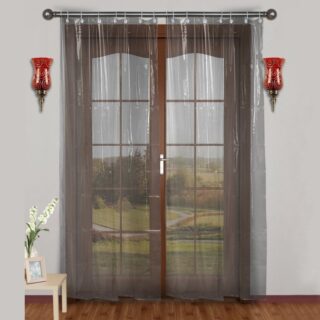 Urban Home 214 cm (7 ft) PVC Transparent Door Curtain Single Curtain(Solid, Off White)
Original price was: ₹699.00.₹203.00Current price is: ₹203.00.
Urban Home 214 cm (7 ft) PVC Transparent Door Curtain Single Curtain(Solid, Off White)
Original price was: ₹699.00.₹203.00Current price is: ₹203.00.
-
 Panipat Textile Hub 213 cm (7 ft) Polyester Door Curtain (Pack Of 2)(Solid, Brown)
Original price was: ₹1,199.00.₹349.00Current price is: ₹349.00.
Panipat Textile Hub 213 cm (7 ft) Polyester Door Curtain (Pack Of 2)(Solid, Brown)
Original price was: ₹1,199.00.₹349.00Current price is: ₹349.00.
-
 Home Sizzler 214 cm (7 ft) Polyester Semi Transparent Door Curtain (Pack Of 2)(Floral, Brown)
Original price was: ₹999.00.₹349.00Current price is: ₹349.00.
Home Sizzler 214 cm (7 ft) Polyester Semi Transparent Door Curtain (Pack Of 2)(Floral, Brown)
Original price was: ₹999.00.₹349.00Current price is: ₹349.00.
-
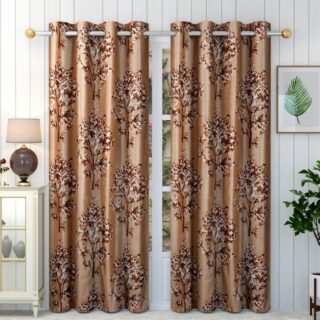 Panipat Textile Hub 213 cm (7 ft) Polyester Semi Transparent Door Curtain (Pack Of 2)(Floral, Brown)
Original price was: ₹899.00.₹299.00Current price is: ₹299.00.
Panipat Textile Hub 213 cm (7 ft) Polyester Semi Transparent Door Curtain (Pack Of 2)(Floral, Brown)
Original price was: ₹899.00.₹299.00Current price is: ₹299.00.
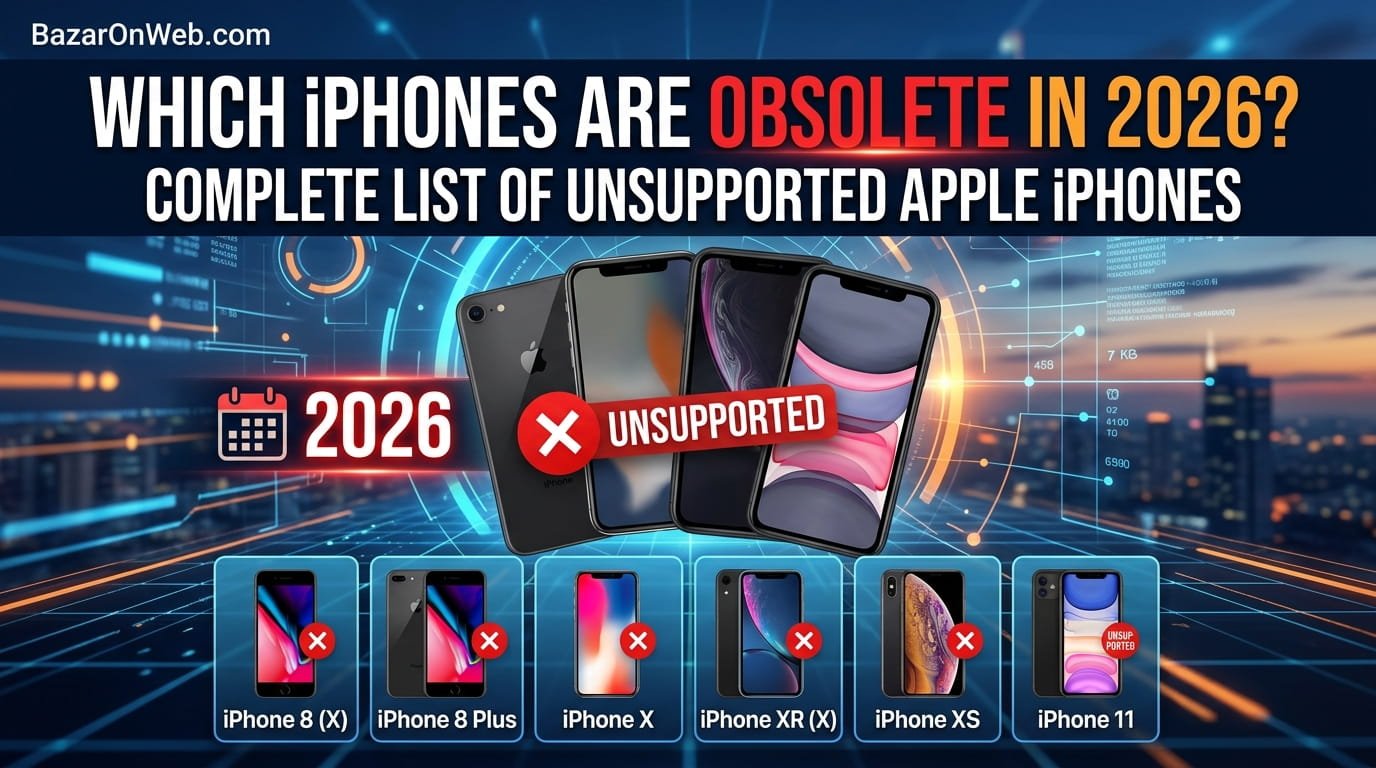
Hi, I’m Jessica, and if you are still using an older iPhone in 2026, you may already be wondering whether your device is officially obsolete or still safe to use daily. A lot of families, students, and even professionals continue using older iPhones because they still look premium and perform basic tasks well. However, Apple’s software support cycle changes every year, and devices that once felt fast and reliable can slowly become outdated. From missing iOS updates to weaker app compatibility and battery problems, obsolete iPhones can create a frustrating experience without many users realizing why things suddenly feel slower or limited.
Many people also confuse the terms “vintage” and “obsolete” when Apple classifies older products. Some devices may still function properly for calls, messaging, and light browsing, but they no longer receive critical updates, security patches, or repair support from Apple. This creates concerns about privacy, banking apps, digital payments, and compatibility with modern accessories. In 2026, several older iPhones have officially crossed into the obsolete category, while others are approaching the end of their lifecycle. Understanding which iPhones are outdated can help you decide whether to continue using your current device, upgrade to a newer model, or repurpose your older iPhone for secondary use at home.
What Does Obsolete Mean for an iPhone in 2026?
When Apple labels an iPhone as obsolete, it means the company no longer provides hardware service, repair support, or official replacement parts for that device through Apple Stores and authorized service providers. This classification usually happens several years after Apple stops selling a model. Many users assume an obsolete iPhone immediately becomes useless, but that is not entirely true. An obsolete iPhone can still turn on, run apps, connect to Wi-Fi, and perform basic tasks. The real issue begins with long-term usability, security, and software compatibility.
In 2026, obsolete iPhones face growing challenges because newer apps are designed around modern iOS versions and updated hardware requirements. Banking apps, payment apps, productivity tools, and social media platforms increasingly stop supporting older systems. This can create login failures, crashes, and missing features. Security is another major concern because obsolete devices no longer receive critical security patches that protect against vulnerabilities and cyber threats.
Apple also separates devices into “vintage” and “obsolete” categories. Vintage devices may still receive limited service if parts are available, while obsolete devices generally receive no official support. For users who rely heavily on smartphones for work, education, digital payments, and communication, continuing to use a fully obsolete iPhone can become inconvenient and risky over time. Understanding Apple’s support lifecycle helps users make smarter upgrade decisions before problems become serious.
iPhone Models Officially Considered Obsolete in 2026
Several iPhone models are officially categorized as obsolete in 2026 because Apple has ended support and servicing for them completely. Devices such as the iPhone 5, iPhone 5C, iPhone 4S, iPhone 4, and earlier generations are firmly in the obsolete category. These devices no longer receive iOS updates, replacement parts, or repair assistance from Apple-authorized providers. While some third-party repair shops may still work on them, official support is no longer available.
The iPhone 6 and iPhone 6 Plus are also approaching complete irrelevance for many users despite still functioning for basic tasks. These models struggle with modern apps and newer internet security standards. Users may notice slow loading speeds, app crashes, reduced battery efficiency, and incompatibility with newer software ecosystems. Older Safari versions can also create browsing problems on modern websites.
The iPhone 5S and iPhone SE first generation continue to hold sentimental value for many users because of their compact design. However, these models are increasingly impractical as primary devices in 2026 due to outdated processors and lack of ongoing software improvements. Many apps either run poorly or no longer support these devices entirely.
Even though these iPhones may still physically work, Apple’s obsolete classification indicates they are no longer suitable for long-term mainstream smartphone use. Users relying on these devices should strongly consider upgrading for better security, performance, and compatibility.
Why Apple Stops Supporting Older iPhones
Apple’s decision to stop supporting older iPhones is largely tied to hardware limitations, software advancements, and long-term ecosystem management. As iOS evolves, newer features require stronger processors, better graphics performance, advanced machine learning capabilities, and improved battery optimization. Older iPhones simply cannot handle these requirements efficiently without creating poor user experiences.
Modern iOS versions are built around artificial intelligence features, enhanced privacy protections, improved multitasking, advanced camera systems, and stronger encryption. Devices with aging processors and limited RAM struggle to keep up with these technologies. If Apple continued supporting extremely old devices indefinitely, the operating system would become slower, unstable, and harder to optimize for all users.
Security also plays a major role. Cyber threats constantly evolve, and Apple invests heavily in protecting user data through software updates and hardware-level security improvements. Older iPhones often lack modern security architecture, making them more vulnerable to attacks, malware, phishing, and unauthorized access. Supporting outdated devices would require extensive engineering resources while delivering diminishing returns.
Battery technology and physical wear are additional concerns. After years of charging cycles, older iPhones naturally lose battery efficiency and overall reliability. Apple eventually phases out support because maintaining parts inventory and repair infrastructure for aging devices becomes economically impractical.
While some users feel frustrated when support ends, Apple’s strategy helps maintain performance consistency across its ecosystem. The company focuses resources on delivering stable experiences for actively supported devices rather than stretching compatibility across hardware that can no longer meet modern expectations.
Signs Your Older iPhone Is Becoming Obsolete
Many users do not realize their iPhone is becoming obsolete until daily frustrations begin affecting routine tasks. One of the biggest warning signs is the inability to install the latest iOS updates. Once your device stops receiving major software updates, app compatibility problems usually follow within a few years. Some applications may refuse to open entirely, while others lose important features or become unstable.
Performance slowdown is another common indicator. Older iPhones often experience lag while switching apps, browsing websites, or using modern social media platforms. Delayed touch response, random freezing, and longer startup times can make everyday usage frustrating. Battery health also becomes a major issue because aging lithium-ion batteries lose capacity over time. Users may notice rapid battery drain, unexpected shutdowns, or overheating during normal use.
Camera quality limitations become more obvious as mobile photography technology improves. Older iPhones struggle with low-light performance, image stabilization, and AI-based enhancements that modern devices now handle easily. Connectivity issues can also emerge because older devices may not fully support modern Wi-Fi standards, advanced Bluetooth features, or newer cellular technologies.
Another major sign of obsolescence is reduced accessory compatibility. Some older iPhones cannot use updated smartwatches, wireless earbuds, or newer charging systems effectively. As Apple and third-party developers continue advancing their ecosystems, outdated devices gradually lose seamless integration. These signs collectively indicate that an iPhone may no longer provide a reliable modern smartphone experience.
Are Obsolete iPhones Still Safe to Use?
An obsolete iPhone can still function safely for basic offline activities, but using it as a primary smartphone in 2026 comes with increasing risks. The biggest concern involves security vulnerabilities. Once Apple stops providing software updates and security patches, newly discovered threats remain unpatched permanently. This creates opportunities for cybercriminals to exploit weaknesses in outdated operating systems.
For users who access online banking, digital wallets, business accounts, or sensitive personal information, an unsupported device becomes increasingly risky over time. Modern cyberattacks evolve rapidly, and obsolete phones cannot benefit from Apple’s latest protections against malware, phishing attempts, and data breaches. Public Wi-Fi usage can become particularly dangerous on unsupported systems.
App compatibility also affects safety. Some financial institutions and secure applications eventually stop supporting older iOS versions because maintaining outdated security standards is considered unsafe. This may prevent users from accessing important services or receiving authentication updates properly.
Battery degradation introduces another issue. Older batteries can overheat, swell, or behave unpredictably after years of heavy usage. While rare, damaged batteries may become hazardous if not replaced properly. Since obsolete devices no longer receive official repair support, sourcing quality replacement parts can be difficult.
That said, obsolete iPhones can still work well as secondary devices for music playback, video streaming, home security monitoring, children’s entertainment, or offline photography. Users who continue using obsolete iPhones should avoid storing highly sensitive data and understand the growing limitations associated with unsupported technology.
The Difference Between Vintage and Obsolete iPhones
Apple uses specific classifications to describe older products, and many users misunderstand the distinction between vintage and obsolete iPhones. A vintage iPhone is a device Apple stopped distributing for sale between five and seven years ago. During this stage, limited repairs may still be available through Apple or authorized service providers if replacement parts remain accessible.
Obsolete iPhones, however, are devices Apple stopped distributing more than seven years ago. Once a device reaches obsolete status, Apple generally discontinues all official hardware service and repair support. This means users can no longer rely on Apple Stores for battery replacements, display repairs, or hardware diagnostics.
In 2026, some devices like the iPhone X or iPhone 8 may sit in a transitional phase where they remain functional and widely used but are approaching vintage status. These phones may still receive partial support for a limited time depending on regional regulations and parts availability. Meanwhile, devices such as the iPhone 6 or older are rapidly losing relevance because they no longer support newer iOS experiences effectively.
Understanding this distinction helps users plan upgrades more strategically. A vintage iPhone may still offer acceptable usability for a few years, while an obsolete iPhone faces severe limitations in repairs, software support, and ecosystem integration. Apple’s classifications also influence resale value because buyers typically prefer devices that still receive updates and service coverage. Knowing where a device stands within Apple’s lifecycle can help users avoid unexpected problems later.
Which iPhones Still Receive iOS Updates in 2026?
In 2026, newer iPhone generations continue receiving Apple’s latest iOS updates, security improvements, and feature enhancements. Devices such as the iPhone 13 series, iPhone 14 lineup, iPhone 15 models, and newer generations remain fully supported with strong performance and long-term compatibility. These phones continue benefiting from Apple Intelligence features, AI-powered photography enhancements, privacy upgrades, and modern multitasking improvements.
The iPhone 11 and iPhone 12 series still maintain respectable usability in 2026 and generally receive ongoing software support. These models offer solid processors, good battery optimization, and compatibility with most modern apps and accessories. For users seeking affordable yet future-ready options, these devices remain practical choices compared to much older models.
The iPhone XR, XS, and XS Max may still function adequately depending on Apple’s latest support timeline, but they are gradually entering the later stages of mainstream relevance. Users of these models may begin noticing reduced access to newer advanced features introduced in upcoming iOS versions.
Apple typically supports iPhones for many years compared to most smartphone brands, which is why even older supported devices often perform reliably. However, software support alone does not guarantee perfect long-term usability. Battery condition, storage limitations, and hardware aging still affect overall experience. Users planning to keep their iPhone for several more years should ideally choose devices with stronger future support potential rather than models already approaching the end of Apple’s software lifecycle.
How Obsolete iPhones Affect App Compatibility
One of the biggest frustrations associated with obsolete iPhones is declining app compatibility. As developers create apps for newer iOS versions and modern processors, older devices gradually lose access to updates and critical features. In 2026, many popular applications prioritize optimization for current-generation hardware, leaving obsolete devices behind.
Social media apps frequently become problematic on unsupported iPhones because platforms constantly introduce new AI tools, editing capabilities, video formats, and security standards. Older devices may experience crashing, lagging, missing interface elements, or complete inability to install updated versions. Messaging apps can also lose compatibility over time, creating communication challenges for users relying on outdated devices.
Streaming platforms increasingly require stronger hardware acceleration and updated DRM security technologies. As a result, obsolete iPhones may struggle with high-quality video playback or modern streaming protections. Banking and payment applications are even stricter because financial institutions prioritize cybersecurity compliance. Unsupported iOS versions may eventually block access entirely for safety reasons.
Gaming performance declines significantly as mobile games become more graphically advanced. Older processors cannot handle demanding visual effects, real-time rendering, or online multiplayer optimization effectively. Storage limitations further complicate matters because modern apps consume much larger amounts of space compared to older versions.
These compatibility challenges collectively reduce the practicality of obsolete iPhones for daily use. Even if the device still powers on and operates physically, software ecosystem limitations eventually make modern smartphone usage increasingly difficult and inconvenient.
Should You Upgrade From an Older iPhone in 2026?
Deciding whether to upgrade from an older iPhone depends on your daily usage needs, security priorities, and overall device condition. If your iPhone still performs basic tasks smoothly and supports essential apps, you may not urgently need a replacement. However, users experiencing constant lag, battery drain, app incompatibility, or missing security updates should strongly consider upgrading.
For many people, upgrading is less about having the newest features and more about maintaining reliability and safety. Modern iPhones offer dramatically improved battery efficiency, stronger processors, enhanced cameras, brighter displays, better connectivity, and advanced AI capabilities. Tasks like video calling, multitasking, gaming, and content creation feel significantly smoother on newer hardware.
Security is another major reason to upgrade. Supported iPhones continue receiving Apple’s privacy protections, emergency patches, and advanced encryption updates. This matters greatly for users handling sensitive personal information, online banking, work accounts, or digital payments regularly.
Older devices may also become expensive to maintain. Battery replacements, storage limitations, and declining accessory compatibility can create ongoing inconvenience. In some cases, investing money into repeated repairs for an obsolete iPhone may not make financial sense compared to purchasing a newer supported model.
That said, not everyone needs the latest flagship iPhone. Mid-generation devices like the iPhone 12 or iPhone 13 often provide excellent long-term value. Choosing a supported model with several years of future updates remaining is usually the smartest approach for balancing performance, longevity, and cost.
Creative Ways to Reuse an Obsolete iPhone
Even if an iPhone becomes obsolete, it does not automatically become useless. Many older devices can still serve practical purposes around the home or office. One popular option is turning an obsolete iPhone into a dedicated music player. Users can store offline playlists, connect Bluetooth speakers, and enjoy media playback without draining their primary smartphone battery.
Older iPhones also work well as home security monitors when paired with surveillance camera apps. Many families repurpose outdated devices as baby monitors, pet cameras, or indoor monitoring systems. Because these tasks do not require the latest hardware or iOS features, obsolete devices can remain surprisingly useful.
Some users dedicate older iPhones for children’s educational games, YouTube streaming, or offline entertainment during travel. Others convert them into smart home controllers for lights, speakers, or automation systems. Obsolete iPhones can also function as secondary photography devices, digital alarm clocks, recipe screens for kitchens, or dedicated eBook readers.
Fitness enthusiasts sometimes use older iPhones during workouts to avoid risking damage to their primary device. Additionally, developers and tech enthusiasts may use outdated iPhones for app testing or experimentation.
Repurposing obsolete technology is environmentally beneficial because it reduces electronic waste and extends the functional life of existing hardware. While these devices may no longer compete with modern smartphones for everyday productivity, they can still provide meaningful value in specialized roles. Instead of discarding an older iPhone immediately, users can often find creative ways to keep it useful for years beyond official support.
Final Thoughts on Obsolete iPhones in 2026
In 2026, the gap between supported and obsolete iPhones has become more noticeable than ever. While older devices may still physically function, the lack of software updates, app compatibility, security protections, and official repair support creates increasing limitations for everyday users. iPhones that once delivered premium experiences can eventually struggle with modern digital demands, especially as apps and online services evolve rapidly.
For users still relying on aging devices like the iPhone 5 series, iPhone 6 lineup, or first-generation iPhone SE, understanding Apple’s support lifecycle is important for making smarter technology decisions. Some obsolete iPhones remain useful for entertainment, secondary tasks, and home applications, but they are no longer ideal for secure mainstream smartphone usage.
Apple’s long-term software support continues to remain one of the strongest advantages in the smartphone industry, which is why many newer iPhones still perform exceptionally well years after release. However, every device eventually reaches a stage where upgrading becomes necessary for safety, reliability, and compatibility reasons.
The best approach is not always buying the newest flagship immediately, but choosing a supported iPhone with strong future longevity. Whether you upgrade now or continue using an older device temporarily, staying informed about obsolete iPhones helps you avoid unexpected frustrations and maintain a smoother digital experience in the years ahead.
Disclaimer:
This article is for informational purposes only and is based on publicly available Apple product lifecycle trends, software support patterns, and general device usability observations as of 2026. Apple may change its support policies, repair availability, or software compatibility timelines at any time. Device performance can also vary depending on battery health, storage condition, usage habits, and installed applications. Users should always verify official support information directly from Apple before making purchasing or upgrade decisions.

- How to Remotely Control Another Computer Using Windows Quick Assist

- 5 Must-Have Electronics Gadgets for a More Comfortable Living Room

- How to Create a Windows 11 System Backup on an External Hard Drive

- 10 Smart Home Ideas That Make Everyday Life Easier

- Gemini Live Avatar: How to Talk to Gemini Face-to-Face

Products
-
![Apple Watch Ultra 3 [GPS + Cellular 49mm] Running & Multisport Smartwatch w/Rugged Titanium Case w/Black Titanium Milanese Loop - M. Satellite Communications, Advanced Health & Fitness Tracking](https://bazaronweb.com/retailstores/wp-content/uploads/2025/09/apple-watch-320x320.jpg) Apple Watch Ultra 3 [GPS + Cellular 49mm] Running & Multisport Smartwatch w/Rugged Titanium Case w/Black Titanium Milanese Loop - M. Satellite Communications, Advanced Health & Fitness Tracking
Apple Watch Ultra 3 [GPS + Cellular 49mm] Running & Multisport Smartwatch w/Rugged Titanium Case w/Black Titanium Milanese Loop - M. Satellite Communications, Advanced Health & Fitness Tracking
-
 Apple iPad mini (A17 Pro): Apple Intelligence, 8.3-inch Liquid Retina Display, 256GB, Wi-Fi 6E, 12MP Front/12MP Back Camera, Touch ID, All-Day Battery Life — Purple
-
 Apple AirPods Max Wireless Over-Ear Headphones, Active Noise Cancelling, Transparency Mode, Personalized Spatial Audio, Dolby Atmos, Bluetooth Headphones for iPhone – Space Gray
-
 Apple AirPods Pro 2 Wireless Earbuds, Active Noise Cancellation, Hearing Aid Feature, Bluetooth Headphones, Transparency, Personalized Spatial Audio, High-Fidelity Sound, H2 Chip, USB-C Charging
-
Home Garage 210 TC Cotton King Floral Fitted (Elastic) Bedsheet(Pack of 1, Grey)
Original price was: ₹999.00.₹299.00Current price is: ₹299.00.
Leave a Reply