Discounted Products
-
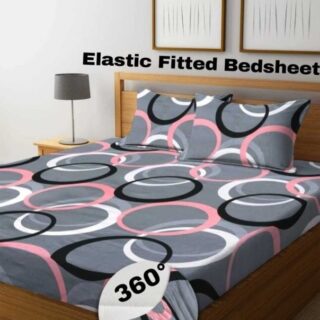 Home Garage 210 TC Cotton King Floral Fitted (Elastic) Bedsheet(Pack of 1, Grey)
Original price was: ₹999.00.₹299.00Current price is: ₹299.00.
Home Garage 210 TC Cotton King Floral Fitted (Elastic) Bedsheet(Pack of 1, Grey)
Original price was: ₹999.00.₹299.00Current price is: ₹299.00.
-
 Goodrik 140 TC Cotton Double 3D Printed Flat Bedsheet(Pack of 1, Brown)
Original price was: ₹499.00.₹229.00Current price is: ₹229.00.
Goodrik 140 TC Cotton Double 3D Printed Flat Bedsheet(Pack of 1, Brown)
Original price was: ₹499.00.₹229.00Current price is: ₹229.00.
-
 GLOBALSHOP 350 TC Microfiber Double Floral Flat Bedsheet(Pack of 1, Multicolor)
Original price was: ₹1,250.00.₹263.00Current price is: ₹263.00.
GLOBALSHOP 350 TC Microfiber Double Floral Flat Bedsheet(Pack of 1, Multicolor)
Original price was: ₹1,250.00.₹263.00Current price is: ₹263.00.
-
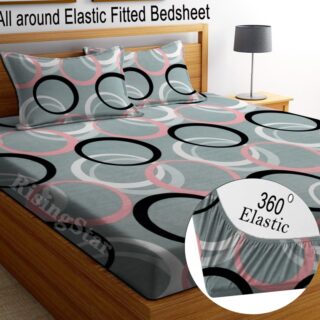 RisingStar 250 TC Microfiber King Printed Fitted (Elastic) Bedsheet(Pack of 1, FITTED-ROUND-CIRCLES-PREMIUM)
Original price was: ₹2,299.00.₹299.00Current price is: ₹299.00.
RisingStar 250 TC Microfiber King Printed Fitted (Elastic) Bedsheet(Pack of 1, FITTED-ROUND-CIRCLES-PREMIUM)
Original price was: ₹2,299.00.₹299.00Current price is: ₹299.00.
-
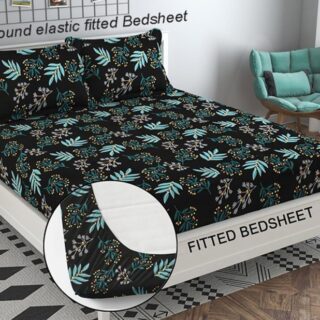 Home Garage 210 TC Cotton King Floral Fitted (Elastic) Bedsheet(Pack of 1, Fitted Black Green)
Original price was: ₹1,299.00.₹299.00Current price is: ₹299.00.
Home Garage 210 TC Cotton King Floral Fitted (Elastic) Bedsheet(Pack of 1, Fitted Black Green)
Original price was: ₹1,299.00.₹299.00Current price is: ₹299.00.
-
 Home Garage 180 TC Cotton King 3D Printed Flat Bedsheet(Pack of 1, White)
Original price was: ₹999.00.₹229.00Current price is: ₹229.00.
Home Garage 180 TC Cotton King 3D Printed Flat Bedsheet(Pack of 1, White)
Original price was: ₹999.00.₹229.00Current price is: ₹229.00.
-
 Panipat Textile Hub 152.4 cm (5 ft) Polyester Window Curtain (Pack Of 2)(Solid, Aqua)
Original price was: ₹1,899.00.₹299.00Current price is: ₹299.00.
Panipat Textile Hub 152.4 cm (5 ft) Polyester Window Curtain (Pack Of 2)(Solid, Aqua)
Original price was: ₹1,899.00.₹299.00Current price is: ₹299.00.
-
 Home Sizzler 214 cm (7 ft) Polyester Semi Transparent Door Curtain (Pack Of 2)(Floral, Maroon)
Original price was: ₹1,199.00.₹399.00Current price is: ₹399.00.
Home Sizzler 214 cm (7 ft) Polyester Semi Transparent Door Curtain (Pack Of 2)(Floral, Maroon)
Original price was: ₹1,199.00.₹399.00Current price is: ₹399.00.
-
 Home Sizzler 153 cm (5 ft) Polyester Room Darkening Window Curtain (Pack Of 2)(Floral, Brown)
Original price was: ₹799.00.₹299.00Current price is: ₹299.00.
Home Sizzler 153 cm (5 ft) Polyester Room Darkening Window Curtain (Pack Of 2)(Floral, Brown)
Original price was: ₹799.00.₹299.00Current price is: ₹299.00.
-
 Stella Creations 214 cm (7 ft) Polyester Room Darkening Door Curtain (Pack Of 2)(Abstract, Brown)
Original price was: ₹1,299.00.₹449.00Current price is: ₹449.00.
Stella Creations 214 cm (7 ft) Polyester Room Darkening Door Curtain (Pack Of 2)(Abstract, Brown)
Original price was: ₹1,299.00.₹449.00Current price is: ₹449.00.
-
 Homefab India 152.5 cm (5 ft) Polyester Room Darkening Window Curtain (Pack Of 2)(Floral, Light Blue)
Original price was: ₹1,199.00.₹319.00Current price is: ₹319.00.
Homefab India 152.5 cm (5 ft) Polyester Room Darkening Window Curtain (Pack Of 2)(Floral, Light Blue)
Original price was: ₹1,199.00.₹319.00Current price is: ₹319.00.
-
 Urban Home 214 cm (7 ft) PVC Transparent Door Curtain Single Curtain(Solid, Off White)
Original price was: ₹699.00.₹203.00Current price is: ₹203.00.
Urban Home 214 cm (7 ft) PVC Transparent Door Curtain Single Curtain(Solid, Off White)
Original price was: ₹699.00.₹203.00Current price is: ₹203.00.
-
 Panipat Textile Hub 213 cm (7 ft) Polyester Door Curtain (Pack Of 2)(Solid, Brown)
Original price was: ₹1,199.00.₹349.00Current price is: ₹349.00.
Panipat Textile Hub 213 cm (7 ft) Polyester Door Curtain (Pack Of 2)(Solid, Brown)
Original price was: ₹1,199.00.₹349.00Current price is: ₹349.00.
-
 Home Sizzler 214 cm (7 ft) Polyester Semi Transparent Door Curtain (Pack Of 2)(Floral, Brown)
Original price was: ₹999.00.₹349.00Current price is: ₹349.00.
Home Sizzler 214 cm (7 ft) Polyester Semi Transparent Door Curtain (Pack Of 2)(Floral, Brown)
Original price was: ₹999.00.₹349.00Current price is: ₹349.00.
-
 Panipat Textile Hub 213 cm (7 ft) Polyester Semi Transparent Door Curtain (Pack Of 2)(Floral, Brown)
Original price was: ₹899.00.₹299.00Current price is: ₹299.00.
Panipat Textile Hub 213 cm (7 ft) Polyester Semi Transparent Door Curtain (Pack Of 2)(Floral, Brown)
Original price was: ₹899.00.₹299.00Current price is: ₹299.00.
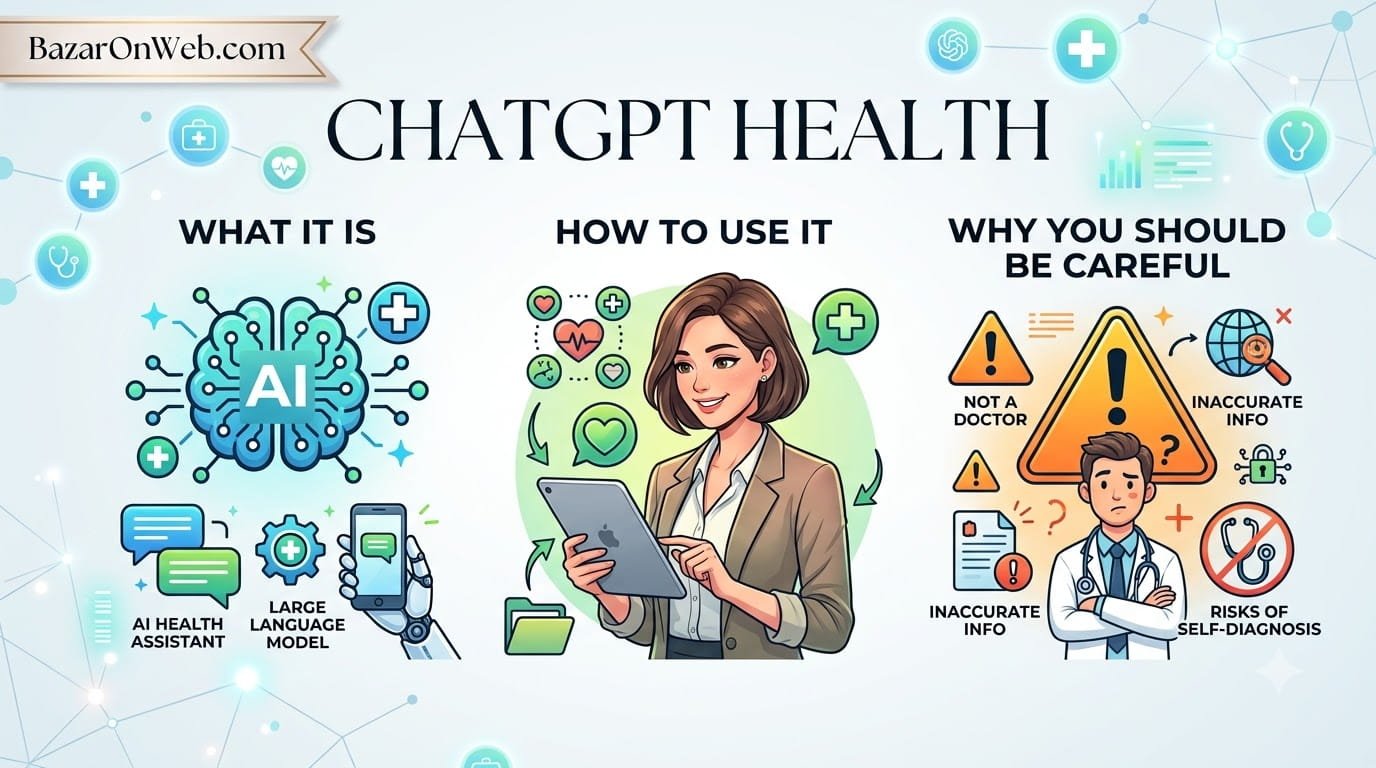
⚠️ CRITICAL HEALTH DISCLAIMER ⚠️
THIS IS NOT MEDICAL ADVICE. CHATGPT HEALTH IS NOT A MEDICAL PROFESSIONAL, DOCTOR, OR SUBSTITUTE FOR PROFESSIONAL MEDICAL CARE.
ChatGPT Health is an AI tool. It is not trained to diagnose medical conditions, prescribe medications, or provide personalized medical treatment. It cannot replace:
- Licensed physicians and medical professionals
- Emergency medical services
- Mental health professionals
- Specialized medical consultations
- Prescription medical guidance
DO NOT use ChatGPT Health to:
- Diagnose medical conditions
- Make treatment decisions without consulting a doctor
- Replace prescribed medications or medical advice
- Treat emergencies (call 911 or seek immediate medical attention)
- Make mental health decisions without professional guidance
If you have a medical emergency, severe symptoms, or need medical advice, contact your doctor, visit an emergency room, or call 911 immediately. Do not rely on ChatGPT Health.
Privacy and data security concerns: Any health information you share with ChatGPT is subject to OpenAI’s privacy policies. Understand that sharing health information with any AI system carries privacy risks. Health information is sensitive. Consider carefully before entering personal medical data into any online system.
AI accuracy limitations: ChatGPT can make mistakes, provide outdated information, or misunderstand medical context. AI is not infallible. Health decisions based solely on AI guidance are potentially dangerous.
This article is educational only. It describes what ChatGPT Health is and how people use it. It is not an endorsement of using ChatGPT Health for medical decisions, nor is it medical advice of any kind.
Proceed with extreme caution. Your health is too important to trust solely to an AI system.
Understanding ChatGPT Health: What It Actually Is
ChatGPT Health is a feature within ChatGPT that allows you to store and organize your health information in one place. It’s not a medical diagnostic tool. It’s not a replacement for doctors. It’s information storage and a conversation partner for understanding health information you already have.
Think of it as a digital health notebook that ChatGPT can reference and discuss with you. You can upload documents—lab results, medical records, prescription lists, allergy information. ChatGPT can then reference this information when you ask questions about your health.
The feature launched in 2024 as OpenAI’s attempt to make health information management more accessible and to help users organize medical information that’s often scattered across different providers, insurance companies, and personal records.
But accessibility doesn’t equal medical expertise. ChatGPT is a language model, not a medical AI system. It doesn’t have medical training. It doesn’t have access to your complete medical history the way your doctor does. It can’t examine you. It can’t order tests. It can’t provide diagnosis or treatment.
What ChatGPT Health Can Actually Do
Understanding realistic capabilities prevents misuse.
Information organization: You can store your health documents in one place. Lab results, prescriptions, appointment notes, allergy information. It’s searchable and organized.
Information summarization: ChatGPT can read your medical documents and provide summaries. Instead of reading a 10-page medical report, ChatGPT can extract key information.
Question answering about your records: You can ask ChatGPT questions about information in your records. “What was my blood pressure reading last month?” “Am I currently taking any blood thinners?” ChatGPT can reference your stored information to answer.
General health information: ChatGPT can provide general educational information about conditions, medications, or health topics. This is publicly available information, not personalized medical advice.
Preparation for doctor visits: You can use ChatGPT to organize your health information and prepare questions before appointments with actual doctors.
What ChatGPT Health Absolutely Cannot Do
This is crucial to understand.
Diagnosis: ChatGPT cannot diagnose conditions. If you have symptoms, ChatGPT cannot tell you what disease or condition you have. Only doctors can diagnose.
Treatment recommendations: ChatGPT cannot recommend treatments, medications, or procedures. Only licensed medical professionals can do this.
Medication advice: ChatGPT cannot adjust your medications, recommend dosages, or determine drug interactions for you. Your pharmacist and doctor do this.
Emergency care: ChatGPT cannot provide emergency medical care guidance. In emergencies, call 911.
Mental health treatment: ChatGPT cannot treat depression, anxiety, or other mental health conditions. Mental health professionals are required.
Personalized medical decisions: ChatGPT cannot tell you what medical decisions are right for you personally. These require consultation with your actual healthcare team.
Replacement for professional care: ChatGPT is not a substitute for doctors, specialists, nurses, pharmacists, or any licensed healthcare professional.
How People Use ChatGPT Health (And Why They Shouldn’t Use It Wrong)
People have found legitimate uses for ChatGPT Health information organization. But they’ve also misused it dangerously.
Good uses:
- Organizing scattered medical records into one place
- Understanding technical medical terms in your records
- Preparing for doctor appointments by reviewing your health history
- Tracking medications and allergies
- Understanding general information about your conditions
Dangerous misuses:
- Replacing doctor consultation with ChatGPT consultation
- Using ChatGPT diagnosis instead of seeing a doctor
- Adjusting medications based on ChatGPT suggestions
- Avoiding professional mental health care by relying on ChatGPT
- Making treatment decisions based on AI advice alone
The second list is where people get hurt. Someone has symptoms, asks ChatGPT instead of going to a doctor, gets plausible-sounding but potentially wrong information, and delays actual medical care. That’s dangerous.
The Privacy Concerns You Need to Understand
Health information is extremely sensitive. Storing it with any online service carries risks.
Data security: OpenAI stores your health information on their servers. Any online system can theoretically be breached. Your health information could be exposed if OpenAI’s security is compromised.
Data usage: OpenAI’s privacy policy indicates they may use conversation data to improve their systems. Does this include your health information? Read OpenAI’s specific privacy policy carefully.
Third-party access: Your health information stored in ChatGPT might be accessible to OpenAI employees, contractors, or potentially law enforcement with appropriate legal requests.
No HIPAA protection: ChatGPT Health is not HIPAA-covered (HIPAA is the federal law protecting patient privacy in healthcare). Your information has less legal protection than information held by your doctor’s office.
Data permanence: Information stored online is difficult to completely delete. Your health information might persist longer than you expect.
Before entering any health information into ChatGPT Health, understand these privacy implications. Health information is personal. Consider whether the convenience of centralized storage is worth the privacy trade-offs.
When ChatGPT Health Might Actually Be Useful
Despite the warnings, there are legitimate uses.
Organizing records: If you have medical records scattered across multiple providers and insurance companies, centralizing them in one searchable place has value.
Preparation: Using ChatGPT to organize your health history before doctor appointments helps you have more productive conversations with your healthcare team.
Understanding terminology: If your doctor uses medical jargon you don’t understand, ChatGPT can explain what terms mean (though your doctor should also explain this).
General health education: Reading general information about conditions or medications from ChatGPT is fine as long as you don’t substitute it for professional advice.
Tracking patterns: If you track symptoms or health metrics, ChatGPT can help organize and identify patterns in your data.
These uses treat ChatGPT Health as a tool to support your actual healthcare, not replace it.
The Conversation You Should Be Having With Your Doctor
If you use ChatGPT Health, tell your doctor. This is important.
Your doctor needs to know what information you’re storing and what you’re discussing with ChatGPT. This context matters for your actual medical care.
Additionally, ask your doctor:
- “Is it okay if I use ChatGPT Health to organize my medical records?”
- “Should I share my specific health information with an AI system?”
- “What health information should remain private from AI systems?”
Your doctor can give personalized guidance based on your specific health situation.
Red Flags: When ChatGPT Health Usage Becomes Dangerous
Watch for warning signs you’re relying on ChatGPT Health inappropriately.
- You’re delaying medical appointments because you’re asking ChatGPT instead
- You’re adjusting medications based on ChatGPT suggestions without consulting your doctor
- You’re making treatment decisions based on what ChatGPT recommends
- You’re treating ChatGPT as your primary healthcare provider
- You’re entering intimate medical information you wouldn’t share with anyone else
- You’re avoiding mental health professionals because ChatGPT discussions feel sufficient
If any of these apply, you’re using ChatGPT Health incorrectly. Refocus on actual medical professionals.
The Realistic Take
ChatGPT Health is a tool. Like any tool, it’s useful for specific purposes and dangerous if misused.
It’s useful for organizing information. It’s useful for understanding terms. It’s useful for preparing for appointments.
It’s not useful for medical decisions. It’s not a substitute for doctors. It’s not appropriate for emergencies or serious symptoms.
The healthcare system is frustrating. Doctors are hard to reach. Insurance is confusing. Records are scattered. ChatGPT Health addresses some of these frustrations by organizing information in one place.
But it doesn’t address the fundamental need: actual professional medical care from licensed healthcare providers.
Use ChatGPT Health as an organizational tool. But please, please, actually see your doctor for medical decisions.
FINAL DISCLAIMER:
ChatGPT Health is not a medical service. It provides no medical guarantees. It cannot diagnose or treat disease. It cannot replace doctors, specialists, nurses, mental health professionals, or emergency medical services.
Health decisions based solely on ChatGPT guidance are your responsibility and your risk. Medical emergencies require immediate professional care, not AI consultation.
If you have health concerns, consult licensed medical professionals. Your actual doctors have access to your complete medical history, can examine you, and have medical training. ChatGPT does not.
Do not delay seeking professional medical care. Do not make treatment decisions without doctor consultation. Do not substitute AI for healthcare professionals under any circumstances.
Your health is too important for anything less than professional medical care.
About This Article:
This article describes ChatGPT Health and associated concerns. It is educational only. It is not medical advice. It is not an endorsement of ChatGPT Health for medical use. It is not medical guidance of any kind.
Any health concerns should be discussed with licensed medical professionals only.

- How to Remotely Control Another Computer Using Windows Quick Assist

- 5 Must-Have Electronics Gadgets for a More Comfortable Living Room

- How to Create a Windows 11 System Backup on an External Hard Drive

- 10 Smart Home Ideas That Make Everyday Life Easier

- Gemini Live Avatar: How to Talk to Gemini Face-to-Face

Products
-
![Apple Watch Ultra 3 [GPS + Cellular 49mm] Running & Multisport Smartwatch w/Rugged Titanium Case w/Black Titanium Milanese Loop - M. Satellite Communications, Advanced Health & Fitness Tracking](https://bazaronweb.com/retailstores/wp-content/uploads/2025/09/apple-watch-320x320.jpg) Apple Watch Ultra 3 [GPS + Cellular 49mm] Running & Multisport Smartwatch w/Rugged Titanium Case w/Black Titanium Milanese Loop - M. Satellite Communications, Advanced Health & Fitness Tracking
Apple Watch Ultra 3 [GPS + Cellular 49mm] Running & Multisport Smartwatch w/Rugged Titanium Case w/Black Titanium Milanese Loop - M. Satellite Communications, Advanced Health & Fitness Tracking
-
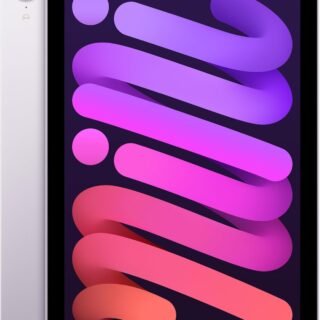 Apple iPad mini (A17 Pro): Apple Intelligence, 8.3-inch Liquid Retina Display, 256GB, Wi-Fi 6E, 12MP Front/12MP Back Camera, Touch ID, All-Day Battery Life — Purple
-
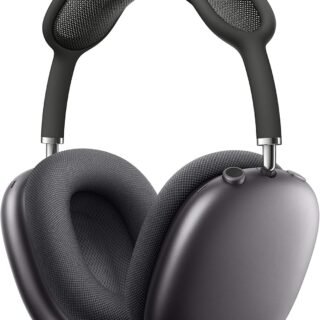 Apple AirPods Max Wireless Over-Ear Headphones, Active Noise Cancelling, Transparency Mode, Personalized Spatial Audio, Dolby Atmos, Bluetooth Headphones for iPhone – Space Gray
-
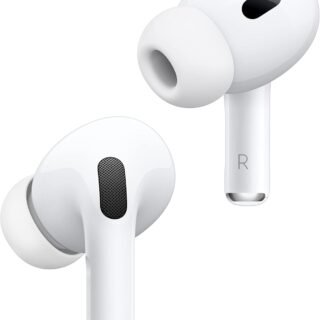 Apple AirPods Pro 2 Wireless Earbuds, Active Noise Cancellation, Hearing Aid Feature, Bluetooth Headphones, Transparency, Personalized Spatial Audio, High-Fidelity Sound, H2 Chip, USB-C Charging
-
Home Garage 210 TC Cotton King Floral Fitted (Elastic) Bedsheet(Pack of 1, Grey)
Original price was: ₹999.00.₹299.00Current price is: ₹299.00.
Leave a Reply