Discounted Products
-
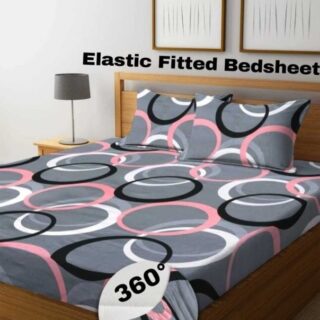 Home Garage 210 TC Cotton King Floral Fitted (Elastic) Bedsheet(Pack of 1, Grey)
Original price was: ₹999.00.₹299.00Current price is: ₹299.00.
Home Garage 210 TC Cotton King Floral Fitted (Elastic) Bedsheet(Pack of 1, Grey)
Original price was: ₹999.00.₹299.00Current price is: ₹299.00.
-
 Goodrik 140 TC Cotton Double 3D Printed Flat Bedsheet(Pack of 1, Brown)
Original price was: ₹499.00.₹229.00Current price is: ₹229.00.
Goodrik 140 TC Cotton Double 3D Printed Flat Bedsheet(Pack of 1, Brown)
Original price was: ₹499.00.₹229.00Current price is: ₹229.00.
-
 GLOBALSHOP 350 TC Microfiber Double Floral Flat Bedsheet(Pack of 1, Multicolor)
Original price was: ₹1,250.00.₹263.00Current price is: ₹263.00.
GLOBALSHOP 350 TC Microfiber Double Floral Flat Bedsheet(Pack of 1, Multicolor)
Original price was: ₹1,250.00.₹263.00Current price is: ₹263.00.
-
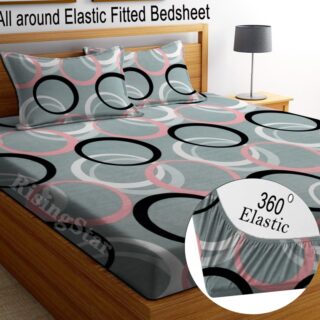 RisingStar 250 TC Microfiber King Printed Fitted (Elastic) Bedsheet(Pack of 1, FITTED-ROUND-CIRCLES-PREMIUM)
Original price was: ₹2,299.00.₹299.00Current price is: ₹299.00.
RisingStar 250 TC Microfiber King Printed Fitted (Elastic) Bedsheet(Pack of 1, FITTED-ROUND-CIRCLES-PREMIUM)
Original price was: ₹2,299.00.₹299.00Current price is: ₹299.00.
-
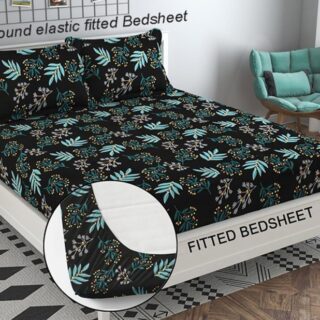 Home Garage 210 TC Cotton King Floral Fitted (Elastic) Bedsheet(Pack of 1, Fitted Black Green)
Original price was: ₹1,299.00.₹299.00Current price is: ₹299.00.
Home Garage 210 TC Cotton King Floral Fitted (Elastic) Bedsheet(Pack of 1, Fitted Black Green)
Original price was: ₹1,299.00.₹299.00Current price is: ₹299.00.
-
 Home Garage 180 TC Cotton King 3D Printed Flat Bedsheet(Pack of 1, White)
Original price was: ₹999.00.₹229.00Current price is: ₹229.00.
Home Garage 180 TC Cotton King 3D Printed Flat Bedsheet(Pack of 1, White)
Original price was: ₹999.00.₹229.00Current price is: ₹229.00.
-
 Panipat Textile Hub 152.4 cm (5 ft) Polyester Window Curtain (Pack Of 2)(Solid, Aqua)
Original price was: ₹1,899.00.₹299.00Current price is: ₹299.00.
Panipat Textile Hub 152.4 cm (5 ft) Polyester Window Curtain (Pack Of 2)(Solid, Aqua)
Original price was: ₹1,899.00.₹299.00Current price is: ₹299.00.
-
 Home Sizzler 214 cm (7 ft) Polyester Semi Transparent Door Curtain (Pack Of 2)(Floral, Maroon)
Original price was: ₹1,199.00.₹399.00Current price is: ₹399.00.
Home Sizzler 214 cm (7 ft) Polyester Semi Transparent Door Curtain (Pack Of 2)(Floral, Maroon)
Original price was: ₹1,199.00.₹399.00Current price is: ₹399.00.
-
 Home Sizzler 153 cm (5 ft) Polyester Room Darkening Window Curtain (Pack Of 2)(Floral, Brown)
Original price was: ₹799.00.₹299.00Current price is: ₹299.00.
Home Sizzler 153 cm (5 ft) Polyester Room Darkening Window Curtain (Pack Of 2)(Floral, Brown)
Original price was: ₹799.00.₹299.00Current price is: ₹299.00.
-
 Stella Creations 214 cm (7 ft) Polyester Room Darkening Door Curtain (Pack Of 2)(Abstract, Brown)
Original price was: ₹1,299.00.₹449.00Current price is: ₹449.00.
Stella Creations 214 cm (7 ft) Polyester Room Darkening Door Curtain (Pack Of 2)(Abstract, Brown)
Original price was: ₹1,299.00.₹449.00Current price is: ₹449.00.
-
 Homefab India 152.5 cm (5 ft) Polyester Room Darkening Window Curtain (Pack Of 2)(Floral, Light Blue)
Original price was: ₹1,199.00.₹319.00Current price is: ₹319.00.
Homefab India 152.5 cm (5 ft) Polyester Room Darkening Window Curtain (Pack Of 2)(Floral, Light Blue)
Original price was: ₹1,199.00.₹319.00Current price is: ₹319.00.
-
 Urban Home 214 cm (7 ft) PVC Transparent Door Curtain Single Curtain(Solid, Off White)
Original price was: ₹699.00.₹203.00Current price is: ₹203.00.
Urban Home 214 cm (7 ft) PVC Transparent Door Curtain Single Curtain(Solid, Off White)
Original price was: ₹699.00.₹203.00Current price is: ₹203.00.
-
 Panipat Textile Hub 213 cm (7 ft) Polyester Door Curtain (Pack Of 2)(Solid, Brown)
Original price was: ₹1,199.00.₹349.00Current price is: ₹349.00.
Panipat Textile Hub 213 cm (7 ft) Polyester Door Curtain (Pack Of 2)(Solid, Brown)
Original price was: ₹1,199.00.₹349.00Current price is: ₹349.00.
-
 Home Sizzler 214 cm (7 ft) Polyester Semi Transparent Door Curtain (Pack Of 2)(Floral, Brown)
Original price was: ₹999.00.₹349.00Current price is: ₹349.00.
Home Sizzler 214 cm (7 ft) Polyester Semi Transparent Door Curtain (Pack Of 2)(Floral, Brown)
Original price was: ₹999.00.₹349.00Current price is: ₹349.00.
-
 Panipat Textile Hub 213 cm (7 ft) Polyester Semi Transparent Door Curtain (Pack Of 2)(Floral, Brown)
Original price was: ₹899.00.₹299.00Current price is: ₹299.00.
Panipat Textile Hub 213 cm (7 ft) Polyester Semi Transparent Door Curtain (Pack Of 2)(Floral, Brown)
Original price was: ₹899.00.₹299.00Current price is: ₹299.00.

Hey, it’s Jessica.
There’s a special kind of panic that hits when you sit down at your computer, type your password… and Windows says your account is locked.
Maybe you mistyped your password too many times.
Maybe your PIN suddenly stopped working.
Maybe Windows says “This account has been locked due to too many failed sign-in attempts.”
Or worse — you see a message about contacting your system administrator.
If this is your personal laptop, that message can feel incredibly confusing.
Take a breath.
In most cases, being locked out of Windows 11 is fixable. You don’t need to wipe your computer. You don’t need to lose your files. And you usually don’t need advanced technical skills.
In this guide, I’ll walk you step by step through how to unlock a locked-out Windows 11 account, whether you’re using a Microsoft account or a local account. We’ll go calmly, clearly, and safely.
Let’s fix this.
First: Understand Why Windows 11 Locks Accounts
Windows 11 locks accounts for security reasons.
Common triggers include:
-
Too many incorrect password attempts
-
Too many incorrect PIN attempts
-
Suspicious sign-in activity
-
Account policy restrictions (especially on work devices)
-
Corrupted user profile
-
Microsoft account security flag
If you’re on a company device, some lockouts may require IT support. But if this is your personal laptop or home PC, you can usually resolve it yourself.
The solution depends on the type of account you’re using.
Let’s start there.
Step 1: Identify What Type of Account You Have
On the login screen, look carefully.
Do you see:
-
An email address (like Outlook, Hotmail, Gmail)?
That means you’re using a Microsoft account.
Or do you see:
-
Just a username without an email?
That means you’re using a Local account.
This matters because the recovery steps are different.
If You’re Using a Microsoft Account
This is the most common setup in Windows 11.
If you see a message saying:
“This account has been locked” or “Too many failed attempts,” here’s what to do.
Method 1: Wait 30 Minutes (Simple Lockout)
Sometimes Windows temporarily locks the account for 30 minutes after repeated failed attempts.
If that’s the case:
-
Stop trying to log in.
-
Wait 30 minutes.
-
Restart the PC.
-
Try again carefully.
Make sure:
-
Caps Lock is off.
-
Keyboard layout is correct (US vs UK can change symbols).
-
You’re not confusing password with PIN.
If it still fails, move to password reset.
Method 2: Reset Your Microsoft Account Password
This works in most cases.
On another device (phone or tablet):
-
Click Sign In.
-
Click Forgot password?
-
Follow verification steps:
-
Email verification
-
SMS code
-
Authenticator app
-
Create a new password.
Important:
Wait 5–10 minutes after resetting before trying again on your PC.
Then:
-
Restart your Windows 11 computer.
-
Enter the new password.
-
Sign in.
If you’re using a PIN, you may need to enter the new password once before PIN works again.
If Your PIN Is Locked But Password Works
Sometimes Windows says:
“Your PIN is unavailable.”
This is different from a password lock.
Here’s what to do:
-
Click Sign-in options.
-
Choose Password instead of PIN.
-
Log in using your Microsoft password.
Once inside Windows:
-
Go to Settings → Accounts → Sign-in options.
-
Remove your current PIN.
-
Add a new PIN.
PIN issues are often caused by corrupted local security files, not account lockouts.
If You’re Using a Local Account
Local accounts don’t connect to Microsoft’s servers.
If you’re locked out of a local account, recovery depends on whether you set security questions.
Method 1: Use Security Questions
On the login screen:
-
Click Reset password.
-
Answer the security questions.
-
Create a new password.
If you answer correctly, access is restored immediately.
If you forgot security answers, continue below.
Method 2: Use Another Administrator Account
If another admin account exists on the same PC:
-
Log into that account.
-
Go to Settings → Accounts → Other Users.
-
Select the locked account.
-
Reset its password.
This is the cleanest local recovery method.
If there is no other admin account, we move into advanced recovery.
Advanced Recovery Methods (When Standard Fixes Fail)
If you’re completely locked out and none of the basic methods work, don’t panic.
You still have options.
Method 3: Use Windows Recovery Environment (Safe Reset Without Losing Files)
-
On login screen, click Power icon.
-
Hold Shift.
-
Click Restart.
Your PC will boot into Advanced Startup.
Choose:
Troubleshoot → Reset this PC → Keep my files
This reinstalls Windows but preserves personal files.
Important:
It removes apps, but your documents and photos stay safe.
This is a powerful recovery option if the account is corrupted.
Method 4: Enable Hidden Administrator Account (Advanced Users Only)
Windows has a built-in hidden Administrator account.
From Windows Recovery Command Prompt, advanced users can enable it.
This requires:
-
Booting into Advanced Startup
-
Opening Command Prompt
-
Using administrative commands
If you’re not comfortable with command-line tools, the Reset option is safer.
If This Is a Work or School Device
If your Windows 11 device is managed by:
-
A company
-
A school
-
An organization
Account lockouts may be enforced by domain policies.
In this case:
You must contact your IT administrator.
Repeated attempts may extend the lockout period.
Do not keep guessing passwords.
Common Reasons Windows 11 Lockouts Happen
Understanding prevention is important.
Frequent causes include:
-
Password manager auto-filling incorrect password
-
Caps Lock accidentally on
-
External keyboard sending wrong input
-
Keyboard layout mismatch
-
Changing Microsoft password on phone but not updating PC
-
Child or family member attempting sign-in multiple times
Even facial recognition or fingerprint failures can trigger PIN lockouts after repeated attempts.
Prevent Future Lockouts
Once you regain access, do this immediately:
-
Go to Settings → Accounts → Sign-in options.
-
Add multiple sign-in methods:
-
Password
-
PIN
-
Fingerprint
-
Face recognition
-
Also:
-
Add recovery email and phone number to Microsoft account.
-
Use a password manager.
-
Avoid repeatedly guessing passwords.
Security lockouts protect you — but they can be inconvenient if you’re not prepared.
Important: Avoid Risky Third-Party Unlock Tools
You may see software online claiming:
“Unlock Windows password instantly!”
Be careful.
Many are:
-
Paid scams
-
Malware-infected
-
Risky system modifiers
Stick to official Microsoft recovery options whenever possible.
When You Should Worry
You should seek professional help if:
-
You see BitLocker recovery key requests.
-
The account says it’s disabled by administrator.
-
You suspect hacking.
-
Multiple unknown login attempts occurred.
For Microsoft accounts, check:
https://account.microsoft.com/security
Review recent activity.
If suspicious activity exists, secure the account immediately.
Final Thoughts Before We Continue
Getting locked out of Windows 11 feels stressful — especially if your work files are inside.
But in most cases, the fix is straightforward:
-
Wait out temporary lock
-
Reset Microsoft password
-
Switch from PIN to password
-
Use security questions
-
Reset Windows while keeping files
Account lockouts are security features — not system failures.
With calm steps and the right recovery method, you can regain access safely.
In the next section, we’ll go deeper into advanced account recovery scenarios, BitLocker key recovery, command-line fixes, and what to do if your device shows administrator-only lock messages.
Stay with me — we’ll cover everything thoroughly.
Now let’s go deeper into the more complex situations — the ones that cause real stress. These include BitLocker recovery screens, administrator lock messages, corrupted user profiles, and cases where even password reset doesn’t seem to work.
If you’re here, take a breath. Even advanced lockouts can be resolved.
When Windows 11 Asks for a BitLocker Recovery Key
One of the scariest screens you can see says something like:
“Enter the recovery key to get going again.”
This happens if:
-
Hardware changed (like BIOS update)
-
Too many failed login attempts triggered security
-
TPM security module detected unusual behavior
-
Secure Boot settings changed
Important:
This does NOT mean your files are gone.
BitLocker is encryption — it protects your data.
How to Find Your BitLocker Recovery Key
If you use a Microsoft account:
-
On another device, go to:
https://account.microsoft.com/devices/recoverykey -
Sign in with your Microsoft account.
-
Look for your device name.
-
Copy the 48-digit recovery key.
-
Enter it on the locked PC.
If your device is from work or school:
Contact IT support immediately.
If you never backed up the recovery key and cannot access it, unfortunately the only option may be a full reset — which erases data. This is why Microsoft strongly recommends saving that key during setup.
If Windows Says “Your Account Has Been Disabled”
This message is different from a lockout.
It often appears if:
-
Administrator disabled the account
-
User profile became corrupted
-
Security policies were applied
-
Malware modified account permissions
If this is a personal PC, here’s what you can try.
Boot into Safe Mode
-
On login screen, click Power.
-
Hold Shift and click Restart.
-
Choose Troubleshoot → Advanced Options → Startup Settings.
-
Click Restart.
-
Select Safe Mode.
If Safe Mode allows login, the problem is likely a corrupted profile or software conflict.
From there you can:
-
Create a new user account.
-
Transfer files.
-
Delete the corrupted profile.
Create a New Administrator Account (Recovery Method)
If your main profile is corrupted but Windows still boots:
-
Enter Advanced Startup.
-
Open Command Prompt.
-
Type:
Then:
Restart.
You should now see a new admin account on the login screen.
Log in and access your files from:
C:\Users\YourOldUsername
This method bypasses profile corruption without wiping your PC.
If Microsoft Account Password Reset Doesn’t Work
Sometimes after resetting online, Windows still refuses login.
Try this:
-
Disconnect from Wi-Fi.
-
Restart PC.
-
Try logging in with the OLD password.
Why?
If Windows hasn’t synced yet, it may still recognize the previous cached password.
If that fails:
-
Reconnect to Wi-Fi.
-
Restart again.
-
Use the new password.
Microsoft account sync delays can cause confusion.
If You See “The User Profile Service Failed the Sign-In”
This usually means profile corruption.
Solution:
Boot into Safe Mode and:
-
Open Registry Editor.
-
Navigate to:
Look for duplicate profile entries ending in .bak.
Renaming or correcting these can restore the profile.
If that feels too technical, creating a new user account is safer.
What If You Forgot Both PIN and Password?
If you forgot both and security questions fail:
Best safe method:
Advanced Startup → Reset this PC → Keep my files
This removes accounts but preserves personal files.
After reset:
-
Create a new account.
-
Reinstall apps.
-
Restore access to files.
It’s not ideal, but it avoids total data loss.
Recovering Files Before Full Reset
If you’re worried about losing files:
Boot into Advanced Startup → Command Prompt
From there, you can:
-
Plug in a USB drive.
-
Copy files manually from C:\Users\
Or use:
Advanced Startup → Troubleshoot → Advanced Options → System Image Recovery (if backup exists).
Always prioritize file backup before major resets.
When You Suspect Hacking
If lockout followed suspicious behavior:
-
Reset Microsoft password immediately.
-
Enable two-factor authentication.
-
Check account activity:
https://account.microsoft.com/security
Also run Windows Defender scan once you regain access.
If ransomware or malware is suspected, avoid entering passwords repeatedly.
Prevent Future Windows 11 Lockouts
Once you regain access, set yourself up properly.
Do this immediately:
-
Add alternate sign-in methods:
-
Password
-
PIN
-
Fingerprint
-
Face recognition
-
-
Add recovery email and phone number.
-
Save BitLocker recovery key:
Settings → Privacy & Security → Device Encryption. -
Create a second local admin account for backup access.
-
Use a password manager to avoid mistyped entries.
Preparation prevents panic later.
The Calm Approach to Windows Lockouts
Account lockouts feel intense because your entire digital life sits behind that login screen.
But most Windows 11 lockouts fall into one of these categories:
-
Temporary security lock
-
Microsoft account password issue
-
PIN corruption
-
Profile corruption
-
BitLocker verification
-
Administrator restriction
Each has a solution.
The key is not guessing passwords repeatedly — that only extends the lockout.
Instead:
Identify the account type.
Use official recovery tools.
Escalate gradually.
Protect your files first.
Conclusion
Being locked out of Windows 11 is stressful — but rarely catastrophic.
Most users regain access by:
-
Resetting Microsoft password
-
Switching from PIN to password
-
Using security questions
-
Waiting out temporary lockouts
-
Creating a new admin account
-
Recovering BitLocker key
-
Resetting Windows while keeping files
Windows 11 lockouts are security features, not system failures.
With structured troubleshooting and calm steps, access can almost always be restored safely.
And once you’re back in, setting up backup recovery methods ensures you never face the same panic again.
Disclaimer
This guide is for informational purposes only. Advanced recovery steps such as registry editing or command-line access should be performed carefully. Always back up important data before resetting or modifying system configurations.

- How to Force Quit a Frozen App on MacBook: 7 Easy Ways to Close Unresponsive Apps
- Windows 10/11 Desktop Icons Disappeared: Why Your Desktop Is Empty and How to Get Your Icons Back

- How to Fix File Explorer Not Responding in Windows 11

- Windows Update “Undoing Changes” Error: Why Your Computer Gets Stuck and How to Actually Fix It

- How to Record High-Quality Sound on Mac: 8 Easy Methods

Products
-
![Apple Watch Ultra 3 [GPS + Cellular 49mm] Running & Multisport Smartwatch w/Rugged Titanium Case w/Black Titanium Milanese Loop - M. Satellite Communications, Advanced Health & Fitness Tracking](https://bazaronweb.com/retailstores/wp-content/uploads/2025/09/apple-watch-320x320.jpg) Apple Watch Ultra 3 [GPS + Cellular 49mm] Running & Multisport Smartwatch w/Rugged Titanium Case w/Black Titanium Milanese Loop - M. Satellite Communications, Advanced Health & Fitness Tracking
Apple Watch Ultra 3 [GPS + Cellular 49mm] Running & Multisport Smartwatch w/Rugged Titanium Case w/Black Titanium Milanese Loop - M. Satellite Communications, Advanced Health & Fitness Tracking
-
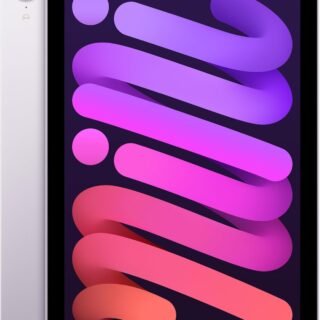 Apple iPad mini (A17 Pro): Apple Intelligence, 8.3-inch Liquid Retina Display, 256GB, Wi-Fi 6E, 12MP Front/12MP Back Camera, Touch ID, All-Day Battery Life — Purple
-
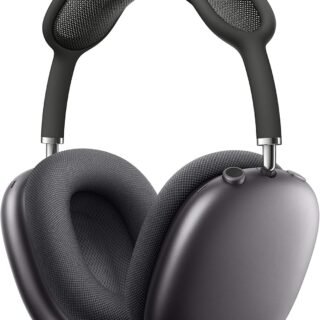 Apple AirPods Max Wireless Over-Ear Headphones, Active Noise Cancelling, Transparency Mode, Personalized Spatial Audio, Dolby Atmos, Bluetooth Headphones for iPhone – Space Gray
-
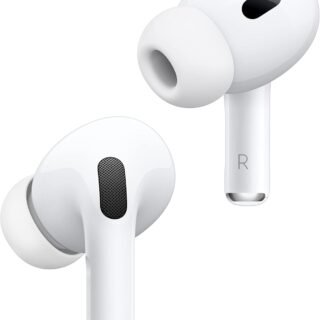 Apple AirPods Pro 2 Wireless Earbuds, Active Noise Cancellation, Hearing Aid Feature, Bluetooth Headphones, Transparency, Personalized Spatial Audio, High-Fidelity Sound, H2 Chip, USB-C Charging
-
Home Garage 210 TC Cotton King Floral Fitted (Elastic) Bedsheet(Pack of 1, Grey)
Original price was: ₹999.00.₹299.00Current price is: ₹299.00.
Leave a Reply