Discounted Products
-
 Home Garage 210 TC Cotton King Floral Fitted (Elastic) Bedsheet(Pack of 1, Grey)
Original price was: ₹999.00.₹299.00Current price is: ₹299.00.
Home Garage 210 TC Cotton King Floral Fitted (Elastic) Bedsheet(Pack of 1, Grey)
Original price was: ₹999.00.₹299.00Current price is: ₹299.00.
-
 Goodrik 140 TC Cotton Double 3D Printed Flat Bedsheet(Pack of 1, Brown)
Original price was: ₹499.00.₹229.00Current price is: ₹229.00.
Goodrik 140 TC Cotton Double 3D Printed Flat Bedsheet(Pack of 1, Brown)
Original price was: ₹499.00.₹229.00Current price is: ₹229.00.
-
 GLOBALSHOP 350 TC Microfiber Double Floral Flat Bedsheet(Pack of 1, Multicolor)
Original price was: ₹1,250.00.₹263.00Current price is: ₹263.00.
GLOBALSHOP 350 TC Microfiber Double Floral Flat Bedsheet(Pack of 1, Multicolor)
Original price was: ₹1,250.00.₹263.00Current price is: ₹263.00.
-
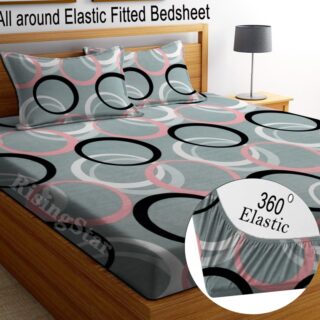 RisingStar 250 TC Microfiber King Printed Fitted (Elastic) Bedsheet(Pack of 1, FITTED-ROUND-CIRCLES-PREMIUM)
Original price was: ₹2,299.00.₹299.00Current price is: ₹299.00.
RisingStar 250 TC Microfiber King Printed Fitted (Elastic) Bedsheet(Pack of 1, FITTED-ROUND-CIRCLES-PREMIUM)
Original price was: ₹2,299.00.₹299.00Current price is: ₹299.00.
-
 Home Garage 210 TC Cotton King Floral Fitted (Elastic) Bedsheet(Pack of 1, Fitted Black Green)
Original price was: ₹1,299.00.₹299.00Current price is: ₹299.00.
Home Garage 210 TC Cotton King Floral Fitted (Elastic) Bedsheet(Pack of 1, Fitted Black Green)
Original price was: ₹1,299.00.₹299.00Current price is: ₹299.00.
-
 Home Garage 180 TC Cotton King 3D Printed Flat Bedsheet(Pack of 1, White)
Original price was: ₹999.00.₹229.00Current price is: ₹229.00.
Home Garage 180 TC Cotton King 3D Printed Flat Bedsheet(Pack of 1, White)
Original price was: ₹999.00.₹229.00Current price is: ₹229.00.
-
 Panipat Textile Hub 152.4 cm (5 ft) Polyester Window Curtain (Pack Of 2)(Solid, Aqua)
Original price was: ₹1,899.00.₹299.00Current price is: ₹299.00.
Panipat Textile Hub 152.4 cm (5 ft) Polyester Window Curtain (Pack Of 2)(Solid, Aqua)
Original price was: ₹1,899.00.₹299.00Current price is: ₹299.00.
-
 Home Sizzler 214 cm (7 ft) Polyester Semi Transparent Door Curtain (Pack Of 2)(Floral, Maroon)
Original price was: ₹1,199.00.₹399.00Current price is: ₹399.00.
Home Sizzler 214 cm (7 ft) Polyester Semi Transparent Door Curtain (Pack Of 2)(Floral, Maroon)
Original price was: ₹1,199.00.₹399.00Current price is: ₹399.00.
-
 Home Sizzler 153 cm (5 ft) Polyester Room Darkening Window Curtain (Pack Of 2)(Floral, Brown)
Original price was: ₹799.00.₹299.00Current price is: ₹299.00.
Home Sizzler 153 cm (5 ft) Polyester Room Darkening Window Curtain (Pack Of 2)(Floral, Brown)
Original price was: ₹799.00.₹299.00Current price is: ₹299.00.
-
 Stella Creations 214 cm (7 ft) Polyester Room Darkening Door Curtain (Pack Of 2)(Abstract, Brown)
Original price was: ₹1,299.00.₹449.00Current price is: ₹449.00.
Stella Creations 214 cm (7 ft) Polyester Room Darkening Door Curtain (Pack Of 2)(Abstract, Brown)
Original price was: ₹1,299.00.₹449.00Current price is: ₹449.00.
-
 Homefab India 152.5 cm (5 ft) Polyester Room Darkening Window Curtain (Pack Of 2)(Floral, Light Blue)
Original price was: ₹1,199.00.₹319.00Current price is: ₹319.00.
Homefab India 152.5 cm (5 ft) Polyester Room Darkening Window Curtain (Pack Of 2)(Floral, Light Blue)
Original price was: ₹1,199.00.₹319.00Current price is: ₹319.00.
-
 Urban Home 214 cm (7 ft) PVC Transparent Door Curtain Single Curtain(Solid, Off White)
Original price was: ₹699.00.₹203.00Current price is: ₹203.00.
Urban Home 214 cm (7 ft) PVC Transparent Door Curtain Single Curtain(Solid, Off White)
Original price was: ₹699.00.₹203.00Current price is: ₹203.00.
-
 Panipat Textile Hub 213 cm (7 ft) Polyester Door Curtain (Pack Of 2)(Solid, Brown)
Original price was: ₹1,199.00.₹349.00Current price is: ₹349.00.
Panipat Textile Hub 213 cm (7 ft) Polyester Door Curtain (Pack Of 2)(Solid, Brown)
Original price was: ₹1,199.00.₹349.00Current price is: ₹349.00.
-
 Home Sizzler 214 cm (7 ft) Polyester Semi Transparent Door Curtain (Pack Of 2)(Floral, Brown)
Original price was: ₹999.00.₹349.00Current price is: ₹349.00.
Home Sizzler 214 cm (7 ft) Polyester Semi Transparent Door Curtain (Pack Of 2)(Floral, Brown)
Original price was: ₹999.00.₹349.00Current price is: ₹349.00.
-
 Panipat Textile Hub 213 cm (7 ft) Polyester Semi Transparent Door Curtain (Pack Of 2)(Floral, Brown)
Original price was: ₹899.00.₹299.00Current price is: ₹299.00.
Panipat Textile Hub 213 cm (7 ft) Polyester Semi Transparent Door Curtain (Pack Of 2)(Floral, Brown)
Original price was: ₹899.00.₹299.00Current price is: ₹299.00.
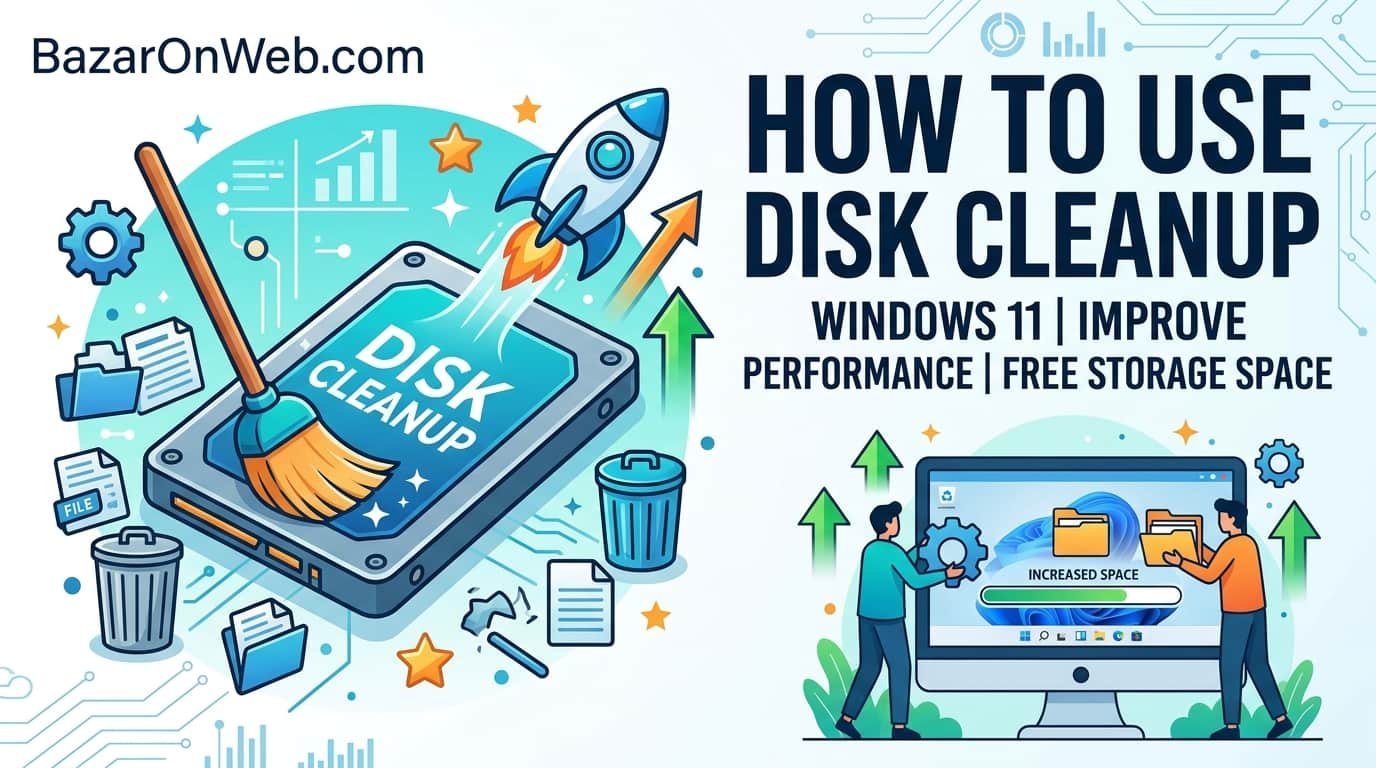
Hi, I’m Jessica, and I still remember the first time my laptop became painfully slow during an important work presentation. Apps were taking forever to open, files were lagging, and I kept getting annoying low-storage notifications. At first, I thought I needed a new computer, but after digging into the issue, I discovered that temporary files, cached data, and leftover system junk were consuming a massive amount of storage. That was when I started regularly using the built-in Disk Cleanup utility in Windows 11, and honestly, it made a noticeable difference almost immediately.
If your Windows 11 computer feels sluggish, freezes frequently, or constantly warns you about low disk space, the Disk Cleanup utility can be one of the easiest and safest ways to improve performance without installing third-party software. This built-in Microsoft tool helps remove unnecessary files such as temporary internet files, cached thumbnails, recycle bin items, delivery optimization files, and old Windows update leftovers that often consume valuable storage over time.
The best part is that Disk Cleanup is simple enough for beginners yet powerful enough to help optimize your PC’s overall health. Whether you use your computer for work, gaming, school, or everyday browsing, learning how to properly use Disk Cleanup can help extend your system’s lifespan and improve responsiveness. In this guide, I’ll walk you through everything you need to know about using Disk Cleanup Utility on Windows 11 effectively and safely.
What Is Disk Cleanup Utility in Windows 11
Disk Cleanup is a built-in Windows maintenance tool designed to help users remove unnecessary and temporary files from their computers. Over time, Windows creates various types of temporary data including update caches, downloaded program files, error reports, system logs, thumbnails, and temporary internet files. Although these files may serve a short-term purpose, they often remain on the computer long after they are needed, consuming valuable storage space.
In Windows 11, Disk Cleanup remains one of the simplest utilities for freeing up storage without affecting your personal files or installed applications. Many users ignore the amount of hidden junk data their systems accumulate daily. Even simple activities like browsing the internet, streaming media, installing software, or updating Windows can create gigabytes of temporary files. Eventually, this buildup may reduce system efficiency and contribute to slower performance.
The Disk Cleanup utility scans your selected drive and categorizes removable files so you can decide what should be deleted. It allows users to safely remove temporary files while avoiding important system components. One major advantage is that the tool is officially provided by Microsoft, which means it is safer than many third-party cleanup applications that may accidentally remove important data.
Windows 11 also integrates modern storage management features like Storage Sense, but Disk Cleanup still provides deeper manual control for users who want detailed cleanup options. Whether your PC has limited SSD storage or simply feels slower than usual, this utility remains an essential maintenance tool for improving storage management and overall performance.
Why Low Storage Space Affects Computer Performance
Many people assume slow computer performance is always caused by outdated hardware, but insufficient storage space is often a major hidden problem. Windows 11 relies heavily on available disk space for system operations, temporary processing, updates, virtual memory management, and application performance. When your storage drive becomes nearly full, your computer may struggle to perform everyday tasks efficiently.
Modern operating systems constantly create temporary working files while applications are running. Web browsers store cache files, editing software generates temporary project data, and Windows itself creates update and recovery files. If your storage becomes overcrowded, the system has less room to manage these processes effectively. This can lead to delayed startup times, freezing applications, slower file transfers, and overall laggy system behavior.
Another important factor is virtual memory. Windows uses part of your storage drive as virtual RAM when physical memory becomes limited. If your drive has very little free space, virtual memory performance decreases significantly, especially when multitasking. This is why computers often become extremely slow when storage is almost full, even if the processor and RAM are relatively powerful.
Low storage space can also affect Windows updates. Microsoft regularly releases security patches and feature updates that require temporary installation space. If there is not enough available storage, updates may fail or cause instability. Additionally, SSD drives perform best when they have sufficient free space for optimization and background management processes.
By regularly using Disk Cleanup to remove unnecessary files, you create more breathing room for Windows 11 to operate smoothly. This simple maintenance habit can help improve responsiveness, reduce lag, and support better long-term system stability.
How to Open Disk Cleanup Utility on Windows 11
Opening Disk Cleanup in Windows 11 is very simple, and there are multiple methods you can use depending on your preference. The easiest way is through the Windows search feature. Start by clicking the Start button or pressing the Windows key on your keyboard. Then type “Disk Cleanup” into the search bar. Once the utility appears in the search results, click on it to open the application.
After launching Disk Cleanup, Windows will ask you to select the drive you want to clean. In most cases, users choose the C: drive because that is where Windows and most applications are installed. Once selected, the utility scans the drive for removable files. This process may take a few minutes depending on your system speed and the amount of stored data.
Another method involves using the Run dialog box. Press Windows + R on your keyboard, type “cleanmgr,” and press Enter. This command directly launches the Disk Cleanup utility without needing to search manually. Advanced users often prefer this method because it is faster and convenient.
You can also access Disk Cleanup through File Explorer. Open “This PC,” right-click the drive you want to clean, and select “Properties.” Under the General tab, you will see a “Disk Cleanup” button. Clicking this launches the utility for the selected drive.
Regardless of which method you use, the tool functions the same way. Once opened, you will see categories of removable files along with the amount of storage space each category occupies. This allows you to review cleanup options carefully before deleting anything from your system.
Understanding the Different File Categories in Disk Cleanup
When Disk Cleanup finishes scanning your drive, it displays several categories of files that can potentially be removed. Understanding these categories is important because it helps you decide what is safe to delete and what you may want to keep. Fortunately, most categories listed by Disk Cleanup are generally safe for removal.
Temporary Files are among the most common categories. These are files created by applications or Windows during temporary operations. Normally, these files should delete automatically, but many remain stored over time. Removing them is usually completely safe and often frees a significant amount of space.
Recycle Bin files are another category. These are files you previously deleted but that still remain stored in the recycle bin. If you no longer need them, clearing the recycle bin can instantly recover storage space. However, users should double-check important deleted files before permanently removing them.
Thumbnail files are small image previews Windows creates for faster folder browsing. While deleting thumbnails is safe, Windows may regenerate them later. Delivery Optimization Files are created when Windows shares update data across devices. These files can consume large amounts of storage and are usually safe to remove.
System Error Memory Dump Files and Windows Error Reporting files are diagnostic logs created after crashes or errors. Regular users typically do not need these files unless troubleshooting advanced technical problems. Temporary Internet Files and DirectX Shader Cache files are also common cleanup options.
Windows Update Cleanup can sometimes free several gigabytes of storage by removing old update files no longer needed after successful installations. However, deleting these files may prevent rolling back certain updates. Most users who have stable systems can safely remove them to reclaim valuable space.
Step-by-Step Guide to Running Disk Cleanup
Using Disk Cleanup effectively involves more than simply opening the utility and clicking delete. Following the proper steps helps ensure you maximize storage recovery while avoiding accidental removal of useful files. The process is straightforward and suitable even for users with minimal technical experience.
Begin by opening Disk Cleanup using any of the methods available in Windows 11. Once prompted, select the drive you want to clean, which is usually the C: drive for most users. The utility will begin scanning the drive and identifying unnecessary files. Depending on your storage size, this may take a short while.
After the scan completes, you will see a list of file categories with corresponding checkboxes. Carefully review each category before selecting it. You can click on individual items to view descriptions explaining what the files are used for. This helps you make informed decisions during cleanup.
Select the categories you want to remove. Common safe selections include Temporary Files, Recycle Bin contents, Delivery Optimization Files, Temporary Internet Files, and Thumbnails. Once your selections are complete, click the “OK” button. Windows will then ask for confirmation before deletion begins.
For deeper cleanup, click “Clean up system files.” This option restarts the scan with administrator privileges and reveals additional categories such as Windows Update Cleanup and system logs. These files often consume large amounts of storage and can provide substantial space savings.
Once the cleanup process starts, avoid interrupting it. The deletion time depends on the amount of selected data. After completion, you may notice improved storage availability and smoother overall system performance, especially if your drive was previously close to full capacity.
Benefits of Regularly Using Disk Cleanup Utility
Regular use of Disk Cleanup can provide several important benefits beyond simply freeing storage space. Many users only run cleanup utilities when their computers become extremely slow, but performing maintenance consistently can help prevent major performance problems before they develop.
One of the biggest advantages is improved system responsiveness. Temporary files and unused system data gradually accumulate over time, especially on frequently used computers. Removing unnecessary files reduces storage clutter and allows Windows to access essential data more efficiently. This can improve startup times, application loading speeds, and overall navigation performance.
Another major benefit is enhanced storage management. Modern software, games, media files, and updates consume enormous amounts of space. By routinely clearing junk files, users maintain healthier storage levels and reduce the risk of running out of space unexpectedly. This is particularly important for laptops and devices with limited SSD capacity.
Disk Cleanup can also support smoother Windows updates. Feature updates and security patches require sufficient free space for installation. Systems with low storage often experience update failures, installation delays, or rollback problems. Maintaining free storage through regular cleanup reduces these risks significantly.
In addition, routine cleanup may help improve SSD efficiency. Solid-state drives perform best when enough free space is available for background optimization tasks like wear leveling and garbage collection. Keeping storage overly full can negatively affect long-term SSD performance.
Finally, using Disk Cleanup regularly encourages better digital organization habits. Many users become more aware of unnecessary downloads, outdated files, and unused data after monitoring storage usage. This leads to cleaner systems, more efficient file management, and a more stable Windows 11 experience overall.
Common Mistakes to Avoid While Using Disk Cleanup
Although Disk Cleanup is generally safe, users can still make mistakes if they rush through the process without understanding certain options. One common mistake is selecting every category blindly without reviewing file descriptions. While most cleanup items are harmless to remove, some categories may affect rollback features or cached data preferences.
For example, Windows Update Cleanup removes older update files used for uninstalling recent updates. If your system recently experienced issues after an update, you may want to delay deleting these files until you are confident the update is stable. Otherwise, rollback options may become unavailable.
Another common mistake involves assuming Disk Cleanup deletes personal files automatically. The utility primarily targets system-generated temporary data, but users should still review recycle bin contents before emptying them. Accidentally deleting important documents from the recycle bin can create unnecessary recovery challenges.
Interrupting the cleanup process midway is another issue some users encounter. Force-closing Disk Cleanup or shutting down the system during active deletion may leave temporary cleanup operations incomplete. It is always better to allow the process to finish naturally, especially during system file cleanup.
Many users also ignore larger storage problems after cleanup. Disk Cleanup is excellent for removing temporary clutter, but it cannot solve issues caused by enormous game installations, duplicate media collections, or unused software. Users should combine Disk Cleanup with broader storage management practices for best results.
Finally, some people install aggressive third-party cleaning applications unnecessarily. Many unofficial cleanup tools promise unrealistic performance boosts and may remove important registry entries or system files. Disk Cleanup is a reliable Microsoft-supported solution that provides safe maintenance without introducing additional risks to your Windows 11 computer.
Disk Cleanup vs Storage Sense in Windows 11
Windows 11 includes both Disk Cleanup and Storage Sense, which sometimes confuses users about which tool they should use. Although both utilities help manage storage, they function differently and serve slightly different purposes. Understanding their differences helps users choose the best approach for maintaining system performance.
Disk Cleanup is a traditional manual cleanup tool that gives users direct control over which file categories are removed. It allows detailed selection of temporary files, update leftovers, recycle bin contents, error reports, and other removable data. This manual control is especially useful for users who want to review cleanup options carefully before deletion.
Storage Sense, on the other hand, is a more automated feature integrated into Windows 11 Settings. It can automatically remove temporary files, empty the recycle bin after a set number of days, and manage downloaded files based on user preferences. Storage Sense works in the background and helps maintain storage health without requiring frequent manual intervention.
One major advantage of Disk Cleanup is deeper access to certain system cleanup categories, particularly Windows Update Cleanup and advanced system file removal. Some advanced cleanup options available in Disk Cleanup may not appear directly within Storage Sense settings.
However, Storage Sense is ideal for users who prefer convenience and automation. Once configured, it continuously helps prevent storage buildup without requiring regular manual action. Many users actually benefit from using both tools together. Disk Cleanup can handle periodic deep cleanups, while Storage Sense manages ongoing maintenance automatically.
By combining both features, Windows 11 users can maintain healthier storage levels, reduce clutter accumulation, and improve long-term system responsiveness with minimal effort.
Additional Tips to Improve Windows 11 Performance
While Disk Cleanup is extremely useful, combining it with other optimization practices can further improve Windows 11 performance. Many system slowdowns are caused by multiple small issues rather than a single problem, so a complete maintenance approach often produces the best results.
One helpful step is uninstalling unused applications. Many programs continue running background processes even when rarely used. Removing unnecessary software frees storage space and reduces startup load, improving boot times and overall responsiveness.
Managing startup programs is another effective optimization method. Some applications automatically launch during startup and consume valuable memory resources immediately after booting. Users can disable unnecessary startup apps through Task Manager to help Windows start faster and run more smoothly.
Keeping Windows 11 updated is equally important. Microsoft regularly releases performance improvements, security patches, and bug fixes that help stabilize system operations. Installing updates promptly ensures your computer benefits from the latest optimizations and compatibility improvements.
Running antivirus scans also supports system performance. Malware and unwanted software can significantly slow computers by consuming resources in the background. Windows Security, included with Windows 11, provides reliable built-in protection for most users.
Hardware maintenance matters as well. SSD upgrades, additional RAM, and proper ventilation can dramatically improve performance. Dust buildup inside desktops or laptops may cause overheating, which reduces processing efficiency and leads to lag.
Finally, restarting your computer regularly helps refresh system memory and background processes. Many users leave their computers running continuously for weeks, which can gradually reduce performance. Simple habits combined with Disk Cleanup can keep Windows 11 operating far more efficiently over time.
When You Should Run Disk Cleanup on Your Computer
Many users wonder how often they should use Disk Cleanup. The answer depends on how heavily the computer is used and the type of activities performed daily. Systems frequently used for gaming, media editing, downloading large files, or installing software tend to accumulate temporary data much faster than lightly used computers.
For average users, running Disk Cleanup once or twice per month is usually sufficient to maintain healthy storage levels. However, users working with large projects, frequent downloads, or extensive internet browsing may benefit from weekly cleanup sessions. Monitoring available storage space can help determine the ideal frequency.
There are also specific situations where running Disk Cleanup becomes especially important. If your computer suddenly feels slower than usual, startup times increase noticeably, or applications freeze more often, accumulated junk files may be contributing to the issue. Similarly, low-storage warnings are a clear sign that cleanup should be performed immediately.
Running Disk Cleanup after major Windows updates is another smart habit. Feature updates often leave behind old installation files and temporary setup data that consume several gigabytes of storage unnecessarily. Cleaning these leftovers can quickly restore valuable disk space.
Users preparing for software installations, gaming downloads, or backup operations should also run Disk Cleanup beforehand to ensure sufficient free storage is available. Preventive maintenance is always easier than troubleshooting severe storage problems later.
Ultimately, Disk Cleanup works best as part of a consistent maintenance routine rather than an emergency solution. Regular cleanup sessions help keep Windows 11 organized, efficient, and responsive while reducing the risk of performance-related frustrations over time.
Conclusion
Disk Cleanup Utility remains one of the most valuable built-in maintenance tools available in Windows 11. Despite the rise of newer automated storage features, this simple utility still provides reliable and effective cleanup options that help users remove unnecessary files, recover valuable storage space, and improve overall system responsiveness.
By understanding how Disk Cleanup works and using it regularly, users can prevent many common performance problems before they become severe. Temporary files, outdated update caches, recycle bin clutter, and unnecessary system data gradually accumulate on every computer. Without proper maintenance, these files can reduce efficiency, slow applications, and create storage-related issues that affect daily productivity.
The best part about Disk Cleanup is its simplicity. Whether you are a beginner or an experienced user, the utility offers an easy and safe way to optimize your computer without relying on risky third-party cleaning tools. Combined with healthy maintenance habits like updating Windows, managing startup apps, and monitoring storage usage, Disk Cleanup can help extend the life and performance of your Windows 11 system.
If your computer has been running slower lately or storage space keeps disappearing, now is the perfect time to use Disk Cleanup and give your PC the refresh it needs. Small maintenance routines performed consistently can make a surprisingly big difference in long-term performance and stability.
Disclaimer
This article is for informational and educational purposes only. Windows 11 features and Disk Cleanup options may vary depending on your device configuration, Windows version, and installed updates. Always review selected cleanup categories carefully before deleting files, especially system-related items. The author and publisher are not responsible for accidental data loss, system issues, or performance changes resulting from the use of Disk Cleanup or other optimization methods discussed in this article.






Products
-
![Apple Watch Ultra 3 [GPS + Cellular 49mm] Running & Multisport Smartwatch w/Rugged Titanium Case w/Black Titanium Milanese Loop - M. Satellite Communications, Advanced Health & Fitness Tracking](https://bazaronweb.com/retailstores/wp-content/uploads/2025/09/apple-watch-320x320.jpg) Apple Watch Ultra 3 [GPS + Cellular 49mm] Running & Multisport Smartwatch w/Rugged Titanium Case w/Black Titanium Milanese Loop - M. Satellite Communications, Advanced Health & Fitness Tracking
Apple Watch Ultra 3 [GPS + Cellular 49mm] Running & Multisport Smartwatch w/Rugged Titanium Case w/Black Titanium Milanese Loop - M. Satellite Communications, Advanced Health & Fitness Tracking
-
 Apple iPad mini (A17 Pro): Apple Intelligence, 8.3-inch Liquid Retina Display, 256GB, Wi-Fi 6E, 12MP Front/12MP Back Camera, Touch ID, All-Day Battery Life — Purple
-
 Apple AirPods Max Wireless Over-Ear Headphones, Active Noise Cancelling, Transparency Mode, Personalized Spatial Audio, Dolby Atmos, Bluetooth Headphones for iPhone – Space Gray
-
 Apple AirPods Pro 2 Wireless Earbuds, Active Noise Cancellation, Hearing Aid Feature, Bluetooth Headphones, Transparency, Personalized Spatial Audio, High-Fidelity Sound, H2 Chip, USB-C Charging
-
Home Garage 210 TC Cotton King Floral Fitted (Elastic) Bedsheet(Pack of 1, Grey)
Original price was: ₹999.00.₹299.00Current price is: ₹299.00.
Leave a Reply