Discounted Products
-
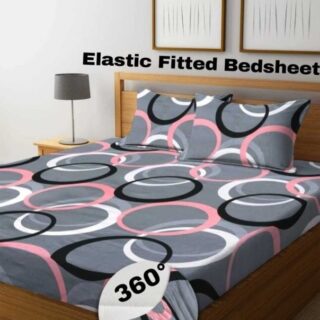 Home Garage 210 TC Cotton King Floral Fitted (Elastic) Bedsheet(Pack of 1, Grey)
Original price was: ₹999.00.₹299.00Current price is: ₹299.00.
Home Garage 210 TC Cotton King Floral Fitted (Elastic) Bedsheet(Pack of 1, Grey)
Original price was: ₹999.00.₹299.00Current price is: ₹299.00.
-
 Goodrik 140 TC Cotton Double 3D Printed Flat Bedsheet(Pack of 1, Brown)
Original price was: ₹499.00.₹229.00Current price is: ₹229.00.
Goodrik 140 TC Cotton Double 3D Printed Flat Bedsheet(Pack of 1, Brown)
Original price was: ₹499.00.₹229.00Current price is: ₹229.00.
-
 GLOBALSHOP 350 TC Microfiber Double Floral Flat Bedsheet(Pack of 1, Multicolor)
Original price was: ₹1,250.00.₹263.00Current price is: ₹263.00.
GLOBALSHOP 350 TC Microfiber Double Floral Flat Bedsheet(Pack of 1, Multicolor)
Original price was: ₹1,250.00.₹263.00Current price is: ₹263.00.
-
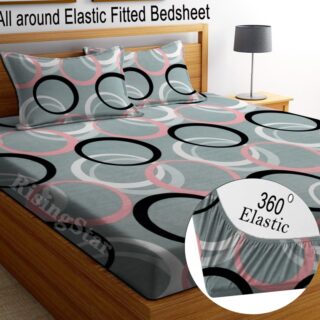 RisingStar 250 TC Microfiber King Printed Fitted (Elastic) Bedsheet(Pack of 1, FITTED-ROUND-CIRCLES-PREMIUM)
Original price was: ₹2,299.00.₹299.00Current price is: ₹299.00.
RisingStar 250 TC Microfiber King Printed Fitted (Elastic) Bedsheet(Pack of 1, FITTED-ROUND-CIRCLES-PREMIUM)
Original price was: ₹2,299.00.₹299.00Current price is: ₹299.00.
-
 Home Garage 210 TC Cotton King Floral Fitted (Elastic) Bedsheet(Pack of 1, Fitted Black Green)
Original price was: ₹1,299.00.₹299.00Current price is: ₹299.00.
Home Garage 210 TC Cotton King Floral Fitted (Elastic) Bedsheet(Pack of 1, Fitted Black Green)
Original price was: ₹1,299.00.₹299.00Current price is: ₹299.00.
-
 Home Garage 180 TC Cotton King 3D Printed Flat Bedsheet(Pack of 1, White)
Original price was: ₹999.00.₹229.00Current price is: ₹229.00.
Home Garage 180 TC Cotton King 3D Printed Flat Bedsheet(Pack of 1, White)
Original price was: ₹999.00.₹229.00Current price is: ₹229.00.
-
 Panipat Textile Hub 152.4 cm (5 ft) Polyester Window Curtain (Pack Of 2)(Solid, Aqua)
Original price was: ₹1,899.00.₹299.00Current price is: ₹299.00.
Panipat Textile Hub 152.4 cm (5 ft) Polyester Window Curtain (Pack Of 2)(Solid, Aqua)
Original price was: ₹1,899.00.₹299.00Current price is: ₹299.00.
-
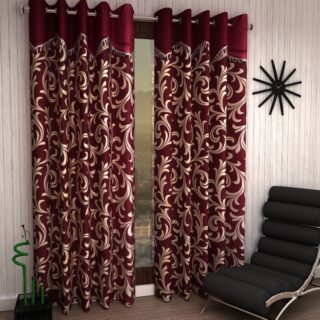 Home Sizzler 214 cm (7 ft) Polyester Semi Transparent Door Curtain (Pack Of 2)(Floral, Maroon)
Original price was: ₹1,199.00.₹399.00Current price is: ₹399.00.
Home Sizzler 214 cm (7 ft) Polyester Semi Transparent Door Curtain (Pack Of 2)(Floral, Maroon)
Original price was: ₹1,199.00.₹399.00Current price is: ₹399.00.
-
 Home Sizzler 153 cm (5 ft) Polyester Room Darkening Window Curtain (Pack Of 2)(Floral, Brown)
Original price was: ₹799.00.₹299.00Current price is: ₹299.00.
Home Sizzler 153 cm (5 ft) Polyester Room Darkening Window Curtain (Pack Of 2)(Floral, Brown)
Original price was: ₹799.00.₹299.00Current price is: ₹299.00.
-
 Stella Creations 214 cm (7 ft) Polyester Room Darkening Door Curtain (Pack Of 2)(Abstract, Brown)
Original price was: ₹1,299.00.₹449.00Current price is: ₹449.00.
Stella Creations 214 cm (7 ft) Polyester Room Darkening Door Curtain (Pack Of 2)(Abstract, Brown)
Original price was: ₹1,299.00.₹449.00Current price is: ₹449.00.
-
 Homefab India 152.5 cm (5 ft) Polyester Room Darkening Window Curtain (Pack Of 2)(Floral, Light Blue)
Original price was: ₹1,199.00.₹319.00Current price is: ₹319.00.
Homefab India 152.5 cm (5 ft) Polyester Room Darkening Window Curtain (Pack Of 2)(Floral, Light Blue)
Original price was: ₹1,199.00.₹319.00Current price is: ₹319.00.
-
 Urban Home 214 cm (7 ft) PVC Transparent Door Curtain Single Curtain(Solid, Off White)
Original price was: ₹699.00.₹203.00Current price is: ₹203.00.
Urban Home 214 cm (7 ft) PVC Transparent Door Curtain Single Curtain(Solid, Off White)
Original price was: ₹699.00.₹203.00Current price is: ₹203.00.
-
 Panipat Textile Hub 213 cm (7 ft) Polyester Door Curtain (Pack Of 2)(Solid, Brown)
Original price was: ₹1,199.00.₹349.00Current price is: ₹349.00.
Panipat Textile Hub 213 cm (7 ft) Polyester Door Curtain (Pack Of 2)(Solid, Brown)
Original price was: ₹1,199.00.₹349.00Current price is: ₹349.00.
-
 Home Sizzler 214 cm (7 ft) Polyester Semi Transparent Door Curtain (Pack Of 2)(Floral, Brown)
Original price was: ₹999.00.₹349.00Current price is: ₹349.00.
Home Sizzler 214 cm (7 ft) Polyester Semi Transparent Door Curtain (Pack Of 2)(Floral, Brown)
Original price was: ₹999.00.₹349.00Current price is: ₹349.00.
-
 Panipat Textile Hub 213 cm (7 ft) Polyester Semi Transparent Door Curtain (Pack Of 2)(Floral, Brown)
Original price was: ₹899.00.₹299.00Current price is: ₹299.00.
Panipat Textile Hub 213 cm (7 ft) Polyester Semi Transparent Door Curtain (Pack Of 2)(Floral, Brown)
Original price was: ₹899.00.₹299.00Current price is: ₹299.00.
Hi, I’m Jessica, and if you’ve ever noticed your laptop screen feeling a bit laggy during scrolling but draining battery quickly during simple tasks, you’re not alone. I ran into this exact issue when I upgraded to a high-refresh-rate laptop, expecting buttery smooth performance—but instead, I got inconsistent behavior and faster battery drain. That’s when I discovered Dynamic Refresh Rate (DRR) in Windows 11, a feature that intelligently adjusts your screen’s refresh rate depending on what you’re doing.
Dynamic Refresh Rate helps your device switch between lower and higher refresh rates automatically. For example, it keeps things smooth while scrolling or gaming, but conserves battery when you’re reading or typing. It’s one of those hidden Windows 11 features that can significantly improve your experience without requiring extra software or complicated tweaks.
In this guide, I’ll walk you through everything you need to know about enabling Dynamic Refresh Rate on your Windows 11 PC. From checking compatibility to adjusting system settings and troubleshooting issues, you’ll get a complete understanding of how to make the most of this feature. If your device supports at least 120Hz and VRR, you’re in for a noticeably smoother and more efficient computing experience.
What is Dynamic Refresh Rate in Windows 11 and Why It Matters
Dynamic Refresh Rate (DRR) is a smart display feature introduced in Windows 11 that allows your screen to switch between different refresh rates automatically based on your activity. Instead of running at a constant high refresh rate like 120Hz or 144Hz, DRR dynamically adjusts between lower and higher values to balance performance and battery life.
For instance, when you’re typing a document or reading content, your system may reduce the refresh rate to save power. But the moment you start scrolling, drawing, or interacting more actively, it ramps up the refresh rate to deliver a smoother visual experience. This transition happens seamlessly in the background, so you don’t have to manually change settings.
The importance of DRR becomes even more evident for users who rely on both performance and efficiency. High refresh rates offer fluid visuals, especially useful for gaming, video editing, and creative tasks. However, they also consume more power. DRR ensures that you only use high refresh rates when necessary, helping extend battery life on laptops without compromising performance.
This feature is especially beneficial for students, professionals, and creators who multitask frequently. It provides a balanced experience by intelligently managing display performance based on real-time usage patterns.
Minimum System Requirements to Enable Dynamic Refresh Rate
Before enabling Dynamic Refresh Rate, it’s essential to confirm whether your system meets the necessary hardware and software requirements. Not all devices support this feature, even if they are running Windows 11.
First, your display must support a refresh rate of at least 120Hz. This is a critical requirement because DRR works by switching between standard and high refresh rates. If your screen is limited to 60Hz, the feature simply won’t be available in your system settings.
Second, your device must support Variable Refresh Rate (VRR). VRR allows the display to adapt its refresh rate dynamically, which is the underlying technology that enables DRR. Most modern laptops and premium monitors support VRR, but it’s always best to check your manufacturer’s specifications.
Additionally, you must be running Windows 11 with updated graphics drivers. DRR relies on proper driver support, especially from GPU manufacturers like Intel, AMD, or NVIDIA. Outdated drivers can prevent the feature from appearing or functioning correctly.
Another important factor is the type of device. DRR is primarily designed for laptops rather than desktop PCs, although some external monitors may support it. Ensuring all these requirements are met will save you time and help you avoid unnecessary troubleshooting later.
How to Check Your Display Refresh Rate in Windows 11
Before enabling Dynamic Refresh Rate, you should verify your current refresh rate settings. This helps confirm whether your display supports higher refresh rates and whether DRR is even an option on your device.
To check your refresh rate, open the Settings app by pressing Windows + I on your keyboard. Navigate to “System,” then click on “Display.” Scroll down and select “Advanced display.” Here, you’ll see detailed information about your screen, including the current refresh rate.
If your display supports 120Hz or higher, you should see options like 120Hz, 144Hz, or even more in the dropdown menu. If only 60Hz is available, your device does not meet the requirement for Dynamic Refresh Rate.
It’s also worth checking if multiple refresh rate options are listed. DRR works best when there are at least two different refresh rates available for switching. If you only see one option, it might indicate a limitation in hardware or drivers.
Taking a moment to verify this information ensures that you’re not trying to enable a feature your device doesn’t support. It also gives you a clearer understanding of your display’s capabilities, which can be useful for optimizing overall performance.
Steps to Enable Dynamic Refresh Rate in Windows 11 Settings
Once you’ve confirmed that your device supports the necessary requirements, enabling Dynamic Refresh Rate is a straightforward process. Windows 11 has made this feature easily accessible through the system settings.
Start by opening the Settings app and navigating to “System,” then “Display.” From there, scroll down and click on “Advanced display.” You’ll find a section labeled “Choose a refresh rate.” If your device supports DRR, you will see an option labeled “Dynamic” alongside standard refresh rate values.
Select the “Dynamic” option from the dropdown menu. Once selected, Windows will automatically manage your refresh rate based on your activity. There’s no need for additional configuration or third-party tools.
After enabling DRR, you may notice smoother scrolling and improved responsiveness during interactive tasks. At the same time, your system will conserve power when performing less demanding activities.
If the “Dynamic” option does not appear, it could be due to unsupported hardware, outdated drivers, or missing VRR capability. In such cases, updating drivers or checking system compatibility can help resolve the issue.
This simple process unlocks a powerful feature that enhances both performance and efficiency on supported devices.
How Dynamic Refresh Rate Improves Battery Life and Performance
Dynamic Refresh Rate offers a unique balance between performance and energy efficiency, making it one of the most practical features in Windows 11. By adjusting the refresh rate based on usage, it ensures that your system only consumes extra power when necessary.
When your device runs at a constant high refresh rate like 120Hz, it continuously redraws the screen more frequently, which increases power consumption. This can significantly reduce battery life, especially on laptops. DRR solves this problem by lowering the refresh rate during less demanding tasks such as reading documents or watching static content.
On the other hand, when you engage in activities like scrolling, drawing, or gaming, DRR automatically increases the refresh rate to deliver a smoother and more responsive experience. This dynamic adjustment happens instantly, without requiring user input.
The result is a system that feels fast and fluid when needed, yet remains efficient during idle or low-intensity tasks. Users often notice longer battery life without sacrificing visual quality or performance.
This makes DRR particularly valuable for professionals who rely on their laptops for extended periods, as well as students and casual users who want a better overall experience without constant manual adjustments.
Common Issues When Enabling DRR and How to Fix Them
While enabling Dynamic Refresh Rate is usually simple, some users may encounter issues where the option does not appear or does not work as expected. Understanding these common problems can help you resolve them quickly.
One of the most frequent issues is outdated graphics drivers. DRR relies heavily on driver support, so updating your GPU drivers is often the first step in troubleshooting. Visit the official website of your GPU manufacturer or use Windows Update to install the latest drivers.
Another issue could be incompatible hardware. If your display does not support 120Hz or VRR, the DRR option will not be available. In such cases, upgrading your hardware may be the only solution.
Sometimes, system settings or power modes can interfere with DRR. Ensure that your device is not in a restricted power-saving mode that limits performance features. Switching to a balanced or high-performance mode can help.
Additionally, certain applications or external displays may not support DRR, which can cause inconsistencies. Disconnecting external monitors or testing with different apps can help identify the problem.
By addressing these common issues, you can ensure that Dynamic Refresh Rate works smoothly and delivers the expected benefits.
How to Update Graphics Drivers for DRR Compatibility
Keeping your graphics drivers up to date is crucial for enabling and maintaining Dynamic Refresh Rate functionality. Drivers act as the bridge between your hardware and operating system, and outdated versions can prevent advanced features from working properly.
To update your drivers, you can start by opening the Device Manager. Expand the “Display adapters” section, right-click on your graphics card, and select “Update driver.” Choose the option to search automatically for updated drivers.
Alternatively, you can visit the official website of your GPU manufacturer, such as Intel, AMD, or NVIDIA, and download the latest drivers directly. This method often provides the most up-to-date versions with better performance and compatibility.
Windows Update also offers driver updates, although they may not always be the latest versions. Checking for updates regularly ensures that your system stays compatible with new features like DRR.
After updating your drivers, restart your computer and revisit the display settings to check if the Dynamic option is now available. In many cases, this simple step resolves issues related to missing or non-functional DRR settings.
Maintaining updated drivers not only enables DRR but also improves overall system stability and performance.
Difference Between Fixed Refresh Rate and Dynamic Refresh Rate
Understanding the difference between fixed and dynamic refresh rates helps you appreciate why DRR is such a valuable feature. A fixed refresh rate means your display operates at a constant frequency, such as 60Hz or 120Hz, regardless of what you’re doing.
While a fixed high refresh rate provides smooth visuals, it also consumes more power continuously. This can lead to reduced battery life, especially on portable devices. On the other hand, a fixed low refresh rate saves power but may result in choppy animations and less responsive interactions.
Dynamic Refresh Rate combines the best of both worlds. It automatically switches between lower and higher refresh rates based on your activity, ensuring optimal performance and efficiency. You get smooth visuals when needed and energy savings when possible.
Another key difference is user involvement. With a fixed refresh rate, you have to manually change settings if you want to switch between performance and efficiency. DRR eliminates this hassle by handling everything automatically.
This intelligent approach makes DRR a superior option for most users, offering a seamless and optimized experience without requiring constant adjustments.
When You Should Use Dynamic Refresh Rate on Your PC
Dynamic Refresh Rate is not just a technical feature; it’s a practical tool that can enhance your everyday computing experience. Knowing when to use it can help you get the most out of your device.
DRR is ideal for users who frequently switch between different types of tasks. For example, if you alternate between reading documents, browsing the web, and watching videos, DRR ensures that your display adapts accordingly. It provides smooth scrolling when needed and conserves battery during static tasks.
It’s also beneficial for creative professionals who use stylus-based applications. DRR enhances responsiveness during drawing or editing, making the experience more fluid and precise.
For students and office workers, DRR offers a balanced experience that supports productivity without draining battery life. It’s particularly useful during long work sessions where efficiency matters.
However, if you primarily use your PC for gaming, you might prefer a fixed high refresh rate for consistent performance. In such cases, manually setting a high refresh rate could be more suitable.
Overall, DRR is best suited for users who want a seamless blend of performance and efficiency in their daily tasks.
Tips to Optimize Display Settings for Better Performance
Enabling Dynamic Refresh Rate is just one step toward optimizing your display performance. There are additional settings and practices that can further enhance your experience.
Start by adjusting your screen resolution to match your display’s native resolution. This ensures the best visual clarity and performance. Using non-native resolutions can result in blurry visuals and reduced efficiency.
Next, consider enabling hardware acceleration in supported applications. This allows your GPU to handle graphical tasks more efficiently, complementing the benefits of DRR.
You should also manage background applications that may consume system resources. Closing unnecessary apps can improve overall responsiveness and allow DRR to function more effectively.
Adjusting brightness levels and enabling adaptive brightness can also contribute to better battery life. These settings work alongside DRR to optimize energy consumption.
Finally, keep your system updated with the latest Windows updates and drivers. Regular updates ensure compatibility with new features and improvements.
By combining these tips with Dynamic Refresh Rate, you can create a well-optimized system that delivers both performance and efficiency.
Disclaimer
The information provided in this article is for educational and informational purposes only. Dynamic Refresh Rate availability depends on hardware compatibility, including support for at least a 120Hz display and Variable Refresh Rate (VRR). Features and settings may vary based on device manufacturer, graphics hardware, and Windows 11 updates. Always refer to your device manufacturer’s specifications and official Microsoft documentation before making changes to system settings.

- How to Fix “Unable to Initialize Windows App SDK” Error in Windows 11

- How to Fix “Try Again Later – Something Happened on Our End” Error in Microsoft Store

- What Are iPhone Background Sounds? Their Uses and How to Enable Them

- How to Run a Safety Check in Google Chrome and Protect Your Browser

- Samsung Phone’s Keyboard Not Working? Here’s How to Fix It

Products
-
![Apple Watch Ultra 3 [GPS + Cellular 49mm] Running & Multisport Smartwatch w/Rugged Titanium Case w/Black Titanium Milanese Loop - M. Satellite Communications, Advanced Health & Fitness Tracking](https://bazaronweb.com/retailstores/wp-content/uploads/2025/09/apple-watch-320x320.jpg) Apple Watch Ultra 3 [GPS + Cellular 49mm] Running & Multisport Smartwatch w/Rugged Titanium Case w/Black Titanium Milanese Loop - M. Satellite Communications, Advanced Health & Fitness Tracking
Apple Watch Ultra 3 [GPS + Cellular 49mm] Running & Multisport Smartwatch w/Rugged Titanium Case w/Black Titanium Milanese Loop - M. Satellite Communications, Advanced Health & Fitness Tracking
-
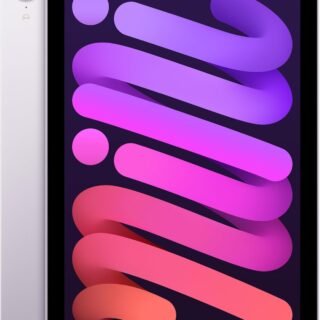 Apple iPad mini (A17 Pro): Apple Intelligence, 8.3-inch Liquid Retina Display, 256GB, Wi-Fi 6E, 12MP Front/12MP Back Camera, Touch ID, All-Day Battery Life — Purple
-
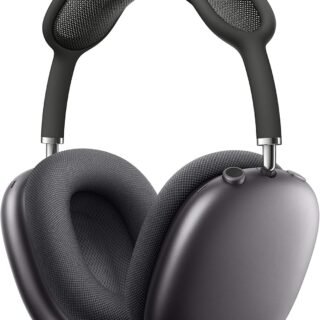 Apple AirPods Max Wireless Over-Ear Headphones, Active Noise Cancelling, Transparency Mode, Personalized Spatial Audio, Dolby Atmos, Bluetooth Headphones for iPhone – Space Gray
-
 Apple AirPods Pro 2 Wireless Earbuds, Active Noise Cancellation, Hearing Aid Feature, Bluetooth Headphones, Transparency, Personalized Spatial Audio, High-Fidelity Sound, H2 Chip, USB-C Charging
-
Home Garage 210 TC Cotton King Floral Fitted (Elastic) Bedsheet(Pack of 1, Grey)
Original price was: ₹999.00.₹299.00Current price is: ₹299.00.
Leave a Reply