Discounted Products
-
 Home Garage 210 TC Cotton King Floral Fitted (Elastic) Bedsheet(Pack of 1, Grey)
Original price was: ₹999.00.₹299.00Current price is: ₹299.00.
Home Garage 210 TC Cotton King Floral Fitted (Elastic) Bedsheet(Pack of 1, Grey)
Original price was: ₹999.00.₹299.00Current price is: ₹299.00.
-
 Goodrik 140 TC Cotton Double 3D Printed Flat Bedsheet(Pack of 1, Brown)
Original price was: ₹499.00.₹229.00Current price is: ₹229.00.
Goodrik 140 TC Cotton Double 3D Printed Flat Bedsheet(Pack of 1, Brown)
Original price was: ₹499.00.₹229.00Current price is: ₹229.00.
-
 GLOBALSHOP 350 TC Microfiber Double Floral Flat Bedsheet(Pack of 1, Multicolor)
Original price was: ₹1,250.00.₹263.00Current price is: ₹263.00.
GLOBALSHOP 350 TC Microfiber Double Floral Flat Bedsheet(Pack of 1, Multicolor)
Original price was: ₹1,250.00.₹263.00Current price is: ₹263.00.
-
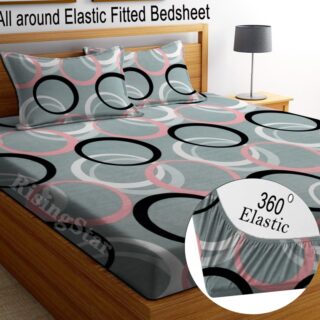 RisingStar 250 TC Microfiber King Printed Fitted (Elastic) Bedsheet(Pack of 1, FITTED-ROUND-CIRCLES-PREMIUM)
Original price was: ₹2,299.00.₹299.00Current price is: ₹299.00.
RisingStar 250 TC Microfiber King Printed Fitted (Elastic) Bedsheet(Pack of 1, FITTED-ROUND-CIRCLES-PREMIUM)
Original price was: ₹2,299.00.₹299.00Current price is: ₹299.00.
-
 Home Garage 210 TC Cotton King Floral Fitted (Elastic) Bedsheet(Pack of 1, Fitted Black Green)
Original price was: ₹1,299.00.₹299.00Current price is: ₹299.00.
Home Garage 210 TC Cotton King Floral Fitted (Elastic) Bedsheet(Pack of 1, Fitted Black Green)
Original price was: ₹1,299.00.₹299.00Current price is: ₹299.00.
-
 Home Garage 180 TC Cotton King 3D Printed Flat Bedsheet(Pack of 1, White)
Original price was: ₹999.00.₹229.00Current price is: ₹229.00.
Home Garage 180 TC Cotton King 3D Printed Flat Bedsheet(Pack of 1, White)
Original price was: ₹999.00.₹229.00Current price is: ₹229.00.
-
 Panipat Textile Hub 152.4 cm (5 ft) Polyester Window Curtain (Pack Of 2)(Solid, Aqua)
Original price was: ₹1,899.00.₹299.00Current price is: ₹299.00.
Panipat Textile Hub 152.4 cm (5 ft) Polyester Window Curtain (Pack Of 2)(Solid, Aqua)
Original price was: ₹1,899.00.₹299.00Current price is: ₹299.00.
-
 Home Sizzler 214 cm (7 ft) Polyester Semi Transparent Door Curtain (Pack Of 2)(Floral, Maroon)
Original price was: ₹1,199.00.₹399.00Current price is: ₹399.00.
Home Sizzler 214 cm (7 ft) Polyester Semi Transparent Door Curtain (Pack Of 2)(Floral, Maroon)
Original price was: ₹1,199.00.₹399.00Current price is: ₹399.00.
-
 Home Sizzler 153 cm (5 ft) Polyester Room Darkening Window Curtain (Pack Of 2)(Floral, Brown)
Original price was: ₹799.00.₹299.00Current price is: ₹299.00.
Home Sizzler 153 cm (5 ft) Polyester Room Darkening Window Curtain (Pack Of 2)(Floral, Brown)
Original price was: ₹799.00.₹299.00Current price is: ₹299.00.
-
 Stella Creations 214 cm (7 ft) Polyester Room Darkening Door Curtain (Pack Of 2)(Abstract, Brown)
Original price was: ₹1,299.00.₹449.00Current price is: ₹449.00.
Stella Creations 214 cm (7 ft) Polyester Room Darkening Door Curtain (Pack Of 2)(Abstract, Brown)
Original price was: ₹1,299.00.₹449.00Current price is: ₹449.00.
-
 Homefab India 152.5 cm (5 ft) Polyester Room Darkening Window Curtain (Pack Of 2)(Floral, Light Blue)
Original price was: ₹1,199.00.₹319.00Current price is: ₹319.00.
Homefab India 152.5 cm (5 ft) Polyester Room Darkening Window Curtain (Pack Of 2)(Floral, Light Blue)
Original price was: ₹1,199.00.₹319.00Current price is: ₹319.00.
-
 Urban Home 214 cm (7 ft) PVC Transparent Door Curtain Single Curtain(Solid, Off White)
Original price was: ₹699.00.₹203.00Current price is: ₹203.00.
Urban Home 214 cm (7 ft) PVC Transparent Door Curtain Single Curtain(Solid, Off White)
Original price was: ₹699.00.₹203.00Current price is: ₹203.00.
-
 Panipat Textile Hub 213 cm (7 ft) Polyester Door Curtain (Pack Of 2)(Solid, Brown)
Original price was: ₹1,199.00.₹349.00Current price is: ₹349.00.
Panipat Textile Hub 213 cm (7 ft) Polyester Door Curtain (Pack Of 2)(Solid, Brown)
Original price was: ₹1,199.00.₹349.00Current price is: ₹349.00.
-
 Home Sizzler 214 cm (7 ft) Polyester Semi Transparent Door Curtain (Pack Of 2)(Floral, Brown)
Original price was: ₹999.00.₹349.00Current price is: ₹349.00.
Home Sizzler 214 cm (7 ft) Polyester Semi Transparent Door Curtain (Pack Of 2)(Floral, Brown)
Original price was: ₹999.00.₹349.00Current price is: ₹349.00.
-
 Panipat Textile Hub 213 cm (7 ft) Polyester Semi Transparent Door Curtain (Pack Of 2)(Floral, Brown)
Original price was: ₹899.00.₹299.00Current price is: ₹299.00.
Panipat Textile Hub 213 cm (7 ft) Polyester Semi Transparent Door Curtain (Pack Of 2)(Floral, Brown)
Original price was: ₹899.00.₹299.00Current price is: ₹299.00.

Hi, I’m Jessica, and if you’ve ever opened your Task Manager only to find your CPU or RAM usage skyrocketing because of something called “Antimalware Service Executable,” you’re definitely not alone. I remember working on an urgent project when suddenly my laptop started lagging terribly. I checked Task Manager, and there it was—this mysterious process eating up nearly all my system resources. Naturally, I tried to end the task, but Windows wouldn’t let me. That’s when I realized this wasn’t just another background app—it was part of Windows Defender, designed to protect my system.
If you’re facing similar issues, this guide is exactly what you need. The Antimalware Service Executable is essential for system security, but it can sometimes overconsume CPU and memory, making your computer frustratingly slow. In this article, I’ll walk you through safe and effective ways to manage, reduce, or “kill” its impact—without compromising your system’s safety. Let’s break it down step by step so you can regain control of your PC’s performance.
What Is Antimalware Service Executable and Why It Runs in Background
The Antimalware Service Executable is a core process of Windows Security, formerly known as Windows Defender. It operates silently in the background to protect your system from malware, spyware, viruses, and other potential threats. This process is responsible for real-time protection, scanning files as they are accessed or downloaded, ensuring your system remains secure at all times.
The reason it runs continuously is simple—it needs to monitor your system in real time. Unlike traditional antivirus programs that run scheduled scans, this service actively scans processes, files, and system behavior. This constant vigilance is what makes Windows Defender effective.
However, this continuous scanning can become resource-intensive, especially on systems with limited RAM or older processors. During full scans or updates, the CPU usage can spike dramatically. While this is normal behavior, it can disrupt your workflow.
Understanding that this process is not malicious but actually protective is important. The goal is not to permanently disable it recklessly but to manage its behavior intelligently so it doesn’t interfere with your daily tasks.
Why You Cannot End Task Antimalware Service Executable Directly
One of the most frustrating aspects users encounter is that they cannot simply end this process via Task Manager. When you try, Windows prevents it, often displaying an “Access Denied” message. This is not a bug—it is an intentional design by Microsoft.
The Antimalware Service Executable is a protected system process. If users were allowed to terminate it easily, malware could exploit this vulnerability and disable system protection instantly. To prevent this, Microsoft has restricted direct termination permissions.
This security layer ensures that even if malicious software tries to shut down your antivirus, it cannot do so easily. While this is great for protection, it can be inconvenient when the process consumes excessive resources.
Instead of direct termination, Windows provides controlled ways to manage this process. These methods include modifying scan schedules, adding exclusions, or disabling real-time protection temporarily.
Understanding this limitation helps shift your approach from trying to “kill” the process to managing it effectively without compromising your system’s safety.
Common Reasons for High CPU Usage by Antimalware Service Executable
High CPU or disk usage by this process is not random—it usually happens due to specific triggers. One of the most common reasons is a full system scan. During this time, Windows Defender checks every file, which can consume significant resources.
Another reason is real-time protection actively scanning newly downloaded or accessed files. If you frequently install software, download large files, or work with multiple applications, this process becomes more active.
Outdated definitions or pending updates can also cause spikes. When Windows Defender updates its virus definitions, it may temporarily use more CPU power.
Additionally, systems with low RAM or slow hard drives (especially HDDs instead of SSDs) are more likely to experience noticeable slowdowns. The process itself isn’t unusually heavy—it just becomes more visible on less powerful systems.
Background conflicts with other antivirus programs can also lead to increased usage. Running multiple security tools simultaneously often causes them to interfere with each other.
Identifying the cause is crucial because the solution depends on what is triggering the high resource usage.
How to Disable Real-Time Protection Temporarily
One of the quickest ways to reduce the load caused by Antimalware Service Executable is to disable real-time protection temporarily. This method is useful when you need immediate performance improvement.
To do this, go to Windows Security settings, navigate to “Virus & Threat Protection,” and turn off Real-Time Protection. Once disabled, the process will reduce its activity significantly.
However, this is only a temporary solution. Windows will automatically re-enable real-time protection after some time or upon system restart. This is done to ensure your system does not remain unprotected for long.
While this method helps in urgent situations, it is not recommended as a permanent fix. Disabling real-time protection leaves your system vulnerable to threats, especially if you browse the internet or download files frequently.
Use this option strategically—only when needed—and always turn it back on once your task is complete. Think of it as a temporary pause, not a permanent solution.
Adding Exclusions to Reduce CPU Usage
A smarter and safer way to reduce resource usage is by adding exclusions. This tells Windows Defender to skip scanning certain files, folders, or processes that you trust.
For example, if you are a developer working with large codebases or running virtual machines, constant scanning can slow things down significantly. By excluding those folders, you reduce unnecessary workload on the system.
To add exclusions, go to Windows Security settings, find the exclusions section, and add the desired files or folders. Once added, Windows Defender will ignore them during scans.
This method is particularly useful because it balances performance and security. You are not disabling protection entirely—just optimizing it.
However, be cautious while adding exclusions. Only exclude trusted files or directories. Excluding unknown or risky files can expose your system to threats.
When used correctly, exclusions are one of the most effective ways to control the impact of Antimalware Service Executable.
Scheduling Scans to Avoid Performance Drops
Another effective approach is to schedule scans at times when you are not using your computer. By default, Windows Defender may run scans during active hours, which can interfere with your work.
You can change this behavior using Task Scheduler. Locate the Windows Defender scheduled scan task and modify its timing to run during off-hours, such as late at night or early morning.
This ensures that the heavy scanning process does not affect your productivity. Instead of disabling protection, you are simply controlling when it operates intensively.
Scheduling scans is particularly beneficial for users who rely on consistent performance throughout the day, such as professionals, gamers, or content creators.
It is a simple yet powerful optimization technique that improves user experience without compromising security.
Consistency is key here—ensure the schedule aligns with your routine so scans do not disrupt your workflow.
Disabling Windows Defender Using Group Policy (Advanced Method)
For advanced users, disabling Windows Defender via Group Policy is an option. This method provides more control compared to standard settings.
Using the Group Policy Editor, you can navigate to the Windows Defender settings and turn off real-time protection permanently. This effectively stops the Antimalware Service Executable from running.
However, this method is only available in certain Windows editions, such as Pro or Enterprise. It is not accessible in the Home version without additional steps.
Disabling Windows Defender completely is not recommended unless you have an alternative antivirus solution installed. Running a system without protection is risky.
This method should only be used by users who understand the implications and have proper security measures in place.
It offers a more permanent solution but comes with higher responsibility.
Using Registry Editor to Disable the Process
Another advanced method involves modifying the Windows Registry. This approach allows you to disable Windows Defender by changing specific system values.
By navigating to the appropriate registry path and modifying settings related to Defender, you can stop the Antimalware Service Executable from running.
However, editing the registry is risky. Incorrect changes can lead to system instability or even prevent Windows from booting properly.
Before making any changes, always create a backup of your registry. This ensures you can restore your system if something goes wrong.
This method is best suited for experienced users who are comfortable working with system-level configurations.
While effective, it should be approached with caution and only used when necessary.
Installing Third-Party Antivirus as an Alternative
One of the safest ways to “disable” Antimalware Service Executable is by installing a third-party antivirus program. When another antivirus is installed, Windows Defender automatically disables itself.
This method ensures your system remains protected while eliminating the resource-heavy process.
There are many reliable antivirus solutions available that offer better performance optimization and advanced features.
Choosing a lightweight antivirus can significantly improve system performance while maintaining strong security.
This is a practical solution for users who find Windows Defender too resource-intensive.
It provides a balance between protection and performance without requiring manual configuration.
Tips to Optimize System Performance Without Disabling Security
Instead of completely disabling the Antimalware Service Executable, optimizing your system can also help. Upgrading your hardware, such as switching from an HDD to an SSD or increasing RAM, can make a noticeable difference.
Keeping your system updated ensures that Windows Defender runs efficiently with the latest optimizations.
Closing unnecessary background applications reduces overall system load, making Defender’s impact less noticeable.
Regular maintenance, such as disk cleanup and managing startup programs, also contributes to better performance.
These small improvements collectively enhance system responsiveness without compromising security.
The goal is not just to stop one process but to improve overall system efficiency.
Final Thoughts: Should You Really Kill Antimalware Service Executable?
While it may be tempting to completely disable or “kill” the Antimalware Service Executable, it is important to understand its role in protecting your system. It acts as your first line of defense against cyber threats.
Instead of removing it entirely, managing its behavior is the smarter approach. Methods like scheduling scans, adding exclusions, and optimizing system performance provide a balanced solution.
Disabling it completely should only be considered if you have a reliable alternative in place.
Ultimately, the goal is to maintain both performance and security. With the right strategies, you can achieve both without compromising your system’s safety.
Disclaimer
The methods described in this article are intended for educational and optimization purposes only. Disabling or modifying system security features like Antimalware Service Executable may expose your computer to potential risks if not done carefully. Always ensure you have an active and reliable antivirus solution before disabling Windows Defender. Proceed with advanced methods such as Group Policy or Registry Editor at your own risk, and consider creating system backups before making any changes.

- How to Enable End Task on the Windows 11 Taskbar

- How to Add a Clock Widget to Your Windows 11 Desktop

- How to Check Battery Health on Android Phones: Samsung, Pixel, OnePlus, Xiaomi and More

- How to Turn Off Auto Capitalization on a Samsung Phone

- How to Fix Windows 11 When You Can’t Eject an External Hard Drive or Pen Drive

Products
-
![Apple Watch Ultra 3 [GPS + Cellular 49mm] Running & Multisport Smartwatch w/Rugged Titanium Case w/Black Titanium Milanese Loop - M. Satellite Communications, Advanced Health & Fitness Tracking](https://bazaronweb.com/retailstores/wp-content/uploads/2025/09/apple-watch-320x320.jpg) Apple Watch Ultra 3 [GPS + Cellular 49mm] Running & Multisport Smartwatch w/Rugged Titanium Case w/Black Titanium Milanese Loop - M. Satellite Communications, Advanced Health & Fitness Tracking
Apple Watch Ultra 3 [GPS + Cellular 49mm] Running & Multisport Smartwatch w/Rugged Titanium Case w/Black Titanium Milanese Loop - M. Satellite Communications, Advanced Health & Fitness Tracking
-
 Apple iPad mini (A17 Pro): Apple Intelligence, 8.3-inch Liquid Retina Display, 256GB, Wi-Fi 6E, 12MP Front/12MP Back Camera, Touch ID, All-Day Battery Life — Purple
-
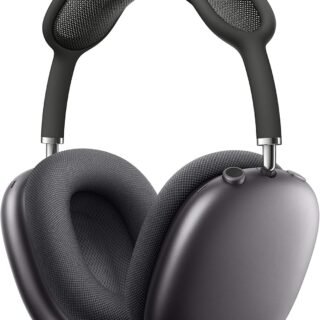 Apple AirPods Max Wireless Over-Ear Headphones, Active Noise Cancelling, Transparency Mode, Personalized Spatial Audio, Dolby Atmos, Bluetooth Headphones for iPhone – Space Gray
-
 Apple AirPods Pro 2 Wireless Earbuds, Active Noise Cancellation, Hearing Aid Feature, Bluetooth Headphones, Transparency, Personalized Spatial Audio, High-Fidelity Sound, H2 Chip, USB-C Charging
-
Home Garage 210 TC Cotton King Floral Fitted (Elastic) Bedsheet(Pack of 1, Grey)
Original price was: ₹999.00.₹299.00Current price is: ₹299.00.
Leave a Reply