Discounted Products
-
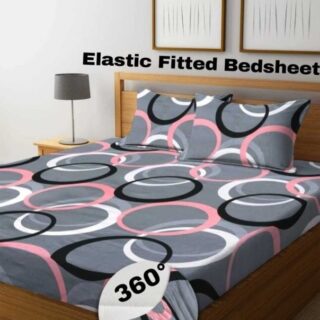 Home Garage 210 TC Cotton King Floral Fitted (Elastic) Bedsheet(Pack of 1, Grey)
Original price was: ₹999.00.₹299.00Current price is: ₹299.00.
Home Garage 210 TC Cotton King Floral Fitted (Elastic) Bedsheet(Pack of 1, Grey)
Original price was: ₹999.00.₹299.00Current price is: ₹299.00.
-
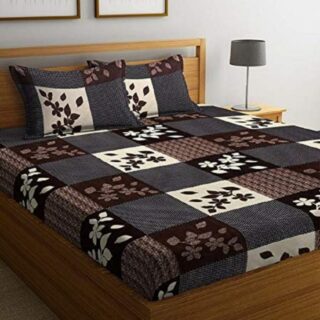 Goodrik 140 TC Cotton Double 3D Printed Flat Bedsheet(Pack of 1, Brown)
Original price was: ₹499.00.₹229.00Current price is: ₹229.00.
Goodrik 140 TC Cotton Double 3D Printed Flat Bedsheet(Pack of 1, Brown)
Original price was: ₹499.00.₹229.00Current price is: ₹229.00.
-
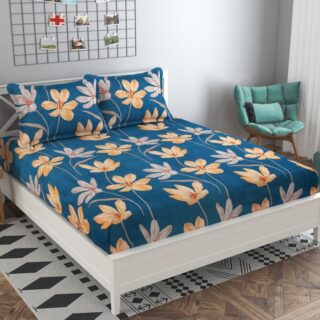 GLOBALSHOP 350 TC Microfiber Double Floral Flat Bedsheet(Pack of 1, Multicolor)
Original price was: ₹1,250.00.₹263.00Current price is: ₹263.00.
GLOBALSHOP 350 TC Microfiber Double Floral Flat Bedsheet(Pack of 1, Multicolor)
Original price was: ₹1,250.00.₹263.00Current price is: ₹263.00.
-
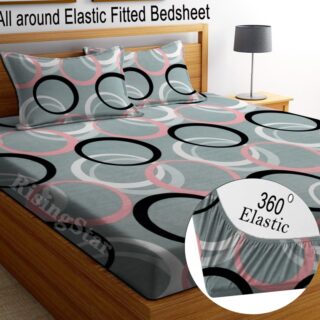 RisingStar 250 TC Microfiber King Printed Fitted (Elastic) Bedsheet(Pack of 1, FITTED-ROUND-CIRCLES-PREMIUM)
Original price was: ₹2,299.00.₹299.00Current price is: ₹299.00.
RisingStar 250 TC Microfiber King Printed Fitted (Elastic) Bedsheet(Pack of 1, FITTED-ROUND-CIRCLES-PREMIUM)
Original price was: ₹2,299.00.₹299.00Current price is: ₹299.00.
-
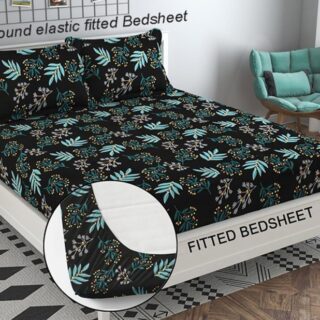 Home Garage 210 TC Cotton King Floral Fitted (Elastic) Bedsheet(Pack of 1, Fitted Black Green)
Original price was: ₹1,299.00.₹299.00Current price is: ₹299.00.
Home Garage 210 TC Cotton King Floral Fitted (Elastic) Bedsheet(Pack of 1, Fitted Black Green)
Original price was: ₹1,299.00.₹299.00Current price is: ₹299.00.
-
 Home Garage 180 TC Cotton King 3D Printed Flat Bedsheet(Pack of 1, White)
Original price was: ₹999.00.₹229.00Current price is: ₹229.00.
Home Garage 180 TC Cotton King 3D Printed Flat Bedsheet(Pack of 1, White)
Original price was: ₹999.00.₹229.00Current price is: ₹229.00.
-
 Panipat Textile Hub 152.4 cm (5 ft) Polyester Window Curtain (Pack Of 2)(Solid, Aqua)
Original price was: ₹1,899.00.₹299.00Current price is: ₹299.00.
Panipat Textile Hub 152.4 cm (5 ft) Polyester Window Curtain (Pack Of 2)(Solid, Aqua)
Original price was: ₹1,899.00.₹299.00Current price is: ₹299.00.
-
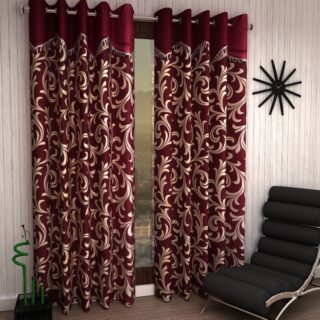 Home Sizzler 214 cm (7 ft) Polyester Semi Transparent Door Curtain (Pack Of 2)(Floral, Maroon)
Original price was: ₹1,199.00.₹399.00Current price is: ₹399.00.
Home Sizzler 214 cm (7 ft) Polyester Semi Transparent Door Curtain (Pack Of 2)(Floral, Maroon)
Original price was: ₹1,199.00.₹399.00Current price is: ₹399.00.
-
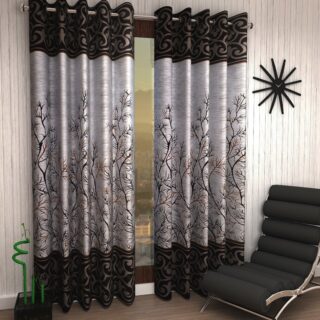 Home Sizzler 153 cm (5 ft) Polyester Room Darkening Window Curtain (Pack Of 2)(Floral, Brown)
Original price was: ₹799.00.₹299.00Current price is: ₹299.00.
Home Sizzler 153 cm (5 ft) Polyester Room Darkening Window Curtain (Pack Of 2)(Floral, Brown)
Original price was: ₹799.00.₹299.00Current price is: ₹299.00.
-
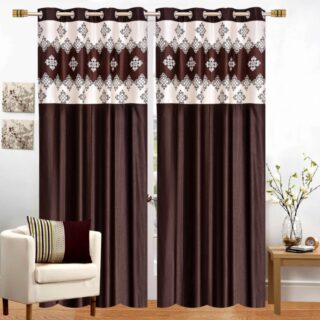 Stella Creations 214 cm (7 ft) Polyester Room Darkening Door Curtain (Pack Of 2)(Abstract, Brown)
Original price was: ₹1,299.00.₹449.00Current price is: ₹449.00.
Stella Creations 214 cm (7 ft) Polyester Room Darkening Door Curtain (Pack Of 2)(Abstract, Brown)
Original price was: ₹1,299.00.₹449.00Current price is: ₹449.00.
-
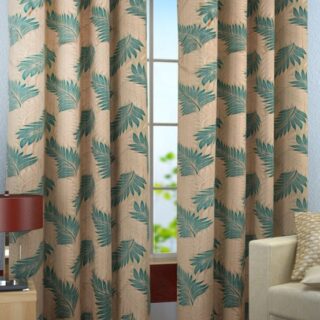 Homefab India 152.5 cm (5 ft) Polyester Room Darkening Window Curtain (Pack Of 2)(Floral, Light Blue)
Original price was: ₹1,199.00.₹319.00Current price is: ₹319.00.
Homefab India 152.5 cm (5 ft) Polyester Room Darkening Window Curtain (Pack Of 2)(Floral, Light Blue)
Original price was: ₹1,199.00.₹319.00Current price is: ₹319.00.
-
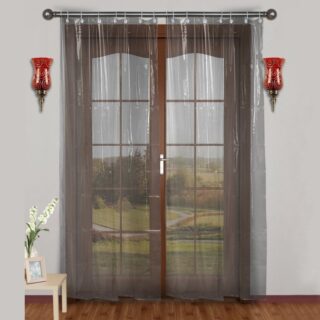 Urban Home 214 cm (7 ft) PVC Transparent Door Curtain Single Curtain(Solid, Off White)
Original price was: ₹699.00.₹203.00Current price is: ₹203.00.
Urban Home 214 cm (7 ft) PVC Transparent Door Curtain Single Curtain(Solid, Off White)
Original price was: ₹699.00.₹203.00Current price is: ₹203.00.
-
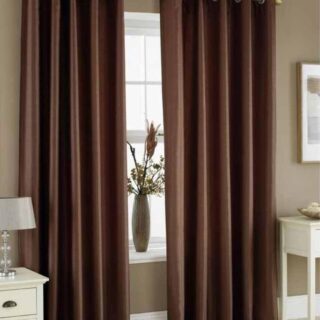 Panipat Textile Hub 213 cm (7 ft) Polyester Door Curtain (Pack Of 2)(Solid, Brown)
Original price was: ₹1,199.00.₹349.00Current price is: ₹349.00.
Panipat Textile Hub 213 cm (7 ft) Polyester Door Curtain (Pack Of 2)(Solid, Brown)
Original price was: ₹1,199.00.₹349.00Current price is: ₹349.00.
-
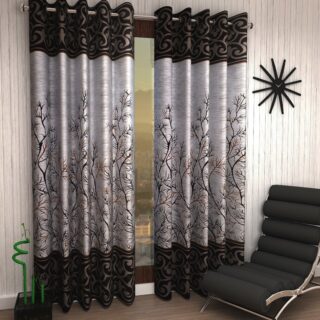 Home Sizzler 214 cm (7 ft) Polyester Semi Transparent Door Curtain (Pack Of 2)(Floral, Brown)
Original price was: ₹999.00.₹349.00Current price is: ₹349.00.
Home Sizzler 214 cm (7 ft) Polyester Semi Transparent Door Curtain (Pack Of 2)(Floral, Brown)
Original price was: ₹999.00.₹349.00Current price is: ₹349.00.
-
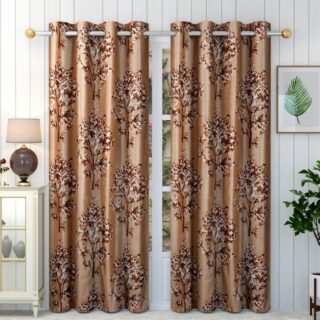 Panipat Textile Hub 213 cm (7 ft) Polyester Semi Transparent Door Curtain (Pack Of 2)(Floral, Brown)
Original price was: ₹899.00.₹299.00Current price is: ₹299.00.
Panipat Textile Hub 213 cm (7 ft) Polyester Semi Transparent Door Curtain (Pack Of 2)(Floral, Brown)
Original price was: ₹899.00.₹299.00Current price is: ₹299.00.
Hey friends, I’m Jessica, your go-to tech buddy from the USA! 👋
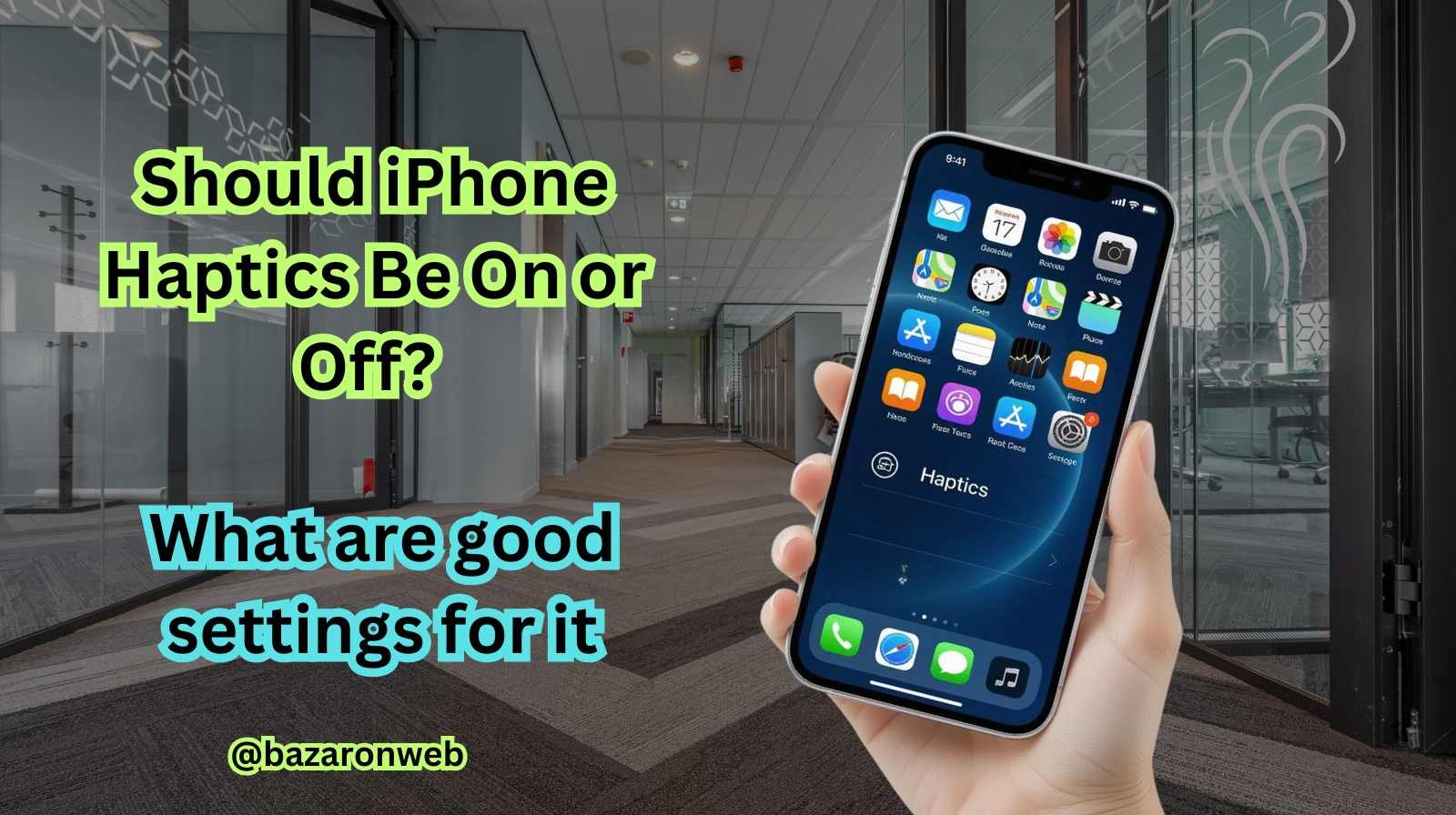
If you’ve been using an iPhone for a while, you’ve probably noticed those tiny vibrations when you type on the keyboard, unlock your phone, or adjust the volume. That’s called haptic feedback — a subtle vibration that lets you feel your phone’s response.
Now, I’ve been asked this question so many times: “Jessica, should I keep iPhone haptics on or turn them off?”
The truth is — it depends on how you use your phone, what you value most (battery life vs experience), and even how sensitive you are to touch feedback.
In this detailed guide, I’ll walk you through everything you need to know — what haptics are, why they exist, their pros and cons, and ultimately, whether keeping them on or off is the best choice for you.
So, grab your coffee (or tea, if you’re like me), and let’s dive into the world of iPhone haptics! ☕📱
What Are iPhone Haptics?
In simple terms, haptics are the little vibrations your iPhone makes to simulate touch-based feedback. It’s Apple’s way of mimicking the sensation of pressing a physical button, even though iPhones haven’t had one in years.
Examples of haptics on iPhone include:
- A light tap when typing on the keyboard.
- A click-like vibration when turning on/off features in settings.
- A buzz when unlocking your phone with Face ID.
- A tap when you adjust the volume or scroll with the haptic wheel.
- The slight vibration when performing actions like copying text or long-pressing icons.
Apple calls this “Taptic Engine feedback” — powered by a small linear motor that delivers precise vibrations.
The goal? To make your phone feel alive, responsive, and more physical — even though it’s a touchscreen.
How to Find and Control Haptics on iPhone
If you’ve never played around with haptics settings before, here’s how you can toggle them:
- Go to Settings → Sounds & Haptics.
- Scroll down to find System Haptics.
- Toggle it On or Off depending on your preference.
- You can also control Haptic Keyboard Feedback in:
- Settings → Sound & Haptics → Keyboard Feedback → Haptic.
Pros of Keeping iPhone Haptics On
I’ll start with why I personally love having haptics on.
1. It Makes the iPhone Feel More Responsive
That gentle vibration when you perform an action gives you instant feedback that the phone has recognized your touch. It’s a satisfying, tactile confirmation — especially when typing or toggling options.
When I’m replying to messages or taking quick notes, haptic feedback feels like the phone is communicating back with me.
2. Improves Typing Accuracy and Satisfaction
Believe it or not, haptic feedback helps reduce typing errors. The subtle vibration gives your fingers sensory feedback, making you more aware of your touch on the screen.
Many users say they type faster and more accurately with haptics turned on. Personally, I love how Apple’s haptics make typing feel more like tapping real keys.
3. Adds Immersion in Apps and Games
Haptics aren’t just for typing or system menus. Some apps and games use them creatively — like when you feel a thump during a racing game or a vibration when pulling to refresh a feed.
It adds a whole new layer of interaction that feels more natural and immersive.
4. Enhances Accessibility
For users with visual impairments or sensitivity issues, haptics offer an alternative form of feedback. It helps confirm actions without needing to rely solely on visual cues.
This is part of Apple’s thoughtful accessibility design philosophy — giving users multiple ways to interact with their devices.
Cons of Keeping iPhone Haptics On
Of course, it’s not all sunshine and satisfaction. There are a few downsides to consider too.
1. Slightly Affects Battery Life
While the impact is minor, keeping haptics on does consume a bit of power. The Taptic Engine uses energy each time it vibrates.
If you’re someone who constantly types, scrolls, or interacts with your phone, these micro-vibrations can add up — especially on older iPhones with smaller batteries.
During my travels, when I need every bit of battery life I can get, I usually turn haptics off temporarily. It gives me an extra hour or so of use.
2. Can Feel Distracting or Noisy
Some users find the vibrations distracting — especially when they’re working or using their phone in a quiet room.
Even though iPhone haptics are subtle, that tiny buzz can be noticeable if you’re sensitive to touch sensations.
3. Might Cause Slight Wear Over Time
Though Apple’s Taptic Engine is incredibly durable, continuous use over years could lead to minor wear. It’s rare, but something to keep in mind for older devices.
4. Not All Users Like the “Buzz” Feeling
This one’s purely personal. Some people just don’t like the feel of vibration feedback — they find it unnatural or unnecessary.
If that’s you, turning off haptics might make your phone experience feel cleaner and quieter.
Does Turning Off Haptics Save Battery?
The short answer: yes, but only slightly.
Apple’s haptics system is very efficient. Turning it off might give you a 1–3% improvement in battery life throughout the day. It’s noticeable only if you’re a heavy user.
If you’re struggling with serious battery drain, turning off haptics along with keyboard feedback, background refresh, and constant notifications can help. But it’s not a magic fix.
In other words — don’t turn haptics off just for the battery unless you’re already running on low power most of the time.
Jessica’s Experience: Haptics On or Off?
Alright, so what do I personally prefer?
I’ve experimented with both — and here’s my take.
When I first got my iPhone, I turned haptics off thinking it would save battery. But after a week, I realized the phone felt… lifeless.
Every tap, every toggle felt disconnected. I missed that little “click” confirmation when typing or switching settings. It made my interactions feel flat.
So, I turned haptics back on — and haven’t looked back since.
That said, when I’m traveling or on long work days where charging isn’t an option, I temporarily disable them to squeeze out extra battery. It’s a small compromise.
When You Should Turn Haptics Off
Here are a few scenarios where turning them off might be better:
- You’re trying to maximize battery during travel or long commutes.
- You find the vibrations distracting or annoying.
- Your iPhone’s Taptic Engine feels too strong or causes discomfort.
- You’re using your phone in quiet environments like meetings or recording sessions.
Turning off haptics doesn’t affect your phone’s functionality — everything will still work perfectly fine, just without the vibration feedback.
When You Should Keep Haptics On
You’ll want to keep them on if you:
- Enjoy tactile feedback while typing or scrolling.
- Like knowing immediately when your touch was recognized.
- Want a more immersive and responsive experience.
- Rely on haptics for accessibility or sensory reasons.
For most users, leaving haptics on strikes the best balance between usability and enjoyment.
Can You Customize Haptics on iPhone?
Yes! Newer iPhones (especially iOS 16 and later) allow you to adjust or customize vibration patterns for calls, notifications, and alerts.
Go to:
Settings → Sounds & Haptics → Ringtone → Vibration → Create New Vibration.
You can literally tap your own pattern. It’s fun and a nice personal touch.
You can also disable just Keyboard Haptics while keeping the rest on — perfect if you find constant typing vibrations annoying but still want haptic alerts.
Final Verdict: Should iPhone Haptics Be On or Off?
After testing both settings for months, here’s my honest answer:
✅ Keep iPhone haptics ON if you want a more immersive, responsive experience. It makes the phone feel alive, helps with typing, and enhances usability.
❌ Turn haptics OFF only if you’re really focused on conserving battery or prefer a quieter, no-vibration experience.
Personally, I believe Apple designed the Taptic Engine to be part of the iPhone’s charm. It’s one of those small details that separates iPhone from Android — precision, feedback, and a touch of real-world feel.
So, unless your battery is struggling, I’d say — keep them on. Your iPhone will feel more “human,” and you’ll love the subtle physical connection it creates.
Jessica’s Tip:
If you’re unsure, try living with haptics on for a week, then turn them off for another. You’ll instantly notice which feels more natural to you — and that’s your answer.






Products
-
![Apple Watch Ultra 3 [GPS + Cellular 49mm] Running & Multisport Smartwatch w/Rugged Titanium Case w/Black Titanium Milanese Loop - M. Satellite Communications, Advanced Health & Fitness Tracking](https://bazaronweb.com/retailstores/wp-content/uploads/2025/09/apple-watch-320x320.jpg) Apple Watch Ultra 3 [GPS + Cellular 49mm] Running & Multisport Smartwatch w/Rugged Titanium Case w/Black Titanium Milanese Loop - M. Satellite Communications, Advanced Health & Fitness Tracking
Apple Watch Ultra 3 [GPS + Cellular 49mm] Running & Multisport Smartwatch w/Rugged Titanium Case w/Black Titanium Milanese Loop - M. Satellite Communications, Advanced Health & Fitness Tracking
-
 Apple iPad mini (A17 Pro): Apple Intelligence, 8.3-inch Liquid Retina Display, 256GB, Wi-Fi 6E, 12MP Front/12MP Back Camera, Touch ID, All-Day Battery Life — Purple
-
 Apple AirPods Max Wireless Over-Ear Headphones, Active Noise Cancelling, Transparency Mode, Personalized Spatial Audio, Dolby Atmos, Bluetooth Headphones for iPhone – Space Gray
-
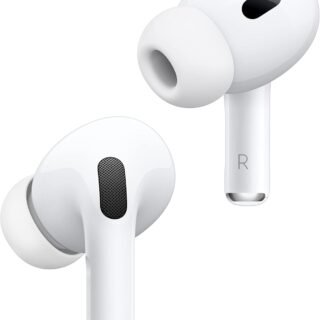 Apple AirPods Pro 2 Wireless Earbuds, Active Noise Cancellation, Hearing Aid Feature, Bluetooth Headphones, Transparency, Personalized Spatial Audio, High-Fidelity Sound, H2 Chip, USB-C Charging
-
Home Garage 210 TC Cotton King Floral Fitted (Elastic) Bedsheet(Pack of 1, Grey)
Original price was: ₹999.00.₹299.00Current price is: ₹299.00.
Leave a Reply