Discounted Products
-
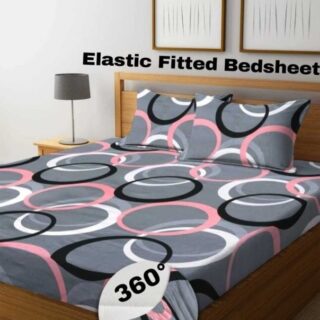 Home Garage 210 TC Cotton King Floral Fitted (Elastic) Bedsheet(Pack of 1, Grey)
Original price was: ₹999.00.₹299.00Current price is: ₹299.00.
Home Garage 210 TC Cotton King Floral Fitted (Elastic) Bedsheet(Pack of 1, Grey)
Original price was: ₹999.00.₹299.00Current price is: ₹299.00.
-
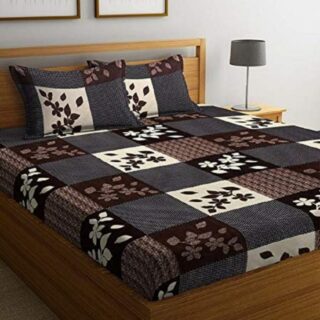 Goodrik 140 TC Cotton Double 3D Printed Flat Bedsheet(Pack of 1, Brown)
Original price was: ₹499.00.₹229.00Current price is: ₹229.00.
Goodrik 140 TC Cotton Double 3D Printed Flat Bedsheet(Pack of 1, Brown)
Original price was: ₹499.00.₹229.00Current price is: ₹229.00.
-
 GLOBALSHOP 350 TC Microfiber Double Floral Flat Bedsheet(Pack of 1, Multicolor)
Original price was: ₹1,250.00.₹263.00Current price is: ₹263.00.
GLOBALSHOP 350 TC Microfiber Double Floral Flat Bedsheet(Pack of 1, Multicolor)
Original price was: ₹1,250.00.₹263.00Current price is: ₹263.00.
-
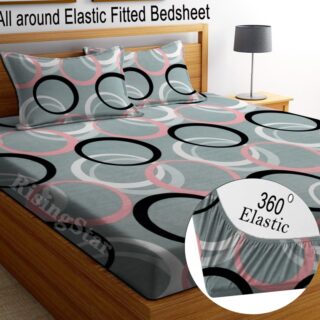 RisingStar 250 TC Microfiber King Printed Fitted (Elastic) Bedsheet(Pack of 1, FITTED-ROUND-CIRCLES-PREMIUM)
Original price was: ₹2,299.00.₹299.00Current price is: ₹299.00.
RisingStar 250 TC Microfiber King Printed Fitted (Elastic) Bedsheet(Pack of 1, FITTED-ROUND-CIRCLES-PREMIUM)
Original price was: ₹2,299.00.₹299.00Current price is: ₹299.00.
-
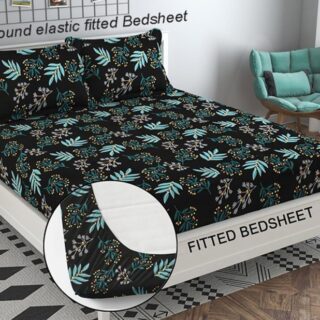 Home Garage 210 TC Cotton King Floral Fitted (Elastic) Bedsheet(Pack of 1, Fitted Black Green)
Original price was: ₹1,299.00.₹299.00Current price is: ₹299.00.
Home Garage 210 TC Cotton King Floral Fitted (Elastic) Bedsheet(Pack of 1, Fitted Black Green)
Original price was: ₹1,299.00.₹299.00Current price is: ₹299.00.
-
 Home Garage 180 TC Cotton King 3D Printed Flat Bedsheet(Pack of 1, White)
Original price was: ₹999.00.₹229.00Current price is: ₹229.00.
Home Garage 180 TC Cotton King 3D Printed Flat Bedsheet(Pack of 1, White)
Original price was: ₹999.00.₹229.00Current price is: ₹229.00.
-
 Panipat Textile Hub 152.4 cm (5 ft) Polyester Window Curtain (Pack Of 2)(Solid, Aqua)
Original price was: ₹1,899.00.₹299.00Current price is: ₹299.00.
Panipat Textile Hub 152.4 cm (5 ft) Polyester Window Curtain (Pack Of 2)(Solid, Aqua)
Original price was: ₹1,899.00.₹299.00Current price is: ₹299.00.
-
 Home Sizzler 214 cm (7 ft) Polyester Semi Transparent Door Curtain (Pack Of 2)(Floral, Maroon)
Original price was: ₹1,199.00.₹399.00Current price is: ₹399.00.
Home Sizzler 214 cm (7 ft) Polyester Semi Transparent Door Curtain (Pack Of 2)(Floral, Maroon)
Original price was: ₹1,199.00.₹399.00Current price is: ₹399.00.
-
 Home Sizzler 153 cm (5 ft) Polyester Room Darkening Window Curtain (Pack Of 2)(Floral, Brown)
Original price was: ₹799.00.₹299.00Current price is: ₹299.00.
Home Sizzler 153 cm (5 ft) Polyester Room Darkening Window Curtain (Pack Of 2)(Floral, Brown)
Original price was: ₹799.00.₹299.00Current price is: ₹299.00.
-
 Stella Creations 214 cm (7 ft) Polyester Room Darkening Door Curtain (Pack Of 2)(Abstract, Brown)
Original price was: ₹1,299.00.₹449.00Current price is: ₹449.00.
Stella Creations 214 cm (7 ft) Polyester Room Darkening Door Curtain (Pack Of 2)(Abstract, Brown)
Original price was: ₹1,299.00.₹449.00Current price is: ₹449.00.
-
 Homefab India 152.5 cm (5 ft) Polyester Room Darkening Window Curtain (Pack Of 2)(Floral, Light Blue)
Original price was: ₹1,199.00.₹319.00Current price is: ₹319.00.
Homefab India 152.5 cm (5 ft) Polyester Room Darkening Window Curtain (Pack Of 2)(Floral, Light Blue)
Original price was: ₹1,199.00.₹319.00Current price is: ₹319.00.
-
 Urban Home 214 cm (7 ft) PVC Transparent Door Curtain Single Curtain(Solid, Off White)
Original price was: ₹699.00.₹203.00Current price is: ₹203.00.
Urban Home 214 cm (7 ft) PVC Transparent Door Curtain Single Curtain(Solid, Off White)
Original price was: ₹699.00.₹203.00Current price is: ₹203.00.
-
 Panipat Textile Hub 213 cm (7 ft) Polyester Door Curtain (Pack Of 2)(Solid, Brown)
Original price was: ₹1,199.00.₹349.00Current price is: ₹349.00.
Panipat Textile Hub 213 cm (7 ft) Polyester Door Curtain (Pack Of 2)(Solid, Brown)
Original price was: ₹1,199.00.₹349.00Current price is: ₹349.00.
-
 Home Sizzler 214 cm (7 ft) Polyester Semi Transparent Door Curtain (Pack Of 2)(Floral, Brown)
Original price was: ₹999.00.₹349.00Current price is: ₹349.00.
Home Sizzler 214 cm (7 ft) Polyester Semi Transparent Door Curtain (Pack Of 2)(Floral, Brown)
Original price was: ₹999.00.₹349.00Current price is: ₹349.00.
-
 Panipat Textile Hub 213 cm (7 ft) Polyester Semi Transparent Door Curtain (Pack Of 2)(Floral, Brown)
Original price was: ₹899.00.₹299.00Current price is: ₹299.00.
Panipat Textile Hub 213 cm (7 ft) Polyester Semi Transparent Door Curtain (Pack Of 2)(Floral, Brown)
Original price was: ₹899.00.₹299.00Current price is: ₹299.00.

As a busy mom of two and a Marketing Manager at a tech startup, I’m always on the lookout for ways to simplify my life and keep my family’s digital world organized. One feature that has been a game-changer for me is Face ID, which allows me to lock and hide apps on my iOS device. In this article, I’ll share a step-by-step guide on how to use Face ID to lock and hide apps on iOS, and explore the benefits of using this feature.
Introduction to Face ID and App Locking
Face ID is a facial recognition system that uses a combination of infrared and visible light to map and recognize the unique features of your face. This technology is used to unlock your iOS device, make purchases, and authenticate transactions. But did you know that you can also use Face ID to lock and hide apps on your device? This feature is particularly useful for parents who want to restrict their children’s access to certain apps, or for individuals who want to keep their personal data private.
Benefits of Using Face ID to Lock and Hide Apps
There are several benefits to using Face ID to lock and hide apps on your iOS device. For one, it provides an additional layer of security and privacy, as only you can access the locked apps using your facial recognition. This feature is also useful for parents who want to restrict their children’s screen time or limit their access to certain apps. Additionally, using Face ID to lock and hide apps can help to prevent unauthorized access to your device and protect your personal data.
In this section, we’ll explore the benefits of using Face ID to lock and hide apps in more detail. We’ll also discuss the different types of apps that can be locked and hidden using Face ID, and provide some tips and tricks for getting the most out of this feature.
One of the main benefits of using Face ID to lock and hide apps is that it provides an additional layer of security and privacy. By locking and hiding apps, you can prevent unauthorized access to your device and protect your personal data. This is particularly important for individuals who use their device for work or store sensitive information on their device.
Another benefit of using Face ID to lock and hide apps is that it can help to restrict screen time and limit access to certain apps. This is particularly useful for parents who want to control their children’s screen time and ensure that they are not accessing apps that are not suitable for their age group.
In addition to these benefits, using Face ID to lock and hide apps can also help to prevent accidental purchases or downloads. By locking and hiding apps, you can prevent your children from making unauthorized purchases or downloads, and ensure that your device remains secure and private.
Overall, using Face ID to lock and hide apps is a great way to add an extra layer of security and privacy to your iOS device. Whether you’re a parent looking to restrict your children’s screen time, or an individual looking to protect your personal data, this feature is definitely worth exploring.
In the next section, we’ll take a closer look at how to set up Face ID on your iOS device, and explore the different settings and options that are available.
Setting Up Face ID on Your iOS Device
Setting up Face ID on your iOS device is a straightforward process that requires just a few minutes of your time. To get started, go to the Settings app on your device and select “Face ID & Passcode.” From here, you’ll be prompted to enter your passcode, and then you’ll be asked to scan your face using the TrueDepth camera.
Scanning Your Face with the TrueDepth Camera
The TrueDepth camera is a advanced camera system that uses a combination of infrared and visible light to map and recognize the unique features of your face. To scan your face, simply look straight at the camera and follow the prompts on the screen. You may be asked to move your head slightly from side to side, or to blink your eyes, in order to capture a complete map of your face.
Once you’ve scanned your face, you’ll be asked to review and agree to the terms and conditions of using Face ID. This includes agreeing to allow Apple to store your facial recognition data on their servers, and to use this data to authenticate transactions and unlock your device.
After you’ve agreed to the terms and conditions, you’ll be asked to create a passcode, which will be used as a backup in case Face ID is unable to recognize your face. This passcode should be something that is easy for you to remember, but hard for others to guess.
Once you’ve created your passcode, you’ll be able to use Face ID to unlock your device and authenticate transactions. You can also use Face ID to lock and hide apps, which we’ll explore in more detail in the next section.
In addition to setting up Face ID, you’ll also want to familiarize yourself with the different settings and options that are available. For example, you can choose to use Face ID to unlock your device, make purchases, and authenticate transactions, or you can choose to use a passcode instead.
You can also choose to enable or disable Face ID for specific apps, such as Apple Pay or the App Store. This allows you to control which apps are able to use Face ID, and which ones require a passcode instead.
Overall, setting up Face ID on your iOS device is a straightforward process that requires just a few minutes of your time. By following the prompts and scanning your face with the TrueDepth camera, you’ll be able to unlock your device, authenticate transactions, and lock and hide apps with ease.
In the next section, we’ll take a closer look at how to lock and hide apps using Face ID, and explore the different options and settings that are available.
Locking and Hiding Apps with Face ID
Now that we’ve explored how to set up Face ID on your iOS device, let’s take a closer look at how to lock and hide apps using this feature. Locking and hiding apps is a great way to add an extra layer of security and privacy to your device, and can be particularly useful for parents who want to restrict their children’s access to certain apps.
How to Lock and Hide Apps
To lock and hide apps using Face ID, go to the Settings app on your device and select “Face ID & Passcode.” From here, scroll down to the “Allowed Apps” section, and select the apps that you want to lock and hide.
Once you’ve selected the apps that you want to lock and hide, you’ll be prompted to confirm that you want to lock and hide these apps using Face ID. Simply select “Yes” to confirm, and the apps will be locked and hidden from view.
To access the locked and hidden apps, simply use Face ID to unlock your device, and then select the app that you want to access. You’ll be prompted to authenticate using Face ID, and then you’ll be able to access the app as usual.
In addition to locking and hiding apps, you can also use Face ID to restrict access to certain features and settings on your device. For example, you can use Face ID to restrict access to the App Store, or to prevent your children from making unauthorized purchases or downloads.
Overall, locking and hiding apps using Face ID is a great way to add an extra layer of security and privacy to your iOS device. By following the steps outlined above, you can easily lock and hide apps, and restrict access to certain features and settings on your device.
In the next section, we’ll take a closer look at some tips and tricks for getting the most out of Face ID, and explore some common issues and troubleshooting tips.
Tips and Tricks for Getting the Most Out of Face ID
Now that we’ve explored how to set up Face ID and lock and hide apps, let’s take a closer look at some tips and tricks for getting the most out of this feature. By following these tips and tricks, you can ensure that Face ID is working smoothly and efficiently, and that you’re getting the most out of this advanced facial recognition system.
Common Issues and Troubleshooting Tips
One of the most common issues with Face ID is that it can be slow to recognize your face, or that it may not recognize your face at all. If you’re experiencing this issue, try restarting your device, or adjusting the angle of your face in relation to the TrueDepth camera.
Another common issue with Face ID is that it can be affected by lighting conditions. If you’re trying to use Face ID in a low-light environment, try adjusting the brightness of your screen, or using a flashlight to illuminate your face.
In addition to these tips and tricks, you can also try resetting your Face ID data, or contacting Apple support for further assistance. By following these tips and tricks, you can ensure that Face ID is working smoothly and efficiently, and that you’re getting the most out of this advanced facial recognition system.
Overall, Face ID is a powerful and advanced facial recognition system that can add an extra layer of security and privacy to your iOS device. By following the tips and tricks outlined above, you can ensure that Face ID is working smoothly and efficiently, and that you’re getting the most out of this feature.
In the final section, we’ll summarize the key takeaways from this article, and provide some final thoughts on the benefits and limitations of using Face ID to lock and hide apps on your iOS device.
Conclusion
In conclusion, using Face ID to lock and hide apps on your iOS device is a great way to add an extra layer of security and privacy to your device. By following the steps outlined in this article, you can easily set up Face ID, lock and hide apps, and restrict access to certain features and settings on your device.
Whether you’re a parent looking to restrict your children’s access to certain apps, or an individual looking to protect your personal data, Face ID is a powerful and advanced facial recognition system that can help you achieve your goals.
While there may be some limitations to using Face ID, such as the potential for slow recognition or issues with lighting conditions, these can be easily overcome by following the tips and tricks outlined in this article.
Overall, using Face ID to lock and hide apps is a great way to simplify your life and keep your digital world organized. By following the steps and tips outlined in this article, you can ensure that your iOS device is secure, private, and easy to use.
Disclaimer: As a Marketing Manager at a tech startup and a mom of two, I’m always looking for ways to simplify my life and keep my family’s digital world organized. While I’m excited about the potential of Face ID to lock and hide apps, I also recognize that this feature may not be suitable for everyone. By following the steps and tips outlined in this article, you can make an informed decision about whether or not to use Face ID to lock and hide apps on your iOS device.

- How to Transcribe Audio Live on Your iPhone

- Killer Network Service: Is It a Virus or Safe to Disable?

- How to Set Up Parental Controls on Windows 11: A Step-by-Step Guide

- How to Extract Audio From a Video: Easy Ways to Save Audio

- How to Set a Photo Album as Your Wallpaper on iPhone: Step-by-Step Guide

Products
-
![Apple Watch Ultra 3 [GPS + Cellular 49mm] Running & Multisport Smartwatch w/Rugged Titanium Case w/Black Titanium Milanese Loop - M. Satellite Communications, Advanced Health & Fitness Tracking](https://bazaronweb.com/retailstores/wp-content/uploads/2025/09/apple-watch-320x320.jpg) Apple Watch Ultra 3 [GPS + Cellular 49mm] Running & Multisport Smartwatch w/Rugged Titanium Case w/Black Titanium Milanese Loop - M. Satellite Communications, Advanced Health & Fitness Tracking
Apple Watch Ultra 3 [GPS + Cellular 49mm] Running & Multisport Smartwatch w/Rugged Titanium Case w/Black Titanium Milanese Loop - M. Satellite Communications, Advanced Health & Fitness Tracking
-
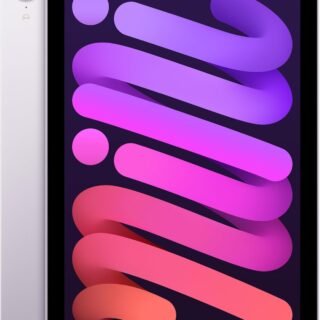 Apple iPad mini (A17 Pro): Apple Intelligence, 8.3-inch Liquid Retina Display, 256GB, Wi-Fi 6E, 12MP Front/12MP Back Camera, Touch ID, All-Day Battery Life — Purple
-
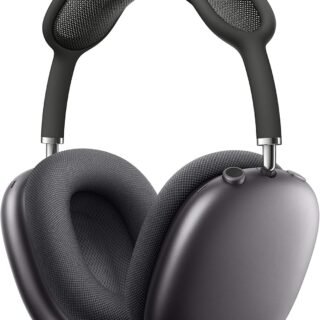 Apple AirPods Max Wireless Over-Ear Headphones, Active Noise Cancelling, Transparency Mode, Personalized Spatial Audio, Dolby Atmos, Bluetooth Headphones for iPhone – Space Gray
-
 Apple AirPods Pro 2 Wireless Earbuds, Active Noise Cancellation, Hearing Aid Feature, Bluetooth Headphones, Transparency, Personalized Spatial Audio, High-Fidelity Sound, H2 Chip, USB-C Charging
-
Home Garage 210 TC Cotton King Floral Fitted (Elastic) Bedsheet(Pack of 1, Grey)
Original price was: ₹999.00.₹299.00Current price is: ₹299.00.
Leave a Reply