Discounted Products
-
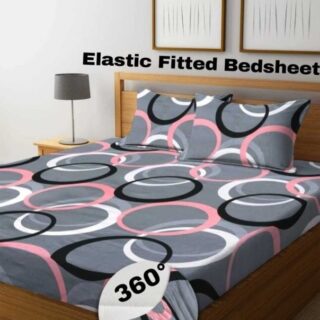 Home Garage 210 TC Cotton King Floral Fitted (Elastic) Bedsheet(Pack of 1, Grey)
Original price was: ₹999.00.₹299.00Current price is: ₹299.00.
Home Garage 210 TC Cotton King Floral Fitted (Elastic) Bedsheet(Pack of 1, Grey)
Original price was: ₹999.00.₹299.00Current price is: ₹299.00.
-
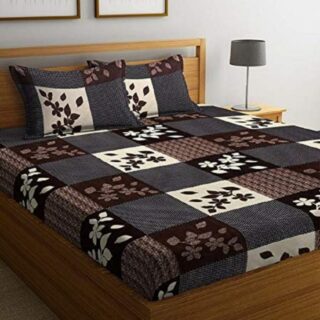 Goodrik 140 TC Cotton Double 3D Printed Flat Bedsheet(Pack of 1, Brown)
Original price was: ₹499.00.₹229.00Current price is: ₹229.00.
Goodrik 140 TC Cotton Double 3D Printed Flat Bedsheet(Pack of 1, Brown)
Original price was: ₹499.00.₹229.00Current price is: ₹229.00.
-
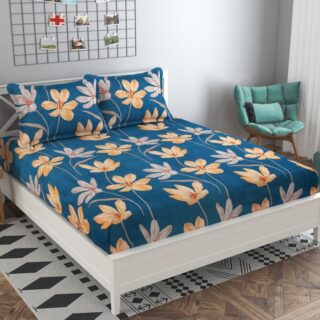 GLOBALSHOP 350 TC Microfiber Double Floral Flat Bedsheet(Pack of 1, Multicolor)
Original price was: ₹1,250.00.₹263.00Current price is: ₹263.00.
GLOBALSHOP 350 TC Microfiber Double Floral Flat Bedsheet(Pack of 1, Multicolor)
Original price was: ₹1,250.00.₹263.00Current price is: ₹263.00.
-
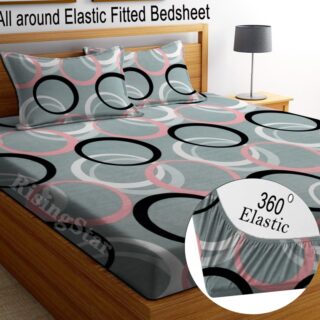 RisingStar 250 TC Microfiber King Printed Fitted (Elastic) Bedsheet(Pack of 1, FITTED-ROUND-CIRCLES-PREMIUM)
Original price was: ₹2,299.00.₹299.00Current price is: ₹299.00.
RisingStar 250 TC Microfiber King Printed Fitted (Elastic) Bedsheet(Pack of 1, FITTED-ROUND-CIRCLES-PREMIUM)
Original price was: ₹2,299.00.₹299.00Current price is: ₹299.00.
-
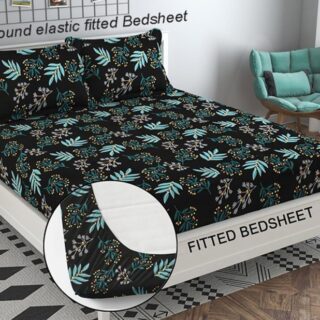 Home Garage 210 TC Cotton King Floral Fitted (Elastic) Bedsheet(Pack of 1, Fitted Black Green)
Original price was: ₹1,299.00.₹299.00Current price is: ₹299.00.
Home Garage 210 TC Cotton King Floral Fitted (Elastic) Bedsheet(Pack of 1, Fitted Black Green)
Original price was: ₹1,299.00.₹299.00Current price is: ₹299.00.
-
 Home Garage 180 TC Cotton King 3D Printed Flat Bedsheet(Pack of 1, White)
Original price was: ₹999.00.₹229.00Current price is: ₹229.00.
Home Garage 180 TC Cotton King 3D Printed Flat Bedsheet(Pack of 1, White)
Original price was: ₹999.00.₹229.00Current price is: ₹229.00.
-
 Panipat Textile Hub 152.4 cm (5 ft) Polyester Window Curtain (Pack Of 2)(Solid, Aqua)
Original price was: ₹1,899.00.₹299.00Current price is: ₹299.00.
Panipat Textile Hub 152.4 cm (5 ft) Polyester Window Curtain (Pack Of 2)(Solid, Aqua)
Original price was: ₹1,899.00.₹299.00Current price is: ₹299.00.
-
 Home Sizzler 214 cm (7 ft) Polyester Semi Transparent Door Curtain (Pack Of 2)(Floral, Maroon)
Original price was: ₹1,199.00.₹399.00Current price is: ₹399.00.
Home Sizzler 214 cm (7 ft) Polyester Semi Transparent Door Curtain (Pack Of 2)(Floral, Maroon)
Original price was: ₹1,199.00.₹399.00Current price is: ₹399.00.
-
 Home Sizzler 153 cm (5 ft) Polyester Room Darkening Window Curtain (Pack Of 2)(Floral, Brown)
Original price was: ₹799.00.₹299.00Current price is: ₹299.00.
Home Sizzler 153 cm (5 ft) Polyester Room Darkening Window Curtain (Pack Of 2)(Floral, Brown)
Original price was: ₹799.00.₹299.00Current price is: ₹299.00.
-
 Stella Creations 214 cm (7 ft) Polyester Room Darkening Door Curtain (Pack Of 2)(Abstract, Brown)
Original price was: ₹1,299.00.₹449.00Current price is: ₹449.00.
Stella Creations 214 cm (7 ft) Polyester Room Darkening Door Curtain (Pack Of 2)(Abstract, Brown)
Original price was: ₹1,299.00.₹449.00Current price is: ₹449.00.
-
 Homefab India 152.5 cm (5 ft) Polyester Room Darkening Window Curtain (Pack Of 2)(Floral, Light Blue)
Original price was: ₹1,199.00.₹319.00Current price is: ₹319.00.
Homefab India 152.5 cm (5 ft) Polyester Room Darkening Window Curtain (Pack Of 2)(Floral, Light Blue)
Original price was: ₹1,199.00.₹319.00Current price is: ₹319.00.
-
 Urban Home 214 cm (7 ft) PVC Transparent Door Curtain Single Curtain(Solid, Off White)
Original price was: ₹699.00.₹203.00Current price is: ₹203.00.
Urban Home 214 cm (7 ft) PVC Transparent Door Curtain Single Curtain(Solid, Off White)
Original price was: ₹699.00.₹203.00Current price is: ₹203.00.
-
 Panipat Textile Hub 213 cm (7 ft) Polyester Door Curtain (Pack Of 2)(Solid, Brown)
Original price was: ₹1,199.00.₹349.00Current price is: ₹349.00.
Panipat Textile Hub 213 cm (7 ft) Polyester Door Curtain (Pack Of 2)(Solid, Brown)
Original price was: ₹1,199.00.₹349.00Current price is: ₹349.00.
-
 Home Sizzler 214 cm (7 ft) Polyester Semi Transparent Door Curtain (Pack Of 2)(Floral, Brown)
Original price was: ₹999.00.₹349.00Current price is: ₹349.00.
Home Sizzler 214 cm (7 ft) Polyester Semi Transparent Door Curtain (Pack Of 2)(Floral, Brown)
Original price was: ₹999.00.₹349.00Current price is: ₹349.00.
-
 Panipat Textile Hub 213 cm (7 ft) Polyester Semi Transparent Door Curtain (Pack Of 2)(Floral, Brown)
Original price was: ₹899.00.₹299.00Current price is: ₹299.00.
Panipat Textile Hub 213 cm (7 ft) Polyester Semi Transparent Door Curtain (Pack Of 2)(Floral, Brown)
Original price was: ₹899.00.₹299.00Current price is: ₹299.00.

Introduction as Jessica
Hi, I’m Jessica. If you’ve ever used multiple audio devices on your Windows 11 computer—like speakers, headphones, or a wireless headset—you may have noticed that Windows doesn’t always play sound through the device you want. Sometimes audio keeps coming from the speakers even after plugging in headphones, or your Bluetooth headset connects but doesn’t automatically become the active audio output. This happens because Windows selects a default playback device, and unless you change it manually, the system will continue sending audio through that device.
I ran into this issue recently while switching between my desk speakers and my Bluetooth headphones. I expected the sound to automatically switch to my headphones, but instead it continued playing through the speakers. After digging into the settings, I discovered that Windows lets you control exactly which device should handle audio output, but the option isn’t always obvious at first glance.
Understanding how to change the default audio device is extremely useful, especially if you frequently switch between different audio equipment. Whether you’re gaming with a headset, attending video calls, watching movies with external speakers, or editing audio content, selecting the correct output device ensures that sound plays exactly where you want it.
Once you know where to find the settings, switching audio output devices on Windows 11 becomes quick and easy.
Use the Quick Settings Panel to Change Audio Output
One of the easiest ways to change your audio output device in Windows 11 is through the Quick Settings panel. This method is particularly helpful when you want to switch devices quickly without opening the full Settings menu.
To access Quick Settings, click on the volume icon located on the right side of the taskbar. This area is part of the system tray where Windows displays controls for sound, Wi-Fi, and battery status.
When the panel opens, you’ll see a volume slider and a small arrow icon next to the audio device name. Clicking this arrow reveals a list of all available audio output devices connected to your computer.
These devices might include built-in laptop speakers, external speakers, Bluetooth headphones, USB headsets, or HDMI audio outputs from monitors or TVs.
Simply select the device you want to use, and Windows will immediately switch the audio output to that device.
This method is especially convenient when switching between headphones and speakers during the day. For example, you might want speakers while working and headphones while attending an online meeting.
Because the Quick Settings panel is accessible directly from the taskbar, it’s one of the fastest ways to manage audio output on Windows 11.
Change Default Audio Device from the Settings App
Another reliable method to change the default audio device is through the Windows Settings app. This approach provides more control over audio devices and allows you to manage additional sound options.
Start by opening Settings from the Start menu. Once the Settings window appears, navigate to System and then select Sound.
In the Sound section, you’ll see a list of available output devices under the Output category. Windows displays each connected audio device so you can easily identify them.
Click on the device you want to use as your primary audio output. Once selected, Windows automatically routes all system audio through that device.
The Settings page also allows you to test the device, adjust volume levels, and troubleshoot audio problems if something isn’t working correctly.
Using the Settings app is particularly useful if you’re setting up new audio equipment for the first time. It allows you to verify that Windows recognizes the device and ensures it’s configured correctly.
This method gives you a clear overview of all connected audio devices, making it easier to manage multiple playback options.
Set a Default Device from the Sound Control Panel
Windows still includes the classic Sound Control Panel, which provides additional control over audio devices.
To access it, open the Start menu and search for Sound Control Panel or open the Run dialog and type the appropriate command to launch the audio settings window.
Inside the Sound window, switch to the Playback tab. Here you’ll see a list of all audio output devices available on your system.
Select the device you want to use and click the Set Default button. This tells Windows to send all system audio through that device unless you choose a different one later.
This panel also allows you to configure advanced settings such as audio enhancements, sample rates, and spatial sound options.
Many users prefer this control panel because it offers more detailed configuration options than the newer Settings interface.
If you’re using professional audio equipment or troubleshooting sound problems, the Sound Control Panel can be particularly helpful.
Use Device Manager to Check Audio Hardware
Sometimes an audio device might not appear in the output list because Windows hasn’t detected it properly. In those situations, checking Device Manager can help confirm whether the hardware is recognized.
Open Device Manager by searching for it in the Start menu. Once it opens, expand the Sound, video and game controllers category.
This section lists all audio hardware detected by Windows. If your speakers or headset appear here without any warning symbols, the system recognizes them correctly.
However, if you see a yellow warning icon next to a device, it may indicate a driver issue.
Updating or reinstalling the driver can often restore functionality and allow the device to appear as an available audio output option.
Checking Device Manager is a useful troubleshooting step whenever audio devices fail to appear in the normal settings menus.
Connect and Configure Bluetooth Audio Devices
Many people use Bluetooth headphones or speakers with Windows 11. These devices provide wireless convenience but may require manual configuration before becoming the default audio output.
Start by turning on Bluetooth on your computer. Then open Settings, navigate to Bluetooth & Devices, and select Add Device.
Choose Bluetooth from the list and select your headphones or speaker when it appears.
Once connected, the device should appear in the audio output list. You can then set it as the default playback device using the Quick Settings panel or the Sound settings menu.
Bluetooth audio devices are popular for gaming, streaming, and video calls because they allow freedom of movement without cables.
However, if the device doesn’t automatically become the default output, manually selecting it ensures audio is routed correctly.
Adjust Per-App Audio Output Settings
Windows 11 also allows you to assign different audio output devices to specific applications. This feature is useful if you want certain apps to use different playback devices simultaneously.
Open Settings, go to System, then select Sound. Scroll down until you find Volume Mixer.
Here you’ll see a list of currently running apps that produce audio. Next to each app, Windows provides a dropdown menu where you can choose the audio output device.
For example, you might send music from a media player to speakers while routing voice chat through a headset.
This feature is particularly useful for gamers or content creators who manage multiple audio streams at the same time.
Update Audio Drivers for Better Device Detection
Audio devices rely on drivers to communicate with Windows. If those drivers become outdated or corrupted, Windows may struggle to recognize certain output devices.
Updating audio drivers can improve compatibility and ensure devices appear correctly in the system.
Visit your computer manufacturer’s website or the audio chipset manufacturer’s website to download the latest drivers.
After installing updated drivers, restart the computer and check whether the device appears in the audio output list.
Keeping drivers updated can prevent many audio-related issues.
Restart Windows Audio Services
Windows relies on background services to manage sound functionality. If these services stop working, audio devices may not behave correctly.
Restarting the Windows Audio service can often restore normal functionality.
Open the Services panel and locate Windows Audio in the list. Restarting the service refreshes the audio system and reconnects devices to the operating system.
After restarting the service, check whether the correct output device becomes available.
Disconnect Unused Audio Devices
If you have many audio devices connected simultaneously, Windows may occasionally select the wrong one as the default.
Disconnecting unused devices can simplify the list of available outputs and make it easier to select the correct one.
For example, unplugging unused USB audio adapters or disabling unused devices in the Sound Control Panel can prevent confusion.
This helps ensure Windows consistently uses the correct audio device.
Restart Your Computer After Changing Audio Devices
If Windows continues sending sound to the wrong device even after changing settings, restarting the computer can refresh system configurations.
A restart reloads audio drivers, resets background services, and ensures Windows recognizes newly connected devices correctly.
This simple step often resolves stubborn audio routing issues.
Disclaimer
This guide is provided for informational purposes only. System behavior may vary depending on hardware configuration, installed drivers, and Windows updates. Always ensure your device drivers and operating system are up to date for the best compatibility and performance.

- How to Force Quit a Frozen App on MacBook: 7 Easy Ways to Close Unresponsive Apps

- Windows 10/11 Desktop Icons Disappeared: Why Your Desktop Is Empty and How to Get Your Icons Back

- How to Fix File Explorer Not Responding in Windows 11

- Windows Update “Undoing Changes” Error: Why Your Computer Gets Stuck and How to Actually Fix It

- How to Record High-Quality Sound on Mac: 8 Easy Methods

Products
-
![Apple Watch Ultra 3 [GPS + Cellular 49mm] Running & Multisport Smartwatch w/Rugged Titanium Case w/Black Titanium Milanese Loop - M. Satellite Communications, Advanced Health & Fitness Tracking](https://bazaronweb.com/retailstores/wp-content/uploads/2025/09/apple-watch-320x320.jpg) Apple Watch Ultra 3 [GPS + Cellular 49mm] Running & Multisport Smartwatch w/Rugged Titanium Case w/Black Titanium Milanese Loop - M. Satellite Communications, Advanced Health & Fitness Tracking
Apple Watch Ultra 3 [GPS + Cellular 49mm] Running & Multisport Smartwatch w/Rugged Titanium Case w/Black Titanium Milanese Loop - M. Satellite Communications, Advanced Health & Fitness Tracking
-
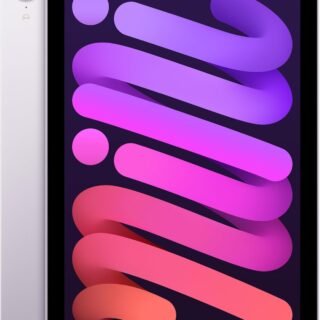 Apple iPad mini (A17 Pro): Apple Intelligence, 8.3-inch Liquid Retina Display, 256GB, Wi-Fi 6E, 12MP Front/12MP Back Camera, Touch ID, All-Day Battery Life — Purple
-
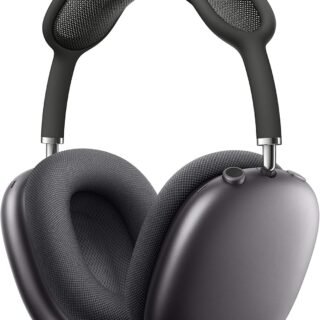 Apple AirPods Max Wireless Over-Ear Headphones, Active Noise Cancelling, Transparency Mode, Personalized Spatial Audio, Dolby Atmos, Bluetooth Headphones for iPhone – Space Gray
-
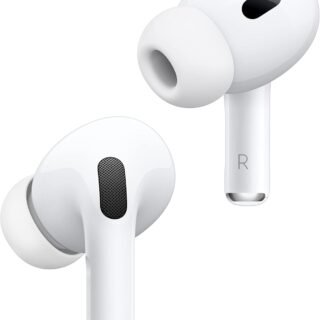 Apple AirPods Pro 2 Wireless Earbuds, Active Noise Cancellation, Hearing Aid Feature, Bluetooth Headphones, Transparency, Personalized Spatial Audio, High-Fidelity Sound, H2 Chip, USB-C Charging
-
Home Garage 210 TC Cotton King Floral Fitted (Elastic) Bedsheet(Pack of 1, Grey)
Original price was: ₹999.00.₹299.00Current price is: ₹299.00.
Leave a Reply