Discounted Products
-
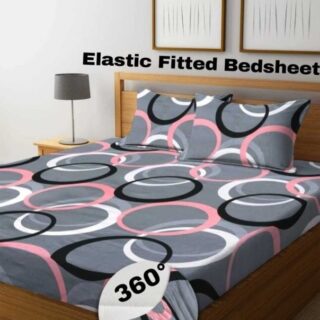 Home Garage 210 TC Cotton King Floral Fitted (Elastic) Bedsheet(Pack of 1, Grey)
Original price was: ₹999.00.₹299.00Current price is: ₹299.00.
Home Garage 210 TC Cotton King Floral Fitted (Elastic) Bedsheet(Pack of 1, Grey)
Original price was: ₹999.00.₹299.00Current price is: ₹299.00.
-
 Goodrik 140 TC Cotton Double 3D Printed Flat Bedsheet(Pack of 1, Brown)
Original price was: ₹499.00.₹229.00Current price is: ₹229.00.
Goodrik 140 TC Cotton Double 3D Printed Flat Bedsheet(Pack of 1, Brown)
Original price was: ₹499.00.₹229.00Current price is: ₹229.00.
-
 GLOBALSHOP 350 TC Microfiber Double Floral Flat Bedsheet(Pack of 1, Multicolor)
Original price was: ₹1,250.00.₹263.00Current price is: ₹263.00.
GLOBALSHOP 350 TC Microfiber Double Floral Flat Bedsheet(Pack of 1, Multicolor)
Original price was: ₹1,250.00.₹263.00Current price is: ₹263.00.
-
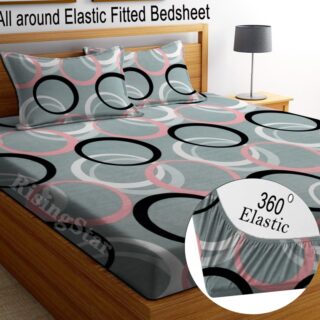 RisingStar 250 TC Microfiber King Printed Fitted (Elastic) Bedsheet(Pack of 1, FITTED-ROUND-CIRCLES-PREMIUM)
Original price was: ₹2,299.00.₹299.00Current price is: ₹299.00.
RisingStar 250 TC Microfiber King Printed Fitted (Elastic) Bedsheet(Pack of 1, FITTED-ROUND-CIRCLES-PREMIUM)
Original price was: ₹2,299.00.₹299.00Current price is: ₹299.00.
-
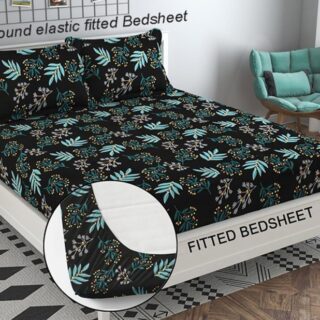 Home Garage 210 TC Cotton King Floral Fitted (Elastic) Bedsheet(Pack of 1, Fitted Black Green)
Original price was: ₹1,299.00.₹299.00Current price is: ₹299.00.
Home Garage 210 TC Cotton King Floral Fitted (Elastic) Bedsheet(Pack of 1, Fitted Black Green)
Original price was: ₹1,299.00.₹299.00Current price is: ₹299.00.
-
 Home Garage 180 TC Cotton King 3D Printed Flat Bedsheet(Pack of 1, White)
Original price was: ₹999.00.₹229.00Current price is: ₹229.00.
Home Garage 180 TC Cotton King 3D Printed Flat Bedsheet(Pack of 1, White)
Original price was: ₹999.00.₹229.00Current price is: ₹229.00.
-
 Panipat Textile Hub 152.4 cm (5 ft) Polyester Window Curtain (Pack Of 2)(Solid, Aqua)
Original price was: ₹1,899.00.₹299.00Current price is: ₹299.00.
Panipat Textile Hub 152.4 cm (5 ft) Polyester Window Curtain (Pack Of 2)(Solid, Aqua)
Original price was: ₹1,899.00.₹299.00Current price is: ₹299.00.
-
 Home Sizzler 214 cm (7 ft) Polyester Semi Transparent Door Curtain (Pack Of 2)(Floral, Maroon)
Original price was: ₹1,199.00.₹399.00Current price is: ₹399.00.
Home Sizzler 214 cm (7 ft) Polyester Semi Transparent Door Curtain (Pack Of 2)(Floral, Maroon)
Original price was: ₹1,199.00.₹399.00Current price is: ₹399.00.
-
 Home Sizzler 153 cm (5 ft) Polyester Room Darkening Window Curtain (Pack Of 2)(Floral, Brown)
Original price was: ₹799.00.₹299.00Current price is: ₹299.00.
Home Sizzler 153 cm (5 ft) Polyester Room Darkening Window Curtain (Pack Of 2)(Floral, Brown)
Original price was: ₹799.00.₹299.00Current price is: ₹299.00.
-
 Stella Creations 214 cm (7 ft) Polyester Room Darkening Door Curtain (Pack Of 2)(Abstract, Brown)
Original price was: ₹1,299.00.₹449.00Current price is: ₹449.00.
Stella Creations 214 cm (7 ft) Polyester Room Darkening Door Curtain (Pack Of 2)(Abstract, Brown)
Original price was: ₹1,299.00.₹449.00Current price is: ₹449.00.
-
 Homefab India 152.5 cm (5 ft) Polyester Room Darkening Window Curtain (Pack Of 2)(Floral, Light Blue)
Original price was: ₹1,199.00.₹319.00Current price is: ₹319.00.
Homefab India 152.5 cm (5 ft) Polyester Room Darkening Window Curtain (Pack Of 2)(Floral, Light Blue)
Original price was: ₹1,199.00.₹319.00Current price is: ₹319.00.
-
 Urban Home 214 cm (7 ft) PVC Transparent Door Curtain Single Curtain(Solid, Off White)
Original price was: ₹699.00.₹203.00Current price is: ₹203.00.
Urban Home 214 cm (7 ft) PVC Transparent Door Curtain Single Curtain(Solid, Off White)
Original price was: ₹699.00.₹203.00Current price is: ₹203.00.
-
 Panipat Textile Hub 213 cm (7 ft) Polyester Door Curtain (Pack Of 2)(Solid, Brown)
Original price was: ₹1,199.00.₹349.00Current price is: ₹349.00.
Panipat Textile Hub 213 cm (7 ft) Polyester Door Curtain (Pack Of 2)(Solid, Brown)
Original price was: ₹1,199.00.₹349.00Current price is: ₹349.00.
-
 Home Sizzler 214 cm (7 ft) Polyester Semi Transparent Door Curtain (Pack Of 2)(Floral, Brown)
Original price was: ₹999.00.₹349.00Current price is: ₹349.00.
Home Sizzler 214 cm (7 ft) Polyester Semi Transparent Door Curtain (Pack Of 2)(Floral, Brown)
Original price was: ₹999.00.₹349.00Current price is: ₹349.00.
-
 Panipat Textile Hub 213 cm (7 ft) Polyester Semi Transparent Door Curtain (Pack Of 2)(Floral, Brown)
Original price was: ₹899.00.₹299.00Current price is: ₹299.00.
Panipat Textile Hub 213 cm (7 ft) Polyester Semi Transparent Door Curtain (Pack Of 2)(Floral, Brown)
Original price was: ₹899.00.₹299.00Current price is: ₹299.00.
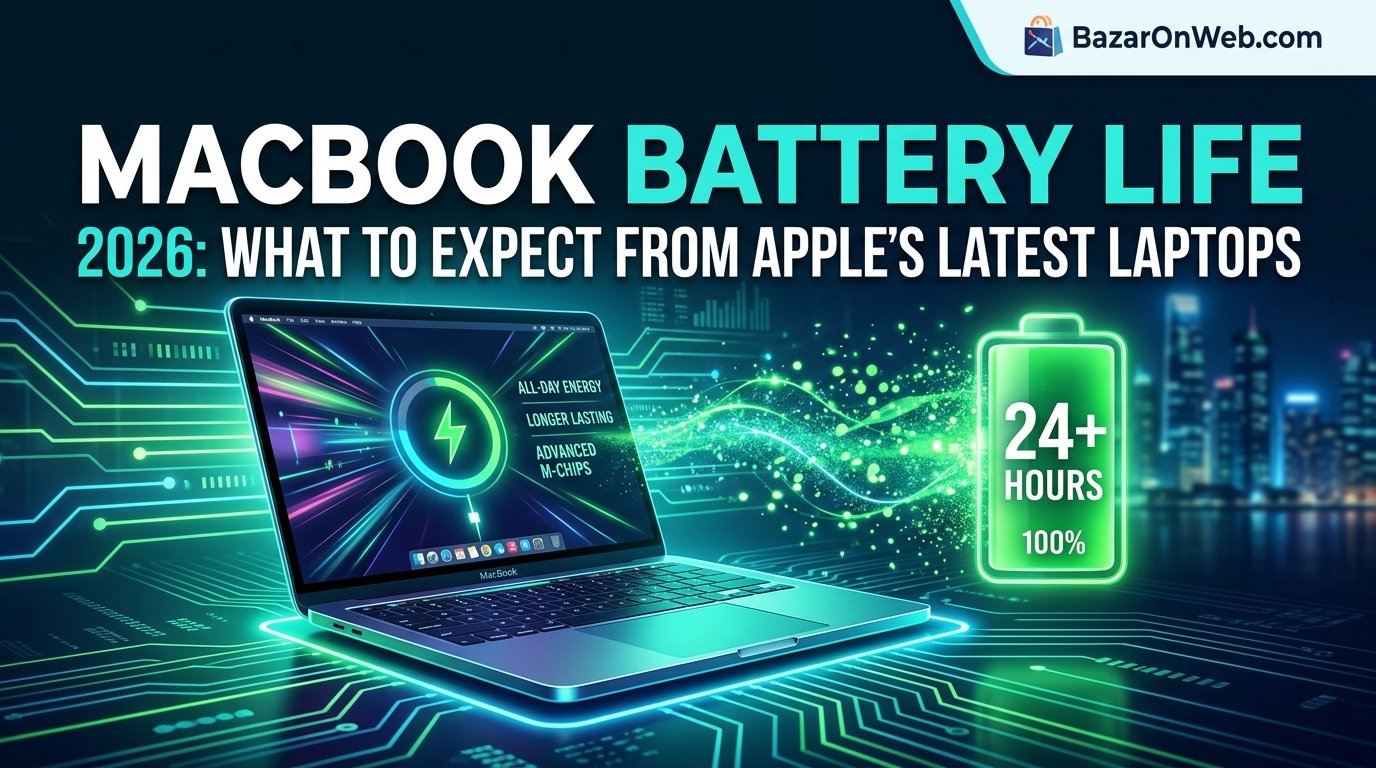
Hi, I’m Jessica, and one of the biggest reasons I continue recommending MacBooks to busy parents, travelers, students, and remote workers is battery life. A laptop that lasts all day without constantly searching for a charger genuinely changes how you work and relax. Whether I’m helping my kids with schoolwork at a café, replying to emails during travel, or streaming shows late at night, reliable battery life matters more than flashy specifications.
In 2026, Apple has continued improving the MacBook experience with better power efficiency, quieter performance, and smarter battery management tools. Current MacBook Air models now offer up to 18 hours of battery life, which is impressive for such thin and lightweight laptops. Combined with the latest macOS Tahoe 26.4 updates, users now have more control over battery health thanks to new charging limit settings that help extend long-term battery lifespan.
For people who prioritize portability, silent operation, and dependable everyday use, MacBooks remain one of the safest choices available today. However, actual battery performance still depends heavily on usage habits, apps, brightness settings, and whether you choose a MacBook Air or MacBook Pro. In this guide, I’ll explain how MacBook battery life performs in 2026, what affects it most, and how you can maximize your laptop’s longevity over time.
MacBook Air Continues Leading in Everyday Battery Efficiency
The MacBook Air remains one of the most battery-efficient laptops available in 2026. Apple has refined the balance between performance and power consumption so effectively that many users can now go an entire workday without carrying a charger. For casual users, students, digital marketers, office professionals, and travelers, the MacBook Air provides dependable all-day battery performance while staying lightweight and completely silent during normal tasks.
One major reason behind this efficiency is Apple Silicon optimization. The newer chips inside MacBook Air models consume significantly less energy compared to traditional processors found in many competing laptops. Tasks such as web browsing, email management, video streaming, Zoom meetings, note-taking, and document editing barely stress the system. Because of this, the battery drains much slower even during extended usage periods.
Another advantage is thermal efficiency. Since MacBook Air models operate without loud cooling fans, users experience quieter operation while the system intelligently manages power consumption in the background. This makes the laptop especially appealing for libraries, classrooms, meetings, and travel environments where noise can become distracting.
Battery life also feels more predictable in real-world use. Unlike some Windows laptops that experience sudden drops under multitasking, MacBook Air models maintain steadier battery performance throughout the day. For users prioritizing portability, travel-friendly usage, and low maintenance, the MacBook Air continues to be one of the strongest laptop choices in 2026.
MacBook Pro Models Deliver Strong Battery Performance for Heavy Workloads
While the MacBook Air focuses on lightweight efficiency, the MacBook Pro lineup in 2026 offers exceptional battery performance for demanding professional workloads. Video editors, developers, designers, engineers, photographers, and content creators often require sustained performance for long periods, and Apple has optimized MacBook Pro models to handle those intensive tasks without sacrificing battery life too aggressively.
The larger batteries inside MacBook Pro devices naturally contribute to longer endurance. Even during activities such as 4K video editing, coding environments, multitasking with multiple applications, or rendering projects, battery drain remains relatively controlled compared to many high-performance Windows laptops. Apple’s hardware and software integration continues to play a major role in achieving this efficiency.
Users who frequently work remotely benefit greatly from this improvement. Professionals can now attend meetings, edit files, process media, and collaborate online for several hours without feeling tied to power outlets. This flexibility has become increasingly important for hybrid workers and digital nomads in 2026.
Another key advantage is intelligent power allocation. macOS dynamically distributes resources based on active workloads, helping preserve energy during lighter tasks while still delivering strong performance when needed. Even when using resource-heavy creative applications, the system avoids unnecessary battery waste.
For people balancing portability with serious productivity needs, MacBook Pro devices offer a strong combination of battery reliability, performance consistency, and quieter operation that continues to distinguish Apple laptops from many competitors in the professional market.
macOS Tahoe 26.4 Introduced Smarter Battery Health Controls
One of the most important battery-related improvements in 2026 came through macOS Tahoe 26.4. Apple introduced a new battery charge limit feature that allows users to cap charging between 80% and 100%. This small but powerful addition gives users greater control over long-term battery health and reflects Apple’s increasing focus on device longevity.
Battery degradation naturally occurs over time, especially when lithium-ion batteries remain constantly charged at maximum capacity for extended periods. By limiting charging to lower percentages like 80% or 85%, users can reduce battery stress and potentially slow down long-term wear. This feature is especially useful for people who keep their MacBooks plugged in for long hours during office work or home usage.
Many users previously relied on third-party applications for charge management, but Apple has now integrated this directly into macOS. The built-in solution feels cleaner, safer, and easier to configure. Users can adjust settings according to their personal habits and usage patterns without needing complicated battery optimization tools.
This update also demonstrates how Apple is moving beyond simple battery duration marketing. Instead of only focusing on “hours per charge,” the company is now prioritizing battery lifespan and sustainable long-term ownership experiences. That matters for consumers who plan to keep their laptops for many years.
For everyday users, this means fewer battery replacement concerns and better performance stability over time. Combined with Apple Silicon efficiency, macOS Tahoe 26.4 makes MacBook battery management smarter and more user-friendly than ever before.
Real-World Battery Life Depends on How You Use Your MacBook
Although Apple advertises impressive battery numbers, actual battery life always depends on real-world usage patterns. In 2026, MacBooks continue performing exceptionally well, but understanding how activities impact battery consumption helps users set realistic expectations and optimize daily performance.
Simple tasks like web browsing, writing documents, online shopping, streaming music, or attending video calls consume relatively little power. Many users can comfortably reach close to Apple’s advertised battery estimates during these lighter activities. However, demanding applications change the situation significantly. Video editing software, gaming, virtualization tools, 3D rendering programs, and large multitasking sessions drain battery much faster.
Display brightness also plays a major role. Running the screen at maximum brightness for long periods noticeably reduces battery duration. Users working outdoors or in brightly lit environments may experience shorter battery life compared to those using moderate brightness indoors.
Browser habits matter too. Keeping dozens of tabs open, running background extensions, or using resource-heavy websites can gradually increase energy consumption. Similarly, cloud synchronization services, file indexing, and continuous downloads may quietly affect battery endurance without users immediately realizing it.
Wireless connectivity influences performance as well. Active Bluetooth accessories, Wi-Fi usage, and external devices connected through USB-C ports can slowly reduce available battery time throughout the day.
The good news is that MacBooks generally handle these variables better than many competing laptops. Even under mixed workloads, Apple laptops remain efficient, predictable, and reliable for users who need dependable battery performance during busy schedules and travel situations.
Why Travelers Prefer MacBooks for Long Flights and Remote Work
MacBooks have become increasingly popular among travelers, freelancers, and remote workers because of their dependable battery life and portability. In 2026, this reputation remains strong, especially as more people work from airports, cafés, co-working spaces, and temporary travel locations where charging access may be limited.
One of the biggest advantages is confidence. Travelers appreciate knowing their laptop can survive long flights, layovers, train rides, or work sessions without constantly monitoring battery percentages. The MacBook Air, in particular, appeals to frequent travelers because of its lightweight design combined with excellent battery efficiency.
Silent operation is another major benefit. Since MacBook Air models operate fanlessly during regular usage, users can work quietly in libraries, hotels, waiting lounges, or shared spaces without distracting noise. Even MacBook Pro models maintain relatively quiet operation compared to many performance-focused laptops.
Fast standby performance also improves the travel experience. MacBooks wake almost instantly from sleep mode while consuming very little power during inactivity. This allows users to quickly resume work without draining battery unnecessarily between tasks.
Charging convenience matters too. USB-C charging compatibility means travelers can often use universal chargers, power banks, or compact adapters instead of carrying bulky proprietary chargers. This simplifies packing and reduces travel clutter.
For professionals who value reliability, low maintenance, quiet operation, and long-lasting performance away from power outlets, MacBooks continue offering one of the best travel-friendly laptop experiences available in 2026.
Apple Silicon Still Gives MacBooks a Major Battery Advantage
Apple Silicon remains one of the biggest reasons MacBook battery life continues outperforming many competitors in 2026. Since transitioning away from Intel processors, Apple has gained tighter control over hardware and software integration, allowing the company to optimize performance and energy efficiency more effectively than traditional laptop manufacturers.
The architecture of Apple Silicon chips is designed to intelligently balance performance and power consumption. Low-power efficiency cores handle lighter tasks such as messaging, web browsing, or background activities, while performance cores activate only when demanding workloads require additional processing power. This selective resource management dramatically reduces unnecessary battery drain.
Another important advantage is reduced heat generation. Many traditional laptops consume more power because they require aggressive cooling systems during heavy usage. Apple Silicon devices generate less heat overall, helping conserve battery while maintaining quieter operation.
Application optimization has also improved significantly over time. Most major apps in 2026 are now fully optimized for Apple Silicon, meaning they run more efficiently and consume less power compared to earlier compatibility-based versions. This contributes to smoother multitasking and better battery consistency throughout the day.
Battery endurance also benefits from unified memory architecture, which allows faster communication between components while using less energy. Combined with efficient macOS resource management, MacBooks can sustain long periods of productivity without large battery fluctuations.
For consumers, this translates into practical benefits rather than just technical improvements. Longer unplugged usage, quieter performance, cooler temperatures, and reduced charging anxiety all contribute to why MacBooks continue dominating discussions around premium laptop battery life.
Battery Health Management Has Become More Important Than Ever
In 2026, users are becoming increasingly aware that maintaining battery health is just as important as achieving long battery life on a single charge. Apple’s newer battery management features encourage healthier charging habits while helping extend the usable lifespan of MacBooks over several years.
Battery aging happens naturally over time, especially when devices experience constant heat exposure or remain plugged in at full charge for extended periods. Many users previously ignored battery health until noticeable degradation occurred. However, Apple’s improved monitoring tools now make it easier to track battery condition directly within macOS settings.
The new charge limit feature introduced in macOS Tahoe 26.4 supports healthier long-term usage habits. Users who primarily work from desks can intentionally limit charging percentages to reduce stress on battery cells. This is particularly valuable for professionals who keep laptops plugged in daily for office work or home productivity setups.
Temperature management also plays a critical role. Using MacBooks on beds, cushions, or poorly ventilated surfaces can trap heat and accelerate battery wear. Apple’s thermal optimization helps minimize risks, but user habits still influence long-term health outcomes significantly.
Software updates contribute to battery preservation as well. Apple regularly improves background process efficiency, charging intelligence, and resource management through macOS updates. Keeping systems updated ensures users benefit from the latest optimizations.
For consumers investing in expensive laptops, protecting battery health means maintaining better resale value, stronger long-term performance, and fewer repair costs. Apple’s growing focus on sustainable battery care reflects changing consumer expectations in modern laptop ownership.
Charging Speed and Power Efficiency Continue Improving
Battery life is only part of the experience. Charging speed and power efficiency have also improved significantly across MacBook models in 2026. Users today expect laptops not only to last longer but also to recharge quickly and efficiently when needed.
Modern MacBooks support fast charging capabilities that allow users to recover substantial battery percentages within relatively short periods. This is especially useful for busy professionals, students, and travelers who may only have limited access to charging opportunities between meetings or flights.
Apple’s USB-C ecosystem contributes to convenience and flexibility. Many users now charge MacBooks using compact multi-device chargers capable of powering phones, tablets, and laptops simultaneously. This reduces cable clutter and simplifies travel setups considerably.
Power efficiency during charging has improved as well. Intelligent charging systems regulate energy flow based on temperature, battery condition, and usage patterns. This helps minimize overheating while maintaining safer long-term charging performance.
Another practical improvement is reduced standby battery drain. MacBooks preserve energy effectively when sleeping, meaning users often return to laptops with nearly identical battery levels even after extended idle periods. This reliability creates a smoother day-to-day ownership experience.
Energy-efficient chips also allow smaller chargers to deliver impressive performance. Unlike older high-performance laptops requiring large power bricks, many MacBook users now carry lighter adapters without compromising productivity.
Together, these improvements create a more balanced ecosystem where battery endurance, charging convenience, and long-term reliability work together seamlessly. In 2026, MacBooks continue offering one of the most polished portable computing experiences available for modern users.
macOS Optimization Makes Battery Performance Feel More Consistent
One underrated reason MacBooks perform so well in battery testing is macOS optimization. In 2026, Apple continues refining how the operating system manages applications, background activities, memory allocation, and system resources to maximize energy efficiency without sacrificing user experience.
Unlike many laptops where battery performance fluctuates dramatically depending on software behavior, macOS tends to maintain more stable and predictable battery consumption patterns. This consistency helps users trust their remaining battery estimates more confidently throughout the day.
Background process management plays an important role here. macOS intelligently reduces unnecessary resource usage from inactive applications while prioritizing active tasks. This prevents excessive battery drain caused by hidden processes operating continuously in the background.
Safari browser optimization also contributes to efficiency. Apple’s browser is specifically designed for macOS power management, often consuming less battery compared to some alternative browsers during extended web browsing sessions. Streaming video playback, for example, tends to remain surprisingly efficient on MacBooks.
The operating system additionally works closely with Apple Silicon hardware to adjust power allocation dynamically. During lighter tasks, the system conserves energy aggressively. When performance demands increase, resources scale intelligently without causing sudden battery collapse.
Software stability further improves the experience. Because Apple controls both hardware and software development, compatibility issues that frequently impact battery life on some Windows devices are reduced considerably.
For users, these optimizations create an experience where MacBooks simply feel dependable. Whether working, studying, traveling, or relaxing, battery performance remains smooth, stable, and reassuringly consistent throughout everyday usage.
Are MacBooks Still the Best Battery-Friendly Laptops in 2026?
In many ways, MacBooks remain among the strongest battery-focused laptop choices in 2026. While competitors have improved significantly over recent years, Apple still maintains a strong advantage in balancing battery life, portability, thermal efficiency, software optimization, and overall user experience.
The MacBook Air continues appealing to mainstream users who prioritize lightweight travel, quiet operation, and dependable all-day battery life. Meanwhile, MacBook Pro devices successfully combine strong performance with surprisingly efficient power consumption for professional workloads. Few competing laptops manage both areas equally well.
Apple’s ecosystem integration further strengthens the experience. Features such as AirDrop, iCloud syncing, iPhone connectivity, and optimized application ecosystems create smoother workflows that indirectly improve productivity while reducing unnecessary battery strain from third-party software inefficiencies.
Battery health tools introduced in macOS Tahoe 26.4 also show Apple’s growing focus on long-term ownership rather than short-term marketing claims alone. Users now have more control over preserving battery condition and extending device lifespan over several years.
That said, MacBooks are not perfect for every user. Heavy gamers, specialized enterprise users, or people requiring certain Windows-exclusive applications may still prefer alternative systems. Price can also remain a limiting factor for some consumers.
However, for general productivity, remote work, education, content consumption, business travel, and everyday professional use, MacBooks continue offering one of the most reliable and battery-efficient laptop experiences available in 2026.
Disclaimer
This article is for informational and educational purposes only. Battery performance may vary depending on MacBook model, software version, usage habits, installed applications, screen brightness, environmental conditions, and charging behavior. Battery life figures mentioned are based on Apple’s advertised estimates and general real-world usage observations available in 2026. Users should consult official Apple documentation and product specifications before making purchasing decisions or adjusting battery settings.

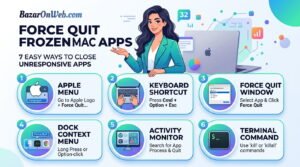
- How to Force Quit a Frozen App on MacBook: 7 Easy Ways to Close Unresponsive Apps
- Windows 10/11 Desktop Icons Disappeared: Why Your Desktop Is Empty and How to Get Your Icons Back

- How to Fix File Explorer Not Responding in Windows 11

- Windows Update “Undoing Changes” Error: Why Your Computer Gets Stuck and How to Actually Fix It

- How to Record High-Quality Sound on Mac: 8 Easy Methods

Products
-
![Apple Watch Ultra 3 [GPS + Cellular 49mm] Running & Multisport Smartwatch w/Rugged Titanium Case w/Black Titanium Milanese Loop - M. Satellite Communications, Advanced Health & Fitness Tracking](https://bazaronweb.com/retailstores/wp-content/uploads/2025/09/apple-watch-320x320.jpg) Apple Watch Ultra 3 [GPS + Cellular 49mm] Running & Multisport Smartwatch w/Rugged Titanium Case w/Black Titanium Milanese Loop - M. Satellite Communications, Advanced Health & Fitness Tracking
Apple Watch Ultra 3 [GPS + Cellular 49mm] Running & Multisport Smartwatch w/Rugged Titanium Case w/Black Titanium Milanese Loop - M. Satellite Communications, Advanced Health & Fitness Tracking
-
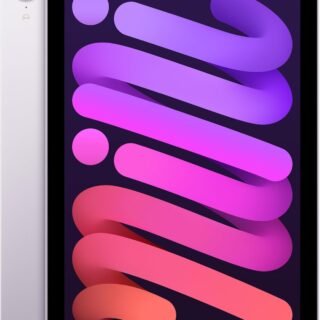 Apple iPad mini (A17 Pro): Apple Intelligence, 8.3-inch Liquid Retina Display, 256GB, Wi-Fi 6E, 12MP Front/12MP Back Camera, Touch ID, All-Day Battery Life — Purple
-
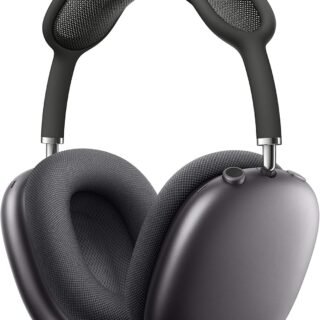 Apple AirPods Max Wireless Over-Ear Headphones, Active Noise Cancelling, Transparency Mode, Personalized Spatial Audio, Dolby Atmos, Bluetooth Headphones for iPhone – Space Gray
-
 Apple AirPods Pro 2 Wireless Earbuds, Active Noise Cancellation, Hearing Aid Feature, Bluetooth Headphones, Transparency, Personalized Spatial Audio, High-Fidelity Sound, H2 Chip, USB-C Charging
-
Home Garage 210 TC Cotton King Floral Fitted (Elastic) Bedsheet(Pack of 1, Grey)
Original price was: ₹999.00.₹299.00Current price is: ₹299.00.
Leave a Reply