Category
Popular Articles
- AI (20)
- Air Tag (1)
- Android (53)
- App Suggest (13)
- Apple (46)
- Apple TV (4)
- Bluetooth (3)
- Cars (2)
- ChatGpt (1)
- Chrome (4)
- Did you know? (1)
- E-Commerce News (1)
- Ecommerce Websites business (7)
- Electronics Shopping (5)
- Fashion Tips (3)
- Gaming (7)
- Google Gemini (3)
- Hair Care Tips (2)
- How to (13)
- iCloud (1)
- Infotainment System (1)
- Iphone (169)
- Job Posting (1)
- Lifestyle (3)
- MacBook (37)
- Mobile Games (1)
- Netflix (1)
- Online Shopping Websites (2)
- Personal Finance Management (3)
- Product Reviews (3)
- Roku TV (4)
- Samsung (10)
- Shopping Tips (13)
- Spotify (1)
- Tech (162)
- VPN (2)
- Whatsapp (1)
- Windows 11 (111)
- Youtube (1)
- Zero Waste (3)
Discounted Products
-

Leo Creation 144 TC Cotton Double Jaipuri Prints Flat Bedsheet(Pack of 1, Blue, Gree, Red, Grey, Light Grey)
₹2,999.00Original price was: ₹2,999.00.₹329.00Current price is: ₹329.00. -
Home Garage 210 TC Cotton King Floral Fitted (Elastic) Bedsheet(Pack of 1, Grey)
₹999.00Original price was: ₹999.00.₹299.00Current price is: ₹299.00. -

Goodrik 140 TC Cotton Double 3D Printed Flat Bedsheet(Pack of 1, Brown)
₹499.00Original price was: ₹499.00.₹229.00Current price is: ₹229.00. -

GLOBALSHOP 350 TC Microfiber Double Floral Flat Bedsheet(Pack of 1, Multicolor)
₹1,250.00Original price was: ₹1,250.00.₹263.00Current price is: ₹263.00. -

RisingStar 250 TC Microfiber King Printed Fitted (Elastic) Bedsheet(Pack of 1, FITTED-ROUND-CIRCLES-PREMIUM)
₹2,299.00Original price was: ₹2,299.00.₹299.00Current price is: ₹299.00. -

Home Garage 210 TC Cotton King Floral Fitted (Elastic) Bedsheet(Pack of 1, Fitted Black Green)
₹1,299.00Original price was: ₹1,299.00.₹299.00Current price is: ₹299.00. -

Home Garage 180 TC Cotton King 3D Printed Flat Bedsheet(Pack of 1, White)
₹999.00Original price was: ₹999.00.₹229.00Current price is: ₹229.00. -

Home Sizzler 153 cm (5 ft) Polyester Room Darkening Window Curtain (Pack Of 2)(Floral, Maroon)
₹799.00Original price was: ₹799.00.₹299.00Current price is: ₹299.00. -

Panipat Textile Hub 152.4 cm (5 ft) Polyester Window Curtain (Pack Of 2)(Solid, Aqua)
₹1,899.00Original price was: ₹1,899.00.₹299.00Current price is: ₹299.00. -
Home Sizzler 214 cm (7 ft) Polyester Semi Transparent Door Curtain (Pack Of 2)(Floral, Maroon)
₹1,199.00Original price was: ₹1,199.00.₹399.00Current price is: ₹399.00. -

Home Sizzler 153 cm (5 ft) Polyester Room Darkening Window Curtain (Pack Of 2)(Floral, Brown)
₹799.00Original price was: ₹799.00.₹299.00Current price is: ₹299.00. -

Stella Creations 214 cm (7 ft) Polyester Room Darkening Door Curtain (Pack Of 2)(Abstract, Brown)
₹1,299.00Original price was: ₹1,299.00.₹449.00Current price is: ₹449.00. -

Homefab India 152.5 cm (5 ft) Polyester Room Darkening Window Curtain (Pack Of 2)(Floral, Light Blue)
₹1,199.00Original price was: ₹1,199.00.₹319.00Current price is: ₹319.00. -

Urban Home 214 cm (7 ft) PVC Transparent Door Curtain Single Curtain(Solid, Off White)
₹699.00Original price was: ₹699.00.₹203.00Current price is: ₹203.00. -

Panipat Textile Hub 213 cm (7 ft) Polyester Door Curtain (Pack Of 2)(Solid, Brown)
₹1,199.00Original price was: ₹1,199.00.₹349.00Current price is: ₹349.00.
Affiliate Links
Promotion
Hi, I’m Jessica,
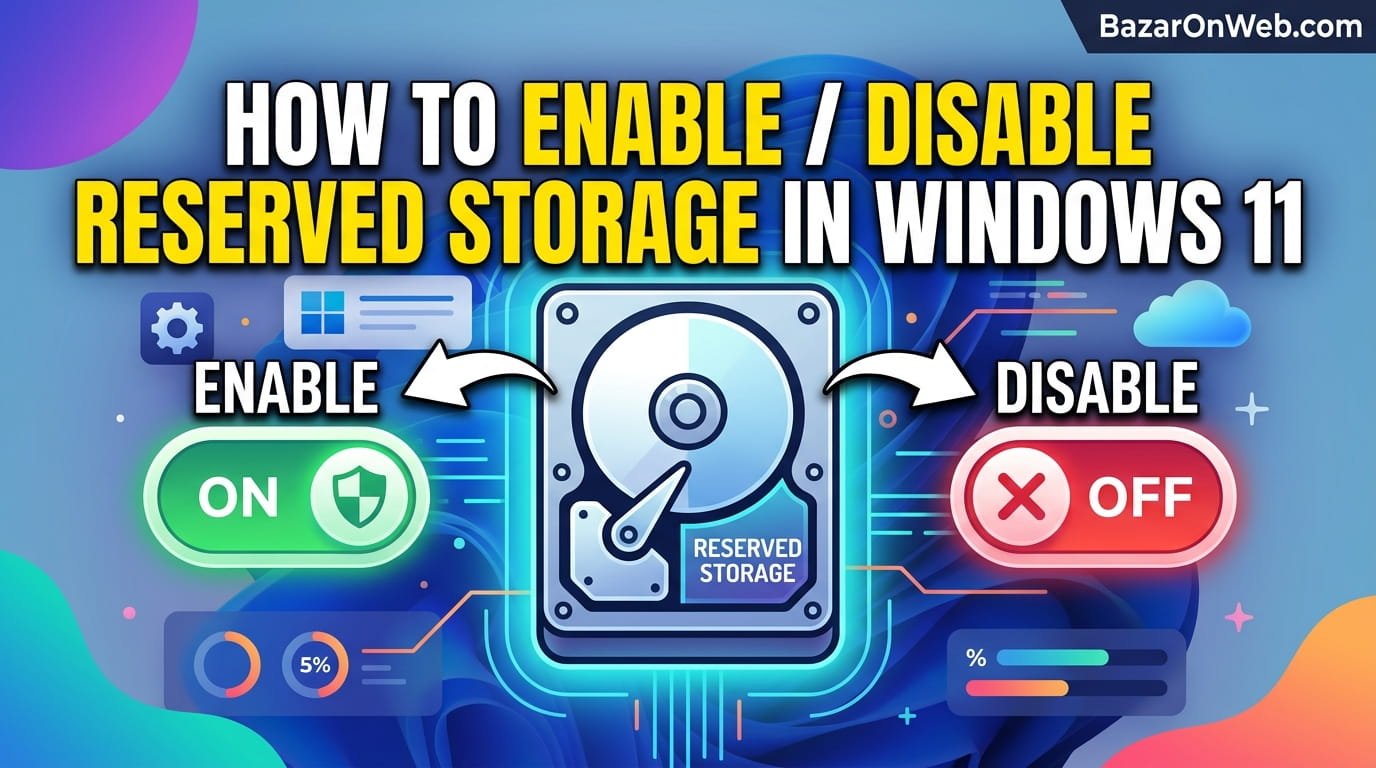
Windows 11 includes several background features designed to improve system performance, stability, and update reliability. One such feature is Reserved Storage, a built-in storage management system that sets aside a portion of your device’s storage space for updates, temporary files, system caches, and other critical operating system functions. While this feature helps ensure that Windows updates install smoothly, many users wonder whether they should keep it enabled or disable it to reclaim valuable disk space. Understanding how Reserved Storage works can help you make an informed decision based on your device’s storage capacity and usage habits.
Reserved Storage in Windows 11 is designed to improve update success rates by ensuring the operating system always has enough free space to perform maintenance tasks. Users with limited SSD storage often seek ways to recover additional space, while others prioritize system stability and uninterrupted updates. This guide explores everything you need to know about enabling or disabling Reserved Storage, including its benefits, drawbacks, methods of configuration, and best practices for maintaining a healthy Windows 11 environment.
What Is Reserved Storage in Windows 11
Reserved Storage is a feature introduced by Microsoft to ensure that Windows has dedicated storage space available for important operating system tasks. Instead of relying on users to keep sufficient free disk space available, Windows automatically reserves a specific amount of storage for updates, temporary files, system caches, and maintenance operations.
The feature was originally introduced to address one of the most common causes of failed Windows updates: insufficient disk space. By reserving storage in advance, Windows can download and install updates without interruption, even when user storage becomes nearly full. This helps maintain system security and stability by ensuring critical updates are applied successfully.
Reserved Storage is not necessarily unused space. Windows dynamically manages the reserved area, using it for temporary files, language packs, optional features, and update-related content. When storage requirements change, Windows can adjust how the reserved space is utilized internally.
Many users mistakenly believe Reserved Storage permanently wastes disk space. In reality, the storage allocation serves an operational purpose that improves the reliability of system updates and maintenance processes. Understanding this distinction is important before deciding whether to disable the feature.
Why Microsoft Introduced Reserved Storage
Before Reserved Storage existed, many Windows users experienced update failures due to low disk space. When updates could not install correctly, systems remained vulnerable to security threats and compatibility issues. This became especially problematic for devices equipped with smaller SSDs.
Microsoft introduced Reserved Storage to guarantee that the operating system always had enough working space to complete critical processes. By setting aside a dedicated storage pool, Windows could avoid interruptions caused by user files consuming nearly all available storage.
The feature also helps reduce performance problems associated with storage shortages. Temporary files generated during updates, application installations, and system maintenance can occupy significant disk space. Reserved Storage provides a buffer that allows these processes to complete smoothly.
Another reason for implementing Reserved Storage was to improve the overall user experience. Instead of displaying repeated warnings about insufficient storage, Windows proactively manages storage allocation. This approach reduces update-related frustrations and helps maintain system reliability across a wide range of hardware configurations.
As storage technologies evolved and operating systems became more complex, ensuring adequate free space became increasingly important. Reserved Storage represents Microsoft’s solution to this ongoing challenge.
How Reserved Storage Works Behind the Scenes
Reserved Storage operates as a managed storage allocation system within Windows 11. The operating system designates a specific amount of disk space, typically several gigabytes, for system-related tasks. This reserved space is not visible as a separate partition but exists as a logical allocation within the operating system.
When Windows downloads updates, creates temporary installation files, or performs maintenance operations, it can use the reserved area without competing directly with user files for available disk space. This separation helps maintain consistent update performance.
The reserved space is not always occupied by update files. When updates are not actively being installed, Windows may utilize portions of the reserved allocation for temporary system files. As storage needs change, the operating system dynamically manages how the space is used.
Language packs, optional features, diagnostic files, and cache data may also utilize Reserved Storage. These components help Windows maintain functionality while ensuring essential system processes always have room to operate.
Users often notice that available storage appears reduced when Reserved Storage is enabled. However, the operating system continuously optimizes the allocation based on current requirements, helping balance system functionality and storage efficiency.
Benefits of Keeping Reserved Storage Enabled
Keeping Reserved Storage enabled offers several advantages, particularly for users who prioritize system reliability and seamless updates. One of the most significant benefits is improved update success rates. Windows updates can install without encountering disk space limitations that might otherwise cause failures.
Another advantage is enhanced system stability. Temporary files generated during maintenance tasks have dedicated storage space available, reducing the likelihood of performance issues caused by storage shortages. This helps Windows maintain optimal operation over time.
Security also benefits from Reserved Storage. Critical security updates can be downloaded and installed promptly because sufficient storage space is already allocated. Delayed or failed updates can expose systems to vulnerabilities, making update reliability an important consideration.
Users who frequently install and remove applications may also benefit from Reserved Storage. Temporary installation files and caches can be managed more efficiently without consuming all available user storage.
For most modern systems equipped with adequate SSD capacity, the storage reserved by Windows represents a relatively small percentage of total disk space. In exchange, users receive improved reliability, reduced maintenance issues, and a smoother update experience.
Reasons Some Users Disable Reserved Storage
Despite its benefits, some users choose to disable Reserved Storage, particularly when working with devices that have limited storage capacity. Systems equipped with small SSDs or eMMC storage may benefit from recovering several gigabytes of space.
Users who carefully manage their storage and maintain significant free space may feel that Reserved Storage is unnecessary. They prefer having full control over disk allocation rather than allowing Windows to reserve storage automatically.
Another reason involves specialized use cases. Some advanced users operate highly optimized systems with minimal software installations and controlled update environments. In these scenarios, they may determine that the benefits of Reserved Storage are less important.
Storage-sensitive environments such as educational devices, budget laptops, and compact tablets often face capacity constraints. Recovering reserved storage space can provide additional room for documents, applications, and media files.
However, disabling Reserved Storage requires careful consideration. Users must ensure sufficient free disk space remains available for updates and maintenance tasks. Otherwise, update failures and system issues may occur in the future.
How to Check Whether Reserved Storage Is Enabled
Before making changes, it is important to determine whether Reserved Storage is currently active on your Windows 11 system. Microsoft provides a simple method for viewing this information through the Settings application.
Open Settings and navigate to System. Select Storage and then choose Advanced Storage Settings if available. Within the storage information area, Windows may display details regarding system and reserved storage usage.
Another method involves using command-line tools such as DISM. Administrative Command Prompt sessions can provide detailed information regarding reserved storage status and configuration.
Checking Reserved Storage status helps users understand how much storage is currently allocated and whether modifying the feature would provide meaningful space savings. In some cases, the amount of reserved storage may vary depending on installed language packs, optional features, and system configuration.
Reviewing storage usage before making changes allows users to make informed decisions rather than disabling features unnecessarily. Understanding current allocation levels is an essential first step in storage optimization.
How to Disable Reserved Storage in Windows 11
Disabling Reserved Storage typically involves using Deployment Image Servicing and Management (DISM), a command-line tool included with Windows. Administrative privileges are required to modify this setting.
Users can open Command Prompt as Administrator and execute the appropriate DISM command that changes the Reserved Storage state. After the command is processed successfully, Windows updates the configuration accordingly.
It is important to understand that disabling Reserved Storage does not immediately free storage space in all cases. The operating system may need additional maintenance cycles, updates, or restarts before storage allocations are fully adjusted.
Users should also verify that sufficient free disk space remains available after disabling the feature. Future Windows updates may require temporary storage, and inadequate free space could lead to installation problems.
Before making any changes, creating a restore point is recommended. This provides an additional layer of protection should unexpected issues arise during configuration changes or future system updates.
How to Re-Enable Reserved Storage Later
If Reserved Storage has been disabled and users later decide to restore it, Windows allows the feature to be re-enabled. This flexibility ensures that storage management preferences can be adjusted as requirements evolve.
Re-enabling Reserved Storage generally involves executing the corresponding DISM command that instructs Windows to activate the feature again. Administrative access is required, and the system may need a restart before changes fully take effect.
Once enabled, Windows gradually rebuilds the reserved allocation according to current system requirements. The exact amount reserved may vary depending on installed components and future updates.
Reactivating Reserved Storage can be particularly beneficial if users begin experiencing update-related problems or if storage availability improves after upgrading hardware. Systems that receive regular updates often benefit from having dedicated storage resources available.
Understanding that Reserved Storage is not a permanent decision allows users to experiment cautiously while maintaining the ability to restore Microsoft’s recommended configuration whenever necessary.
Potential Risks of Disabling Reserved Storage
While disabling Reserved Storage may recover disk space, doing so introduces certain risks that users should understand before proceeding. The most significant concern involves update reliability. Without dedicated storage allocation, Windows updates may fail if available storage becomes insufficient.
Failed updates can create security vulnerabilities by preventing critical patches from being installed. Over time, missed updates may expose systems to threats and compatibility issues.
System maintenance operations may also encounter challenges. Temporary files generated during repairs, upgrades, and diagnostic processes require storage space. Limited storage availability can interfere with these operations and lead to reduced system performance.
Users who frequently download large files or maintain nearly full storage drives are especially vulnerable to update failures after disabling Reserved Storage. The feature exists specifically to address these situations.
Although advanced users may successfully manage storage manually, less experienced users often benefit from Microsoft’s automated approach. Evaluating storage habits and available capacity helps determine whether disabling Reserved Storage is worth the potential trade-offs.
Best Practices for Managing Windows 11 Storage
Whether Reserved Storage is enabled or disabled, effective storage management remains essential for maintaining system performance. Regularly reviewing storage usage helps identify unnecessary files and applications consuming valuable disk space.
Windows Storage Sense provides automated cleanup capabilities that remove temporary files, recycle bin contents, and other unnecessary data. Enabling this feature can help maintain healthy storage levels without manual intervention.
Users should also uninstall applications they no longer use. Large programs, games, and media collections can quickly consume available storage, reducing flexibility for updates and maintenance activities.
Cloud storage solutions offer another effective strategy. Moving infrequently accessed files to cloud services can free substantial local storage while preserving accessibility when needed.
Periodic monitoring of available disk space ensures sufficient capacity remains available for operating system updates, application installations, and temporary files. A proactive storage management approach minimizes the likelihood of encountering update failures or performance issues regardless of Reserved Storage settings.
Making the Right Choice for Your Device
The decision to enable or disable Reserved Storage depends largely on your storage capacity, usage patterns, and maintenance preferences. Systems with large SSDs generally benefit from leaving the feature enabled because the reserved allocation represents only a small fraction of available storage.
Devices with limited storage may gain additional flexibility by disabling Reserved Storage, provided users actively monitor free space and maintain sufficient capacity for updates. The recovered storage can be valuable on compact laptops and tablets where every gigabyte matters.
Users who prioritize convenience and update reliability often prefer Microsoft’s default configuration. Those who enjoy manual system optimization may choose to disable the feature while carefully managing storage availability.
Understanding how Reserved Storage functions, its benefits, and its potential drawbacks allows users to make informed decisions that align with their specific computing needs. Rather than viewing Reserved Storage as wasted space, it should be considered a tool designed to improve operating system reliability and update success.
Disclaimer
The information provided in this article is for educational and informational purposes only. Windows 11 settings, features, commands, and system behavior may vary depending on device configuration, Windows version, and future Microsoft updates. Always create a system restore point and back up important data before making changes to operating system settings. The author and publisher are not responsible for any data loss, system issues, or update failures resulting from the use of information contained in this guide. Always refer to official Microsoft documentation for the latest instructions and recommendations.
Written by Bazaronweb
Latest Tech Articles
- How to Enable or Disable Reserved Storage on Windows 11: Complete Guide to Managing System Storage Space Efficiently

- How To Block Certain Websites In Google Chrome Browser: A Complete Guide For Better Security And Productivity

- How to Enable or Disable WiFi Calling on iPhone: A Complete Guide for Better Call Quality and Connectivity

- How to Start Chrome Without Extensions on Windows 11 and Fix Browser Startup Problems

- How to Unlock Locked Out Accounts in Windows 11: Complete Guide to Restoring Access and Managing Account Lockout Policies

Products
-
Apple Watch Ultra 3 [GPS + Cellular 49mm] Running & Multisport Smartwatch w/Rugged Titanium Case w/Black Titanium Milanese Loop - M. Satellite Communications, Advanced Health & Fitness Tracking
-

Apple iPad mini (A17 Pro): Apple Intelligence, 8.3-inch Liquid Retina Display, 256GB, Wi-Fi 6E, 12MP Front/12MP Back Camera, Touch ID, All-Day Battery Life — Purple
-
Apple AirPods Max Wireless Over-Ear Headphones, Active Noise Cancelling, Transparency Mode, Personalized Spatial Audio, Dolby Atmos, Bluetooth Headphones for iPhone – Space Gray
-

Apple AirPods Pro 2 Wireless Earbuds, Active Noise Cancellation, Hearing Aid Feature, Bluetooth Headphones, Transparency, Personalized Spatial Audio, High-Fidelity Sound, H2 Chip, USB-C Charging
-
Leo Creation 144 TC Cotton Double Jaipuri Prints Flat Bedsheet(Pack of 1, Blue, Gree, Red, Grey, Light Grey)
₹2,999.00Original price was: ₹2,999.00.₹329.00Current price is: ₹329.00.
Leave a Reply