Discounted Products
-
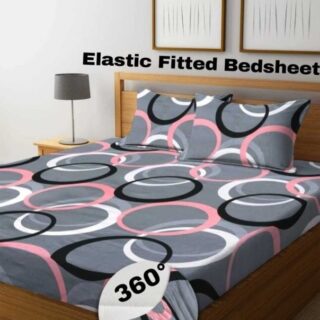 Home Garage 210 TC Cotton King Floral Fitted (Elastic) Bedsheet(Pack of 1, Grey)
Original price was: ₹999.00.₹299.00Current price is: ₹299.00.
Home Garage 210 TC Cotton King Floral Fitted (Elastic) Bedsheet(Pack of 1, Grey)
Original price was: ₹999.00.₹299.00Current price is: ₹299.00.
-
 Goodrik 140 TC Cotton Double 3D Printed Flat Bedsheet(Pack of 1, Brown)
Original price was: ₹499.00.₹229.00Current price is: ₹229.00.
Goodrik 140 TC Cotton Double 3D Printed Flat Bedsheet(Pack of 1, Brown)
Original price was: ₹499.00.₹229.00Current price is: ₹229.00.
-
 GLOBALSHOP 350 TC Microfiber Double Floral Flat Bedsheet(Pack of 1, Multicolor)
Original price was: ₹1,250.00.₹263.00Current price is: ₹263.00.
GLOBALSHOP 350 TC Microfiber Double Floral Flat Bedsheet(Pack of 1, Multicolor)
Original price was: ₹1,250.00.₹263.00Current price is: ₹263.00.
-
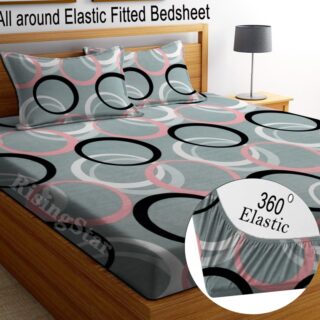 RisingStar 250 TC Microfiber King Printed Fitted (Elastic) Bedsheet(Pack of 1, FITTED-ROUND-CIRCLES-PREMIUM)
Original price was: ₹2,299.00.₹299.00Current price is: ₹299.00.
RisingStar 250 TC Microfiber King Printed Fitted (Elastic) Bedsheet(Pack of 1, FITTED-ROUND-CIRCLES-PREMIUM)
Original price was: ₹2,299.00.₹299.00Current price is: ₹299.00.
-
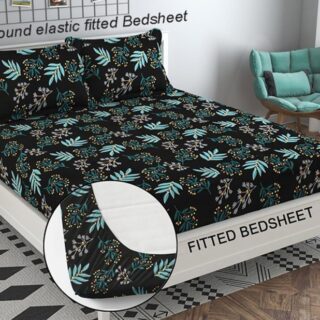 Home Garage 210 TC Cotton King Floral Fitted (Elastic) Bedsheet(Pack of 1, Fitted Black Green)
Original price was: ₹1,299.00.₹299.00Current price is: ₹299.00.
Home Garage 210 TC Cotton King Floral Fitted (Elastic) Bedsheet(Pack of 1, Fitted Black Green)
Original price was: ₹1,299.00.₹299.00Current price is: ₹299.00.
-
 Home Garage 180 TC Cotton King 3D Printed Flat Bedsheet(Pack of 1, White)
Original price was: ₹999.00.₹229.00Current price is: ₹229.00.
Home Garage 180 TC Cotton King 3D Printed Flat Bedsheet(Pack of 1, White)
Original price was: ₹999.00.₹229.00Current price is: ₹229.00.
-
 Panipat Textile Hub 152.4 cm (5 ft) Polyester Window Curtain (Pack Of 2)(Solid, Aqua)
Original price was: ₹1,899.00.₹299.00Current price is: ₹299.00.
Panipat Textile Hub 152.4 cm (5 ft) Polyester Window Curtain (Pack Of 2)(Solid, Aqua)
Original price was: ₹1,899.00.₹299.00Current price is: ₹299.00.
-
 Home Sizzler 214 cm (7 ft) Polyester Semi Transparent Door Curtain (Pack Of 2)(Floral, Maroon)
Original price was: ₹1,199.00.₹399.00Current price is: ₹399.00.
Home Sizzler 214 cm (7 ft) Polyester Semi Transparent Door Curtain (Pack Of 2)(Floral, Maroon)
Original price was: ₹1,199.00.₹399.00Current price is: ₹399.00.
-
 Home Sizzler 153 cm (5 ft) Polyester Room Darkening Window Curtain (Pack Of 2)(Floral, Brown)
Original price was: ₹799.00.₹299.00Current price is: ₹299.00.
Home Sizzler 153 cm (5 ft) Polyester Room Darkening Window Curtain (Pack Of 2)(Floral, Brown)
Original price was: ₹799.00.₹299.00Current price is: ₹299.00.
-
 Stella Creations 214 cm (7 ft) Polyester Room Darkening Door Curtain (Pack Of 2)(Abstract, Brown)
Original price was: ₹1,299.00.₹449.00Current price is: ₹449.00.
Stella Creations 214 cm (7 ft) Polyester Room Darkening Door Curtain (Pack Of 2)(Abstract, Brown)
Original price was: ₹1,299.00.₹449.00Current price is: ₹449.00.
-
 Homefab India 152.5 cm (5 ft) Polyester Room Darkening Window Curtain (Pack Of 2)(Floral, Light Blue)
Original price was: ₹1,199.00.₹319.00Current price is: ₹319.00.
Homefab India 152.5 cm (5 ft) Polyester Room Darkening Window Curtain (Pack Of 2)(Floral, Light Blue)
Original price was: ₹1,199.00.₹319.00Current price is: ₹319.00.
-
 Urban Home 214 cm (7 ft) PVC Transparent Door Curtain Single Curtain(Solid, Off White)
Original price was: ₹699.00.₹203.00Current price is: ₹203.00.
Urban Home 214 cm (7 ft) PVC Transparent Door Curtain Single Curtain(Solid, Off White)
Original price was: ₹699.00.₹203.00Current price is: ₹203.00.
-
 Panipat Textile Hub 213 cm (7 ft) Polyester Door Curtain (Pack Of 2)(Solid, Brown)
Original price was: ₹1,199.00.₹349.00Current price is: ₹349.00.
Panipat Textile Hub 213 cm (7 ft) Polyester Door Curtain (Pack Of 2)(Solid, Brown)
Original price was: ₹1,199.00.₹349.00Current price is: ₹349.00.
-
 Home Sizzler 214 cm (7 ft) Polyester Semi Transparent Door Curtain (Pack Of 2)(Floral, Brown)
Original price was: ₹999.00.₹349.00Current price is: ₹349.00.
Home Sizzler 214 cm (7 ft) Polyester Semi Transparent Door Curtain (Pack Of 2)(Floral, Brown)
Original price was: ₹999.00.₹349.00Current price is: ₹349.00.
-
 Panipat Textile Hub 213 cm (7 ft) Polyester Semi Transparent Door Curtain (Pack Of 2)(Floral, Brown)
Original price was: ₹899.00.₹299.00Current price is: ₹299.00.
Panipat Textile Hub 213 cm (7 ft) Polyester Semi Transparent Door Curtain (Pack Of 2)(Floral, Brown)
Original price was: ₹899.00.₹299.00Current price is: ₹299.00.

Hi, I’m Jessica,
Have you ever found yourself distracted by social media, concerned about your children’s internet access, or worried about employees visiting inappropriate websites during work hours? Knowing how to block certain websites in Google Chrome can help create a safer, more productive, and more focused browsing environment. Whether you want to restrict access to distracting platforms, prevent accidental visits to harmful websites, or improve parental controls, Chrome offers several practical ways to manage website access. This guide explores the most effective methods for blocking websites in Google Chrome, including browser settings, extensions, operating system tools, and network-level solutions that can provide stronger protection for households and businesses alike.
Managing website access has become increasingly important in today’s connected world. Many users want simple yet effective solutions that help reduce distractions, improve online safety, and maintain control over browsing habits. Google Chrome remains one of the most widely used web browsers globally, making it essential to understand the available tools and techniques for website restriction. Whether you are a parent, student, teacher, business owner, or individual user seeking better digital discipline, this article provides detailed guidance on blocking websites in Chrome while explaining the benefits, limitations, and best practices associated with each method.
Why People Want To Block Websites In Google Chrome
Website blocking serves many purposes beyond simply preventing access to specific pages. For many individuals, blocking websites helps eliminate distractions that interfere with work, studies, or personal goals. Social media platforms, gaming websites, streaming services, and entertainment portals can consume significant amounts of time and reduce productivity when left unrestricted. By blocking access to these websites during certain hours or permanently, users can maintain focus and achieve better results in their daily activities.
Parents frequently use website blocking to protect children from inappropriate content, online predators, gambling platforms, adult websites, and harmful material. As children gain access to digital devices at younger ages, implementing website restrictions becomes an important component of responsible internet usage. Website blocking can complement parental supervision and content filtering systems to create a safer online environment.
Businesses also benefit from website restrictions. Organizations often block social media sites, entertainment platforms, or risky websites that may expose company networks to security threats. Restricting access helps improve employee productivity, reduce bandwidth consumption, and minimize cybersecurity risks. Understanding the reasons behind website blocking helps users choose the most suitable method for their specific requirements and security objectives.
Understanding How Website Blocking Works
Before implementing website restrictions, it is helpful to understand the underlying mechanisms that make website blocking possible. Website blocking generally works by preventing a browser, device, or network from successfully connecting to a specific domain name or web address. Different methods achieve this restriction at various levels of the browsing process.
Browser-level blocking typically relies on extensions or built-in controls that intercept requests before a webpage loads. These solutions are often easy to install and manage but may be bypassed if users disable the extension or switch browsers. Device-level blocking modifies operating system settings or local configuration files to prevent access regardless of the browser being used.
Network-level blocking occurs at the router, firewall, or DNS level. This approach affects all connected devices and usually provides stronger enforcement than browser-only methods. Schools, businesses, and families often prefer network-based solutions because they offer centralized management and broader coverage.
Each blocking method has strengths and limitations. Understanding how these systems operate enables users to select a solution that aligns with their security needs, technical expertise, and desired level of control over website accessibility.
Using Chrome Extensions To Block Websites
One of the easiest ways to block websites in Google Chrome is through browser extensions specifically designed for website management and productivity control. Chrome extensions provide user-friendly interfaces that allow users to add websites to a block list with minimal technical knowledge.
Popular website-blocking extensions offer customizable features such as scheduling, password protection, keyword filtering, and usage tracking. Users can block entire domains, specific URLs, or categories of websites. Some extensions even provide productivity-focused tools that encourage healthier browsing habits by limiting access during work hours or study sessions.
Installation typically involves visiting the Chrome Web Store, selecting a reputable extension, and granting necessary permissions. Once installed, users can configure blocked websites through the extension’s settings panel. Many tools allow temporary blocks, recurring schedules, and customized messages displayed when a blocked site is accessed.
While extensions offer convenience and flexibility, they may not provide complete protection if users have administrator access to the browser. Extensions can potentially be disabled or removed, making them more suitable for personal productivity and basic parental control rather than high-security environments requiring strict enforcement.
Blocking Websites Through The Windows Hosts File
The Windows Hosts file provides a more advanced method for blocking websites directly at the operating system level. This approach prevents specified websites from loading regardless of which browser is used, including Google Chrome.
The Hosts file functions as a local directory that maps domain names to IP addresses. By redirecting a website’s domain name to an invalid or local address, users can effectively block access to that website. This technique has been used for many years and remains an effective method for basic website restriction.
To implement website blocking through the Hosts file, users typically edit the file with administrative privileges and add entries for domains they wish to block. Once saved, the operating system will redirect requests for those websites, preventing successful access through Chrome and other browsers.
This method offers stronger protection than browser extensions because it operates at the system level. However, it requires greater technical knowledge and administrative access. Users should also understand that savvy individuals with administrator privileges can modify the Hosts file to remove restrictions if desired.
Using Family Safety And Parental Control Features
Parents seeking reliable website-blocking capabilities often benefit from dedicated parental control and family safety solutions. These tools provide comprehensive content filtering features that extend beyond simple website blocking.
Modern parental control platforms allow parents to create child profiles, establish browsing restrictions, monitor online activity, and set screen time limits. Many solutions integrate with Windows, Android, and browser environments, creating a consistent safety framework across multiple devices.
Website blocking through parental controls often includes category-based filtering. Instead of manually blocking individual websites, parents can restrict entire categories such as adult content, gambling, violence, social media, or gaming. This automated approach reduces management effort while improving protection.
Many parental control systems also generate reports showing browsing activity, attempted visits to blocked websites, and overall internet usage patterns. These insights help parents understand online behavior and identify potential concerns before they become significant issues.
Combining parental controls with open communication and digital literacy education creates a balanced strategy that supports both online safety and responsible internet usage among children and teenagers.
Blocking Websites Through Router Settings
Router-based website blocking provides one of the most powerful methods for controlling internet access across an entire household or office network. Because restrictions are applied at the network level, every connected device benefits from the same protection.
Most modern routers include website filtering, access control, or parental control features. Administrators can log into the router management interface and specify websites, domains, or content categories that should be blocked. Once configured, the restrictions automatically apply to computers, smartphones, tablets, smart TVs, and other connected devices.
This centralized approach simplifies management because administrators do not need to configure each device individually. Router-level blocking also reduces the risk of users bypassing restrictions by switching browsers or installing alternative applications.
Organizations frequently use router-based controls to enforce acceptable internet usage policies. Families use similar features to create safer online environments for children. Although setup procedures vary between manufacturers, router-based blocking remains one of the most effective solutions for broad website restriction and network-wide content management.
Using DNS Filtering Services For Website Control
DNS filtering has become a popular and effective approach to website blocking. DNS services function as internet directory systems that translate website names into IP addresses. By controlling DNS responses, filtering services can prevent access to undesirable websites before connections are established.
Many DNS filtering providers offer customizable policies for homes, schools, and businesses. Users can block specific domains, entire categories of content, or websites associated with malware, phishing, and cybersecurity threats. These services often provide cloud-based management dashboards that simplify configuration and monitoring.
One major advantage of DNS filtering is its ability to protect multiple devices simultaneously. Once a network or device uses a filtered DNS service, restrictions apply automatically without requiring browser extensions or software installations.
DNS filtering also enhances cybersecurity by preventing access to known malicious websites. This proactive protection reduces exposure to scams, ransomware, malware downloads, and fraudulent online activities. Combining website control with threat prevention makes DNS filtering an attractive option for users seeking both safety and convenience.
Creating Productivity Focus Sessions With Website Blocking
Many people use website blocking not for security reasons but to improve concentration and productivity. The constant availability of social media, news websites, video platforms, and online entertainment can make focused work increasingly difficult.
Productivity-focused website blocking involves temporarily restricting access to distracting websites during designated work periods. This strategy helps users maintain attention, complete tasks more efficiently, and reduce digital interruptions. Students often use website blockers during study sessions, while professionals employ similar techniques during work hours.
Many productivity tools allow users to create schedules that automatically block selected websites during specific times. Some applications include focus timers, productivity statistics, and motivational reminders that reinforce positive habits. Over time, these features help users develop stronger self-discipline and healthier relationships with technology.
Website blocking should be viewed as a support tool rather than a complete solution. Combining technological restrictions with effective time management strategies, goal setting, and intentional digital habits often produces the best long-term productivity improvements.
Common Challenges When Blocking Websites
Although website blocking is generally effective, users may encounter challenges during implementation. One common issue involves websites that use multiple domains, subdomains, or content delivery networks. Blocking a single domain may not completely restrict access if alternative addresses remain available.
Browser cache and DNS cache can occasionally cause blocked websites to remain accessible temporarily after configuration changes. Clearing caches and restarting devices often resolves these inconsistencies. Users should also verify that blocking rules have been applied correctly and saved properly.
Another challenge involves circumvention methods. Individuals with technical knowledge may bypass restrictions using VPNs, proxy servers, alternative DNS services, or administrator privileges. Organizations and parents seeking stronger enforcement should consider layered security approaches that combine multiple blocking methods.
Maintaining website block lists can also require ongoing attention. New websites emerge regularly, and existing platforms may change domains or infrastructure. Periodic reviews help ensure that restrictions remain effective and aligned with evolving requirements. Understanding these challenges allows users to implement more resilient and reliable website management strategies.
Best Practices For Effective Website Blocking
Successful website blocking involves more than simply restricting access to selected domains. Effective implementation requires clear objectives, appropriate tools, and ongoing maintenance. Users should first identify the specific reasons for blocking websites, whether those reasons involve productivity, parental control, security, or regulatory compliance.
Selecting the correct blocking method is equally important. Personal productivity goals may be adequately supported by browser extensions, while families and businesses often benefit from router-level controls or DNS filtering solutions. Layered approaches provide additional reliability and protection.
Regular reviews help ensure that blocked website lists remain relevant and effective. Users should periodically evaluate whether restrictions continue serving their intended purpose and adjust settings as necessary. Monitoring reports and activity logs can provide valuable insights into browsing behavior and policy effectiveness.
Education also plays a critical role. Explaining the reasons behind website restrictions promotes understanding and cooperation, particularly among children and employees. When combined with responsible digital practices, website blocking becomes a powerful tool for creating safer, more productive, and more secure online experiences.
Conclusion
Blocking certain websites in Google Chrome can significantly improve online safety, productivity, and digital well-being. Whether you choose browser extensions, Hosts file modifications, parental control systems, router-based filtering, or DNS services, each method offers unique advantages suited to different situations. By understanding how website blocking works and selecting the most appropriate approach, users can create a browsing environment that aligns with their goals while reducing distractions and protecting against harmful content. Consistent management, regular updates, and thoughtful implementation ensure that website restrictions remain effective and continue delivering long-term benefits for individuals, families, schools, and businesses.
Disclaimer
The information provided in this article is for educational and informational purposes only. Browser settings, operating system features, router interfaces, and website-blocking tools may vary depending on software versions, device manufacturers, and service providers. Users should carefully review official documentation before making configuration changes. The author and publisher are not responsible for any data loss, connectivity issues, or unintended consequences resulting from the implementation of the methods discussed. Always create backups and verify settings before making significant system modifications.

- How to Remotely Control Another Computer Using Windows Quick Assist

- 5 Must-Have Electronics Gadgets for a More Comfortable Living Room

- How to Create a Windows 11 System Backup on an External Hard Drive

- 10 Smart Home Ideas That Make Everyday Life Easier

- Gemini Live Avatar: How to Talk to Gemini Face-to-Face

Products
-
![Apple Watch Ultra 3 [GPS + Cellular 49mm] Running & Multisport Smartwatch w/Rugged Titanium Case w/Black Titanium Milanese Loop - M. Satellite Communications, Advanced Health & Fitness Tracking](https://bazaronweb.com/retailstores/wp-content/uploads/2025/09/apple-watch-320x320.jpg) Apple Watch Ultra 3 [GPS + Cellular 49mm] Running & Multisport Smartwatch w/Rugged Titanium Case w/Black Titanium Milanese Loop - M. Satellite Communications, Advanced Health & Fitness Tracking
Apple Watch Ultra 3 [GPS + Cellular 49mm] Running & Multisport Smartwatch w/Rugged Titanium Case w/Black Titanium Milanese Loop - M. Satellite Communications, Advanced Health & Fitness Tracking
-
 Apple iPad mini (A17 Pro): Apple Intelligence, 8.3-inch Liquid Retina Display, 256GB, Wi-Fi 6E, 12MP Front/12MP Back Camera, Touch ID, All-Day Battery Life — Purple
-
 Apple AirPods Max Wireless Over-Ear Headphones, Active Noise Cancelling, Transparency Mode, Personalized Spatial Audio, Dolby Atmos, Bluetooth Headphones for iPhone – Space Gray
-
 Apple AirPods Pro 2 Wireless Earbuds, Active Noise Cancellation, Hearing Aid Feature, Bluetooth Headphones, Transparency, Personalized Spatial Audio, High-Fidelity Sound, H2 Chip, USB-C Charging
-
Home Garage 210 TC Cotton King Floral Fitted (Elastic) Bedsheet(Pack of 1, Grey)
Original price was: ₹999.00.₹299.00Current price is: ₹299.00.
Leave a Reply