Category
Popular Articles
- AI (24)
- Air Tag (1)
- Android (57)
- App Suggest (13)
- Apple (46)
- Apple TV (4)
- Bluetooth (3)
- Cars (2)
- ChatGpt (1)
- Chrome (4)
- Did you know? (1)
- E-Commerce News (1)
- Ecommerce Websites business (7)
- Electronics Shopping (5)
- Fashion Tips (3)
- Gaming (7)
- Google Gemini (3)
- Hair Care Tips (2)
- How to (13)
- iCloud (1)
- Infotainment System (1)
- Iphone (170)
- Job Posting (1)
- Lifestyle (3)
- MacBook (37)
- Mobile Games (1)
- Netflix (1)
- Online Shopping Websites (2)
- Personal Finance Management (3)
- Product Reviews (3)
- Roku TV (4)
- Samsung (10)
- Shopping Tips (13)
- Spotify (1)
- Tech (164)
- VPN (2)
- Whatsapp (1)
- Windows 11 (117)
- Youtube (1)
- Zero Waste (3)
Discounted Products
-
Leo Creation 144 TC Cotton Double Jaipuri Prints Flat Bedsheet(Pack of 1, Blue, Gree, Red, Grey, Light Grey)
₹2,999.00Original price was: ₹2,999.00.₹329.00Current price is: ₹329.00. -
Home Garage 210 TC Cotton King Floral Fitted (Elastic) Bedsheet(Pack of 1, Grey)
₹999.00Original price was: ₹999.00.₹299.00Current price is: ₹299.00. -

Goodrik 140 TC Cotton Double 3D Printed Flat Bedsheet(Pack of 1, Brown)
₹499.00Original price was: ₹499.00.₹229.00Current price is: ₹229.00. -

GLOBALSHOP 350 TC Microfiber Double Floral Flat Bedsheet(Pack of 1, Multicolor)
₹1,250.00Original price was: ₹1,250.00.₹263.00Current price is: ₹263.00. -
RisingStar 250 TC Microfiber King Printed Fitted (Elastic) Bedsheet(Pack of 1, FITTED-ROUND-CIRCLES-PREMIUM)
₹2,299.00Original price was: ₹2,299.00.₹299.00Current price is: ₹299.00. -
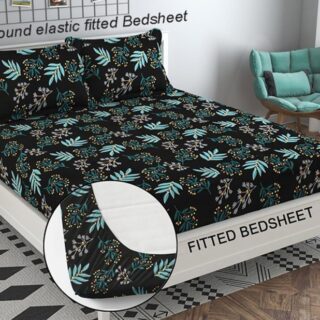
Home Garage 210 TC Cotton King Floral Fitted (Elastic) Bedsheet(Pack of 1, Fitted Black Green)
₹1,299.00Original price was: ₹1,299.00.₹299.00Current price is: ₹299.00. -

Home Garage 180 TC Cotton King 3D Printed Flat Bedsheet(Pack of 1, White)
₹999.00Original price was: ₹999.00.₹229.00Current price is: ₹229.00. -

Home Sizzler 153 cm (5 ft) Polyester Room Darkening Window Curtain (Pack Of 2)(Floral, Maroon)
₹799.00Original price was: ₹799.00.₹299.00Current price is: ₹299.00. -

Panipat Textile Hub 152.4 cm (5 ft) Polyester Window Curtain (Pack Of 2)(Solid, Aqua)
₹1,899.00Original price was: ₹1,899.00.₹299.00Current price is: ₹299.00. -
Home Sizzler 214 cm (7 ft) Polyester Semi Transparent Door Curtain (Pack Of 2)(Floral, Maroon)
₹1,199.00Original price was: ₹1,199.00.₹399.00Current price is: ₹399.00. -

Home Sizzler 153 cm (5 ft) Polyester Room Darkening Window Curtain (Pack Of 2)(Floral, Brown)
₹799.00Original price was: ₹799.00.₹299.00Current price is: ₹299.00. -
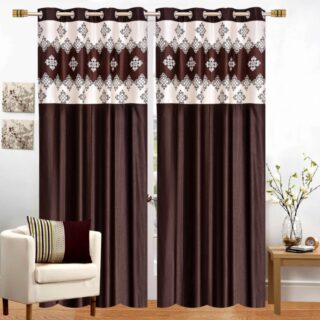
Stella Creations 214 cm (7 ft) Polyester Room Darkening Door Curtain (Pack Of 2)(Abstract, Brown)
₹1,299.00Original price was: ₹1,299.00.₹449.00Current price is: ₹449.00. -

Homefab India 152.5 cm (5 ft) Polyester Room Darkening Window Curtain (Pack Of 2)(Floral, Light Blue)
₹1,199.00Original price was: ₹1,199.00.₹319.00Current price is: ₹319.00. -

Urban Home 214 cm (7 ft) PVC Transparent Door Curtain Single Curtain(Solid, Off White)
₹699.00Original price was: ₹699.00.₹203.00Current price is: ₹203.00. -

Panipat Textile Hub 213 cm (7 ft) Polyester Door Curtain (Pack Of 2)(Solid, Brown)
₹1,199.00Original price was: ₹1,199.00.₹349.00Current price is: ₹349.00.
Affiliate Links
Promotion
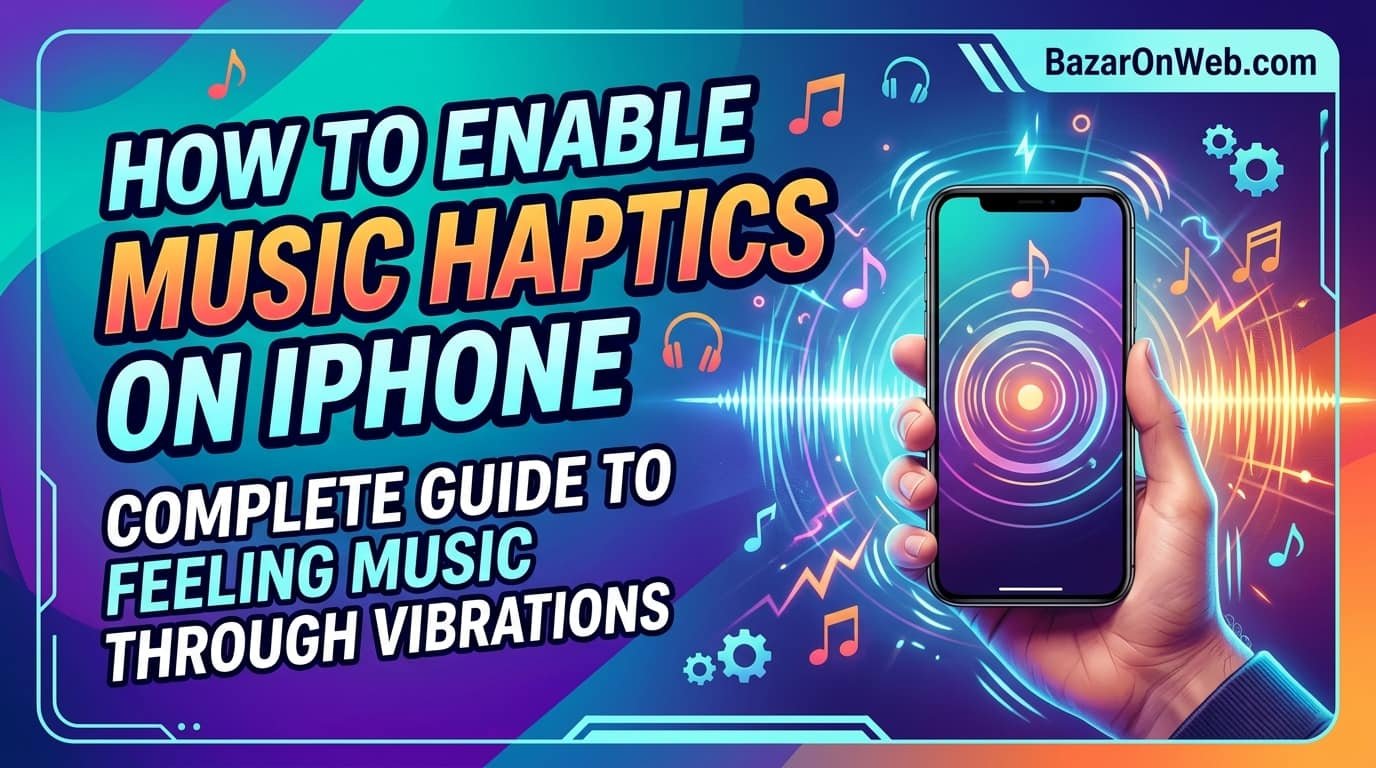
Hi, I’m Jessica, and one of the most exciting accessibility and entertainment features introduced on iPhone is Music Haptics. This innovative feature allows users to physically feel music through synchronized vibrations generated by the iPhone’s vibration motor. Whether you’re listening to songs through Apple Music or enjoying your favorite playlists, Music Haptics creates a more immersive audio experience by translating beats, rhythms, and bass patterns into tactile feedback. For users with hearing impairments, it also provides a new way to experience music beyond sound alone. If you’ve recently heard about Music Haptics and want to know how to enable it on your iPhone, this guide will walk you through everything you need to know, including device compatibility, setup instructions, troubleshooting tips, and practical uses.
Music Haptics transforms music listening into a multisensory experience by synchronizing vibrations with audio playback. Available on supported iPhones running compatible iOS versions, the feature helps users feel rhythm, bass, and musical intensity through tactile feedback. Learn how to activate Music Haptics, customize settings, troubleshoot issues, and maximize your music experience with this complete step-by-step guide.
What Is Music Haptics on iPhone?
Music Haptics is a specialized accessibility and entertainment feature designed to convert elements of music into synchronized vibrations. Instead of simply hearing a song, users can physically feel parts of the music through the iPhone’s Taptic Engine. The technology analyzes various musical elements such as bass lines, percussion, rhythm changes, and beat intensity and translates them into tactile feedback patterns.
This feature was initially introduced as an accessibility enhancement for people who are deaf or hard of hearing. However, it quickly gained popularity among general users because it creates a unique and immersive music experience. When enabled, the iPhone vibrates in real time according to the music being played, helping users engage with songs on a different sensory level.
Music Haptics is particularly effective for songs with strong bass, electronic dance music, hip-hop tracks, and percussion-heavy recordings. Users often describe the sensation as feeling the pulse and energy of a song directly in their hands. Rather than replacing audio, it complements it by adding another layer of interaction.
The feature demonstrates Apple’s continued focus on accessibility innovation while simultaneously enhancing entertainment experiences. Whether you’re using it for accessibility purposes or simply to enjoy music in a new way, Music Haptics offers a fascinating way to interact with audio content.
iPhone Models That Support Music Haptics
Before attempting to enable Music Haptics, it is important to verify that your device supports the feature. Since Music Haptics relies heavily on the advanced Taptic Engine hardware found in newer iPhone models, not every iPhone can use it.
Generally, newer iPhone models equipped with modern vibration systems provide the best Music Haptics experience. Compatibility also depends on the version of iOS installed on the device. Apple typically introduces advanced accessibility features alongside major iOS updates, making software compatibility equally important.
Users should first check their iPhone model by navigating to Settings, then General, and selecting About. Once the device model is confirmed, users should ensure that they have installed the latest version of iOS available for their device. Keeping the operating system updated not only ensures access to Music Haptics but also improves overall performance and stability.
Even on supported devices, the feature may not appear if certain accessibility settings are disabled or if the operating system version is outdated. Therefore, verifying both hardware and software compatibility is essential before proceeding.
Checking compatibility beforehand can save time and help users avoid confusion if the option does not appear within their settings menu.
Requirements Before Enabling Music Haptics
Several prerequisites must be satisfied before Music Haptics can function correctly on an iPhone. The first requirement is having a compatible iPhone model with a functioning Taptic Engine. Without appropriate hardware support, the feature cannot generate synchronized vibrations.
The second requirement involves software compatibility. Users should ensure they have installed the latest version of iOS that supports Music Haptics. Software updates often include bug fixes, performance enhancements, and new accessibility features necessary for proper functionality.
Another important factor is enabling system haptics. If system-wide haptic feedback has been disabled, Music Haptics may not work correctly. Users should verify that haptic settings are enabled within the device’s sound and accessibility options.
Battery settings can also impact performance. In some situations, aggressive battery-saving modes may reduce certain background processes or vibration intensity. Disabling Low Power Mode while testing the feature may help ensure optimal results.
Additionally, users should confirm that the music application being used supports Music Haptics functionality. While Apple Music generally provides the most seamless integration, compatibility may vary depending on the app and content source.
Meeting all these requirements ensures a smooth activation process and allows users to experience Music Haptics exactly as intended.
Step-by-Step Guide to Enable Music Haptics
Enabling Music Haptics on an iPhone is a relatively simple process once all compatibility requirements are met. The feature is located within Accessibility settings, reflecting Apple’s commitment to inclusive technology design.
Begin by opening the Settings application on your iPhone. Scroll down and tap Accessibility. Within the Accessibility menu, locate the section related to hearing or sensory features. Depending on your iOS version, you may find Music Haptics listed directly or within an audio-related submenu.
Tap the Music Haptics option and switch the feature to the enabled position. Once activated, the iPhone becomes capable of generating synchronized vibrations when supported music content is played.
After enabling the setting, launch a compatible music application and begin playing a song. Hold the device in your hand to experience the vibrations. The tactile patterns should automatically synchronize with various musical elements, including beats, bass, and rhythm changes.
If vibrations do not immediately occur, try restarting the music app or restarting the device itself. Some settings may require a brief refresh after activation.
Following these steps correctly ensures that Music Haptics is enabled and ready to provide a more engaging and immersive listening experience.
How Music Haptics Enhances Accessibility
One of the most significant benefits of Music Haptics is its contribution to accessibility. For individuals who are deaf or hard of hearing, traditional music experiences can be limited by the inability to perceive certain audio elements. Music Haptics helps bridge this gap by converting musical information into physical sensations.
The feature allows users to feel rhythmic structures, bass patterns, tempo changes, and dynamic shifts through vibrations. This creates an alternative sensory pathway for experiencing music, making musical enjoyment more inclusive and accessible.
Many users report a stronger emotional connection to songs when they can physically feel the rhythm alongside any remaining hearing capabilities they may have. Even users with complete hearing loss can often perceive musical patterns through tactile feedback, allowing them to participate more fully in musical experiences.
Accessibility technologies often focus on communication and navigation, but Music Haptics addresses entertainment accessibility, which is equally important for quality of life and personal enjoyment.
By expanding access to music through touch, Apple demonstrates how technology can make creative experiences available to a wider audience. Music Haptics represents a meaningful advancement in inclusive design and sensory accessibility.
Best Types of Music for Music Haptics
Not all songs produce the same Music Haptics experience. Certain genres naturally generate stronger and more noticeable tactile feedback because of their rhythmic and bass-heavy characteristics.
Electronic dance music often delivers one of the most impressive experiences. Strong bass drops, repetitive beats, and energetic rhythms translate exceptionally well into vibration patterns. Users can clearly feel the pulse of the music throughout the song.
Hip-hop and rap tracks also work particularly well because they frequently contain deep bass lines and prominent percussion. The vibration patterns often align closely with drum beats and bass frequencies, creating a highly immersive sensation.
Pop music with strong rhythmic elements can provide enjoyable feedback, especially in modern productions that emphasize bass and percussion. Rock music can also produce engaging results, particularly songs featuring powerful drum sections.
Classical music tends to create a more subtle experience because of its dynamic range and lower emphasis on repetitive beats. While vibrations may still occur, they are often less pronounced than in bass-focused genres.
Experimenting with different music styles helps users discover which genres provide the most satisfying tactile experience based on personal preferences and musical tastes.
Troubleshooting Music Haptics Not Working
Sometimes users enable Music Haptics only to discover that vibrations do not occur as expected. Fortunately, several troubleshooting steps can help identify and resolve the issue.
First, confirm that Music Haptics remains enabled within Accessibility settings. Accidental changes or software updates may occasionally modify settings unexpectedly.
Next, verify that System Haptics are enabled. If the device’s vibration settings are disabled globally, Music Haptics may not function correctly. Checking sound and haptic settings is often the quickest solution.
Restarting the iPhone can resolve temporary software glitches that interfere with feature operation. A simple reboot often refreshes system services and restores functionality.
Users should also update iOS to the latest available version. Apple frequently releases fixes for newly introduced features, and outdated software can cause compatibility problems.
Testing multiple songs and music applications can help determine whether the issue is content-specific or system-wide. Some content may generate stronger haptic feedback than others.
If problems persist after these steps, resetting accessibility settings or contacting Apple Support may provide additional assistance in resolving the issue.
Customizing Your Music Haptics Experience
While Music Haptics operates automatically, users can optimize their experience by adjusting related settings and usage habits. Small modifications can significantly improve comfort and enjoyment.
Holding the iPhone directly in your hand provides the strongest tactile sensation because the vibrations are transmitted directly through physical contact. Placing the device on a table may reduce the immersive effect.
Users can experiment with volume levels to find a balance that complements the haptic feedback. While Music Haptics functions independently of volume, some people find that matching tactile sensations with audible music enhances the overall experience.
Using high-quality music recordings often results in more accurate vibration patterns. Songs with clear bass and percussion elements generally produce stronger feedback than low-quality audio files.
Accessibility settings related to vibration and touch sensitivity may also influence perceived intensity. Exploring these settings can help users tailor the experience according to personal preferences.
Regularly updating iOS ensures access to ongoing improvements and refinements that Apple may introduce to enhance Music Haptics performance over time.
Benefits Beyond Accessibility
Although Music Haptics was developed primarily as an accessibility feature, many users enjoy it simply because it makes music feel more engaging. The feature introduces a physical dimension to listening that traditional audio playback cannot provide.
Gamers, content creators, and music enthusiasts often appreciate the added immersion. Feeling bass drops, rhythmic patterns, and musical transitions creates a deeper connection with the content. The tactile feedback can make familiar songs feel fresh and exciting.
Some users find that Music Haptics helps improve focus during workouts by reinforcing rhythm and tempo through physical sensations. Others enjoy using it during relaxation sessions because the synchronized vibrations create a unique sensory environment.
The feature also demonstrates how accessibility innovations frequently benefit broader audiences. Many technologies originally designed for accessibility eventually become mainstream features because they enhance usability and enjoyment for everyone.
Music Haptics exemplifies this trend by combining accessibility, entertainment, and technological innovation into a single feature that appeals to diverse groups of users.
Future of Haptic Music Technology
Music Haptics represents an early step toward more advanced multisensory entertainment experiences. As haptic technology continues to evolve, future devices may offer increasingly sophisticated ways to experience audio through touch.
Developers may eventually create customizable haptic profiles that allow users to emphasize specific musical elements such as bass, drums, vocals, or melodies. More precise vibration motors could deliver richer tactile detail and greater emotional impact.
Integration with wearable devices may further expand possibilities. Smartwatches, wristbands, and other wearable technologies could provide synchronized haptic experiences across multiple contact points on the body.
Virtual reality and augmented reality platforms are also likely to incorporate advanced music haptics to create more immersive digital environments. Combining sound, visuals, and touch could transform how people consume entertainment.
Apple’s introduction of Music Haptics highlights the growing importance of sensory-rich experiences in consumer technology. As innovation continues, users can expect increasingly immersive ways to connect with music and digital content through touch-based interactions.
Disclaimer
The information provided in this article is for educational and informational purposes only. Features, settings, device compatibility, and menu locations may vary depending on your iPhone model, iOS version, region, and future software updates released by Apple. Always refer to the official Apple documentation and support resources for the most current instructions and compatibility details. The author and publisher are not affiliated with Apple and are not responsible for any device issues, feature limitations, or changes resulting from software updates. Users should verify settings on their own devices before making configuration changes.
Written by Bazaronweb
Latest Tech Articles
- 10 Best VPNs For Windows 11 in 2026: Complete Buyer’s Guide and Comparison

- How to Fix Windows 11 “Time Not Updating” Issue

- How to Watch FIFA World Cup 2026 from Anywhere for Free: Complete Streaming Guide

- How to Fix ‘There Was a Problem Resetting Your PC’ Error in Windows: Complete Troubleshooting Guide

- How to Enable Music Haptics on iPhone Complete Guide to Feeling Music Through Vibrations

Products
-
Apple Watch Ultra 3 [GPS + Cellular 49mm] Running & Multisport Smartwatch w/Rugged Titanium Case w/Black Titanium Milanese Loop - M. Satellite Communications, Advanced Health & Fitness Tracking
-
Apple iPad mini (A17 Pro): Apple Intelligence, 8.3-inch Liquid Retina Display, 256GB, Wi-Fi 6E, 12MP Front/12MP Back Camera, Touch ID, All-Day Battery Life — Purple
-
Apple AirPods Max Wireless Over-Ear Headphones, Active Noise Cancelling, Transparency Mode, Personalized Spatial Audio, Dolby Atmos, Bluetooth Headphones for iPhone – Space Gray
-
Apple AirPods Pro 2 Wireless Earbuds, Active Noise Cancellation, Hearing Aid Feature, Bluetooth Headphones, Transparency, Personalized Spatial Audio, High-Fidelity Sound, H2 Chip, USB-C Charging
-
Leo Creation 144 TC Cotton Double Jaipuri Prints Flat Bedsheet(Pack of 1, Blue, Gree, Red, Grey, Light Grey)
₹2,999.00Original price was: ₹2,999.00.₹329.00Current price is: ₹329.00.
Leave a Reply