Discounted Products
-
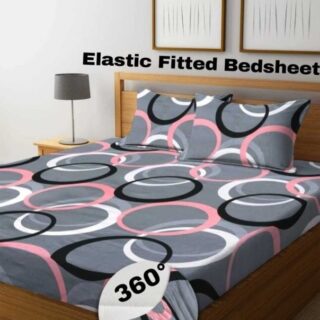 Home Garage 210 TC Cotton King Floral Fitted (Elastic) Bedsheet(Pack of 1, Grey)
Original price was: ₹999.00.₹299.00Current price is: ₹299.00.
Home Garage 210 TC Cotton King Floral Fitted (Elastic) Bedsheet(Pack of 1, Grey)
Original price was: ₹999.00.₹299.00Current price is: ₹299.00.
-
 Goodrik 140 TC Cotton Double 3D Printed Flat Bedsheet(Pack of 1, Brown)
Original price was: ₹499.00.₹229.00Current price is: ₹229.00.
Goodrik 140 TC Cotton Double 3D Printed Flat Bedsheet(Pack of 1, Brown)
Original price was: ₹499.00.₹229.00Current price is: ₹229.00.
-
 GLOBALSHOP 350 TC Microfiber Double Floral Flat Bedsheet(Pack of 1, Multicolor)
Original price was: ₹1,250.00.₹263.00Current price is: ₹263.00.
GLOBALSHOP 350 TC Microfiber Double Floral Flat Bedsheet(Pack of 1, Multicolor)
Original price was: ₹1,250.00.₹263.00Current price is: ₹263.00.
-
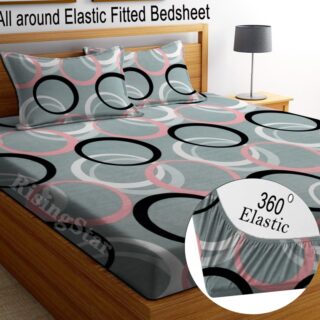 RisingStar 250 TC Microfiber King Printed Fitted (Elastic) Bedsheet(Pack of 1, FITTED-ROUND-CIRCLES-PREMIUM)
Original price was: ₹2,299.00.₹299.00Current price is: ₹299.00.
RisingStar 250 TC Microfiber King Printed Fitted (Elastic) Bedsheet(Pack of 1, FITTED-ROUND-CIRCLES-PREMIUM)
Original price was: ₹2,299.00.₹299.00Current price is: ₹299.00.
-
 Home Garage 210 TC Cotton King Floral Fitted (Elastic) Bedsheet(Pack of 1, Fitted Black Green)
Original price was: ₹1,299.00.₹299.00Current price is: ₹299.00.
Home Garage 210 TC Cotton King Floral Fitted (Elastic) Bedsheet(Pack of 1, Fitted Black Green)
Original price was: ₹1,299.00.₹299.00Current price is: ₹299.00.
-
 Home Garage 180 TC Cotton King 3D Printed Flat Bedsheet(Pack of 1, White)
Original price was: ₹999.00.₹229.00Current price is: ₹229.00.
Home Garage 180 TC Cotton King 3D Printed Flat Bedsheet(Pack of 1, White)
Original price was: ₹999.00.₹229.00Current price is: ₹229.00.
-
 Panipat Textile Hub 152.4 cm (5 ft) Polyester Window Curtain (Pack Of 2)(Solid, Aqua)
Original price was: ₹1,899.00.₹299.00Current price is: ₹299.00.
Panipat Textile Hub 152.4 cm (5 ft) Polyester Window Curtain (Pack Of 2)(Solid, Aqua)
Original price was: ₹1,899.00.₹299.00Current price is: ₹299.00.
-
 Home Sizzler 214 cm (7 ft) Polyester Semi Transparent Door Curtain (Pack Of 2)(Floral, Maroon)
Original price was: ₹1,199.00.₹399.00Current price is: ₹399.00.
Home Sizzler 214 cm (7 ft) Polyester Semi Transparent Door Curtain (Pack Of 2)(Floral, Maroon)
Original price was: ₹1,199.00.₹399.00Current price is: ₹399.00.
-
 Home Sizzler 153 cm (5 ft) Polyester Room Darkening Window Curtain (Pack Of 2)(Floral, Brown)
Original price was: ₹799.00.₹299.00Current price is: ₹299.00.
Home Sizzler 153 cm (5 ft) Polyester Room Darkening Window Curtain (Pack Of 2)(Floral, Brown)
Original price was: ₹799.00.₹299.00Current price is: ₹299.00.
-
 Stella Creations 214 cm (7 ft) Polyester Room Darkening Door Curtain (Pack Of 2)(Abstract, Brown)
Original price was: ₹1,299.00.₹449.00Current price is: ₹449.00.
Stella Creations 214 cm (7 ft) Polyester Room Darkening Door Curtain (Pack Of 2)(Abstract, Brown)
Original price was: ₹1,299.00.₹449.00Current price is: ₹449.00.
-
 Homefab India 152.5 cm (5 ft) Polyester Room Darkening Window Curtain (Pack Of 2)(Floral, Light Blue)
Original price was: ₹1,199.00.₹319.00Current price is: ₹319.00.
Homefab India 152.5 cm (5 ft) Polyester Room Darkening Window Curtain (Pack Of 2)(Floral, Light Blue)
Original price was: ₹1,199.00.₹319.00Current price is: ₹319.00.
-
 Urban Home 214 cm (7 ft) PVC Transparent Door Curtain Single Curtain(Solid, Off White)
Original price was: ₹699.00.₹203.00Current price is: ₹203.00.
Urban Home 214 cm (7 ft) PVC Transparent Door Curtain Single Curtain(Solid, Off White)
Original price was: ₹699.00.₹203.00Current price is: ₹203.00.
-
 Panipat Textile Hub 213 cm (7 ft) Polyester Door Curtain (Pack Of 2)(Solid, Brown)
Original price was: ₹1,199.00.₹349.00Current price is: ₹349.00.
Panipat Textile Hub 213 cm (7 ft) Polyester Door Curtain (Pack Of 2)(Solid, Brown)
Original price was: ₹1,199.00.₹349.00Current price is: ₹349.00.
-
 Home Sizzler 214 cm (7 ft) Polyester Semi Transparent Door Curtain (Pack Of 2)(Floral, Brown)
Original price was: ₹999.00.₹349.00Current price is: ₹349.00.
Home Sizzler 214 cm (7 ft) Polyester Semi Transparent Door Curtain (Pack Of 2)(Floral, Brown)
Original price was: ₹999.00.₹349.00Current price is: ₹349.00.
-
 Panipat Textile Hub 213 cm (7 ft) Polyester Semi Transparent Door Curtain (Pack Of 2)(Floral, Brown)
Original price was: ₹899.00.₹299.00Current price is: ₹299.00.
Panipat Textile Hub 213 cm (7 ft) Polyester Semi Transparent Door Curtain (Pack Of 2)(Floral, Brown)
Original price was: ₹899.00.₹299.00Current price is: ₹299.00.
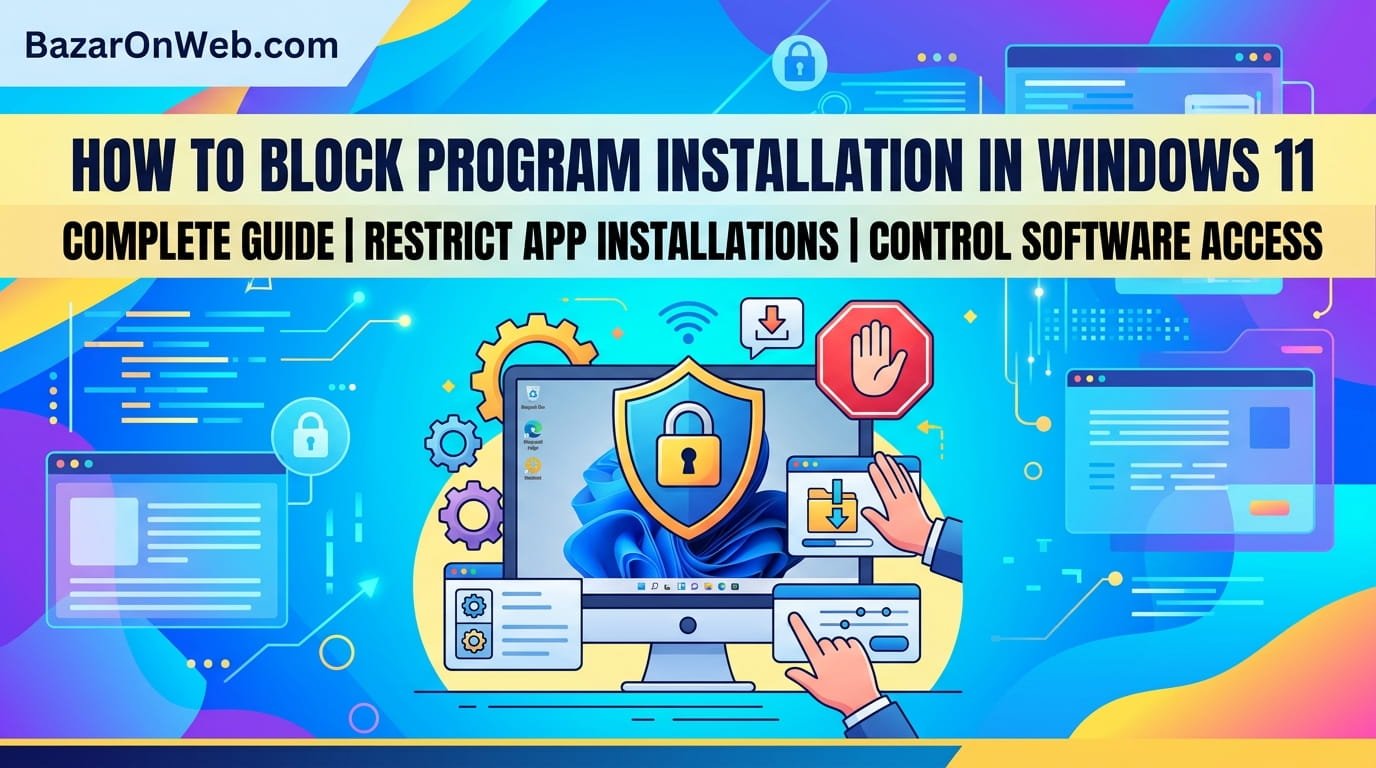
Introduction
I discovered Windows 11’s application restriction features when trying to prevent my kids from installing games on a family computer without permission. What surprised me was discovering that Windows 11 provides multiple sophisticated methods for controlling what software can be installed on your device, from simple Microsoft Store-only restrictions to detailed parental controls to administrator-level group policies. These features exist for legitimate purposes—protecting devices from unauthorized software, preventing malware installation, enforcing corporate security policies, and maintaining control over family devices. As someone managing a shared computer environment, understanding these restriction options transformed my ability to maintain device security without completely removing user freedom.
The frustrating reality is that Windows doesn’t prominently advertise these restriction capabilities, so most users never discover them despite their legitimate and practical value. Whether you’re managing a business device requiring security protocols, protecting children’s devices from inappropriate or resource-intensive software, or simply wanting to prevent accidental malware installation through unvetted applications, Windows 11 provides tools addressing these needs. In this comprehensive guide, I’ll walk you through the best methods for blocking program installations in Windows 11, explain how each method works, what restrictions they enforce, and how to implement them appropriately. I’ll also discuss reversing these restrictions if circumstances change and balancing security with user freedom.
1. Understanding Windows 11 Application Restrictions: Purpose and Implementation
Windows 11’s application restriction features allow limiting what software can be installed on your device, providing security, management, and parental control capabilities. These restrictions exist because not all software is equally safe—some applications contain malware, adware, or resource-intensive code that degrades system performance. Unvetted applications downloaded from untrusted sources pose security risks. Allowing unrestricted application installation on shared or managed devices creates security vulnerabilities and support burdens. Application restrictions address these concerns by controlling what software users can install, either preventing installation entirely or restricting installation to trusted sources like Microsoft Store.
Understanding application restrictions’ legitimate purposes helps explain why Windows implements these features. Parents use restrictions to prevent children from installing inappropriate content or resource-intensive games. Businesses implement restrictions to enforce security policies and prevent users from installing unauthorized software that might violate licensing or create security vulnerabilities. Security-conscious individuals restrict to trusted sources to minimize malware risks. Educational institutions use restrictions to maintain device security and enforce acceptable use policies. Individuals managing shared devices use restrictions to prevent others from installing unwanted software. These restrictions aren’t about limiting freedom arbitrarily—they’re about maintaining security and managing shared resources. Understanding this context helps you appreciate the legitimate value of application restrictions even if they represent some limitation on user choice.
2. Restricting to Microsoft Store Apps Only: The Simplest Method
Windows 11’s most straightforward restriction method limits app installation to Microsoft Store only, completely blocking installation of traditional desktop applications downloaded from the internet or distributed through installers. This method is ideal for users wanting strong security without complex configuration. Open Settings by pressing Windows Key + I, then navigate to Apps > App installer. Look for options related to “Installing apps from sources other than the Microsoft Store” or similar language.
In Windows 11, you can restrict app installation through Settings > Privacy & Security > App permissions > App installer. However, the most reliable method uses Settings > Apps > Optional features > App installer, where you can configure installation policies. Enable the setting restricting installations to Microsoft Store applications only. This setting prevents installation of any .EXE files or traditional Windows applications—only applications available in Microsoft Store can be installed. After enabling this restriction, attempting to install traditional applications results in an error message preventing installation. Users can still install Microsoft Store applications normally, and existing applications already installed continue functioning. This method provides strong security because Microsoft Store apps undergo security scanning before publication, though this restricts software choices to what Microsoft Store offers. For users prioritizing security over software variety, this simple restriction provides effective protection against malware and unauthorized applications without complex configuration.
3. Implementing Windows Defender Application Control for Enterprise Security
Windows Defender Application Control (WDAC) is a powerful Windows feature allowing detailed control over what applications can run on your system, more comprehensive than simple installation blocking. WDAC functions by creating whitelists of allowed applications—only applications on the whitelist can execute, while anything not explicitly allowed is blocked. This approach is more restrictive than preventing installation but provides stronger security assurance by ensuring not only that unauthorized applications aren’t installed but also that they cannot run even if somehow present.
WDAC requires comfort with technical configuration and is primarily designed for enterprise use, though advanced users can configure it for personal systems. Implementation involves creating code integrity policies specifying allowed applications, signing those policies with certificates, and deploying them through Group Policy or registry settings. WDAC can be configured in audit mode initially, monitoring what would be blocked without actually blocking, helping identify applications to whitelist before enforcement. Once policies are enforced, only whitelisted applications can execute—this provides extremely tight security control suitable for high-security environments. However, WDAC is complex to configure correctly and requires understanding exactly which applications you want to allow. Mistakes in policy configuration can render your system unusable if essential applications aren’t whitelisted. WDAC is most appropriate for security professionals or enterprise IT departments rather than typical users, though technical individuals can learn to implement it.
4. Using Parental Controls for Family Device Management
Windows 11’s Family settings provide parental control features allowing parents to restrict their children’s app installations while maintaining transparency about what children install and use. This feature is ideal for family devices or devices assigned to children. Open Settings > Accounts > Family & other people, then add family members and configure settings for accounts you want to restrict. Select a child’s account and click “App restrictions” or “Screen time & restrictions.”
Enable app and game restrictions to control what applications child accounts can install. You can set restrictions to allow only Microsoft Store applications age-appropriate for the child’s age group, require parental approval for specific applications, or prevent installation of games or applications in certain categories. Additionally, configure screen time settings controlling when devices can be used, preventing excessive usage. Monitor activity through the family dashboard showing what applications family members use, providing transparency about device usage. These parental controls balance restricting inappropriate installations with maintaining trust and allowing reasonable freedom. Unlike complete installation blocking, parental controls include approval workflows allowing parents to review requested applications before approving installation. This approach teaches responsibility while preventing unauthorized installation of inappropriate content. Family settings are intuitive and don’t require technical knowledge, making them ideal for non-technical parents wanting to manage their children’s devices responsibly.
5. Using Group Policy Editor for System-Wide Installation Control
For advanced users and system administrators, Windows 11’s Group Policy Editor provides sophisticated control over application installation policies. Open Group Policy Editor by pressing Windows Key + R, typing “gpedit.msc,” and pressing Enter. Navigate to Computer Configuration > Administrative Templates > Windows Components > Windows Installer. Look for policies related to preventing application installation, such as “Disable Windows Installer” or “Restrict Windows Installer.”
Enabling the “Disable Windows Installer” policy prevents installation of applications using Windows Installer technology (.MSI files), though this doesn’t prevent .EXE-based installations. For more comprehensive control, configure policies specifying which installation methods are allowed or disallowed. Additionally, navigate to User Configuration > Administrative Templates > System > Prevent access to registry editing tools to prevent users from circumventing policies through registry modification. Group Policy provides very granular control but is complex to configure correctly, and mistakes can cause system problems. Group Policy is only available on Windows 11 Professional and above editions—Home Edition lacks Group Policy Editor access. This method is most appropriate for IT professionals managing multiple systems or advanced users wanting detailed control. However, determined users can sometimes bypass Group Policy restrictions through alternative methods, so Group Policy should be combined with other security measures rather than relied upon as sole protection.
6. Configuring User Account Control for Installation Prompts
User Account Control (UAC) is Windows’s built-in security feature requiring administrator approval before applications can install or make system-level changes. UAC doesn’t block installations but rather requires explicit authorization before they proceed, creating a friction point preventing accidental unauthorized installations. UAC also enables standard user accounts to exist without administrator privileges, preventing unauthorized software installation on accounts lacking these privileges.
To optimize UAC for installation control, ensure UAC is enabled by opening Settings > Privacy & Security > User Account Control, then selecting “Notify me only when apps try to make changes to my computer (default).” This setting displays prompts whenever any application attempts installation or system modification, requiring administrator password to proceed. Additionally, create standard user accounts for regular use without administrator privileges—applications cannot install system-wide without administrator approval. Only administrator accounts can bypass UAC when prompted. This approach balances security with usability—UAC prompts alert you to installation attempts without completely preventing authorized installations. For parental control purposes, keeping children’s accounts as standard users and requiring administrator accounts to approve installations combines UAC with account privilege separation for effective control.
7. Managing Third-Party Application Stores and Browser Downloads
Many software installations occur through web browsers—users download .EXE files from websites or third-party application stores rather than Microsoft Store. Controlling these installations requires managing browser behavior and third-party installation sources. Configure browser security settings to prevent automatic execution of downloaded files and require explicit approval for file execution. Most modern browsers default to blocking direct installation of downloaded files, but verify your specific browser’s security settings are appropriately configured.
Additionally, disable third-party application store accounts if users don’t need them. If a user doesn’t require applications from Epic Games Store, Steam, or other third-party stores, sign out of these services and disable their auto-launch. Users cannot install from stores where they’re logged out. Furthermore, consider restricting access to installation-enabling websites through your router’s parental controls or blocking categories of installation sources. However, this approach is less reliable than system-level restrictions because determined users can find workarounds. Combine browser and third-party source restrictions with system-level installation controls for comprehensive blocking. Additionally, educate users about installation risks—explaining why restrictions exist and how they protect against malware improves cooperation with restrictions rather than promoting circumvention attempts.
8. Monitoring and Logging Installation Attempts: Detecting Circumvention Efforts
If you’ve restricted applications, monitoring what users attempt to install helps identify whether restrictions are being respected or circumvented. Windows logs failed installation attempts in Event Viewer, providing evidence of restricted installations users attempted. Open Event Viewer (right-click Start > Event Viewer), navigate to Windows Logs > System, and look for events related to installation failures. These logs show when users attempt unauthorized installations and what applications they tried installing.
Additionally, Windows Installer logs to a file providing detailed installation attempt information. Access these logs by opening File Explorer and navigating to C:\Windows\INF\setupapi.dev.log or checking Windows Update logs for installation-related events. Reviewing these logs periodically helps you understand whether restrictions are being respected or circumvented. If you see attempts to install unauthorized applications, you can address this through education, stronger restrictions, or account privilege adjustments. Some monitoring tools provide real-time alerts for installation attempts, helping you respond immediately rather than discovering attempts later. Logging is particularly valuable in organizational contexts where compliance with installation policies is important, but also useful for parents wanting to understand what children attempt installing. This monitoring approach transforms installation restrictions from one-way enforcement into a management tool enabling informed decisions about policy adjustment.
9. Balancing Security and Usability: When to Restrict and When to Allow
Implementing installation restrictions represents a security-usability tradeoff—maximum security requires maximum restriction, but excessive restriction frustrates users and may prompt circumvention attempts. The appropriate balance depends on your specific situation and needs. For children’s devices, moderate restrictions allowing legitimate software while preventing inappropriate content and malware-prone sources is often ideal. For business devices, stricter restrictions enforcing organizational security policies are appropriate. For personal devices, minimal restrictions trusting your own judgment may be preferable.
Consider the populations using restricted devices and their technical sophistication. Highly technical users have more options for circumventing restrictions, so preventing determined circumvention requires more sophisticated methods than would stop casual attempts. Non-technical users are less likely to attempt circumvention, so simpler restrictions often suffice. Additionally, consider whether restrictions should be absolute or conditional. Some implementations allow users to request application approval rather than preventing installation entirely, creating transparency and education opportunities. Other implementations enforce hard blocks preventing any installation without administrator intervention. The optimal approach depends on whether your goal is preventing mistakes, enforcing policies, or protecting against determined adversaries. Overly restrictive policies frustrate legitimate users and damage trust, while insufficient restrictions fail to provide needed protection. The best approach involves setting appropriate restrictions for your context, monitoring results, and adjusting as needed.
10. Removing Installation Restrictions and Reversing Controls When Needed
Circumstances change—children grow older and deserve more autonomy, employees transition from restricted roles, or you decide previous restrictions were excessive. Removing installation restrictions requires understanding which restriction method was implemented and reversing it through appropriate channels. If Microsoft Store-only restrictions were enabled through Settings, open Settings > Apps > App installer and disable the restriction allowing traditional installations again. If parental controls were configured, open Settings > Accounts > Family & other people, select the account, and disable or adjust restrictions as appropriate.
If Group Policy restrictions were implemented, open Group Policy Editor and disable or modify the restrictive policies. If WDAC policies were enforced, they must be removed or updated through the technical process used to deploy them. If UAC restrictions were the primary control, adjusting UAC settings or elevating accounts from standard to administrator status removes restrictions. Documentation of how restrictions were implemented makes removal straightforward—without documentation, identifying which restriction method was used and how to reverse it becomes difficult. Before removing restrictions, consider whether a transitional approach makes sense—gradually loosening restrictions rather than removing them entirely allows users to demonstrate responsible behavior. Additionally, when removing restrictions, discuss why restrictions existed and why they’re being removed, transforming the process into a learning experience rather than just removing barriers.
Disclaimer
This article provides guidance on blocking or restricting program installation in Windows 11 using legitimate security and management features. The information is intended for educational purposes to help users, parents, and administrators implement appropriate application controls. Specific restriction methods, compatibility, and outcomes may vary depending on your Windows 11 version, edition, user account type, and individual circumstances.
Important Disclaimers:
- Application restrictions represent security measures intended for legitimate purposes; attempting to circumvent restrictions on devices you don’t own or have authority to manage may violate terms of service or laws
- Different Windows 11 editions have different restriction capabilities; Home Edition has fewer options than Professional Edition
- Some restriction methods (particularly Group Policy) are complex and mistakes can cause system problems or prevent legitimate software from functioning
- Installing restrictions should be disclosed to all users of restricted devices in advance of implementation
- Restrictions may prevent legitimate software installation; maintaining a whitelist of approved applications helps prevent blocking necessary software
- Some restrictions can be circumvented through technical methods; no restriction is 100% foolproof against determined circumvention
- Parental controls should be combined with education and conversation rather than used as sole behavior management tool
User Communication:
- Users of restricted devices should be informed about restrictions and their purpose
- Clear explanation of why restrictions exist improves cooperation and prevents resentment
- Providing approval processes for restricted applications is preferable to absolute blocking in many situations
- Transparency about monitoring and logging builds trust and encourages responsible behavior
Account and Permission Management:
- Standard user accounts naturally prevent installation of system-level applications without administrator approval
- Creating separate administrator accounts for unrestricted users while children use standard accounts is effective
- Not all applications function as standard users; test application compatibility before restricting accounts
- Sharing administrator passwords defeats restriction purposes; secure password management is essential
Third-Party Software Considerations:
- Some legitimate software may be blocked by overly restrictive policies; maintain approved applications list
- Business software, creative applications, and specialized tools may not be available in Microsoft Store
- Educational software, development tools, and professional applications often require traditional installation
- Balancing security with access to necessary applications is critical for practical restrictions
Monitoring and Compliance:
- Logging installation attempts provides evidence of policy compliance or circumvention efforts
- Monitoring should be disclosed to users of restricted devices
- Regular review of logs helps identify whether restrictions are working as intended
- Educational responses to circumvention attempts are often more effective than punishment
Technical Complexity:
- Group Policy Editor and WDAC configuration require technical expertise; mistakes can damage system
- Only modify system settings if you understand implications
- Document all changes for future reference and troubleshooting
- Test restrictions on non-critical systems before implementing on important devices
Legal and Ethical Considerations:
- Parents have authority to restrict children’s devices; this is legitimate use of features
- Employees of organizations have less expectation of privacy on business devices; employer restrictions are generally appropriate
- Restricting devices you don’t own or have authority to manage may violate laws or terms of service
- Transparency about restrictions and clear communication about their purpose maintains trust and compliance
Reversibility and Support:
- Document how restrictions were implemented so they can be reversed if needed
- Maintain administrator access to reverse restrictions if circumstances change
- User support is important; having clear processes for requesting exception approvals prevents frustration
- Restrictions should be regularly reviewed and adjusted based on actual needs and circumstances
When Professional Help Is Needed:
- For enterprise implementation, IT professionals should manage restriction policies
- If restrictions prevent necessary software from functioning, professional configuration adjustment is needed
- For complex security policies, security professionals should design and implement them
- If you’re uncomfortable with configuration or circumvention attempts occur, consult IT professionals
Liability:
We are not responsible for any system problems, software incompatibility, circumvention issues, or unintended consequences resulting from implementing application restrictions described in this article. Users assume full responsibility for understanding restriction methods before implementing them and for maintaining secure administration of restricted devices. Some restriction methods are reversible through system settings, but others (particularly policy-based restrictions) may require technical expertise to modify or remove. If you’re uncomfortable with system configuration, consult professional IT support rather than attempting advanced restrictions independently.
About the Author
Jessica Miller is a marketing manager and parent who believes appropriate application restrictions serve legitimate security and management purposes when implemented thoughtfully. With expertise in Windows security features, device management, and practical family technology practices, she helps parents, administrators, and security-conscious users implement appropriate controls balancing protection with reasonable freedom. When she’s not writing comprehensive tech guides or managing her marketing team, she’s implementing device management for her family, staying informed about security best practices, and helping other parents establish healthy technology boundaries.

- How to Remotely Control Another Computer Using Windows Quick Assist
- 5 Must-Have Electronics Gadgets for a More Comfortable Living Room

- How to Create a Windows 11 System Backup on an External Hard Drive

- 10 Smart Home Ideas That Make Everyday Life Easier

- Gemini Live Avatar: How to Talk to Gemini Face-to-Face

Products
-
![Apple Watch Ultra 3 [GPS + Cellular 49mm] Running & Multisport Smartwatch w/Rugged Titanium Case w/Black Titanium Milanese Loop - M. Satellite Communications, Advanced Health & Fitness Tracking](https://bazaronweb.com/retailstores/wp-content/uploads/2025/09/apple-watch-320x320.jpg) Apple Watch Ultra 3 [GPS + Cellular 49mm] Running & Multisport Smartwatch w/Rugged Titanium Case w/Black Titanium Milanese Loop - M. Satellite Communications, Advanced Health & Fitness Tracking
Apple Watch Ultra 3 [GPS + Cellular 49mm] Running & Multisport Smartwatch w/Rugged Titanium Case w/Black Titanium Milanese Loop - M. Satellite Communications, Advanced Health & Fitness Tracking
-
 Apple iPad mini (A17 Pro): Apple Intelligence, 8.3-inch Liquid Retina Display, 256GB, Wi-Fi 6E, 12MP Front/12MP Back Camera, Touch ID, All-Day Battery Life — Purple
-
 Apple AirPods Max Wireless Over-Ear Headphones, Active Noise Cancelling, Transparency Mode, Personalized Spatial Audio, Dolby Atmos, Bluetooth Headphones for iPhone – Space Gray
-
 Apple AirPods Pro 2 Wireless Earbuds, Active Noise Cancellation, Hearing Aid Feature, Bluetooth Headphones, Transparency, Personalized Spatial Audio, High-Fidelity Sound, H2 Chip, USB-C Charging
-
Home Garage 210 TC Cotton King Floral Fitted (Elastic) Bedsheet(Pack of 1, Grey)
Original price was: ₹999.00.₹299.00Current price is: ₹299.00.
Leave a Reply