Discounted Products
-
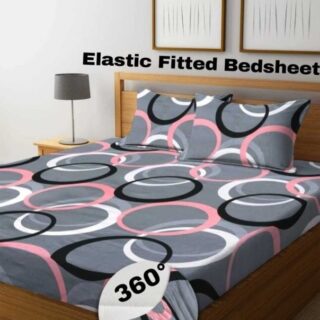 Home Garage 210 TC Cotton King Floral Fitted (Elastic) Bedsheet(Pack of 1, Grey)
Original price was: ₹999.00.₹299.00Current price is: ₹299.00.
Home Garage 210 TC Cotton King Floral Fitted (Elastic) Bedsheet(Pack of 1, Grey)
Original price was: ₹999.00.₹299.00Current price is: ₹299.00.
-
 Goodrik 140 TC Cotton Double 3D Printed Flat Bedsheet(Pack of 1, Brown)
Original price was: ₹499.00.₹229.00Current price is: ₹229.00.
Goodrik 140 TC Cotton Double 3D Printed Flat Bedsheet(Pack of 1, Brown)
Original price was: ₹499.00.₹229.00Current price is: ₹229.00.
-
 GLOBALSHOP 350 TC Microfiber Double Floral Flat Bedsheet(Pack of 1, Multicolor)
Original price was: ₹1,250.00.₹263.00Current price is: ₹263.00.
GLOBALSHOP 350 TC Microfiber Double Floral Flat Bedsheet(Pack of 1, Multicolor)
Original price was: ₹1,250.00.₹263.00Current price is: ₹263.00.
-
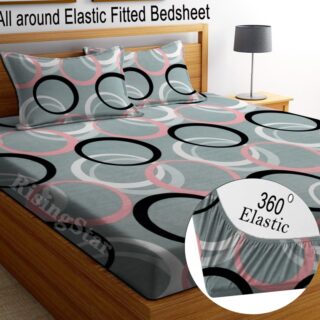 RisingStar 250 TC Microfiber King Printed Fitted (Elastic) Bedsheet(Pack of 1, FITTED-ROUND-CIRCLES-PREMIUM)
Original price was: ₹2,299.00.₹299.00Current price is: ₹299.00.
RisingStar 250 TC Microfiber King Printed Fitted (Elastic) Bedsheet(Pack of 1, FITTED-ROUND-CIRCLES-PREMIUM)
Original price was: ₹2,299.00.₹299.00Current price is: ₹299.00.
-
 Home Garage 210 TC Cotton King Floral Fitted (Elastic) Bedsheet(Pack of 1, Fitted Black Green)
Original price was: ₹1,299.00.₹299.00Current price is: ₹299.00.
Home Garage 210 TC Cotton King Floral Fitted (Elastic) Bedsheet(Pack of 1, Fitted Black Green)
Original price was: ₹1,299.00.₹299.00Current price is: ₹299.00.
-
 Home Garage 180 TC Cotton King 3D Printed Flat Bedsheet(Pack of 1, White)
Original price was: ₹999.00.₹229.00Current price is: ₹229.00.
Home Garage 180 TC Cotton King 3D Printed Flat Bedsheet(Pack of 1, White)
Original price was: ₹999.00.₹229.00Current price is: ₹229.00.
-
 Panipat Textile Hub 152.4 cm (5 ft) Polyester Window Curtain (Pack Of 2)(Solid, Aqua)
Original price was: ₹1,899.00.₹299.00Current price is: ₹299.00.
Panipat Textile Hub 152.4 cm (5 ft) Polyester Window Curtain (Pack Of 2)(Solid, Aqua)
Original price was: ₹1,899.00.₹299.00Current price is: ₹299.00.
-
 Home Sizzler 214 cm (7 ft) Polyester Semi Transparent Door Curtain (Pack Of 2)(Floral, Maroon)
Original price was: ₹1,199.00.₹399.00Current price is: ₹399.00.
Home Sizzler 214 cm (7 ft) Polyester Semi Transparent Door Curtain (Pack Of 2)(Floral, Maroon)
Original price was: ₹1,199.00.₹399.00Current price is: ₹399.00.
-
 Home Sizzler 153 cm (5 ft) Polyester Room Darkening Window Curtain (Pack Of 2)(Floral, Brown)
Original price was: ₹799.00.₹299.00Current price is: ₹299.00.
Home Sizzler 153 cm (5 ft) Polyester Room Darkening Window Curtain (Pack Of 2)(Floral, Brown)
Original price was: ₹799.00.₹299.00Current price is: ₹299.00.
-
 Stella Creations 214 cm (7 ft) Polyester Room Darkening Door Curtain (Pack Of 2)(Abstract, Brown)
Original price was: ₹1,299.00.₹449.00Current price is: ₹449.00.
Stella Creations 214 cm (7 ft) Polyester Room Darkening Door Curtain (Pack Of 2)(Abstract, Brown)
Original price was: ₹1,299.00.₹449.00Current price is: ₹449.00.
-
 Homefab India 152.5 cm (5 ft) Polyester Room Darkening Window Curtain (Pack Of 2)(Floral, Light Blue)
Original price was: ₹1,199.00.₹319.00Current price is: ₹319.00.
Homefab India 152.5 cm (5 ft) Polyester Room Darkening Window Curtain (Pack Of 2)(Floral, Light Blue)
Original price was: ₹1,199.00.₹319.00Current price is: ₹319.00.
-
 Urban Home 214 cm (7 ft) PVC Transparent Door Curtain Single Curtain(Solid, Off White)
Original price was: ₹699.00.₹203.00Current price is: ₹203.00.
Urban Home 214 cm (7 ft) PVC Transparent Door Curtain Single Curtain(Solid, Off White)
Original price was: ₹699.00.₹203.00Current price is: ₹203.00.
-
 Panipat Textile Hub 213 cm (7 ft) Polyester Door Curtain (Pack Of 2)(Solid, Brown)
Original price was: ₹1,199.00.₹349.00Current price is: ₹349.00.
Panipat Textile Hub 213 cm (7 ft) Polyester Door Curtain (Pack Of 2)(Solid, Brown)
Original price was: ₹1,199.00.₹349.00Current price is: ₹349.00.
-
 Home Sizzler 214 cm (7 ft) Polyester Semi Transparent Door Curtain (Pack Of 2)(Floral, Brown)
Original price was: ₹999.00.₹349.00Current price is: ₹349.00.
Home Sizzler 214 cm (7 ft) Polyester Semi Transparent Door Curtain (Pack Of 2)(Floral, Brown)
Original price was: ₹999.00.₹349.00Current price is: ₹349.00.
-
 Panipat Textile Hub 213 cm (7 ft) Polyester Semi Transparent Door Curtain (Pack Of 2)(Floral, Brown)
Original price was: ₹899.00.₹299.00Current price is: ₹299.00.
Panipat Textile Hub 213 cm (7 ft) Polyester Semi Transparent Door Curtain (Pack Of 2)(Floral, Brown)
Original price was: ₹899.00.₹299.00Current price is: ₹299.00.
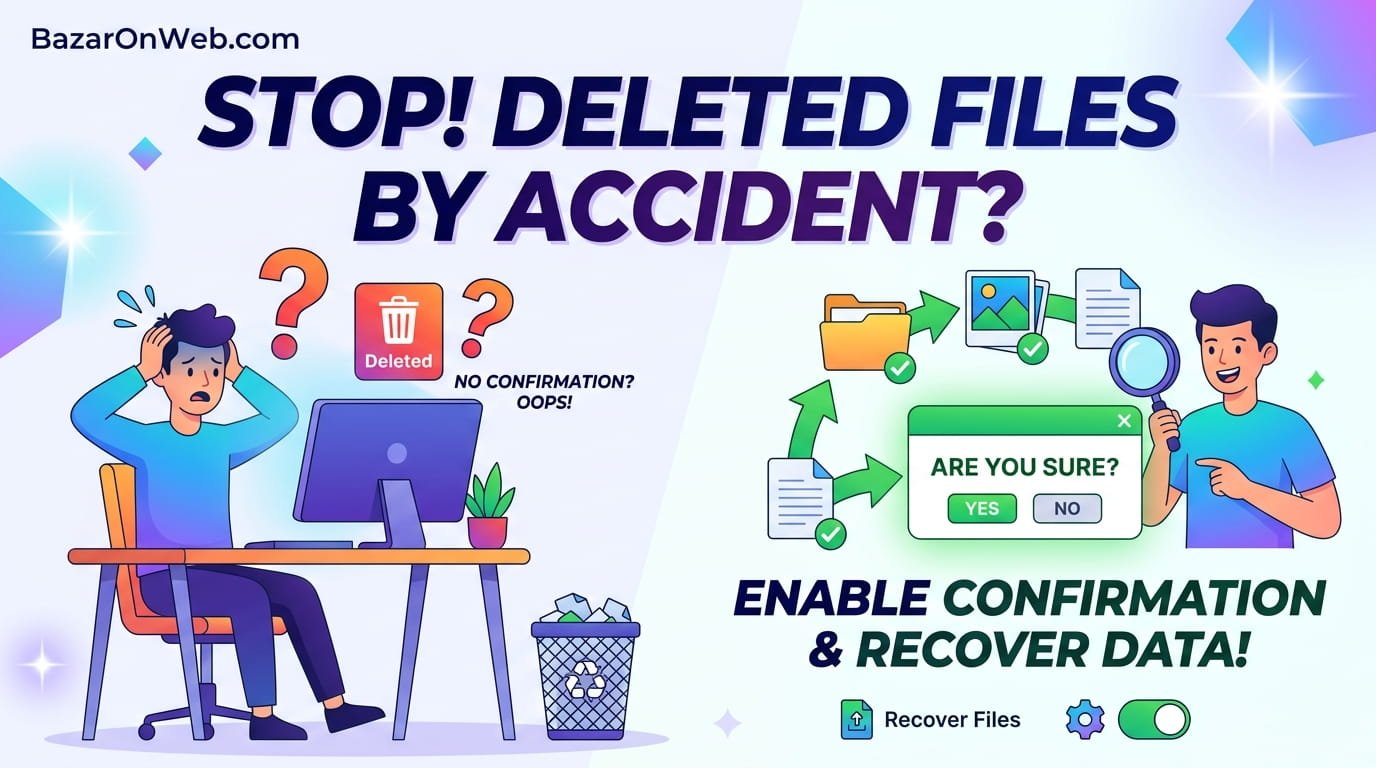
I was surprised when I accidentally deleted an important file in Windows 11 and found it silently moved to the Recycle Bin without asking for confirmation. Coming from Windows 10, where a confirmation dialog appeared for every deletion, this change felt jarring and risky. At first, I thought my system had a problem, but after researching, I discovered this is intentional Windows 11 behavior—the operating system removed the confirmation dialog to streamline file deletion. While this makes the deletion process faster for power users who rarely accidentally delete files, it creates serious risk for the rest of us who sometimes select the wrong file and reflexively hit Delete. The more I researched, the more I realized this seemingly small UI change has significant implications for file safety and accidental deletion recovery.
In this comprehensive guide, I’ll explain why Windows 11 removed the confirmation dialog, how this change affects file safety, how to restore confirmation dialogs if you prefer them, and what to do if you’ve accidentally deleted important files. I’ll walk you through multiple methods for enabling confirmation dialogs, explain the differences between moving to Recycle Bin and permanent deletion, and provide strategies for preventing accidental file loss. Most importantly, I’ll show you exactly how to recover files you’ve accidentally deleted, because understanding recovery options is your safety net if the lack of confirmation dialogs causes problems. Whether you prefer the streamlined Windows 11 approach or want the safety of confirmation dialogs, this guide provides complete solutions.
1. Understanding Windows 11’s File Deletion Change: Why Confirmation Dialogs Disappeared
Windows 10 displayed a confirmation dialog whenever you deleted a file, asking “Are you sure you want to move this file to the Recycle Bin?” This safety feature prevented accidental deletions by forcing you to consciously confirm each deletion decision. Windows 11 removed this dialog, allowing files to move directly to Recycle Bin without any confirmation. Microsoft’s reasoning for this change was to streamline the user experience and reduce unnecessary dialog boxes that experienced users find annoying. The assumption was that most users rarely accidentally delete files and that confirmation dialogs represent unnecessary friction in the deletion workflow.
This change reflects broader Windows 11 design philosophy prioritizing streamlined experiences and reducing dialog fatigue. Modern operating systems have increasingly eliminated confirmation dialogs for actions considered reversible—moving to Recycle Bin is considered reversible since files remain recoverable from Recycle Bin. However, this design decision creates real risks for users who make mistakes or select wrong files. The absence of confirmation means you must be absolutely certain you want to delete before pressing Delete. Additionally, this change disproportionately affects users with accessibility needs or those using voice control or gesture input where accidental activation is more likely. Understanding that this change was intentional rather than a bug helps you appreciate the design reasoning while also recognizing legitimate concerns about file safety the change introduces.
2. The Difference Between Moving to Recycle Bin and Permanent Deletion
Understanding the distinction between moving files to Recycle Bin and permanent deletion is critical for both file safety and recovery. When you delete a file through normal deletion (Delete key or right-click Delete), the file moves to Recycle Bin but remains recoverable. Files in Recycle Bin can be restored to their original location or a different location at any time. Recycle Bin is essentially a temporary holding area allowing you to change your mind about deletion before files are permanently erased. This is why the Windows 11 design removes confirmation dialogs—the developers considered Recycle Bin as sufficient safety since files aren’t immediately lost.
Permanent deletion occurs when you press Shift+Delete, which bypasses Recycle Bin entirely and permanently removes files from your system. Shift+Delete deletion is much more dangerous because files deleted this way cannot be recovered through Recycle Bin—recovery requires specialized data recovery software scanning your hard drive for deleted file traces. Additionally, emptying Recycle Bin permanently deletes all items in it. Understanding these two deletion types helps you appreciate why Windows 11 felt comfortable removing confirmation dialogs for standard deletion—they reasoned that Recycle Bin provides adequate recovery opportunity. However, if you’re like me and prefer explicit confirmation before any deletion occurs, you’ll want to restore confirmation dialogs despite this safety net.
3. Enabling Confirmation Dialogs in Windows 11: Recycle Bin Properties Method
The most direct way to restore confirmation dialogs in Windows 11 is configuring Recycle Bin properties. Right-click your desktop Recycle Bin icon and select “Properties.” In the properties dialog, you’ll see a section for “Confirm file delete” or similar language. Check the checkbox next to this option to enable confirmation dialogs. After enabling, click “Apply” then “OK.” Now when you delete files, Windows displays the confirmation dialog asking whether you want to move items to Recycle Bin.
If you don’t see a Recycle Bin icon on your desktop, right-click your desktop, select “Personalize,” then navigate to Themes > Related settings > Desktop icon settings. Check the box next to “Recycle Bin” to display the icon on your desktop. Alternatively, you can access Recycle Bin through File Explorer—search for “Recycle Bin” in the address bar to open it without a desktop icon. After enabling confirmation dialogs through Recycle Bin properties, the setting persists across restarts and applies to all file deletion operations through the graphical interface. This method is simple and effective for users wanting the safety of confirmation without technical complexity. The confirmation dialog becomes a daily reminder to consciously verify you’re deleting the correct files, providing genuine protection against accidental deletion.
4. Using Group Policy Editor for Advanced Users: System-Wide Deletion Confirmation
For advanced users comfortable with system configuration tools, Group Policy Editor provides more sophisticated control over deletion confirmation settings. Open Group Policy Editor by pressing Windows Key + R, typing “gpedit.msc,” and pressing Enter. Navigate to: User Configuration > Administrative Templates > Windows Components > File Explorer. Look for a policy named “Confirm file delete” or similar—the exact name varies by Windows version.
Right-click this policy and select “Edit.” In the policy editor, select “Enabled” to force confirmation dialogs for all file deletions system-wide. Click “Apply” then “OK.” This method is more comprehensive than Recycle Bin properties because it affects all deletion operations including command-line deletions and may apply to all user accounts on your computer. However, Group Policy Editor is powerful and mistakes here can cause system problems. Only modify policies you understand. Additionally, Group Policy Editor is not available on Windows 11 Home Edition—only Professional, Enterprise, and Education versions include Group Policy Editor. Home Edition users must use Recycle Bin properties method instead. After configuring Group Policy, you may need to restart your computer for changes to take effect fully. Verify confirmation dialogs appear by attempting to delete a test file.
5. File Deletion Methods and Their Confirmation Behavior in Windows 11
Windows 11 provides multiple ways to delete files, each with different confirmation behavior. Right-click deletion through “Delete” option moves files to Recycle Bin without confirmation (unless you’ve enabled it through settings). Pressing Delete key behaves identically—files move to Recycle Bin without confirmation. Pressing Shift+Delete bypasses Recycle Bin for permanent deletion, often showing a confirmation dialog even if you’ve disabled standard deletion confirmation, because permanent deletion is more risky. Dragging files to the Recycle Bin displays no confirmation. Using File Explorer’s Edit menu and Delete option may show different confirmation behavior depending on settings.
Understanding these different deletion methods helps you choose the appropriate method for your situation. For files you want to safely delete with recovery option, use standard Delete or Shift+Delete without pressing Delete. For files you want permanently deleted immediately, Shift+Delete accomplishes this directly. For files you’re completely certain about, any deletion method works. However, if you’re constantly worried about accidental deletion, training yourself to press Delete more carefully or using methods that always show confirmation provides psychological safety. Some advanced users create keyboard shortcuts mapping specific keys to permanent deletion confirmation, ensuring they must consciously confirm dangerous operations. These customizations are more advanced but provide ultimate control over deletion behavior if you’re willing to invest effort in configuration.
6. Recovering Accidentally Deleted Files from Recycle Bin
If you’ve accidentally deleted files, the first recovery attempt is always checking Recycle Bin. Open Recycle Bin by double-clicking its desktop icon or searching for “Recycle Bin” in File Explorer. You’ll see all deleted files from your system, organized by deletion date or name depending on your view settings. Look for the file you want to recover by scrolling or searching. When you find it, right-click and select “Restore.” The file returns to its original location on your hard drive.
If you don’t remember the exact filename, you can sort Recycle Bin contents by “Date Deleted” to find recently deleted files. You can also filter by file type if that helps identify what you’re looking for. If Recycle Bin contains many deleted files, use the search function—Recycle Bin includes a search box allowing you to search for files by name. If you find files but want to restore them to a different location than the original, right-click, select “Cut,” navigate to your desired location, then paste. This flexibility helps organize recovered files appropriately. Recycle Bin recovery is completely safe—restoring files doesn’t harm your system or overwrite anything. However, if you’ve emptied Recycle Bin after accidental deletion, files are no longer easily recoverable and require specialized data recovery software.
7. Understanding Recycle Bin Capacity and Automatic Emptying
Recycle Bin has limited capacity—by default, it can hold 10% of your hard drive’s total capacity (for example, 10GB on a 100GB drive). When Recycle Bin reaches capacity, oldest deleted files are automatically and permanently deleted to make room for new deletions. Additionally, Recycle Bin emptying settings control when files are permanently deleted. Open Recycle Bin properties (right-click Recycle Bin > Properties) to see current settings. The “Custom size” option specifies maximum Recycle Bin capacity—you can increase this to hold more files longer, or decrease it if you’re confident about your deletion decisions and want to prevent Recycle Bin from consuming excessive storage.
Additionally, operating system settings may automatically empty Recycle Bin after a certain period (typically 30 days). Windows 11’s Storage Sense feature can automatically empty Recycle Bin to free storage space when your drive becomes full. Open Settings > System > Storage > Storage Sense to configure automatic cleanup settings. If automatic emptying is configured, files in Recycle Bin won’t remain indefinitely—they’ll be permanently deleted after the specified time period. Understanding these automatic deletion features is important because they mean Recycle Bin is not a permanent recovery solution. Files might disappear from Recycle Bin automatically before you even realize you’ve deleted them. This reinforces the importance of either preventing accidental deletion through confirmation dialogs or maintaining backups so you’re not dependent on Recycle Bin recovery.
8. Data Recovery Software for Permanently Deleted Files
If you’ve permanently deleted files (through Shift+Delete) or they’ve been automatically removed from Recycle Bin, specialized data recovery software can sometimes recover them. Deleted files aren’t immediately overwritten—the storage space they occupied is marked as available for new data, but the actual file data remains until new files overwrite it. Data recovery tools scan your hard drive for deleted file traces and attempt to reconstruct files from this leftover data. However, recovery success depends on whether the storage space has been overwritten since deletion. The longer you wait after accidental deletion before attempting recovery, the lower success chances become as new files potentially overwrite the deleted data.
Popular data recovery tools include Recuva (free), EaseUS Data Recovery Wizard, and similar software from established developers. Download recovery software to external storage or another computer to avoid overwriting deleted data on the drive you’re recovering from. Install the recovery tool on the external storage, then scan the drive containing deleted files. After scanning, the tool displays recovered files—select which ones to recover and specify recovery location (must be on different drive than the original). Recovery success varies from 50-100% depending on file types, how much of the storage has been overwritten, and how long it’s been since deletion. For critical files, consider professional data recovery services, though these are expensive (often $300-1000+). Recovery software is worth attempting for important files before giving up on recovery entirely.
9. Best Practices for Preventing Accidental File Deletion
Rather than relying on recovery if accidental deletion occurs, preventing deletion in the first place is superior. The most effective prevention is enabling confirmation dialogs as described earlier—this forces conscious verification before every deletion. Additionally, be mindful about what you select before pressing Delete. Double-check file selection, especially if multiple files are selected (selected files often look visually distinct, but it’s easy to miss them). Consider using File Explorer’s selection carefully—some users prefer clicking multiple files with Ctrl+click rather than drag-selecting, which prevents accidentally including unwanted files.
Furthermore, maintain regular backups of important files. Cloud services like OneDrive, Google Drive, or Dropbox maintain copies of synced files, providing recovery even if local files are deleted. External hard drive backups or periodic system image backups ensure you can recover from most file loss situations. Additionally, consider organizing files by importance and keeping critical files in protected locations with restricted modification permissions. Some advanced users create read-only copies of important files to prevent accidental modification or deletion. Finally, develop a deletion habit—never delete in haste or while distracted. Take a moment to verify you’re deleting the correct files. These behavioral practices combined with technical protections like confirmation dialogs and backups provide robust protection against accidental file loss.
10. Balancing Convenience and Safety: Personal Deletion Preferences
Windows 11’s design philosophy prioritizes convenience over safety by removing confirmation dialogs, based on the assumption that Recycle Bin provides sufficient protection. Whether you agree with this philosophy depends on your personal tolerance for risk and your usage patterns. Power users who rarely make mistakes and are confident in their file management may prefer the faster deletion without confirmation dialogs. Casual users who occasionally make mistakes and worry about accidental deletion benefit from confirmation dialogs, even though they slow down file deletion slightly.
The ideal solution is choosing the approach matching your comfort level. If you’re confident about your deletion decisions and prefer fast workflows, accept Windows 11’s default behavior. If you worry about mistakes or want explicit confirmation, enable confirmation dialogs through settings. Additionally, you can combine multiple safety approaches—enable confirmation dialogs for the most important situations, maintain backups for recovery insurance, and keep files in organized locations reducing selection mistakes. Some users disable confirmation dialogs for regular files they’re confident about but create keyboard shortcuts requiring confirmation for critical files. These customized approaches provide the safety you need without excessive friction. Ultimately, file deletion behavior is personal—choose the configuration matching your risk tolerance and workflow preferences. What matters is being conscious about your deletion behavior rather than reflexively hitting Delete without thinking.
Disclaimer
This article provides guidance on Windows 11 file deletion behavior, enabling confirmation dialogs, and recovering deleted files. The information is intended for educational purposes to help users manage file safety and prevent accidental deletion. Specific procedures, recovery success rates, and outcomes may vary depending on your system configuration, file types, and individual circumstances.
Important Disclaimers:
- File recovery success depends on whether deleted storage space has been overwritten; longer delays reduce recovery chances
- Data recovery software success varies; not all deleted files can be recovered
- Confirmation dialogs prevent deletion but cannot prevent all accidental data loss
- Recycle Bin is not permanent storage; files may be automatically deleted after configured time periods
- Some deleted files may be unrecoverable if sufficient data overwrite has occurred
- Professional data recovery services are expensive and should be considered last resort
Backup Recommendations:
- Regular backups provide the most reliable protection against file loss
- Cloud backup services maintain copies even if local files are deleted
- External drive backups provide additional recovery options
- System image backups enable complete system recovery if necessary
- Test backup restoration periodically to ensure backups function properly
Recovery Limitations:
- Permanent deletion (Shift+Delete) bypasses Recycle Bin and is much harder to recover from
- Data recovery software cannot guarantee recovery of all deleted files
- Overwritten storage space cannot be recovered; file data is permanently lost
- Some file types may be partially recoverable even if completely overwritten
- Professional recovery is necessary for severely damaged or heavily overwritten storage
Storage and Performance:
- Recycle Bin capacity limitations mean deleted files are automatically purged when capacity reached
- Increasing Recycle Bin size uses more disk storage
- Automatic cleanup may delete Recycle Bin contents before you realize you need them
- Balancing Recycle Bin capacity and storage usage requires personal configuration
System Administration:
- Group Policy Editor modifications affect system-wide behavior; incorrect changes can cause problems
- Only modify Group Policy settings if you understand their implications
- Group Policy Editor is not available on Windows 11 Home Edition
- Administrator privileges required for most deletion and recovery operations
Software Safety:
- Download data recovery software only from official developer websites or reputable software repositories
- Be cautious about third-party recovery software; some may be unreliable or contain malware
- Reputable recovery tools include Recuva, EaseUS, and others from established developers
- Read reviews and verify software legitimacy before trusting it with important recovery
File Organization:
- Organized file systems make accidental deletion less likely
- Regular file cleanup prevents searching through unnecessary files
- Archiving old files reduces active file management complexity
- Separating critical files from working files provides additional safety
When Professional Help Is Needed:
- For critical file recovery, professional data recovery services may be necessary
- If recovery software fails to recover important files, professional services provide better success chances
- Hardware-level storage problems require professional diagnostics and recovery
- Lost access to encrypted files may require professional assistance
Liability:
We are not responsible for any file loss, failed recovery, or other consequences resulting from following guidance in this article. Users assume full responsibility for their file management and deletion decisions. Most file loss situations are recoverable if addressed quickly with appropriate tools, but some files may be permanently unrecoverable depending on circumstances. If files are critical, professional data recovery services should be considered despite expense. Regular backups remain the most effective protection against permanent file loss, and users should maintain backup practices regardless of deletion confirmation settings.
About the Author
Jessica Miller is a marketing manager and file management advocate who believes users deserve control over their deletion behavior and protection against accidental data loss. With expertise in Windows file management, data recovery, and practical file safety practices, she helps busy professionals maintain organized digital systems and prevent catastrophic file loss. When she’s not writing comprehensive tech guides or managing her marketing team, she’s exploring file organization systems, testing backup solutions, and helping friends recover from accidental file deletion disasters.

- How to Remotely Control Another Computer Using Windows Quick Assist

- 5 Must-Have Electronics Gadgets for a More Comfortable Living Room

- How to Create a Windows 11 System Backup on an External Hard Drive

- 10 Smart Home Ideas That Make Everyday Life Easier

- Gemini Live Avatar: How to Talk to Gemini Face-to-Face

Products
-
![Apple Watch Ultra 3 [GPS + Cellular 49mm] Running & Multisport Smartwatch w/Rugged Titanium Case w/Black Titanium Milanese Loop - M. Satellite Communications, Advanced Health & Fitness Tracking](https://bazaronweb.com/retailstores/wp-content/uploads/2025/09/apple-watch-320x320.jpg) Apple Watch Ultra 3 [GPS + Cellular 49mm] Running & Multisport Smartwatch w/Rugged Titanium Case w/Black Titanium Milanese Loop - M. Satellite Communications, Advanced Health & Fitness Tracking
Apple Watch Ultra 3 [GPS + Cellular 49mm] Running & Multisport Smartwatch w/Rugged Titanium Case w/Black Titanium Milanese Loop - M. Satellite Communications, Advanced Health & Fitness Tracking
-
 Apple iPad mini (A17 Pro): Apple Intelligence, 8.3-inch Liquid Retina Display, 256GB, Wi-Fi 6E, 12MP Front/12MP Back Camera, Touch ID, All-Day Battery Life — Purple
-
 Apple AirPods Max Wireless Over-Ear Headphones, Active Noise Cancelling, Transparency Mode, Personalized Spatial Audio, Dolby Atmos, Bluetooth Headphones for iPhone – Space Gray
-
 Apple AirPods Pro 2 Wireless Earbuds, Active Noise Cancellation, Hearing Aid Feature, Bluetooth Headphones, Transparency, Personalized Spatial Audio, High-Fidelity Sound, H2 Chip, USB-C Charging
-
Home Garage 210 TC Cotton King Floral Fitted (Elastic) Bedsheet(Pack of 1, Grey)
Original price was: ₹999.00.₹299.00Current price is: ₹299.00.
Leave a Reply